Connect with us

Fitness

Frustrated on not losing weight despite workout and diet? Fitness coach shares 5 hidden signs you are becoming more fit

Published

on

Frustrated on not losing weight despite workout and diet? Fitness coach shares 5 hidden signs you are becoming more fit

The weight loss journey is all about consistency and patience. However, moments of disheartening frustration can creep in, leading many to assume it’s not working and even give up in despair. But often, it’s not about big changes, small changes can speak volumes.

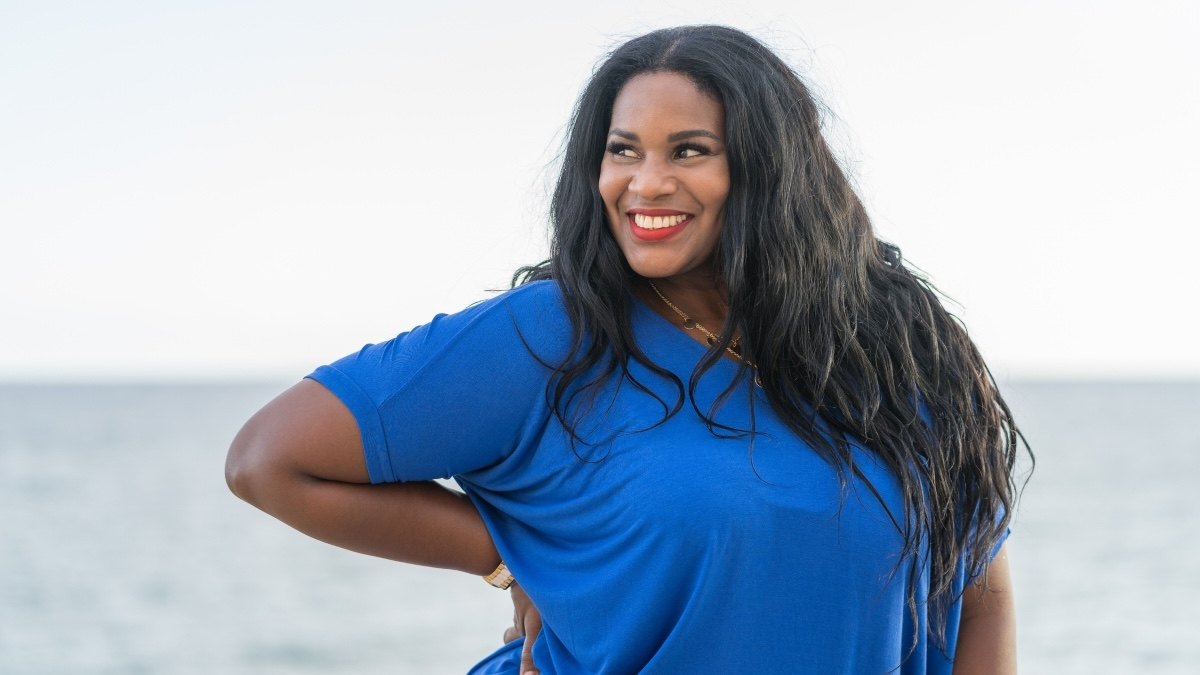
Even if you don’t see changes in the mirror or scale, your body sends subtle signs. (Shutterstock)

Vimal, a nutritionist and fitness coach as per her Instagram bio, shared subtle signs that are actually show your efforts. Even if the scale isn’t showing substantial progress yet, these signs can encourage you to keep going.

Not out of breath after going upstairs

Going breathless after climbing a long flight of stairs is common. But when you see improvement, it means your fitness regime is actually working. She wrote, “This improvement hints at better cardiovascular endurance. As you lose weight and get fitter, your heart and lungs work more efficiently, delivering oxygen to your muscles with less effort. With lower body fat, your body needs less energy to move so activities feel easier.”

More energy

One of the other noticeable benefits of weight loss is how it impacts your overall wellbeing, including your energy levels and mental clarity throughout the day. The fitness coach explained, “Losing weight often means your body is processing food more efficiently, leading to steady blood sugar levels and more stable energy. Improved diet and exercise can boost brain health by improving blood flow which enhances focus and memory.”

Advertisement

ALSO READ: Man who lost 50 kg reveals ‘the most underrated weight loss hack’

Clothes start to fit better

Even if there isn’t a stark visible change in body toning, you might notice that your clothes fit better. The usual tightness is gone, making the clothes more comfortable. She said, “This is a sign of body composition change. Even if the scale isn’t dropping, you may be losing fat while maintaining or gaining lean muscle. Muscles take up less space than fat, so your measurements can change even if your weight stays the same.”

Mental health improvements

Weight loss is not just about physical transformation, it often brings significant emotional and mental health benefits as well. She added, “Exercise and weight loss can increase endorphins also known as “feel good “ hormones which lift mood and reduce stress. Better physical health can also boost self confidence and mental clarity which may lead to improved emotional health.”

Better sleep quality:

The sleep quality improves significantly with the help of a consistent exercise routine and diet. Vimal explained, “Regular exercise and balance diet helps help regulate circadian rhythms making easier to fall asleep and wake up refreshed. Weight loss also reduces sleep apneas risk especially for those with extra body weight around the neck and chest.”

She concluded by emphasizing that the scale is not the sole measure of progress in a weight loss journey, as there are numerous other signs that reflect success beyond just the numbers.

Advertisement

ALSO READ: Say goodbye to your dream body if all you do is walk on a treadmill. Here’s why it gives no ‘real results’

Disclaimer: This article is for informational purposes only and not a substitute for professional medical advice. Always seek the advice of your doctor with any questions about a medical condition.

Fitness

Prepare for Ski Season With These Workouts

Published

on

Prepare for Ski Season With These Workouts

Skiing can be a whole lot of fun when the snow starts flying. But your body can take a beating on the slopes if it’s not properly prepared.

Advertisement

Cleveland Clinic is a non-profit academic medical center. Advertising on our site helps support our mission. We do not endorse non-Cleveland Clinic products or services. Policy

Sports medicine specialist Molly McDermott, DO, shares how to get ready for ski season with some workouts and strategies.

Ski training routine

Some elite skiers start training at the tail end of spring — about six months before they ever hit the slopes. Others may need less time. In general, Dr. McDermott recommends training at least six to eight weeks before your first outdoor adventure.

Advertisement

As part of your routine, you’ll want to focus on ski workouts that build:

  • Strength
  • Endurance
  • Flexibility
  • Neuromuscular control (also known as muscular coordination)

Trying to jump into a sport when you haven’t intentionally trained is difficult and challenging, says Dr. McDermott. That’s especially true given the physical demands that come with skiing.

“You want to train your brain, nerves and muscles to really build stability and balance so you can have more control over how you jump and land,” she notes.

Ski exercises

Ski-focused training puts a strong emphasis on lower-body exercises, targeting everything from your glutes to your ankles. But you’ll want to take a full-body approach to ski exercises, which means working on your core and upper body as well.

“You’re going to have to make real-time decisions when you’re out on the slopes,” stresses Dr. McDermott. “You’ll need to strengthen your whole body to be able to do things like pivot or change direction, keep your balance, propel yourself forward and withstand the impact of skiing.”

Dr. McDermott recommends starting with just bodyweight exercises if this is your first go at it. More experienced athletes can focus on higher weights or machines. In general, she recommends doing three sets of 10 to 15 reps each. Then, as you work through your training, you can progressively load your weight, sets, reps or how long you exercise to continue building strength and endurance.

Advertisement

Here are some workouts that lend themselves to skiing.

Dynamic warm-up

Warming up before any workout is key, especially right before you hit the slopes. The International Ski and Snowboard Federation agrees. Dynamic warm-ups and cool-downs are highly effective for preventing injury and improving performance.

Consider starting and ending your ski workout with five to 10 minutes of:

  • Jogging
  • Using an elliptical
  • Walking on a treadmill

“You’re warming up your muscles and then stretching them, as opposed to static, cold stretching,” explains Dr. McDermott.

Squats

“Squat maneuvers help make sure you have the coordination of your nerves and your muscles working together so your muscles are strong and keep your body aligned — in particular, keeping your knees from turning in,” says Dr. McDermott. “As squats become easier, you can progress to squat jumps.”

  1. Stand with your feet shoulder-width apart with your toes pointed slightly outward.
  2. Hinge at your hips, bend your knees and slowly lower your body (as if sinking into a chair).
  3. Lower until your thighs are parallel to the ground, keeping your knees in line with your toes and your weight on your heels.
  4. Hold the position for three to five seconds.
  5. Shoot up quickly to your starting position by pushing through your heels.
  6. Repeat this process for 10 to 15 reps.

Side-lying hip abductors

Hip abductor exercises help with skiing because they focus on balance, control and building strength in your hips, glutes and thighs.

  1. Lie down on your side with your legs extended straight. Your right leg should be on top of the other and you should rest your head on your left arm.
  2. Keeping your hips steady, lift your right leg so your knees are no longer touching. You should feel a stretch in your upper thigh and hip.
  3. Slowly lower your right leg.
  4. Repeat for 10 to 15 reps, then switch sides and continue.

Calf raises

Calf raises help improve ankle mobility and calf strength — all needed for those quick turns while skiing.

  1. Stand with your feet hip-width apart, with your arms hanging at your sides.
  2. Slowly lift the back of your heels until you’re standing on the balls of your feet.
  3. Hold this position for one to two seconds before lowering back down.
  4. Repeat for 10 to 15 reps.

Skater hops

“Skater hops are single-leg hops from side-to-side,” describes Dr. McDermott. “These are really going to help you in certain ski maneuvers.”

  1. Stand with your feet hip-width apart and your hips and knees bent at a 45-degree angle.
  2. Push off the floor with your left leg so that you jump to the side, landing on your right leg.
  3. Keep your knees bent and your left leg crossed behind your right (as if you’re skating).
  4. Then, jump back to the opposite side, crossing your right leg behind your left.
  5. Repeat this process in quick succession for 10 to 15 reps, jumping as fast and far as you’re able.
  6. To maintain momentum, it helps to swing your left arm forward as you’re pushing off with your left leg and vice versa.

Shoulder shrugs

“Shoulder shrugs are a good ski exercise because they help build the upper trapezius muscles that connect with your neck,” says Dr. McDermott. “They really work on your posture.”

  1. Start by standing tall, feet hip-width apart.
  2. While looking straight ahead, lift both of your shoulders and slowly roll them backward in a circle for 10 seconds.
  3. Repeat the process by circling your shoulders in the opposite direction for 10 seconds.

Chin tucks

Chin tucks involve a gentle range of motion to improve posture and strengthen neck muscles.

  1. While sitting or standing in a relaxed position, look straight ahead and lightly touch the bottom of your chin with your index finger.
  2. Gently pull your head and neck back so your chin moves away from your finger.
  3. Hold this tucked-chin position for up to 10 seconds before slowly extending your head and neck forward to the starting chin position.
  4. Repeat this process for 10 to 15 reps.

Push-ups

“Push-ups are good for strengthening your shoulders, chest and core, which helps with balance and stability when you’re skiing,” says Dr. McDermott.

  1. Kneel on all fours with your palms flat on the floor in front of you and your fingers facing forward. Hands should be shoulder-width apart and directly below your shoulders.
  2. Lift your knees off the floor and straighten your legs.
  3. Bend your elbows and tuck them to your sides as you slowly lower your chest and chin to the floor.
  4. Push through your palms until your arms are fully extended. Don’t let your hips or back dip to the ground — your head, spine and butt should all be aligned.
  5. Repeat this process for 10 to 15 reps.

Planks

This exercise targets your wrists, forearms, core and upper body — all areas that promote stability and strength while skiing.

  1. Get into a push-up position, with your legs extended and your elbows directly beneath your shoulders.
  2. Hold this upright push-up position for 10 to 15 seconds, with your abs engaged and butt and back aligned.
  3. For a modified challenge, you can lower your knees to the floor while holding this position.
  4. For a deeper stretch, you can rock your hips back and forth, or lower down to your elbows for a low plank.

Bridges

Bridges help strengthen your glutes, which help guide and direct your skis.

  1. Lie on your back with your knees bent, feet on the floor and arms at your sides.
  2. Squeezing your butt and abdominal muscles, push through your heels to slowly lift your hips toward the ceiling.
  3. Keep your back straight and your arms pressed into the floor at your sides.
  4. Hold this position for a few seconds, before slowly lowering your hips to the floor.
  5. Repeat this process for 10 to 15 reps.

Oblique twists

Also known as a Russian twist, this exercise focuses on your abdominal muscles and core strength. It helps with skiing because it supports your ability to rotate, turn and move quickly.

  1. Sit on the floor with your knees bent and your feet flat.
  2. Lean back at a 45-degree angle and squeeze your abdominal muscles.
  3. Extend your arms out straight in front of you and clasp your hands together.
  4. Engage your core as you twist slowly to the right as far as you feel comfortable, moving your arms in the direction you’re turning.
  5. Return back to center, pause and then twist to the left side.
  6. Repeat this process for 10 to 15 reps.

Cardio exercises

Skiers can also benefit from cardio exercises that get their blood flowing and build aerobic endurance, like:

  • Cycling
  • Running
  • Swimming
  • Rowing

“Build cardiovascular and low-impact activities into your training routine to help improve your performance and increase your endurance,” advises Dr. McDermott. “Some days you can break it up into sets or you can do 30 minutes straight.”

A note before hitting the slopes

A big part of ski training is getting your body acclimated to cold-weather exercises. For athletes who live in areas where winter runs strong, it helps to train early and get that outdoor exposure as temperatures begin to drop during the fall.

Advertisement

Others who live in warmer climates might benefit from taking cold showers, ice baths or lowering indoor temperatures weeks before heading out on a ski trip.

Once ski season begins, make sure you warm up before heading outdoors, stay hydrated and keep moving to keep your body warm.

“When you’re skiing, a lot of unexpected things happen,” cautions Dr. McDermott. “The weather changes and things happen really fast. So, you want to be physically and mentally prepared before you hit the slopes, making sure you’ve got the right equipment, the right clothing and you’re prepared in case of injury.”

Continue Reading

Fitness

Forget the gym — you just need 20 minutes and 2 dumbbells to strengthen your whole body with this workout

Published

on

Forget the gym — you just need 20 minutes and 2 dumbbells to strengthen your whole body with this workout

One of the harder parts of committing to a training routine is knowing where to start, and that’s true of those who have never trained regularly before as well as more experienced people coming back after a break.

This 20-minute workout from fitness trainer Lindsey Bomgren, founder of Nourish Move Love on YouTube, is perfect for easing your way into a training routine, especially if you’re coming back from a break because of illness or any other reason.

Continue Reading

Fitness

Ditch sit-ups and crunches — this 5-move standing abs workout will help you build a stronger and more sculpted core

Published

on

Ditch sit-ups and crunches — this 5-move standing abs workout will help you build a stronger and more sculpted core

The beauty of a standing abs workout is that you do not need a mat, much space, or to get down on the ground for any of the exercises. That makes it easy to fit into a busy day, whether you are working out at home, short on space, or prefer to stay off the floor altogether.

None of that means it is easier or delivers fewer results. Pilates instructor and Balance Body Educator Portia Page built this five-move, all-standing core workout to show that you can still challenge your abs effectively without a mat or traditional floor exercises.

Continue Reading

Trending