San Francisco, CA
Bun Mee: A Vietnamese Sandwich Shop Primed To Move Beyond San Francisco


Denise Tran has opened 5 Bun Mee’s in San Francisco, specializing in Vietnamese bahn mi sandwiches … [+]
Some consumers are looking for alternatives to the steady diet of burger, pizza and tacos that dominate the U.S. restaurant landscape. Denise Tran, a San Francisco restaurateur, has an answer for them. She operates 5 San Francisco-based Vietnamese sandwich shops, Bun Mee, specializing in bahn mi (more about that later) and is looking to franchise outside of California.
“How did the taco get exposure and become part of the American mainstream? So why not bahn mi? And why not now?” Tran wonders.
Bun Mee debuted in San Francisco in 2011 when Tran spent its first three years educating its guests what exactly banh mi was. When it opened, the only places one could find banh mi sandwiches in San Francisco were in Chinatown or Little Saigon but hardly anywhere else, she suggests.
She named it Bun Mee because most people mispronounced it and she liked the pun, since it explains how to pronounce the name phonetically. Tran was raised in New Orleans, lived in New York City before moving to San Francisco.
Bun Mee has expanded to two restaurants, in Pacific Heights and the financial district, two in airport terminals, and just opened its fifth in the Marina district. She says the airport locations generated $4.3 million and $3.6 million last year, and the other two, $1.7 million and $1 million.
She’s starting franchising now because “We’re the healthiest we’re ever been financially in terms of profitability and top-line sales. And we spent time working on our internal processes.”
A San Francisco Vietnamese sandwich shop has grown to 5 locations and is testing franchising to expand.
She recognizes there are risks in franchising, namely, “losing quality, not having consistency, people doing their own things and location risk.” But she’s pursuing franchisees who are experienced rather than just those “who have the money.”
Bahn mi sandwiches are served on French baguettes, a tradition that the French brought to Vietnam in the 19th century. Vietnamese bakers gradually transformed the baguette into a “lighter, crisper bread that’s ideal for bahn mi,” she explains.
They’re Different from Tuna and Chicken Salad
Some of the most popular sandwiches served as Bun Mee include five spice chicken, lemongrass pork, lemongrass tofu and its sloppy bun, a take on the sloppy joe sandwich but made with lemongrass curry.
How Bahn Mi Sandwiches Differ from Subs
Compared to typical submarine sandwiches served in the U.S., bahn mi combines Southeast Asian flavors with French bread and features Vietnamese ingredients such as pickled vegetables, fresh cilantro, pate and distinctive sauces.
Indeed its bahn mi sandwiches differ from the American sliced deli sandwiches because “We marinate, braise and sous vide our proteins. Our lemongrass pork is bursting with flavor and married with fresh lemongrass, garlic and spices,” Tran notes.
When Tran launched her first Bun Mee, she capitalized it mostly with her own funds supplemented with a few friends and family investors. Indeed she currently owns 80% of the business.
Techies Are Attracted to Its Bahn Mi Sandwiches
She compares the target audience to that of Starbucks as “educated techies ranging from 25-55 who value high quality food and well-traveled professionals who are foodies.” Most of its clientele is white with only 10% Asian.
Expanding bahn mi to a more national chain is one of her goals. She notes that the “sandwich category is one of the largest in fast casual and it’s a shame currently to not have an Asian option as part of the discussion.”
Customer reaction on Yelp to dining at Bun Mee was mostly positive with certain exceptions. For example, Jonathan from Montclair, N.J praised the food as being “tasty, well-made and a pleasure to eat.” But he described it as “Americanized Vietnamese food.”
Emily from San Francisco enjoyed her “lemongrass pork rice bowl with garlic rice and a side of bone broth. Everything was super flavorful and tasted fresh, and the prices were very reasonable.”
In terms of franchising, Tran is targeting Denver since it’s a tech hub and a growing city, with a demographic similar to its San Francisco clientele. But she’s open to other locations out West that she can reach quickly.
In 2025, her goal is to open 5 new franchised locations in its first year. She says keys to its success include: 1) Having the right executive team in place, 2) Executing on its plans, 3) Choosing quality franchisees in the initial round.
Tran also sees the growth of Bun Mee as a symbolic Vietnamese success story, counteracting much of the recent anti-immigrant backlash. “I understand now that Bun Mee means more to my community than just Vietnamese sandwiches. In light of the division and rhetoric that divides us currently, it makes me feel honored to bring people together via food,” she asserts.


San Francisco’s Fourth of July celebration along the city’s waterfront quickly turned into hours of gridlock, dangerous fireworks incidents and a surge in emergency calls.
Thousands packed Crissy Field to watch fireworks launched from the Golden Gate Bridge. But once the show ended, it wasn’t exactly a smooth ride home.
While many left with great memories. Others found themselves stuck for hours in gridlock, caught in a massive backup involving dozens of Waymo cars, while firefighters across the city were responding to fires and serious fireworks injuries.
For Rose Peterson, the ride home after San Francisco’s Fourth of July fireworks took an unexpected turn.
“We were pulling up to a four-way stop and this guy was shooting off a firework in the middle of the road, and then our Waymo starts driving, and we’re like ‘Wait, what’s happening?’,” she said.
No one inside was hurt, but Peterson says the experience left her questioning how autonomous vehicles respond in unpredictable situations.
“I definitely think it needs to be more sensitive of anything that can come into the path of the road,” she said.
That wasn’t the only challenge after the show.
As thousands left Crissy Field and the Presidio, traffic came to a standstill. Among those stuck was Dave Guingona, who had friends visiting from the Philippines and wanted to show them a memorable Fourth of July in San Francisco.
“Five minutes, 10 minutes, 15 minutes went by, then we realized people were getting out of their cars, yelling and screaming at these Waymos because there were no drivers,” he said.
He says nearly two hours later, Waymo employees finally began driving the vehicles out.
“They had a great time, but this is what they’re going to remember for the rest of their lives. This was unbelievable,” he said.
While traffic barely moved, San Francisco firefighters responded to more than 500 calls for service, including four fireworks-related wildfires, numerous outside fires across the city and a vehicle fire on Connecticut Street believed to have been sparked by illegal fireworks.
Crews also responded to two life-altering fireworks injuries.
Captain Jonathan Baxter says the incident Peterson experienced in the Waymo was another reminder of how quickly things could have turned tragic.
“That situation could’ve had a far worse outcome—not only for the individuals in the car that could’ve been injured or worse—but for the individuals who lit the fireworks. They could have their life altered for the rest of their lives as well,” Baxter said.
Waymo says extreme traffic congestion disrupted operations for several vehicles after the fireworks and crews worked with city officials to clear them from the area.
The company also says it’s evaluating the incident surrounding fireworks, adding it’s committed to learning from situations like this.
San Francisco fire officials are reminding people that even fireworks marketed as “safe” can cause devastating injuries and fires. As for Waymo, the company says it’s reviewing both last night’s traffic congestion and the incident involving Rose’s ride as it looks for ways to improve operations during major events.

An unoccupied Waymo autonomous vehicle caught fire Saturday evening after driving over a small firework in a San Francisco roadway, according to a company spokesperson.
The incident occurred near the 1200 block of Connecticut Street. No one was inside the self-driving car at the time, and no injuries were reported.
Waymo stated it coordinated with the San Francisco Fire Department and local authorities to safely remove the damaged vehicle from the scene.

-

 Sports4 minutes ago
England stuns Mexico 3-2 in instant World Cup classic, hands team first World Cup loss at Estadio Azteca
-
 Business14 minutes ago
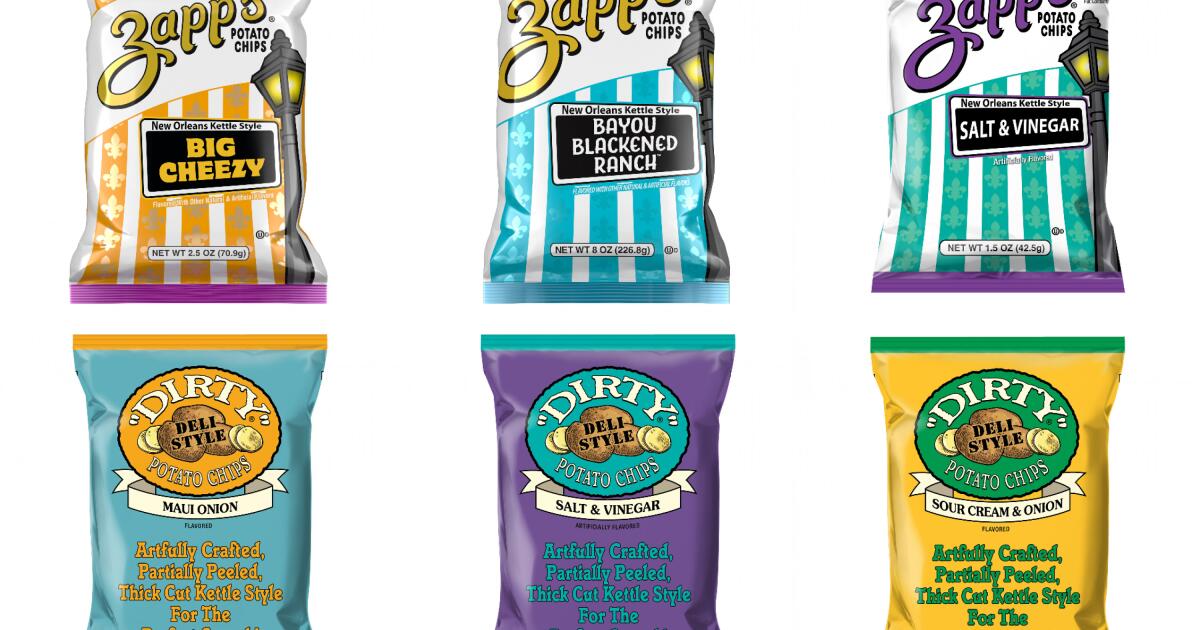
FDA escalates recall of Utz brand potato chips before July Fourth holiday
-
 Entertainment19 minutes ago
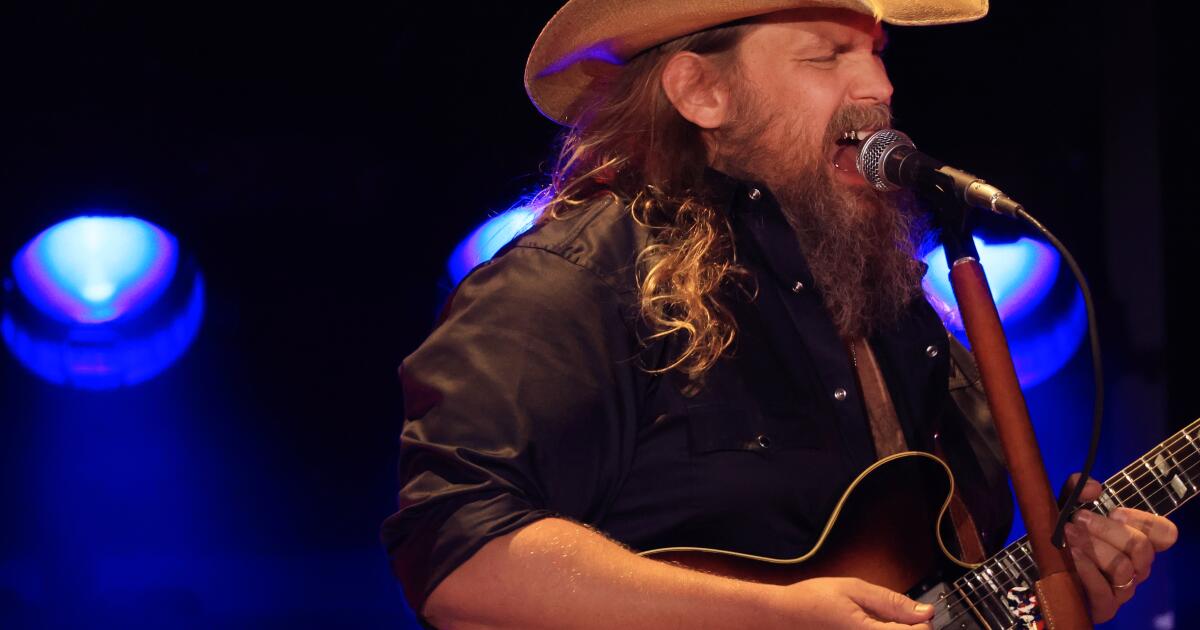
Inside the all-star America250 concert at the L.A. Coliseum
-

 Lifestyle26 minutes ago
Luxury Clients Want Meaning More Than Status
-
 Politics29 minutes ago
Commentary: Even in ugly times, the bicentennial united us. America 250 still can
-
 Sports41 minutes ago
‘I wish she was alive.’ Eliezer Alfonzo has emotional day as Dodgers lose to Padres
-

 World49 minutes ago
Photos: Khamenei funeral procession under way in Tehran
-
 News1 hour ago
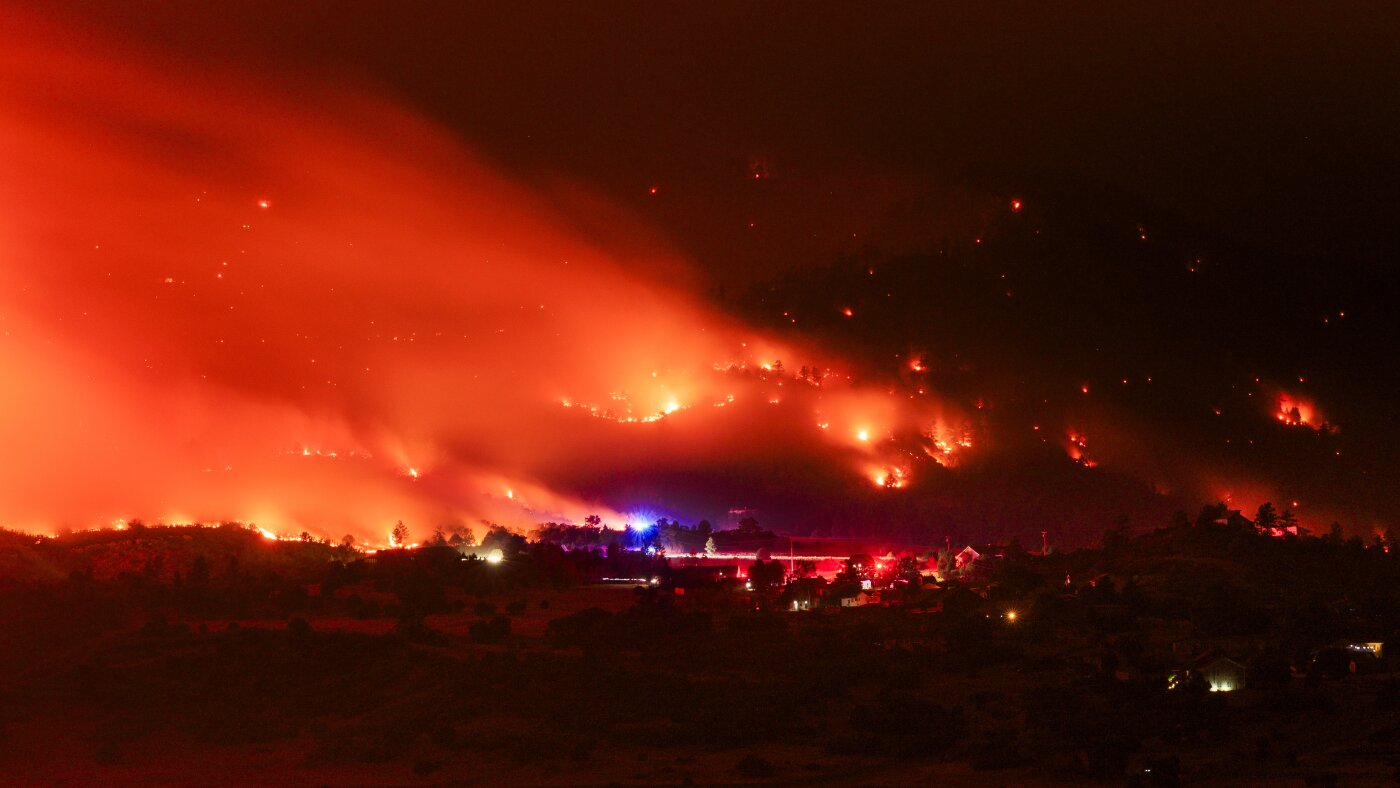
Thunderstorms, heat and wind will hamper efforts to contain Colorado wildfires

