Maine
Wild Blueberries: A Journey Through Time and Tradition In Maine


Hand raking wild blueberries in Northern Maine with the Passamaquoddy Tribe. (2022)
Guess what? The fresh blueberries you buy at the store are not wild blueberries. My fascination with wild blueberries began as a child when I stumbled upon them while wandering the woods. Unlike their cultivated cousins, true wild blueberries grow naturally without human intervention, thriving in the harsh climates of northern Maine and parts of Canada. Research shows that they naturally grow in barrens created by glaciers 10,000 years ago. These berries spread underground through rhizomes, forming dense, low bushes. They are smaller and burst with intense, nuanced flavors that make each bite unique as it is delicious. If you’re curious about trying them, you’re in luck! Blueberry season is upon us starting late July.
In the summer of 2022, I was introduced to the wonders of the true wild blueberry— a serendipitous encounter that led me on a journey to northern Maine with the Wild Blueberry Association of North America. There, I had the privilege of hand raking wild blueberries alongside the Passamaquoddy. This experience deepened my appreciation for these resilient berries and the people who have cherished them for generations. I spoke to Holli Francis, the product manager at Passamaquoddy Blueberries to get more insights into their rich cultural heritage and unwavering commitment to sustainability. Here are 5 things to know about wild blueberries and the voices who have been stewarding the land for thousands of years.
Historical and Cultural Significance
For the Passamaquoddy people, wild blueberries are more than just a source of sustenance; they are a cornerstone of cultural identity. “The Passamaquoddy way of life was to hunt, fish, trap, and gather food and medicine, and employ the environment’s natural resources to sustain their communities” Francis says. Historically, these berries were consumed alongside abundant seafood reflecting the tribe’s deep connection to their coastal environment. The name “Passamaquoddy” itself translates to “people who spear pollock,” highlighting their intimate relationship with nature. Wild blueberries were also used as a form of medicine, a practice now supported by scientific evidence showing their high antioxidant and anthocyanin content. Additionally, these berries served as a dye for sweetgrass used in basket weaving and other crafts, showcasing their multifaceted role in Passamaquoddy life.
A bunch of ripened wild blueberries. Wild blueberries have intense blue coloration and an intense … [+]
Sustainable Harvesting Practices
The Passamaquoddy Tribe has long employed sustainable practices to ensure the longevity of wild blueberry plants. Unlike traditional farming– where soil is disturbed– the tribe allows these hardy plants to thrive naturally in the rocky, dry barrens of Maine. Harvesting is done without planting, preserving the natural landscape. The tribe manages their 2,000 acres on a biennial cycle, harvesting 1,000 acres each year to allow the plants to rest and regenerate. Off-year burning of fields promotes regeneration and reduces pests, a practice that aligns with modern sustainable agriculture principles.
Sacred Connection and Community Gathering
Every year, hundreds of Passamaquoddy people as well as other Wabanaki tribes of all ages gather to harvest, share, strengthen and connect with their communities– the annual wild blueberry harvest is a sacred tradition. “It’s a short harvest – just four weeks – but it is important for many tribal members to feel a connection to Earth’s bounty,” says Francis. During the harvest, they gather to hand-rake blueberries, a method passed down through generations. I had the opportunity to try it out and I can tell you first-hand that it certainly isn’t easy! It requires patience, skill and technique. Some skilled pickers can fill up to 50 crates of wild blueberries a day.
Passamaquoddy Tribe members teach the new generation the ancestral practice of collecting wild … [+]
At the end of the day, this event is more than just a harvest; it is a time for community, connection, and cultural preservation. Despite historical challenges and encroachments, families come together to strengthen bonds and maintain traditions, passing it down for the next generations to come. The harvest symbolizes resilience and the enduring strength of the Passamaquoddy culture. Like many Indigenous tribes of North America, they have faced substantial loss of their ancestral lands to colonization in addition to dealing with cultural suppression and economic hardships. “The wild blueberries remain strong. Families join us at our barrens for a sense of community, connection and a feeling of centuries past.” says Francis.
Organizations such as the Wild Blueberry Association (WBA) have largely centered Indigenous voices alongside their efforts to fund further research into the wild blueberries and beyond. As a result, they are making significant strides when it comes to preserving Indigenous knowledge and encouraging folks to eat wild and partnering with companies like Wyman’s to get them into the hands of as many people as possible. This year, the WBA is hosting their fourth annual Wild Blueberry Weekend where folks can tour wild blueberry farms, pick wild blueberries and learn all about the origins of the fruit. They’ve even partnered with venues such as the Bissell Brothers to spread the wild blueberry joy and knowledge by offering menu items such as blueberry pie ice cream, or corn pudding with blueberry compote.
Traditional wild blueberry hand pies prepared by a Passamaquoddy tribe member. (2022)
Economic Impact and Tribal Sustainability
Wild blueberries play a crucial economic role for the Passamaquoddy community as they were among the first to harvest wild blueberries and have been doing so for over 1,000 years. The tribe’s ownership of the Passamaquoddy Wild Blueberry Company (PWBC) allows them to reinvest profits into the business, creating jobs for tribal members and supporting community initiatives at Pleasant Point and Indian Township. This economic model fosters self-sufficiency and ensures that the benefits of wild blueberry cultivation are felt directly within the community, reinforcing the tribe’s commitment to sustainable development and cultural preservation.
The economic impact extends beyond just job creation. The PWBC’s operations provide full-time, year-round, and seasonal jobs for Passamaquoddy Tribe members, contributing significantly to the local economy. By maintaining traditional practices and adapting to market demands, the company has managed to remain economically viable while honoring cultural traditions (Maine Made)
Challenges and Opportunities
Despite their deep-rooted practices, the Passamaquoddy face challenges in maintaining and promoting wild blueberry cultivation. The market is flooded with cultivated and non-domestic wild blueberries, driving down prices and threatening the viability of traditional hand-raking methods. However, the tribe is addressing these challenges through innovation and education. A USDA Value-Added Producer Grant in 2020 enabled the development of a brand for their wild blueberries, giving them control over their story and market positioning. “We ventured to create our own brand of wild blueberries, giving us control over our story – we can share not only the importance of wild blueberries to Maine but the importance of this incredible fruit to Maine’s First Nations” says Holli. By promoting the superior antioxidant content and cultural significance of wild blueberries, the Passamaquoddy are creating a niche market that values sustainability and indigenous heritage.
This grant also allowed the Passamaquoddy to find ways to strike a balance between using technology to their advantage while also preserving their hand-raking traditions. Like many others in the agricultural industry, they are beginning to explore the use of AI and other advanced technologies in their blueberry farming practices. The hope there is to be able to enhance efficiency and sustainability. AI technologies are now being developed to identify and manage weeds more effectively in wild blueberry fields which limits unnecessary herbicide use, and at the sorting facilities, advanced sorting machines can use AI to sort berries by size and detect and remove defective berries more efficiently. More on that later.
Wild blueberry fields in Northern Maine. Both the leaves and the berries of wild blueberry plants … [+]
The Passamaquoddy’s approach to wild blueberry cultivation is a testament to the power of tradition and sustainability. By sharing their story, we can all learn valuable lessons about respecting nature, preserving cultural heritage while advocating for Indigenous rights and supporting sustainable food systems.



![[*LIVE*] Los Angeles Lakers vs Milwaukee Bucks Live Free Streams On Sport’sTvl 30 March 2026](https://i3.wp.com/encrypted-tbn0.gstatic.com/images?q=tbn:ANd9GcReQZPBURuIIuh0fPF6YTAqOY-y1_BeWJWzPA&s&w=400&resize=400,240&ssl=1 "[*LIVE*] Los Angeles Lakers vs Milwaukee Bucks Live Free Streams On Sport’sTvl 30 March 2026")
![[*LIVE*] Los Angeles Lakers vs Milwaukee Bucks Live Free Streams On Sport’sTvl 30 March 2026](https://i3.wp.com/encrypted-tbn0.gstatic.com/images?q=tbn:ANd9GcReQZPBURuIIuh0fPF6YTAqOY-y1_BeWJWzPA&s&w=80&resize=80,80&ssl=1 "[*LIVE*] Los Angeles Lakers vs Milwaukee Bucks Live Free Streams On Sport’sTvl 30 March 2026")
![[WatchLive]TV!!!] Lithuania vs Georgia 𝐋𝐈𝐕𝐄 Streams ON Tv Channel](https://i2.wp.com/cdn1.edgedatg.com/aws/v2/abc/ABCUpdates/blog/4233167/1f510177bdba686174bb0267c66389ca/528x299-Q90_1f510177bdba686174bb0267c66389ca.jpg?w=400&resize=400,240&ssl=1 "[WatchLive]TV!!!] Lithuania vs Georgia 𝐋𝐈𝐕𝐄 Streams ON Tv Channel")
![[WatchLive]TV!!!] Lithuania vs Georgia 𝐋𝐈𝐕𝐄 Streams ON Tv Channel](https://i2.wp.com/cdn1.edgedatg.com/aws/v2/abc/ABCUpdates/blog/4233167/1f510177bdba686174bb0267c66389ca/528x299-Q90_1f510177bdba686174bb0267c66389ca.jpg?w=80&resize=80,80&ssl=1 "[WatchLive]TV!!!] Lithuania vs Georgia 𝐋𝐈𝐕𝐄 Streams ON Tv Channel")


![!∇∯$[+[!LIVESTREAMs!]+]Washington Wizards vs Portland Trail Blazers Game 𝐋𝐈𝐕𝐄 Stream Free ON Tv Channel](https://i3.wp.com/www.tvyayinakisi.com/wp-content/uploads/2021/01/sportstv.png?w=400&resize=400,240&ssl=1 "!∇∯$[+[!LIVESTREAMs!]+]Washington Wizards vs Portland Trail Blazers Game 𝐋𝐈𝐕𝐄 Stream Free ON Tv Channel")
![!∇∯$[+[!LIVESTREAMs!]+]Washington Wizards vs Portland Trail Blazers Game 𝐋𝐈𝐕𝐄 Stream Free ON Tv Channel](https://i3.wp.com/www.tvyayinakisi.com/wp-content/uploads/2021/01/sportstv.png?w=80&resize=80,80&ssl=1 "!∇∯$[+[!LIVESTREAMs!]+]Washington Wizards vs Portland Trail Blazers Game 𝐋𝐈𝐕𝐄 Stream Free ON Tv Channel")

A Massachusetts photographer was seriously injured when he was stabbed during a wedding reception last month in Raymond, Maine.
Donald Halsing, 26, was hospitalized for five days after the stabbing on May 23. NBC affiliate News Center Maine reported that 26-year-old Andrew Manderson was arrested and charged with elevated aggravated assault.
Still recovering, Halsing told NBC10 Boston the attack came out of nowhere — one moment, he was snapping photos on the dance floor, while the next, he was searching for help as blood spilled onto his camera.
“I was sitting there in that chair thinking, ‘There’s a real possibility I could die here,’” Halsing said. “Immediately, I put my hand on my chest here to try and stop the bleeding, get some pressure on it, and started yelling for help.”
Halsing was working at the reception at the Kingsley Pine Campgrounds. He took his last photo at 9:01 p.m., minutes before the stabbing.
“One of the wedding guests came up to me and started asking questions about our business,” he said.
Halsing said it was nothing out of the ordinary, and he tried to explain his photography business to the inquiring guest through the pulse of the DJ booth and celebrating guests.
“I thought he was going to reach in his back pocket for his phone, and instead, he didn’t pull out his phone — he pulled out a pocket knife and stabbed me,” he said.
Manderson, who faced a judge days later, is a cousin of the bride.
“There was this look in his eyes that he wasn’t quite all there,” Halsing said.
Halsing’s fiancée, Ashley Wall, was feet away as he struggled to stay awake. She has been his photography partner for eight years since they met at Framingham State University, and she was helping him work the wedding.
“People who were around me, they asked, ‘What can we do to help you? What do you need?’ And I said, ‘Please go check on Ashley. Please go check on my fiancée,’” he recalled.
Halsing spent five days in the hospital suffering from two lacerations to his liver, ultimately developing a blood clot in his left leg. But the road to recovery exceeds his physical wounds as he contemplates his mental state when he resumes photography next year.
“I’m also worried about what lingering effects there might be,” he said. “If we get out on the dance floor and I start remembering what happened, I don’t know how I’m going to react.”
Halsing still doesn’t know why he was attacked.
Manderson was released on $50,000 bail and is due back in court in October.
When BDN shines a light, policymakers act. Make a gift to help our reporters keep Maine’s leaders informed. Make a donation now.
This story will be updated.
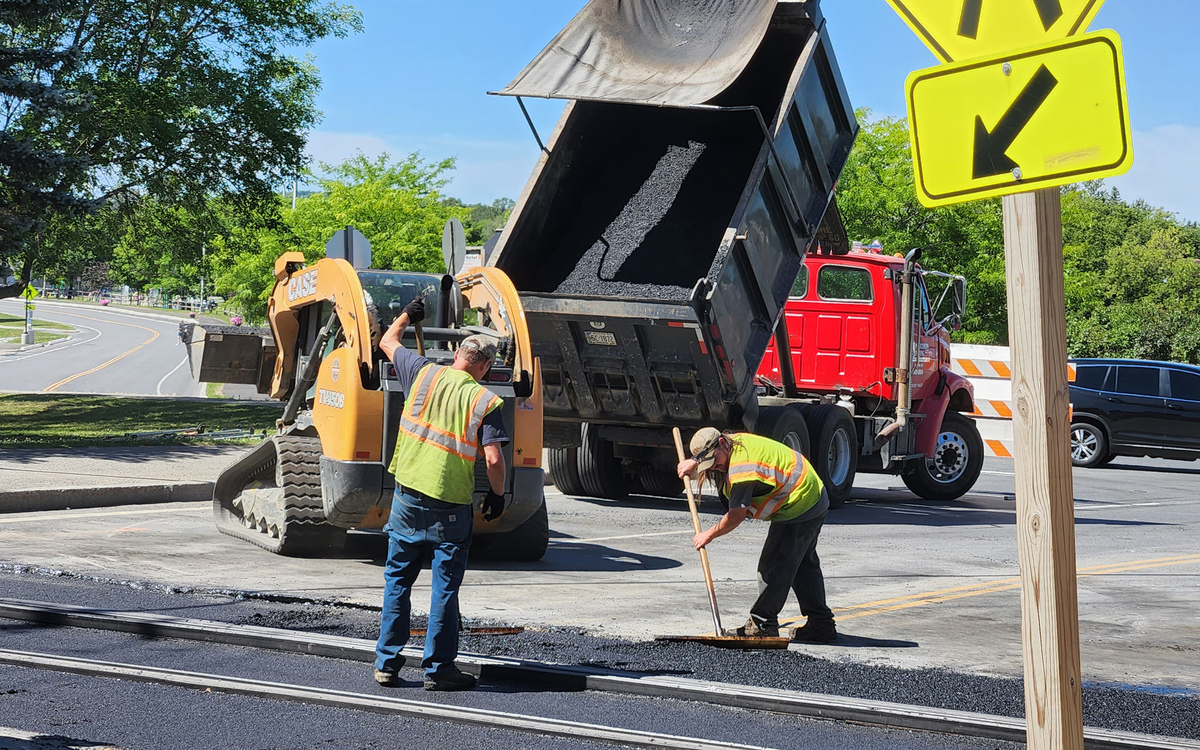
The Maine Department of Transportation is moving to slash up to $400 million in projects from its agenda, a shocking and abrupt cutback that is rattling the state’s construction industry at the start of building season.
Roughly $50 million across six pavement projects have already been delayed, according to a memo exclusively obtained by the Bangor Daily News. The agency plans to cut or delay another $150 million in bridge, highway, intersection and multimodal projects later this month. A further $200 million or more in cuts are planned in the next three-year work plan.
Those figures were outlined by Transportation Commissioner Dale Doughty in the May 18 memo to Gov. Janet Mills that has since circulated widely in the transportation sector, which has been getting drip-by-drip details on the wide scope of the cuts over the past three weeks.
It comes at the beginning of the state’s relatively narrow construction season. Companies have hired workers and ordered materials for projects they expected to begin this summer. The severity of the transportation budget problems was not raised to lawmakers during the 2026 legislative session.
Kelly Flagg, executive director of the Associated General Contractors of Maine, called the shortfall “deeply troubling” in a statement.
“We stand ready to work with policymakers, stakeholders, and industry partners to identify both immediate and long-term solutions,” Flagg said. “Maine cannot afford to fall further behind.”

Insiders saw this first.
This story was broken in Maine Politics Insider, the BDN’s daily premium newsletter for the most ardent political news followers. If you are a new BDN subscriber, you can sign up here. Current subscribers can contact our customer service team to upgrade.
The cuts stem from a structural funding gap of at least $130 million in the state’s current work plan, according to Doughty’s memo. Losses are magnified because state money from the gas tax and other revenue sources is matched by federal funds. Lawmakers have long grappled with politically difficult long-term problems with the state’s transportation budget.
A Mills spokesperson said Wednesday morning that the administration was working on a response to questions from the BDN. The department says it needs roughly $240 million more in state capital funding annually to maintain the existing system, and that anything less than $200 million will erode it over time.
Doughty’s memo the only near-term solution is a series of bonds beginning as soon as possible. Lawmakers would have to return to Augusta to authorize that if one is going to appear on the November ballot.

The BDN Opinion section operates independently and does not set news policies or contribute to reporting or editing articles elsewhere in the newspaper or on bangordailynews.com
Michael Capeci is the former chairman of the Bangor GOP.
Let’s be honest about Maine’s current state.
For many families, the cost of living has become unsustainable. Housing is out of reach for many young people. Energy bills keep rising. Many small businesses are struggling under taxes and regulations that make it harder to grow. Rural hospitals are under strain and despite years of increased state spending, the results are not showing up in people’s daily lives.
Concurrently, Maine continues to lose young workers to other states. That is not a statistic, it is a warning sign.
To me, the question in this Republican primary for governor is not about slogans. It is whether we continue with a political approach that has failed to reverse these trends, or whether we nominate someone with new ideas. I think that someone is Owen McCarthy.
Owen is not a political insider. He is an entrepreneur from Patten, a small town where opportunity is not assumed, it is built. He grew up in a working-class family, became the first in his family to graduate from college graduating from the University of Maine, and founded MedRhythms, a healthcare technology company focused on neurological treatment.
He didn’t just talk about opportunity. He built it. That distinction matters, because Maine’s problem is not a lack of debate it is a lack of results. We have seen the trajectory: higher costs, slower growth, and a steady outmigration of young workers. I believe Owen McCarthy represents a break from that pattern.
His Maine 2040 plan focuses on creating 50,000 new jobs in sectors where Maine has real advantages — maritime and defense, advanced forest products, and life sciences. These are export-driven industries tied directly to Maine’s workforce, geography, and institutions. What sets Owen apart is not only what he proposes, but how he approaches governing.
He prioritizes modernizing permitting so projects do not stall. He supports using technology to reduce costs and increase efficiency. He focuses on making it easier to build, hire, and expand in Maine.
That same practical mindset extends to healthcare. Expanding telehealth, strengthening EMS systems, improving provider flexibility, and shifting toward earlier intervention are not abstract reforms. They are system upgrades designed to improve access while controlling costs.
Maine voters consistently respond to competence. They reward candidates who understand problems and present plans to solve them. I believe they are tired of rhetoric that does not translate into results, and skeptical of politics that prioritizes messaging over execution.
Owen’s approach is grounded in solving the issues that shape daily life — affordability, healthcare access, job creation, and government efficiency. That is not just policy positioning. It is a governing model that speaks directly to voters.
Some will point to his lack of political experience. But I believe Maine’s core problems are not the result of insufficient political experience; they are the result of policies that have failed to deliver measurable improvement. Experience inside a broken system, by itself, is not a solution.
If Republicans want to win, this primary must be taken seriously. From my perspective, it is not about choosing a nominee for governor who can energize the base. It is about selecting someone who can compete in a broader electorate that is frustrated and looking for change.
That requires a candidate who can speak beyond the base, not by abandoning principles, but by demonstrating competence and a credible plan to address Maine’s challenges. I believe Owen McCarthy offers that combination. He represents a shift away from managed decline and toward economic execution.
This is not just another primary. It is a decision about whether Republicans position themselves to win Maine or whether they remain trapped in a cycle of repeating the same strategies and expecting different outcomes.
If Republicans want to compete for Maine’s future, they cannot afford to nominate a candidate who only motivates part of the electorate. They need someone who expands it.
I believe Owen McCarthy is that candidate.
And if the goal is to win Maine, then the choice should be unmistakable
-

 Iowa42 seconds ago
Waukee Northwest beats Urbandale in Iowa boys soccer state semifinal
-
 Kansas8 minutes ago
Kansas City, Missouri, police searching for missing 11-year-old girl
-

 Kentucky11 minutes ago
Kentucky Lottery Cash Ball, Pick 3 Evening winning numbers for June 3, 2026
-

 Louisiana16 minutes ago
DHS watchdog finds use-of-force issues and safety and sanitation concerns at Louisiana ICE center
-

 Maine23 minutes ago
‘I could die here’: Photographer recalls Maine wedding stabbing
-

 Maryland26 minutes ago
Full-length Replay: Maryland | FOX Sports
-

 Michigan31 minutes ago
Michigan Lottery Daily 3, Daily 4 results for June 3, 2026
-

 Massachusetts38 minutes ago
Mass. House votes to set new rules for DiZoglio’s audit

