Lifestyle
Here are the nonfiction books NPR staffers have loved so far this year

Alicia Zheng/NPR
hide caption
toggle caption
Alicia Zheng/NPR
We see you, hard-core NPR readers — just because it’s summer doesn’t mean it’s all fiction, all the time. So we asked around the newsroom to find our staffers’ favorite nonfiction from the first half of 2024. We’ve got biography and memoir, health and science, history, sports and more. (And, sure, if you only want to take fiction to the beach, we’ve got you: Click here.)
Simon & Schuster
hide caption
toggle caption
Simon & Schuster
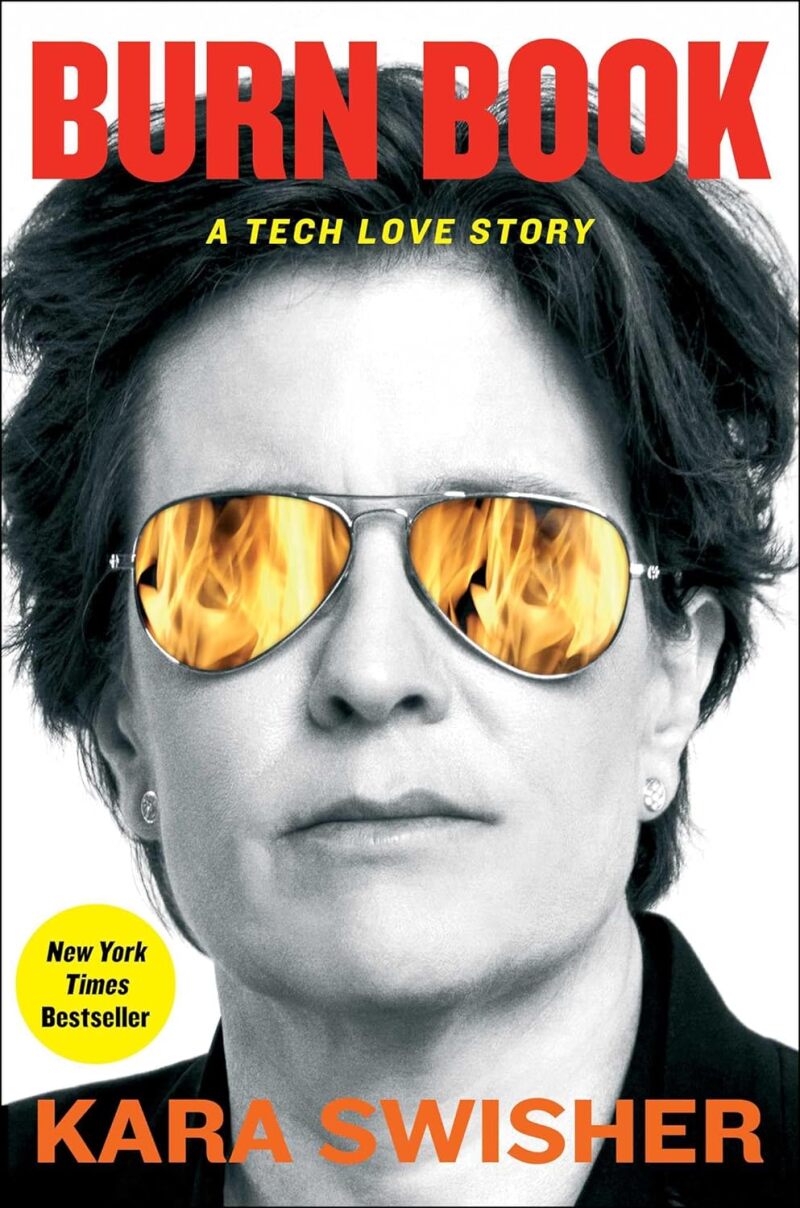
Burn Book: A Tech Love Story by Kara Swisher
Kara Swisher pulls off a magic trick here, delivering several sharply written books in one. There’s her story of becoming media’s most influential tech analyst, chronicling the rise of Facebook, Amazon, Google and, of course, X/Twitter — psychoanalyzing all the driven, flawed (mostly) dudebros who turned them into world-shaking platforms. There’s also an affecting personal memoir, charting her journey as a gay woman, spouse, mother, entrepreneurial journalist and advocate. And there’s a passionate critique of toxic technology, slamming self-centered tech CEOs who pursue engagement through enragement, unleashing social division. It’s all knit together with nimble-yet-effective prose, outlining how Silicon Valley works, how journalism works and how society works in one neat package. — Eric Deggans, TV critic
St. Martin’s Press
hide caption
toggle caption
St. Martin’s Press
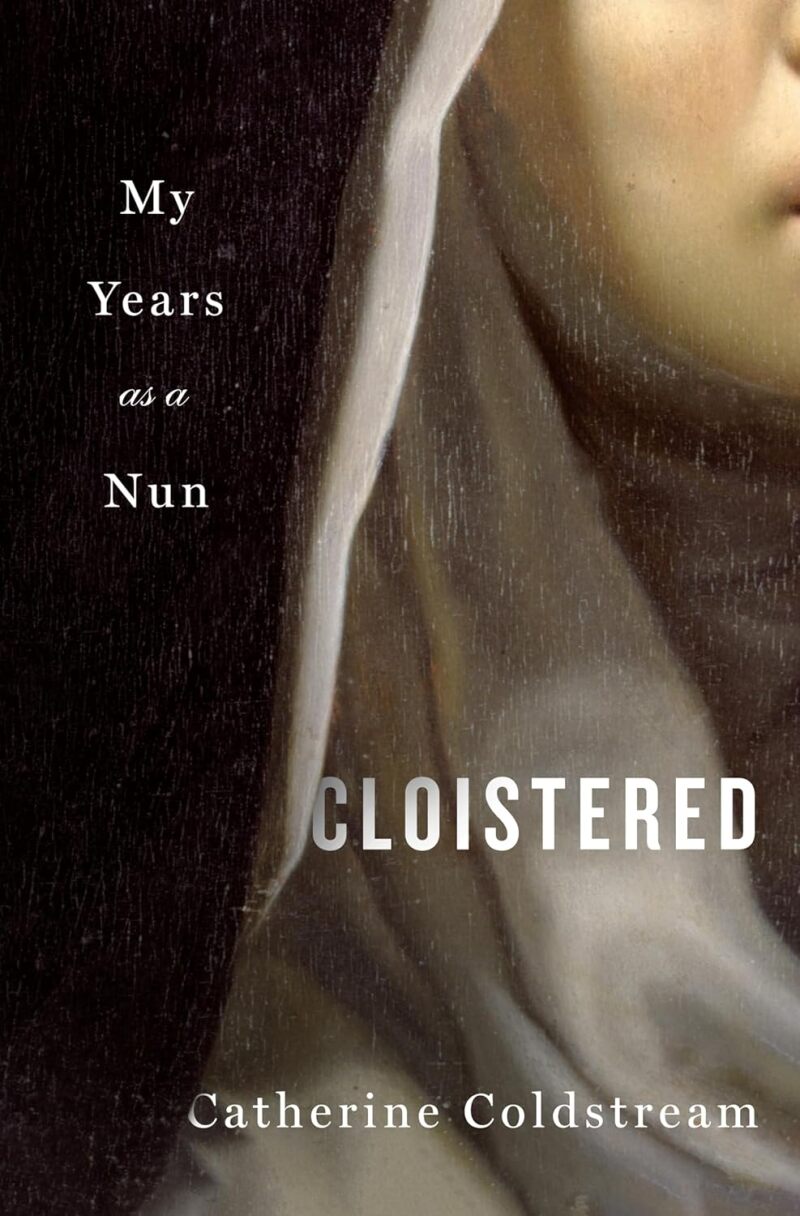
Cloistered: My Years as a Nun by Catherine Coldstream
Nuns have captured our imaginations as characters in fiction and on film over the years, but it’s rare to hear from one firsthand. This compelling memoir provides a glimpse into the life of a cloistered nun as the author shares her journey into — and ultimately out of — an order of Carmelite nuns in England. Coldstream seamlessly weaves her own personal motivations for seeking a life of solitude, contemplation and service alongside an exploration of the challenges, reforms and purpose of such orders at the turn of the 21st century. This book will push you to reflect on faith, power and personal agency in your own communities as you consider Coldstream’s experience. — Tayla Burney, director, Network Programming & Production

Grief is for People by Sloane Crosley
I spent most of the last year mourning my mother and found few books that even got close to capturing my altered mental state. My brain kept rehashing the past and finding significance in the oddest things, and I so wanted to share that experience with the very person I was missing. In a slim 191 pages, Sloane Crosley nails it precisely as she details mourning her best friend, who died suddenly by suicide. While poignant and vulnerable, her memoir is also insightful and funny, especially as she recounts adventures with Russell and her attempts to track down and reclaim jewelry that was stolen from her apartment about a month before he died: a caper he would have enjoyed in the telling. I finished it feeling grateful for her friend’s life and even more appreciative of my mom’s. — Melissa Gray, senior producer, Weekend Edition
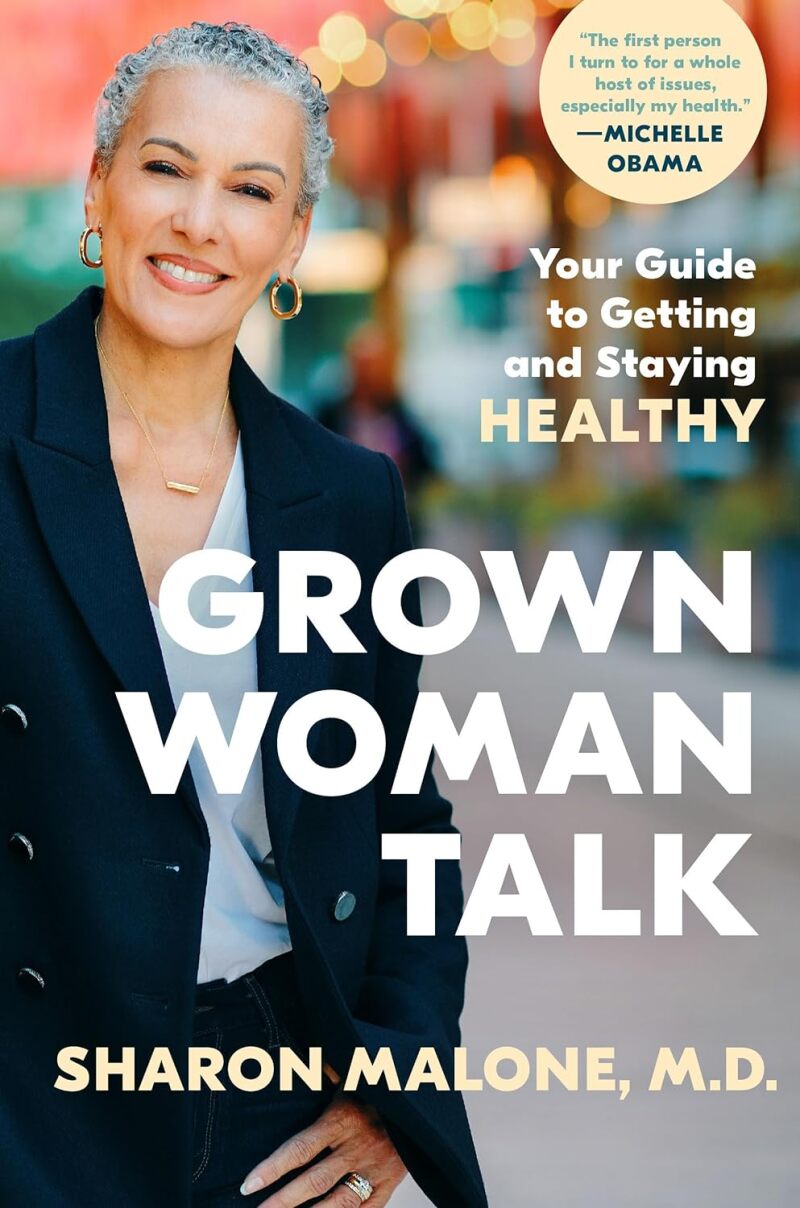
Grown Woman Talk: Your Guide to Getting and Staying Healthy by Sharon Malone M.D.
If you want to be more proactive in managing your health, Dr. Sharon Malone can help. Grown Woman Talk is a playbook for navigating a fragmented and flawed health care system, written by a doctor who has spent more than 30 years practicing as an OB/GYN and is a certified menopause practitioner. She weaves in insights from her childhood in Mobile, Ala., when doctor visits were rare for her family. She recalls the first time she saw a doctor, entering the hospital through the “colored” door for an emergency tonsillectomy — and describes her mother as a “Jedi master” of managing injuries and illnesses with home remedies. Her deep sense of loss and anger at the death of her mom from cancer when she was 12 inspired her to be the kind of doctor and caretaker we need more of. — Allison Aubrey, health correspondent
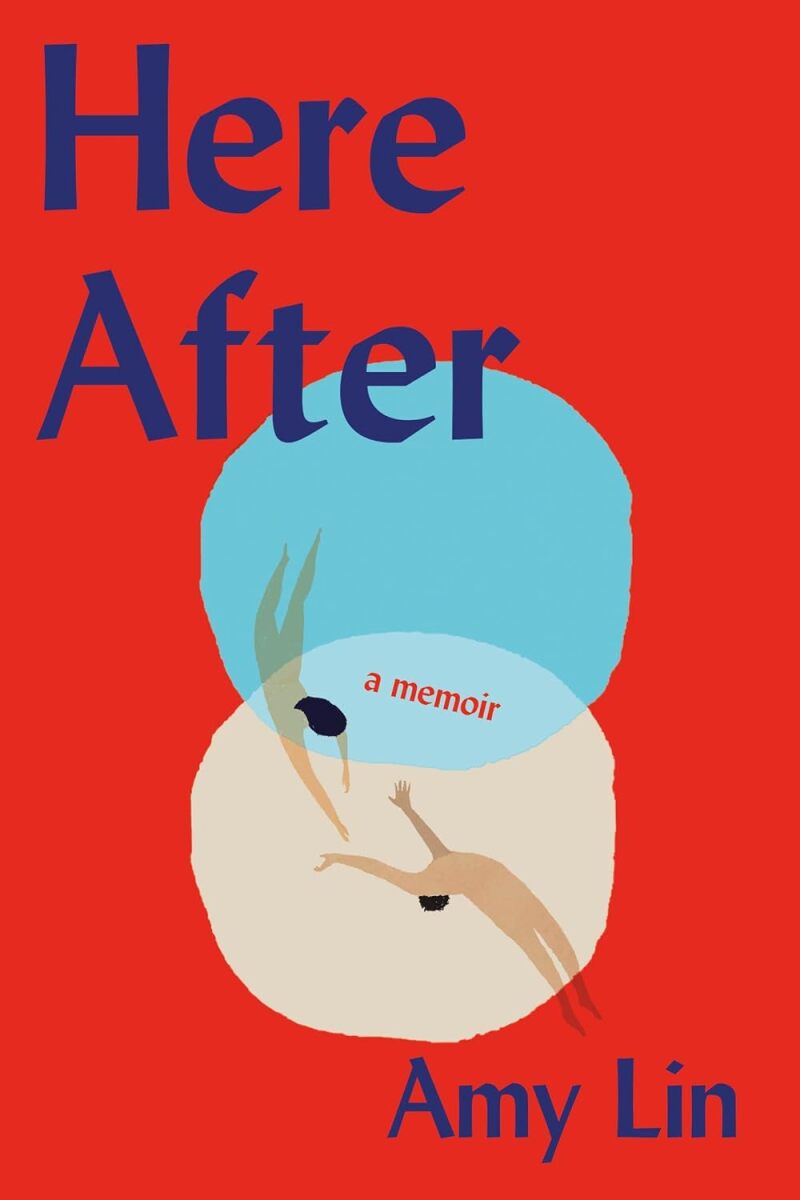
Here After: A Memoir by Amy Lin
In this memoir, the past and the present bleed together, as short wisps of chapters build the case for Kurtis and Amy as soul mates, while also telling the story of Kurtis’ sudden and unexplained death. Poetic, visceral and stark, this beautifully crafted book is a gift, pulling back the curtain on the intimate processes of love and grief. Steeped in the greatest of personal losses, Amy Lin allows us to witness her plod against the cascading losses that follow and behold the life raft that is memory. — Beck Harlan, visuals editor, Life Kit
PublicAffairs
hide caption
toggle caption
PublicAffairs
Invisible Rulers: The People Who Turn Lies Into Reality by Renée DiResta
At a time when our screens are clogged with viral lies and conspiracy theories, Invisible Rulers takes a long view toward explaining media manipulation and how we got to this moment. The book skillfully weaves together history and technology to explain the changing iterations of political propaganda over the past century. Renée DiResta, a disinformation researcher at Stanford University, shares her own experiences on the front lines of the struggle to define objective reality, including entering the field after confronting anti-vaccine sentiment when she became a parent. In the years since, DiResta has found herself a focal point for conspiracy theories, as powerful politicians have sought to discredit her work and that of other researchers in the field. — Brett Neely, supervising editor, Disinformation Reporting
Simon & Schuster
hide caption
toggle caption
Simon & Schuster
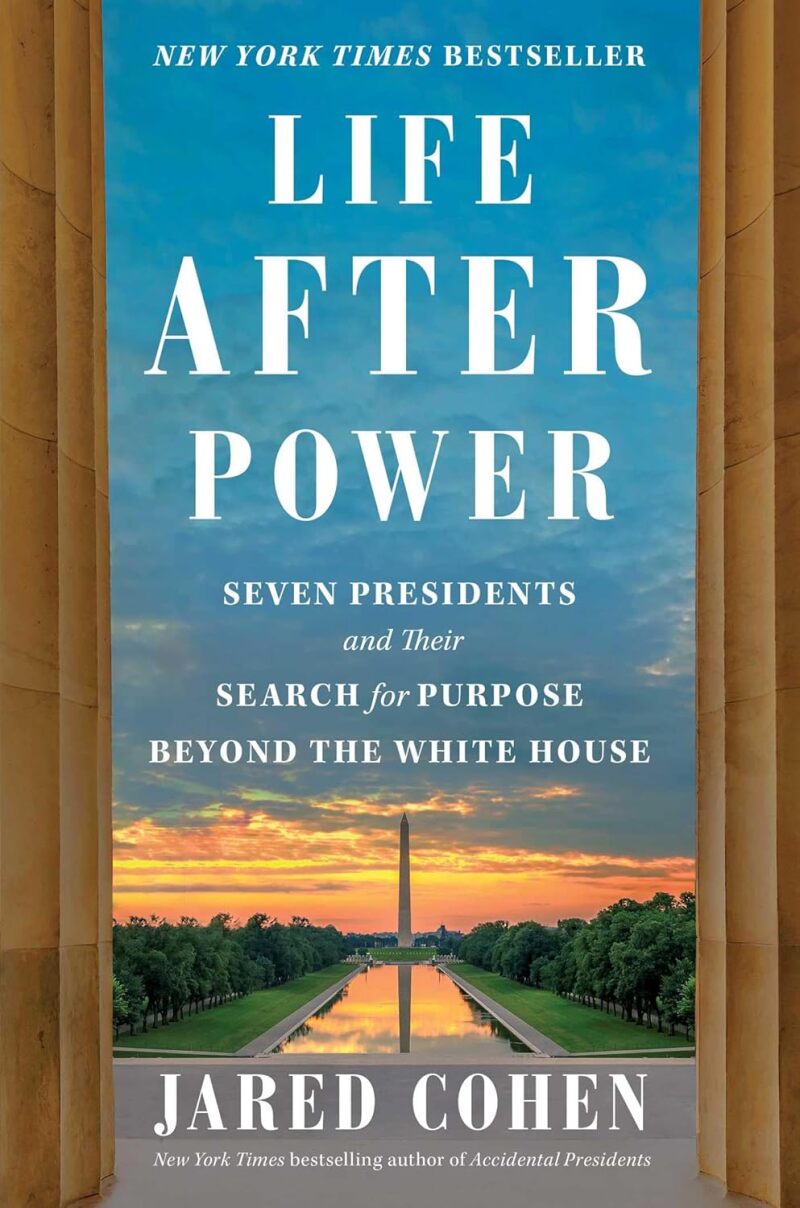
Life After Power: Seven Presidents and Their Search for Purpose Beyond the White House by Jared Cohen
The American presidency is viewed as the most powerful position in the world. What happens when the job ends? History is often surprising. Not everyone found the role to be the most fulfilling one they ever had. Jared Cohen looks at some fascinating case studies that back that up. John Quincy Adams and William Howard Taft found greater joy in other branches of government: Congress and the Supreme Court. George Bush enjoys his private life and art studio. Life after power CAN be much more rewarding. — Edith Chapin, senior vice president and editor in chief
Little, Brown and Company
hide caption
toggle caption
Little, Brown and Company
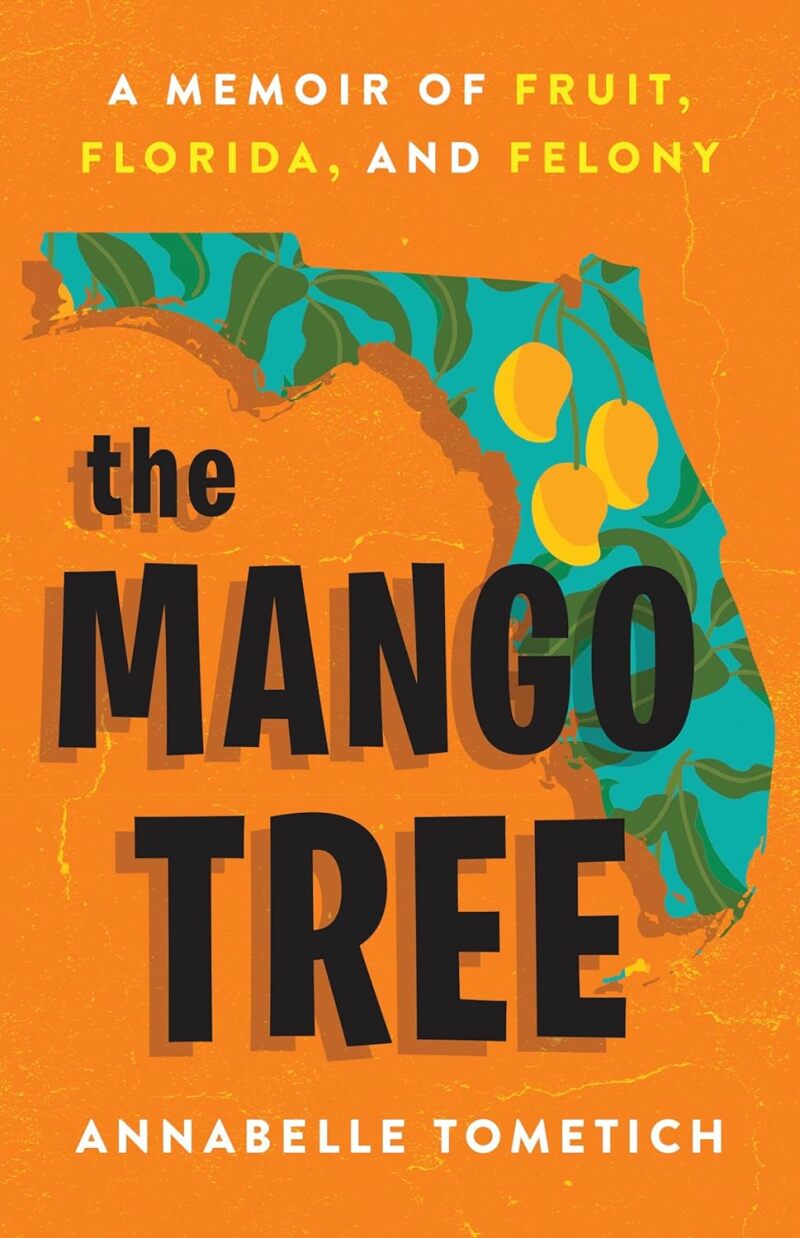
The Mango Tree: A Memoir of Fruit, Florida, and Felony by Annabelle Tometich
This family memoir begins with a courtroom scene like no other. After a night in jail, Annabelle Tometich’s mom is charged with firing at a man who, she says, was stealing mangoes from the tree in her front yard. Tometich then hits rewind, taking readers back through her Fort Myers, Fla., childhood — with her Filipino American mom and white dad, a couple whose personality differences do not make them stronger together. The writing is both jewel-like and effortless, and Tometich’s memories — some mundane, some extraordinary — are mesmerizing. — Shannon Rhoades, senior editor, Weekend Edition
Little, Brown Spark
hide caption
toggle caption
Little, Brown Spark
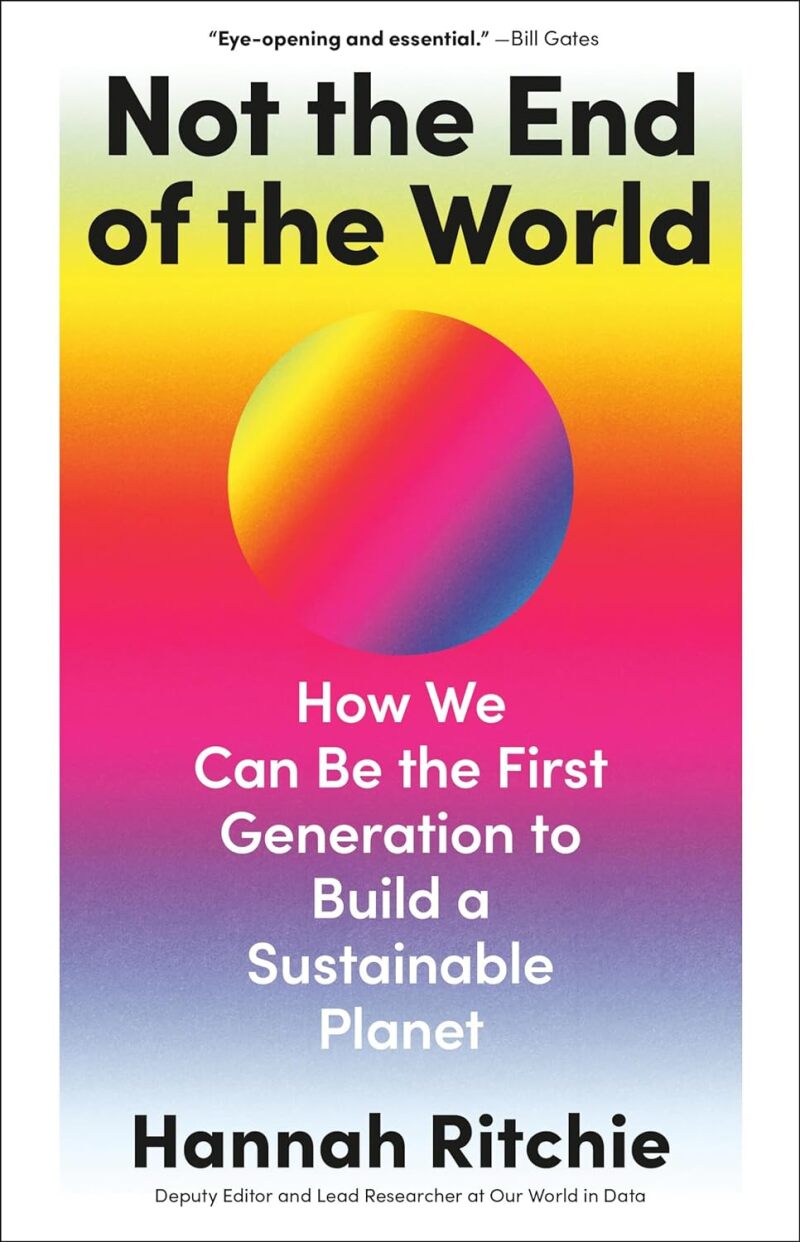
Not the End of the World: How We Can Be the First Generation to Build a Sustainable Planet by Hannah Ritchie
Not the End of the World sifts through the evidence on pollution, extinction threats and deforestation. Once the numbers are clinically separated from emotion, a surprising guidebook to an eco-friendly life emerges. Food miles: not likely to affect climate change much. Meatless Mondays: helpful, especially if eschewing beef. Not everyone will interpret the world’s chances of staying within 2 degrees Celsius of warming with the same cautious optimism as Hannah Ritchie (“I’m confident we can keep moving closer”). But Ritchie’s data-first perspective makes this book an invaluable chaser to climate doomscrolling. — Darian Woods, co-host, The Indicator from Planet Money
St. Martin’s Press
hide caption
toggle caption
St. Martin’s Press
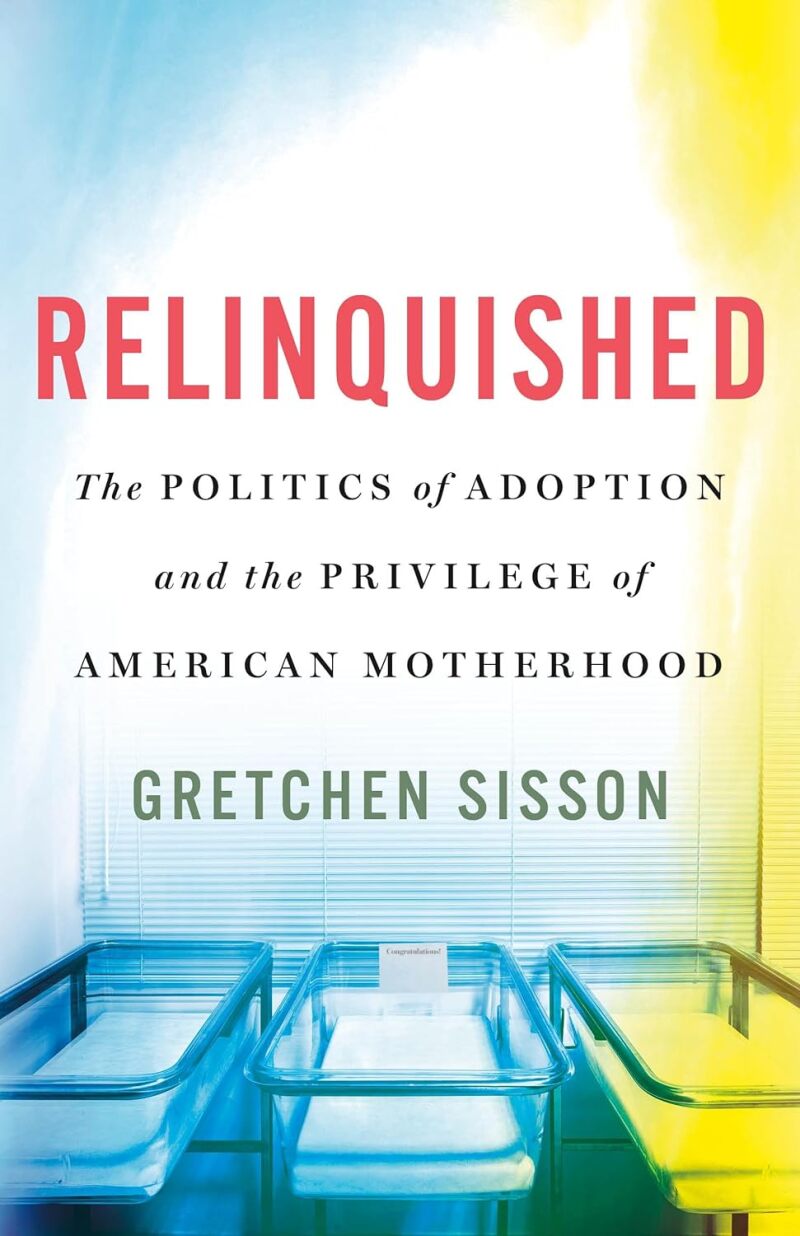
Relinquished: The Politics of Adoption and the Privilege of American Motherhood by Gretchen Sisson
Gretchen Sisson’s research and careful retelling of first/birth mothers’ experiences sheds light on the people who are too often ignored, dehumanized and erased within the institution of adoption. This book deepened my understanding of how adoption, while typically viewed as a noble, feel-good form of family building, actually hinges on the trauma of family separation. Relinquished reveals the structural forces behind this loss, commonly blamed on the individual failures of a mother or birth parents. These are interviews that broadened my understanding of reproductive justice and myself as an adopted person. It’s essential reading in this era of reproductive rights under threat, for anyone who has thought of adoption as “a simple alternative” to abortion, and anyone considering adoption as a family plan. — Schuyler Swenson, content development producer
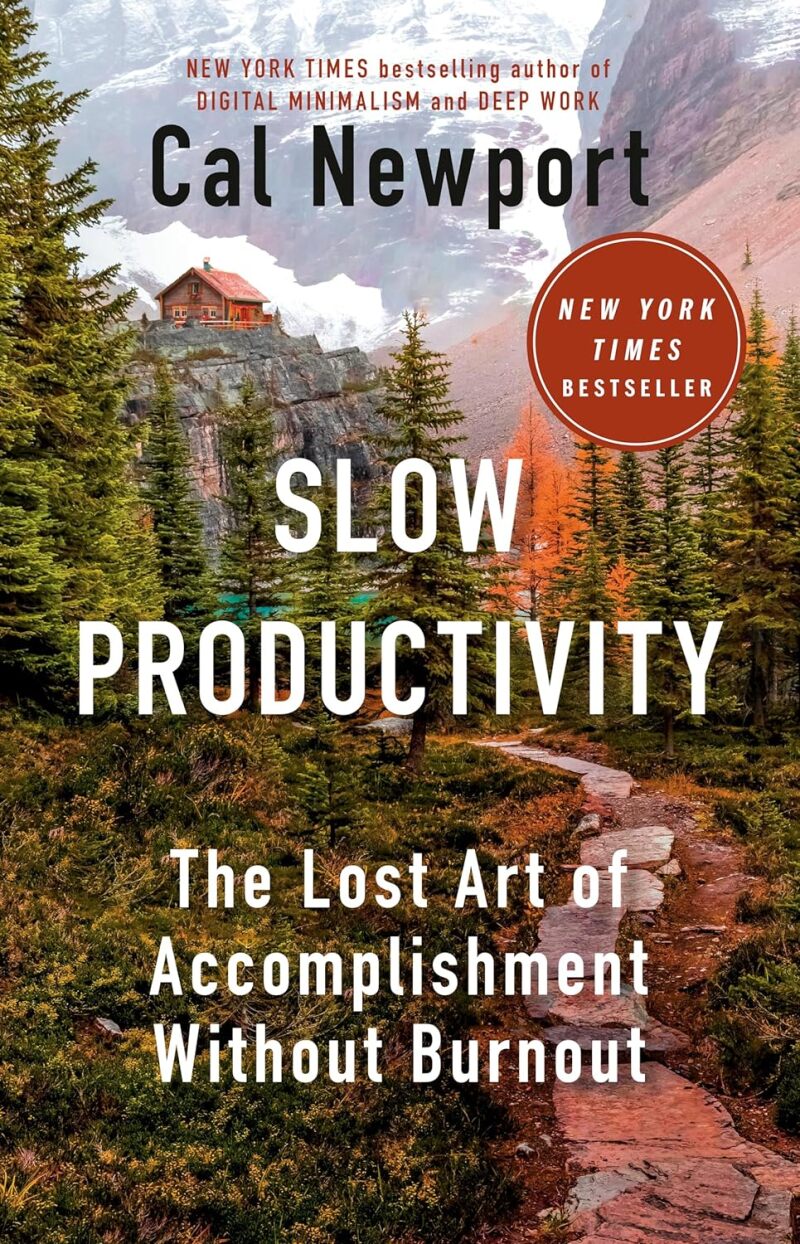
Slow Productivity: The Lost Art of Accomplishment Without Burnout by Cal Newport
If you’re the typical knowledge worker, your life is overwhelmed by a dizzying flurry of emails and Slack messages breaking your focus every few minutes. You breathlessly ricochet from task to task yet never get enough real work done. Stop. Take a deep breath. Then read Slow Productivity, which expounds on productivity expert Cal Newport’s tripartite philosophy of 1) do fewer things 2) work at a natural pace and 3) obsess over quality. He provides practical hacks to implement these principles into your life, while weaving in examples of how deep thinkers such as Jane Austen embodied slow productivity. Newport writes, “The way we’re working no longer works.” But if enough knowledge workers embrace slow productivity, we can revolutionize the world of work. — Preeti Aroon, copy editor, NPR.org
Farrar, Straus and Giroux
hide caption
toggle caption
Farrar, Straus and Giroux
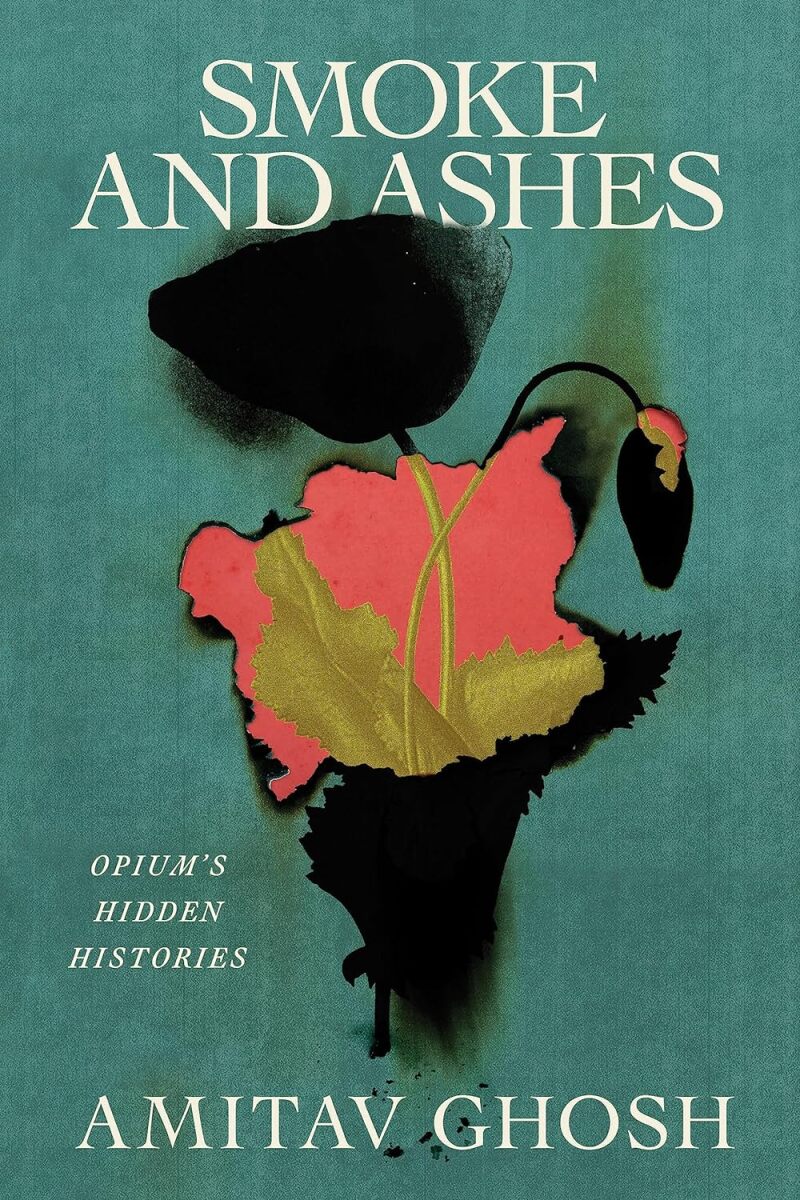
Smoke and Ashes: Opium’s Hidden Histories by Amitav Ghosh
This is a gripping tale of how the British became history’s first narco state, curiously, to help pay for the tea its people so loved to drink. Amitav Ghosh narrates how the British forced opium into China, creating a market by creating addicts. But opium did so much more. Ghosh investigates how it created many of the modern merchant families of India and the United States, including the fortunes of the Delanos (Roosevelt’s maternal grandfather) and the Forbeses. But perhaps the most important part of this book is how Ghosh looks at the history of opium through the prism of what we know now about opioid addiction, and the relatively newfound sympathy we have toward addicts — white addicts. — Diaa Hadid, international correspondent
The Bitter Southerner
hide caption
toggle caption
The Bitter Southerner
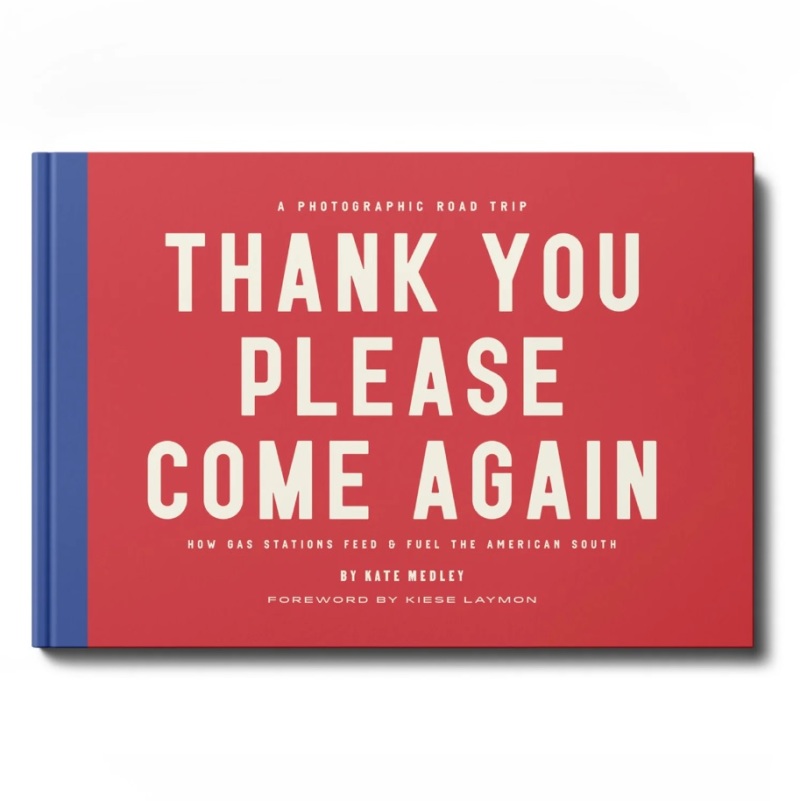
Thank You Please Come Again: How Gas Stations Feed & Fuel the American South by Kate Medley
As someone who travels Southern backroads reporting for NPR, I’ve long noticed how gas stations tend to serve as hubs in rural communities. And I have certainly sampled my share of convenience store fried chicken and sweet tea. Now, photojournalist Kate Medley, a native of Mississippi, takes us on a picturesque road trip across 11 states to document the food cultures you find at service stations. It’s a lovely coffee table book that puts a fascinating lens on a changing American South. There’s a little bit of everything — live bait and ammunition, hot tamales, catfish plates, Cajun banh mi, boiled peanuts, chicken tikka masala and hand-cut steaks. Writer Kiese Laymon’s forward sets the table with a story from his Mississippi youth as he recalls “my favorite restaurant served gas.” — Debbie Elliott, national correspondent
Random House
hide caption
toggle caption
Random House
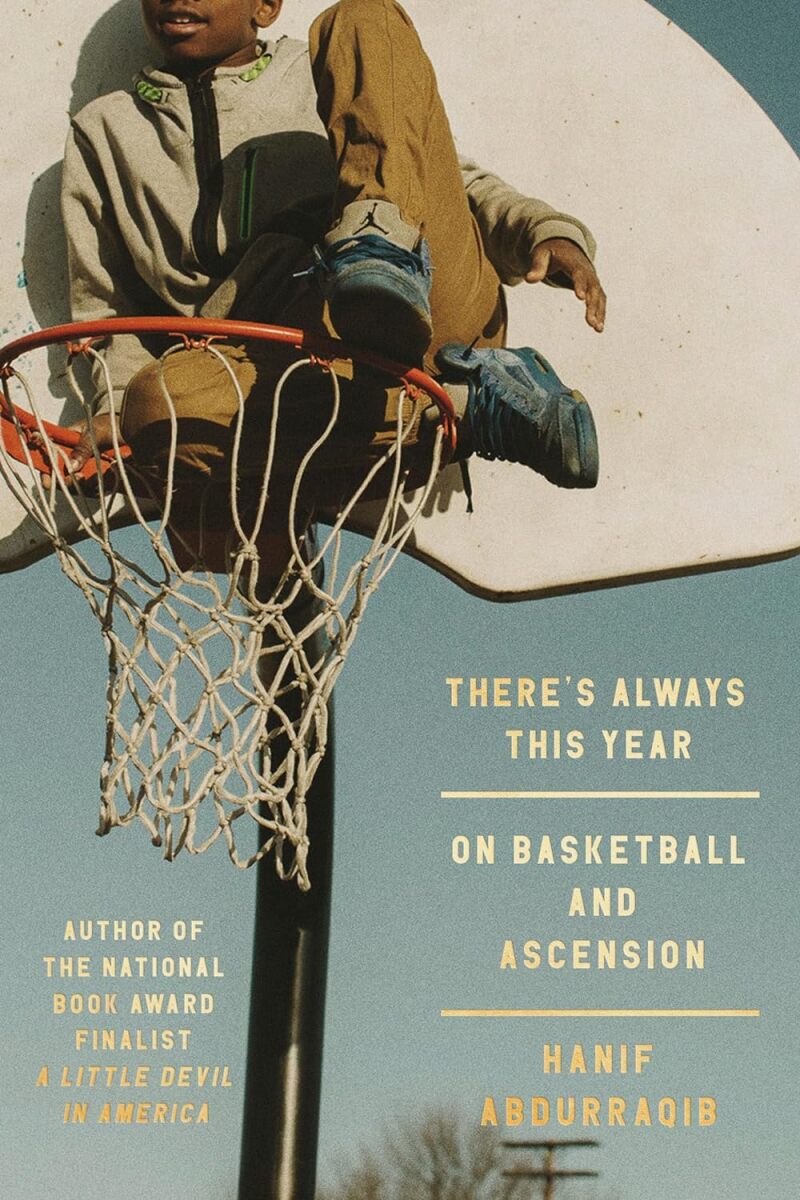
There’s Always This Year: On Basketball and Ascension by Hanif Abdurraqib
I don’t even watch basketball all that much. And yet, there’s something alluring about Hanif Abdurraqib’s meditation on the sport. Because, sure, it’s about hoops and LeBron James and Cleveland and the funny way time works when you’re watching a Game 7. But it’s also about losing loved ones. Fans of Abdurraqib’s work will recognize his rhythms and stylistic flairs that hardly ever fail to draw a reader in, and his talent at making you see the beauty in the things he finds beautiful. — Andrew Limbong, correspondent, Culture Desk, and host, NPR’s Book of the Day
William Morrow
hide caption
toggle caption
William Morrow
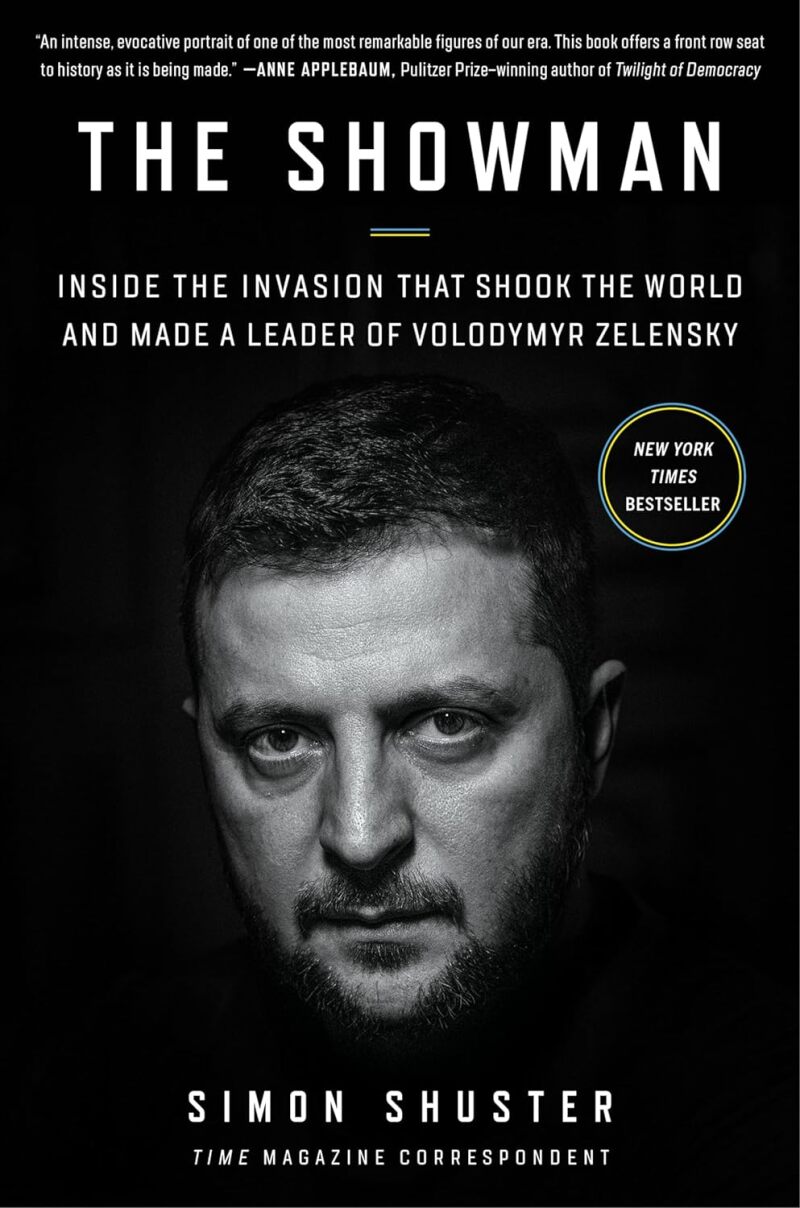
The Showman: Inside the Invasion That Shook the World and Made a Leader of Volodymyr Zelensky by Simon Shuster
In this cinematic page-turner, Time correspondent Simon Shuster paints a vivid portrait of the Ukrainian president, who honed his powerful communication skills during decades as one of Ukraine’s most popular comedians. Shuster charts the rise from naïve political novice to steely — and unforgiving — wartime president. Deeply reported and deftly written, this book is a feat not only because it sheds light on one of today’s most consequential political figures, but also the history that shaped him and the tectonic shift in geopolitics that he’s now forced to navigate. — Joanna Kakissis, Ukraine correspondent
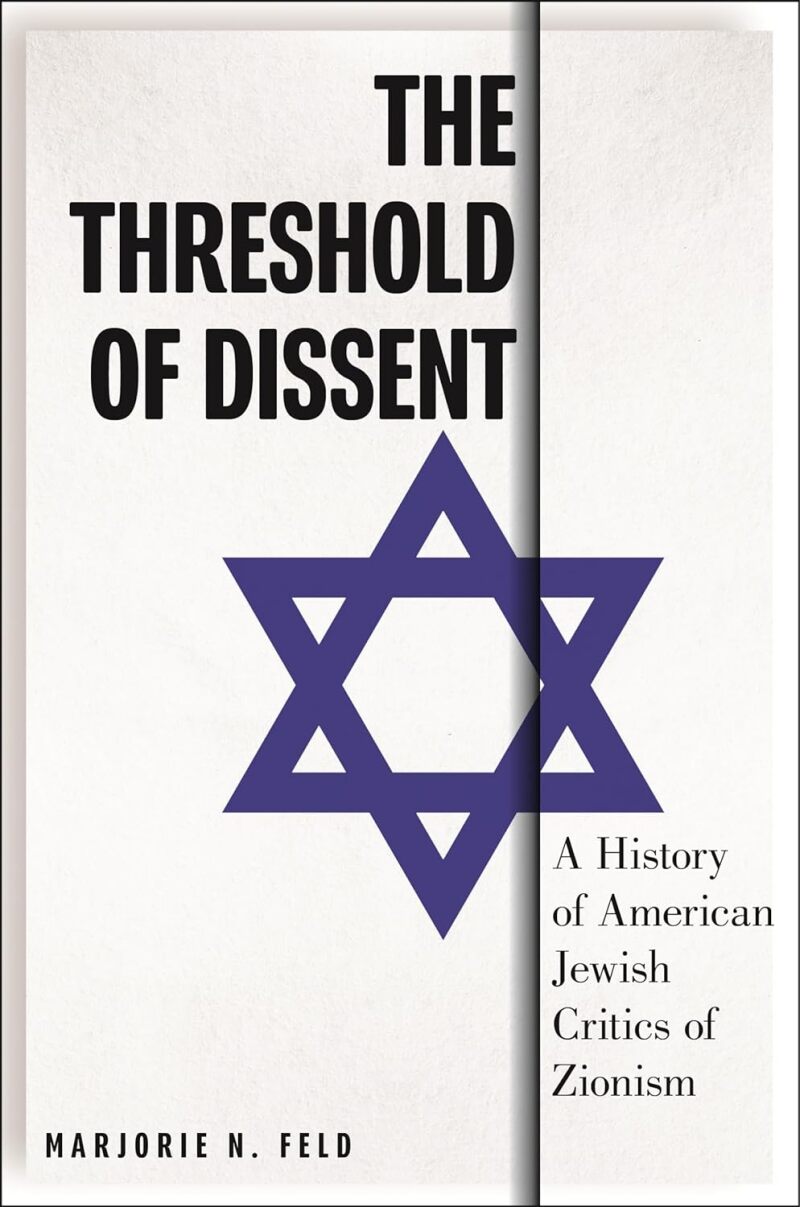
The Threshold of Dissent: A History of American Jewish Critics of Zionism by Marjorie N. Feld
The world is a very confusing place right now — at least, that’s how it feels to me — so I’m always looking for books that can help me better understand where we are as a society and how we got here. The Threshold of Dissent is one of those books. In clear, careful language, the author illustrates some of the major moments over the past century that have shaped Jewish beliefs about Zionism, anti-Zionism and non-Zionism. It’s a history told with both rigor and compassion — two qualities that seem especially essential when embarking in conversation on such a fraught and contentious subject. — Leah Donnella, senior editor, Code Switch
Gallery Books
hide caption
toggle caption
Gallery Books
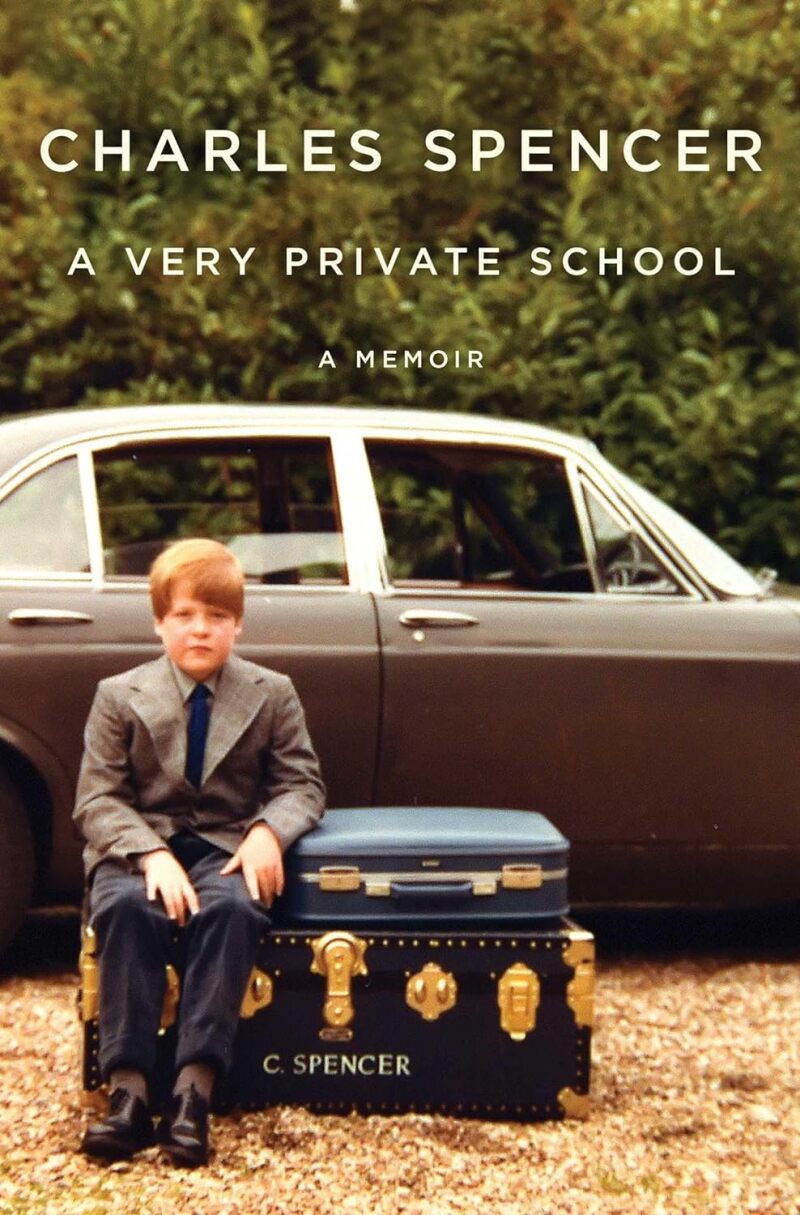
A Very Private School: A Memoir by Charles Spencer
Charles Spencer — younger brother of Diana, Princess of Wales — turns his considerable talents as a writer and historian on his own childhood. A Very Private School details what, he says, happened to him and his classmates — physical, sexual, emotional abuse — at one of Britain’s most elite boarding schools. Undergirding all is a culture of privilege, yes, but also silence and tradition rooted in the British Empire, sending 8-year-olds away from home as “the done thing.” Spencer’s quote from author Hilary Mantel in the book’s epigraph is telling, “I am writing in order to take charge of my childhood.” — Shannon Rhoades, senior editor, Weekend Edition
Little, Brown and Company
hide caption
toggle caption
Little, Brown and Company
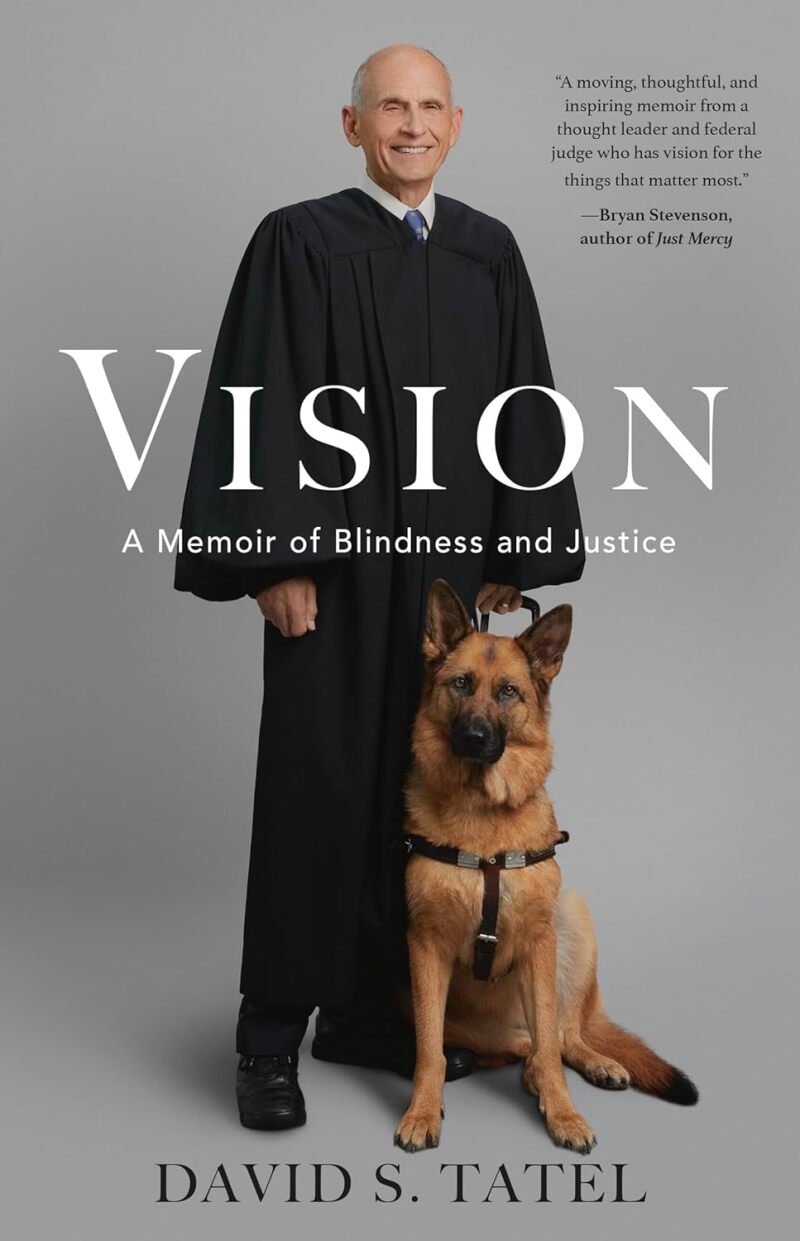
Vision: A Memoir of Blindness and Justice by David S. Tatel
David Tatel has written the book that his friends and admirers always hoped he would write, but expected he would not. One that deals candidly with his “vision” — his blindness, and his years of treating it as an asterisk, all while becoming one of the most prominent and thoughtful judges in the country. This book is both novelistic and introspective in its treatment of his lack of sight — from his love affair with his wife and children, to his “cane lessons,” to his later-in-life affection for his guide dog, Vixen. Along the way, it is also a book about the law, the art of judging and today’s Supreme Court. And it’s fascinating. — Nina Totenberg, legal affairs correspondent
Farrar, Straus and Giroux
hide caption
toggle caption
Farrar, Straus and Giroux
Who’s Afraid of Gender? by Judith Butler
Judith Butler’s groundbreaking 1990 book Gender Trouble revolutionized gender studies by arguing that gender is socially constructed, almost mythlike, but that myth can create reality. In this book, Butler leans into the titular question: Why has gender become such a “phantasm” in American life, and what does it tell us about how we’re approaching some of the biggest problems facing us, like climate change and far-right extremism? Butler has a clear perspective — and spells out the dangers of an ascendant “anti-gender ideology.” But it’s also an invitation to consider how we think about gender — and what that might tell us about who we are. — Tinbete Ermyas, editor, All Things Considered
Milkweed Editions
hide caption
toggle caption
Milkweed Editions
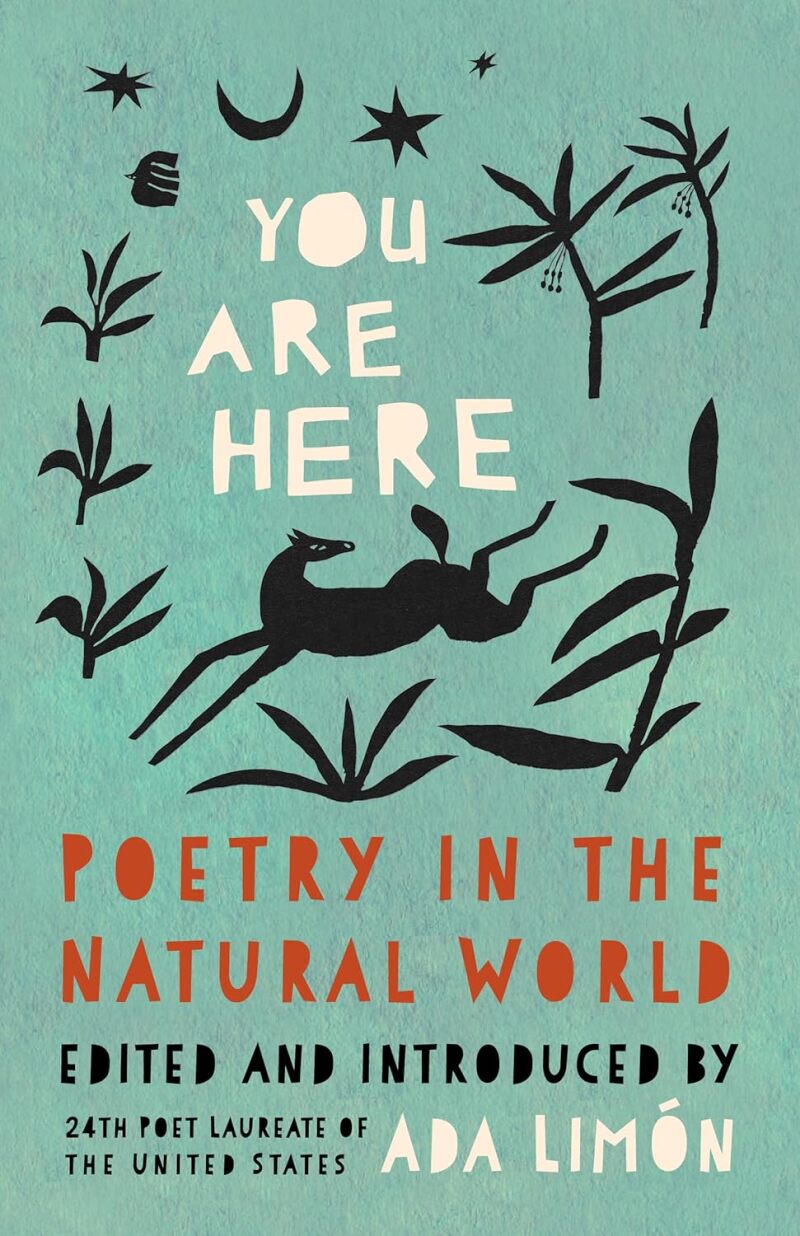
You Are Here: Poetry in the Natural World by Ada Limón
This anthology of 50 never-before-published poems about nature was edited by the 24th poet laureate of the United States, Ada Limón. The collection is both achingly beautiful and terrifyingly urgent. From a humorous take on getting drenched in a rainstorm to a beloved tree on its last day of existence to a woman processing the bleak reality of the world her grandchildren will inherit, these poems encouraged a heightened noticing in me and (bonus!) introduced me to the work of many new-to-me poets I’m eager to explore. — Beck Harlan, visuals editor, Life Kit


Sunday Puzzle
NPR
hide caption
toggle caption
NPR

On-air challenge
I’m going to give you two words starting with the letter B. You give me another word starting with B that can follow my first one and precede my second one, in each case to complete a compound word for a familiar two-word phrase.
Ex. Boot Box –> BLACK (bootblack, black box)
1. Beer Button
2. Blue Binder
3. Bounce Burner
4. Billiard Bearing
5. Busy Builder
6. Bar Bottoms
7. Baby Brothers
8. Bird Buster
9. Brick Boy
Last week’s challenge
Last week’s challenge came from listener Michael Pickard. Name something in 10 letters that’s found in a kitchen. Drop its sixth letter to name something on a keyboard. Then drop the new word’s fifth letter to name something no one wants to get. What words are these?
Answer: Backsplash –> backslash –> backlash
Winner
John Blakelock of Yellow Springs, Ohio
This week’s challenge
This week’s challenge comes from Evan Kalish, of Bayside, N.Y. Take the name of a nocturnal creature, in two words. The first word is a spooky sound. Move the last letter of the first word to the start of the second word and you’ll get another spooky, nocturnal sound. What is the creature and what are the sounds?
If you know the answer to the challenge, submit it here by Thursday, June 25 at 3 p.m. ET. Listeners whose answers are selected win a chance to play the on-air puzzle. Important: include a phone number where we can reach you.
Lifestyle
Exclusive | Paul Kueker ID’d as beloved dad of 2 who tragically plunged to death at Madison Square Garden concert

The 51-year-old rock fan who fell to his death during a weekend Goose concert at Madison Square Garden was a beloved married dad of two from Connecticut, his weeping mom told The Post on Sunday.
Paul Kueker fatally plunged 150 feet from the Chase Bridge in the World’s Most Famous Arena while the event was in full swing shortly before 10 p.m. Saturday — the day before Father’s Day.
“He was the greatest kid in the whole wide world,” Kueker’s mother, Patricia Finelli, said through tears. “He’d give you the shirt off his back.
“He has two children, a beautiful wife, and he took care of me like I was a piece of gold.”
Kueker was with his wife at the time, according to Fox News.
The Niantic man was rushed to Bellevue Hospital after the fall, where he was later pronounced dead, police said.
He was on the Chase Bridge, an elevated seating section that was added to the arena in 2013, when he fell, Fox said.
Goose, a Connecticut-based jam band, was booked for a two-night gig at MSG as part of their summer tour and on their second night there when the tragedy struck.
They completed their full 16-song set around midnight Saturday, after the fall.
“We are deeply saddened and heartbroken to learn of the tragic event that occurred at tonight’s show,” the band later said in a statement.
“We extend our deepest sympathies to everyone affected. Thank you to the emergency personnel and venue staff who stepped in with care and support.”
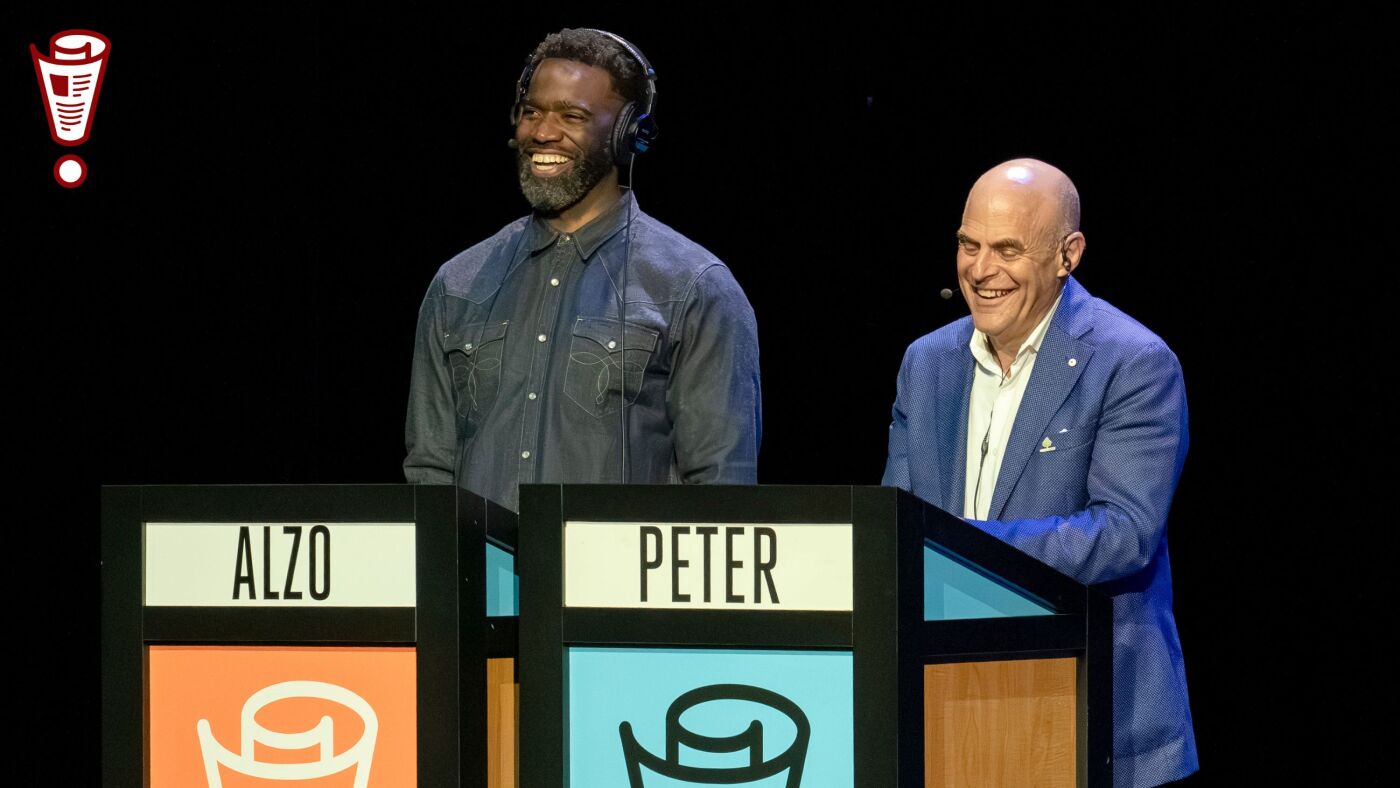
Alzo Slade and Peter Sagal on stage at the Studebaker Theater in Chicago
Jenn Udoni/NPR
hide caption
toggle caption
Jenn Udoni/NPR
This week’s show was recorded in Chicago with host Peter Sagal, judge and scorekeeper Alzo Slade, Not My Job guest Caro Claire Burke and panelists Karen Chee, Peter Grosz, and Shane O’Neill. Click the audio link above to hear the whole show.
Who’s Alzo This Time
Tourists Embrace The USA; The Wedding of the Century; Advances in Parenting
Panel Questions
Stolen Flavor
Bluff The Listener
Our panelists tell three stories about 80’s band A-ha making the news this week, only one of which is true
Not My Job: Caro Claire Burke, the author of Yesteryear, joins us to answer questions about yearbooks
This week, Caro Claire Burke, author of the book of the summer, Yesteryear, joins us to play a game called, “Yesteryear, meet Yearbook.” Three questions about yearbooks.
Panel Questions
Bookmarks and Beaches; One Man’s Trash
Limericks
Alzo Slade reads three news-related limericks: Jurassic Purse; Viper Visions; Humanity’s Tilt
Lightning Fill In The Blank
All the news we couldn’t fit anywhere else
Predictions
Our panelists predict, what would be the big surprise at Taylor Swift’s wedding
-

 Oregon9 minutes ago
SEC heavyweights likely landing spots for Oregon OF Angel Laya
-

 Pennsylvania12 minutes ago
Neighbors say ‘hundreds of rats’ are running through their yards every night
-

 Rhode Island18 minutes ago
In Taylor Swift’s R.I. beach town, every clue becomes a wedding rumor
-
 South-Carolina24 minutes ago
Leading Lebanese conservationist dies after Israeli airstrike on her home
-

 South Dakota27 minutes ago
Doeden’s portfolio: Real estate, car dealerships, bitcoin and a TIF
-

 Tennessee32 minutes ago
Tennessee Football Commit, Phillip Fulmer’s Grandson on Rocky Top for Official Visit | Rocky Top Insider
-

 Texas39 minutes ago
At least 5 injured in Dallas shooting overnight, police say
-

 Utah42 minutes ago
Travel spotlight: Scenic road trip from Utah up to the Canadian border

