Washington, D.C
Washington Nationals news & notes: Nats shut out by Twins, 10-0; Rubber match in D.C. today…


CORBIN KEEPS MISSING LOCATION:
Davey Martinez summed up Patrick Corbin’s struggles on Tuesday night succinctly when he spoke with reporters following a 10-0 drubbing the hands/bats of the Minnesota Twins, who evened things up in their three-game series in Washington, D.C.’s Nationals Park.
Corbin, who was actually on a nice run in the month of May, with a 3.24 ERA, a 3.21 FIP, and a .297/.343/.438 line against before Tuesday’s start, giving up six runs in three starts and 16 2⁄3 IP, after he finished the first month-plus of the 2024 campaign with a 6.82 ERA, 4.63 FIP, and a .353/.405/.564 line against in six starts and 31 2⁄3 IP.
The 34-year-old gave up two home runs in his first outing of the season, but he’d given up just two in 44 innings in his previous eight starts before taking on the Twins.
Corbin gave up nine hits, three of them home runs, and eight runs total in a six-inning start, walking three, and striking out three.
The common factor in the home runs by the Twins? (By Byron Buxton in the second, Jose Miranda in the third, and Buxton again in the fifth).
“Missed location,” Martinez said. “He tried to go in on all three of those home runs, and left the ball out over the plate. His location was just bad today.
“But he’s pitching well, and for what it’s worth he gave us six innings and kind of saved our bullpen for tomorrow.”
But the outing, in which he threw 106 pitches, 60 for strikes, was not a good one for Corbin.
“Sometimes those days just happen. He’s been really good and keeping us in games. Today it just didn’t happen.”
A night after the club scored 13 runs on the Twins, the offense just didn’t happen either.
Twins’ starter Joe Ryan tossed seven scoreless innings against the Nationals, giving up just three hits and two walks, while striking out six, and collecting 10 swinging strikes, eight of them on his fastball, and 14 called strikes, 13 of them with his heater.
The difference for his offense night-to-night in the first two games of the series?
“Obviously the pitcher,” Martinez said. “We fell behind, but the pitcher, Ryan, he kept us off-balance, but his fastball played really well tonight.
“He located it, it was up in the zone, we couldn’t get on top, so he threw the ball well.”
“His stuff was good. His stuff was really good. So we got a chance to come back tomorrow and win a series, so let’s go back and go 1-0 tomorrow and win a series.”
DID RUIZ RETURN TOO SOON?:
Keibert Ruiz missed 13 games while dealing with a particularly rough bout of influenza. In his time on the IL, he reportedly lost 18-20 lbs. He played just two games on a rehab stint beore returning to the big leagues, and after a 2 for 4 game in the Nationals’ 12-3 win on Monday, he had hits in 3 of 4 games, but still just a .153/.176/.222 line, two doubles, a home run, one walk, and 12 Ks over 20 games and 74 plate appearances since the IL stint.
How, if at all, have his struggles affected his confidence?
“He’s been really, really good, he really has,” manager Davey Martinez said in his pregame press conference on Monday.
“He’s frustrated,” Martinez added, “… because we really thought, and he really thought that he was in a good place before he got sick, and we’ve been really, really trying to stay positive, with him, we really have, because it’s not his fault he got real sick. But he’s been very positive.”
In hindsight, did the club rush him back? Should they have given him more time to get back up to speed in the minors after the prolonged illness?
“He said he felt really good, and then he hit a little lull,” Martinez explained, “but that’s part of kind of building him up a little bit. So like I said, I’ll continue to monitor him, but he said now he’s at the point where he said now he feels like he gained some weight back, and he feels good enough, and now it’s just going out there and playing baseball.”
Ruiz is working both sides of his game, the manager said, and trying to get back to hitting and improve his catching as he plays most days as the Nationals’ No. 1 backstop.
“He spends a lot of time working on his catching, so hopefully he’s starting to feel better all the way around. We talked to him today about just not trying to do too much, just getting a good swing, swinging at strikes. The biggest thing for me is that he’s chasing a lot. He’s got to get the ball in the zone. When he does that — usually when he does that he strike the ball pretty well. He’s a big part of our lineup and a big part of our young players, so he’s going to be okay.”
:no_upscale()/cdn.vox-cdn.com/uploads/chorus_asset/file/25459265/usa_today_23332270.jpg)
Martinez said he tried to assure Ruiz he believes the catcher is capable of turning it around.
“I told him, ‘This is not the first time — and granted, you’ve been sick, but this is not the first time you’ve started slow neither. You’ve done it and all of a sudden you’ve picked it up and you were — Wow! So let’s just focus on today, and focus on what you need to do to get ready to catch, and each at-bat try to get to that next pitch. But he was good. I saw him today, he was laughing and smiling amongst his players in the cage, so we just got to keep him positive.”



Dupont Circle closed for Pride weekend
Washington D.C. is preparing for major Pride festivities this weekend. But Dupont Circle will be closed for the celebrations after the National Park Service erected fences around the park.
WASHINGTON – The District is preparing for this weekend’s Pride festivities, erecting fencing around Dupont Circle on Friday.
The National Park Service says the fences are necessary for safety reasons. But those in the area say it will change the energy of the event.
What we know:
The U.S. Department of the Interior told FOX 5 that closing Dupont Circle this weekend is necessary to protect the community and the park, as officials try to curb vandalism and violence this Pride weekend.
Last year, officials initially announced they’d close Dupont Circle during World Pride, but eventually walked it back and let Dupont stay open. A few violent incidents occurred in the park and nearby, but it’s not clear if those were related to Pride.
But the Interior Department said other incidents, like gunfire in 2019, $175,000 worth of vandalism in 2023 and juvenile fights in 2024 are all contributing to their decision to close the circle this year.
What they’re saying:
Georgia Katinas is the general manager at Annie’s Paramount Steakhouse, which has been a gathering place for the LGBTQ community for decades. She said her great-aunt “was the original Ally. Super ahead of her time, really nonjudgmental and really held her hand out to the community and said, ‘You’re welcome here, I love you.’”
Karinas called Dupont Circle’s closure “disappointing,” but said “it’s worth preserving that beautiful architecture as well, so I hope the celebrations stay really positive and safe.”
Vincent Slatt, commissioner of the Dupont Circle Advisory Neighborhood Commission, stressed the importance of losing the park during the celebrations.
“It’s important because it’s a free place,” Slatt said. “It’s a public place. It’s not paying to go to a bar, buying an expensive dinner, paying for tickets. This is a free place for neighbors to get together and enjoy each other’s company, and now we don’t have that.”
Why you should care:
For years, the Pride parade passed through Dupont Circle. Now, the route starts at 14th and T in Northwest, and heads down Pennsylvania Avenue.
What’s next:
This year’s parade starts at 3 p.m. on Saturday, and there will be a Pride block party in the community.
The National Park Service says the fences will stay up through Sunday night.
The Source: Information in this story is from the National Park Service.
Washington, D.C
National Geographic Explorers share their most memorable adventures ahead of new DC museum opening

From spending months alongside emperor penguins in Antarctica to photographing strange creatures in Ecuador’s cloud forests, National Geographic Explorers have witnessed some of the world’s most extraordinary sights.
Now, they hope a new museum here in Washington, D.C., will inspire visitors to embark on their own journeys of discovery.
The National Geographic Society rolled out its signature yellow carpet Tuesday to celebrate the opening of the new National Geographic Museum of Exploration, a 100,000-square-foot attraction that will officially open to the public on June 26. The immersive museum is located on the Society’s reimagined campus in downtown D.C. and is designed to bring visitors closer to the science, storytelling and exploration that have defined National Geographic for more than a century.
Director James Cameron was also among the notable guests who attended the yellow carpet celebration ahead of the museum’s opening.
WASHINGTON, DC – JUNE 16: (L-R) James Cameron and Jill Tiefenthaler attend the unveiling of National Geographic Museum of Exploration on June 16, 2026 in Washington, DC. (Photo by Paul Morigi/Getty Images for National Geographic)
Ahead of the opening, NBC Washington asked several National Geographic Explorers about the most memorable experiences of their careers and what they hope visitors will take away from the new museum.
WASHINGTON, DC – JUNE 16: Bertie Gregory attends the unveiling of National Geographic Museum of Exploration on June 16, 2026 in Washington, DC. (Photo by Paul Morigi/Getty Images for National Geographic)

For wildlife filmmaker and explorer Bertie Gregory, one adventure stands above the rest.
“I think my all-time best encounter was in Antarctica,” Gregory said. “We spent two months camped a mile from an emperor penguin colony and it is exciting and noisy and stinky when the wind is blowing in a certain direction, but to be alongside this animal that is so beautiful and so wild was really special.”
Gregory believes the museum’s greatest impact will be the inspiration it sparks in future generations.
“I think this museum is such an incredible celebration of exploration that National Geographic explorers have done to date, but what I’m most excited about is what that place is going to inspire,” he said. “Kids, passersby and just anyone who goes in this building is going to come out feeling really, really stoked.”
“I’m excited to see how this place evolves because it’s going to be constantly changing.”
WASHINGTON, DC – JUNE 16: Anand Varma attends the unveiling of National Geographic Museum of Exploration on June 16, 2026 in Washington, DC. (Photo by Paul Morigi/Getty Images for National Geographic)

Explorer and photographer Anand Varma recalled a trip to Ecuador that introduced him to some of the strangest creatures he has ever encountered.
“One of the most memorable is a place on an island in Ecuador, a rainforest called a cloud forest with some of the craziest bugs I’ve ever seen in my life,” Varma said.
Among the wildlife he encountered were metallic purple click beetles, hummingbirds with tails several times longer than their bodies and horned frogs.
“Just the weirdest animals I’ve ever seen,” he said.
Varma hopes museum visitors leave with a renewed sense of curiosity.
“I hope visitors will feel a sense of wonder that makes them curious about all the secrets the world has left to share.”
WASHINGTON, DC – JUNE 16: Babak Tafreshi attends the unveiling of National Geographic Museum of Exploration on June 16, 2026 in Washington, DC. (Photo by Paul Morigi/Getty Images for National Geographic)

For explorer and astrophotographer Babak Tafreshi, some of his most memorable experiences happened much closer to home.
“The U.S. National Parks, especially in Utah or Grand Teton in Wyoming, including Yosemite, were some of my most memorable experiences,” Tafreshi said.
As a photographer, he hopes visitors will appreciate the many elements that come together to tell a powerful story.
“Photography in general is based on four pillars — art, technique, moment and story,” he said. “The combination of all four is quite abundant in this museum.”
The Museum of Exploration features immersive exhibits that transport visitors into real-world expeditions and scientific discoveries. Its inaugural marquee exhibition, “Photo Ark: Animals of Earth,” showcases the work of National Geographic photographer Joel Sartore and his ongoing effort to document species around the globe. The museum will also feature educational experiences, dining options and an outdoor nighttime attraction.
WASHINGTON, DC – JUNE 16: A view of a light show during the unveiling of National Geographic Museum of Exploration on June 16, 2026 in Washington, DC. (Photo by Paul Morigi/Getty Images for National Geographic)

Washington, D.C
Vans Warped Tour Day One at RFK Festival Grounds in Washington, DC – Loud Hailer Magazine

Despite the hottest temperatures of the season, fans packed Washington, D.C.’s RFK Festival Grounds for an unforgettable kickoff to Vans Warped Tour 2026.
The two-day event captured everything that has made Warped Tour a cultural institution for three decades: a diverse lineup spanning punk, emo, hardcore, ska, alternative rock, and everything in between—from the Scumdogs of the Universe, GWAR, to the Juggalos of Insane Clown Posse. It was an atmosphere built on community, discovery, and a passionate fanbase willing to brave the elements for the music they love. From legendary acts that helped define generations to emerging artists making their Warped Tour debut, the festival delivered nonstop energy across its stages while continuing its tradition of bringing together music, skate culture, charitable organizations, and fans from all walks of life.
Doors opened at 11 AM, and fans immediately sprinted toward the coveted red inflatable schedule board to find out who was playing, where, and when. It’s one of the few mysteries left in modern entertainment. There are no official leaks, no advance schedules posted online—just fans piecing together clues from tour dates and social media posts in hopes of predicting who will be playing each day. The diehard Warped Tour faithful love the tradition. For newer fans raised on instant information, it takes some getting used to, but once they experience the excitement of discovering the lineup in real time, many quickly understand why it’s such a beloved part of the festival.
One theme echoed throughout the festival grounds all day long: it’s a dream to be here. Band after band spoke about growing up attending Warped Tour or dreaming of one day performing on its stages. For many artists, that dream became a reality this weekend. At the same time, longtime fans who grew up with Warped Tour were sharing the experience with a new generation, bringing their children and younger family members to experience the culture, community, and music that shaped so many summers. Perhaps somewhere in the crowd was the next generation of musicians, discovering the same dream that inspired so many of the artists performing this weekend.
One of the first bands we caught after arriving at Warped Tour was Girlfriends on the main stage, and they immediately brought a burst of energy to the festival grounds. Their set balanced infectious pop-punk anthems with emotionally charged lyrics, as fans sang along to favorites like “MOUTH LIKE A LOADED GUN,” “GOOD LUCK,” and “Where Were You.” The duo kept the momentum rolling with “Jessica” before treating the crowd to a nostalgic cover of Blink-182’s “What’s My Age Again?” that had fans of all ages joining in. Closing out with “Tattoo” and “California,” Girlfriends delivered the kind of upbeat, feel-good performance that perfectly captured the spirit of Warped Tour and set the tone for the rest of the day on the festival’s main stage.
Next up was The Wrecks, who brought an infectious burst of energy to the stage that perfectly matched the spirit of Warped Tour. The band had fans moving from the start with “Freaking Out,” before delivering a spirited cover of Jet’s “Are You Gonna Be My Girl.” Crowd favorites, including “Out of Style,” “James Dean,” and “Favorite Liar,” turned the set into one massive sing-along, showcasing the band’s knack for blending catchy hooks with high-energy performances. Their charismatic stage presence and connection with the audience made them one of the day’s standout acts.
The Home Team showcased the melodic sound and polished musicianship that have helped them build a growing fanbase. Highlights included fan favorites “Hell,” “Brag,” “Slow Bloom,” and “Somebody Else’s Face,” with the crowd responding strongly throughout the set. The band’s blend of pop-punk, rock, and R&B influences stood out on the Warped Tour lineup, while “Loud” and set closer “Worthy” provided memorable moments for longtime fans and newcomers alike.
Thrice delivered one of our most anticipated sets of the weekend, reminding fans why they remain one of the most respected and influential bands in post-hardcore. Opening with the iconic “The Artist in the Ambulance,” the band immediately had the crowd engaged before rolling through fan favorites including “Yellow Belly,” “Black Honey,” and “In Exile.” Over the course of more than two decades, Thrice has continually evolved their sound, expanding far beyond their post-hardcore roots while maintaining the songwriting and musicianship that first earned them a devoted following. That evolution was on full display throughout the set, which seamlessly blended material from across their extensive catalog. The band closed with “The Earth Will Shake,” sending fans out on a high note and providing a fitting end to one of the weekend’s most anticipated performances.
Underoath delivered a crowd-pleasing set packed with the songs that helped make them one of the defining bands of the Warped Tour era. Fan favorites, including “It’s Dangerous Business Walking Out Your Front Door,” “Reinventing Your Exit,” and “Down, Set, Go,” had longtime listeners singing along throughout the performance. The band’s signature blend of melody and intensity was on full display, while set closer “A Boy Brushed Red Living in Black and White” provided a nostalgic ending that reminded fans why Underoath remains such an important part of the scene.
Sleeping With Sirens delivered a nostalgic trip through the songs that helped define a generation of Warped Tour fans. Frontman Kellin Quinn’s unmistakable vocals led the crowd through fan favorites including “The Bomb Dot Com V2.0,” “A Trophy Father’s Trophy Son,” “Do It Now Remember It Later,” and “If I’m James Dean, You’re Audrey Hepburn.” The loudest sing-alongs came during the closing stretch, as thousands of fans joined in for every word of “If You Can’t Hang,” proving that Sleeping With Sirens remains one of the most beloved bands to emerge from the Warped Tour scene.
Taking Back Sunday leaned heavily into nostalgia during their Warped Tour appearance, delivering the songs that helped define an entire generation of emo and pop-punk fans. While the set spanned multiple eras of the band’s catalog, it was the classics that transformed the RFK Festival Grounds into one massive sing-along. “You’re So Last Summer” had fans screaming every word back at the stage, while “A Decade Under the Influence” showcased the emotional intensity and infectious hooks that made the band a staple of the early 2000s scene. The energy reached another level during “Cute Without the ‘E’ (Cut From the Team),” as thousands of voices joined Adam Lazzara for one of the genre’s most iconic anthems. Closing with “MakeDamnSure,” Taking Back Sunday delivered the perfect ending to a hit-filled set, proving that their songs remain just as powerful and beloved today as they were during Warped Tour‘s original run.
Third Eye Blind proved that great songs never go out of style, drawing one of the largest and most diverse crowds of the day. The band’s set expertly balanced newer material with the hits that have defined their career, including “Never Let You Go,” “Graduate,” “Losing a Whole Year,” and the always emotional “Motorcycle Drive By.” Late in the set, frontman Stephan Jenkins paused to acknowledge the incredible energy coming from the audience, explaining that the passion and atmosphere they were experiencing at Warped Tour had helped inspire the band’s upcoming album. He told the crowd that he hoped fans would welcome Third Eye Blind back next year, a sentiment that was met with enthusiastic cheers. Fans then sang every word to “Jumper” before joining together for a powerful rendition of David Bowie’s “Heroes.” The celebration reached its peak with the unmistakable opening notes of “Semi-Charmed Life,” turning the festival grounds into a massive sing-along, while “How’s It Going to Be” provided a fitting and nostalgic close to a set that showcased exactly why Third Eye Blind continues to connect with audiences nearly three decades after their debut.
Few bands embody the spirit of Warped Tour quite like The Used, and their set was a chaotic, emotional, and unforgettable highlight of the weekend. Opening with “Pretty Handsome Awkward” and “Take It Away,” the band immediately ignited the crowd before rolling through fan favorites including “The Bird and the Worm,” “Buried Myself Alive,” and “I Caught Fire.” Frontman Bert McCracken remained as charismatic and outspoken as ever, using the stage not only to connect with fans but also to voice his thoughts on the current political climate. Before launching into “F**k You,” McCracken dedicated the song to political figures and issues he felt deserved the message, encouraging the crowd to raise their middle fingers in the air as thousands enthusiastically joined in. The energy continued to build through “Blow Me,” “Sound Effects and Overdramatics,” and a dramatic performance of “Blood on My Hands,” complete with its signature Macbeth-inspired introduction. As the set neared its conclusion, fans screamed every word to “The Taste of Ink” before The Used closed with “A Box Full of Sharp Objects,” incorporating an outro of Nirvana’s “Smells Like Teen Spirit” that sent the crowd into one final frenzy. It was a reminder of why The Used remain one of the defining bands of the Warped Tour generation.
Rise Against had the honor of closing out the first day of Vans Warped Tour, and the Chicago punk rock veterans delivered a set worthy of the occasion. Opening with “Re-Education (Through Labor),” the band immediately commanded the attention of a crowd that had endured hours of heat and nonstop music. Favorites including “Satellite,” “Give It All,” “Help Is on the Way,” and “Ready to Fall” kept the energy high, while “The Good Left Undone” and “Prayer of the Refugee” inspired massive sing-alongs across the festival grounds. A stripped-down performance of “Swing Life Away” provided a brief moment of reflection before the band launched back into high gear with “Chamber the Cartridge” and set closer “Savior,” which brought thousands of voices together one final time.
As the last notes faded into the warm Washington night, it was hard to believe that fans had experienced just one day of the festival. With more than 60 bands performing across multiple stages, day one offered everything from legendary Warped Tour veterans to emerging artists making their mark on a new generation of fans. If the opening day was any indication, Warped Tour‘s return is proving to be more than a nostalgic reunion; it’s a reminder that the festival’s spirit of discovery, community, and live music remains alive and well. And with an entire second day still ahead, there was plenty more music, memories, and surprises waiting to unfold.
VANS WARPED TOUR
Website Facebook X
-
 Entertainment5 minutes ago
At the Fonda, Jane Remover’s violent yearning heralds a new kind of stardom
-
 Lifestyle8 minutes ago
Beer, with a twist? SoCal dads find solidarity through an unexpected activity
-
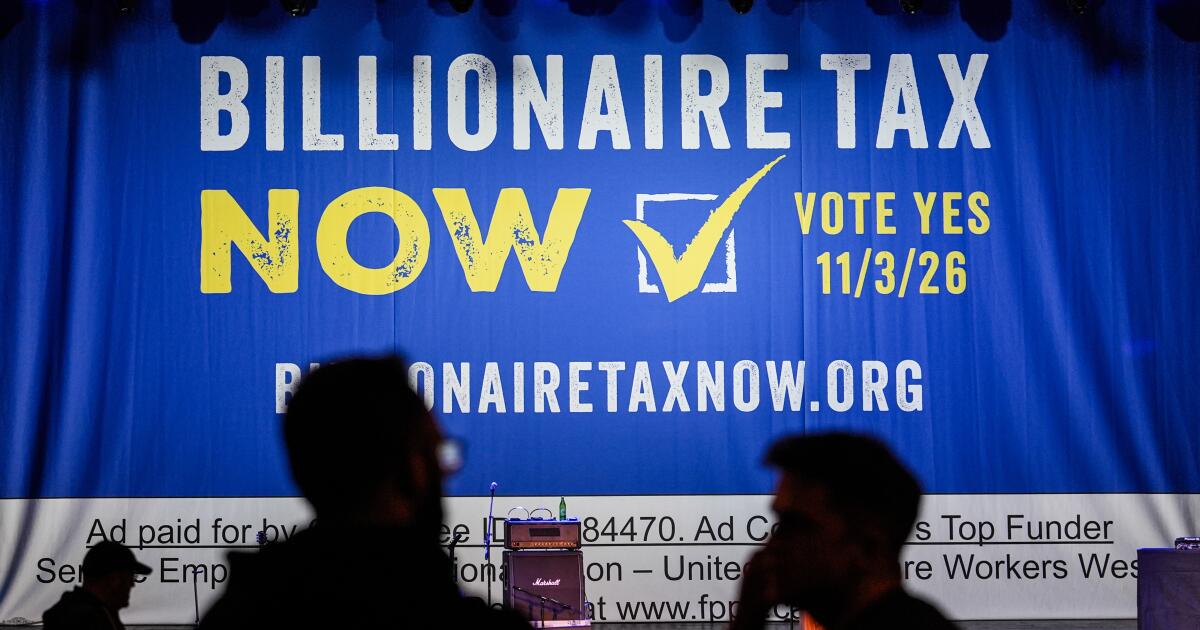 Politics13 minutes ago
Billionaire tax proposal faces hurdles as it moves closer to November ballot
-
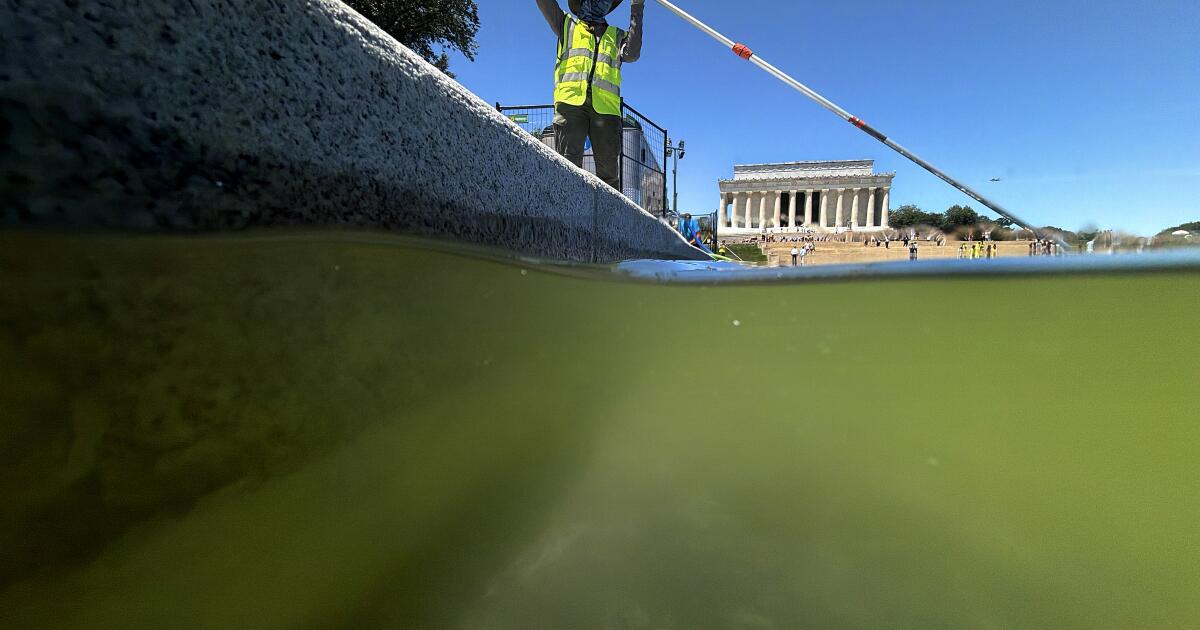 Science20 minutes ago
Here’s why the Lincoln Memorial Reflecting Pool went green so fast
-
 Sports23 minutes ago
Shohei Ohtani out of Dodgers’ lineup vs. Orioles for birth of his second child
-

 World35 minutes ago
Lebanese influencer organises World Cup event amid Israel’s attack on Leban
-
 News58 minutes ago
Air Force One, gifted to Trump from Qatar, arrives at Joint Base Andrews
-

 New York2 hours ago
Video: Fans Show Up to the Parade in Their Best Knicks-Themed Attire

