Lifestyle
Take an epic trip along the West Coast in 2024. Here are the top 10 places to visit now

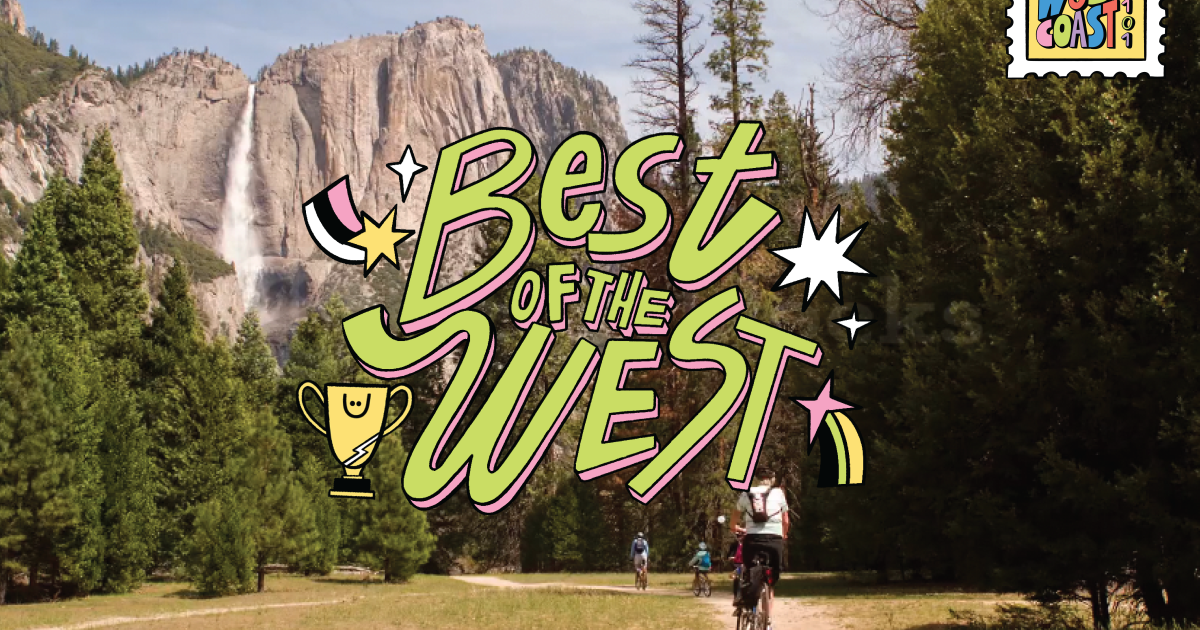
I couldn’t help it. In the course of scouting out great adventures for West Coast 101 — our new guide to essential destinations in Baja, California, Oregon, Washington and British Columbia — I found myself compiling a personal top 10.
I’ll get to that list shortly. But first, an honorable mention.
Even if you’ve never seen “The Big Lebowski,” you’ve probably heard someone mention the rug that tied Lebowski’s room together. Well, Harris Ranch does that for California.
This I-5 stop for food, gas, lodging and bathrooms (not necessarily in that order) might not make anyone’s bucket list. And I’ll admit that if the wind blows the wrong way, it smells like cattle. But if you’re driving north-south through the San Joaquin Valley, which just about every Californian does sooner or later, you’re going to need to stop somewhere.
Harris Ranch faithfully awaits, 184 miles south of San Francisco and 200 miles north of L.A. City Hall, the pride of Coalinga. Over the years, I’ve pumped gas at its Shell station, slept in its comfortable hotel (no resort fee or room tax), conducted interviews in its Horseshoe Lounge, lingered over breakfast in its Ranch Kitchen (excellent) and grabbed a sandwich from its Express BBQ (adequate). I’ve even bought bonsai from Hyo Kim, who peddles delicately coiffed junipers, olive and pine trees ($25-$500) from a stand on the dirt shoulder across the street.
I’m not saying cattle ranches are good for the planet’s future — definitely not. But I’m just realizing that for about 45 years now, Harris Ranch has been the rug tying together my adventures in the vast living room that is our West Coast.
Your rug might be different. After all, these lists are subjective.
Of our 101 best West Coast experiences, these 10 resonate most for me. I’d recommend them to just about any California newbie and I’d grab at a chance to visit them again — some for basic beauty, others for the stories they tell or the memories they tie together.
10. Rady Shell, San Diego
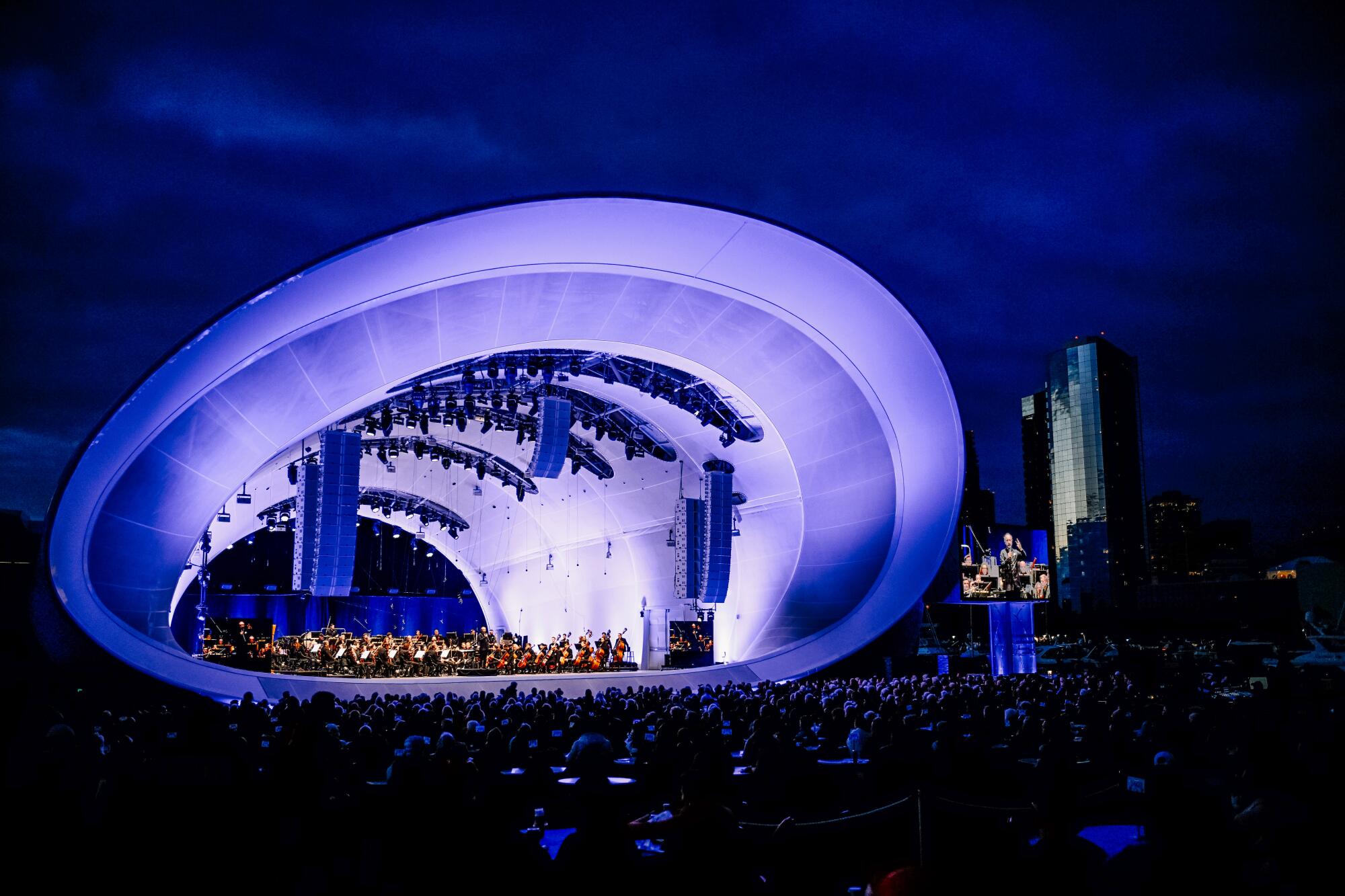
Symphony goers watch a performance of the San Diego Symphony at the Rady Shell April 12, 2024, in San Diego.
(Denis Poroy / For The Times)

I have a hard time imagining a more pleasant place to see an outdoor concert. Well, maybe the Red Rocks Amphitheater outside Denver. But on the West Coast? I’ll take this sleek bayside shell in downtown San Diego. And I’ll try not to be resentful that nobody thought of this while I lived down there.
9. Deetjen’s Big Sur Inn
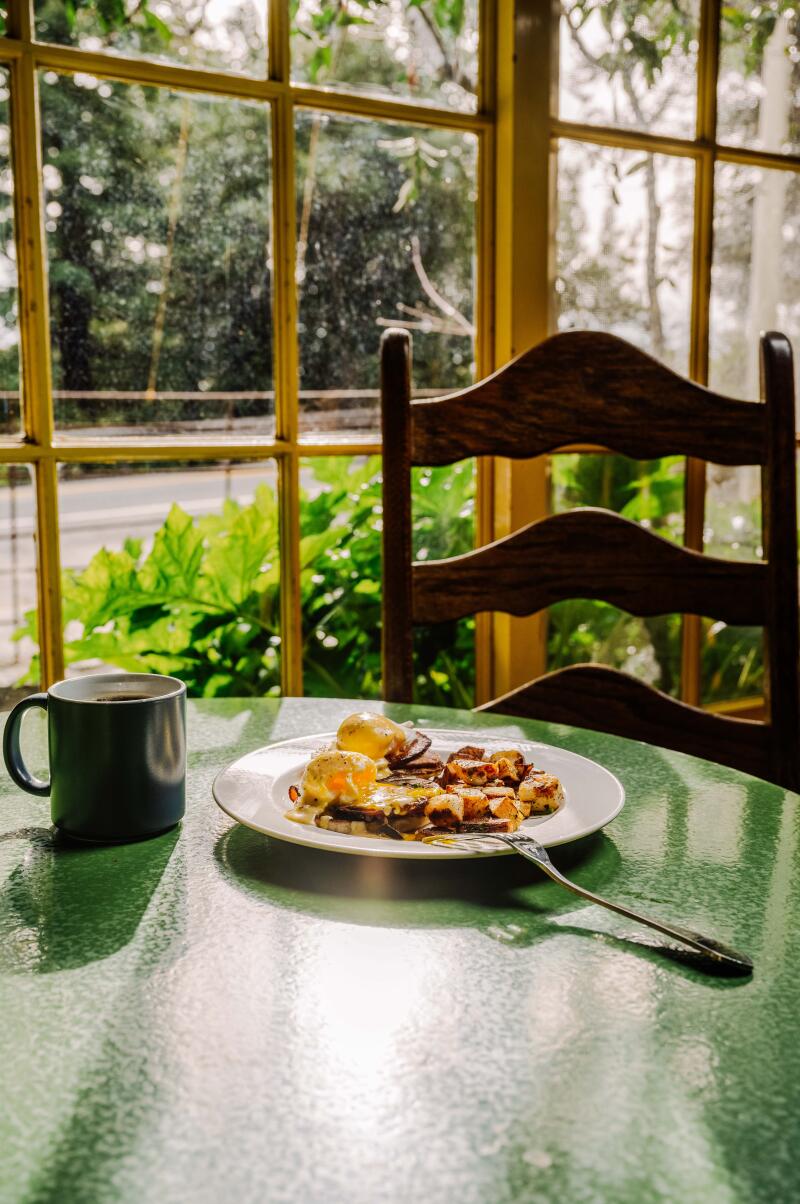
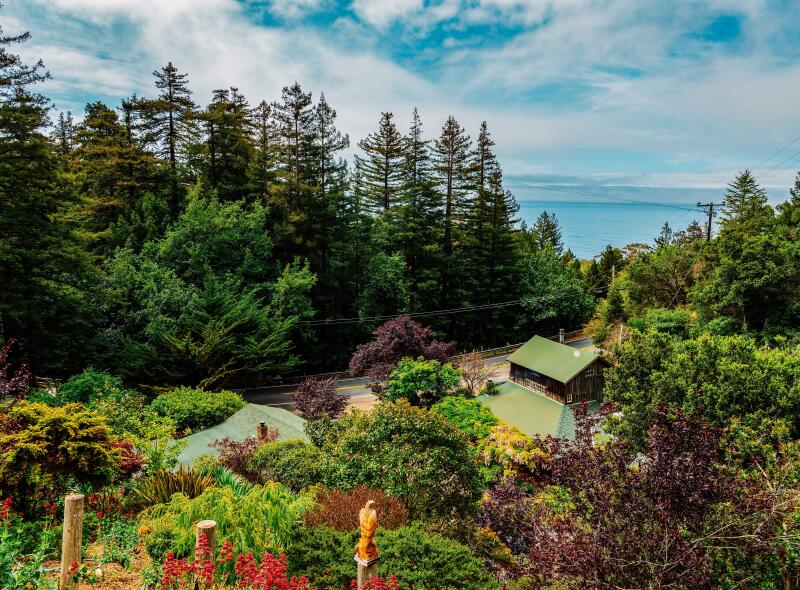
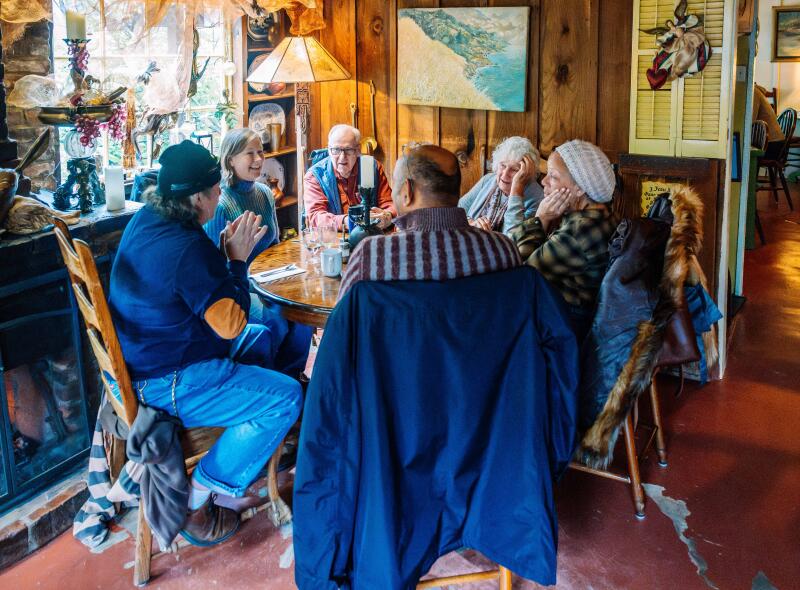
Deetjen’s Big Sur Inn in Santa Cruz, Calif., Tuesday, April 19, 2022 in Santa Cruz, Calif., Tuesday, Jan. 3, 2023. (Nic Coury/For The Times) Deetjen’s Big Sur Inn in Santa Cruz, Calif., Tuesday, April 19, 2022. (Nic Coury/For The Times) Deetjen’s Big Sur Inn in Santa Cruz, Calif., Tuesday, April 19, 2022. (Nic Coury/For The Times)

What are we going to do about Highway 1? Since that coast road was built on the slopes of Big Sur in the 1930s, we’ve treasured it. But as any acrophobe, geologist or engineer could tell you, those slopes crumble and slide relentlessly. Year after year, Caltrans moves mountains to keep that two-lane road navigable. Then comes another slide. Since January 2023 it’s been impossible to drive from San Simeon to Big Sur via the coastal route. (Caltrans announced partial reopening May 16. Check before you go. ) Whenever I worry about the highway, I think of Deetjen’s, which is basically a roadside time capsule clad in weathered wood. It opened about the time the highway did and won over generations of road-trippers with its rustic rooms and restaurant. Before Helmuth Deetjen died in 1972, he set up a nonprofit organization to keep the place running in old-school fashion. I’ve been stopping there since the 1980s. You have to call to make a reservation. And when you get there, you have to expect paper-thin walls along with the Norwegian woodwork, the crackle of the fireplace and the portrait of Deetjen on the wall. It’s a priceless place. And Nepenthe and the Henry Miller Memorial Library are just down the road. We just can’t take Deetjen’s or that road for granted.
8. Yosemite Valley
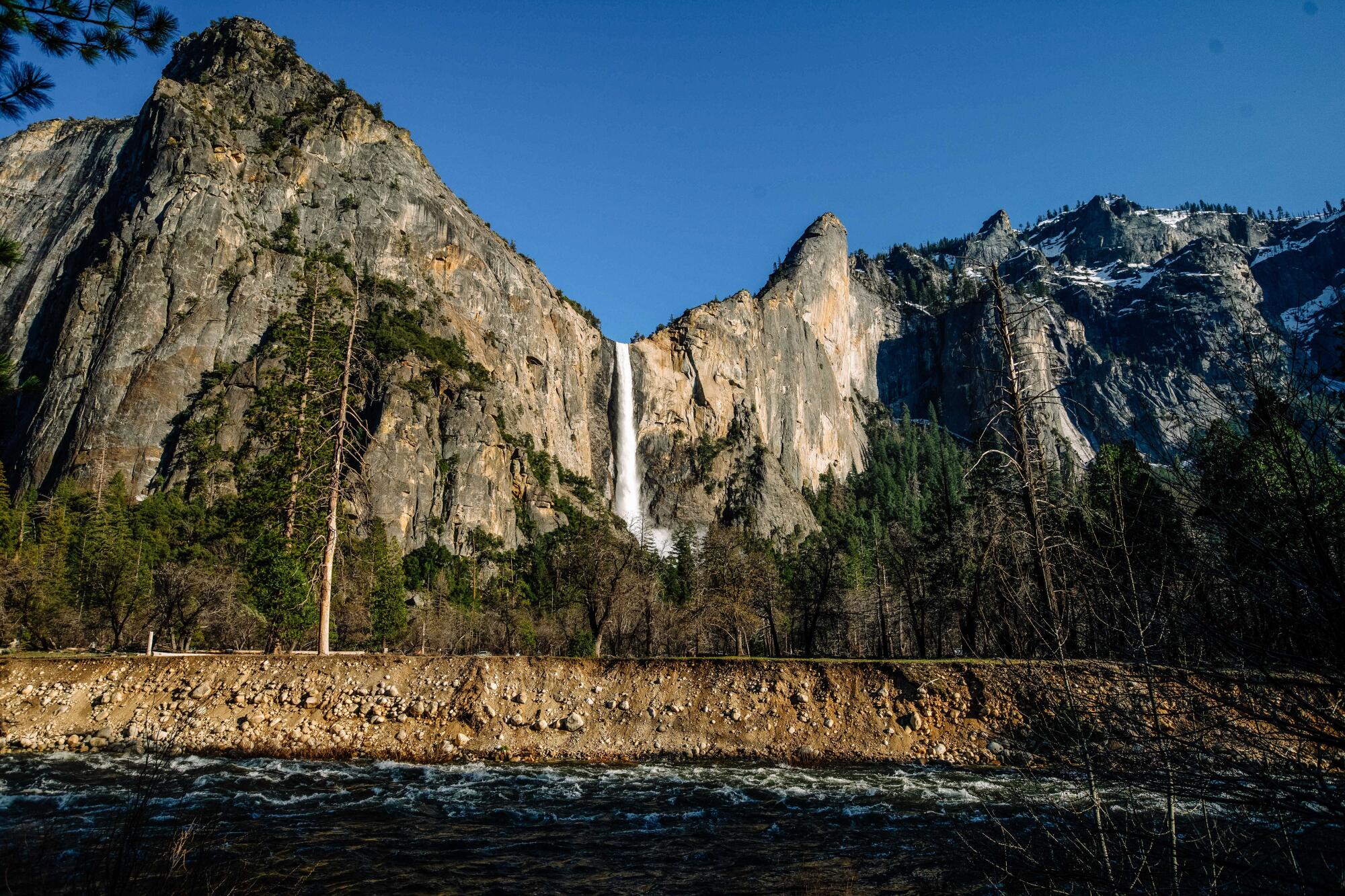
Bridalveil Fall and the Merced River Thursday, April 27, 2023, inside Yosemite National Park.
(Francine Orr / Los Angeles Times)
Does this need explaining? Probably not. If you’re arriving from the south, you emerge from the long, dark Wawona Tunnel to see El Capitan and Half Dome looming above a green, wet world of its own. Waterfalls roar left and right. The valley stretches for seven miles, framed by granite walls that Ansel Adams had to shoot and Alex Honnold had to climb. The Merced River meanders through. Even if you don’t have $600 to spend a night in the Ahwahnee Hotel, you can pop by for a snack, gaze up at painted rafters that go back to 1927 and warm yourself by one of the big fireplaces.
7. Venice Beach
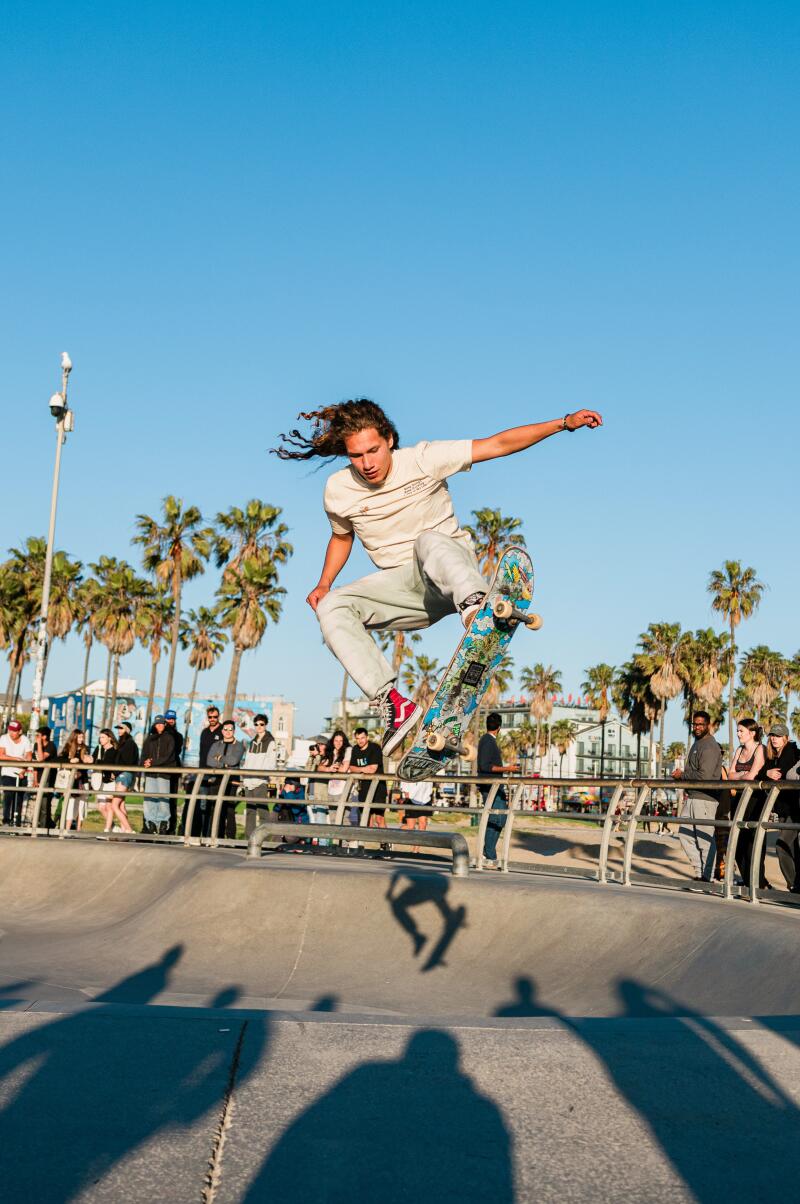
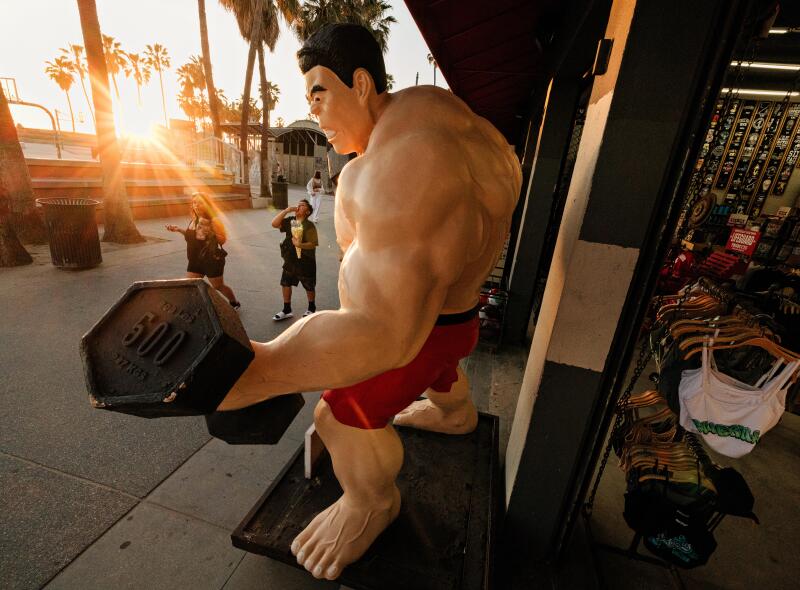
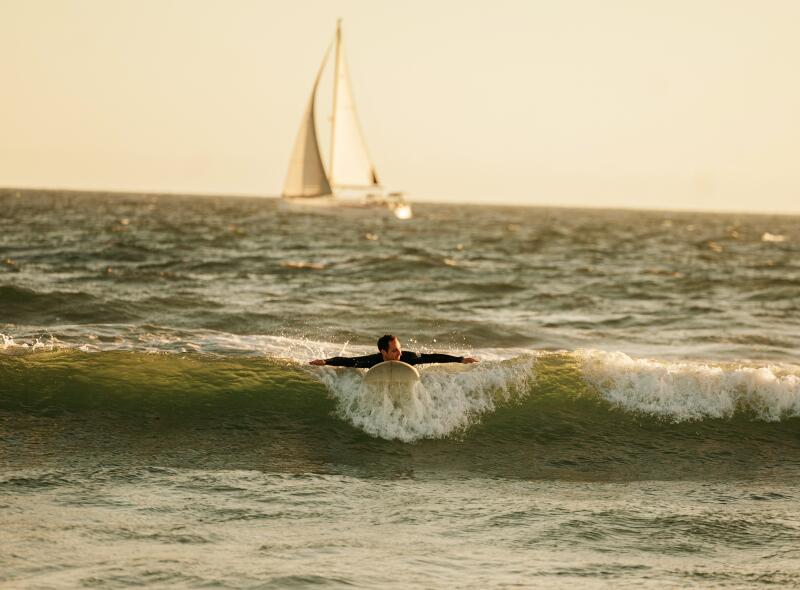
Venice, CA – April 03: A man throughs a trick at the skate park at Venice Beach on Wednesday, April 3, 2024 in Venice, CA. (Jason Armond / Los Angeles Times) (Jason Armond/Los Angeles Times) Venice, CA – April 03: People enjoy a day at Venice Beach on Wednesday, April 3, 2024 in Venice, CA. (Jason Armond / Los Angeles Times) (Jason Armond/Los Angeles Times) Venice, CA – April 03: A man surfs at Venice Beach on Wednesday, April 3, 2024 in Venice, CA. (Jason Armond / Los Angeles Times) (Jason Armond/Los Angeles Times)

Yeah, I know. There’s plenty to lament in Venice. But when you hit that beach at the right time on the right day, it feels so emblematic of Southern California. On my last visit, the sun was just setting. My wife, Mary Frances, and I checked out the skateboarders, chatted with a few artists who were selling work along the sidewalk and did a double take at the Shul on the Beach (a.k.a. Pacific Jewish Center), an Orthodox synagogue where worshipers were just gathering for a Friday night Shabbat meal.
6. The whales of Baja’s lagoons
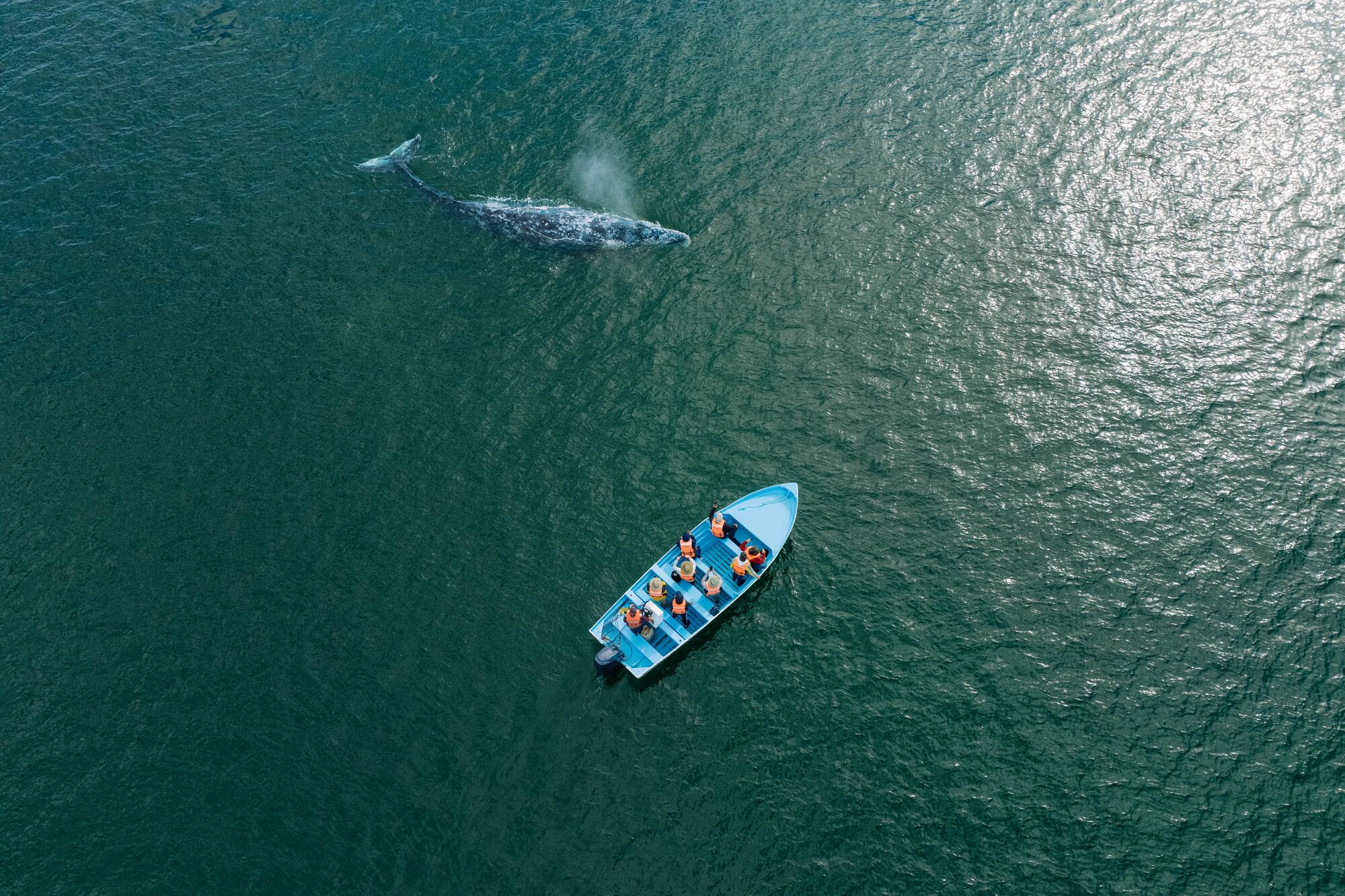
Tourists watch from a panga as a gray whale surfaces and spouts a misty jet of vapor at the Laguna Ojo de Liebre (a.k.a. Scammon’s Lagoon) on Sunday, Jan. 8, 2023 in Guerrero Negro, Baja California Sur.
(Brian van der Brug / Los Angeles Times)
It’s one thing to watch migrating gray whales off the Southern California coast, standing at the rail of a big boat, looking for spouts in the distance and perhaps drawing within 100 yards. It’s something else when you’re in a panga on the waters of a southern Baja lagoon — usually Ojo de Liebre (Scammon’s) or San Ignacio. These immense creatures, the cows and and the calves, get so close sometimes, it feels intimate. And maybe a little scary. The adults weigh up to 90,000 pounds.
5. Ferry Building and waterfront San Francisco
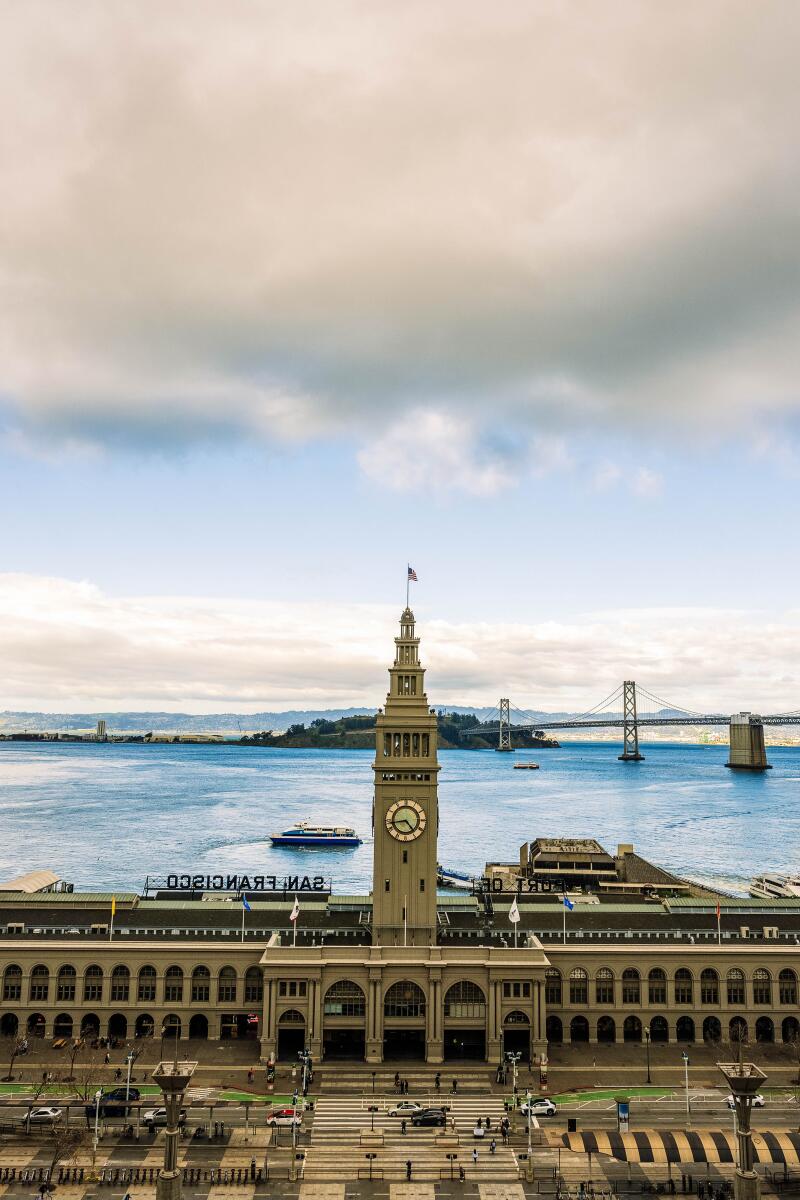
The Ferry Building in San Francisco, Calif., Friday, April 12, 2024. (Nic Coury / For The Times)
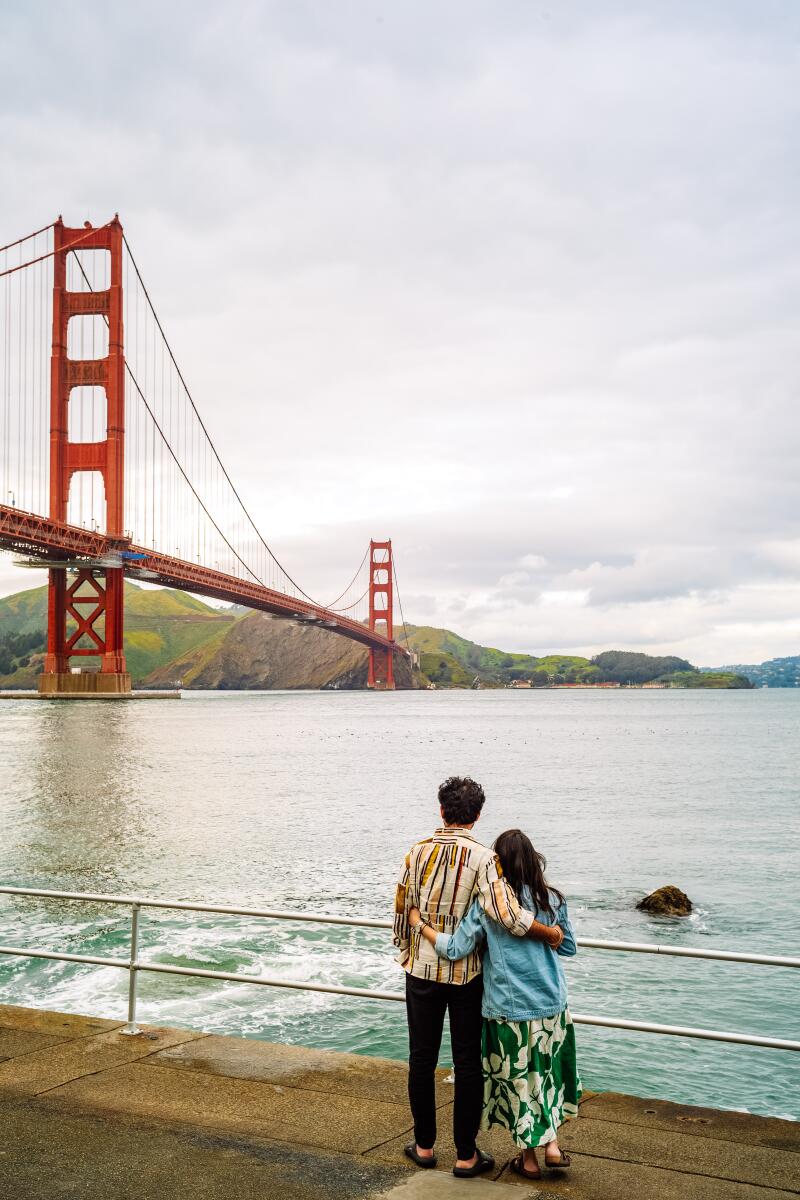
A couple looks at the Golden Gate Bridge from Fort Point in San Francisco. (Nic Coury / For The Times)

I’m trying to think of a more successful architectural resurrection than San Francisco’s Ferry Building. And failing. Picture that 1898 waterfront building in the 1920s, when there was no Bay Bridge and no Golden Gate Bridge and up to 50,000 people per day were commuting by ferry. The Ferry Building at the foot of Market Street was the center of the Bay Area’s nervous system. Then the bridges went up, commuters abandoned the ferries, the building was rehabbed into ugly offices and decades passed. Finally, in the aftermath of the 1989 Loma Prieta quake, San Francisco leaders launched a plan to revive the building. It reopened in 2003 as a foodie-oriented restaurant and retail space, a thousand times more interesting to me than the souvenir shops of Fisherman’s Wharf and Pier 39 (although at least you get the sight and sound of sea lions there). Apart from the food, it’s got great views of the Bay Bridge. (And with luck, that bridge’s nightly light show, which went dark last year, will resume in early 2025.) I think of the Ferry Building and the Golden Gate Bridge as the bookends of the waterfront.
4. Hidden Valley, Joshua Tree National Park
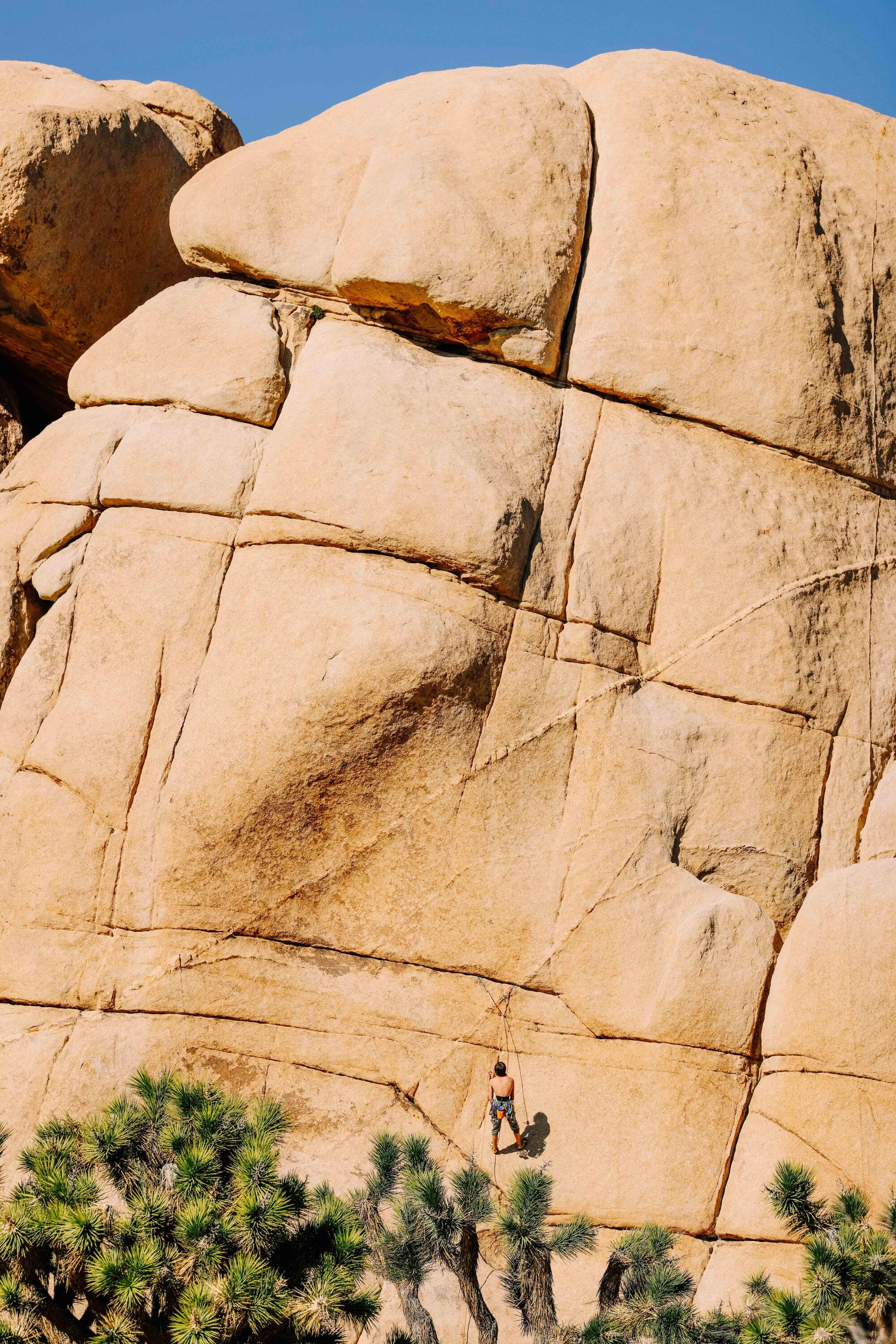
A rock climber is seen at the Hidden Valley campground inside Joshua Tree National Park.
(Dania Maxwell / Los Angeles Times)

I’m not a rock climber or a boulderer. But I’m a sucker for sunrises and sunsets in the desert. And when that golden-hour light hits the jumbled boulders in Hidden Valley, it’s hard to resist.
3. Pike Place Market, Seattle
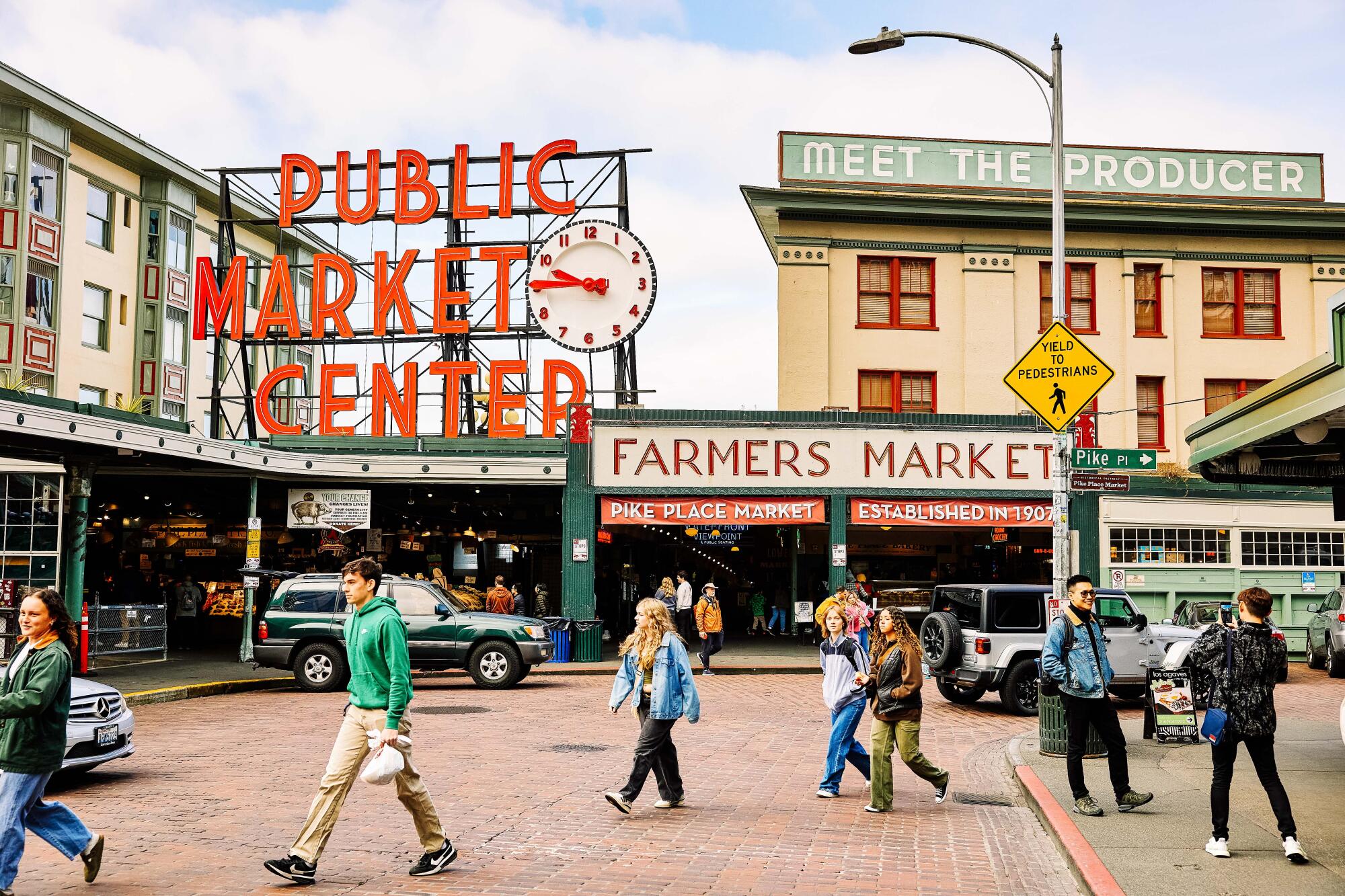
A view of Pike Place Market in Seattle, Washington.
(Amber Fotus / For The Times)

This is always the first place I want to go in Seattle, a spot where people, colors, flavors and scents all come together. I walk past the mirrored bar of the Athenian restaurant, where my buddy Rick and I had beers in 1986, my first time in town. I go down below to make sure the bubble-gum wall is still in place. I mourn at the spot where the newsstand used to be. I kick myself for failing to buy an incredibly cool cigar-box guitar from the Soul Cat Guitar guy when I had the chance. (I thought I’d have another chance at his market stall when I visited in January, but he wasn’t there that day.) I listen to buskers and eat unhealthy snacks. I stick my head in the anarchist collective bookshop (Left Bank Books), which has somehow lasted 51 years. And like every other tourist, I linger near the fishmongers so I can see them flinging fish and hollering at each other.
2. Capilano Bridge Suspension Park, Vancouver
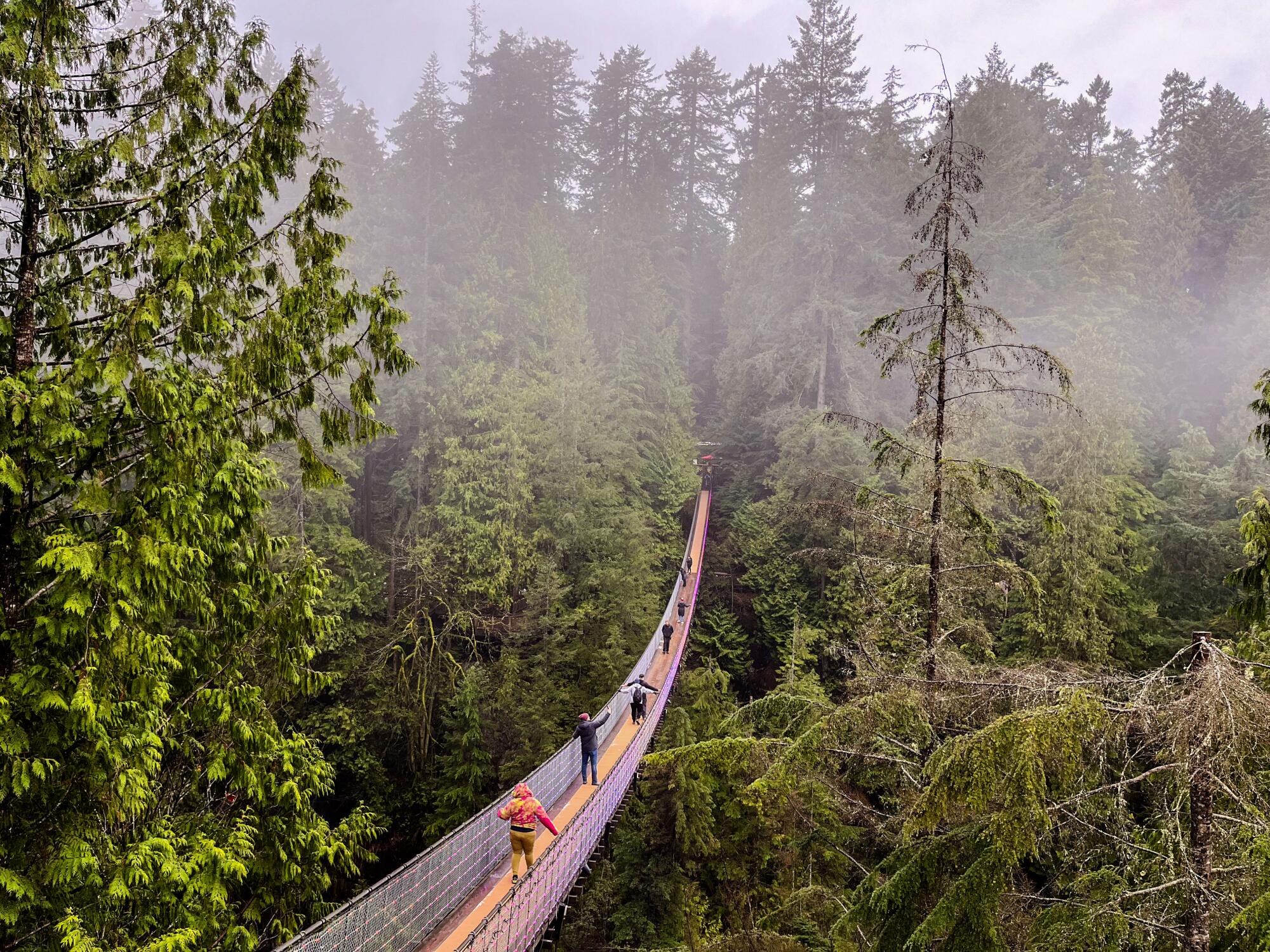
Capilano Suspension Bridge Park, Vancouver.
(Christopher Reynolds / Los Angeles Times)

On my first visit, a few years ago, it was raining and the park was packed. I wondered if the bridge would be closed. Nope. Open, and prone to slightly jiggle as I stood 230 feet above the Capilano River, surrounded by tall trees and mist. When I returned in February, it was snowing, the park was nearly empty and the bridge was still open. The vibe was part “Twin Peaks,” part “Indiana Jones and the Temple of Doom.”
1. Badwater in Death Valley
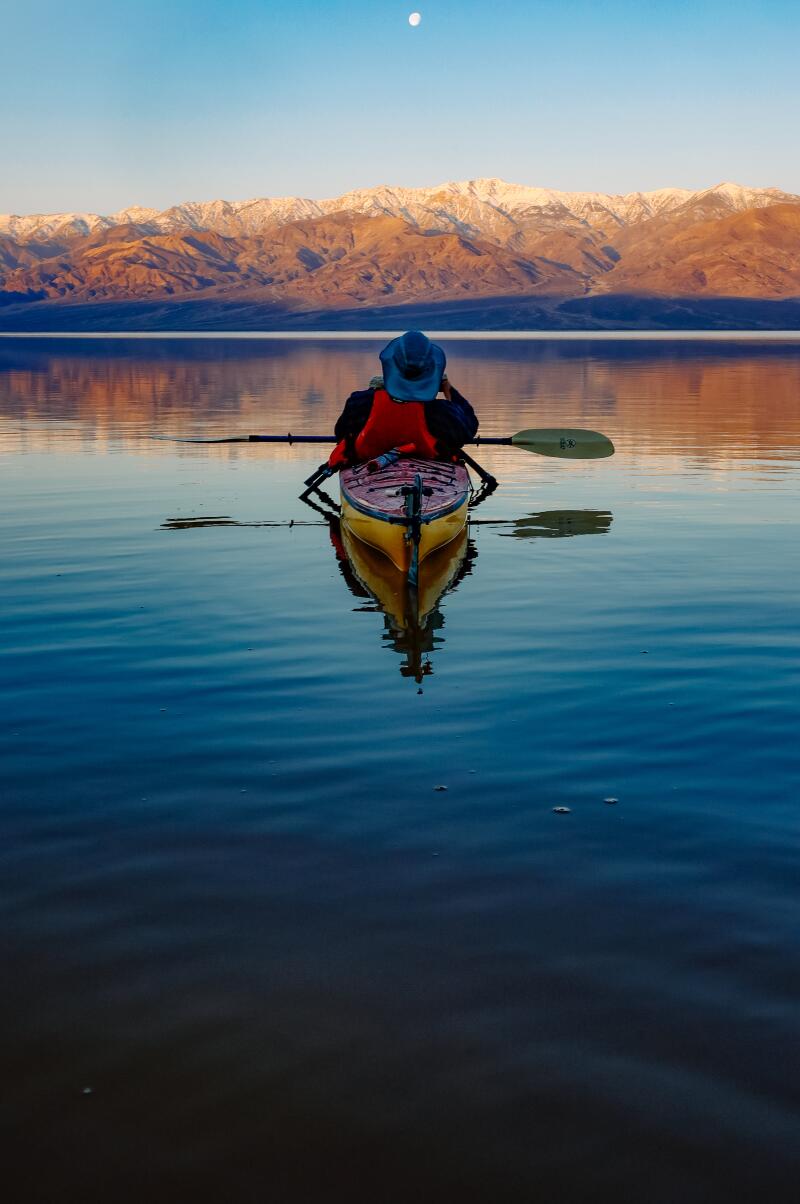
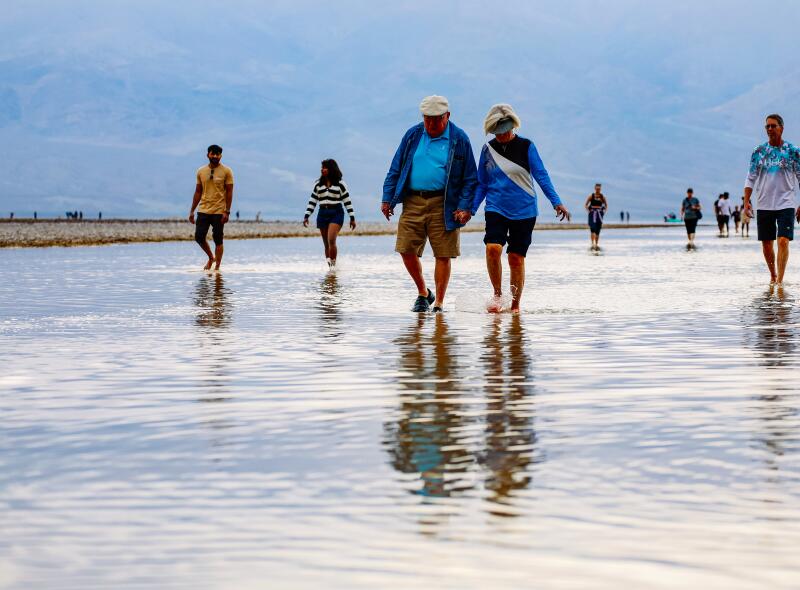
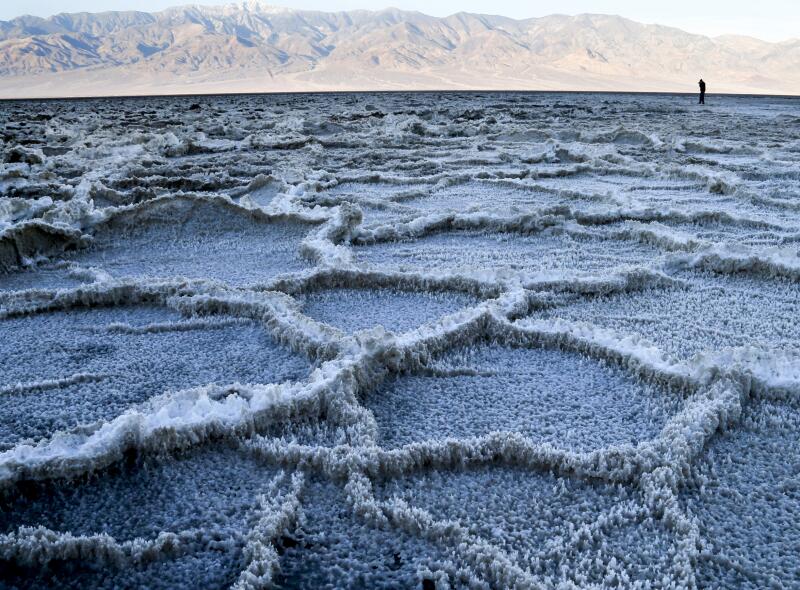
Mike “Mish” Shedlock kayaks the calm waters of Manly Lake at sunrise in Death Valley. (Robert Gauthier / Los Angeles Times) Park visitors kayak, paddle board and wade knee deep in Lake Manly in Badwater Basin. (Robert Gauthier / Los Angeles Times) Unique salt structures form in the Badwater Basin at Death Valley National Park where water combines with the natural salt deposits at 282-feet below sea level, as seen in 2014. (Mark Boster / Los Angeles Times)

Badwater is hot and dry enough to kill you pretty quickly, but as long as you have water to drink, a little shade and a way out, you’ll probably live and have a story to tell. On my first visit, a summer day about 30 years ago, Death Valley was even hotter than usual, around 115 degrees. The power had gone out at our Furnace Creek hotel. Rather than crowd into the marginally cooler hotel pool with scores of young children (and their urine, most likely), I headed with my wife and friends for the vast, flat, salty, dry lake floor of Badwater with a Wiffle ball and bat. The game didn’t last long, but there are photos: Except for our 20th century leisurewear, we looked like biblical figures in the process of being turned to pillars of salt. So last year, when rains washed out roads, closed Death Valley National Park for months, refilled the lake bed and transformed the basin into a great big mirror, I was eager to get back there.
Within days of the park’s reopening, I got to Badwater for sunrise and came back again at sunset. No Wiffle ball. Just the big sky, the mountains reflected in the lake and a handful of fellow travelers in silhouette at water’s edge. To those bold few who managed to kayak in Death Valley for the three winter weeks that it was possible, I envy you. I don’t know if I’ll ever see that lake again — as of May 1, it was just a few inches deep and shrinking fast — but now I have two layers of Badwater memories to carry with me.


The Kennedy Center, the facade of which remains covered with a tarp, is seen in Washington, DC, on June 28, 2026. A US federal judge asked on June 24 for an explanation for why a tarpaulin continues to cover the facade of the Kennedy Center where President Donald Trump’s name was recently removed. District Judge Christopher Cooper gave the board of trustees of the performing arts venue until the end of July to explain “the purpose for and status of the tarp and scaffolding that Defendants have erected on the front portico of the Center.”
ALEX WROBLEWSKI/AFP via Getty Images
hide caption
toggle caption
ALEX WROBLEWSKI/AFP via Getty Images
More than two weeks ago, President Trump’s name was removed from the Kennedy Center facade though it is still covered by a tarp and the legal battle continues.
On Monday, a U.S. Department of Justice filing on behalf of the Kennedy Center included some surprises. The document was submitted in response to issues raised by lawyers for ex-officio board member Rep. Joyce Beatty of Ohio who is suing to remove President Trump’s name from the center and stop its closure for renovations.
Among the revelations, the Kennedy Center admitted that, during a board meeting on December 18, 2025, Beatty had been “muted and prevented from speaking.” It was at that meeting that the board voted to add President Trump’s name to the center. The filing later acknowledges the congresswoman was “prevented from voicing her opposition.”
The John F. Kennedy Center for the Performing Arts is a living memorial to its namesake. The guidelines for how the theatre complex spends federal dollars are very specific. Among other rules, it states that “no additional memorials or plaques shall be designated or installed.” Beatty argues adding Trump’s name runs afoul of those rules and that any change requires approval from Congress.
According to one of Beatty’s filings, “There was no advance notice in the agenda that the Board would be considering a name change,” a statement the Kennedy Center now does not deny. The center admits that, prior to voting, there was “no discussion about potential risks or downsides of the vote to adopt a secondary name for the Center.” Nor was there a board discussion “about any potential conflict of interest that might result from the vote.”
The center’s lawyers previously contended that if Trump’s name were to be removed, it would “lose money from donors who support” him and “impede the Center’s fundraising efforts.”
Closing for renovations
Earlier this year, Trump announced on social media that the Kennedy Center would close for two years for renovations. He wrote that he made the decision after “a one year review” with “Contractors, Musical Experts, Art Institutions, and other Advisors and Consultants.”
But, according to the center’s lawyers, Trump’s announcement “was made without presenting any plans, analyses, timelines, or funding information to his cotrustees and without any Board vote.”
The Kennedy Center has long denied reporting by The Washington Post that ticket sales plummeted after President Trump became the Center’s board chair. In Monday’s legal filing, the Center admits that, by October 2025, “nearly half of the Center’s tickets were going unsold.”


Paul Tremblay has made a career of pushing the horror genre – and the novel format – in strange and exciting new directions.
In his latest, Dead but Dreaming of Electric Sheep, the author offers an amalgamation of genre elements that can be best described as psychological-dystopian-science-fiction horror. It’s a mouthful, but the narrative does all of that and more in a way that defies categorization.
Julia Flang is a former semiprofessional gamer working two mediocre jobs she dislikes and living in a modest ranch house in a San Fernando Valley suburb with her retired uncle, whom she calls Uncle Fun. Julia likes movies and gaming but there’s little else going on in her life, so when her estranged mother, the CFO of a large tech company, contacts her with a possible job offer – a “once-in-a-lifetime thing” that pays handsomely just for doing the interview – she hesitantly agrees.

The job is relatively simple and perfect for someone with gaming skills: using a controller built into a phone to get a man, who is stuck in a vegetative state, from California to the East Coast. It will require her to learn how to control his body – walking, moving, sitting, standing, using his arms – so she can maneuver him out of the facility where he is located and into cars and planes and through crowded airports. A fan of movies, Julia decides to call the man Bernie – after the movie Weekend at Bernie’s. When the ethics of the job start to bother her, Julia realizes it’s too late and she must go through with it. However, she’s soon contacted by people interested in sabotaging the whole thing, people who, like her, don’t align with the shady interests of conglomerates and those set to make “gobs of money” from this new, somewhat inhuman technology.

As with every Tremblay novel, any synopsis barely scratches the surface. The novel’s chapters alternate between Julia and you (yes, you). Julia’s chapters are “normal” in the sense that they obey a chronological order and have action, basic descriptions of movement and places, and dialogue. The chapters in second person are like fever dreams from a shadow world; the desperate experiences of a man trapped inside his own body with no control of it, no clue what’s happening to him, and only a few fragmented memories of his life. Also, Tremblay uses a similarly fragmented style of storytelling (including words and sentences trapped in boxes and/or “moving” on the page) to keep things interesting but also confusing and creepy.
This novel operates on several different levels and – planes of existence? Bernie has a head full of AI that controls his body, but his consciousness is still there and struggling to regain control, struggling to remember things. There are monsters, leeches, mysterious rabbits, and eerie shadows in his world, but the true horror comes from the lack of control, from being moved around against his will and having no clue what comes next. Bernie is the embodiment of losing control to AI, and when taken together with the commentary of creativity and AI and the meta interludes in which the author takes a wrecking ball to the fourth wall and addresses readers, this is the best anti-Generative AI story horror has produced so far.
Despite the horror of it, this is a very funny novel. Julia is sarcastic and struggles to keep her comebacks in line, but the conversations she has and messages she writes are always entertaining. However, the humor is far from the crown jewel here. That title belongs to a plethora of big ideas Tremblay juggles. The nature of life, death, and consciousness, the evils of conglomerates, inhuman practices in the name of capitalism, and AI, and even what it means to be human are all explored here: “Is Bernie alive? Is he feeling pain? Is he experiencing everything as a prisoner looking through the bars of his body? Has his consciousness been winnowed to a metaphysical keyhole? Where does consciousness begin or end?” There are no definite answers here, but the way Tremblay infuses humanity, love, the importance of relationships, and humor throughout the narrative provides the kind of answers that can’t and don’t need to be spelled out.
A genre-bender full of big ideas that constantly switches between a world full of real or uncomfortably plausible nightmares and a bizarre hellscape in which loss of self, memory, and autonomy are only the tip of the proverbial iceberg, Dead but Dreaming of Electric Sheep is a horrific and terrifyingly disorienting novel that invites readers to consider a future that already started. Tremblay has always been an innovator, but this beautifully written collection of real and imagined grotesqueries cements him not only as one of the most original and exciting voices in horror but also as one of the smartest, most engaging authors in contemporary fiction.
Gabino Iglesias is an author, book reviewer and professor living in Austin, Texas. Find him on X, formerly Twitter, at @Gabino_Iglesias.

-

 Louisiana12 minutes ago
Police chief admits guilt in Louisiana visa scam; all 5 defendants have now pled guilty
-

 Maine14 minutes ago
How SCOTUS striking limits on party spending could impact Maine’s Senate race
-

 Maryland20 minutes ago
Wes Moore’s military record: what’s known, what isn’t
-

 Michigan26 minutes ago
Whitmer says she will pull Michigan National Guard from D.C. if troops used in Trump’s Safe and Beautiful Mission
-

 Massachusetts29 minutes ago
Massachusetts dad on ‘adventure of a lifetime’ left fighting for his life in Fiji after noticing bug bite
-

 Minnesota34 minutes ago
Invasive ‘bloody red shrimp’ reach Lake Superior
-

 Mississippi42 minutes ago
Mississippi Lottery Mississippi Match 5, Cash 3 results for June 30, 2026
-

 Missouri44 minutes ago
Missouri Sports Betting May 2026: $256.4M Handle, Record $21.3M Revenue

