PONTIAC, Mich. — James Crumbley, whose teenage son killed four students in the 2021 Oxford High School shooting, was convicted of involuntary manslaughter by an Oakland County, Mich., jury Thursday in a verdict that caps two separate trials that made Crumbley and his wife the first parents of a school shooter to face homicide-level charges for their child’s crime.
Washington
Father of Oxford shooter found guilty of involuntary manslaughter


The jury of six men and six women deliberated for nearly 11 hours before finding Crumbly, 47, guilty of all four involuntary manslaughter counts. The verdict concluded the brisk eight-day trial that largely lacked the drama and hostility between the defense and prosecutors seen in Jennifer Crumbley’s trial, which ended last month with her conviction on four counts of involuntary manslaughter.
The Crumbleys’ son, Ethan, was sentenced last year to life without parole for killing Hana St. Juliana, 14; Tate Myre, 16; Madisyn Baldwin, 17; and Justin Shilling, 17, and injuring seven others in the Nov. 30, 2021, shooting. The shooter, who was 15 years old when he committed the killings, was charged as an adult and later pleaded guilty to 24 charges, including first-degree murder and terrorism. On the day of the shooting, he hid in his backpack a 9mm Sig Sauer gun that his father bought four days prior as an early Christmas gift.
James and Jennifer Crumbley faced identical charges but were tried separately in a closely watched case that sits at the vanguard of a new strategy by some prosecutors to look more broadly at who can or should be held accountable when a child harms others with a gun. Sentencing for both Crumbleys is set for April 9.
Oakland County Prosecutor Karen McDonald took the rare step of charging the Crumbleys within days of the shooting, and that move has since been followed in cases like the deadly 2022 Fourth of July shooting in Highland Park, Ill.: Prosecutors last year secured a guilty plea from the shooter’s father for misdemeanor reckless conduct for his role in facilitating his son’s gun access.
James Crumbley was silent and shook his head as the jury foreperson read the verdict. Meanwhile, Nicole Beausoleil, Baldwin’s mother, leaned forward and cried. As the courtroom cleared, families of the victims stopped to shake hands and hug McDonald.
In an emotional news conference following the verdict, McDonald and the parents of the victims called out the urgency of curbing gun violence and improving mental health support for children.
“I refuse to take a victory lap with these prosecutions, it will not bring back these kids,” McDonald said, noting that while the three convictions were critical, they alone won’t solve gun violence.
“Gun violence is the number one cause of death for children in this country and it is a public health crisis,” McDonald said. “And we will not be able to address it until we start treating it like a public health crisis — and yes, access to guns is a critical piece of that.”
Steve St. Juliana, Hana’s father, and Buck Myre, Tate’s father, both said tackling gun violence and mental health are bipartisan issues that demand immediate action.
“We complain about Second Amendment rights, or we say, ‘Oh there’s not enough money […] for mental health issues,” St. Juliana said. “We can put people on the moon and we can build skyscrapers [but] we can’t keep … our kids safe in schools. I think people just need to wake up.”
Gun-control advocates praised the verdict. Nick Suplina, senior vice president for law and policy at the nonprofit Everytown for Gun Safety, said parents have a responsibility to prevent children from accessing guns.
“Once again, today’s guilty verdict of James Crumbley further underscores this critical duty of responsible gun ownership,” Suplina said. “The deadly shooting at Oxford High School in 2021 should have been prevented had Jennifer and James Crumbley taken basic precautions, like securely storing firearms in the home, to prevent their 15-year-old son from bringing a gun to school and killing four children and wounding seven others.”
Much evidence and nearly all of the witnesses from James Crumbley’s trial were already previewed in his wife’s trial. The second time around, the trial moved quicker, with fewer clashes between lawyers and more precise arguments from each side. Most notably, after Jennifer Crumbley gave testimony that may have doomed her for the jury, James Crumbley decided not take the stand in his own trial; the defense’s only witness was Karen Crumbley, his sister.
The prosecution’s overarching argument remained the same: James Crumbley bought a gun for a teen who was clearly troubled, failed to secure it, and failed to take steps before the shooting and on that morning that could have prevented the eventual tragedy.
“It only took one tragically small measure of ordinary care to avoid four deaths,” McDonald said during closing arguments.
Prosecutors pointed to the morning of the shooting, when the Crumbley parents were summoned to the school after a teacher saw their son draw pictures of a gun, a bullet-riddled body and a cry-laughing face on a math assignment alongside phrases like, “The thoughts won’t stop. Help me,” “the world is dead,” and “blood everywhere.” McDonald said Crumbley failed a legal duty to prevent his son from harming others with actions that were or should have been “foreseeable” to Crumbley.
The jury saw journal entries where the shooter wrote desperate musings like: “I have zero HELP for my mental problems and it’s causing me to shoot up the f—ing school” and “I want help but my parents won’t listen to me so I can’t get any help.”
Jurors also saw the shooter’s text to his friend where he wrote, “I told my dad to take me to the doctor yesterday, but he gave me some pills and told me to suck it up.”
McDonald said Crumbley knew his son was having some kind of trouble as she ticked off the clues: His son was upset about the family dog dying, about his friend moving away, about his grandmother dying, about pandemic isolation; he knew his son had looked up bullets and watched violent videos — and had seen the drawing the morning of the shooting.
“How many times does this kid have to say it?” McDonald said, raising her voice during closing.
Donning a pair of blue gloves, McDonald picked up the murder weapon during the final part of her closing and quickly inserted a cable lock into the gun.
“It only takes ten seconds. Ten seconds of the easiest, simplest thing,” McDonald said. The cable lock was later found in the home, unused, and with an accompanying safety manual.
Defense attorney Marielle Lehman said the charges against Crumbley are “assumptions and hindsight.”
It’s easy to look back at warning signs and call them obvious, Lehman said. Prosecutors presented the shooter’s journal entries that detailed his desire — and later plans — to shoot up the school, as well as text messages with his best friend where he talked about handling the gun his father purchased.
Lehman said there was no evidence Crumbley saw his son’s journal or text messages with friends, or knew his son accessed guns and ammunition without supervision. She also cited a prosecutor’s witness, Alcohol, Tobacco and Firearms Agent Brett Brandon, who testified “‘there are multiple ways to store a firearm responsibly,’ not just the way the prosecution described,” Lehman said.
Crumbley told sheriff’s deputies during an interview following the shooting that he kept the gun hidden in a case in his bedroom armoire and hid the bullets separately under a pile of jeans.
Lehman sought to distance Crumbley from the prosecution’s characterization that the weapon belonged to the shooter.
“If it really were his son’s gun, why was it hidden in [James’] bedroom? In a location his son was not aware of?” Lehman said.
The defense also asserted publicly for the first time that while Crumbley knew his son had access to a gun, the school did, too.
School staffers testified they thought the shooter was troubled, but saw him more as a danger to himself rather than others.
Neither the parents nor school staff searched the shooter’s backpack before he was sent back to class. Little more than two hours later, Crumbley learned there was a shooting at the school and dialed 911 explaining a gun was missing from the home and that he and his wife had been called to speak with his son’s counselor that morning.
“I think my son took the gun,” Crumbley is heard on tape saying frantically. “I’m freaking out.”
Shannon Smith, an attorney for Jennifer Crumbley, said she and her client were declining interviews.
“We believe the victims, their families, and the community need and deserve the space and time to begin healing from this tragedy,” Smith said in a statement late Thursday.



WASHINGTON – Coming up this month, spring’s most colorful new event: Tulip Day Washington.
What we know:
On March 15, 2026, Tulip Day Washington will transform DC’s National Mall into a vibrant tulip-picking garden beautiful views of U.S. Capitol
This one-day event will take place from 11:15 AM – 4:15 PM, offering a floral showcase of approximately 150,000 tulips; visitors are invited to pick their choice of 10 tulips for free upon arrival.
Dig deeper:
The registration site for Tulip Day is currently down, showing users “This site is currently unavailable. If you’re the owner of this website, please contact your hosting provider to get this resolved.”
Users on social media say the event may be sold out.
Check tulipday.eu for updates.
The backstory:
The event is organized by the Embassy of the Netherlands and Royal Anthos, a Dutch trade association, in honor of America’s 250th birthday. The display of tulips will be in the shape of the number 250.
The bulbs come from the Netherlands, but are being grown in Virginia and New Jersey.
These won’t be the first tulips on the National Mall, however. The Floral Library, also known as the Tulip Library, features 93 beds of flowers near the Tidal Basin. The Floral Library was established in 1969, and is maintained by the National Park Services. These flowers, though, are to be enjoyed only – not to be picked.

The562’s coverage of Dirtbags Baseball for the 2026 season is sponsored by P2S, Inc. Visit p2sinc.com to learn more.
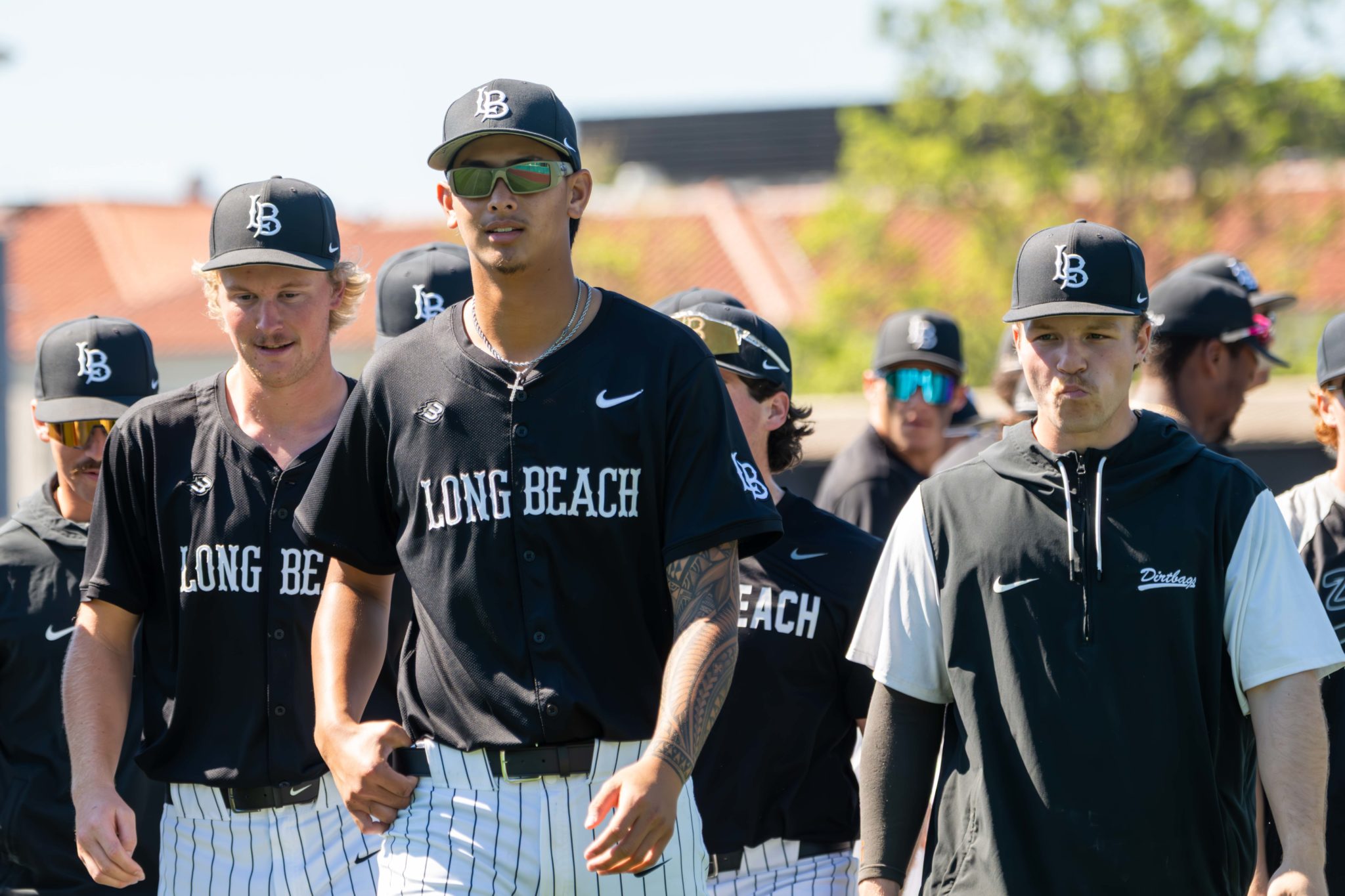
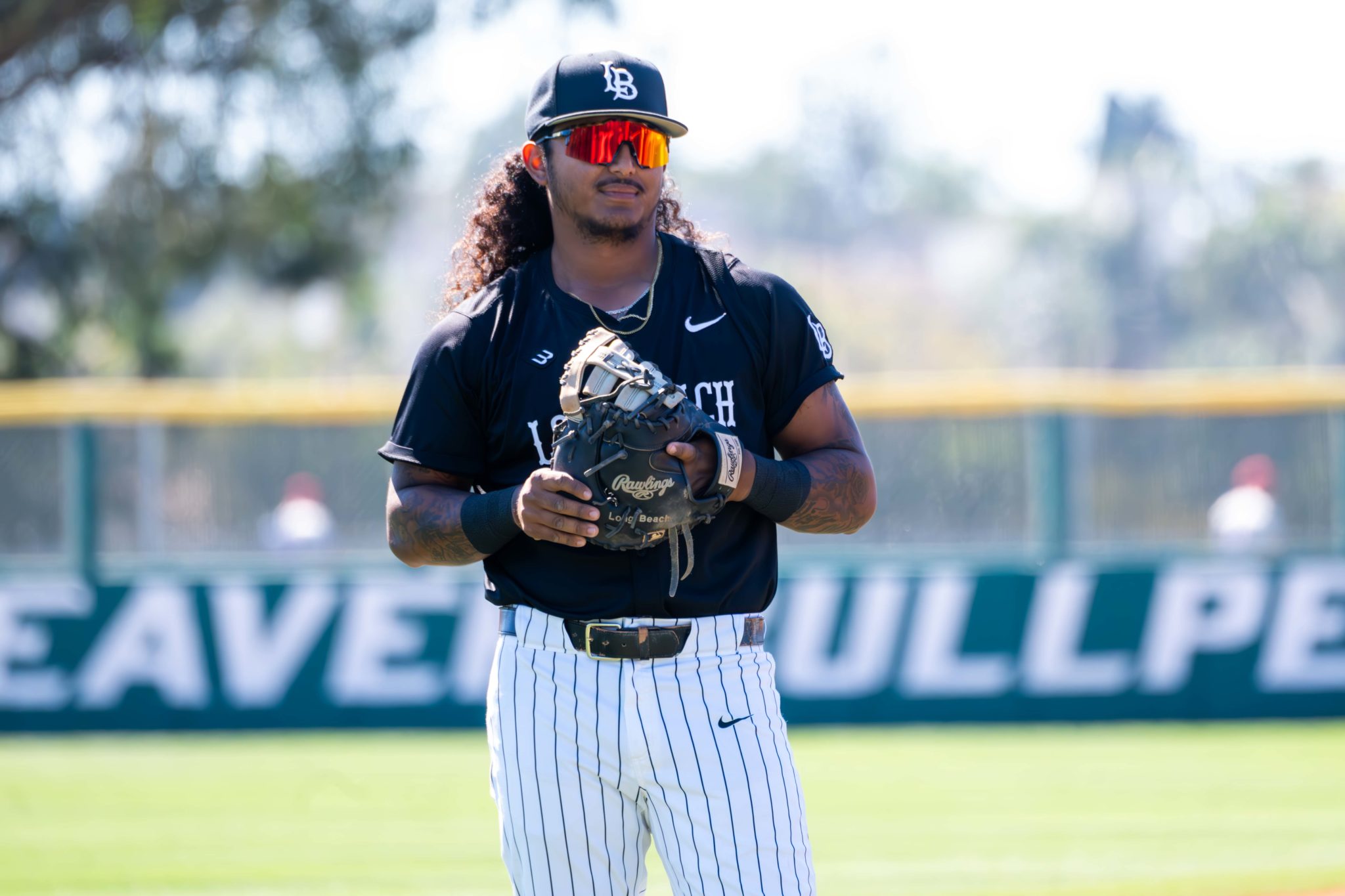
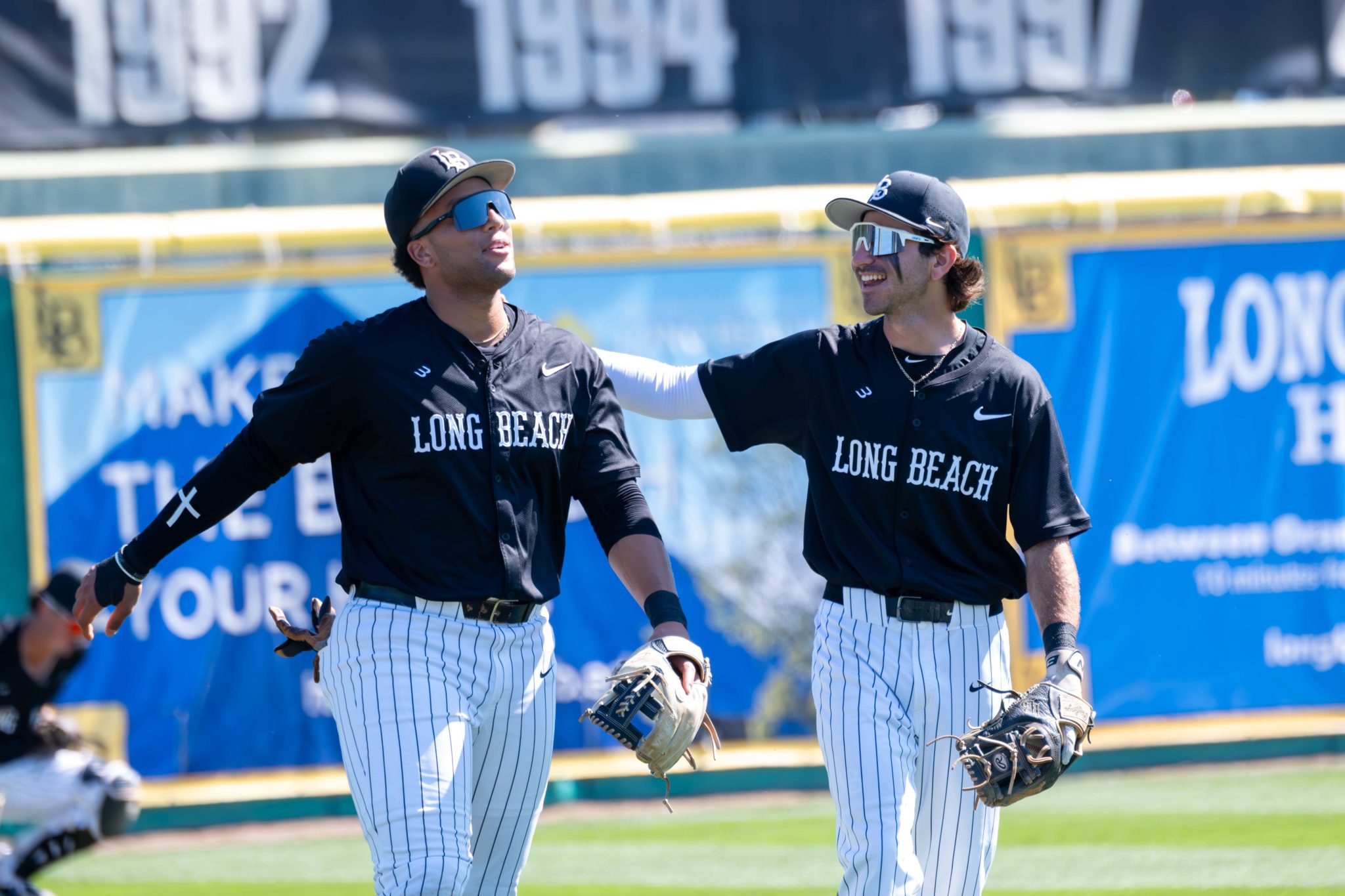
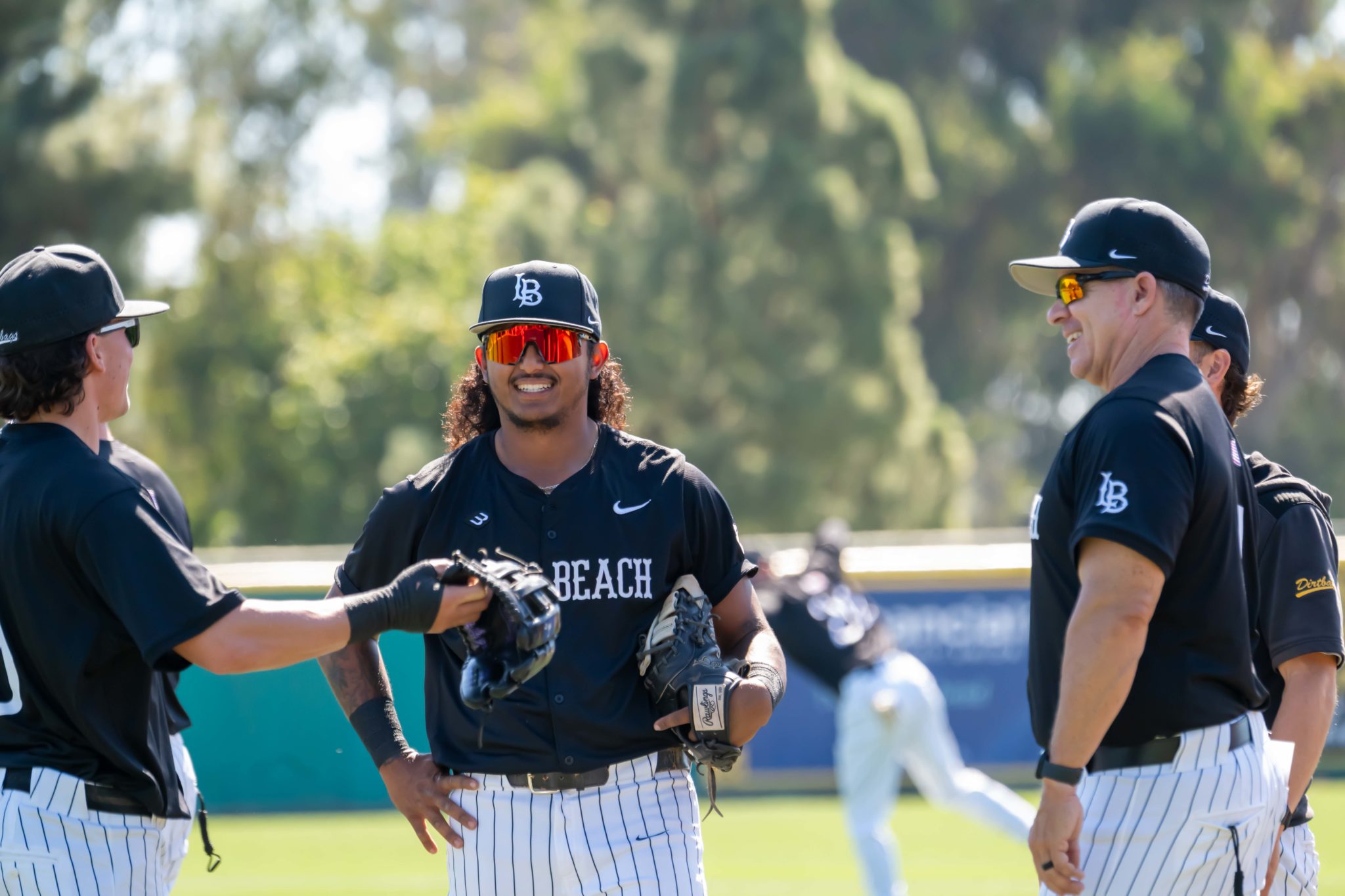
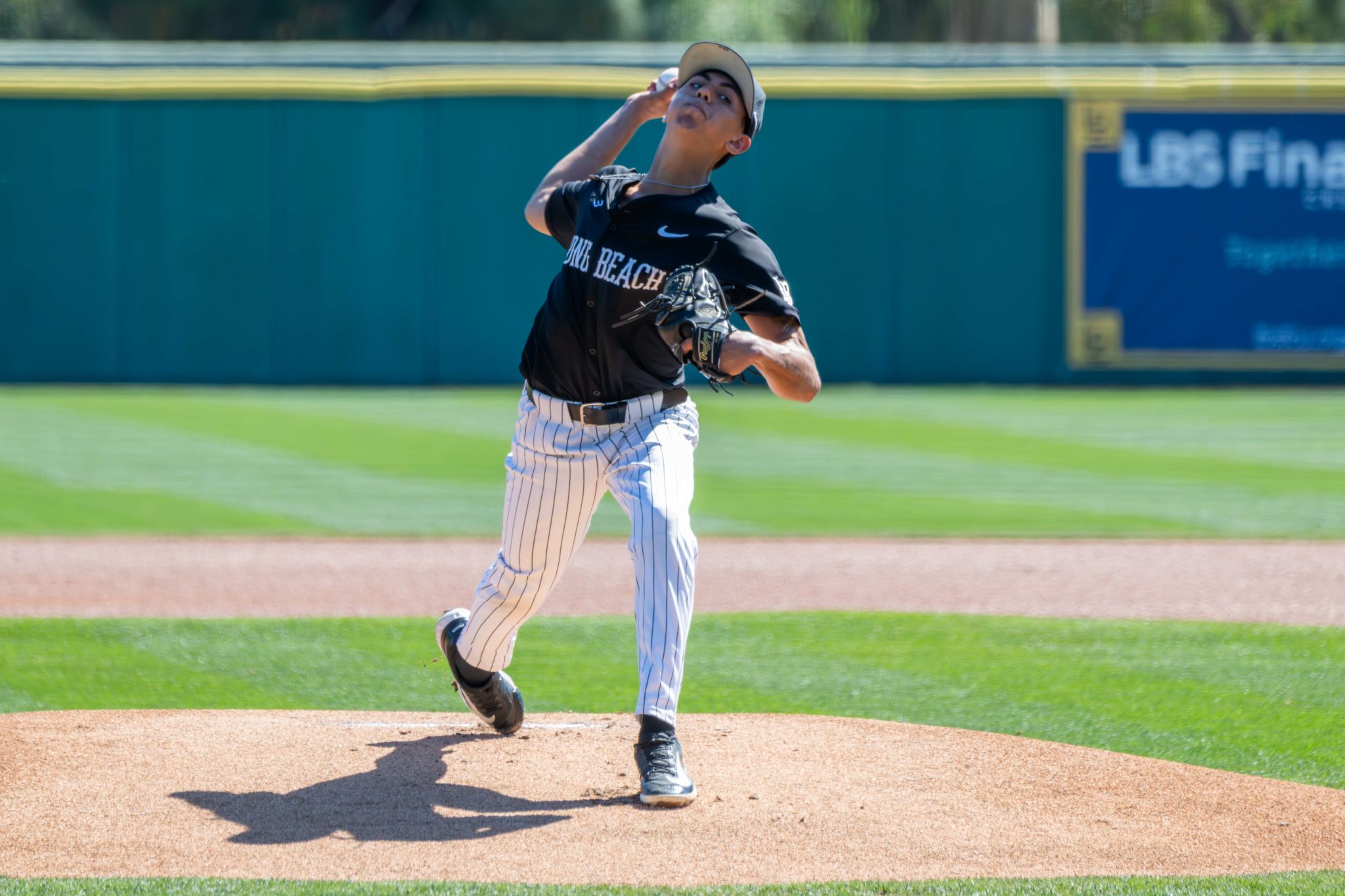
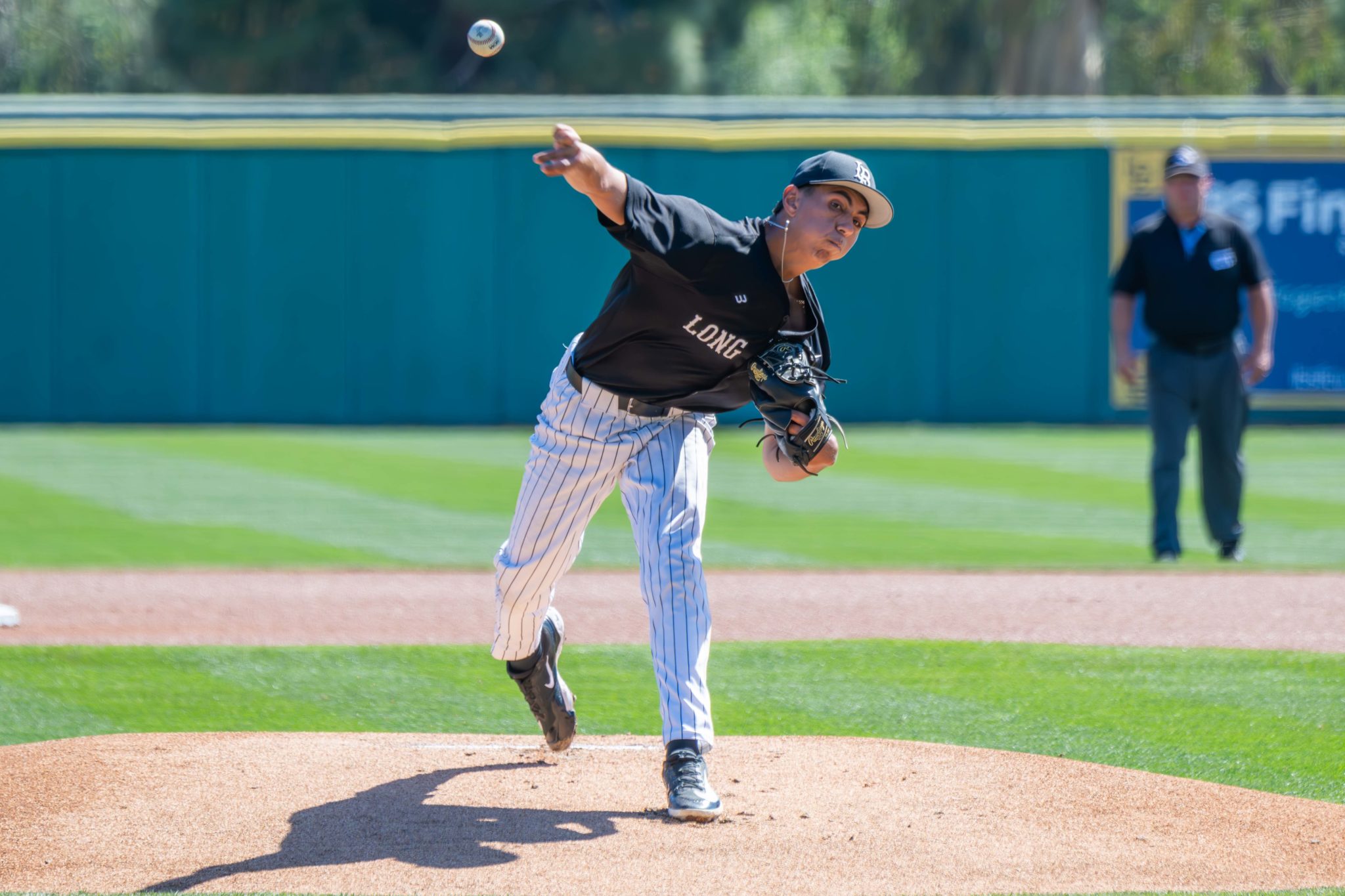
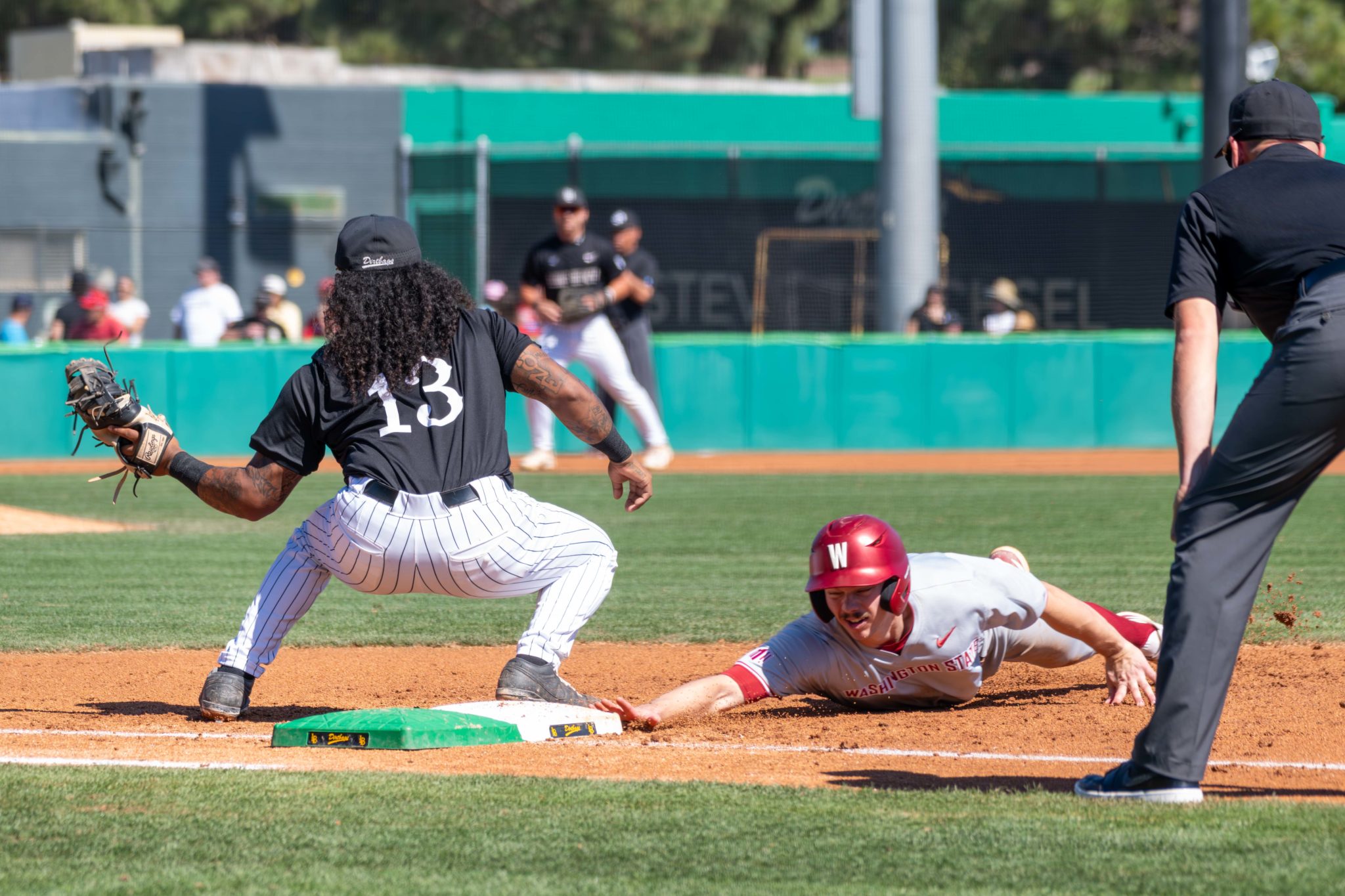
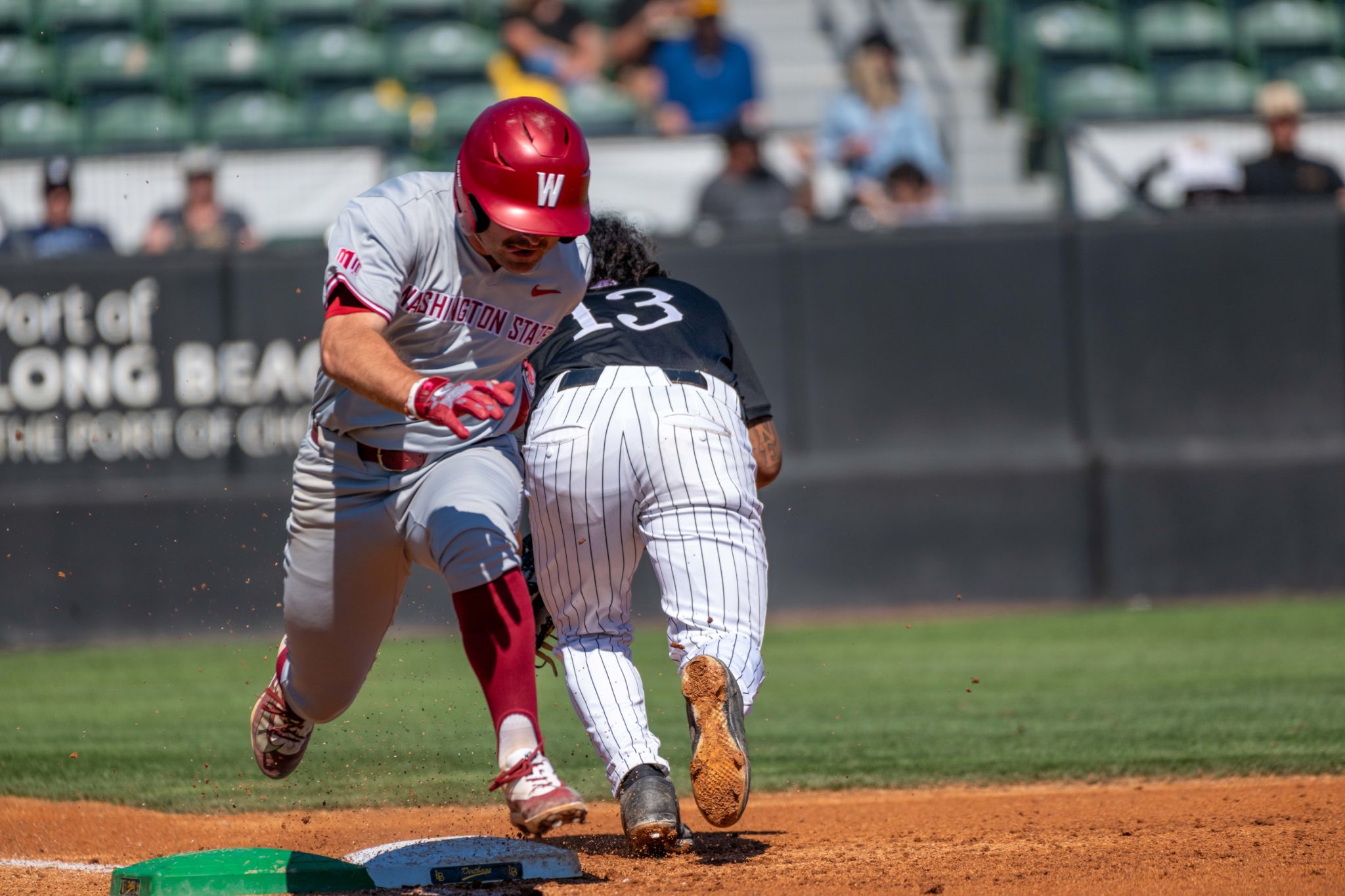
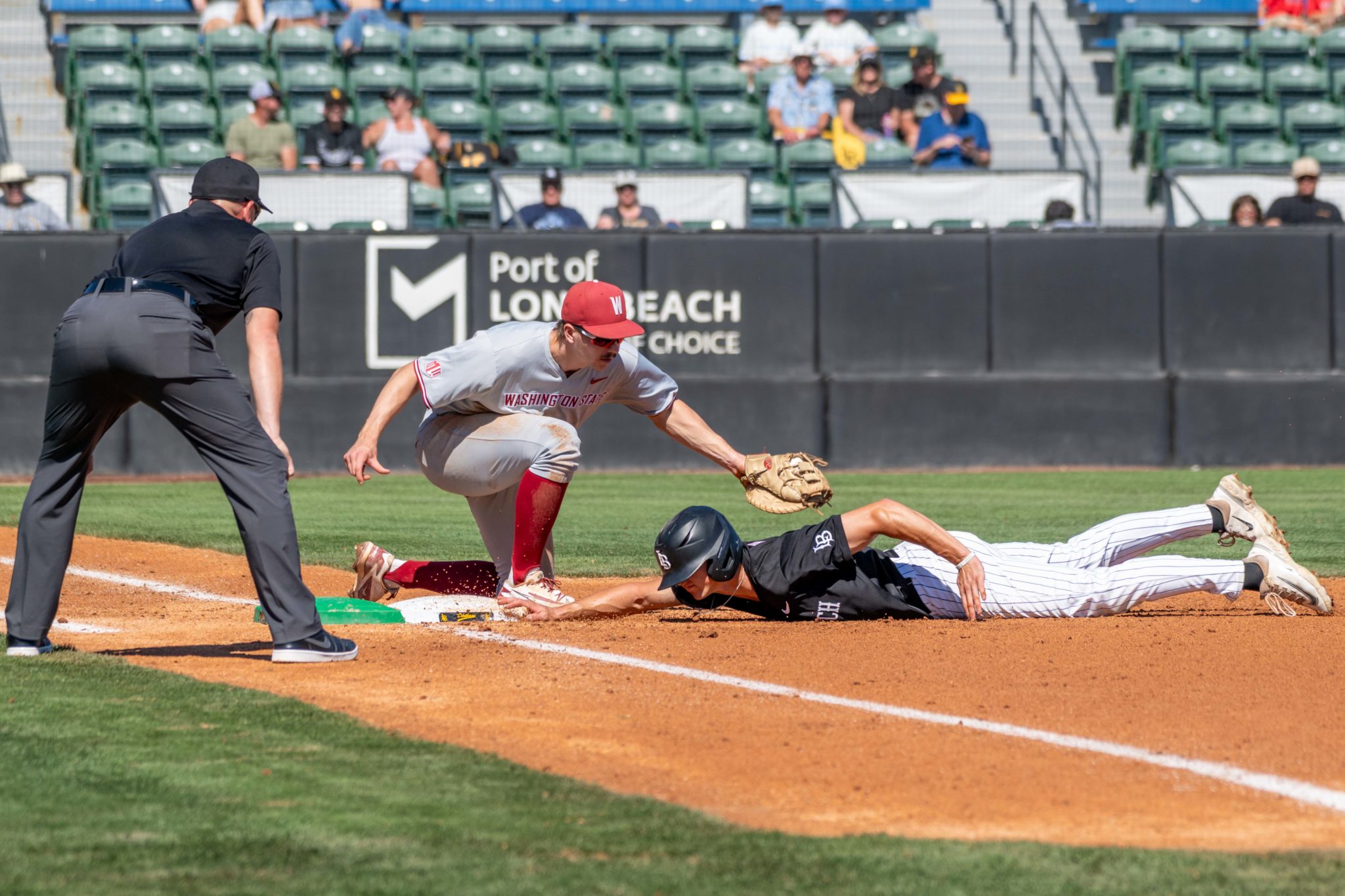
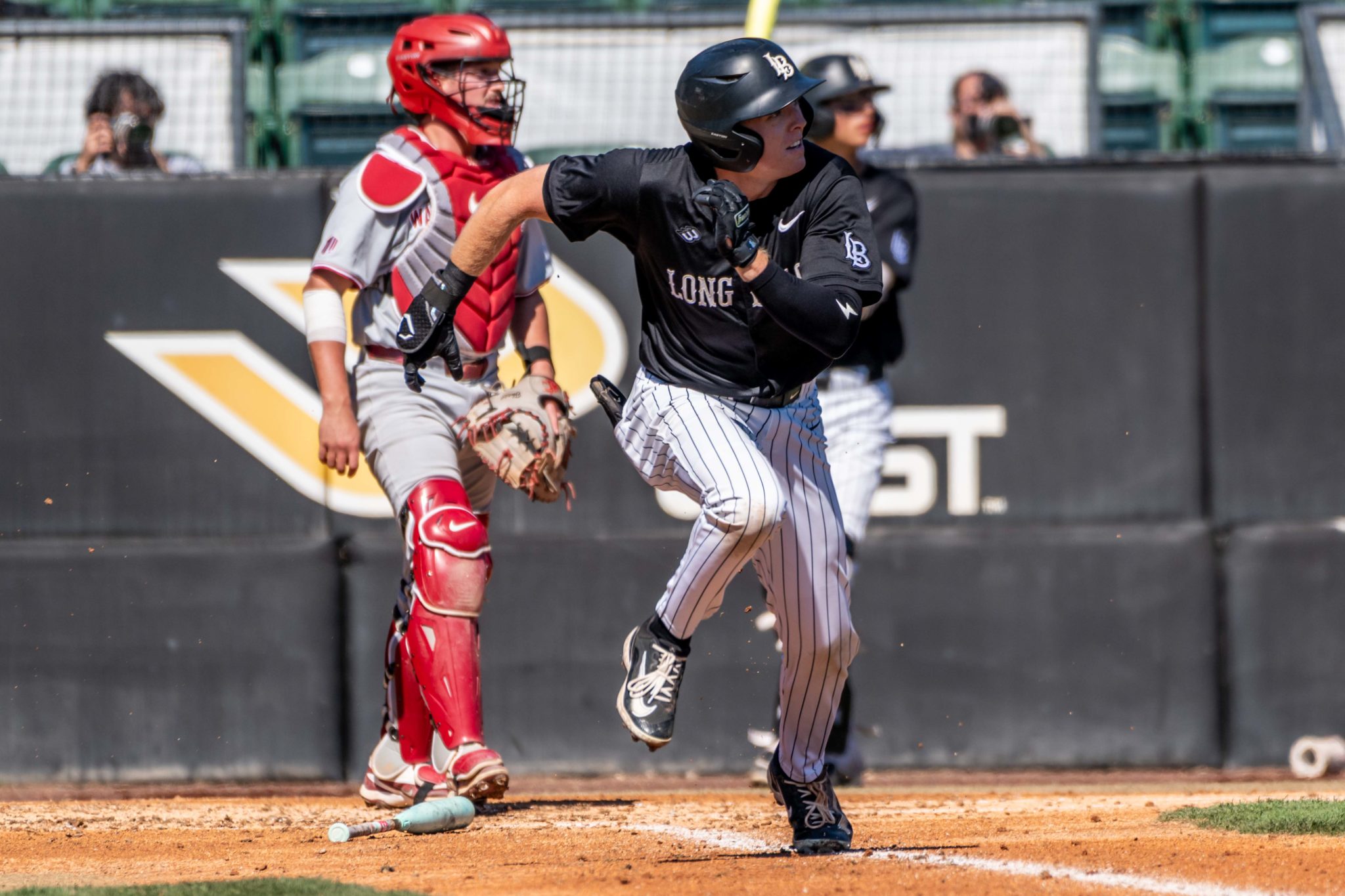
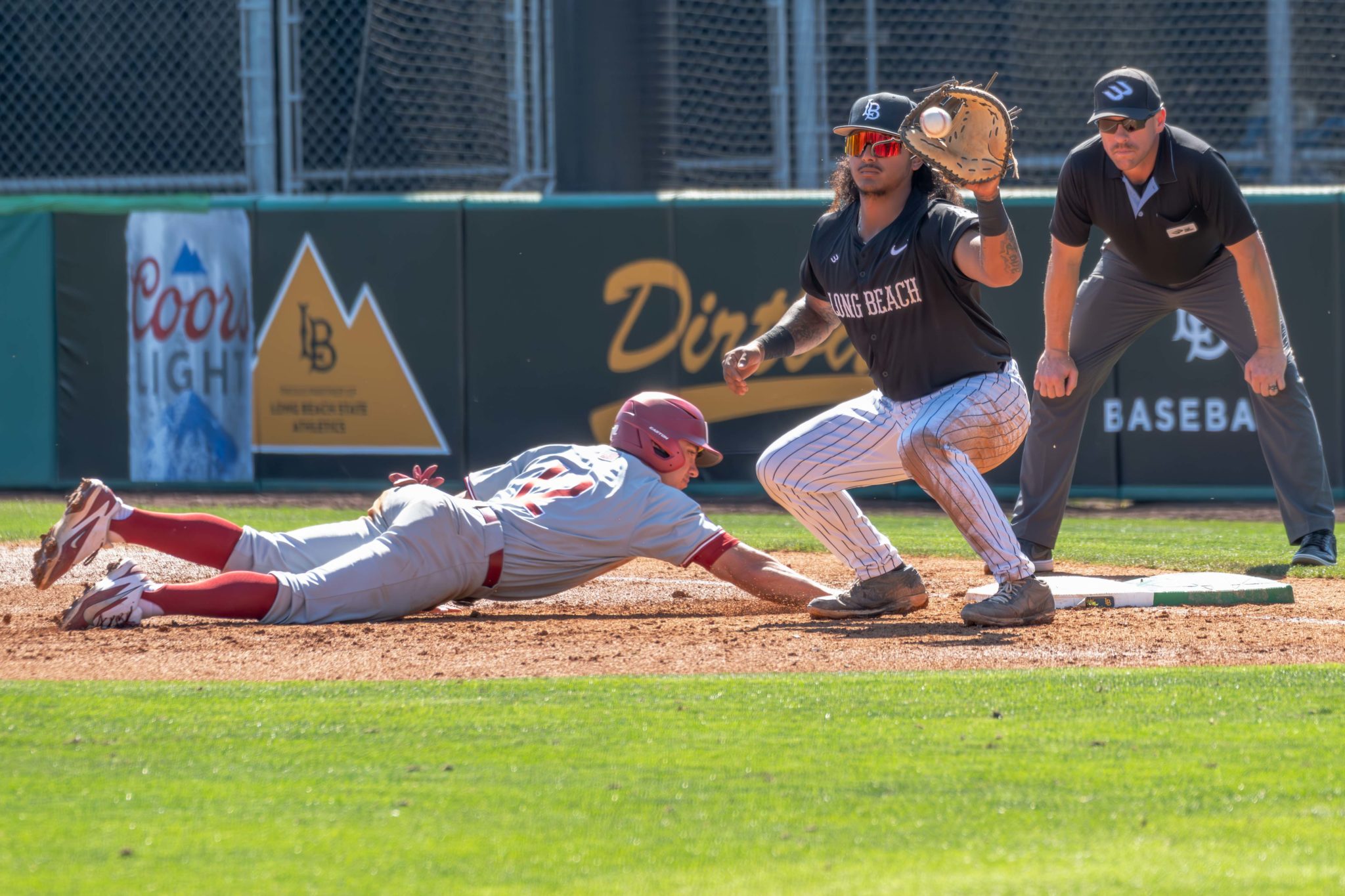
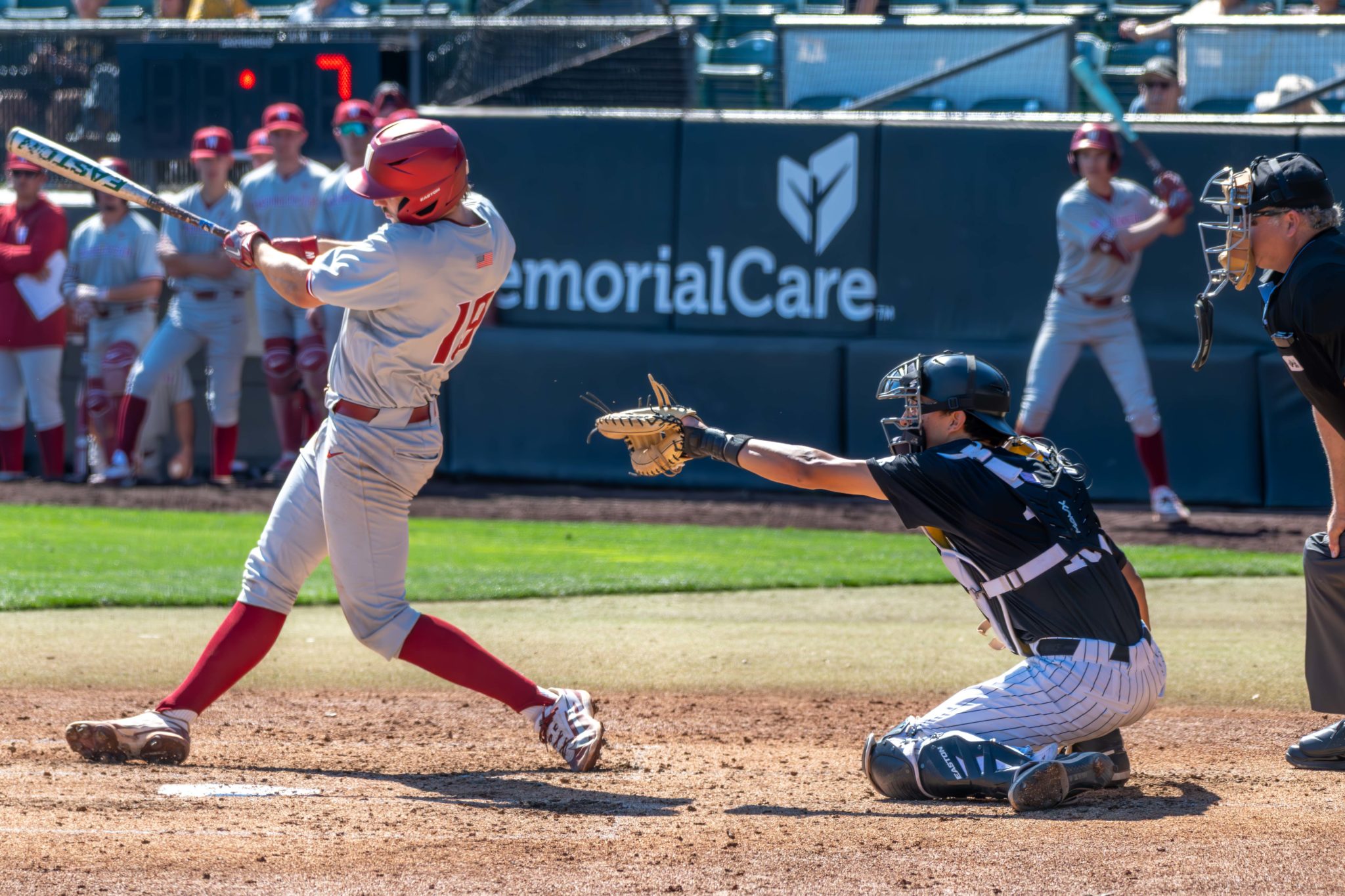
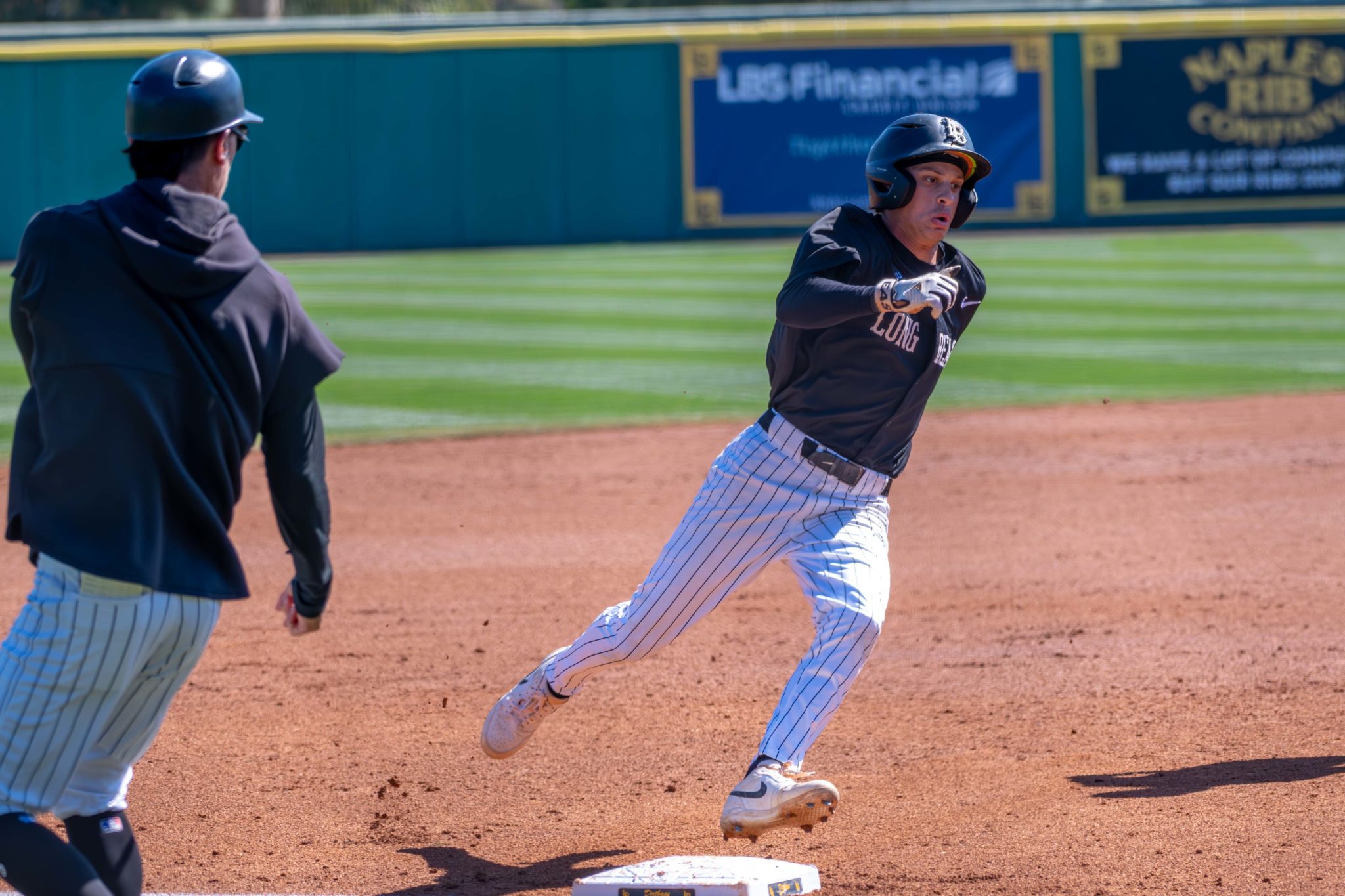
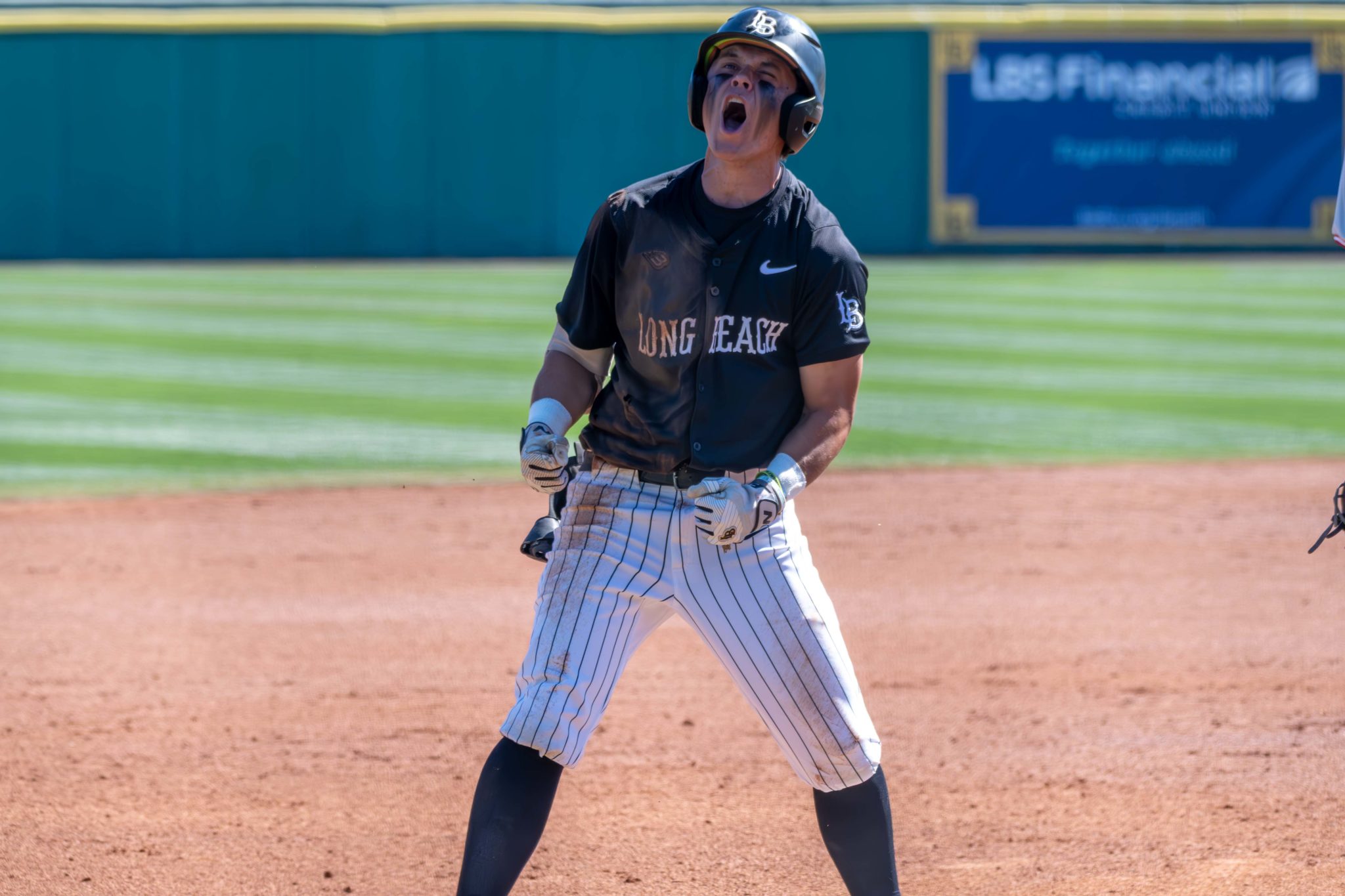
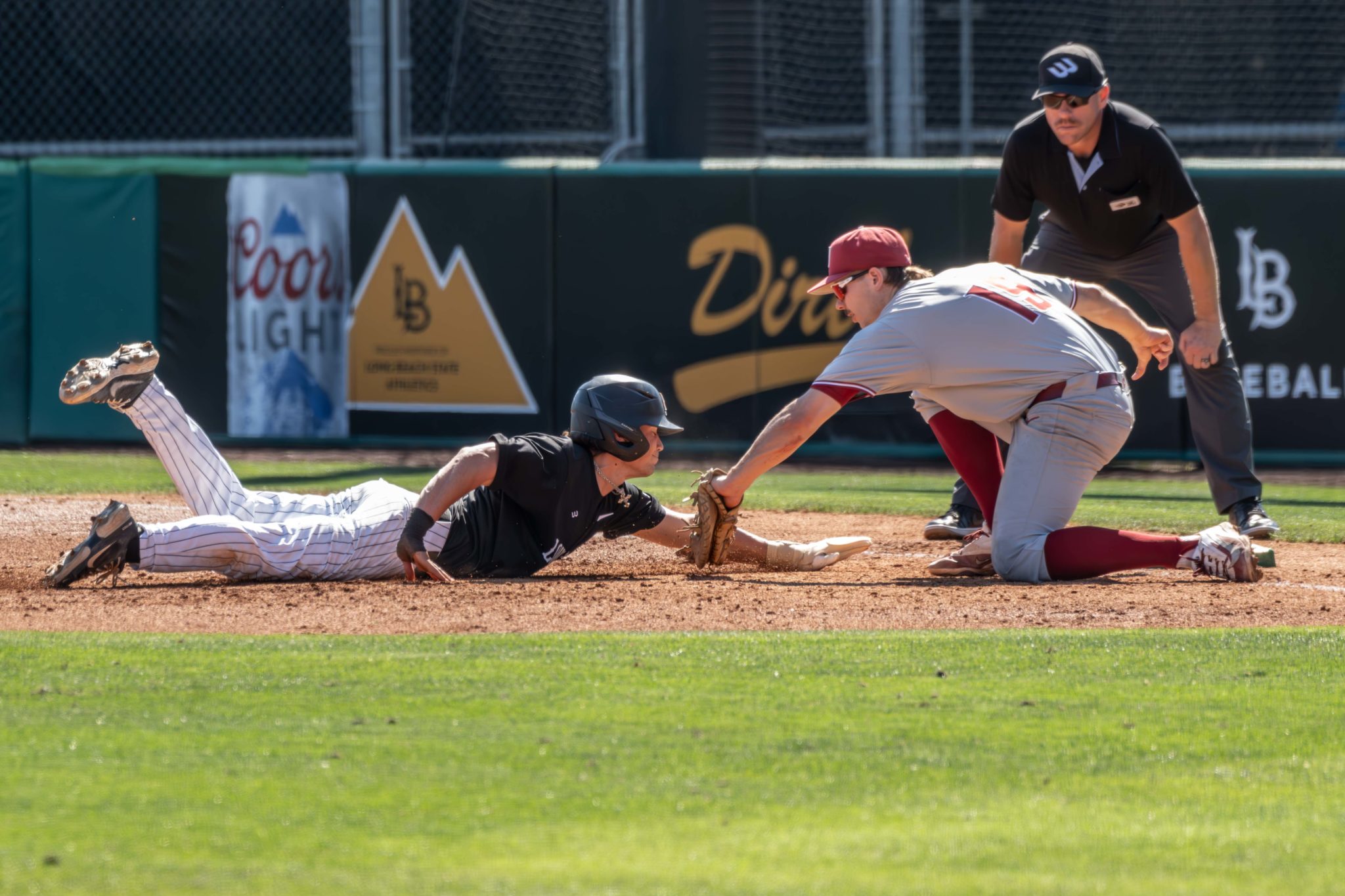
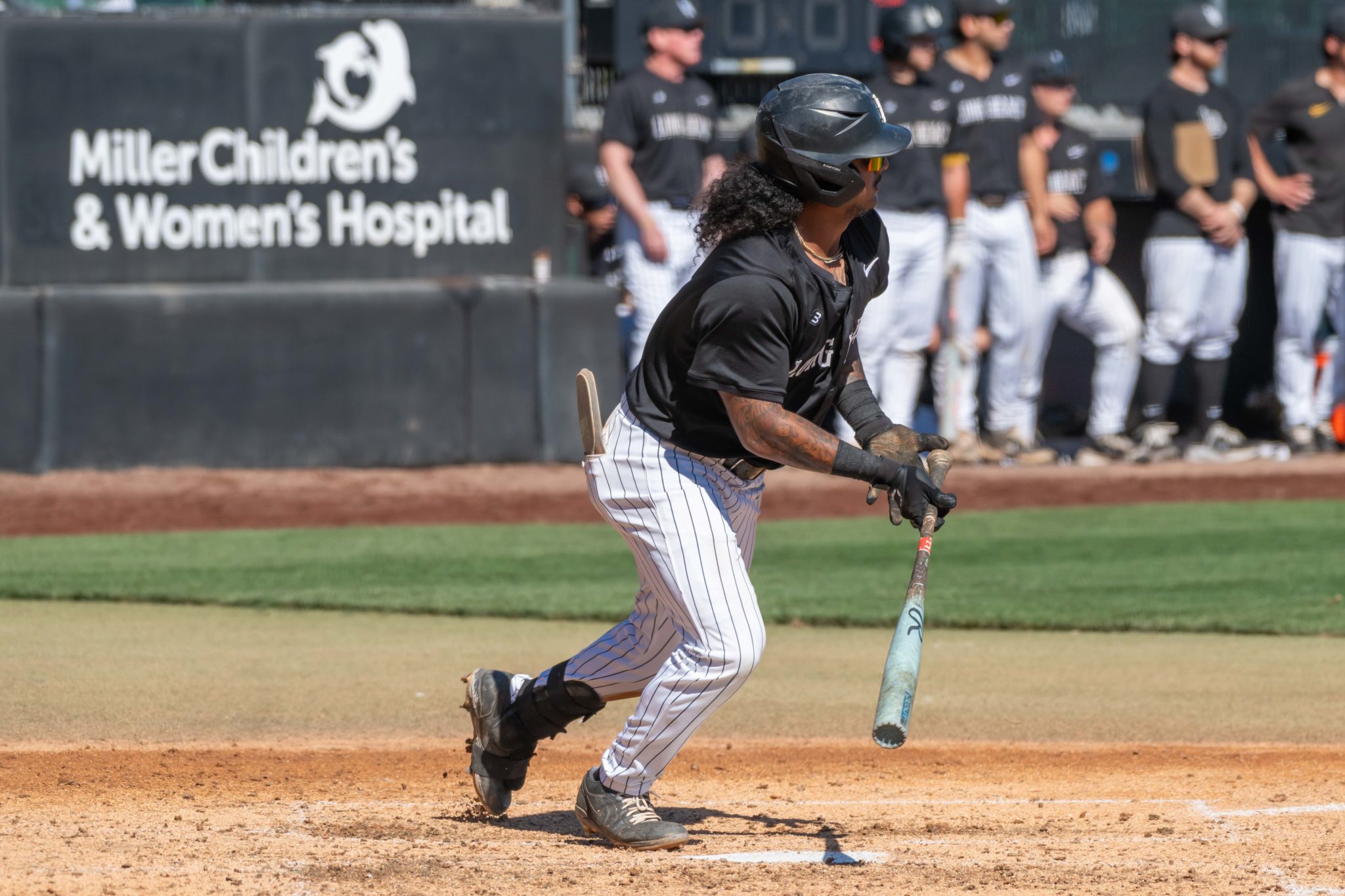
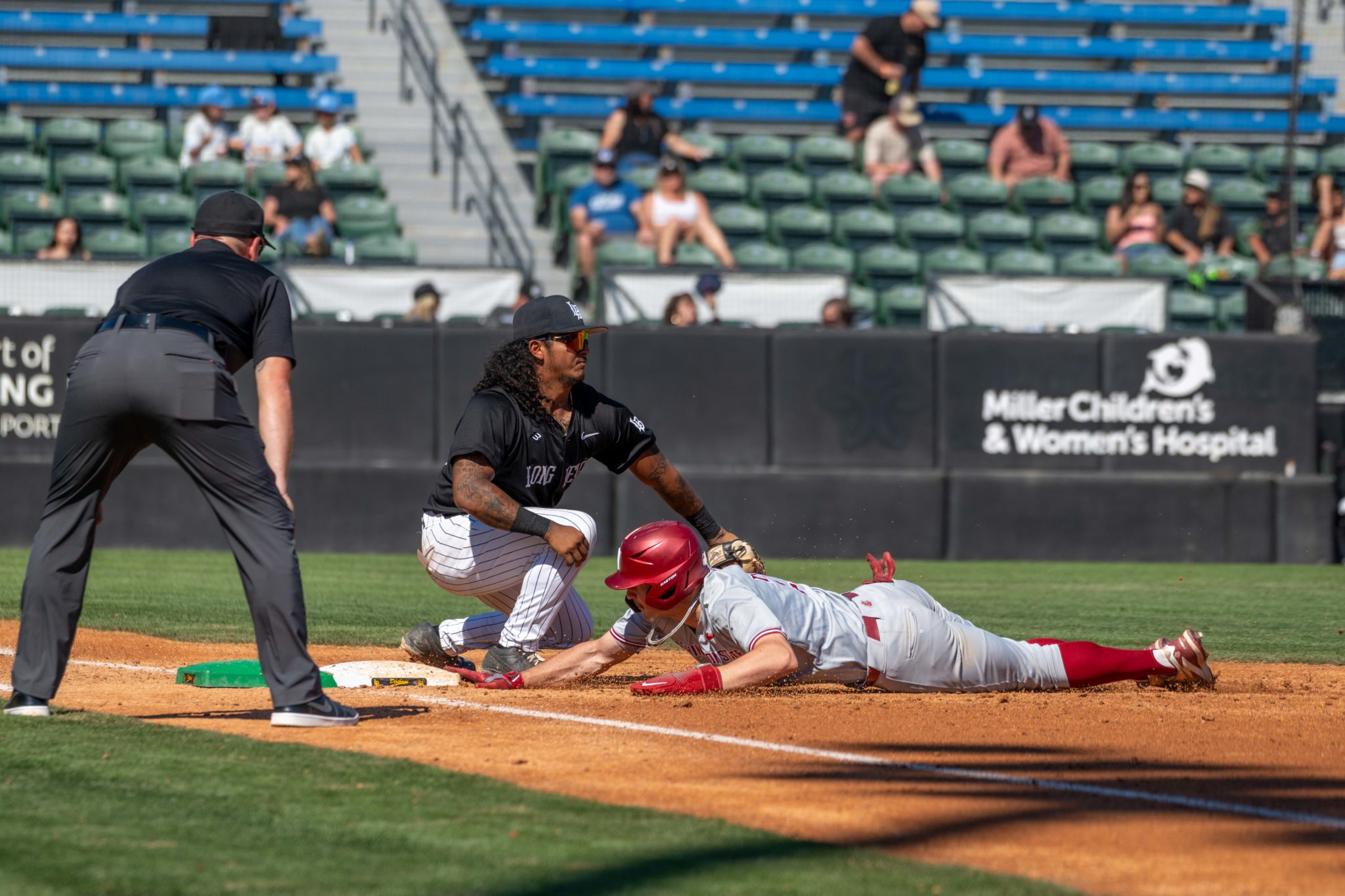
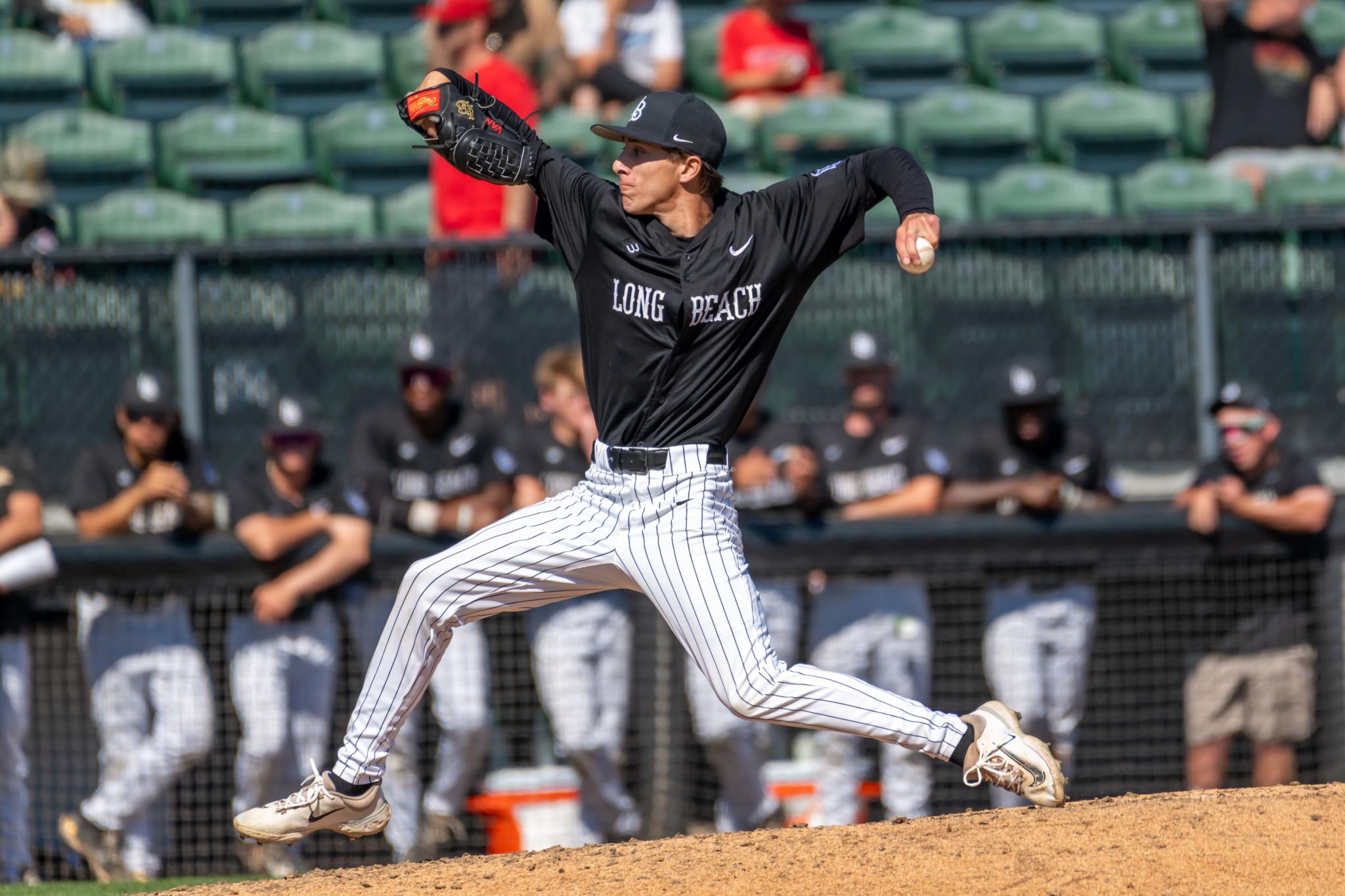
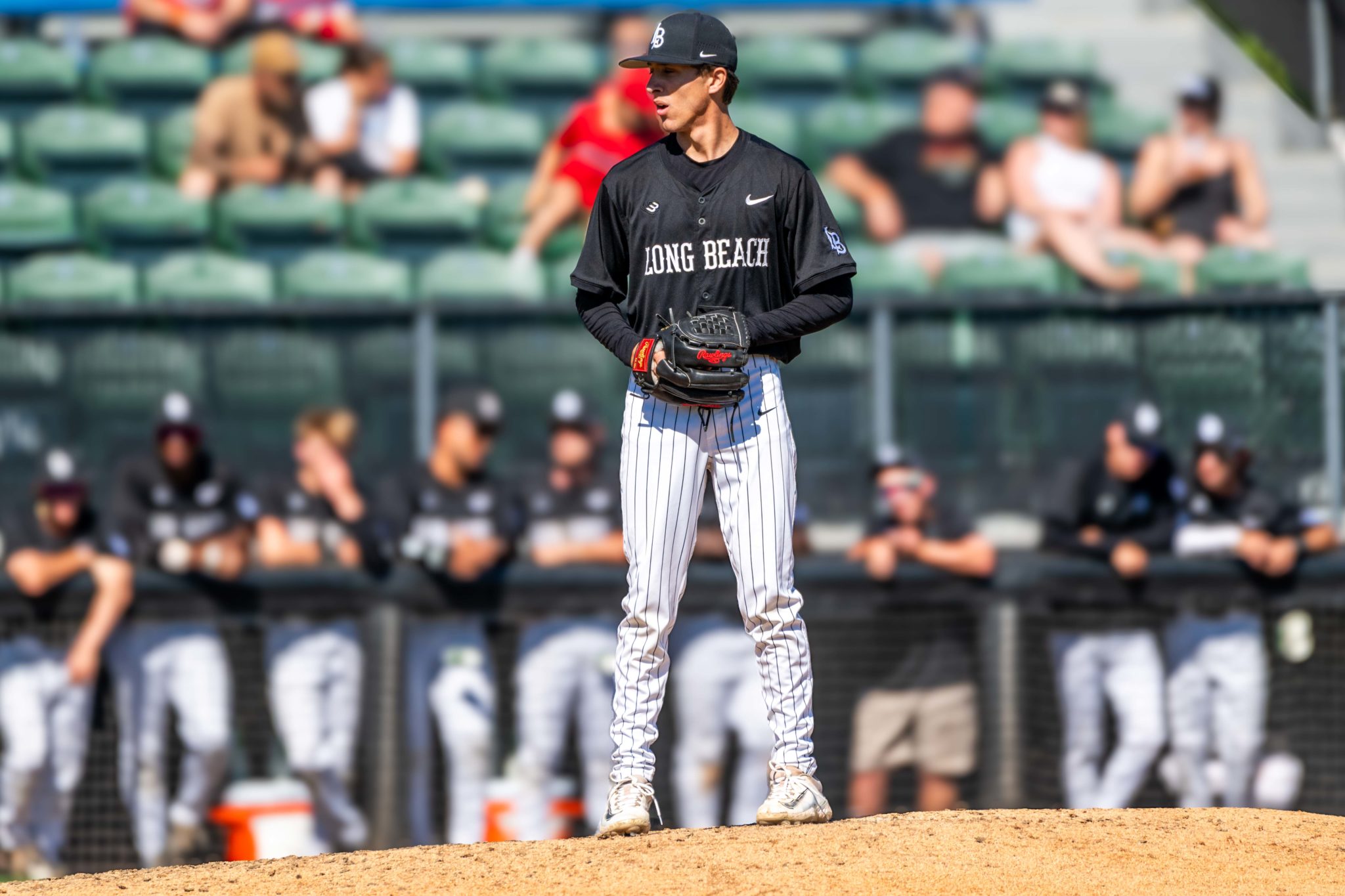
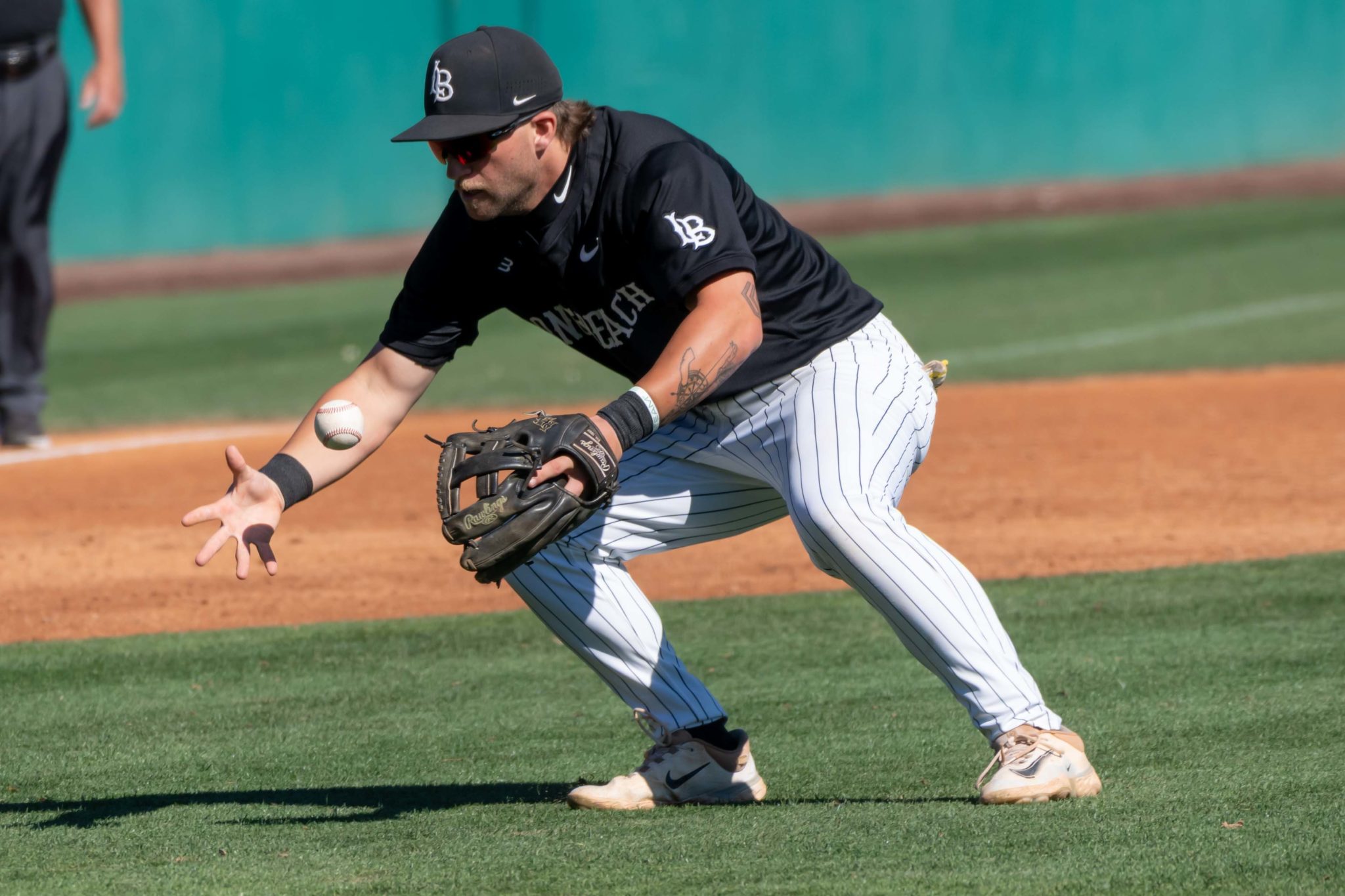
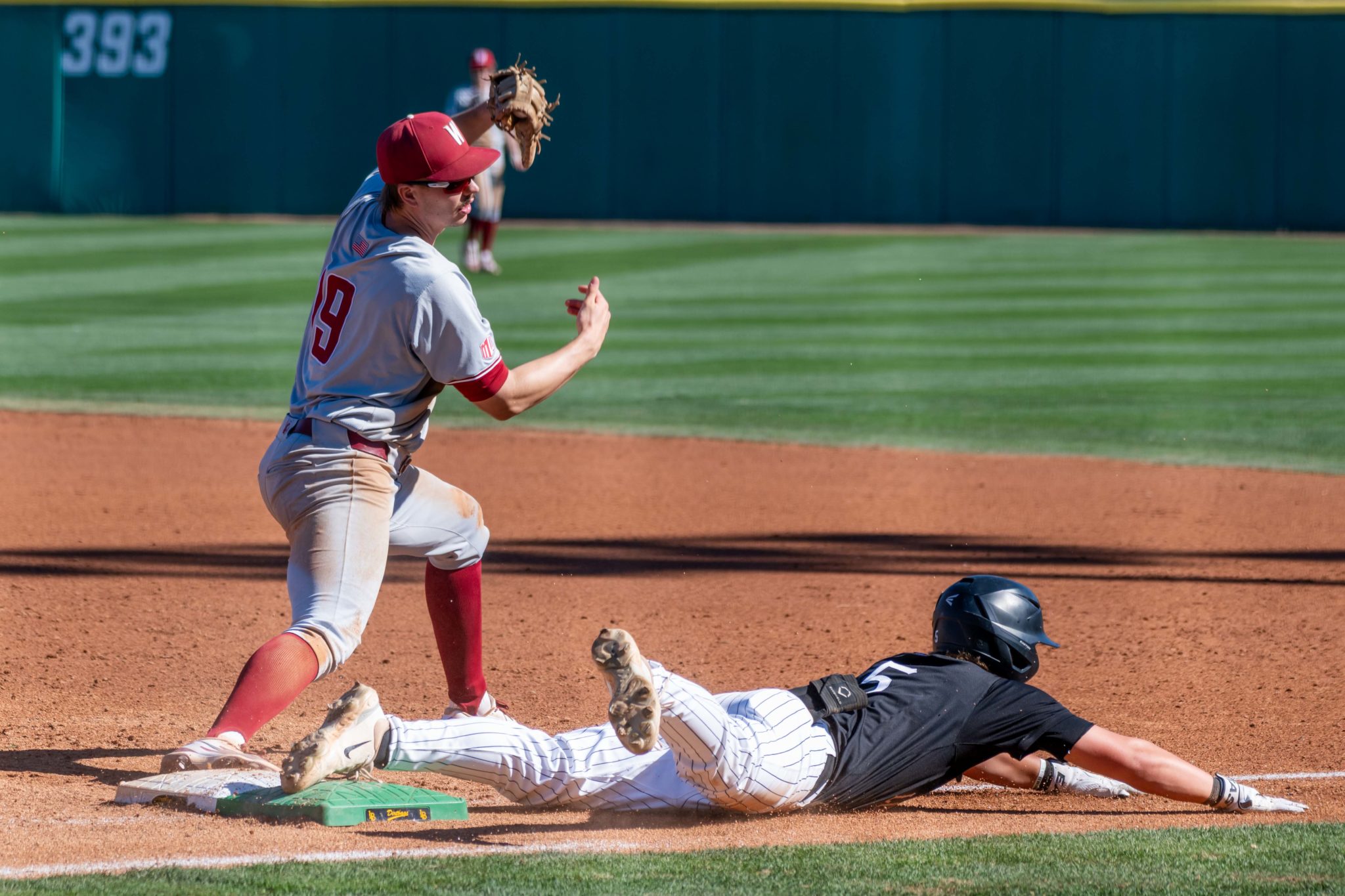
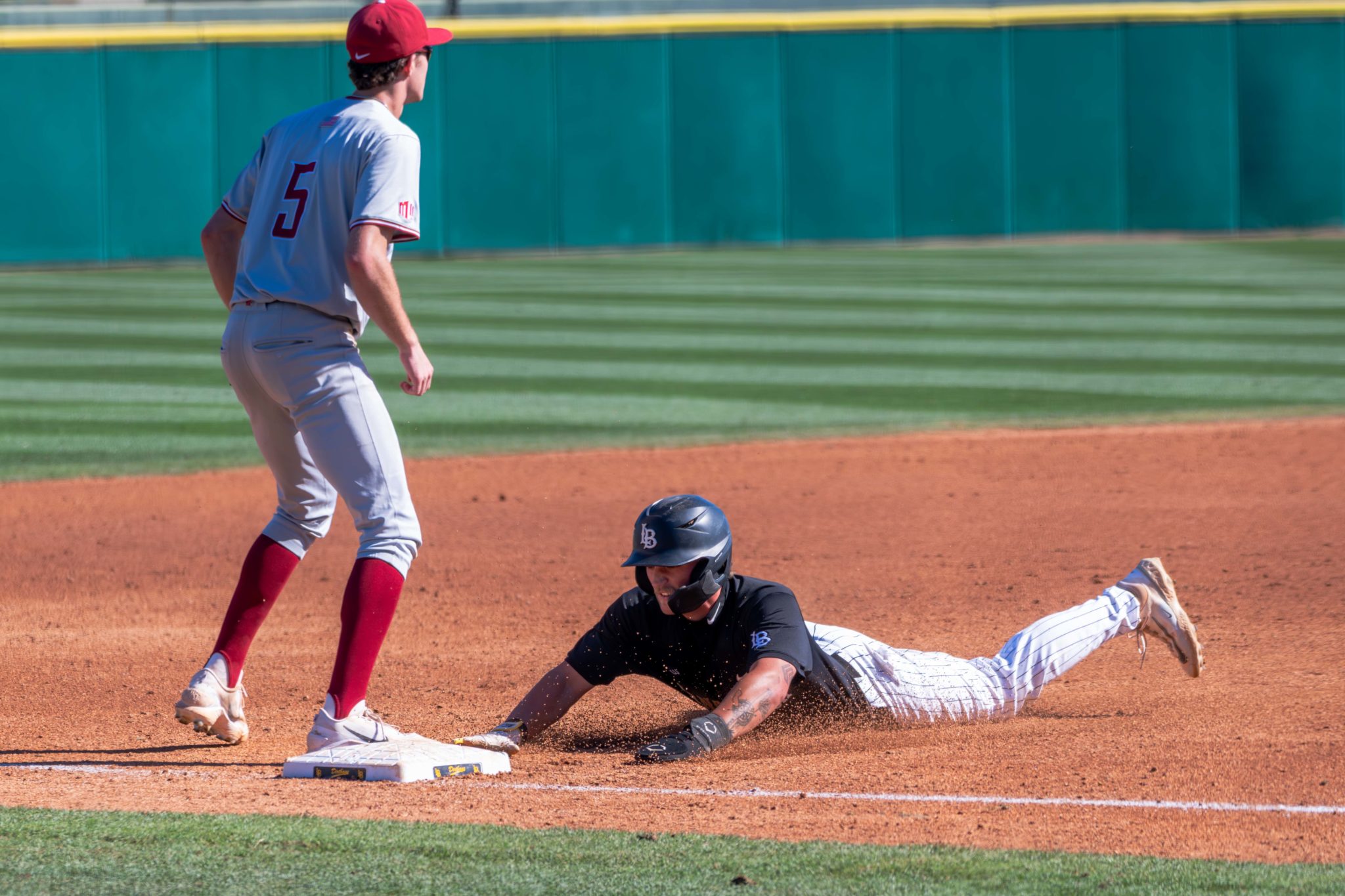
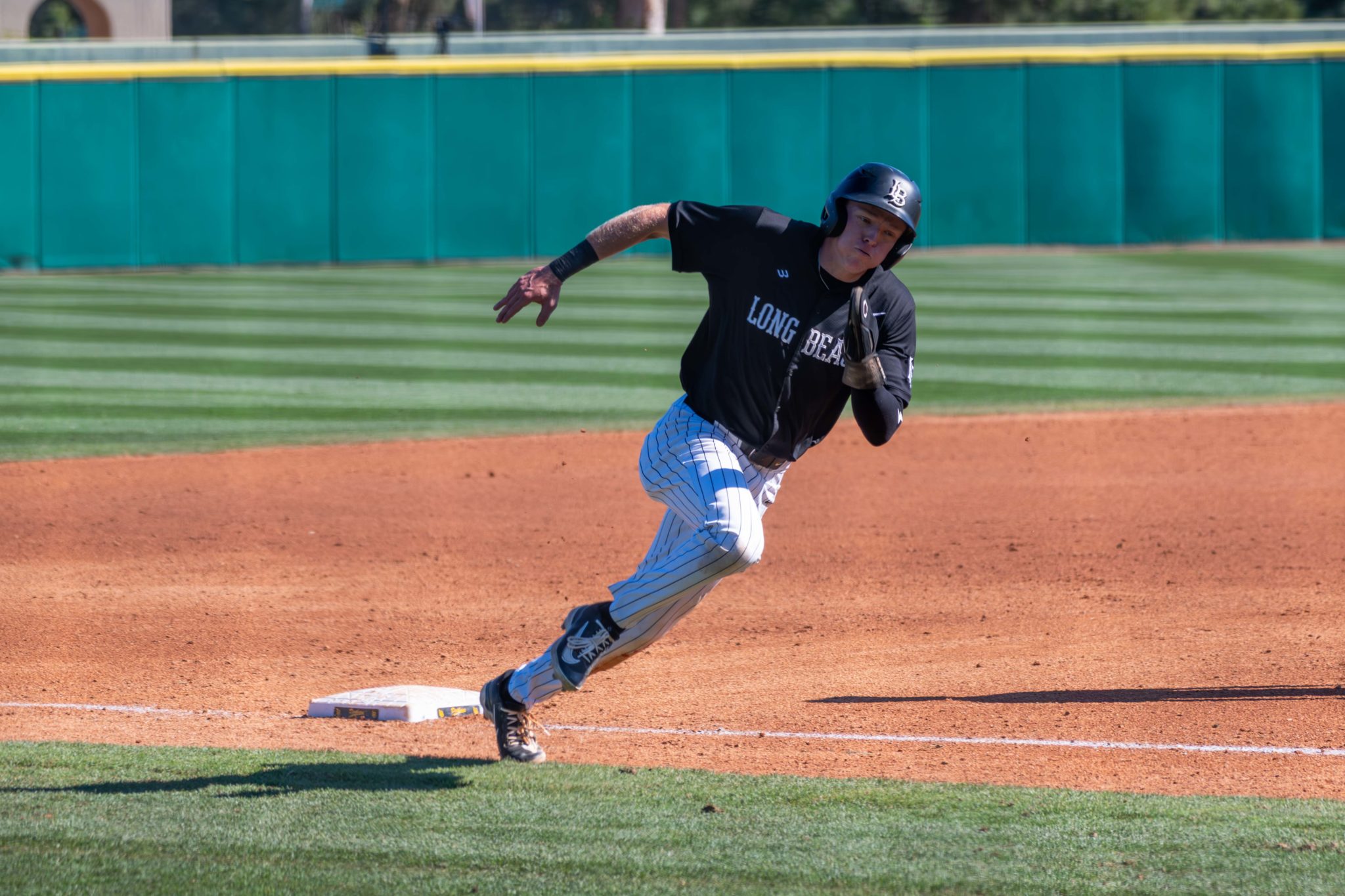
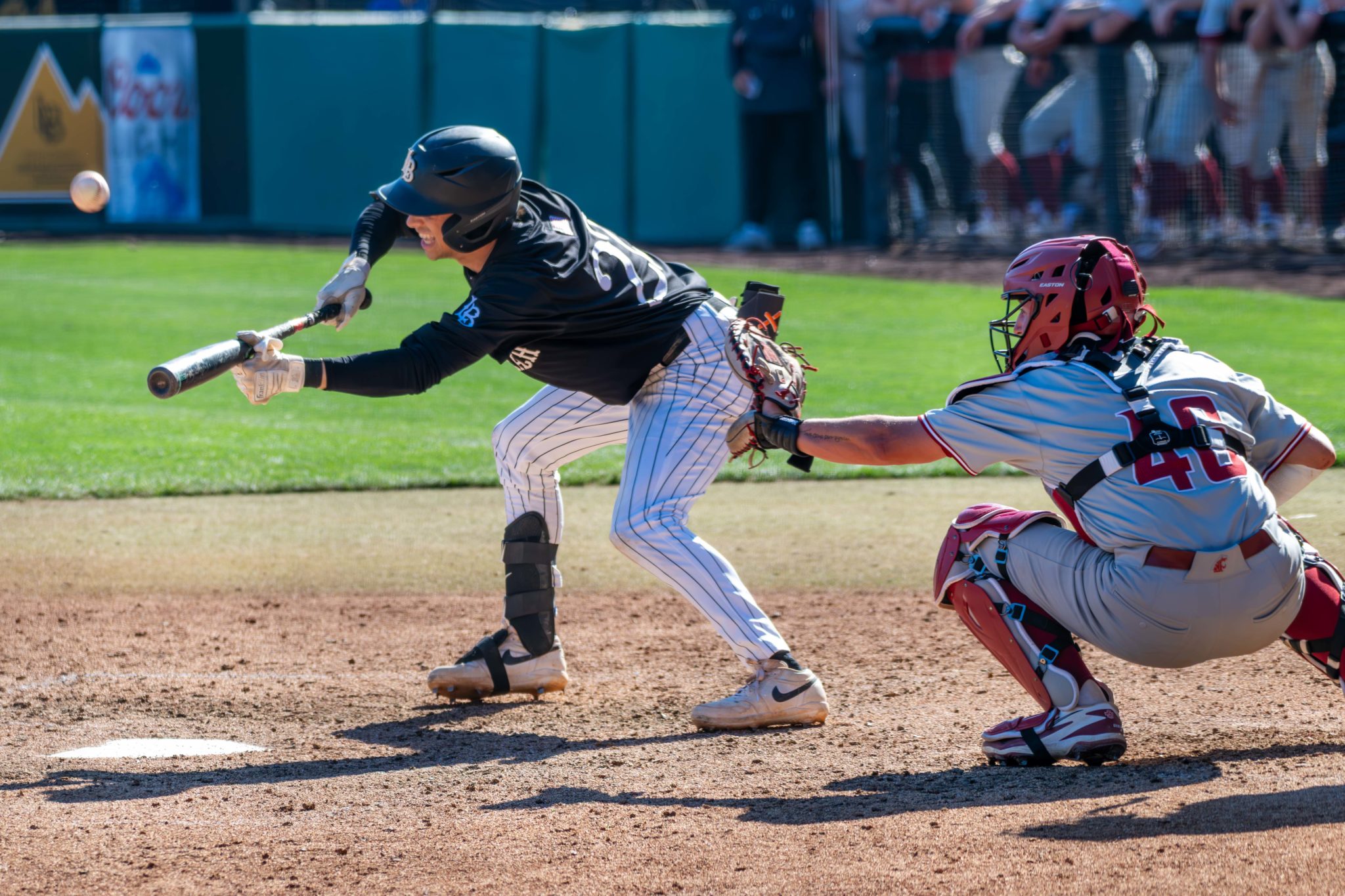
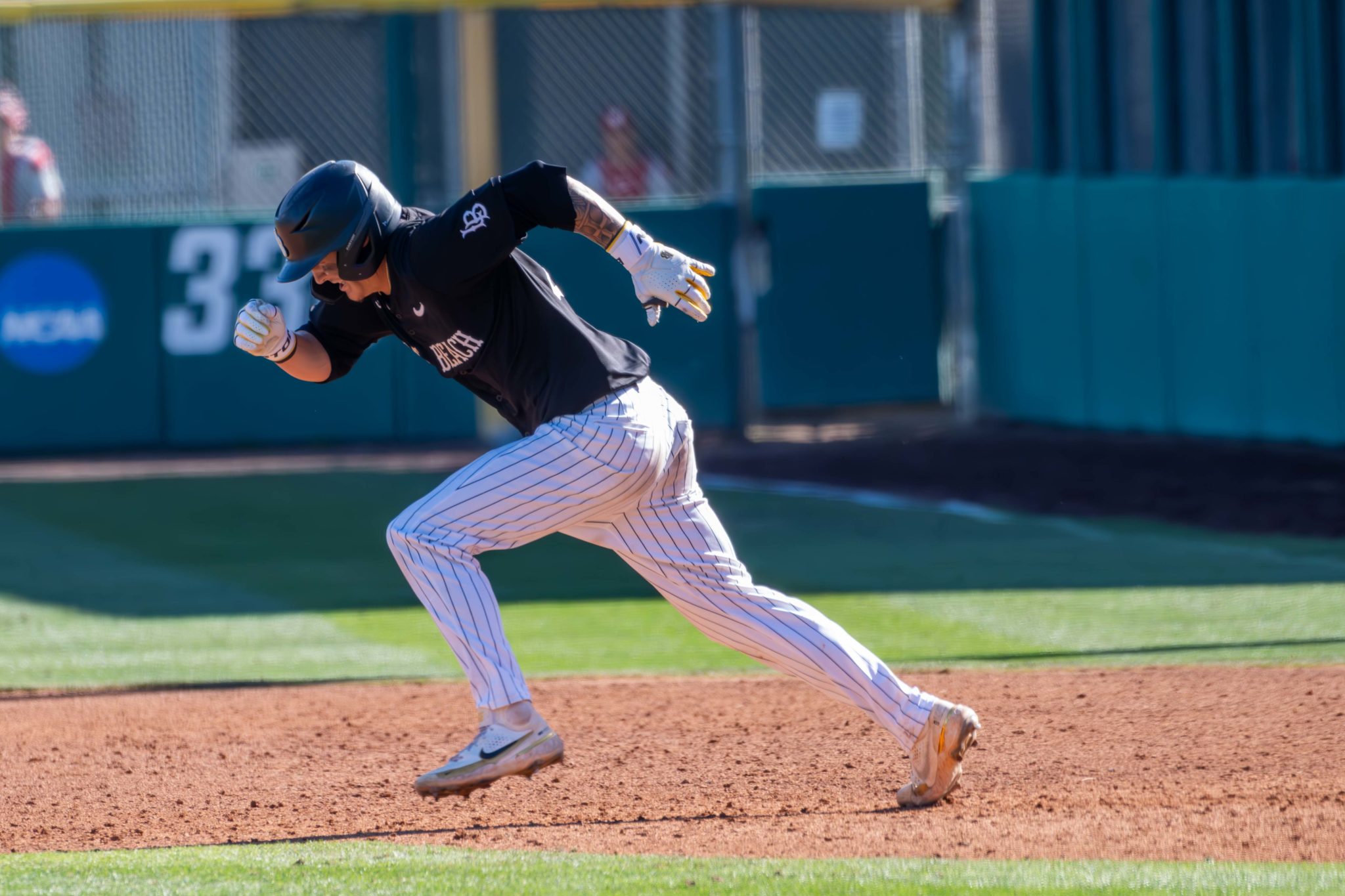
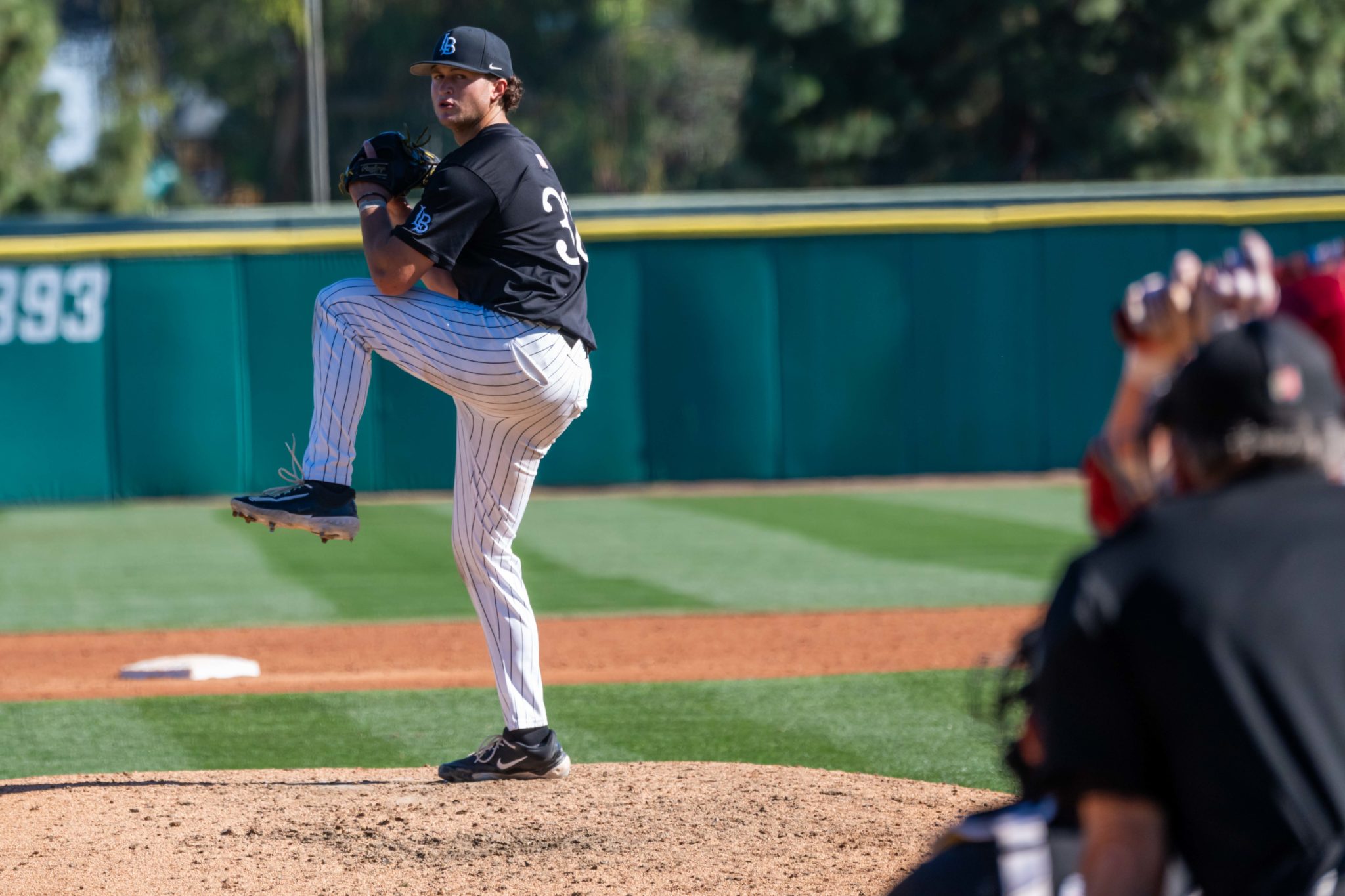
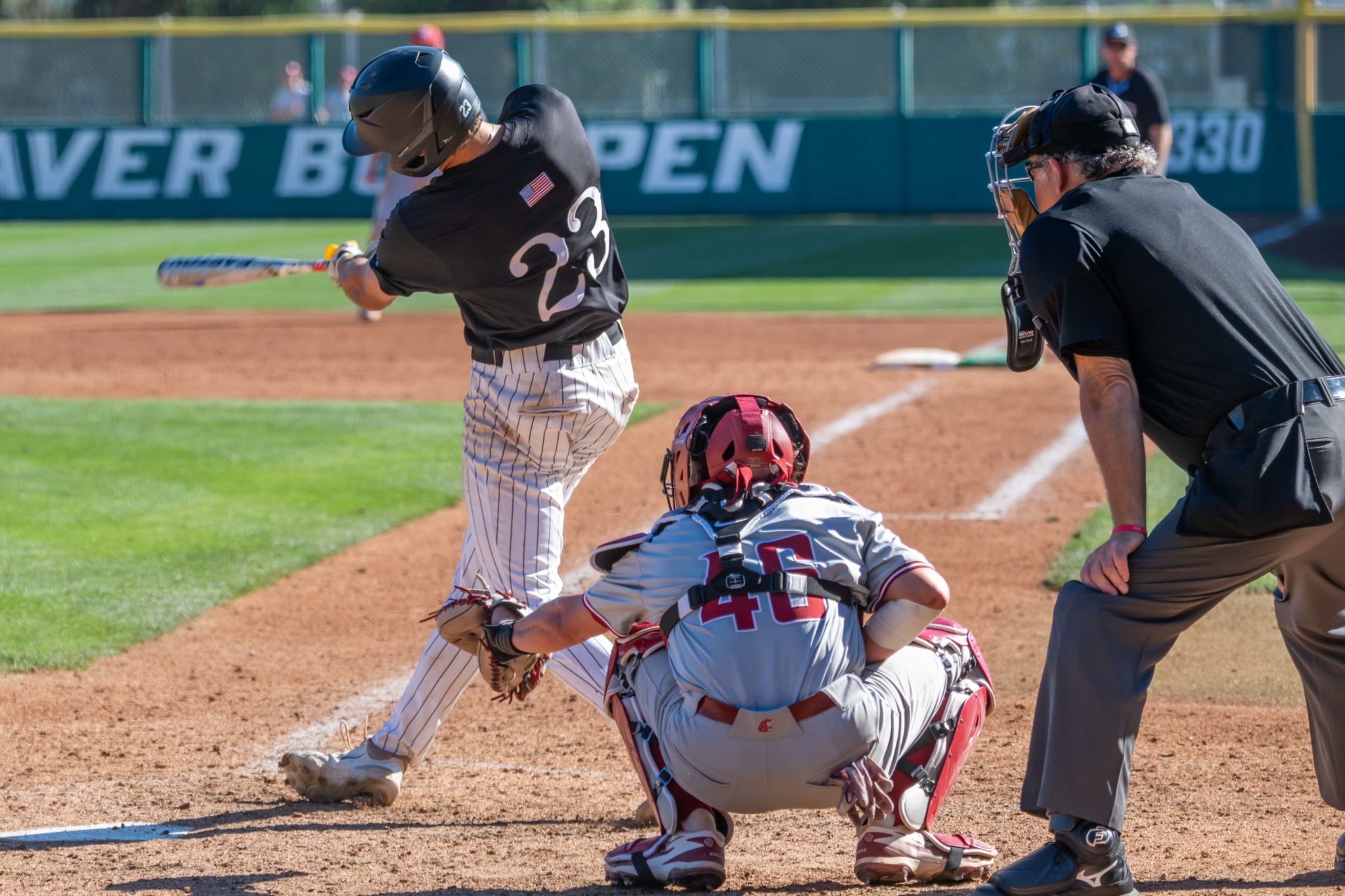
Long Beach State dropped a 9-7 decision against Washington State on Sunday afternoon, closing out a busy weekend on Bohl Diamond at Blair Field.
The visiting Cougars took the lead for good in the eighth inning when Long Beach Poly grad Ryan Skjonsby delivered a game-winning two-run single with two outs and the bases loaded. Skjonsby was 2-for-4 with a walk, a run scored and three RBIs for Washington State in their road victory.
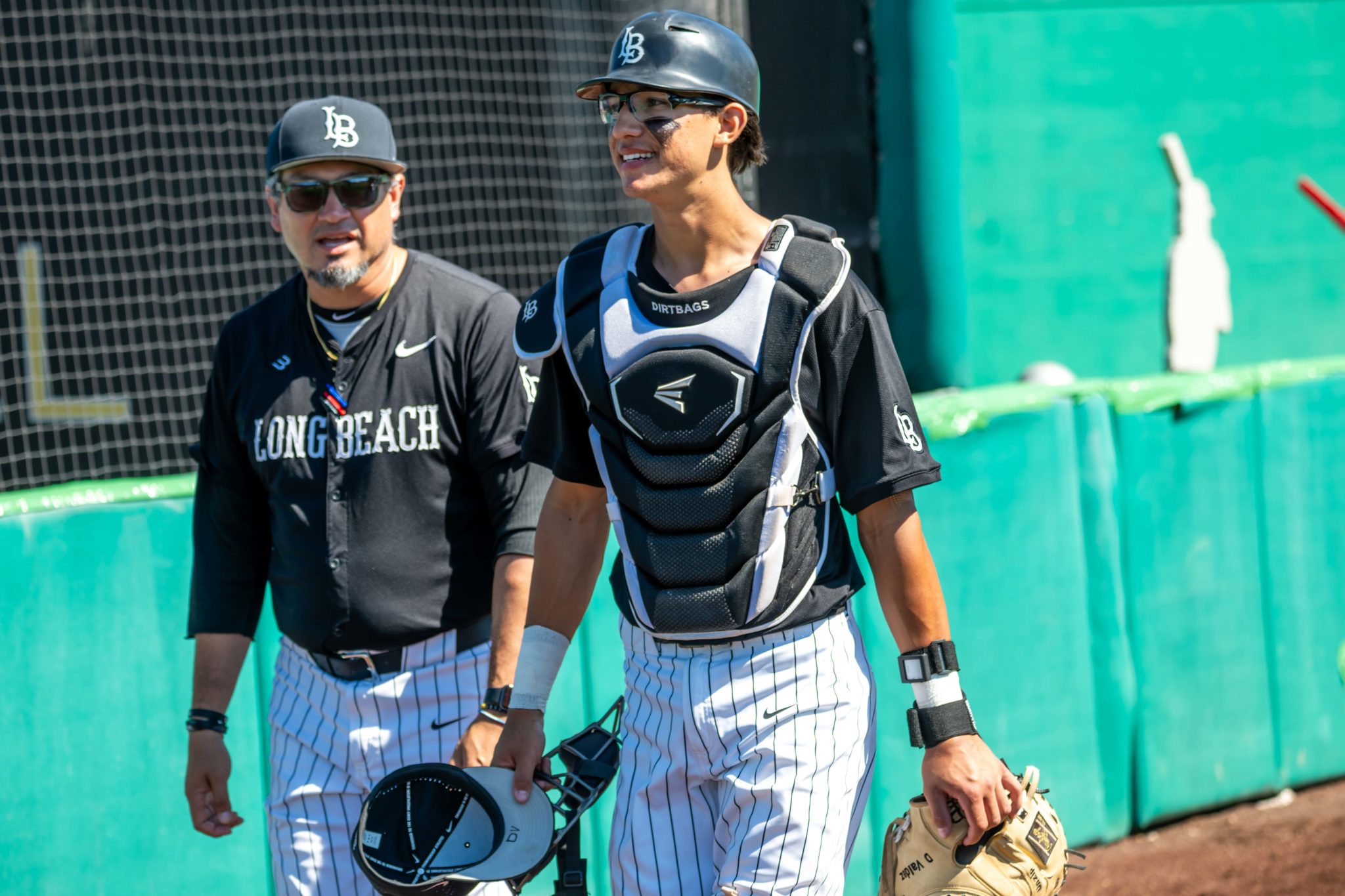
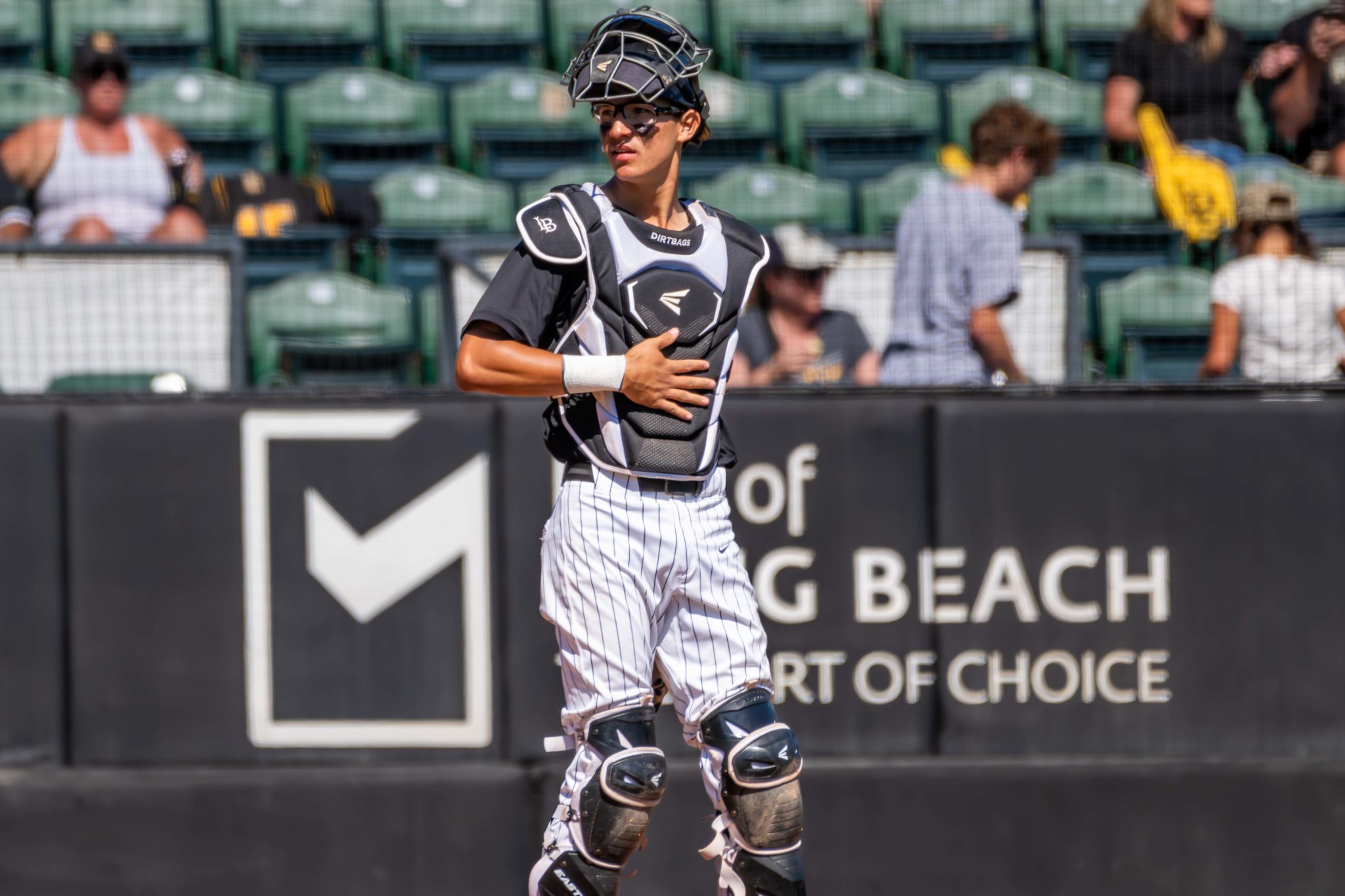
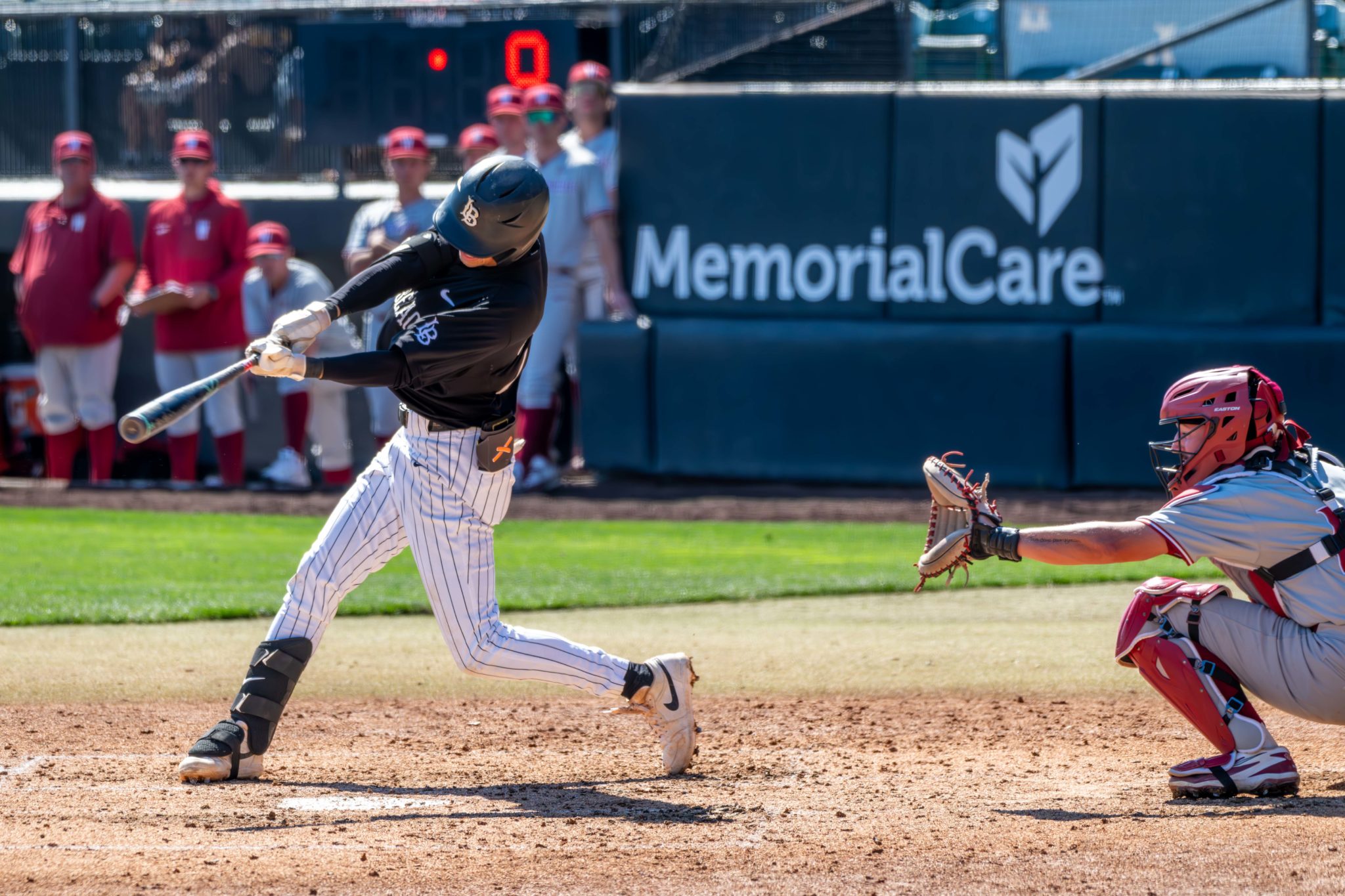
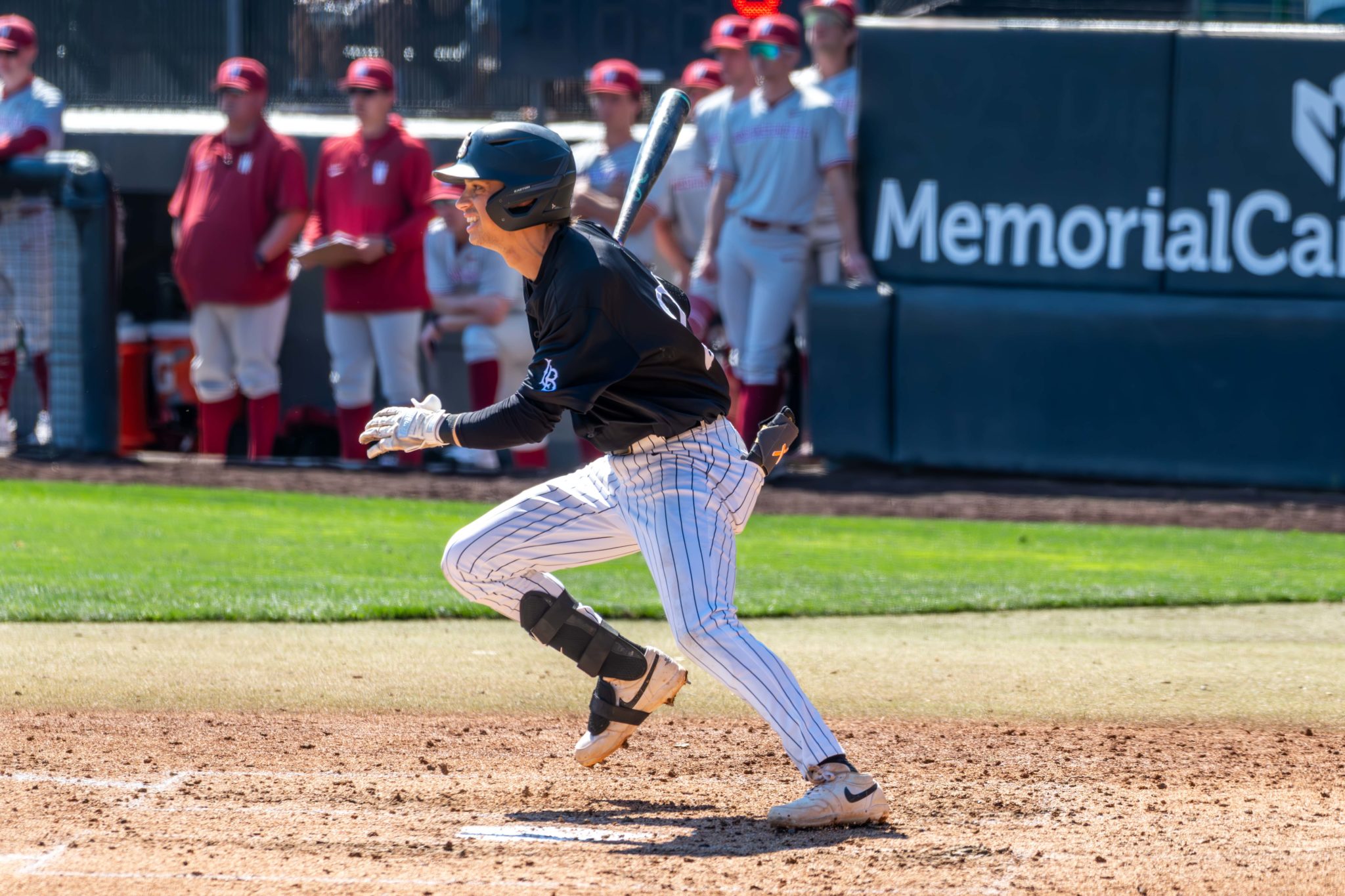
For the Dirtbags, catcher Damon Valdez scored twice and had a key two-run single in the sixth to help lead a Long Beach comeback. Trevor Goldenetz had a pair of hits at the top of the order, including an RBI triple. Camden Gasser walked twice and singled, improving his on-base percentage to .574 on the season.
Long Beach State (4-7) will be back in action at home on Tuesday with an exhibition match against Waseda University from Japan. The Dirtbags will then visit San Diego State on Wednesday and open Big West play at UC Santa Barbara this weekend.
























WASHINGTON (Gray DC) – Operation “Epic Fury” — the weekend military operations carried out by the U.S. and Israel against targets in Iran — tops the agenda for Congress as lawmakers return to Washington.
Sunday, President Donald Trump said the new leadership in Iran wants to talk to the Trump Administration.
Democrats in both chambers called for Congress to return as soon as possible for classified briefings on Iran, followed by a move to vote on the War Powers Act. The Constitution gives Congress the power to declare war on another country.
Congress’ return to Washington was originally delayed due to the start of the 2026 midterm elections cycle.
Tuesday, voters in Arkansas, North Carolina and Texas head to the polls for primary elections.
North Carolina and Texas are drawing significant attention, as both states are facing congressional redistricting and competitive primary races for Senate seats.
In Texas, incumbent Sen. John Cornyn (R) is facing primary challenges from state Attorney General Ken Paxton and Rep. Wesley Hunt. On the Democratic side, Rep. Jasmine Crockett is facing state Rep. James Talarico.
In North Carolina, candidates are vying to replacing retiring Sen. Thom Tillis (R) . They include former Governor Roy Cooper (D) and former Republican National Committee Chair Michael Whatley.
Also this week, the Rev. Jesse Jackson is laid to rest. He will be honored Wednesday in Washington before a final memorial service Saturday. Jackson died Feb. 17.
Copyright 2026 Gray DC. All rights reserved.

Southeast2 minutes ago
Alleged criminal history of missing mom found after 24 years catches up with her

Northeast8 minutes ago
Millionaire philanthropist allegedly gunned down by worker in female wig; ambushes Maryland trooper: police

Videos2 hours ago
War in the Middle East: Iran’s broad retaliation in the Gulf • FRANCE 24 English

Detroit, MI2 hours ago
Bruce Campbell announces cancer diagnosis; ‘Fear not,’ he tells fans

San Francisco, CA2 hours ago
Vigil held for 2-year-old girl killed in SF Mission Bay crash

Florida1 year ago
Florida High School Football Rankings: Top 25 teams – Oct. 21

Connecticut2 years ago
Cleary's 21 help Le Moyne down Central Connecticut State 69-64 in OT

Oregon2 years ago
How old is Bo Nix? What to know about Oregon quarterback ahead of 2024 NFL Draft

Virginia2 years ago
99th annual Pony Swim held in Virginia

Indiana1 year ago
Indiana Members Credit Union announced as new anchor tenant at Bottleworks District
Videos2 hours ago
War in the Middle East: Iran’s broad retaliation in the Gulf • FRANCE 24 English

Politics10 hours ago
Trump sends official notification to Congress on strikes against Iran

World11 hours ago
Unexpected birth brings hope to near-extinct Amazon tribe

News12 hours ago
Supreme Court blocks redrawing of New York congressional map, dealing a win for GOP

News21 hours ago
Map: Earthquake Shakes Central California
-

 World5 days ago
Exclusive: DeepSeek withholds latest AI model from US chipmakers including Nvidia, sources say
-

 Massachusetts6 days ago
Mother and daughter injured in Taunton house explosion
-

 Denver, CO6 days ago
10 acres charred, 5 injured in Thornton grass fire, evacuation orders lifted
-

 Louisiana1 week ago
Wildfire near Gum Swamp Road in Livingston Parish now under control; more than 200 acres burned
-

 Technology1 week ago
Stellantis is in a crisis of its own making
-

 Oregon4 days ago
2026 OSAA Oregon Wrestling State Championship Results And Brackets – FloWrestling
-

 Technology1 week ago
Arturia’s FX Collection 6 adds two new effects and a $99 intro version
-

 News1 week ago
Video: How Lunar New Year Traditions Take Root Across America