Idaho
Washington on-guard for troublesome mussel found in Idaho • Washington State Standard


Washington is upping efforts to keep an invasive freshwater mussel from gaining a shell-hold in the state’s rivers and lakes, using tactics ranging from DNA testing to shellfish-sniffing dogs.
Quagga mussels can cause major problems as layers of them crust over components of hydroelectric dams and locks, or clog drinking water or irrigation systems. Fisheries and fish ladders that allow salmon to bypass dams could be disrupted, too. The mussels can also outcompete native species, throw off water quality, and otherwise degrade ecosystems.
They were found last year in Idaho, stoking new worries about their threat to the region.
Washington’s Invasive Species Council cites estimates that it will cost $100 million annually to keep the state’s power and water infrastructure running if quagga mussels or non-native zebra mussels were to invade. That amount doesn’t factor in the cost of harm to habitat or fishing.
Even taking the potential problems for dams out of the equation, Justin Bush, aquatic invasive species policy coordinator at the state’s Department of Fish and Wildlife, said the mussels would have “a devastating, catastrophic impact to our environment and our economy.”
The Columbia River Basin for years has been the last major U.S. watershed free of the invasive mussels. But last September Idaho officials said they’d detected quagga mussels near Twin Falls in the Snake River, which runs into the Columbia.
So what’s to be done in Washington? The Department of Fish and Wildlife has some new money to deal with the shellfish. The Legislature approved $1.81 million for the fiscal year that begins July 1 to combat invasive mussels and the Army Corps of Engineers is providing an equal sum, for a total of $3.6 million.
“We’re significantly increasing efforts,” Bush said this week during a meeting of the Invasive Species Council.
Monitoring for quagga mussels
The main way the mussels tend to spread is on recreational boats moved between bodies of water. When grown, they’re 1 to 2 inches and easy to spot but larvae, known as veligers, are microscopic.
Fish and Wildlife wants to fully staff watercraft inspection stations, Bush told the council.
The agency is turning to a variety of techniques to detect mussels in the water. These include measuring calcium levels (the bivalves rely on calcium to build their shells), using a grabber device to pull up and check material from lakebeds, and looking for traces of mussel DNA.
Bush said the department will also add a monitoring crew to three two-person crews it has had.
And he said the department is looking to bring on another mussel-sniffing dog. The dog would join Fin, a canine already doing this work. Puddles, a dog that had been, is retired, Bush said.
More public outreach is also planned to remind people to clean, drain, and dry boats and other gear that’s been in the water and could spread the mussels.
It’s unclear if Idaho’s attempt last year to kill quagga mussels in the Snake River worked. The $3 million project involved treating a 16-mile stretch of the river with a copper-based chemical to kill the mussels. There was collateral damage as thousands of fish died, too.
Idaho Department of Agriculture Director Chanel Tewalt told state lawmakers that it was the largest operation of its kind ever attempted in the U.S.
Along with zebra mussels, quagga mussels were first documented in the U.S. in the 1980s in the Great Lakes, having made it there in the ballast water of ships. They’ve spread since.
In addition to detection and monitoring, Washington Fish and Wildlife officials are also preparing to respond if the mussels aren’t stopped and become a fixture in state waters.
“We’re planning for the very worst, but we’re hoping that Idaho was successful in eradicating this problem,” said Bush.

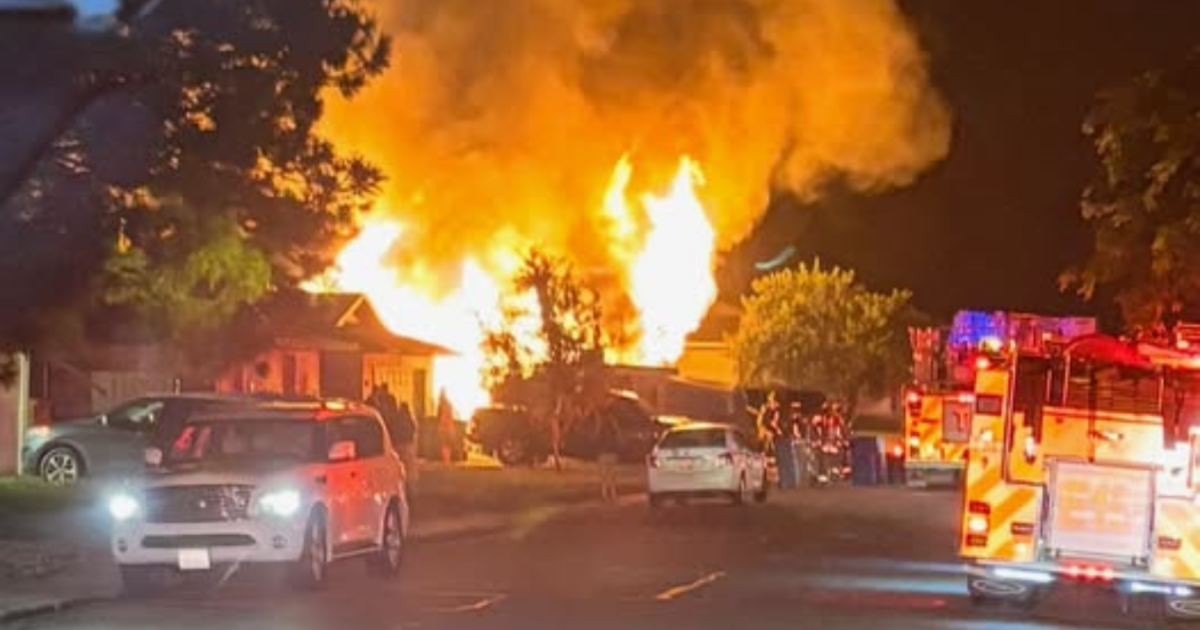


CALDWELL, Idaho (CBS2) — More than 2,000 Idaho Power customers in Canyon County are without electricity Wednesday evening as crews respond to an outage affecting Caldwell and Middleton.
Idaho Power reported the outage at 8 p.m. July 8, listing 2,163 customers impacted in the 83605, 83644 and 83687 ZIP codes.
The outage is expected to be resolved by 10 p.m. July 8; Idaho Power said a crew was dispatched and en route. The cause of the outage is not immediately known.

(KRON) — An Idaho man is recovering after a life-threatening rattlesnake bite during a family visit to Oroville, Northern California. Chris Howarth spent nearly two weeks in intensive care following the incident in his mother’s garden.
During his 12-day stay in intensive care, Howarth received 54 vials of anti-venom and multiple blood transfusions, split between six days at Oroville Hospital and six days after being flown to Stanford.
Six weeks after the incident, he is approximately 80% recovered.
Howarth initially believed the bites were a prick from a thorn or a “star thistle or one of those goat heads.” He described the sensation as feeling “like getting your blood drawn.”
“I think I got bit twice. I said ‘ow’ again and ‘ow’ again. It almost felt like getting your blood drawn,” said Howarth. Howarth also noted he “didn’t hear it at all” when his father went to inspect the area and observed the snake shaking its tail without making noise.
As his wife drove him to the hospital, his condition worsened.
“On the way there, he was started kind of feeling some numbness and tingling in his mouth and his tongue so I knew we needed to get to the closest hospital,” said Jenny Howarth.
Howarth is still experiencing lingering effects from the bite, including swelling, soreness and fatigue.
“My leg is still kind of sore and tender, my ankle still swells, I barely got able to tie a shoe just a few days ago and also still having lingering effects of fatigue,” Howarth said.
California’s Poison Control system has received 77 rattlesnake-related calls this year, with experts reporting encounters are occurring earlier and more frequently. Dr. Rafa Lima, an emergency physician at Kaiser Permanente in San Leandro, explained that rattlesnake venom “destroys local tissue and causes a lot of pain and swelling.”
Dr. Lima advised immediate medical attention for suspected venomous snake bites. “If you are bitten by a snake with a rattle or you suspect is venomous, you should really get care immediately,” Dr. Lima said.
He also dispelled common myths, stating, “There’s a common myth that you should just tourniquet up the wound and bind it and mobilize it, or even try to suck the venom out but all that does is delays the time to get treatment and the longer the venom is in the tissue, the worst prognosis.”
Howarth mentioned that the weather conditions were unexpected for a rattlesnake encounter.
“That day and even the day before, it kind of been cooler and it had been raining so we weren’t expecting to see a rattlesnake,” she said.
Howarth hopes his experience highlights that rattlesnakes pose a risk in garden areas, not just hiking trails, even during cooler weather. Howarth hopes to return to work next week.
Those who want to donate to a GoFundMe set up for Howarth can do so here.
All facts in this report were gathered by journalists employed by KRON4. Artificial intelligence tools were used to reformat information into a news article for our website. This report was edited and fact-checked by KRON4 staff before being published.
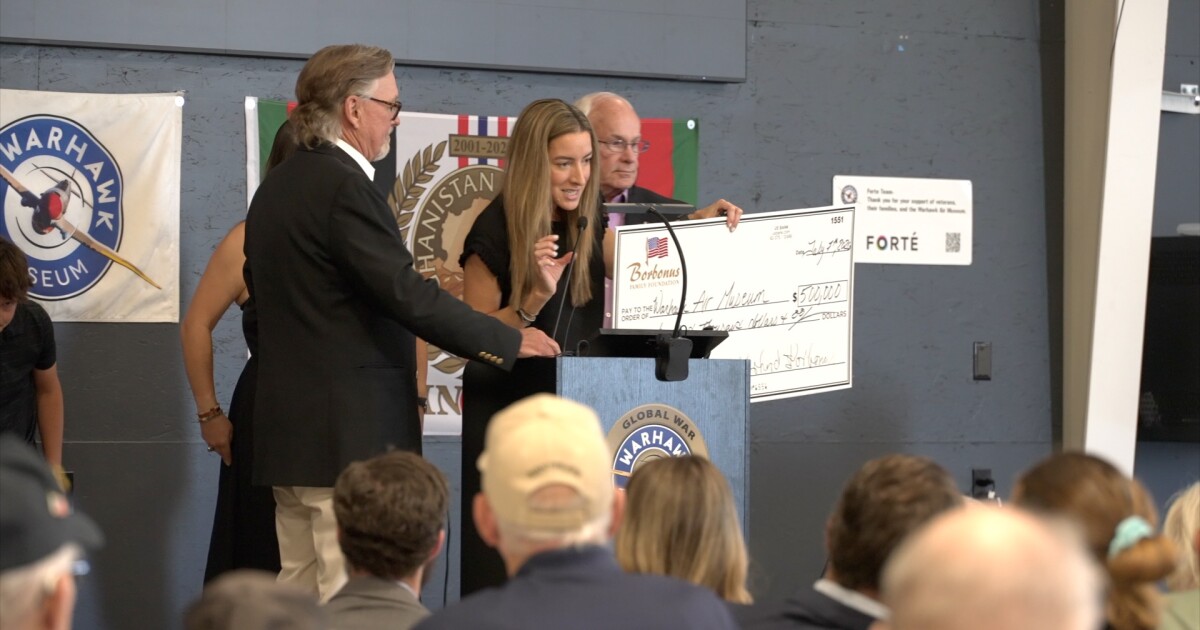
NAMPA, Idaho — Nearly 20 years after Idaho soldier John Borbonus was killed in Iraq, his legacy is continuing to serve fellow veterans.
The Borbonus Family Foundation, created in his honor, announced a $500,000 grant Tuesday to the Warhawk Air Museum in Nampa.
WATCH: One Idaho soldier’s legacy continues to serve fellow veterans
Warhawk Air Museum receives $500K grant honoring Idaho soldier John Borbonus
The museum says the unrestricted gift is its largest ever and will help cover operating costs as it continues to grow.
Executive Director Carson Spear says grants of this size often come with requirements to fund a specific project, but the Borbonus Family Foundation instead asked to use the funds where they are most needed.
Warhawk leaders say the funding will help preserve veterans’ stories and continue programs like the Kilroy Coffee Klatch, which brings together veterans from different generations each month.
RELATED | Kilroy Coffee Klatch brings veterans together at the Warhawk Air Museum
Vietnam veteran Emil Berry says the museum is more than a place to display history.
“It brings back memories, and also it helps the veteran, helps the military personnel. It’s just a special, very special establishment,” Berry said.
Borbonus’ sister, Alexa Borbonus, says Warhawk already preserves part of her brother’s story through a display dedicated to his service.
“The Warhawk Museum, they have a special place in our hearts,” Alexa Borbonus said. “They have John’s case on display now, and they provide a safe space for all our veterans in Idaho.”
RELATED | Skydivers honor fallen Boise soldier John Borbonus at annual memorial golf tournament
Sen. Jim Risch, who attended Tuesday’s announcement, said museums like Warhawk remind people that “freedom isn’t free” and help future generations appreciate the sacrifices made by those who served.
Following the announcement, the Borbonus family also donated John Borbonus’ challenge coin and the KIA bracelet worn by his family to Warhawk’s bar display, adding another piece of his legacy to the museum.
For Canyon County happenings, news, and more— join our Facebook Group: 2C Neighborhood News – Nampa, Caldwell, Middleton
This story was initially reported by a journalist and has been, in part, converted to this platform with the assistance of AI. Our editorial team verifies all reporting on all platforms for fairness and accuracy.
Send tips to Nampa neighborhood reporter Keith Burrell
Have a story idea from Nampa? Share it with Keith below —
-
 Science3 minutes ago
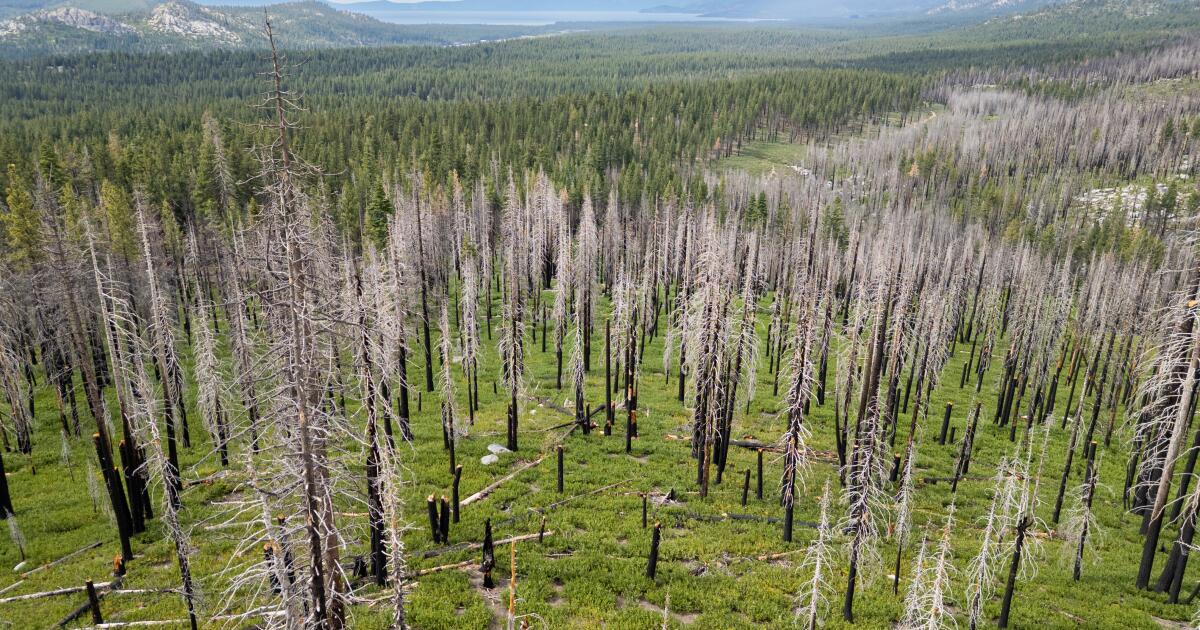
‘I’d rather my house burn down than get cancer’: Herbicide use upends California’s fight to save forests
-
 Sports8 minutes ago
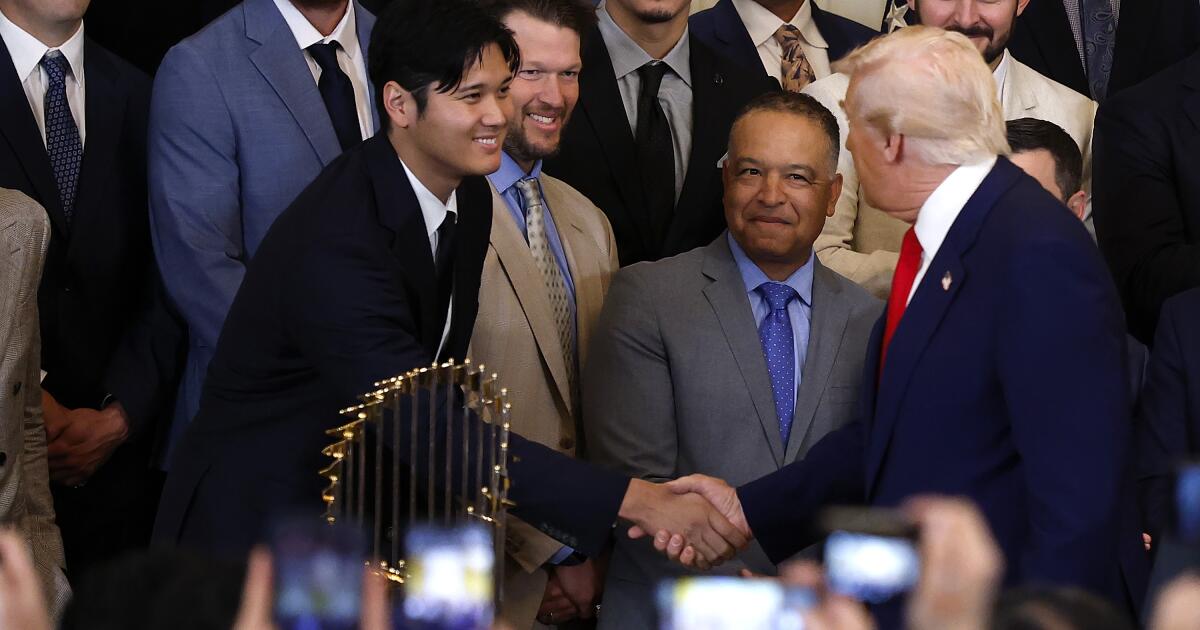
Dodgers scheduled to visit White House in late July to celebrate 2025 World Series win
-

 World18 minutes ago
Former US Olympian pleads not guilty in DC reflecting pool vandalism case
-
 News45 minutes ago
Former Olympian pleads not guilty in reflecting pool vandalism charges
-

 Los Angeles, Ca2 hours ago
Heat advisory, beach hazards in effect as Southern California sizzles
-

 Detroit, MI2 hours ago
Teen on moped hit by car after cruising through stop sign in Detroit
-

 San Francisco, CA3 hours ago
Flight of fancy: San Francisco moves to build private luxury airport terminal
-

 Dallas, TX3 hours ago
Dallas’ digital creator economy is booming. Burnout is too.

