Idaho
Indoor air quality in long-term care facilities during wildfires is worse than you’d think – Idaho Capital Sun


Every year, wildfires across the western U.S. and Canada send plumes of smoke into the sky. When that smoke blows into southwestern Idaho’s Treasure Valley, it blankets Boise-area residents in dirty air.
They include seniors living in long-term care facilities, many of whom are considered an at-risk population for smoke exposure because of respiratory or cardiac diseases.
“An astonishing amount of smoke gets inside these facilities,” said Luke Montrose, an environmental toxicologist and researcher at Colorado State University. Data from monitors Montrose installed in four Idaho long-term care facilities in 2020 showed that large amounts of smoke pollution recorded outside during wildfire season seeped into the facilities. One building let in 50% of the particulate matter outside; another, 100%. In some cases, Montrose said, “it was no better to be inside than to be outside during those smoke events.”
That’s why Montrose has spent the past few years installing more monitors in care facilities across Idaho and Montana. The study is expanding into Colorado this summer.
Understanding and addressing how wildfire smoke affects indoor air quality could help better treat the roughly 1.4 million seniors who live in more than 15,500 Medicare- and Medicaid-certified nursing homes nationwide and nearly a million more who live in assisted living facilities.
“It may be a game-changer for quality of care,” said Robert Vande Merwe, executive director of the Idaho Health Care Association. Vande Merwe helped persuade facilities to join Montrose’s study.
As wildfires increase in size, intensity, smoke will affect more Americans
Although residents of the western U.S. have lived with smoky summers for decades, the fallout from wildfires is becoming a nationwide issue. Smoke from blazes in eastern Canada barreled into the densely populated Northeast and Midwest last June, making the skies above Toronto, New York, Chicago, and much of the Atlantic Coast glow an eerie orange. More than 120 million people were under air quality alerts. As wildfires increase in size, intensity, and duration, fueled by a combination of climate change and forest mismanagement, the smoke they generate will likely affect more people.
“We’re going to see more and more smoke events that reach further across the U.S. and across the world,” said Savannah D’Evelyn, a postdoctoral scholar at the University of Washington who studies wildfire smoke and its effects on health. She was not involved in Montrose’s study.
Air pollution from wildfire smoke — a brew of pollutants, water vapor, and fine debris — is a growing public health problem. Tiny particles known as PM 2.5 are small enough to embed deep into people’s lungs and, sometimes, infiltrate their bloodstream. Research has shown PM 2.5 can cause asthma and respiratory inflammation or jeopardize lung function, and the particles have been tied to some cancers. They are especially dangerous for children and people with preexisting heart or lung conditions — including seniors, the focus of Montrose’s work.
“I think honing in on this particular community that is really quite impacted by smoke exposure on the health side of things is really great,” D’Evelyn said. “It’s a gap that needs to be addressed.”
For years, public health officials have told people to go inside on bad air quality days, even though, without testing and filtration, indoor air quality often isn’t much better than what’s outside. Although skilled nursing facilities follow numerous federal regulations to participate in the Medicaid and Medicare programs — covering anything from building safety features, like fire sprinklers, to residents’ rights — indoor air quality isn’t addressed.
“There really aren’t any regulatory standards for indoor air quality, broadly, in any country that I’m aware of,” said Katherine Pruitt, national senior director for policy at the American Lung Association.
Collecting data with indoor air quality monitors a first step to addressing problem
Without the few indoor air quality monitors in the study, long-term care facility managers or operators might check their local air quality index, or AQI, on their smartphone’s weather app or by watching the news. But air quality monitors don’t always provide accurate information about the air outside, let alone inside a building. Rural areas are particularly underserved by air quality monitors. According to Montrose, 25% to 30% of skilled nursing facilities in the Mountain West are more than 30 miles from a regulatory-grade monitor. Indoor air quality monitoring is rare outside of studies like Montrose’s.
That’s why Montrose is on a quest to get more air quality monitors placed inside facilities. In 2019, he contacted more than 80 Boise-area nursing and assisted living facilities to gauge interest and concern about wildfire smoke. In 2020, he collected data from indoor and outdoor air quality monitors at four nursing homes — two in the Boise area, others in northern and eastern Idaho. The monitors recorded particulate air pollution inside one facility nearly 17 times what’s considered healthy.
In 2021, data collected from six facilities from July to October — four in Idaho and two in the Missoula, Montana, area — also showed that in some buildings indoor and outdoor air quality were almost identical on smoky days. Montrose repeated the monitoring at four other southern Idaho facilities last summer. The monitors fed real-time data to a dashboard that people running the nursing homes could see and respond to.
Protecting seniors from wildfire smoke is an important piece of wildfire preparedness, yet Montrose acknowledged that conducting research in nursing homes and care facilities has challenges. Unique ethical considerations arise with dementia or Alzheimer’s patients, who can’t give informed consent. Staff turnover makes it hard for researchers like Montrose to establish relationships with facility operators, and asking overburdened nurses or employees to do extra work, like understand and check air quality monitors, can be a nonstarter. Still, Montrose said, people living in long-term care facilities are particularly vulnerable.
“If we can protect them, there’s great benefit to our communities,” he said.
Workers lack protections when wildfire smoke makes the air dangerous
Some facilities in Idaho have made changes because of the research. Those include a pre-fire season facility checklist to make sure filtering systems are in good shape and that doors and windows are properly sealed. They also share the area’s AQI as part of their daily morning safety meetings.
Mark Troen, regional maintenance director for 10 Edgewood Healthcare facilities in the Boise area, four of which had monitors last summer, laid out a litany of things he does when the indoor air quality rises past healthy levels: changing air filters to a higher level that traps more particulates, turning off outdoor air intake, and alerting staff to keep doors and windows closed.
“Anything I can do to keep the residents safe, I’m all for,” Troen said.
Clinical staff members also have identified which residents have respiratory problems or are immunocompromised. In an intense smoke event, those people may get portable air filtration in their rooms for extra protection.
Troen plans to install air quality monitors from his own budget once the study’s monitors need to be replaced due to age.
“To actually see in real time what your indoor air quality is is huge,” he said. “It helps us mitigate some of those problems, rather than waiting until it’s bad.”
Cleaner indoor air during fire seasons
Anyone can take steps to improve the air they’re breathing during wildfire season.
“It’s pretty easy to clean indoor air,” D’Evelyn said. HEPA air filters are the gold standard but can cost upward of $100; creating a box fan filter is a cheaper alternative. According to D’Evelyn, making even one room in a building a “clean air space” can make a difference during a wildfire.
The American Lung Association’s Pruitt said starting policy conversations about regulating indoor air quality faces many barriers, including perceptions of federal overreach. In the absence of federal regulations, Pruitt believes, the most effective actions would likely come from state or local building codes and ventilation standards.
“Policymakers should be looking at the steps that need to be taken to protect people from exposure to hazardous levels of smoke or other outdoor pollutants,” she said.
Montrose is recruiting more nursing homes to install air quality monitors this summer, including additional facilities in Idaho, Colorado, and Montana. Vande Merwe, of the Idaho Health Care Association, said other places in the region — like his hometown, Salt Lake City, which is situated where smoke and other pollutants accumulate — should take note. Breathing in the best possible air could make a big difference for residents’ health and quality of life as they age, he said.
KFF Health News is a national newsroom that produces in-depth journalism about health issues and is one of the core operating programs at KFF—an independent source of health policy research, polling, and journalism. Learn more about KFF.

GET THE MORNING HEADLINES DELIVERED TO YOUR INBOX



CALDWELL, Idaho (CBS2) — More than 2,000 Idaho Power customers in Canyon County are without electricity Wednesday evening as crews respond to an outage affecting Caldwell and Middleton.
Idaho Power reported the outage at 8 p.m. July 8, listing 2,163 customers impacted in the 83605, 83644 and 83687 ZIP codes.
The outage is expected to be resolved by 10 p.m. July 8; Idaho Power said a crew was dispatched and en route. The cause of the outage is not immediately known.

(KRON) — An Idaho man is recovering after a life-threatening rattlesnake bite during a family visit to Oroville, Northern California. Chris Howarth spent nearly two weeks in intensive care following the incident in his mother’s garden.
During his 12-day stay in intensive care, Howarth received 54 vials of anti-venom and multiple blood transfusions, split between six days at Oroville Hospital and six days after being flown to Stanford.
Six weeks after the incident, he is approximately 80% recovered.
Howarth initially believed the bites were a prick from a thorn or a “star thistle or one of those goat heads.” He described the sensation as feeling “like getting your blood drawn.”
“I think I got bit twice. I said ‘ow’ again and ‘ow’ again. It almost felt like getting your blood drawn,” said Howarth. Howarth also noted he “didn’t hear it at all” when his father went to inspect the area and observed the snake shaking its tail without making noise.
As his wife drove him to the hospital, his condition worsened.
“On the way there, he was started kind of feeling some numbness and tingling in his mouth and his tongue so I knew we needed to get to the closest hospital,” said Jenny Howarth.
Howarth is still experiencing lingering effects from the bite, including swelling, soreness and fatigue.
“My leg is still kind of sore and tender, my ankle still swells, I barely got able to tie a shoe just a few days ago and also still having lingering effects of fatigue,” Howarth said.
California’s Poison Control system has received 77 rattlesnake-related calls this year, with experts reporting encounters are occurring earlier and more frequently. Dr. Rafa Lima, an emergency physician at Kaiser Permanente in San Leandro, explained that rattlesnake venom “destroys local tissue and causes a lot of pain and swelling.”
Dr. Lima advised immediate medical attention for suspected venomous snake bites. “If you are bitten by a snake with a rattle or you suspect is venomous, you should really get care immediately,” Dr. Lima said.
He also dispelled common myths, stating, “There’s a common myth that you should just tourniquet up the wound and bind it and mobilize it, or even try to suck the venom out but all that does is delays the time to get treatment and the longer the venom is in the tissue, the worst prognosis.”
Howarth mentioned that the weather conditions were unexpected for a rattlesnake encounter.
“That day and even the day before, it kind of been cooler and it had been raining so we weren’t expecting to see a rattlesnake,” she said.
Howarth hopes his experience highlights that rattlesnakes pose a risk in garden areas, not just hiking trails, even during cooler weather. Howarth hopes to return to work next week.
Those who want to donate to a GoFundMe set up for Howarth can do so here.
All facts in this report were gathered by journalists employed by KRON4. Artificial intelligence tools were used to reformat information into a news article for our website. This report was edited and fact-checked by KRON4 staff before being published.

NAMPA, Idaho — Nearly 20 years after Idaho soldier John Borbonus was killed in Iraq, his legacy is continuing to serve fellow veterans.
The Borbonus Family Foundation, created in his honor, announced a $500,000 grant Tuesday to the Warhawk Air Museum in Nampa.
WATCH: One Idaho soldier’s legacy continues to serve fellow veterans
Warhawk Air Museum receives $500K grant honoring Idaho soldier John Borbonus
The museum says the unrestricted gift is its largest ever and will help cover operating costs as it continues to grow.
Executive Director Carson Spear says grants of this size often come with requirements to fund a specific project, but the Borbonus Family Foundation instead asked to use the funds where they are most needed.
Warhawk leaders say the funding will help preserve veterans’ stories and continue programs like the Kilroy Coffee Klatch, which brings together veterans from different generations each month.
RELATED | Kilroy Coffee Klatch brings veterans together at the Warhawk Air Museum
Vietnam veteran Emil Berry says the museum is more than a place to display history.
“It brings back memories, and also it helps the veteran, helps the military personnel. It’s just a special, very special establishment,” Berry said.
Borbonus’ sister, Alexa Borbonus, says Warhawk already preserves part of her brother’s story through a display dedicated to his service.
“The Warhawk Museum, they have a special place in our hearts,” Alexa Borbonus said. “They have John’s case on display now, and they provide a safe space for all our veterans in Idaho.”
RELATED | Skydivers honor fallen Boise soldier John Borbonus at annual memorial golf tournament
Sen. Jim Risch, who attended Tuesday’s announcement, said museums like Warhawk remind people that “freedom isn’t free” and help future generations appreciate the sacrifices made by those who served.
Following the announcement, the Borbonus family also donated John Borbonus’ challenge coin and the KIA bracelet worn by his family to Warhawk’s bar display, adding another piece of his legacy to the museum.
For Canyon County happenings, news, and more— join our Facebook Group: 2C Neighborhood News – Nampa, Caldwell, Middleton
This story was initially reported by a journalist and has been, in part, converted to this platform with the assistance of AI. Our editorial team verifies all reporting on all platforms for fairness and accuracy.
Send tips to Nampa neighborhood reporter Keith Burrell
Have a story idea from Nampa? Share it with Keith below —
-

 South Dakota6 minutes ago
Petition to clarify South Dakota proof of citizenship law shot down over technicality
-

 Tennessee8 minutes ago
Tennessee State men’s hockey cancels 2026-27 inaugural season for second straight year
-

 Texas14 minutes ago
Ted Cruz warns Talarico has ‘real chance’ to flip Texas’ U.S. Senate seat
-

 Utah21 minutes ago
Man suspected in 2006 Utah murder left suicide note in Las Vegas jail cell: police
-
 Vermont23 minutes ago
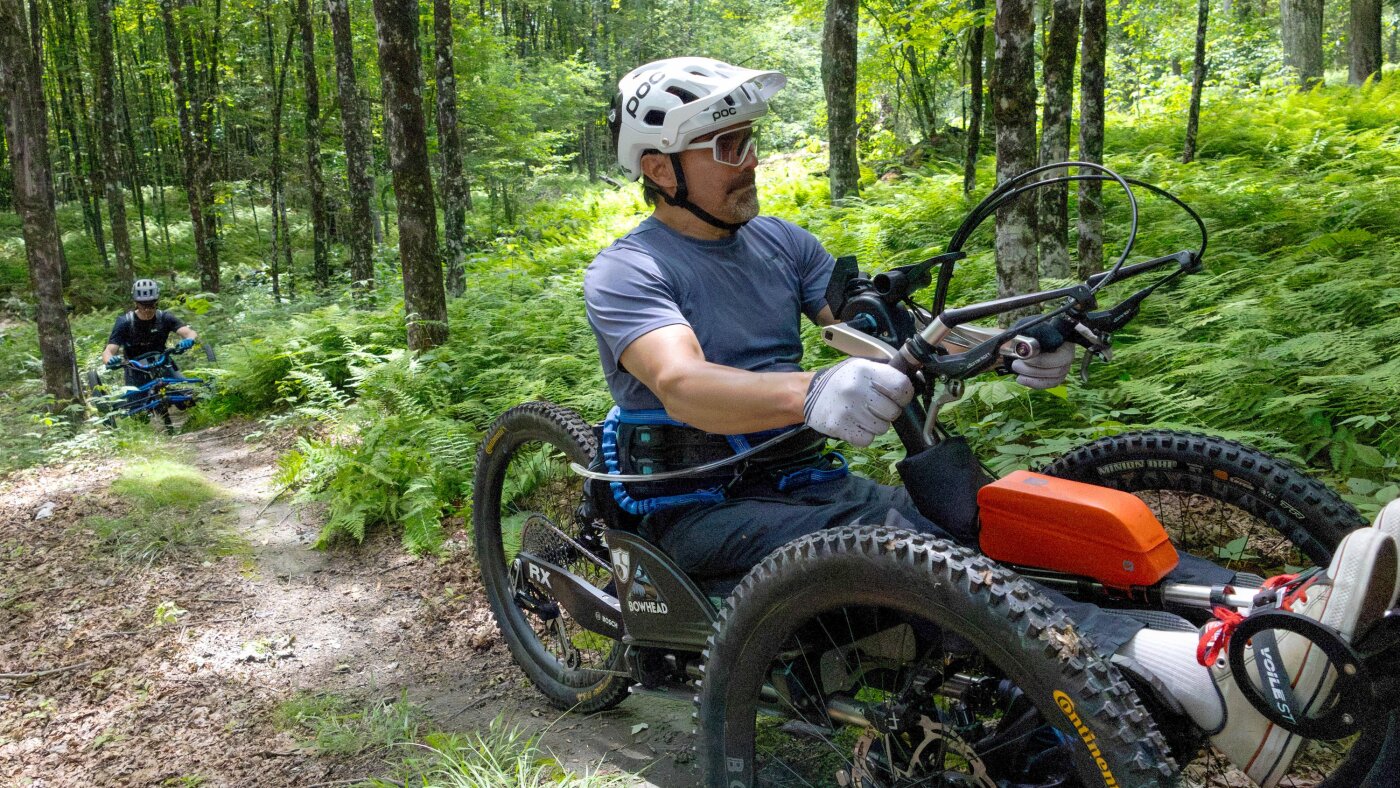
OUTDOOR ACCESS FOR DISABLED IN VERMONT
-
 Virginia29 minutes ago
4 indicted in Virginia double homicide; second victim ID’d as grandmother of 6
-

 Washington36 minutes ago
Washington Commanders are retiring Hall of Famer John Riggins’ No. 44
-

 Wisconsin39 minutes ago
Wisconsin State Patrol rides with truck and bus drivers to spot violations in five areas

