Idaho
Idaho Lawmakers looking for change when it comes to suspicious death investigations


BOISE, Idaho — “If you are going to kill somebody, definitely do it in Idaho because you are very likely to get away with it here,” said Idaho House Minority Leader Ilana Rubel on the first day of the state legislative session. To be clear, Representative Rubel believes law enforcement does their best to protect Idahoans, and she does not truly encourage anyone to commit murder but that bold statement prompted Idaho News 6 to look into the stunning lack of standards Idaho has set for state Coroners.
“We have no standards whatsoever for when autopsies are to be conducted,” said Rep. Ilana Rubel. As a result, Idaho lawmakers are looking for a change when it comes to investigating suspicious deaths.
A state-wide, multi-year study by The Office of Performance Evaluations revealed Idaho lags behind other states, with autopsies performed in fewer than 4% of deaths between 2018 and 2022. Nationwide that number doubles to almost 8%.
“The overwhelming majority of child deaths are investigated in other states and not in Idaho,” said Rep. Rubel.
We spoke with Ada County Coroner Rich Riffle, who provides autopsy services for a majority of Idaho coroners.
“Out of county [coroners], they bring their autopsy cases here. It’s rare that we would go to them to help with an investigation [but] we will try dang hard. If they ask, we’re going,” said Coroner Riffle.
Coroner Riffle sees firsthand the difficulties small counties face regarding suspicious deaths.
“[In] the smaller counties, you have part-time people— you know farmers, plumbers, all these people working to put food on the table for their family… oh ‘yeah by the way could you go out and do this while you’re at it?’ So it’s like, death investigations: they care, but it’s not at their frontal lobes,” explained Coroner Riffle.
Rep. Rubel, points to the high-profile murder of Tammy Daybell in 2019, Who was quickly deemed a natural death and buried without an autopsy.
Her body had to be exhumed months later as part of an investigation that eventually led to a murder conviction for Chad Daybell.
“We would really like to see a system where we have a little bit more uniformity and access to resources where maybe the state provides some type of medical expertise,” said Rep. Rubel.
“State-wide standards I think would be a good thing, absolutely. The bottom line is still going to boil down to resources. We could have the best standards on the planet but if you don’t have the resources to do it…” nothing will happen explained Coroner Riffle.
Rep. Rubel says she and other lawmakers have started to draft legislation, and she hopes to see a bi-partisan effort to improve suspicious death investigations across the state. Coroner Riffle says he is interested in being a part of those conversations.
We’ll continue to follow this topic throughout the legislative session.





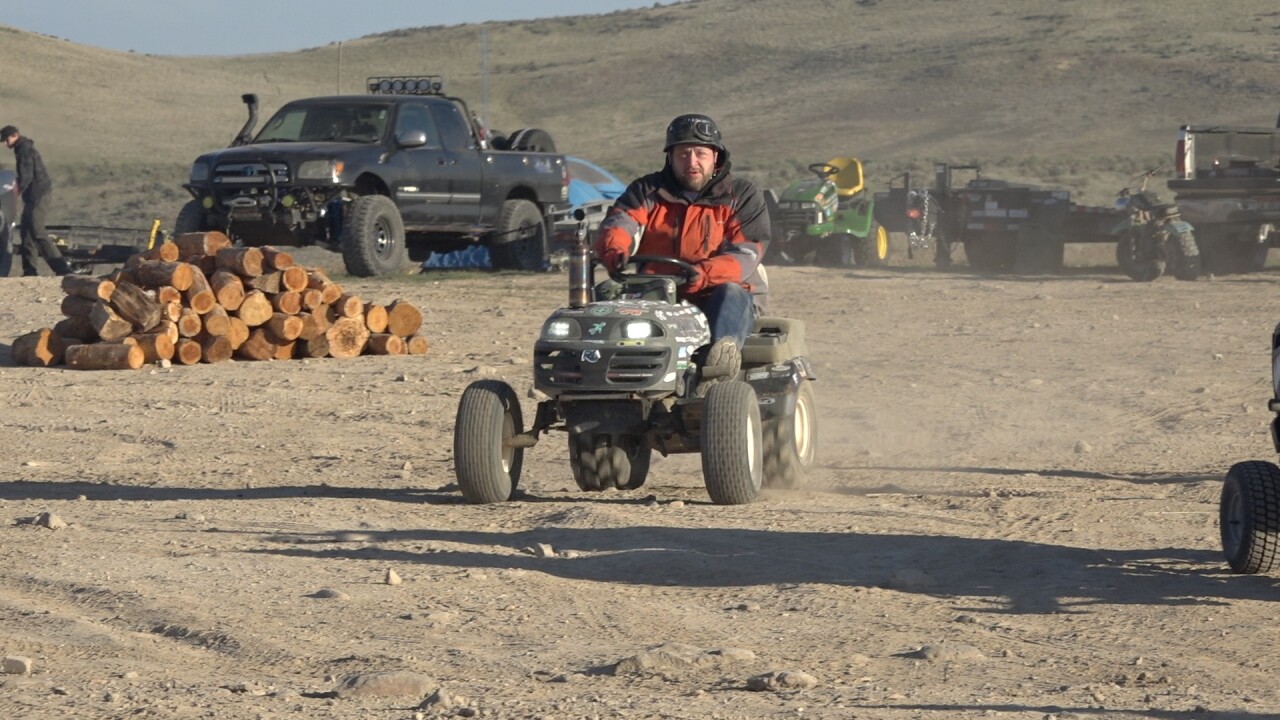
ADRIAN, Oregon — The Friends of the Owyhee organized a clean-up in Malheur County in Oregon, and volunteers came out to pick up trash and get rid of abandoned campers.
“We had two abandoned RV’S and a camper that were abandoned out on public lands,” said Tim Davis, who runs the Friends of the Owyhee. “They were sitting there for upwards of a year, and it is really clear that it is hard to get rid of these.”
WATCH| Check out the video to see volunteers demolish a camper—
Volunteers camp out for the Succor Creek Clean-Up in the Owyhees
Davis worked with the local sheriff’s office and the BLM to remove the campers, but he found it difficult because there was no place to take these recreational vehicles. The Gambler 500, an off-road group, brought out some people to demolish a camper with an excavator.
“That is awesome to see the turnout with the army of volunteers we have today,” said Brian Arndt of the Gambler 500 group. “We are going to be able to get the camper all in the dumpster, get it cleaned down to the frame, and then everything that can be recycled will be recycled.”
Volunteers camped out on Succor Creek Road on Friday night so they could get an early start on Saturday. Many volunteers will camp out again on Saturday night and finish the clean-up on Sunday.
“Malheur is the 12th largest county in the United States, and it’s 74 percent public land,” said Davis. “We have very few resources with the BLM; they are understaffed, they have one rec planner right now, so us, as public land owners, should be able to step up and keep this place clean.”
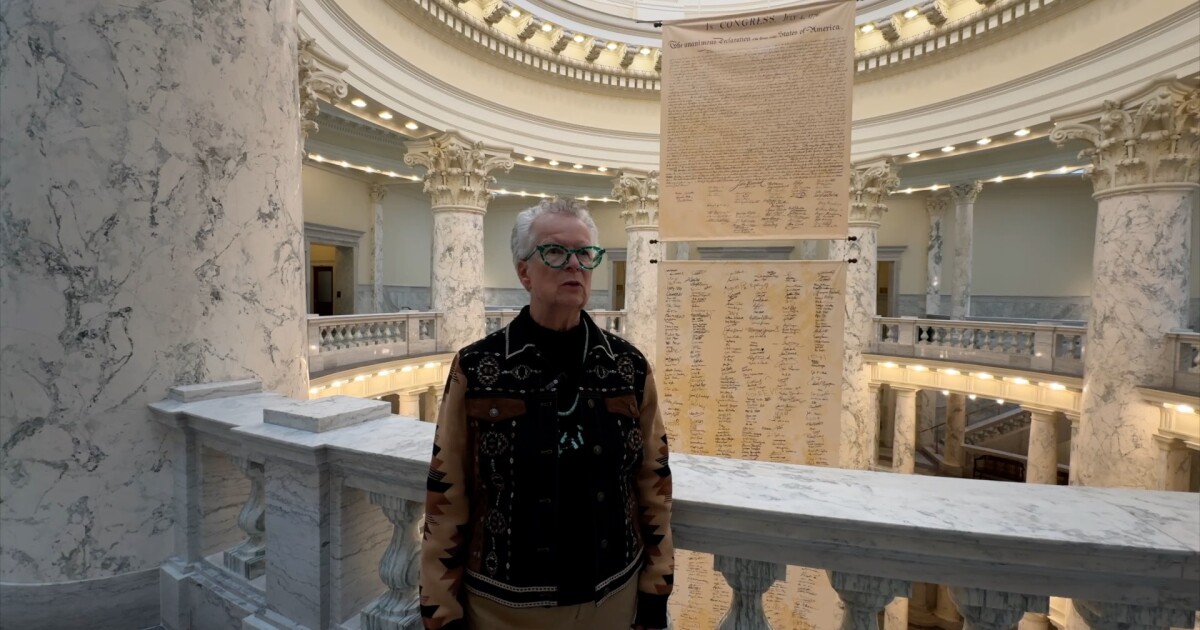
Lela Blizzard works as the lone recreational planner for the Vail District of the BLM, who says most sites have signs that say pack it in and pack it out. She says the BLM really needs the cooperation of the public because of how large it is, and she was happy to see how many volunteers showed up.
“I just want to tell them thank you because I know they are taking time out of their weekend to come out here to help us make sure the land continues to look nice for everyone who comes out to enjoy it,” said Blizzard.

Griz Ward is one of the volunteers, and he enjoyed camping out, but he also would like to see people pick up after themselves. When it comes to outdoor recreation, it is so important to be part of the solution and not part of the problem.
“If you come out here and play in the area, be respectful,” said Ward. “Pack it in and pack it out, leave no trace and do the right thing, or frankly, stay home.”
The Succor Creek Clean-Up also received a lot of support from the Treasure Valley, as they got donations from the Ontario Sanitation Service with the dumpsters, Tates Rents with the excavator, and United with porta-potties for the campsite.
Send tips to Idaho Backroads neighborhood reporter Steve Dent
Have an Idaho Backroads story idea? Share it with Steve below —

IDAHO — ‘No Kings 3’ protests will take place throughout Idaho on March 28, including in Boise and Twin Falls.
According to the Idaho 50501 Facebook page, there will be speakers & musicians playing at protests across the Treasure Valley.
Protests will take place in Boise, Caldwell, Nampa, Mountain Home, Twin Falls, and other Idaho cities.
NoKings.org
On March 28, Neighborhood Reporters Allie Triepke & Lorien Nettleton will bring coverage of the Boise & Twin Falls protests on Idaho News 6 at 10.
Idaho
Idaho Senate introduces new bill to give local municipalities authority to control rat populations

BOISE, Idaho — A new bill in the Idaho Senate aims to let local municipalities take action to control rat populations. This, after a previous bill to combat rat infestations across Idaho, died in the House.
Rats have been spreading throughout the Treasure Valley in recent years, but previous attempts at legislation to deal with the problem have failed.
WATCH: Senior Reporter Roland Beres provides an update on the new rat bill
New bill would allow local governments to combat rats
Residents in Eagle and Boise have been tracking an alarming rise in rat populations recently.
Rep. John Gannon (D – District 17) introduced new legislation today that would essentially permit local governments to act in order to control rat populations if they want to, without creating a mandate.
Gannon said some cities complained that they did not have the authority to do the job themselves.
The bill was introduced with a dose of humor.
“I’m going to support this. It’s very late in the session, but I think this might just squeak through,” said Sen. Ben Adams (R – District 12). “Well. Unless it encounters a trap along the way.”
ALSO READ | ‘I’ve never seen something that big’: Boise neighbors finding rats in their backyards
This story was initially reported by a journalist and has been, in part, converted to this platform with the assistance of AI. Our editorial team verifies all reporting on all platforms for fairness and accuracy.
Send tips to neighborhood reporter Riley Shoemaker
Have a story idea from Downtown Boise, the North End or Garden City ? Share it with Riley below —

They transformed a historic bar into a fantasy forest for all of L.A.’s witches

Commentary: Goodbye, Border Patrol bogeyman Gregory Bovino, and good riddance

High school baseball and softball: Saturday’s scores
The EU's recipe for trade deals : easy on beef, tough on wine

Photos: ‘No Kings’ protests across the country

Florida High School Football Rankings: Top 25 teams – Oct. 21

How old is Bo Nix? What to know about Oregon quarterback ahead of 2024 NFL Draft

Cleary's 21 help Le Moyne down Central Connecticut State 69-64 in OT

99th annual Pony Swim held in Virginia

Indiana Members Credit Union announced as new anchor tenant at Bottleworks District
The EU's recipe for trade deals : easy on beef, tough on wine
Photos: ‘No Kings’ protests across the country

Jeffries declines to break with indicted Democrat after ethics panel’s guilty verdict

Hundreds of thousands march through London in stand against the far right

2 students killed, 7 other people injured in Tennessee bus crash during school field trip
-

 Movie Reviews1 week ago
‘Youth’ Twitter review: Ken Karunaas impresses audiences; Suraj Venjaramoodu adds charm; music wins praise | – The Times of India
-

 Sports1 week ago
IOC addresses execution of 19-year-old Iranian wrestler Saleh Mohammadi
-

 New Mexico6 days ago
Clovis shooting leaves one dead, four injured
-

 Tennessee5 days ago
Tennessee Police Investigating Alleged Assault Involving ‘Reacher’ Star Alan Ritchson
-

 Technology7 days ago
YouTube job scam text: How to spot it fast
-

 Minneapolis, MN3 days ago
Boy who shielded classmate during school shooting receives Medal of Honor
-

 Texas1 week ago
How to buy Houston vs. Texas A&M 2026 March Madness tickets
-

 Science1 week ago
Record Heat Meets a Major Snow Drought Across the West