Colorado
Colorado State football in the NFL draft: All-time picks from CSU


‘Somebody is going to get a steal’ with Tory Horton in NFL draft
A look at Tory Horton at his NFL pro day, why he ran the 40 at the NFL combine and what Jay Norvell thinks of Horton’s NFL future.
Colorado State’s history in the NFL draft dates back to 1943.
The CSU football team has had players selected in the NFL draft from as high as No. 1 overall to as low as the No. 451 pick. More than 100 different former CSU players have been selected in the NFL draft.
Here’s a year-by-year look at selections of Colorado State football players in the NFL draft.
2024 NFL draft
- Defensive end Mohamed Kamara: Selected Round 5, pick No. 158 overall by Miami Dolphins.
2022 NFL draft
- Tight end Trey McBride: Selected Round No. 2, pick No. 55 overall by Arizona Cardinals.
2019 NFL draft
- Receiver Olabisi Johnson: Selected round No. 7, pick No. 247 overall by Minnesota Vikings.
2018 NFL draft
- Receiver Michael Gallup: Selected round No. 3, pick No. 81 overall by Dallas Cowboys.
2016 NFL draft
- Receiver Rashard Higgins: Selected round No. 5, pick No. 172 overall by Cleveland Browns.
- Linebacker Cory James: Selected round No. 6, pick No. 194 overall by Oakland Raiders.
2015 NFL draft
- Offensive lineman Ty Sambrailo: Selected round No. 2, pick No. 59 overall by Denver Broncos.
- Quarterback Garrett Grayson: Selected round No. 3, pick No. 75 overall by New Orleans Saints.
2014 NFL draft
- Offensive lineman Weston Richburg: Selected round No. 2, pick No. 43 overall by New York Giants.
- Tight end Crockett Gillmore: Selected round No. 3, pick No. 99 overall by Baltimore Ravens.
2010 NFL draft
- Offensive lineman Shelley Smith: Selected round No. 6, pick No. 187 overall by Houston Texans.
2009 NFL draft
- Running back Gartrell Johnson: Selected round No. 4, pick No. 134 overall by San Diego Chargers.
2007 NFL draft
- Offensive lineman Clint Oldenburg: Selected round No. 5, pick No. 171 overall by New England Patriots.
2006 NFL draft
- Receiver David Anderson: Selected round No. 7, pick No. 251 overall by Houston Texans.
2005 NFL draft
- Tight end Joel Dreessen: Selected round No. 6, pick No. 198 overall by New York Jets.
2004 NFL draft
- Defensive back/returner Dexter Wynn: Selected round No. 6, pick No. 192 overall by Philadelphia Eagles.
- Quarterback Bradlee Van Pelt: Selected round No. 7, pick No. 250 overall by Denver Broncos.
- Linebacker Andre Sommersell: Selected round No. 7, pick No. 255 overall by Oakland Raiders.
2001 NFL draft
- Defensive back John Howell: Selected round No. 4, pick No. 117 overall by Tampa Bay Buccaneers.
- Linebacker Rick Crowell: Selected round No. 6, pick No. 188 overall by Miami Dolphins.
2000 NFL draft
- Linebacker Clark Haggans: Selected round No. 5, pick No. 137 overall by Pittsburgh Steelers.
- Defensive back Erik Olson: Selected round No. 7, pick No. 236 overall by Jacksonville Jaguars.
1999 NFL draft
- Linebacker Joey Porter: Selected round No. 3, pick No. 73 overall by Pittsburgh Steelers.
- Offensive lineman Anthony Cesario: Selected round No. 8, pick No. 88 overall by Jacksonville Jaguars.
- Defensive back Jason Craft: Selected round No. 5, pick No. 160 overall by Jacksonville Jaguars.
- Receiver Darran Hall: Selected round No. 6, pick No. 186 overall by Tennessee Titans.
1998 NFL draft
- Quarterback Moses Moreno: Selected round No. 7, pick No. 232 overall by Chicago Bears.
1997 NFL draft
- Defensive back Calvin Branch: Selected round No. 6, pick No. 172 overall by Oakland Raiders.
1996 NFL draft
- Defensive end Brady Smith: Selected round No. 3, pick No. 70 overall by New Orleans Saints.
- Linebacker Sean Moran: Selected round No. 4, pick No. 120 overall by Buffalo Bills.
- Defensive back Greg Myers: Selected round No. 5, pick No. 144 overall by Cincinnati Bengals.
- Defensive back Raymond Jackson: Selected round No. 5, pick No. 156 overall by Buffalo Bills.
1992 NFL draft
- Defensive back Selwyn Jones: Selected round No. 7, pick No. 177 overall by Cleveland Browns.
1987 NFL draft
- Quarterback Kelly Stouffer: Selected round No. 1, pick No. 6 overall by St. Louis Cardinals.
- Running back Steve Bartalo: Selected round No. 6, No. 143 overall by Tampa Bay Buccaneers.
- Kicker Steve DeLine: Selected round No. 7, pick No. 189 overall by San Francisco 49ers.
1986 NFL draft
- Defensive lineman Terry Unrein: Selected round No. 3, pick No. 66 overall by San Diego Chargers.
1985 NFL draft
- Tight end Keli McGregor: Selected round No. 4, pick No. 110 overall by Denver Broncos.
- Tight end Harper LeBel: Selected round No. 12, pick No. 321 overall by Kansas City Chiefs.
1984 NFL draft
- Offensive lineman Kevin Call: Selected round No. 5, pick No. 130 overall by Indianapolis Colts.
- Quarterback Terry Nugent: Selected round No. 6, pick No. 158 overall by Cleveland Browns.
1981 NFL draft
- Running back Alvin Lewis: Selected round No. 6, pick No. 151 overall by Denver Broncos.
- Running back Larry Jones: Selected round No. 10, pick No. 270 overall by Houston Oilers.
1980 NFL draft
- Defensive back Keith Lee: Selected round No. 5, pick No. 129 overall by Buffalo Bills.
- Defensive back Dupree Branch: Selected round No. 8, pick No. 198 overall by St. Louis Cardinals.
1979 NFL draft
- Defensive end Mike Bell: Selected round No. 1, pick No. 2 overall by Kansas City Chiefs.
- Defensive end Mark E. Bell: Selected round No. 4, pick No. 102 overall by Seattle Seahawks.
- Receiver Mark R. Bell: Selected round No. 5, pick No. 130 overall by St. Louis Cardinals.
- Offensive lineman Bill Leer: Selected round No. 11, pick No. 292 overall by Atlanta Falcons.
1978 NFL draft
- Defensive end Al “Bubba” Baker: Selected round No. 2, pick No. 40 overall by Detroit Lions.
- Defensive back Cliff Featherstone: Selected round No. 7, pick No. 180 overall by San Diego Chargers.
- Linebacker Mark R. Nichols: Selected round No. 8, pick No. 207 overall by Oakland Raiders.
- Punter Mike Deutsch: Selected round No. 9, pick No. 240 overall by Minnesota Vikings.
- Running back Ron Harris: Selected round No. 11, pick No. 299 overall by Minnesota Vikings.
1977 NFL draft
- Linebacker Keith King: Selected round No. 3, pick No. 77 overall by San Diego Chargers.
1976 NFL draft
- Linebacker Kevin McLain: Selected round No. 1, pick No. 26 overall by Los Angeles Rams.
- Defensive back Jerome Dove: Selected round No. 8, pick No. 220 overall by Oakland Raiders.
- Defensive back Melvin Washington: Selected round No. 11, pick No. 292 overall by Tampa Bay Buccaneers.
- Defensive end Gary Paulson: Selected round No. 13, pick No. 372 overall by Minnesota Vikings.
- Quarterback Mark Driscoll: Selected round No. 13, pick No. 374 overall by Dallas Cowboys.
1975 NFL draft
- Defensive end Mark Mullaney: Selected round No. 1, pick No. 25 overall by Minnesota Vikings.
- Offensive lineman Al Simpson: Selected round No. 2, pick No. 27 overall by New York Giants.
- Running back Kim Jones: Selected round No. 7, pick No. 157 overall by Baltimore Colts.
- Receiver Willie Miller: Selected round No. 12, pick No. 302 by Houston Oilers.
- Quarterback Jack Graham: Selected round No. 14, pick No. 361 overall by Miami Dolphins.
- Tight end Pete Clark: Selected round No. 16, pick No. 407 overall by Dallas Cowboys.
1974 NFL draft
- Tight end Jimmie Kennedy: Selected round No. 9, pick No. 233 overall by Washington.
- Defensive back Greg Battle: Selected round No. 11, pick No. 269 overall by San Francisco 49ers.
1973 NFL draft
- Defensive back Perry Smith: Selected round No. 4, pick No. 92 overall by Oakland Raiders.
- Offensive lineman Gerald Caswell: Selected round No. 11, pick No. 282 overall by Dallas Cowboys.
1972 NFL draft
- Running back Lawrence McCutcheon: Selected round No. 3, pick No. 70 overall by Los Angeles Rams.
- Defensive end Jim White: Selected round No. 3, pick No. 73 overall by New England Patriots.
1971 NFL draft
- Defensive back Phil Webb: Selected round No. 11, pick No. 281 overall by Detroit Lions.
1970 NFL draft
- Defensive back Earlie Thomas: Selected round No. 11, pick No. 280 overall by New York Jets.
1969 NFL draft
- Defensive back Bill Kishman: Selected round No. 5, pick No. 114 overall by Washington.
- Receiver Terry Swarn: Selected round No. 6, pick No. 147 overall by San Diego Chargers.
- Defensive back Floyd Kerr: Selected round No. 16, pick No. 414 overall by Dallas Cowboys.
1968 NFL draft
- Receiver Jon Henderson: Selected round No. 3, pick No. 61 overall by Pittsburgh Steelers.
- Running back Oscar Reed: Selected round No. 7, pick No. 167 overall by Minnesota Vikings.
- Defensive back Al Lavan: Selected round No. 8, pick No. 204 overall by Philadelphia Eagles.
- Defensive lineman Mike Tomasini: Selected round No. 10, pick No. 248 overall by Atlanta Falcons.
- Running back Jim Oliver: Selected round No. 15, pick No. 391 overall by Detroit Lions.
- Defensive lineman Gene Layton: Selected round No. 17, pick No. 451 overall by Chicago Bears.
1964 NFL draft
- Offensive lineman Dick Evers: Selected round No. 15, pick No. 199 overall by Washington (Evers was also selected round No. 22, pick No. 170 overall by Kansas City Chiefs in the 1964 AFL draft).
1961 NFL draft
- Receiver Kay McFarland: Selected round No. 18, pick No. 248 overall by San Francisco 49ers.
- Offensive lineman Leo Reed: Selected round No. 20, pick No. 274 overall by St. Louis Cardinals.
- Note: Halfback Myron Pearson was selected round No. 19, pick No. 152 overall by Houston Oilers in 1961 AFL draft. Offensive lineman Wayne Lee was selected round No. 28, pick No. 217 overall by Denver Broncos in 1961 AFL draft.
1960 NFL draft
- Linebacker Jim Eifrid: Selected round No. 11, pick No. 124 by Washington.
- Defensive back Brady Keys: Selected round No. 14, pick No. 162 overall by Pittsburgh Steelers.
1959 NFL draft
- Offensive lineman Ron Stehouwer: Selected round No. 12, pick No. 136 overall by Detroit Lions.
- Defensive back Fred Glick: Selected round No. 23, pick No. 266 overall by Chicago Cardinals.
1956 NFL draft
- Defensive back Gary Glick: Selected round No. 1, pick No. 1 overall by Pittsburgh Steelers.
- Fullback Larry Barnes: Selected round No. 7, pick No. 75 overall by San Francisco 49ers.
- Back Jerry Zaleski: Selected round No. 10, pick No. 112 overall by San Francisco 49ers.
1955 NFL draft
- Back Jerry Callahan: Selected round No. 23, pick No. 272 overall by New York Giants.
1954 NFL draft
- End Kirk Hinderlider: Selected round No. 15, pick No. 181 overall by Detroit Lions.
- Back Alex Burl: Selected round No. 30, pick No. 350 overall by Chicago Cardinals.
1953 NFL draft
- Tackle Harvey Achziger: Selected round No. 26, pick No. 308 overall by Philadelphia Eagles.
1952 NFL draft
- Defensive back Jim David: Selected round No. 22, pick No. 261 overall by Detroit Lions.
1952 NFL draft
- Guard Dale Dodrill: Selected round No. 6, pick No. 67 overall by Pittsburgh Steelers.
- Defensive back Jack Christiansen: Selected round No. 6, pick No. 69 overall by Detroit Lions.
1950 NFL draft
- Defensive tackle Thurman “Fum” McGraw: Selected round No. 2, pick No. 27 overall by Detroit Lions.
1949 NFL draft
- Back Bob Hainlen: Selected round No. 19, pick No. 188 overall by Washington.
1944 NFL draft
- Back Roy Clay: Selected round No. 8, pick No. 70 overall by New York Giants.
1943 NFL draft
- Back Chet Maeda: Selected round No. 18, pick No. 161 by the Detroit Lions.
- Back Lou “Dude” Dent: Selected round No. 24, pick No. 223 by the Brooklyn Dodgers.
Follow sports reporter Kevin Lytle on X and Instagram @Kevin_Lytle.



Colorado
Suddenly hazy skies in Denver prompt some residents concerned about wildfire smoke to call 911

Some people who live in the Denver metro area on Thursday afternoon were making calls to 911 after skies became noticeably hazy and winds kicked up. It was due to smoke from wildfires in Nebraska moving into Colorado. A cold front also was moving through the Front Range, and there is dust in the air.
The poor air conditions led to reduced visibility downtown after 3 p.m. Several of CBS Colorado’s City Cams showed dust or smoke in the air.
Temperatures were expected to drop by as much as 20 to 30 degrees with the cold front.
The suddenly dusty skies prompted at least one fire agency to put out a plea to residents to please only call 911 “if you see flames.” That warning was put out by South Metro Fire Rescue, which shared a photo on X of an office building with haze visible outside.
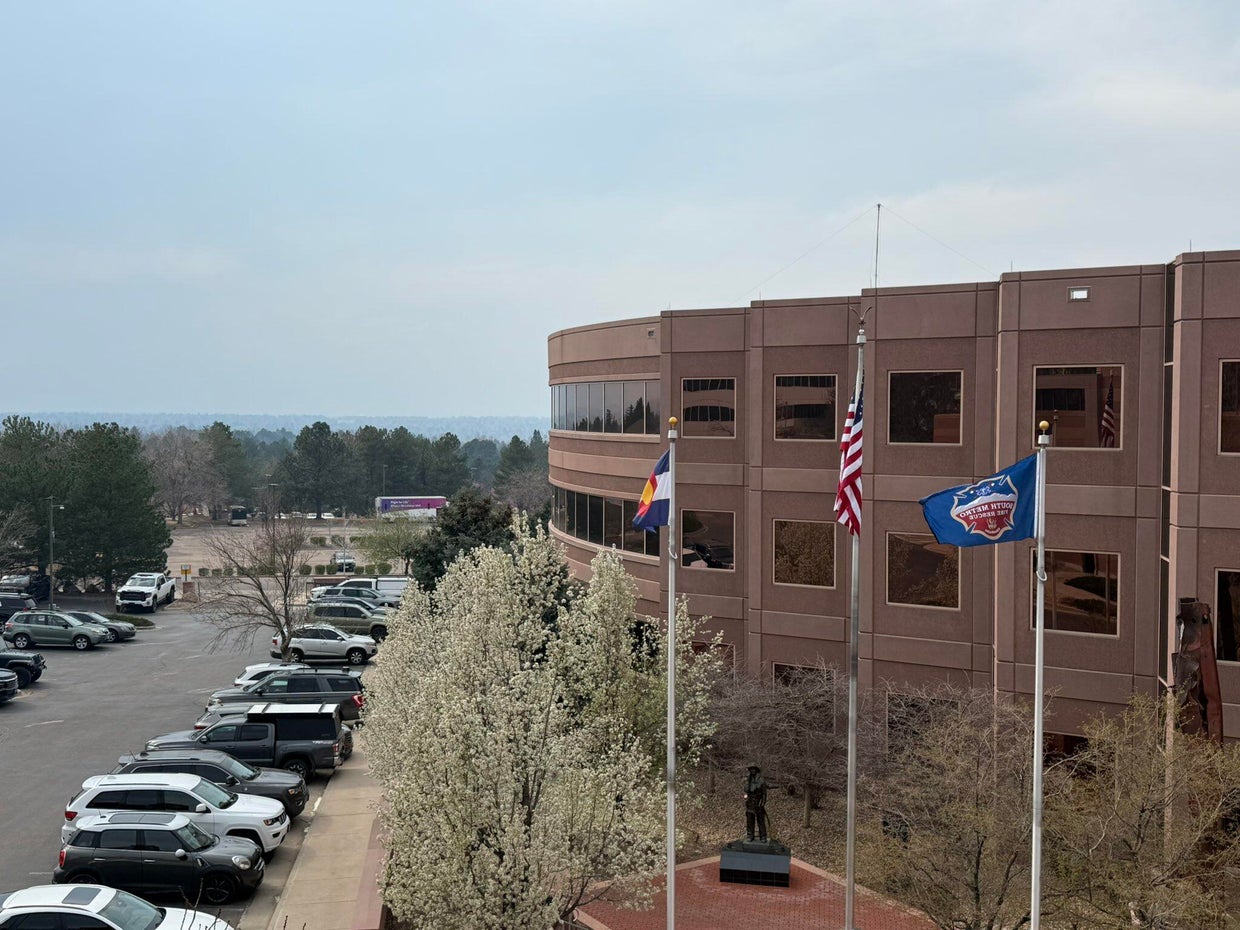
South Metro Fire Rescue said in their post that the smoke is from Colorado’s neighbor to the east. They called it a “significant haze” in the air.
Earlier this month, the Morrill Fire and the Cottonwood Fire burned a significant amount of Nebraska grassland and ranchland. They have mostly been contained by firefighters. Nebraska Gov. Jim Pillen said those two fires combined with several others have burned approximately 800,000 acres of land. On Thursday, Pillen announced that he is signing several executive actions intended to ease the burden caused by the fires.
There were no wildfires burning in the Denver metro area on Thursday afternoon.

ARAPAHOE COUNTY, Colo. (KKTV) – A homicide suspect based out of Colorado, wanted in a fentanyl-related death, is back in the state after being captured in Colombia.
The Arapahoe County Sheriff’s Office (ACSO) said 33-year-old Max Arsenault had been on the run since January 17.
Deputies said this stemmed from an incident in May 2023, where deputies responded to a call for a man named Nicholas Dorotik, who was found unresponsive.
ACSO said the cause of death was a mixed drug overdose involving meth and fentanyl, having about three times the lethal amount of fentanyl in his system.
One year later, Arsenault was arrested. He was scheduled for trial in January 2026 when deputies said he fled the country while on bond three days before the trial was set to start.
He was caught in Medellin, Colombia, on March 4, following a two-month international investigation. He has since been extradited back to Denver, where he is facing charges and awaiting trial.
Copyright 2026 KKTV. All rights reserved.


Showers and falling temperatures across Maryland Friday

Woman struck, fatally injured, while walking on the Lodge Freeway, state police say

Think you’re middle class in Massachusetts? Here’s the income range

Over 840,000 Minnesotans Assist Aging Loved Ones, Shaping Their Daily Lives

What channel is Mississippi State baseball vs Ole Miss on today? Time, TV schedule to watch college baseball game

Florida High School Football Rankings: Top 25 teams – Oct. 21

How old is Bo Nix? What to know about Oregon quarterback ahead of 2024 NFL Draft

Cleary's 21 help Le Moyne down Central Connecticut State 69-64 in OT

99th annual Pony Swim held in Virginia

Indiana Members Credit Union announced as new anchor tenant at Bottleworks District

Video: Will ICE Change Under Its New Leader?

DHS shutdown breakthrough comes at cost for Republicans as funding fights nears end

Rubio joins crucial G7 talks as Iran war set to dominate second day

A surprise resignation could open the door for an independent to win a Montana Senate seat

Video: Savannah Guthrie Says She Believes Her Mother Was Taken for Ransom
-

 Detroit, MI1 week ago
Drummer Brian Pastoria, longtime Detroit music advocate, dies at 68
-

 Science1 week ago
How a Melting Glacier in Antarctica Could Affect Tens of Millions Around the Globe
-

 Movie Reviews1 week ago
‘Youth’ Twitter review: Ken Karunaas impresses audiences; Suraj Venjaramoodu adds charm; music wins praise | – The Times of India
-
 Science1 week ago
I had to man up and get a mammogram
-

 Sports6 days ago
IOC addresses execution of 19-year-old Iranian wrestler Saleh Mohammadi
-

 New Mexico5 days ago
Clovis shooting leaves one dead, four injured
-
 Business1 week ago
Disney’s new CEO says his focus is on storytelling and creativity
-

 Texas1 week ago
How to buy Houston vs. Texas A&M 2026 March Madness tickets