California
I moved from Germany to the US for my career. The high cost of living in California shocked me, but it’s worth it to live here.

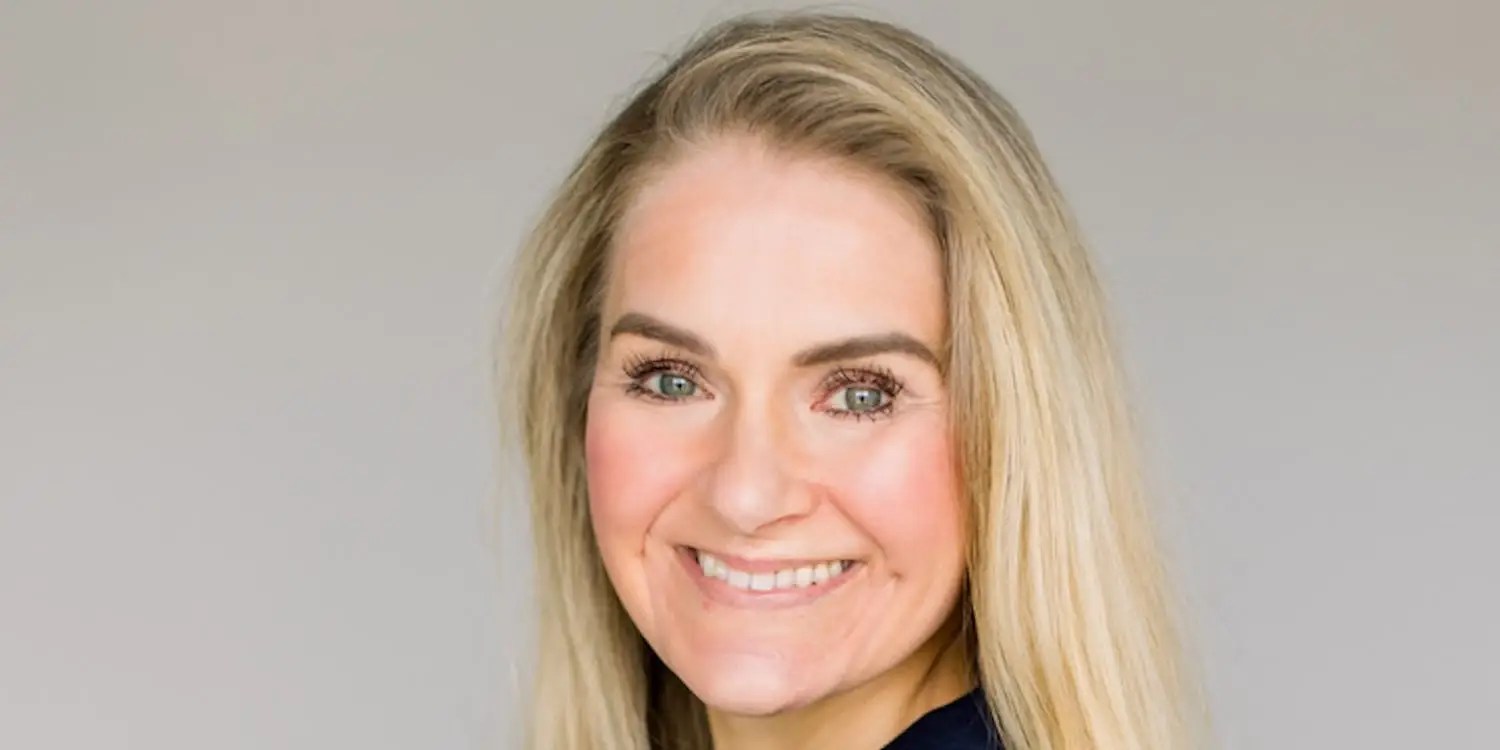
This as-told-to essay is based on a conversation with Christiane Schroeter, a 49-year-old professor of innovation and entrepreneurship and leadership strategist in San Luis Obispo, California. The following has been edited for length and clarity.
I moved from Limburg, Germany, to the US in 1999 as an exchange student for my M.S. degree before returning to Germany to complete additional graduate work. I returned to the US in 2001 as a Fulbright Scholar to pursue my Ph.D. at Purdue University.
After I earned my Ph.D. in 2005, I decided to build my career and my life in the US rather than return to Germany. I had met my husband during my graduate school years, and together we chose to put down roots on the West Coast.
I joined the faculty at Cal Poly in September 2007 and gave birth to my daughter in December of that year. I started a new job, pregnant, while moving across the country. Building a career and a family at the same time, far from my home country, shaped everything I came to understand about the real cost of relocating.
Today, I’m a leadership strategist, professor of innovation and entrepreneurship at Cal Poly, San Luis Obispo, author of several books about leadership, and a podcaster.
The new country feels last longer than you expect
I was 23 years old when I first moved to the US. I expected the obvious expenses, such as flights, paperwork, and the starter purchases you don’t think about until you need them.
What surprised me was how long the newness stayed expensive. Even when your income is objectively higher, fixed costs rise so quickly that it takes very little to feel financially stretched.
I spent hours learning basics I had taken for granted in Germany, like opening bank accounts, building credit from zero, and figuring out what to do when you’re asked for a Social Security number before you have one.
I also had to learn how rental contracts, deposits, phone plans, and transportation work in places where you need a car, including registration, insurance, and DMV requirements. Time becomes money fast when you’re studying, working, and trying to build a future at the same time.
In Germany, I knew how life worked. In the US, I had to rebuild that knowledge piece by piece.
Housing in California made me realize how quickly additional money gets absorbed
Many people underestimate how dramatically living in California can affect their budget.
For me, one of the highest unexpected monthly costs was the mortgage. Housing was not slightly more expensive. It became the financial anchor that shaped everything else. My husband and I had to make monthly decisions around that number.
Living in California was a genuine upgrade with bigger houses and bigger yards. California’s abundance of fresh produce, gorgeous weather, and proximity to the ocean fit my lifestyle better than Germany ever did. The cold, rainy days and a culture I never fully connected with were not the life I wanted.
I would honestly say I live in a “Goldilocks place.”
The cost of childcare changed how I thought about security
The hardest trade-off was realizing how expensive support can be when you live far from friends and family. After I delivered my first child, I faced the childcare scramble almost immediately. I remember touring childcare centers and wondering how families afford monthly costs for multiple children. I spoke with mothers who realized that their earnings would nearly match what they were paying for childcare.
At the same time, I was adjusting physically and emotionally to becoming a mother, and when you’re far from family, there’s no built-in safety net for the unpredictable moment, such as a sick day, a last-minute meeting, or an emergency.
I learned that many US families create a fragile patchwork of childcare and babysitting. If you have children, distance from family is not only emotional but also logistical. It can become one of your highest monthly costs, and one of your biggest mental loads.
On a lesser note, one bill shocked me: our cellphone bill. Our family plan with four phones, two watches, and two iPads is about $300. That may sound routine, but over a year, it feels like a luxury purchase hiding in plain sight.
Healthcare and benefits reshaped my definition of stability
Healthcare in the US introduced another layer of financial awareness. Even with insurance, you still have to pay premiums, deductibles, co-pays, navigate provider networks, and prepare for potential surprise costs.
I remember debating whether to schedule a specialist appointment because I wasn’t sure how much it would count toward our deductible. In Germany, that decision would have been straightforward. In the US, it required reviewing the provider network, estimating out-of-pocket costs, and preparing for an unexpected bill.
The upside is real, but so is the pressure
I built the life for which I came here. I built a stable academic career. I built a business. California became home.
In Germany, Sundays were true rest days. Life paused by design. In California, Sundays easily became catch-up days. I realized I had to intentionally create what I now call “Serenity Sunday.” It is my way of honoring the German philosophy of working to live while living in an American culture that often feels like living to work.
I don’t think I’d move back to Germany now. When I visit, I enjoy it more like a tourist looking in than a native who feels at home. For me, the cost of living in California is worth it, because what I’ve gained is hard to put on a spreadsheet: independence, a career I couldn’t have built anywhere else, and a family rooted in a place I chose.
The price is real, but so is the payoff.



A California bill would let insurers monitor customers’ driving data in exchange for discounted premiums.
Assemblymember Tina McKinnor, the author of AB 311, said the digital monitoring, known as telematics, rewards good driving and would improve safety. In real time, telematics technology would track data such as speed, location and how a vehicle is being driven.
“We have to slow people down,” McKinnor said. “That is the whole purpose for this bill, is driver safety.”
A voter-approved law from 1988, Prop 103, required insurance rates to be based mainly on driving record, miles driven and experience. It made California the only state in the country to prohibit telematics.
McKinnor believes the law is outdated. She argued that her bill would also help good drivers who pay higher rates because of where they live.
“Where I live definitely brings my insurance up,” McKinnor said. “If we both drive the same way, we’ll get charged the same way, instead of by our ZIP code.”
California’s Department of Insurance and consumer groups oppose the bill, citing privacy concerns.
“We can’t look behind the algorithm and see what weight it’s giving to different criteria, which is a big problem,” said Jamie Court, president of Consumer Watchdog. “Auto insurance, otherwise, is transparent. This is why the Department of Insurance is opposed, because of the lack of transparency in the algorithm.”
The proposed savings in exchange for good driving might not be guaranteed. Telematics data from the Maryland Insurance Administration showed that 31% of drivers who opted into the program saw a drop in rates, 24% saw an increase and 45% saw no change to their premiums.
“This collects an awful lot of data about people, more than they know, and it’s like having Big Brother in your back seat,” Court said.
McKinnor insisted that drivers will not be forced to enroll in the program.
“It’s still opt-in in the other 49 states,” she said. “We’re not going to make this mandatory. It’ll be a per-volunteer situation.”
McKinnor’s bill passed through the legislature’s insurance committee. It’s expected to be presented to the full Senate in August.

Huntington Beach police are vowing to prevent a potential “takeover” event being promoted across social media that they believe could get out of control.
Police said they became aware of the event from a flyer online advertising an “end of summer beach bash” in the city.
“Dear ‘Beach Bash’ organizers…” police said in an Instagram post Thursday. “Thanks for the flyer. We’ve seen it too.”
They continued, “We have no intention of allowing that to happen here.”
No further details were provided about when the event was planned to take place or the exact location.
Police and the city of Huntington Beach said they’re working to prevent the event following similar events in Southern California that resulted in violence, vandalism and other criminal activity.
One chaotic event that was held in Newport Beach on the Fourth of July ended with more than 400 people being arrested, according to police. Some partygoers were seen fist fighting, while others allegedly vandalized property and local businesses, including a Pavilions grocery store.
Newport Beach police said social media posts drew a large influx of people to Newport Pier in a short amount of time, and the event got out of control.
Huntington Beach PD warned that anyone who organizes, promotes or participates in criminal activity associated with a takeover event may be arrested or prosecuted. Charges may include incitement to riot, vandalism, theft, assault, reckless driving, unlawful assembly, conspiracy or other applicable offenses.
They also warned that juveniles would not be exempt from punishment, and parents or guardians may also be liable for damages caused by their child’s actions.
The HBPD Special Investigations Bureau has already identified individuals believed to be involved in organizing and promoting the event, according to police.
If you have information regarding this event, you are urged to contact Huntington PD’s Special Investigations Bureau at 714-536-5991.
California
Popular California Fast-Casual Chain Mendocino Farms Opens 100th Location in Santa Barbara – edhat

Santa Barbara has become home to a milestone location for a popular sandwich and salad chain.
Mendocino Farms has officially opened its doors at La Cumbre Plaza, marking the company’s 100th location.
Located at 3851 State Street, the restaurant is Mendocino Farms’ first location in Santa Barbara.
Announcing its new store in a social media post, Mendocino Farms said the restaurant offers chef-curated sandwiches and fresh salads using seasonal ingredients.
“Whether you’re fueling your next adventure or settling in for a sunny lunch with friends, we can’t wait to be part of your community. Here’s to our next chapter, together!” the business wrote on Instagram.
View this post on Instagram
The restaurant features a custom mural by local artist DJ Javier, as shared by Mendocino Farms in an Instagram post.
The store opened on June 30 and marked its first day with a host of activities to celebrate its launch.
The opening day featured a live DJ, activities such as ‘Rodeo Riviera’, a hat bar, live sandwich-making sessions with the chefs, and a postcard station.
The location is open daily between 10:30 a.m. and 9 p.m., according to its website.
Diners can enjoy a special summer menu along with the regular options of sandwiches and salads that Mendocino Farms is known for.
View this post on Instagram
In addition to its menu options, the restaurant also offers catering services with deliveries available from 10 a.m. onwards.
The space occupied by Mendocino Farms earlier housed Panera Bread, which closed in 2025, per the Restaurant Guy.
About Mendocino Farms
The Los Angeles-based fast-casual chain is known for its selection of freshly made sandwiches, salads, wraps, and soups.
Founded in 2005, Mendocino Farms offers classic as well as limited signature items.
The company opened its first location below the Museum of Contemporary Art in Los Angeles and has since expanded into a regional brand, according to the Restaurant Guy.
In addition to California, Mendocino Farms has locations in Arizona, Colorado, Illinois, Texas, and Washington, the company’s website shows.
The restaurants feature a rotating menu of items, along with a range of kids’ menu items that are served with a beverage and a choice of side.
Additionally, the chain offers a variety of dessert options, packaged chips, and packaged beverages.
The company is known for sourcing all its ingredients from ethical local farms and small producers.
All meat and poultry items served are antibiotic-free and humanely raised, while eggs are sourced from cage-free farms, according to its website. Fruits and vegetables are hand-picked, and bread is locally and freshly sourced.
The menu includes a range of items to accommodate all types of diets, such as flexitarian, vegan, and gluten-free.
-

 Fitness14 seconds ago
80-year-old fitness icon Joan MacDonald reveals her simple exercise for a stronger, more stable core
-

 Movie Reviews12 minutes ago
‘Gail Daughtry and the Celebrity Sex Pass’ Review: We’re Off to Hump the Wizard
-

 World20 minutes ago
Backlash on ethanol-blend fuel intensifies in India, puts carmakers in the dock
-
Politics30 minutes ago
Crews Drape Tarp Over White House in Latest Trump Restoration
-

 Health45 minutes ago
GLP-1 Users’ Guide to Protein Snacks: Here’s What a Dietitian Actually Recommends
-
 Lifestyle1 hour ago
‘The Invite’ is a marriage comedy with sex and heart
-

 Technology1 hour ago
I spent a week using the Trump phone — it sucks
-

 World1 hour ago
With US unleashing attacks, Iranian official threatens that the Islamic Republic will deliver a ‘hard slap’

