Alaska
Celebrating Aviation Maintenance Technician Day: Honoring the unsung heroes of Alaska Airlines – Alaska Airlines News


Today, we take a moment to celebrate a group of dedicated professionals whose expertise and commitment ensure the safety, reliability and excellence of our fleet. On Aviation Maintenance Technician Day (or AMT Day), we honor the incredible work of maintenance technicians at Alaska and Horizon Air—our unsung heroes who work tirelessly behind the scenes to keep us flying high.
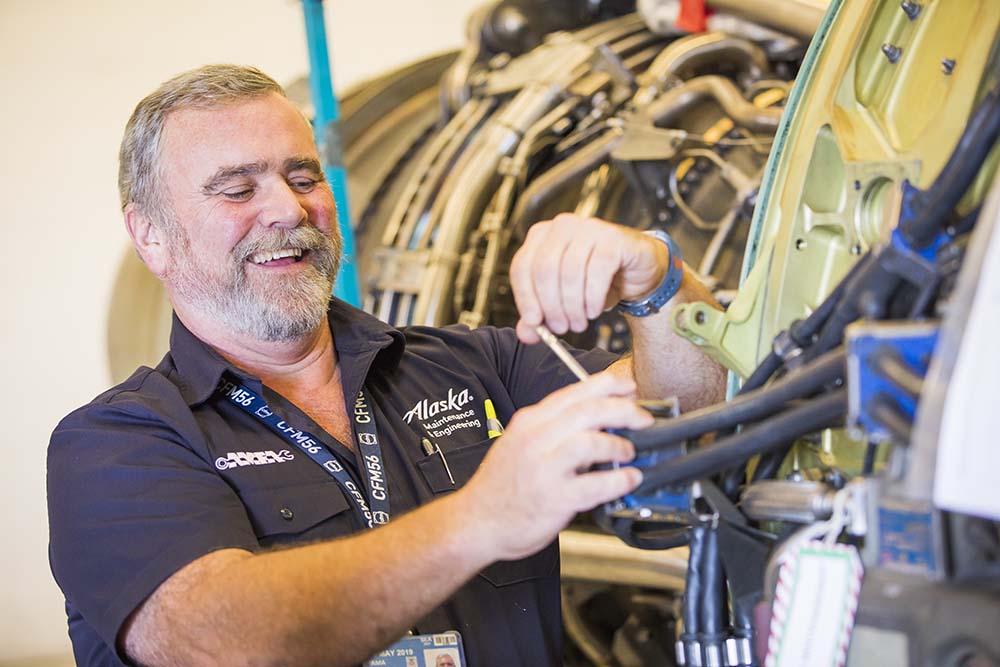


Running a safe operation
Our maintenance technicians are essential to every flight, every day. Whether they are performing pre-flight inspections, troubleshooting technical issues, or carrying out regular heavy maintenance checks, their work allows us to fly safe and continue delivering exceptional service to our guests.


In addition to ensuring every aircraft is fit to fly each day, we remain extremely grateful to our skilled Maintenance and Engineering team that shouldered the inspection work of our 737-9 MAX aircraft earlier this year and safely returned the planes to service.
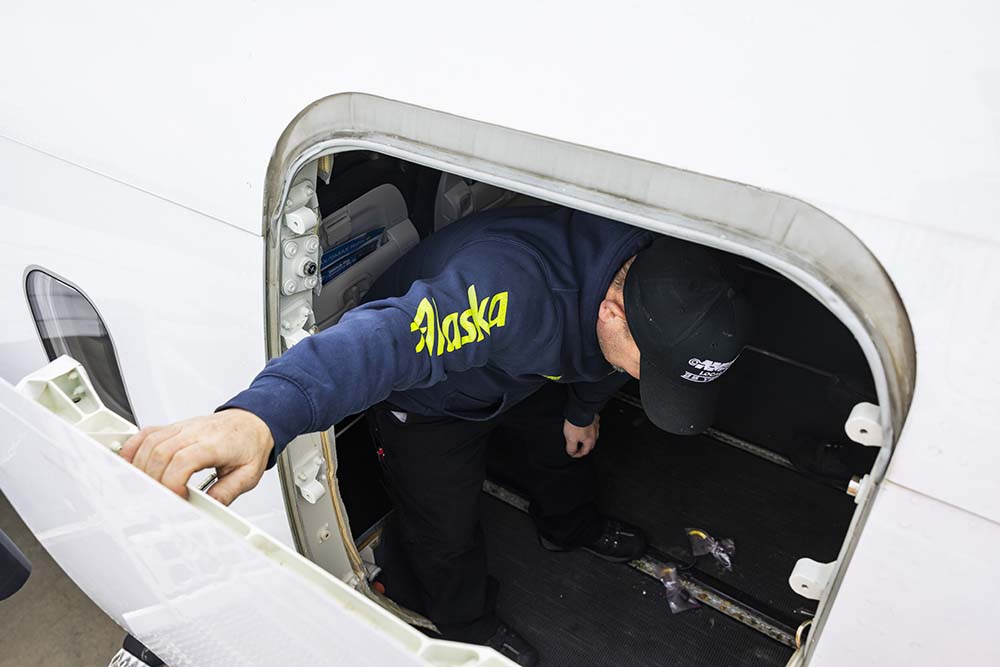
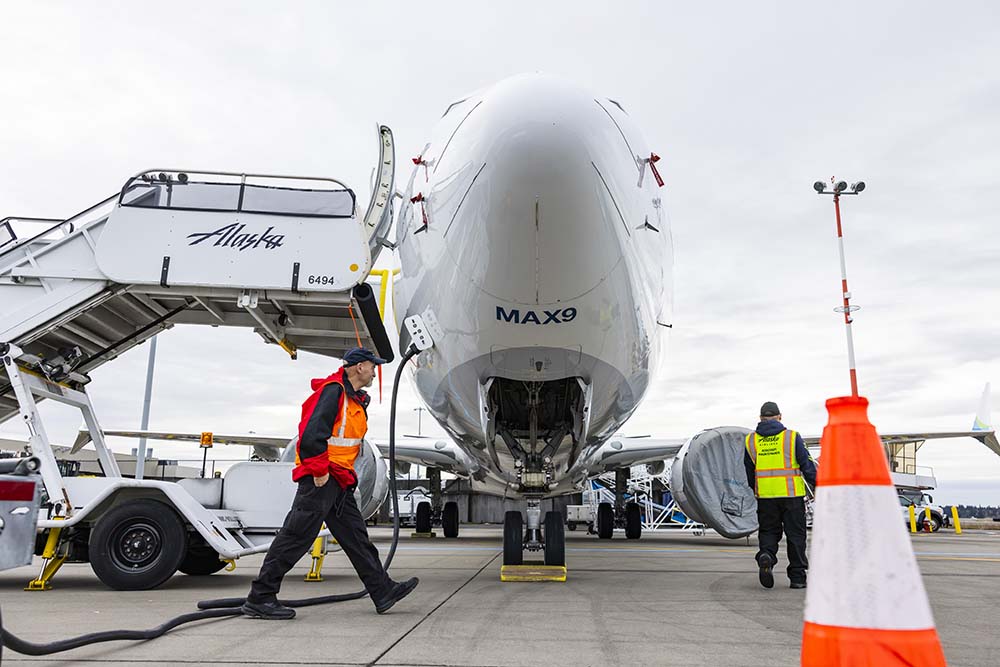
This year, we recognized the careers of some Maintenance and Engineering employees, naming them “Alaska Legends” and “Horizon Pathfinders,” our top honors for those with storied careers of always looking up, pushing higher, putting others first, and representing the very best of us.

Randy Ahrens
Line Aircraft Technician, ANC
Alaska Airlines Legend ’24
“I feel honored, there’s some super good mechanics here. It’s interesting work, you learn something new every day, it’s never boring,“ said Ahrens. “I enjoy the challenge, it’s a lot of satisfaction when it actually works, and it’s all done correctly.”
“Randy’s always positive, no matter what the job is, it doesn’t matter if it’s 40 degrees below up in Purdue Bay or working inside the hangar, he’s always happy and willing to work. We appreciate his skill and caring-ness,” said David Boyce, manager line Maintenance.

Mark Williams
Director Material Ops Support
Alaska Airlines Legend ’24
“I take a great deal of pride in how we do our job and how we make sure we’re helping out the airline,” said Williams.
“Mark makes an impact every day,” says Alex Gorinsky, managing director of M&S ACSC Material Management. “Early before most people are even up, he is digging into problems and finds solutions. He has an uncanny ability to remember everything that he has worked on in the past several years—he remembers part numbers, unique situations, problems that he’s solved, solutions that he’s come up with and he guides his team through these things and is always there for them.”

Nejib (Ben) Oueslati
Lead Technician, SEA
Horizon Air Pathfinder ’23
“I work with a small group of mechanics in Seattle,” said Oueslati. “We have a good team here. We are like a family. Everybody steps up to help each other with one thing in mind: Return the airplane to service and get the job as safe as we can.”
“Ben is an outstanding technician,” said Dale Sanderson, maintenance supervisor. “Ben is always willing to go the extra mile, do anything that needs to be done.”

Tim Weigand
Sr. Service Engineer, PDX
Horizon Air Pathfinder ’23
“We have to make the right decisions—what really gets me fired up is finding challenges and finding those things where it could be something big but getting it fixed fast,” said Weigand.
“I’ve been doing this a long time and I have a lot of respect for those guys who’ve also helped and mentored me and I just want to keep that moving and going on,” said Weigand.
Unmatched skill and innovation
When you take a maintenance technician job at Alaska or Horizon Air, you are joining a legacy of mechanic excellence. For 22 consecutive years, Alaska Airlines Maintenance and Engineering Division have received the Diamond Certificate of Excellence from the Federal Aviation Administration (FAA), an award that recognizes an organization’s commitment to aviation maintenance training and safety. This prestigious certificate is part of the FAA’s Aviation Maintenance Technician (AMT) Awards Program, which encourages aviation maintenance technicians and their employers to participate in ongoing training and professional development.


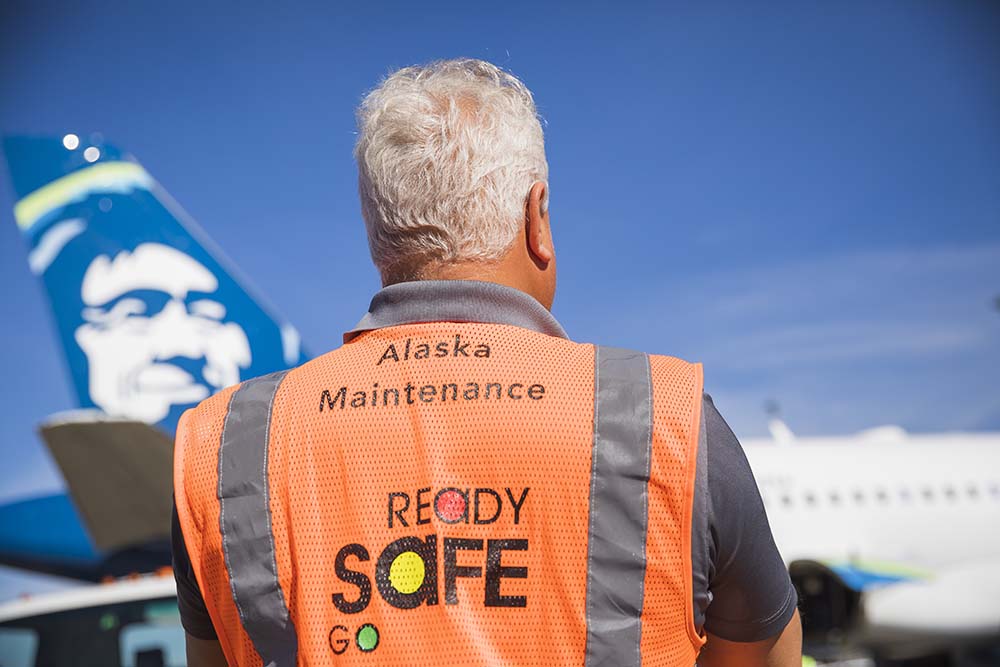
Horizon Air’s Maintenance and Engineering Division were also awarded their 20th Diamond Certificate of Excellence from the FAA in recognition of its training efforts in 2020 and achieved a 100% participation rate by its aircraft maintenance technicians in the AAMT awards program.
The Maintenance and Engineering Division with Alaska Airlines utilizes that latest aircraft maintenance technology, giving each mechanic convenient access to the information that keeps us flying safely. Our Maintenance and Engineering Division has been recognized for:
- On-time performance
- Customer satisfaction
- Fuel efficiency and green initiatives
- Our maintenance training programs
- Our focus on veteran and military employment, proudly supporting veterans from all branches, including the U.S. Air Force and the Marine Corps
- One of Forbes Top 100 Employers
The path to becoming an aviation maintenance technician is one of rigorous training, continuous learning, and unyielding commitment. Our technicians undergo extensive education and certification processes, ensuring they are equipped with the latest knowledge and skills. Their dedication to staying updated with advancements in aviation technology demonstrates their commitment to excellence.

Click to enlarge our Line Maintenance Stations (above)
 100vw, 1000px”></figure>
</div>
<div class=)
Become an Aircraft Technician with our Training Programs
If you’re looking to launch into an aircraft technician job, our Maintenance Programs can get you started. Our portfolio of career programs will help your aviation maintenance career rise to the next level. Aspiring aircraft technicians who enroll in the Horizon Maintenance Technician Development Program will receive a stipend, mentorship and more!
Related



The 2026 Alaska high school girls basketball state championships begin this week, and High School On SI has brackets for all four classifications.
The brackets will be updated with scores and matchups throughout the week.
All four classifications will play their state championship games at Alaska Airlines Center in Anchorage.
The 1A and 2A championships run March 11-14. Classes 3A and 4A play the following week, March 18-21.
Alaska High School Girls Basketball 2026 State Championship Brackets, Matchups, Schedule – March 10
3/11 – Shaktoolik (1) vs. Arlicaq (16)
3/11 – Kake (8) vs. Tri-Valley (9)
3/11 – Fort Yukon (4) vs. Andreafski (13)
3/11 – Sand Point (5) vs. Napaaqutgmiut (12)
3/11 – Scammon Bay (2) vs. Nunamiut (15)
3/11 – Akiuk Memorial (7) vs. Newhalen (10)
3/11 – Davis-Romoth (3) vs. Cook Inlet Academy (14)
3/11 – Hoonah (6) vs. Shishmaref (11)
3/12 – Seward (1) vs. Chevak (8)
3/12 – Metlakatla (4) vs. Cordova (5)
3/12 – Craig (2) vs. Susitna Valley (7)
3/12 – Glennallen (3) vs. Degnan (6)
3/18 – Barrow (1) vs. Kotzebue (8)
3/18 – Grace Christian (4) vs. Galena (5)
3/18 – Monroe Catholic (2) vs. Delta (7)
3/18 – Mt. Edgecumbe (3) vs. Kenai Central (6)
3/18 – Mountain City Christian Academy (1) vs. North Pole (8)
3/18 – Colony (4) vs. West (5)
3/18 – Bartlett (2) vs. Juneau-Douglas (7)
3/18 – Wasilla (3) vs. Service (6)
More Coverage from High School On SI

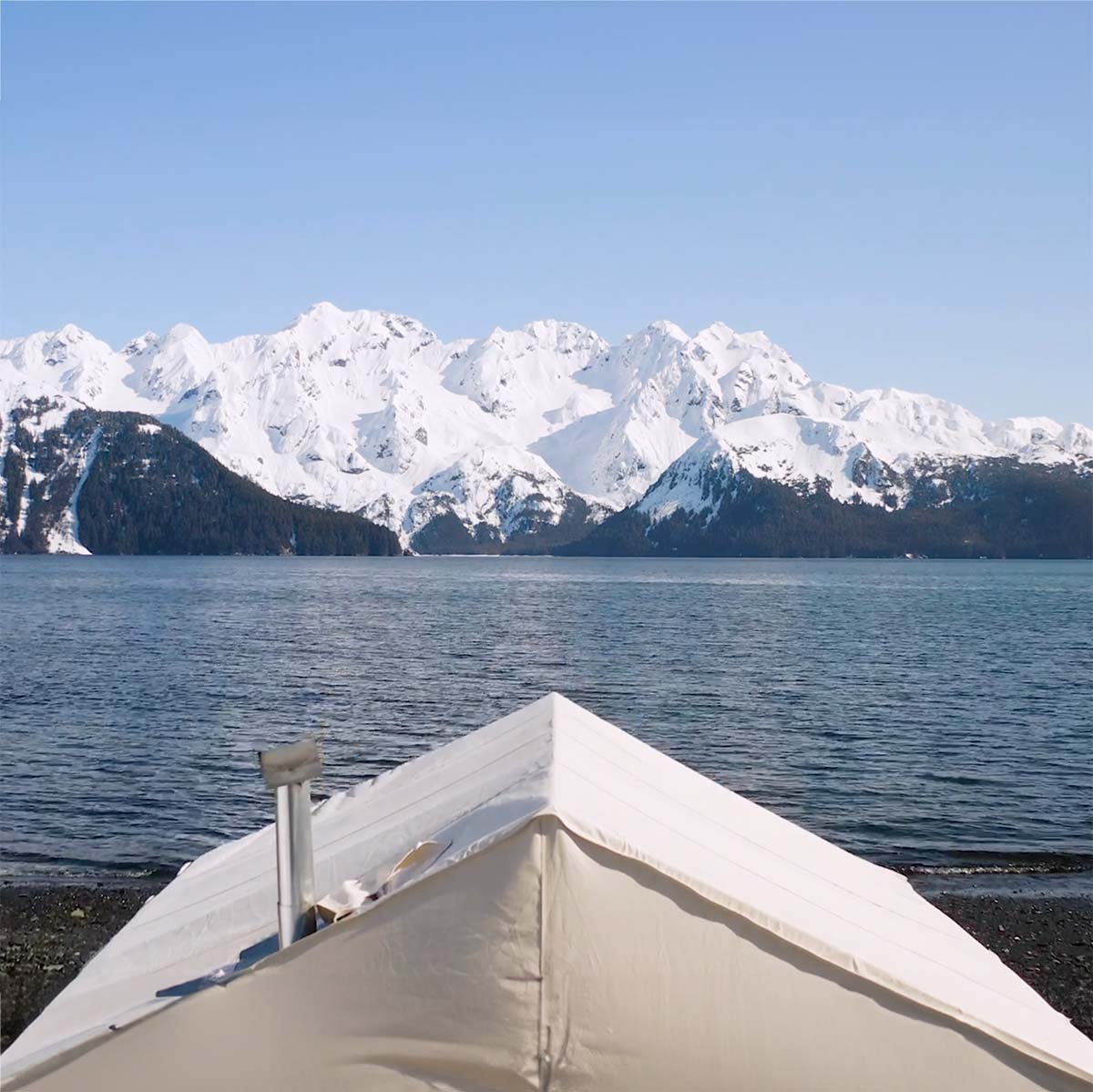
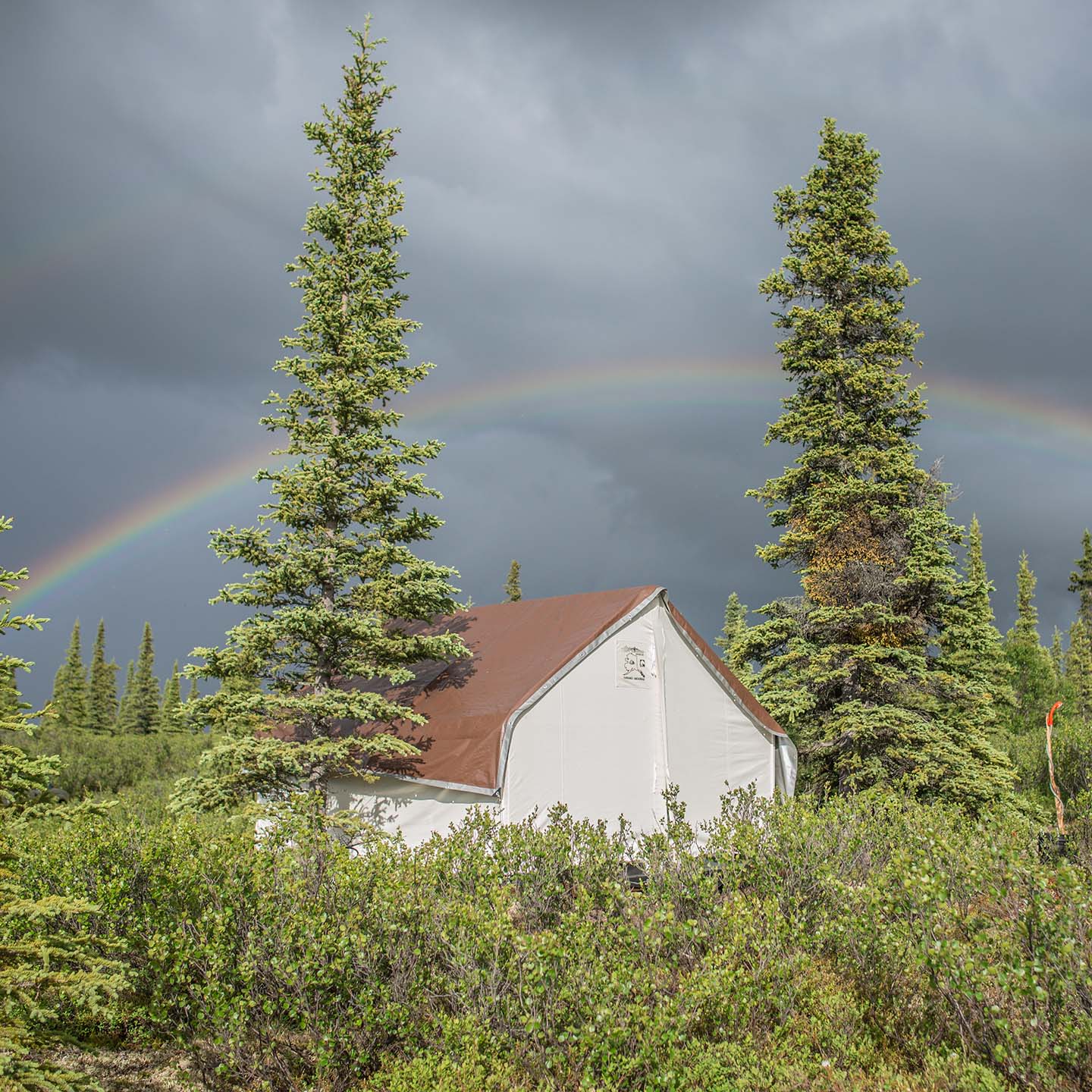
This is the Alaska Wall Tent by the Alaska Gear Company, each one is made in the United States from Sunforger 13oz DLX, a double-filled, pre-shrunk, marine-grade canvas ideal for longterm outdoor use.
The Alaska Wall Tent comes in an array of sizes and versions, allowing you to choose the one that best suits your individual use-case. They’re all individually made in Alaska, and perhaps even more importantly, they’re all tested extensively to be able to handle local conditions.
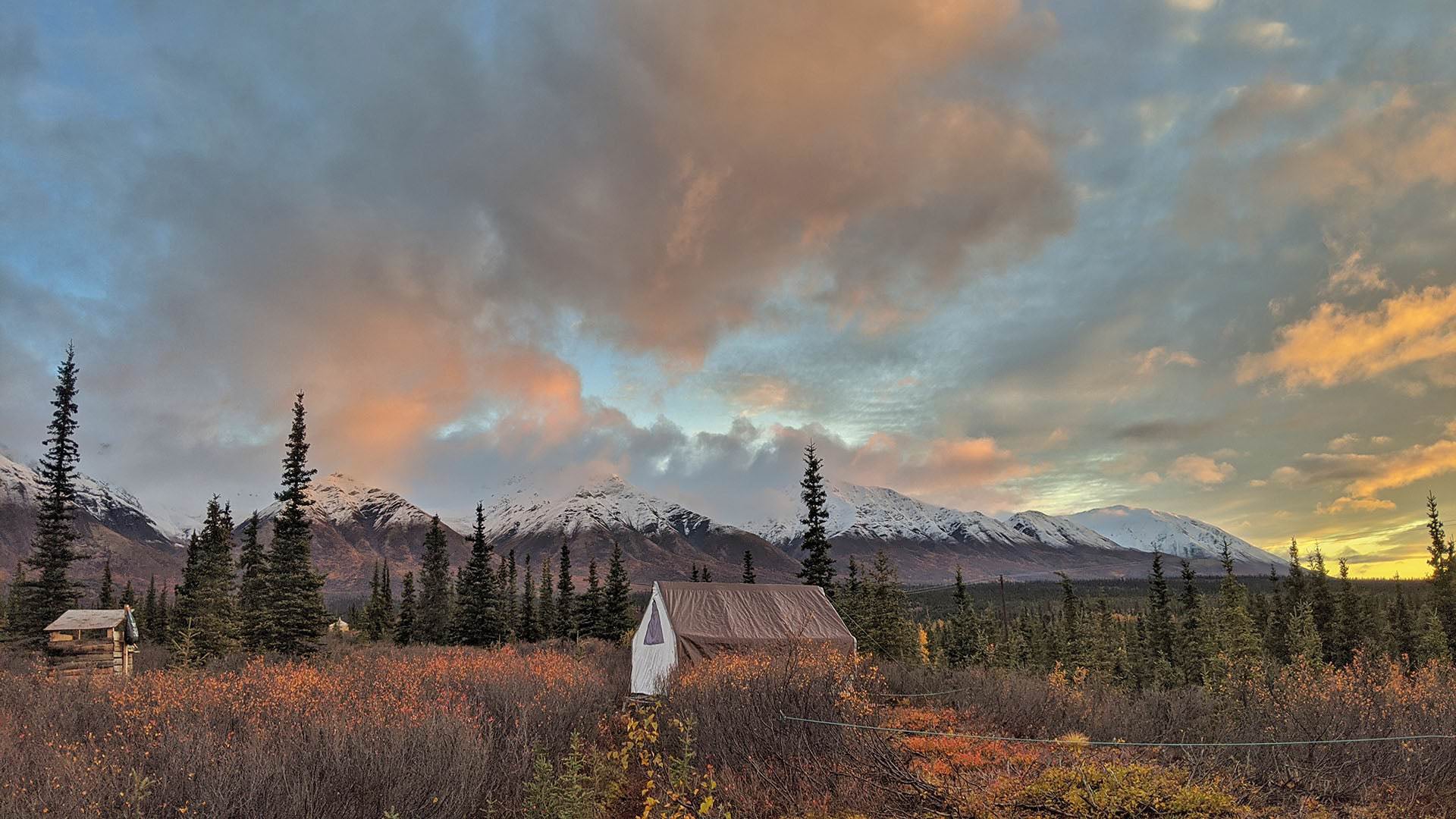
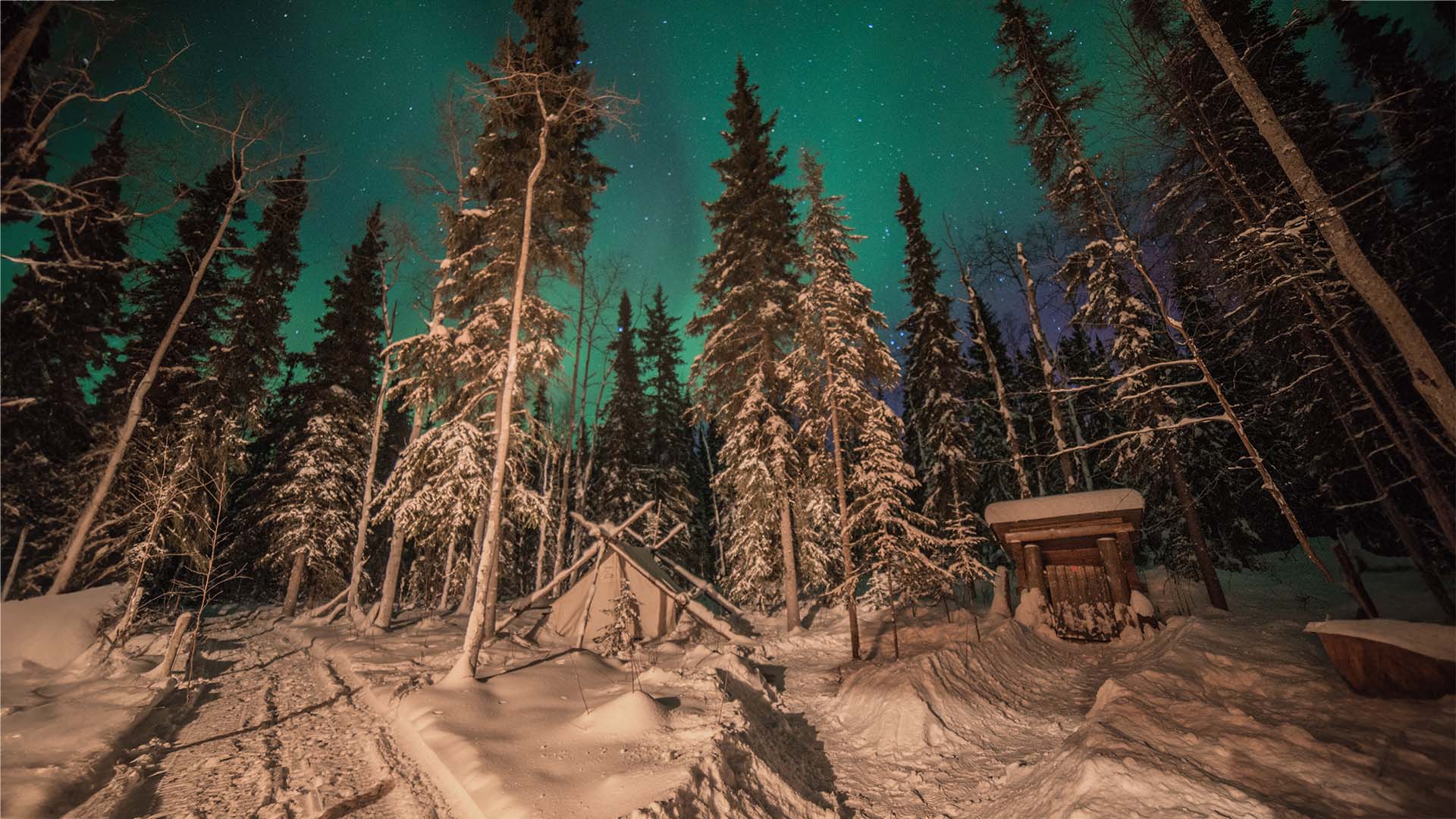
 This is the Alaska Wall Tent by the Alaska Gear Company, each one is made in the United States from Sunforger 13oz DLX, a double-filled, pre-shrunk, marine-grade canvas ideal for longterm outdoor use.
History Speedrun: The Alaska Gear Company
The Alaska Gear Company was formerly known as Airframes Alaska, it’s an aviation and outdoor equipment supplier and manufacturer headquartered in Palmer, Alaska. The company is led by majority owner Sean McLaughlin, who bought the original bush airplane parts business when it had just two employees and $100,000 in annual revenue. McLaughlin has since grown it to approximately 100 employees and $20 million in annual sales.
The company can trace its early roots to a licensed maker of Piper PA-18 Super Cub fuselages at Birchwood Airport. Through a series of acquisitions, including Reeve Air Motive (an aircraft parts retailer operating out of Anchorage’s Merrill Field since 1950, Alaska Tent & Tarp, and Northern Sled Works, the company grew well beyond aviation into outdoor recreation and cold-weather gear.
That diversification ultimately drove the rebrand from Airframes Alaska to Alaska Gear Company in late 2023, as the old name no longer conveyed the full scope of what the company produces and sells.
The Alaska Gear Company now operates out of three locations – a 100,000 square foot manufacturing facility in Palmer, a production facility in Fairbanks, and a retail store with an in-house sewing workshop at Merrill Field in Anchorage.
Its product lines span two major categories. On the aviation side, the company is best known for its hand-built Alaskan Bushwheel tundra tires, FAA-approved titanium landing gear, Super Cub fuselage modifications, and a wide range of bush plane parts. On the outdoor side, it manufactures Arctic Oven hot tents, canvas wall tents, custom freight and pulk sleds, and a modernized version of the iconic military bunny boot designed for extreme cold weather conditions.
More recently in 2024, the Alaska Gear Company was named “Made in Alaska Manufacturer of the Year” by the Alaska Department of Commerce.
The Alaska Wall Tent By The Alaska Gear Company
The Alaska Canvas Wall Tent is a handmade-in-Alaska canvas tent made from 13oz Sunforger DLX double-filled, preshrunk, marine-grade cotton canvas that’s treated to resist fire, water, and mildew while still remaining breathable.
It comes in four sizes, including 8×10, 10×12, 12×14, and 14×16 feet, all with 5-foot wall heights, and it’s available either unframed (starting at $1,295) or with a frame (starting at $2,300). The unframed version can be constructed in the field using lengths of wood sourced from the area, reducing the initial pack weight – this is crucial for trips into the wilderness by bush plane where every pound of weight is critical.


It comes in four sizes, including 8×10, 10×12, 12×14, and 14×16 feet, all with 5-foot wall heights, and it’s available either unframed (starting at $1,295) or with a frame (starting at $2,300). The unframed version can be constructed in the field using lengths of wood sourced from the area, reducing the initial pack weight – this is crucial for trips into the wilderness by bush plane where every pound of weight is critical.
All tents include a 4.5 inch oval stove jack for use with wood or propane stoves, as well as a 56 inch triangular rear window with insect screening, an 18oz vinyl sod cloth around the base to block drafts and moisture, ridgepole openings at both ends, rope-reinforced eaves, brass grommets, overlapping door flaps with ties, a heavy-duty zippered door, and 100 feet of sisal rope for tie-downs.
The tents are now available to buy direct from the Alaska Gear Company here, and at the time of writing they have stock ready to ship out immediately.
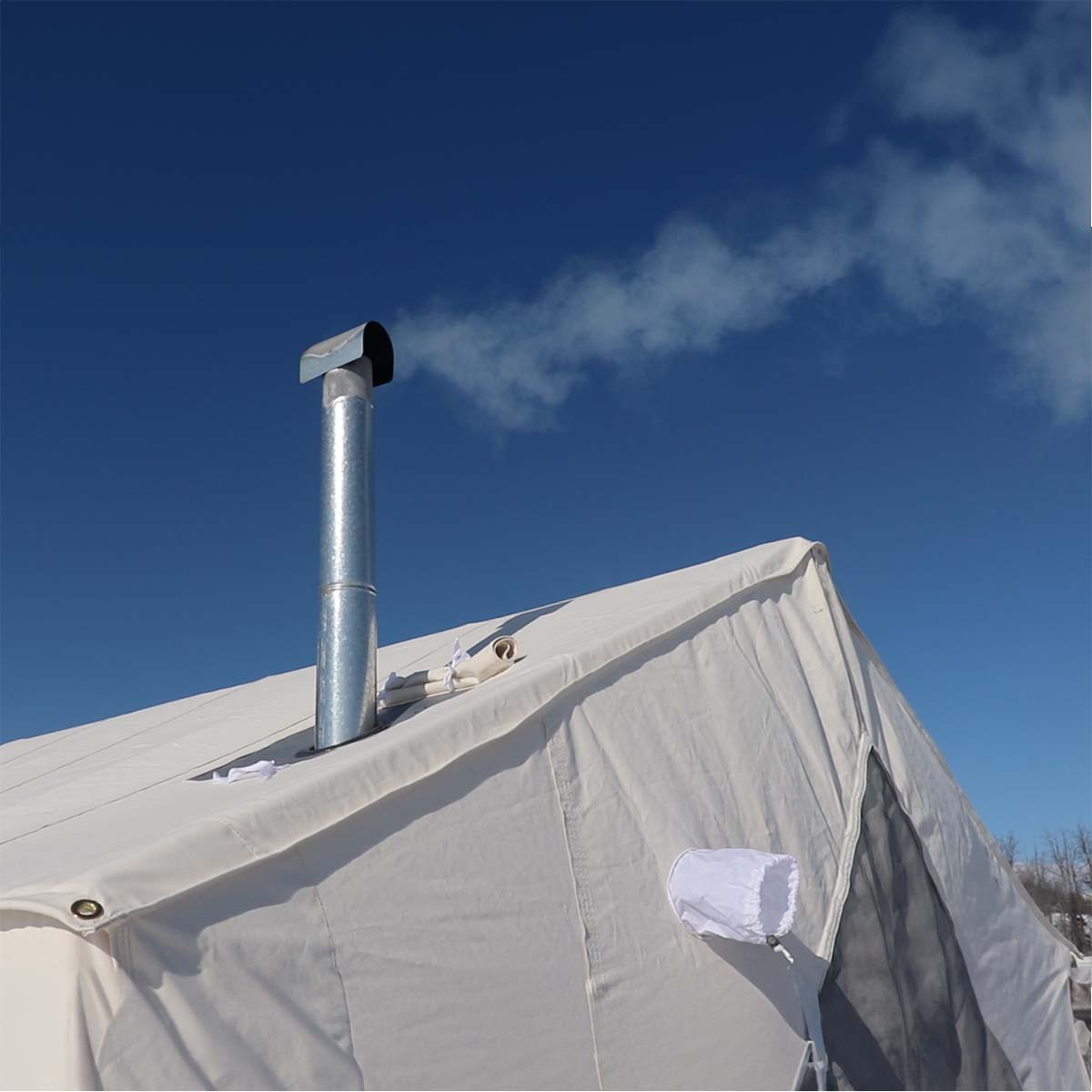
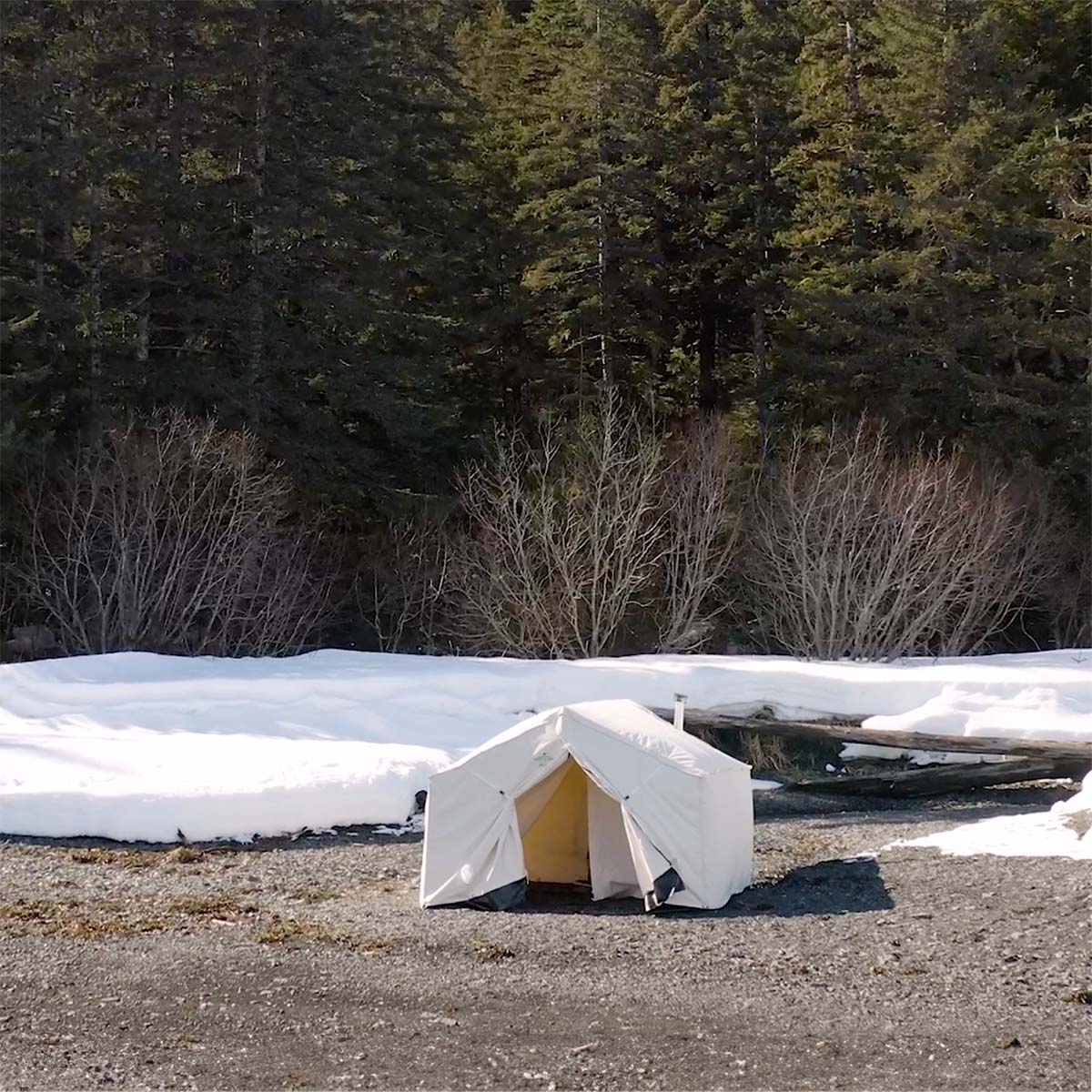
Images courtesy of the Alaska Gear Company
Articles that Ben Branch has written have been covered on CNN, Popular Mechanics, Smithsonian Magazine, Road & Track Magazine, the official Pinterest blog, the official eBay Motors blog, BuzzFeed, Autoweek Magazine, Wired Magazine, Autoblog, Gear Patrol, Jalopnik, The Verge, and many more.
Silodrome was founded by Ben back in 2010, in the years since the site has grown to become a world leader in the alternative and vintage motoring sector, with well over a million monthly readers from around the world and many hundreds of thousands of followers on social media.

The St. Elias Mountains in southeast Alaska are dotted with over 100 lakes where glaciers crumble into milky, turquoise water. Those lakes are expanding at an ever-quickening pace.
The lakes will quadruple in size over the next century or two, scientists report March 9 in the Proceedings of the National Academy of Sciences. This growth will transform landscapes, create new salmon habitat and may even change the course of a major river.
“We are seeing the great age of ice retreat” in Alaska, says Daniel McGrath, a glaciologist at Colorado State University in Fort Collins. “These glaciers are just peeling back from the landscape,” revealing deep grooves they carved in the Earth, where lakes are now forming.
Glacial hydrologist Eran Hood of the University of Alaska Southeast in Juneau, who was not part of the study, adds that “understanding where these lakes are going to emerge is important” because it “changes the whole nature of the downstream ecosystem.”
Hugging the coastline along the Alaska-Canada border, the tiny mountainous region that includes the St. Elias Mountains is losing 60 cubic kilometers of ice per year. Because lakes absorb solar heat, the glaciers that shed ice into lakes are shrinking faster than those that terminate on dry land. Across southeast Alaska, these lakes attached to glaciers have expanded by 60 percent since 1986, reaching a combined area of 1,300 square kilometers.
McGrath and his colleagues wondered how far this runaway expansion might go. So, they combined satellite images with estimates of ice thickness — mapping deeply eroded grooves that are still hidden under glaciers.
The results were “eye-opening,” McGrath says. The team identified 4,200 square kilometers of glacier-covered grooves adjacent to existing lakes.
He and his colleagues predict that the lakes will continue to expand — causing rapid ice retreat — until they fill those grooves, reaching a combined size of around 5,500 square kilometers, an area the size of Delaware.
“By the end of this century, all of these lakes will probably be more or less fully developed,” says study coauthor Louis Sass III, a glaciologist with the U.S. Geological Survey at the Alaska Science Center in Anchorage. But those growing lakes are already reshaping entire landscapes in a way that is often overlooked in public discourse around glacier retreat.
Many of Alaska’s glaciers terminate on dry land, and their meltwater often creates barren, rocky floodplains downstream, where the streams alternate between trickles and floods — constantly branching and shifting course as they lay down sediment released by the glacier.
“Those habitats are fairly inhospitable for a lot of fish,” including some salmon, says Jonathan Moore, an aquatic ecologist with Simon Fraser University in Burnaby, Canada. The water is too cold, and fish eggs “get swept out or buried by the floods every year.”
But as glaciers retreat into lakes and those lakes expand, their meltwater has time to drop its sediment and warm a few degrees in the lake before spilling into a river. Rivers that carry less sediment are less prone to shifting channels.
A 2025 study by Moore and remote sensing scientist Diane Whited of the University of Montana found that as glacial lakes expanded over 38 years in southeast Alaska, the downstream river channels stabilized, allowing willows and bushes to spread across floodplains.
“It creates salmon habitat,” Hood says. A 2021 study by Moore and Hood predicted that by 2100, glacial retreat in southeast Alaska will transform 6,000 kilometers of river channels into decent habitat for some local species of salmon. The lakes themselves will create spawning grounds for sockeye salmon — an important commercial species.
But these changes will come with upheaval.
For instance, one major river, the Alsek, will probably shift its course as retreating glaciers cause two lakes to merge, providing an easier path to the ocean.
People in Juneau are feeling another dramatic effect of expanding lakes. At least once per year, a lake dammed by the nearby Mendenhall Glacier spills out in a flash flood that gushes through town, forcing some residents to build protective levees around their homes.
These ecosystems “are going to be transformed,” Moore says. “But that transformation is going to be pretty violent and pretty dangerous.”
Source link

Cleveland Cavaliers Creating Space Outside Arena to Honor 2016 Championship Team

3 Top Texas Longhorn Recruiting Targets Were Blown Away By Their Visits to Austin

What to know about the Alabama man granted clemency two days before his execution

Alaska High School Girls Basketball 2026 ASAA State Championship Brackets – March 10

WATCH: How Helping One Woman provides hope and support with ‘Girl’s Night Out’

Florida High School Football Rankings: Top 25 teams – Oct. 21

Cleary's 21 help Le Moyne down Central Connecticut State 69-64 in OT

How old is Bo Nix? What to know about Oregon quarterback ahead of 2024 NFL Draft

99th annual Pony Swim held in Virginia

Indiana Members Credit Union announced as new anchor tenant at Bottleworks District

Map: 2.3-Magnitude Earthquake Reported North of New York City

Trump stirs GOP primary drama with visit to Massie’s Kentucky home turf

Israeli air strike targets building in south Lebanon

Ed Martin, outspoken Justice Department lawyer, is formally accused of ethical violations | CNN Politics

Trump reveals top issues GOP should focus on to secure midterms victory: ‘I’ve never been more confident’
-

 Wisconsin1 week ago
Setting sail on iceboats across a frozen lake in Wisconsin
-

 Massachusetts1 week ago
Massachusetts man awaits word from family in Iran after attacks
-

 Maryland1 week ago
AM showers Sunday in Maryland
-

 Pennsylvania5 days ago
Pa. man found guilty of raping teen girl who he took to Mexico
-

 Florida1 week ago
Florida man rescued after being stuck in shoulder-deep mud for days
-

 Detroit, MI5 days ago
U.S. Postal Service could run out of money within a year
-

 Miami, FL6 days ago
City of Miami celebrates reopening of Flagler Street as part of beautification project
-

 Sports6 days ago
Keith Olbermann under fire for calling Lou Holtz a ‘scumbag’ after legendary coach’s death