Year in and year out, most of the blood glucose tech you see at CES are devices that may not come out for years, if ever. That’s why it was refreshing to see Dexcom roll up to CES 2024 to talk about something a bit more tangible: its forthcoming Stelo continuous glucose monitor (CGM), a wearable sensor that provides a real-time look at your blood sugar levels. Unlike most CGMs, the Stelo is specifically designed to be an affordable option for Type 2 diabetics who don’t use insulin.
Technology
Dexcom’s new continuous glucose monitor is a health tech gadget with purpose

/cdn.vox-cdn.com/uploads/chorus_asset/file/25218680/IMG_3069.jpg?ssl=1 "Dexcom’s new continuous glucose monitor is a health tech gadget with purpose")
Unlike Type 1 diabetes, where a person produces little to no insulin, Type 2 diabetes is when, over time, the body either doesn’t produce enough insulin or the body becomes insulin resistant. Roughly 90 to 95 percent of all diagnosed diabetics have Type 2. However, if they control their glucose levels through oral medication rather than inject insulin, they usually don’t have access to CGM devices.
“The way CGMs work in the US is that coverage is pretty good if you take insulin, and that’s about a third of people with Type 2 diabetes,” says Dexcom COO Jake Leach. “But there’s this large portion of about 25 million people who don’t have insurance coverage for CGMs and there really hasn’t been a product designed for them.”
According to Leach, the Stelo is based on Dexcom’s existing G7 CGM platform and will last for about 15 days per sensor. However, instead of a system that centers around low blood sugar alerts — which is most useful for those who use insulin — the Stelo app is meant to provide insights around real-time readings. In other words, this isn’t a device meant to save lives, but rather improve them.
For example, Leach says, the hope is that through using Stelo, Type 2 diabetics who don’t regularly check their blood sugar with finger prick tests can come away with a greater understanding of what their normal average blood glucose range looks like, and what to do with that data. For example, they might learn that pairing white rice with chicken and vegetables at dinner leads to a lower spike than rice eaten alone. Or that the same foods eaten earlier in the night result in a less intense glucose response. Ideally, that would empower them to make smarter choices day to day between doctor visits.
It’s similar to pitches from other CGM startups that tout using these devices for athletes or the uber health conscious. But while Leach sees the opportunities for CGMs for non-diabetics, he says Dexcom is choosing to stay focused on expanding use cases for those with diabetes.
“Everyone who has a CGM that I’ve talked to learns something about their diet that they didn’t know that was unexpected,” says Leach. “CGMs are tools that can help you understand, but in order for them to be successful in helping people, it’s got to be properly designed for that group.”
Leach has a point. Last year, I tested the Nutrisense CGM, and while I definitely learned things about myself, there wasn’t a reason for me, a non-diabetic, to keep wearing one long term. Meanwhile, blood glucose tech at CES can be a wild, directionless hodgepodge. When trawling the show floor, not everyone has a good answer when I ask about regulatory clearance, timelines, who exactly this tech is meant to help, and what problems they’re trying to solve.
That’s why it’s exciting to see that Stelo has a much clearer mission statement. Dexcom is a medical device company with experience bringing this sort of tech to the market and with working with the FDA. Leach tells me that focusing on software over the last few years allows Dexcom to push frequent updates to address user feedback and needs. Right now, the Dexcom G6 and G7 connect with over 100 digital apps and Leach says the plan is make sure Stelo also has a full ecosystem available.
But the cherry on top is a commitment to accessibility. Leach didn’t give me a final price — partly because the product is not yet available, but also because insurance makes it impossible to definitively say how much anything will cost. According to Leach, most Dexcom customers pay less than $40 if their insurance covers CGMs. Medicare patients pay around $50 monthly, while a third are lucky enough to pay nothing at all. If you’re not covered, however, Dexcom CGMs can cost around $173 a month out of pocket. The Stelo is intended to come at a more competitive price for people who have to pay out of pocket.
The Stelo CGM is currently going through the FDA clearance process, with plans to launch this summer. It’s not a given that Type 2 diabetics will immediately glom onto CGMs as a form of treatment. And while Leach says physicians he’s spoken to are in favor of this tech for Type 2 diabetics, we still have to see how the medical community will incorporate this. (Wearable data, for example, isn’t always helpful to doctors.) But even so, the potential of positively impacting millions of underserved people is a noble endeavor. That’s the sort of innovative spirit you want to see at CES.

Continue Reading

Erick the Architect is a founding member of, and the primary producer for, the legendary Flatbush Zombies. He’s toured the world, performed on Kimmel and Fallon, played Coachella, and collaborated with everyone from Joey Bada$$ and the Rza to James Blake and hardcore punk band Trash Talk. But perhaps the most unexpected collab was with Apple, when Erick popped up following Tim Cook’s final WWDC presentation to rap about apps. That was just a precursor to him dropping his new disco and reggae-tinged single, “No Doubt (I’m In Love).”
The new track, produced by Yeti Beats and Federico Vindver, is definitely a shift in tone from the darker, grittier, more boom-bap-grounded sounds Erick is known for. But that’s part of what makes it so compelling. Erick is still looking to experiment and expand his palette this deep into his career. That sense of adventure doesn’t stop him from getting a bit nostalgic for physical phone keyboards and the GameCube, though. It also turns out that Erick was one of just a handful of unfortunate souls who spent their hard-earned money on the Nokia N-Gage.
What is your most indispensable tool?
A moleskine book and a pen.
What is the first app you install on a new phone or computer?
I usually go for Dropbox first so I can pull up the thousands of files I have stored floating around on the internet somewhere.
What is one thing you wish you could change about your phone?
I miss typing on my phone with a physical keyboard like I used to do using a BlackBerry.
What sites do you have pinned to your tab bar?
ESPN, Behance, MyFonts, Fanatics, Topps, eBay, Discord, UPS, FedEx, Whatnot, Plex
How many tabs do you have open right now?
What is your happy place online?
Uh… the screen that says “Your order has been placed” when you buy something online
What is your favorite gadget you’ve ever owned?
Which was the most disappointing?
What game do you have the fondest memories of?
Resident Evil 4 for GameCube. I played this game so many times until my eyes were bloodshot red, and my fondest memory was the huge TV that I played it on. The TVs back then were so big they were actually pieces of furniture. When it came time to move it, you needed like four people to lift up those big tube TVs. Anyhow, I love that game, and I think I’m probably one of the best people at it!
Which tech trend do you wish would go away?
I’m not really a fan of virtual reality and putting things over my eyes to augment my reality… sorry to anyone who is obsessed with those things!
What is one thing you wish you had created?
I wish I had created the song “Bohemian Rhapsody.” It’s such a ridiculous song in the most beautiful way. I can’t compare it to any other piece of music. If I did, I’d have to reference a ton of different songs to make this one. I think if I were the creator of it, people would have no idea what song to expect from me, and that’s pretty cool.
What creation are you most proud of?
If I had a child, my answer would be that — but since I don’t, I would have to say the project I released in 2011 called “Almost Remembered.” It was the catalyst for all of the music I eventually learned how to create, and it gave me the confidence to continue to pursue being a producer and artist. I considered myself an amateur back then, but it was the most creative I’ve felt to date in terms of experimenting with new sounds.
Which are you least proud of?
I don’t want anyone to google the name of the thing I am least proud of hahaha
What’s the best piece of advice you’ve ever received?
My mom told me that everybody has a season, and although it may not be your season now… You have to consider that when it is, that season may last forever. Be patient and wait on it.
What is your current obsession?
What do you do when you need to focus?
Turn my phone off or pretend I don’t have one anymore.
What do you do when you’re feeling stuck?
Again, turn my phone off or pretend I don’t have one anymore.
When was the last time you went somewhere without your phone?
I take walks without my phone all the time, and I use my digital audio player that isn’t connected to the internet whatsoever. I can focus on the music entirely and not be distracted by incoming texts, emails, or social media.
What’s the last piece of physical media you bought?
I bought a bunch of records at VinylCon! a couple of months ago, and I’ve been collecting Absolute Batman and Invincible comics.
What do you think is worth splurging on?
Food and anything you like to collect.
What would the tagline for your biopic be?
“The man with too much on his mind.”
What’s the last GIF or meme you used?
Follow topics and authors from this story to see more like this in your personalized homepage feed and to receive email updates.

It’s a big year for America. It’s the semiquincentennial, otherwise known as America250, and the United States is cohosting the World Cup. But spectators at these events — and the millions of people who live in the cities hosting them — may not realize that they, too, are being watched.
From Kansas City to New York, the US cities hosting the World Cup have been ramping up their surveillance capabilities in the months leading up to the tournament. Security measures are at an all-time high in Washington, DC, which isn’t hosting the World Cup, but is home to a series of spectacles this summer. The Fourth of July festivities in the nation’s capital will have an unprecedented level of surveillance. Law enforcement agencies say they can’t take any risks during these once-in-a-lifetime events — but privacy advocates warn that some of this surveillance won’t be limited to this summer’s celebrations.
Both the Fourth of July fireworks on the National Mall and the July 19th World Cup final in New Jersey have been designated National Special Security Events (NSSE) by the Department of Homeland Security, the most stringent security designation the agency gives. This isn’t unusual for major sporting events — the Super Bowl is always given an NSSE designation — but it’s a first for the Fourth of July. The UFC fight at the White House in June was also an NSSE, as was the official UFC watch party on the Ellipse.
Attendees at the Fourth of July fireworks show on the National Mall will have to pass through airport-style security checkpoints and won’t be allowed to bring folding chairs or coolers. Counter-drone measures will be in place, The Washington Post reports, as will bomb technicians, countersnipers, and medical personnel from several federal agencies. While attendees will notice these security measures, others could be close to invisible — including camera networks that track their biometrics.
The measures at the National Mall appear to be a response to criticisms of lax security at the White House Correspondents’ Dinner, which was infiltrated by a gunman who allegedly shot at a Secret Service agent.
There will be similar measures in place at the World Cup final, which Donald Trump is expected to attend — and where he will reportedly present the trophy to the winning team.
“This is going to be security-o-rama regardless of whether the president goes,” Jules Boykoff, author of Red Card: The 2026 World Cup, Sportswashing, and the FIFA Greed Machine, told The Verge. “If the president goes, that’s just an extra lacquering of security.”
Boykoff, a professor of political science at Pacific University, said there may be an increased ICE presence at the World Cup final as well, and pointed out that ICE arrested rapper 21 Savage at the 2019 Super Bowl — another NSSE — claiming he overstayed his visa.
Anne Toomey McKenna, an attorney who specializes in privacy and biometric surveillance, said the NSSE declaration may also make it easier to justify collecting communications data under the looser standard of Section 702 of the Foreign Intelligence Surveillance Act, instead of the more stringer requirements of the Wiretap Act.
Andrew Giuliani, executive director of the White House task force for the World Cup — and son of Rudy Giuliani — has said there will be heightened security at all the World Cup matches, even the ones Trump doesn’t attend. “You’ll have multiple perimeter checks from security. You’ll have checks while you get onto public transportation to make sure you’re a valid ticket holder,” Giuliani told the Atlantic Council’s Frederick Kempe. “Soccer fans — or futból fans — they generally like to come to stadiums late, in the 15, 20 minutes or so before the game.” But Giuliani said ticket holders should know that gates open three hours before kickoff and plan to arrive early so they don’t miss kickoff.
The surveillance isn’t limited to one-off events and in fact involves building up a massive apparatus across the country. Through FEMA, the Department of Homeland Security gave $250 million in grants to states that are hosting World Cup matches, much of which was used to buy counter-drone equipment, according to The New York Times. The FBI has also been training local law enforcement agencies on drone mitigation. According to Giuliani, the Fan Fests in all 11 host cities will be covered by counter-drone technology. It’s unclear whether these cities are using the same tech that led to an airspace closure in El Paso earlier this year.
This is going to be security-o-rama regardless of whether the president goes.
New York City — technically one of the host cities, even though the matches are taking place across the river in New Jersey — spent $6.5 million on counter-drone technology. In Kansas City, Missouri, authorities have confiscated at least 16 drones since the World Cup began.
“The general rule with the World Cup and Olympics is that local and national police forces use the sports mega event like their own private cash machine,” Boykoff said. “The World Cup creates a state of exception that allows for all manner of securitization processes.” And in many cases, once these tools are in place, they remain. Paris, for example, enabled AI video surveillance ahead of the 2024 Olympics — and is keeping it in place through the end of 2027 despite privacy concerns.
Similar camera systems have been installed throughout the US ahead of the World Cup, even in areas far beyond stadiums. Kansas City also planned on putting cameras equipped with facial recognition on some city buses, even though the state government refused to fund the project over privacy concerns. The city initially went through with the program anyway, saying it would help identify missing persons and could thwart human trafficking attempts during a major international sporting event. City officials said that the images captured are checked against active missing persons alerts and only retained if there’s a match.
“Privacy is always a tricky thing,” Tyler Means, chief mobility and strategy officer at Kansas City Area Transportation Authority, told The Washington Post. “We’ve always had cameras on our buses. It’s just new technology. I think in time it’ll smooth over and people will realize, ‘Well, it didn’t really feel any different.’”
The cameras aren’t operational yet because of backlash and technical delays, but Kansas City plans on implementing the program later this year — even though the World Cup will be over by then.
The America250 celebrations will be monitored by thousands of law enforcement officers, including National Guard troops and FBI agents, many of whom will be wearing body cameras. Several cities have expanded or reactivated CCTV systems ahead of the World Cup. Seattle reportedly reactivated dormant cameras after FBI and Seattle Police Department officials briefed the mayor on “credible threats” during the games.
McKenna said the increase in surveillance at these events isn’t unwarranted given the increased level of risk, but said there’s an issue with how biometric data is gathered and retained. McKenna noted that British Columbia, which is also hosting the World Cup, has regulations around how long surveillance footage from matches and other events can be retained — rules the US lacks.
Though CCTV has been around for decades, advances in camera technology — and AI integrations — have made these systems incredibly sophisticated. Early footage “told us a lot about what was happening, but it really wasn’t that different from what a police officer standing on the street could see themselves,” McKenna said. “That’s how the law in the US reached the conclusion that CCTV systems are okay — because it happens in a public space, so there’s no real reasonable expectation of privacy risk under the Fourth Amendment, which protects against unreasonable searches and seizures.”
But cameras reach much farther than they used to — they can tilt, pan, or zoom, and can often see several miles away. They can be equipped with thermal imaging devices and facial recognition technology, all of which may be accessible to law enforcement. Some AI software can even analyze people’s facial expressions and claim to predict a person’s behavior, McKenna said.
“We have increasingly advancing AI systems with analytical capabilities that can merge so much data and detect things from the footage that before we wouldn’t know,” McKenna said. “An officer on the street wouldn’t be able to identify every person walking by, but facial recognition technology software is very common, and it can be utilized together with the footage that is being taken and collected by CCTV systems.”
All of this information can be sent to federal fusion centers, where information is shared between local law enforcement and federal agencies like ICE and the FBI. McKenna explained that when there’s more information-sharing between local law enforcement and federal security agencies, “we lose control over how that information is used.”
“That’s part of the protection we’re supposed to have under our laws — that information that’s been collected for national security purposes not be used for domestic law enforcement purposes,” McKenna said. “We have increasingly seen a blurring of national security measures becoming part of domestic law enforcement.”
There are still a couple weeks left in the World Cup. But there’s no telling how long all the surveillance data gathered around the matches will be stored, or how it will be used.
Follow topics and authors from this story to see more like this in your personalized homepage feed and to receive email updates.

Empty Waymo vehicles swarm Atlanta neighborhood
Atlanta residents captured alarming video of dozens of Waymo driverless cars continually circling their quiet neighborhood for hours. Tech expert Kurt Knutsson warns this ‘AI takeover’ raises significant safety concerns, especially for children, highlighting a critical lack of human intervention and company accountability from Waymo regarding these autonomous vehicles and potential glitches.
NEWYou can now listen to Fox News articles!
Zoox has a new version of its robotaxi, and yes, it still looks like something that rolled in from the future. The Amazon-owned company has updated its custom-built electric robotaxi with new comfort and usability upgrades. The vehicle still has no steering wheel or pedals, and it can still drive in either direction. However, Zoox now wants the inside to feel less like a tech demo and more like a ride you might actually relax in.
That is a big shift. Once robotaxis move beyond early testers and start picking up more riders, small things suddenly become important. A stiff seat, a sliding phone or a cupholder that cannot handle your giant iced coffee can turn a futuristic ride into an annoying one fast. Zoox says the new updates came from testing, early deployments and feedback from half a million riders. In other words, this robotaxi makeover seems designed for the people sitting inside, not the engineers admiring it from the curb.
Sign up for my FREE CyberGuy Report.
WOULD YOU RIDE IN WAYMO’S NEW OJAI ROBOTAXI?
Zoox’s updated robotaxi keeps its steering-wheel-free design while adding rider-focused upgrades inside and out. (Zoox)
- Get my best tech tips, urgent security alerts and exclusive deals delivered straight to your inbox.
- For simple, real-world ways to spot scams early and stay protected, visit CyberGuy.com – trusted by millions who watch CyberGuy on TV daily.
Plus, you’ll get instant access to my Ultimate Scam Survival Guide free when you join.
What Zoox changed inside its robotaxi
The biggest changes are inside the cabin. Zoox added more padding and ergonomic curves to the seats and headrests. That should help make the ride feel more comfortable, especially if you hit rough pavement or sit in the vehicle for more than a quick hop across town. The company also updated the color, materials and finish. The new interior uses aloe-green seating with stone-grey flooring and trim. Zoox says the lighter palette creates a calmer cabin.
There is another everyday benefit, too. A lighter interior can make it easier to spot your phone, keys or wallet before the vehicle pulls away. Anyone who has ever left something in the back seat of a rideshare knows how stressful that moment can be. Zoox also added fluting to the wireless charging pad to help keep phones in place. The cupholders are larger. The touchscreen is easier to see. None of that sounds dramatic, but those details become important when a vehicle may eventually shuttle lots of people a day.
The Zoox robotaxi still has no steering wheel
The core Zoox design has not changed. CyberGuy previously reported on Zoox’s first public-road robotaxi milestone back in 2023, when the company’s autonomous vehicle carried passengers in Foster City, California. This is still a purpose-built autonomous vehicle, not a regular car with self-driving software added later. There is no driver’s seat, steering wheel or traditional controls.
The vehicle has carriage-style seating for four people, with passengers facing each other. It also has a moonroof, starry night lighting and a sensor setup that includes cameras, radar, lidar and long-wave infrared sensors.
The robotaxi can drive bidirectionally, which means it does not need to turn around the way a normal car does. It also uses four-wheel steering and can travel at speeds of up to 75 miles per hour. That design is the whole point of Zoox. The company wants a robotaxi built around riders from the start. Still, that also makes federal approval more complicated because many vehicle rules were written for cars with human drivers.
Why the outside of the robotaxi changed too
Zoox also made exterior changes that focus on visibility and communication. The company relocated its bidirectional reflectors so people outside the vehicle can better understand which direction it is moving. Zoox says those reflectors rotate color to clearly distinguish the robotaxi’s front from its rear. That is important because a boxy robotaxi that can drive both ways may confuse pedestrians, cyclists or other drivers.
Zoox also added a new speaker and microphone to the door interface. The vehicle now supports two-way audio, which can help riders talk with Zoox Support. It may also help first responders communicate in an emergency. That may sound like a small upgrade, but it is important. If there is no driver, someone still needs a clear way to talk to the vehicle, the rider or support staff when something goes wrong.
The refreshed cabin uses aloe-green seating, stone-grey trim and added padding to create a calmer ride. (Zoox)
Zoox wants more riders, but approval still comes first
Zoox says this latest version is its production intent vehicle, and it plans to move into large-scale production at its robotaxi facility in Hayward, California. Zoox says it is live in Las Vegas and San Francisco, while Austin and Miami are listed as “Now Arriving” on its ride pages. Availability varies by city, so this is still not the same as opening an app anywhere and calling a ride. Zoox says riders can download the app at zoox.com/app to ride in Las Vegas or join the waitlist in other cities. Zoox wants to make the updated robotaxis available to more riders later this year, but that expansion remains subject to regulatory approval.
WAYMO RECALLS ROBOTAXIS OVER CONSTRUCTION-ZONE RISK
Zoox has petitioned NHTSA for a temporary exemption from certain requirements in eight Federal Motor Vehicle Safety Standards for its automated vehicle. NHTSA previously granted Zoox a demonstration exemption for its driverless vehicles, but broader commercial deployment still depends on regulatory approval. That decision could shape how quickly Zoox moves from limited access to more widespread availability.
Why this robotaxi redesign is important for you
This update says a lot about where robotaxis are headed. The early race focused on whether autonomous vehicles could safely drive through cities. Now, companies also have to prove that people will enjoy using them. That is a different challenge.
You may be willing to try a robotaxi once because it feels new. However, would you use one again if the seat feels stiff, your drink tips over or you cannot figure out how to get help? Probably not.
Zoox seems to understand that. The company is polishing the experience before it tries to scale the service. That makes sense because robotaxis will be judged by the whole ride, including whether the vehicle feels safe, comfortable and easy to use.
The bigger robotaxi race is heating up
Zoox isn’t alone in the robotaxi race. Waymo already operates in several markets, Tesla has been pushing its own robotaxi plans and other autonomous vehicle companies continue to test driverless technology. Zoox stands out because its vehicle has no traditional driver setup at all. That makes it visually striking, but it also puts the company closer to the center of the regulatory debate.
Federal rules still have to catch up with vehicles that were never designed for a human driver. Until that happens, companies like Zoox may need exemptions before they can fully launch paid service. For riders, the question becomes less about whether the technology looks cool and more about whether it feels safe, comfortable and easy to use.
Watch the CyberGuy Live replay: Lock Down Your Phone in 30 Minutes
Your phone holds your email, passwords, photos, banking apps and personal data. In this free CyberGuy Live replay, Kurt the CyberGuy walks you step by step through simple phone security fixes you can do at your own pace. You’ll learn how to improve your privacy settings, spot the latest phone scams, use trusted security tools and walk away with a simple checklist to stay protected. Watch the replay and get our checklist here: CyberGuyLive.com
Larger cupholders and a redesigned charging area show how Zoox is focusing on everyday rider comfort. (Zoox)
Kurt’s key takeaways
Zoox’s updated robotaxi shows how autonomous vehicles are moving into a new phase. The technology still has to prove itself on safety, but the ride experience now counts too. Better seats, clearer screens, larger cupholders and easier communication may sound minor, yet those are the things that become important for everyday riders. The bigger issue is approval. Zoox can make the cabin calmer and more comfortable, but broader commercial deployment still depends on regulatory approval. That is the part to follow closely because it could affect how quickly steering-wheel-free robotaxis show up in your city.
Would you climb into a driverless taxi with no steering wheel if it looked this calm inside, or would you still want a human at the controls? Let us know by writing to us at Cyberguy.com
CLICK HERE TO DOWNLOAD THE FOX NEWS APP
Sign up for my FREE CyberGuy Report
- Get my best tech tips, urgent security alerts and exclusive deals delivered straight to your inbox.
- For simple, real-world ways to spot scams early and stay protected, visit CyberGuy.com – trusted by millions who watch CyberGuy on TV daily.
- Plus, you’ll get instant access to my Ultimate Scam Survival Guide free when you join.
Copyright 2026 CyberGuy.com. All rights reserved.
-
 Lifestyle41 minutes ago
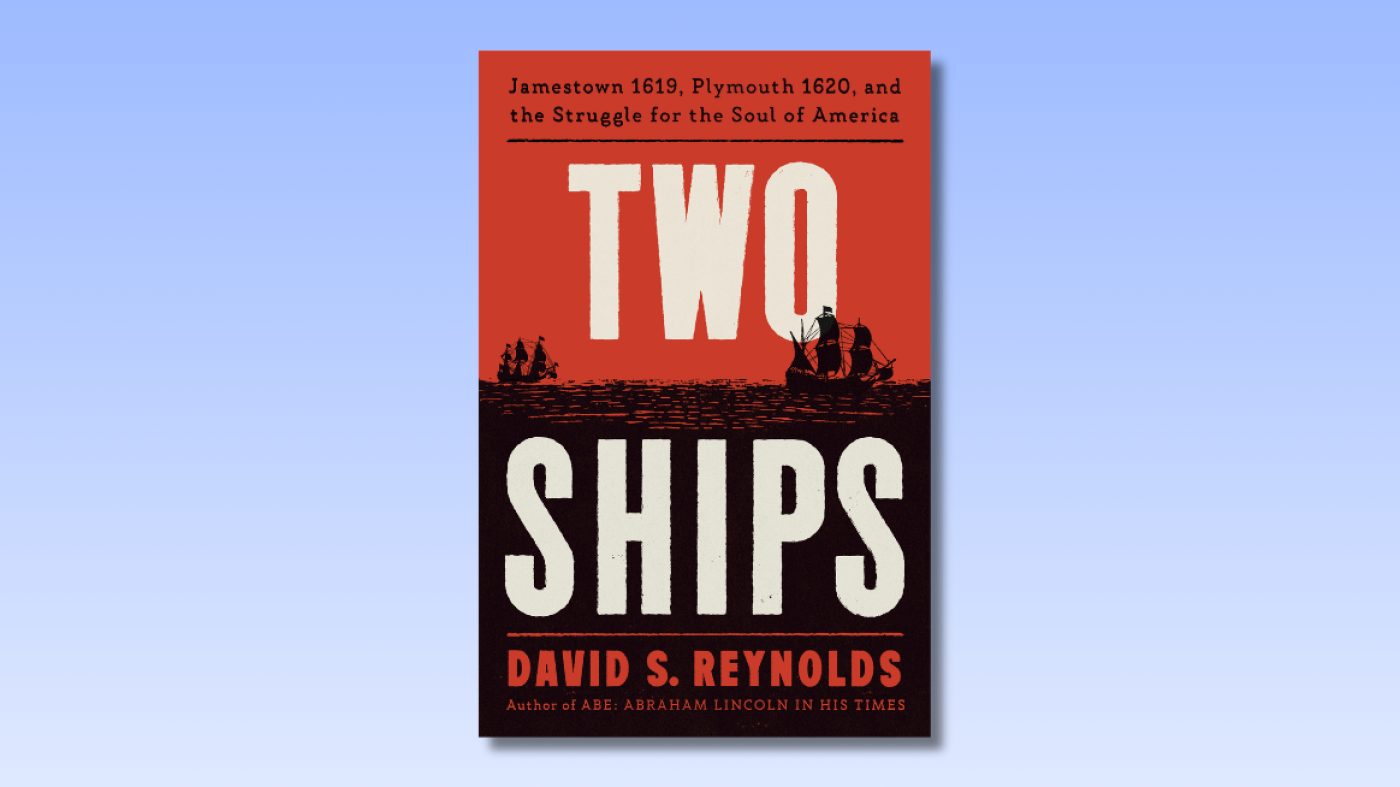
You know the Mayflower. What about the White Lion? Here’s the story of ‘Two Ships’
-

 Technology49 minutes ago
Flatbush Zombies’ Erick the Architect misses his BlackBerry keyboard
-

 World56 minutes ago
Waltz calls out Iranian diplomat at UN following drone strikes on Bahrain and Kuwait
-

 Politics59 minutes ago
Top Trump official touts how DC makeover is proof America is rejecting ‘decline by choice’
-

 Health1 hour ago
Fourth of July fireworks pose hidden health risk for certain Americans, experts warn
-

 Sports1 hour ago
Chris Johnson’s former teammate reflects on ex-star’s surprise ALS diagnosis, tight-knit bond after milestone
-
 Business1 hour ago
Want an AI-proof job? New research says you may be safer at companies embracing the technology
-
 Entertainment1 hour ago
Taylor Swift and Travis Kelce: Revisit the roots of their love story ahead of MSG wedding bash

