West Virginia
Delegates tout successes in ‘Jobs First’ and ‘Kitchen Table’ agendas – WV MetroNews

The Republican majority in the House of Delegates gathered a month prior to the regular legislative session to lay out priorities, especially in policies aimed at economic growth.
On the final day of the session, Delegate Clay Riley, the vice chairman of the House Finance Committee, said much of that mission was accomplished.
“Jobs First, Opportunity Everywhere: There were really three pillars to that. It was our workforce ready education, it was our job creating business climate and responsible economic development,” said Riley, R-Harrison. “We were able to pass 16 of those bills out of the House this year.”
In a conversation on the House floor, he emphasized several:
The skills to work act: “Really getting our kids to get ready to enter into that workforce.”
Industrial access roads and business ready sites: “Job creating, business economy.”
And an airport development hangar fund: “Responsible economic development.”
Riley said delegates started developing the agenda last April or May, “and we said ‘What do we begin to do?’” He said that will likely happen again on issues like brownfields development. “I fully expect us to do that again,” he said.
Kitchen Table focus
The Democratic Caucus in the House of Delegates spent weeks last year traveling around the state to listen to West Virginians. That helped them develop a “Kitchen Table” agenda.
That meant an emphasis on practical issues like utility bills, healthcare, childcare and housing. The Democrats have just just 9 out of 100 House members so that meant continuing to push.


House Minority Leader Sean Hornbuckle, D-Cabell, said the minority caucus was able to use its focus to influence the entire chamber. The result, he said, was the House of Delegates as a whole emphasizing development and affordability issues — with less focus on culture issues.
“I think it was huge,” Hornbuckle said. “And I think you have to give it context from our Kitchen Table Tour. First of all, our Kitchen Table Tour completely changed the trajectory of the West Virginia Legislature. Prior years it was all about divisive issues and things that did not move the needles.
“Now we have not had a lot of landmark legislation this session, but noticeably, Republicans changed their tune and went very much in a pro-business direction. That is directly attributed to us in talking about kitchen table issues.”
Focus on consumers
AARP of West Virginia focused on a range of consumer protection issues, in particular legislation meant to better regulate the kinds of cryptocurrency kiosks that have been popping up in storefronts.
The organization for older Americans called that push a success that will result on better consumer protections for West Virginia.
H. B. 5353, backed by the organization, proposes a comprehensive legal framework to integrate virtual currency kiosks into the state’s existing money transmission laws.
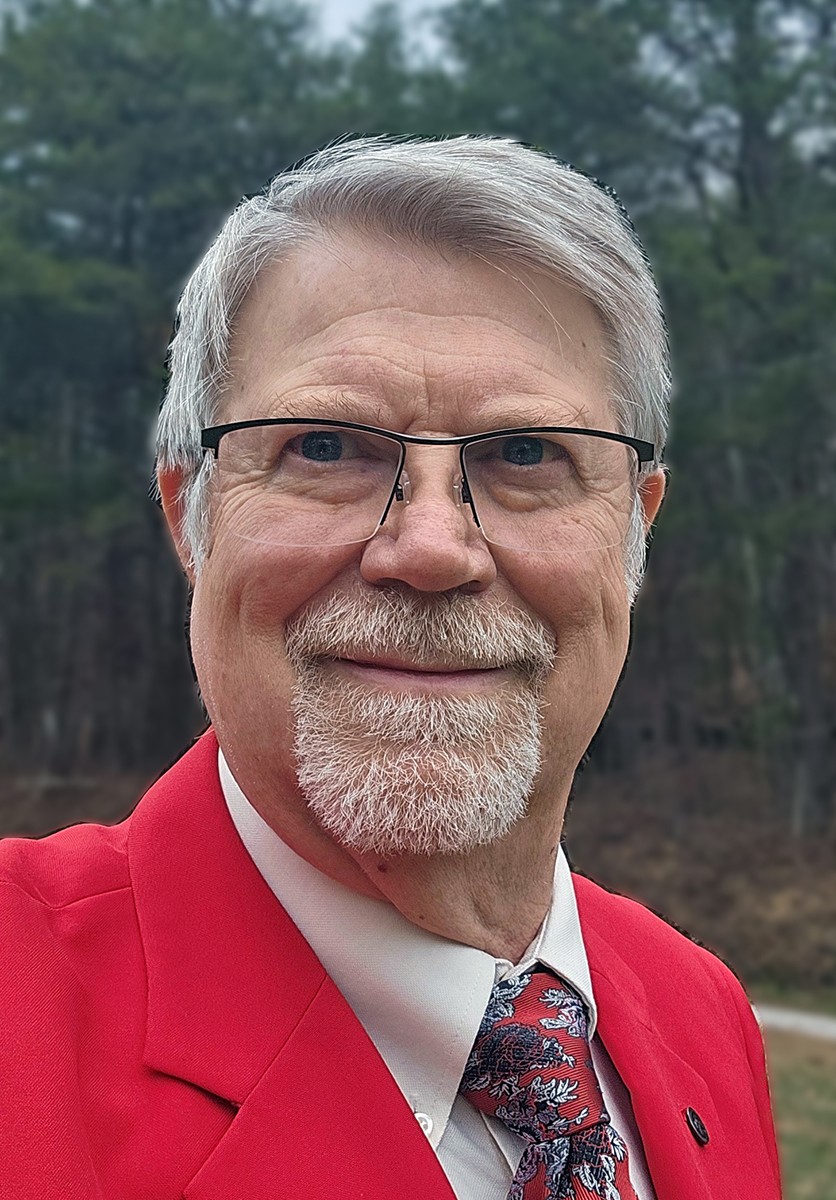

Roger Calhoun, volunteer state president for AARP West Virginia, said the legislation will put up guardrails.
“There’s been many, many cases — millions of dollars of people who’ve been talked into going down to a crypto kiosk machine, putting in money, to pay a fine, to get their kid out of jail, to pay their house payment, to take care of fraud at a bank — just all kinds of scams, pushing thousands of dollars that goes into a machine, gives them no receipt,” he said.
He continued, “We think we had a fraud package this year. We also had a package dealing with gift card fraud. As you may be aware, that’s also a place the scammers talk people into going to buy gift cards to pay off something, to pay off some kind of debt, a fine. So we got to see legislation that’s going to be helpful.”
Not everyone was pleased by legislative results.
Attempt to lower property taxes fails
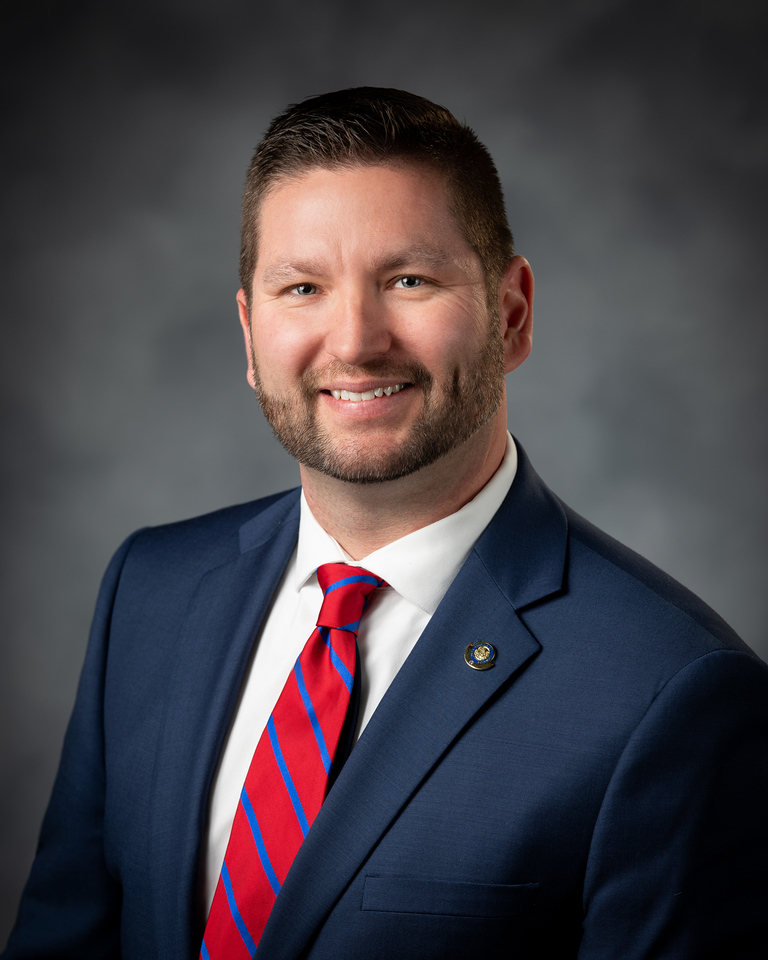

Senate Finance Chairman Jason Barrett, R-Berkeley, blamed the House of Delegates for not acting on a proposed amendment to the West Virginia Constitution regarding property tax relief.
“They just took non action on it,” Barrett said.
The resolution aimed to double the existing homestead exemption for qualifying residents from $20,000 to a minimum of $40,000. If voters had a chance to approve it, the amendment would have provided substantial tax benefits to homeowners who are permanently disabled or at least 65 years old.
Moreover, the proposal would have granted individual counties the authority to further increase this exemption amount through local ballot initiatives.
Senate Joint Resolution 11, with Barrett as the lead sponsor, was adopted by the Senate on Friday. In the House of Delegates, it never moved.
Barrett said he was “highly disappointed.”
“Apparently, the House of Delegates just doesn’t see that helping seniors with their property taxes a priority, even though they had had negotiated and talked and agreed to do it just a few days ago,” Barrett said after the session ended. “So it’s just another disappointing effort by the House of Delegates.”