West Virginia
‘Big, Beautiful Bill’ has a big parliamentary setback, but Capito anticipates a vote this week – WV MetroNews

Senator Shelley Moore Capito anticipates a vote on the “One Big, Beautiful Bill Act” will be bumped after a parliamentarian ruled against key Medicaid provisions.
In a determination about what aspects of the megabill would be subject to reconciliation — and therefore exempt from filibuster — the parliamentarian said a plan to hold down Medicaid costs by limiting a state provider tax would not qualify.
Key decisions were outlined in a memo released early Thursday morning. Among the jeopardized elements are proposals to prevent undocumented residents from accessing Medicaid by cutting federal funding to states that permit them to receive benefits.
Senate leaders continue to aim for a Fourth of July deadline for passage, a deadline emphasized by the White House.
“We were supposed to begin the contemplation of this bill probably noon tomorrow. That may have been pushed back 24 hours. I’m not exactly sure. We are just awaiting to hear,” Capito, R-W.Va., said in a briefing in response to a question by reporter Steven Allen Adams of the Ogden Newspapers.
“We have to have a full scoring of the bill, which we do not have, and we have to have permanent text in effect, so everybody, of course, can see all the fine print. So we’re still a ways away, but I think that will then go to the House. The House has to have it under consideration for 72 hours. That’s pushing pretty close to July 4, but we want to do it right, and so I think that’s the prevailing thought.”
The “One Big Beautiful Bill” advances many of President Trump’s top priorities, including extending the 2017 tax cuts enacted in his first term and expanding border enforcement while going ahead with deep spending cuts to Medicaid, SNAP and other federal programs.
Capito, in recent public appearances, has been emphasizing the priority of extending the tax cuts.
“If we don’t do this, the largest tax increase in the history will go into effect. So we need to make sure that we secure the tax rates that we put into place in 2017 for individuals, and also some of the small business taxes, which really help grow the economy,” Capito said during a Thursday morning appearance on WEPM Radio in Martinsburg.
Community groups in West Virginia have been expressing deep concern about the “One Big Beautiful Bill” limiting access to Medicaid and Supplemental Nutrition Assistance Program.
The nonpartisan Congressional Budget Office’s latest cost estimate concludes that the bill would reduce federal Medicaid spending by $793 billion and increase the number of people without health insurance by 10.9 million, because of changes to Medicaid and the Affordable Care Act.
The proposals institute more rigorous requirements for Medicaid that are anticipated to cause millions of people to drop their Medicaid coverage.
One of the new provisions is “community engagement requirements” of at least 80 hours per month of work, education or service for able-bodied adults without dependents.
Critics have said the work requirement actually represents greater red tape for recipients who could forget to maintain their coverage, misunderstand steps or miss a key update.
States that have implemented work requirement policies show no increases in employment but many eligible people lose coverage, West Virginia community groups wrote to senators Capito and Jim Justice this week.
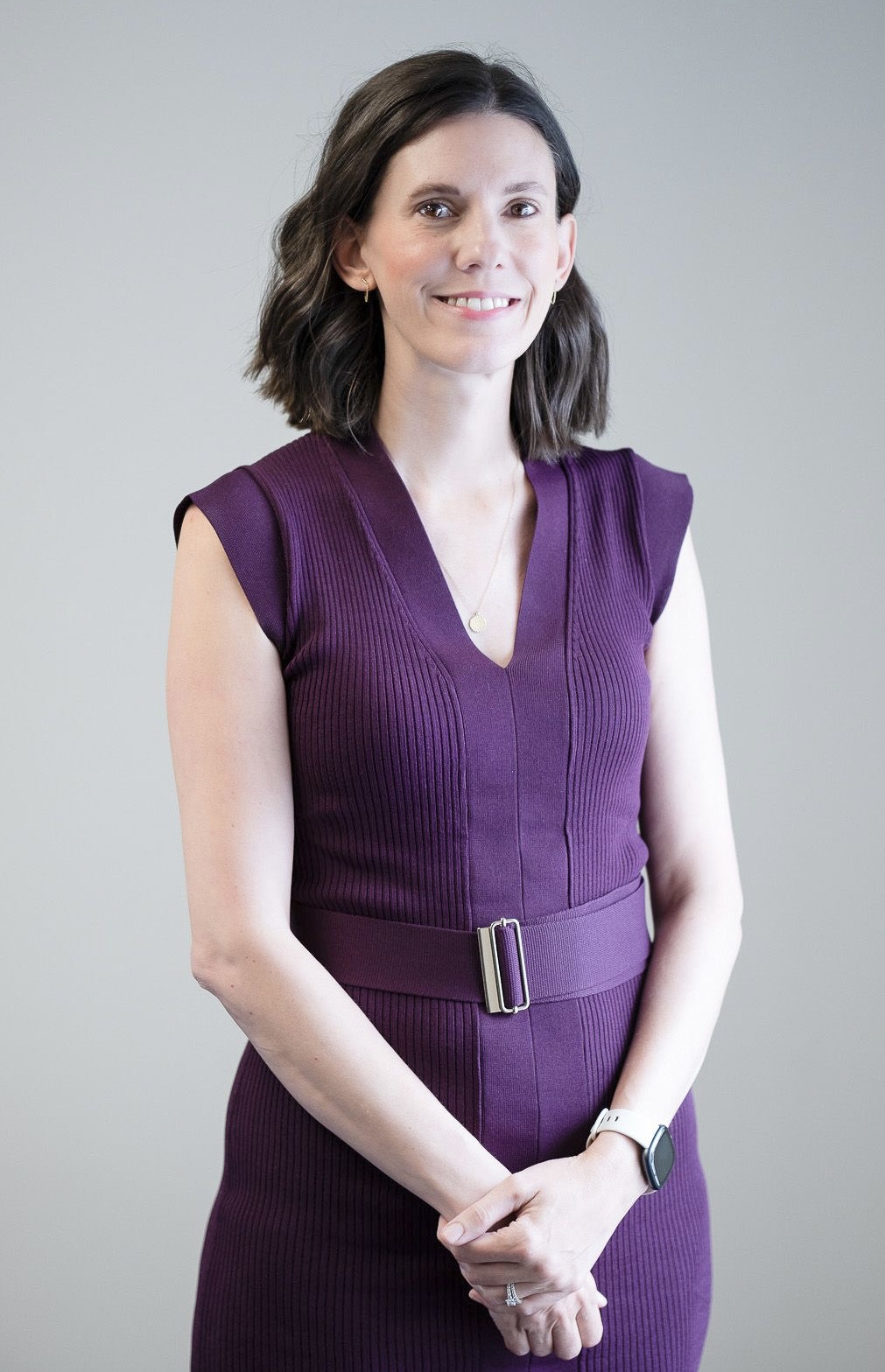

“There is a significant disconnect between the rhetoric from proponents of this bill and what its actual impacts would be for everyday West Virginians,” said Kelly Allen, executive director of the West Virginia Center on Budget & Policy think tank.
“If this legislation were already in place, the nearly 300 West Virginia coal miners losing their jobs this summer would be ineligible for Medicaid due to its requirements that individuals prove they are working in order to qualify. These restrictions refuse health and food assistance to people right when they need it most — people who all West Virginians would surely agree are deserving of a little help in a hard time.”
Capito said she is aware of the concern about Medicaid, but said changes need to be made.
“I’ve said this from the very beginning, that I’m not interested in creating a Medicaid package that eliminates benefits for people that deserve it,” she said in the briefing in response to a question from reporter Mike Tony of The Charleston Gazette-Mail.
“One of the provisions in both bills is a work requirement for able bodied people. That is not for people in the standard Medicaid population that are disabled, women with children, children, disabled, any kind of what we would call the traditional Medicaid population.”
She continued, “And all we’re asking is that for your benefit, your full health benefit, that for 80 hours a month, that you would go to school, engage in community service, you know, get a part time job, something that shows a little payback, a little skin in the game for the Medicaid benefit.
“And so for those who say that there’s all these millions of people that are going to get kicked off, the only people that are going to lose a benefit are the people that don’t deserve a benefit to begin with. They don’t qualify because of their income.”
Several analysts have concluded that rural hospitals, including around seven in West Virginia, could be endangered by the financial effects of the legislation.
West Virginia’s hospitals depend financially on reimbursements from patients disproportionately insured through governmental programs like Medicare, Medicaid and the Public Employees’ Insurance Agency.
When someone who has lost coverage shows up to a hospital emergency department, the hospital is required to treat them but may not get reimbursed for the services provided. Treating more patients without healthcare coverage could deeply impair rural providers already operating on the margins, healthcare providers have said.
“There is a lot of concern over the Medicaid issue. I’ve had numerous conversations with hospitals, individuals, people on Medicaid, asking them, ‘How does the impact of… what’s a work requirement? What about if you have to have more frequent eligibility checks?’” Capito said during the briefing with West Virginia reporters.
“You know, a lot of these things are fine because I think the people that are on Medicaid and qualify for Medicaid want to make sure it’s there for them and they’re treated fairly. So all of the waste, fraud and abuse portions of this bill are, I think, pretty unanimous in terms of acceptance. Where we see the issues here are with our hospitals and protecting our rural hospitals in particular, which I have a great passion for.”