Tennessee
J.P. Estrella injury update, Tennessee basketball forward doubtful vs Oklahoma


Tennessee basketball may be missing a key starter in its next game.
Redshirt sophomore J.P. Estrella is doubtful for the Vols’ SEC matchup against Oklahoma on Feb. 18 at Food City Center (7 p.m. ET, ESPN2). He is dealing with a lower body injury.
Estrella has dealt with a handful of injuries the past few seasons. He played in just three games before getting season-ending foot surgery in 2024-25. He missed the Vols’ game against Tennessee State Nov. 20 due to a bone bruise in his left knee and against Syracuse Dec. 2 with a right ankle injury. During the summer, he dealt with another ankle injury.
DeWayne Brown II filled in for the Vols when Felix Okpara was out with a calf injury. He could slot in the starting role again if Estrella is ruled out.
Wynton Jackson covers high school sports for Knox News. Email: wynton.jackson@knoxnews.com
Support strong local journalism and unlock premium perks: knoxnews.com/subscribe



The Tennessee Lottery offers several draw games for those aiming to win big.
Here’s a look at July 12, 2026, results for each game:
Winning Cash 3 numbers from July 12 drawing
Evening: 6-5-7, Wild: 0
Check Cash 3 payouts and previous drawings here.
Winning Cash 4 numbers from July 12 drawing
Evening: 1-1-4-7, Wild: 1
Check Cash 4 payouts and previous drawings here.
Winning Daily Tennessee Jackpot numbers from July 12 drawing
12-24-26-29-31
Check Daily Tennessee Jackpot payouts and previous drawings here.
Winning Millionaire for Life numbers from July 12 drawing
12-21-39-46-48, Bonus: 02
Check Millionaire for Life payouts and previous drawings here.
Feeling lucky? Explore the latest lottery news & results
Are you a winner? Here’s how to claim your lottery prize
All Tennessee Lottery retailers will redeem prizes up to $599.
For prizes over $599, winners can submit winning tickets through the mail or in person at Tennessee Lottery offices. By mail, send a winner claim form, winning lottery ticket, a copy of a government-issued ID and proof of social security number to P.O. Box 290636, Nashville, TN 37229. Prize claims less than $600 do not require a claim form. Please include contact information on prizes claimed by mail in the event we need to contact you.
To submit in person, sign the back of your ticket, fill out a winner claim form and deliver the form, along with the ticket and government-issued ID and proof of social security number to any of these locations:
Nashville Headquarters & Claim Center: 26 Century Blvd., Nashville, TN 37214, 615-254-4946 in the (615) and (629) area, 901-466-4946 in the (901) area, 865-512-4946 in the (865) area, 423-939-7529 in the (423) area or 1-877-786-7529 (all other areas in Tennessee). Outside Tennessee, dial 615-254-4946. Hours: 9 a.m. to 4 p.m. Monday through Friday. This office can cash prizes of any amount.
Knoxville District Office: Cedar Springs Shopping Center, 9298 Kingston Pike, Knoxville, TN 37922, (865) 251-1900. Hours: 9 a.m. to 4 p.m. Monday through Friday. This office can cash prizes up to $199,999.
Chattanooga District Office: 2020 Gunbarrel Rd., Suite 106, Chattanooga, TN 37421, (423) 308-3610. Hours: 9 a.m. to 4 p.m. Monday through Friday. This office can cash prizes up to $199,999.
Memphis District Office: Chiles Plaza, 7424 U.S. Highway 64, Suite 104, Memphis, TN 38133, (901) 322-8520. Hours: 9 a.m. to 4 p.m. Monday through Friday. This office can cash prizes up to $199,999.
Check previous winning numbers and payouts at https://tnlottery.com/.
When are the Tennessee Lottery drawings held?
- Powerball: 9:59 p.m. CT Monday, Wednesday, and Saturday.
- Mega Millions: 10:00 p.m. CT Tuesday and Friday.
- Cash 3, 4: Daily at 9:28 a.m. (Morning) and 12:28 p.m. CT (Midday), except for Sunday. Evening game daily, seven days a week, at 6:28 p.m. CT.
- Daily Tennessee Jackpot: 9:00 p.m. CT daily.
- Tennessee Cash: 10:34 p.m. CT Monday, Wednesday, and Friday.
- Powerball Double Play: 10:30 p.m. CT Monday, Wednesday and Saturday.
- Millionaire for Life: 10:15 p.m. CT daily.
This results page was generated automatically using information from TinBu and a template written and reviewed by a Tennessean editor. You can send feedback using this form.

Tennessee baseball signee Sean Dunlap is withdrawing from the 2026 MLB Draft and will play for Tennessee next season after going unselected in the first 10 rounds on July 12.
Dunlap, a catcher from Crown Point, Indiana, announced his decision on social media. One of the top position players in Tennessee’s 2026 recruiting class, he is ranked by Perfect Game as the No. 2 catcher and No. 38 recruit in the country.
He committed to Tennessee in November 2024 over Indiana, Vanderbilt, Notre Dame, Mississippi State, Indiana and others.
Dunlap entered the draft ranked by MLB Pipeline as the No. 124 prospect, third-best among high school catchers, and participated in the draft combine. He was ESPN’s No. 49 prospect.
Dunlap, who stands at 6-foot-3, 205 pounds, was named the 2026 player of the year in his home state by Prep Baseball Report and MaxPreps and was the Chicago Post-Tribune’s area player of the year. He hit .473 with 45 RBIs, nine home runs, 11 doubles and three triples for Crown Point.
Emmett Siegel covers Tennessee baseball for Knox News. Email: emmett.siegel@knoxnews.com; X: @EmmettSiegel_
The Tennessee Lottery offers several draw games for those aiming to win big.
Here’s a look at July 11, 2026, results for each game:
Winning Powerball numbers from July 11 drawing
08-10-14-45-59, Powerball: 05, Power Play: 2
Check Powerball payouts and previous drawings here.
Winning Lotto America numbers from July 11 drawing
15-17-29-44-46, Star Ball: 04, ASB: 02
Check Lotto America payouts and previous drawings here.
Winning Cash 3 numbers from July 11 drawing
Morning: 3-0-3, Wild: 0
Midday: 4-9-4, Wild: 9
Evening: 2-5-2, Wild: 7
Check Cash 3 payouts and previous drawings here.
Winning Cash 4 numbers from July 11 drawing
Morning: 2-8-8-0, Wild: 5
Midday: 9-7-5-5, Wild: 5
Evening: 7-9-7-0, Wild: 2
Check Cash 4 payouts and previous drawings here.
Winning Daily Tennessee Jackpot numbers from July 11 drawing
01-11-13-14-17
Check Daily Tennessee Jackpot payouts and previous drawings here.
Winning Powerball Double Play numbers from July 11 drawing
05-07-17-26-28, Powerball: 05
Check Powerball Double Play payouts and previous drawings here.
Winning Millionaire for Life numbers from July 11 drawing
04-13-14-30-39, Bonus: 04
Check Millionaire for Life payouts and previous drawings here.
Feeling lucky? Explore the latest lottery news & results
Are you a winner? Here’s how to claim your lottery prize
All Tennessee Lottery retailers will redeem prizes up to $599.
For prizes over $599, winners can submit winning tickets through the mail or in person at Tennessee Lottery offices. By mail, send a winner claim form, winning lottery ticket, a copy of a government-issued ID and proof of social security number to P.O. Box 290636, Nashville, TN 37229. Prize claims less than $600 do not require a claim form. Please include contact information on prizes claimed by mail in the event we need to contact you.
To submit in person, sign the back of your ticket, fill out a winner claim form and deliver the form, along with the ticket and government-issued ID and proof of social security number to any of these locations:
Nashville Headquarters & Claim Center: 26 Century Blvd., Nashville, TN 37214, 615-254-4946 in the (615) and (629) area, 901-466-4946 in the (901) area, 865-512-4946 in the (865) area, 423-939-7529 in the (423) area or 1-877-786-7529 (all other areas in Tennessee). Outside Tennessee, dial 615-254-4946. Hours: 9 a.m. to 4 p.m. Monday through Friday. This office can cash prizes of any amount.
Knoxville District Office: Cedar Springs Shopping Center, 9298 Kingston Pike, Knoxville, TN 37922, (865) 251-1900. Hours: 9 a.m. to 4 p.m. Monday through Friday. This office can cash prizes up to $199,999.
Chattanooga District Office: 2020 Gunbarrel Rd., Suite 106, Chattanooga, TN 37421, (423) 308-3610. Hours: 9 a.m. to 4 p.m. Monday through Friday. This office can cash prizes up to $199,999.
Memphis District Office: Chiles Plaza, 7424 U.S. Highway 64, Suite 104, Memphis, TN 38133, (901) 322-8520. Hours: 9 a.m. to 4 p.m. Monday through Friday. This office can cash prizes up to $199,999.
Check previous winning numbers and payouts at https://tnlottery.com/.
When are the Tennessee Lottery drawings held?
- Powerball: 9:59 p.m. CT Monday, Wednesday, and Saturday.
- Mega Millions: 10:00 p.m. CT Tuesday and Friday.
- Cash 3, 4: Daily at 9:28 a.m. (Morning) and 12:28 p.m. CT (Midday), except for Sunday. Evening game daily, seven days a week, at 6:28 p.m. CT.
- Daily Tennessee Jackpot: 9:00 p.m. CT daily.
- Tennessee Cash: 10:34 p.m. CT Monday, Wednesday, and Friday.
- Powerball Double Play: 10:30 p.m. CT Monday, Wednesday and Saturday.
- Millionaire for Life: 10:15 p.m. CT daily.
This results page was generated automatically using information from TinBu and a template written and reviewed by a Tennessean editor. You can send feedback using this form.
-
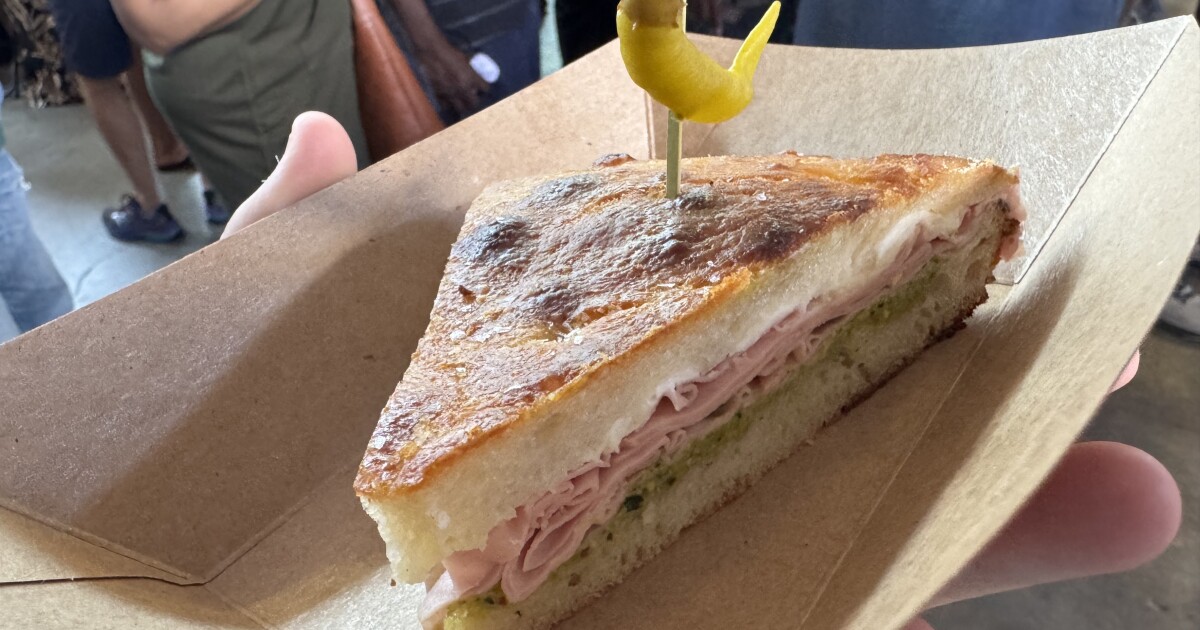 Detroit, MI20 minutes ago
Detroit Sandwich Party returns to Eastern Market on Sept. 6
-

 San Francisco, CA32 minutes ago
A Leak of San Francisco Police Drone Footage Exposes the New Reality of Urban Surveillance
-

 Dallas, TX37 minutes ago
Viral East Dallas coffee shop fears major sales drop amid six-week road closure
-

 Miami, FL44 minutes ago
3 hurt in fire on Lincoln Road that started underground
-

 Boston, MA50 minutes ago
Rideshare driver charged in Logan airport passenger assault to appear in court
-

 Denver, CO56 minutes ago
Denver area events for July 13
-

 Seattle, WA1 hour ago
What could the Seattle Seahawks look like under new owners?
-

 San Diego, CA1 hour ago
Sports Night: Padres End 1st Half on Good Note, Midseason Grades, Manny Heats Up

