Florida
Read Florida’s lawsuit against Roblox


The Florida Attorney General’s Office on Thursday, Dec. 11, filed a lawsuit against popular online gaming platform Roblox, accusing the company of failing to protect its millions of underage users from predatory adults who would “find, groom, and abuse children.”
“Roblox aggressively markets to young children, but fails to protect them from sexual predators,” Attorney General James Uthmeier said in a post to X. “As a father of three little ones and as Florida’s attorney general, my number one priority is simple: to protect our kids.”
The lawsuit claims Florida children have been talked into taking and sending sexual images of themselves and lists several recent incidences, including a 20-year-old California man arrested last month for having sexually explicit conversations with a Palm Coast child and asking for nude photos.
A Roblox spokesperson said the lawsuit “fundamentally misrepresents how Roblox works.”
“We have advanced safeguards that monitor our platform for harmful content and communications,” Roblox Chief Safety Officer Matt Kaufman said in a statement, adding that the company — currently the most downloaded game in the world — will be rolling out additional safeguards “beyond what is required by law and what other platforms do.”
Read Florida’s lawsuit against Roblox
Can’t see the embedded document? Click here.
What is Roblox?
San Mateo, California-based Roblox, released in 2006, hosts millions of user-created games (or “experiences”) constructed with the platform’s built-in game engine. Any user can create a game and share it with others, and there are millions of games available of all types.
The game platform and most games are free to use, but some cost to play. There is also a thriving economy based on Robux, an in-game virtual currency used to purchase virtual items. Roblox offers a subscription service called Roblox Premium that provides access to more features and a monthly allowance of Roblox.
Voice chat is available, but only for users aged 13 or older with verified ages. Age ratings were introduced for games in 2022, and in 2023, 17+ games were permitted to include more graphic violence, romance, and drinking.
According to Roblox, as of 2020, the monthly playerbase included half of all American children under the age of 16.



A motorcyclist was killed early Saturday in a crash involving a vehicle in Fort Lauderdale, police said.
Officers responded at approximately 2:45 a.m. to the 3000 block of West Broward Boulevard following a report of a vehicle and motorcycle crash.
When officers arrived, the motorcycle rider was pronounced dead at the scene, according to the Fort Lauderdale Police Department.
The driver of the vehicle remained at the scene.
The department’s Traffic Homicide Unit is investigating the cause of the crash.

Happy Fourth of July! Although the post office and government offices will be closed today, many grocery stores are open.
Don’t forget the hot dog buns or festive treats during your Independence Day cookout this afternoon.
Here’s what you need to know about grocery stores and whether or not they’ll be open today.
Buy Fourth of July essentials on Amazon Prime
Is Publix open on July 4th?
Publix is open on the Fourth of July.
Publix closes its doors for only three holidays each year: Thanksgiving, Christmas, and Easter. Most Publix stores open at 7 a.m. and close at 10 p.m. Some Publix stores regularly close at 9 p.m., but not many. Check hours at your local store.
Publix Liquors stores are also open at 9 a.m. or 10 a.m., depending on the location. However, Publix pharmacies will be closed, so fill any prescriptions you need before the holiday.
Is Aldi open on July 4th?
Aldi stores will be open with limited hours on July 4.
Some Aldi store locations in Florida open at 8:30 a.m., while others open at 9 a.m. Most Aldi locations close at either 8 p.m. or 8:30 p.m.
Holiday hours can vary from location to location, so check your local Aldi’s holiday hours before you go. You can find the store locator here to double-check the opening hours of your nearest Aldi.
Is Whole Foods open on July 4th?
Most Whole Foods locations will close early, at 6 p.m. on the Fourth of July.
Under regular hours, most Florida Whole Foods locations open at 8 a.m. and close at 11 p.m. A few open at 7:30 a.m.
Some Whole Foods locations close at 9 p.m. while others close at 10 p.m.
Is Sprouts closed on July 4th?
Sprouts will be open during regular hours on July 4.
Store hours in Florida are typically from 7 a.m. to 10 p.m., seven days a week.
Is Winn-Dixie open on July 4th?
Winn-Dixie locations in Florida will be open on July 4th, with regular hours.
Typically, Winn-Dixie stores in Florida open at 7 a.m. and close at 11 p.m. every day. Winn-Dixie’s wine and spirits services don’t open until 9 a.m.
Is Trader Joe’s open on July 4th?
Trader Joe’s locations will only be open until 5 p.m. on the Fourth of July.
Most Trader Joe’s locations in Florida open at 8 a.m. A few open at 9 a.m. Trader Joe’s stores usually close at 9 p.m. during their regular hours.
Is Target open on July 4th?
Target will be open throughout the Fourth of July weekend; however, hours of operation may vary by location, so please check your local store’s hours before visiting.
Sign up for Target Circle membership
Most Target stores in Florida open at 8 a.m. and close at 10 p.m. Some Target locations open at 7 a.m.
Is Walmart open on July 4th?
Walmart stores close only on Thanksgiving and Christmas, so they will also be open for regular hours on the Fourth of July.
Buy Fourth of July essentials on Walmart
Most Walmart stores in Florida open an hour before Publix or Winn-Dixie, at 6 a.m. They close at 11 p.m. The same hours apply to most Walmart Neighborhood Market locations.
Is Costco closed on July 4th?
Costco will be closed on July 4.
Is Sam’s Club open on July 4th?
Most Sam’s Club locations will be open on July 4 from 10 a.m. to 6 p.m. Check your local store’s hours in advance.
Is BJ’s Wholesale Club open on July 4th?
BJ’s Wholesale Club will be open regular hours on July 4 from 10 a.m. through 7 p.m. Check your local store’s hours in advance.
Is the Fourth of July a federal holiday?
Yes, the Fourth of July is a federal holiday. See all 11 federal holidays:
- New Year’s Day – Jan. 1
- Martin Luther King’s Birthday – 3rd Monday in January
- Washington’s Birthday – 3rd Monday in February
- Memorial Day – last Monday in May
- Juneteenth National Independence Day – June 19
- Independence Day – July 4
- Labor Day – 1st Monday in September
- Indigenous Peoples’ Day – 2nd Monday in October
- Veterans’ Day – Nov. 11
- Thanksgiving Day – 4th Thursday in November
- Christmas Day – Dec. 25
Samantha Neely is a trending reporter for the USA TODAY NETWORK-Florida, covering pop culture, theme parks, breaking news and more. You can get all of Florida’s best content directly in your inbox each weekday by signing up for the free newsletter, Florida TODAY, at https://floridatoday.com/newsletters.
Florida
US Coast Guard saves 8, including infant and child, after vessel capsizes off Fort Myers Beach

NEWYou can now listen to Fox News articles!
A quick-thinking crew from U.S. Coast Guard Station Fort Myers Beach saved eight lives, including an infant and a child, after a boat capsized Friday afternoon near the Sanibel Causeway in Florida.
Responders rushed to the capsized vessel, executing a rapid, coordinated effort that resulted in every person being safely recovered from the water.
Officials credited the success of the operation to the crew’s “relentless” preparation and teamwork.
The U.S. Coast Guard shared photos of the boat nearly completely underwater following the swift rescue. (U.S. Coast Guard Station Fort Myers Beach via Facebook)
AT LEAST 6 PEOPLE INJURED AFTER BOSTON DUCK BOAT OVERTURNS NEAR ENTRANCE TO POPULAR TOURIST ATTRACTION
“A successful mission is measured by the lives brought home safely,” U.S. Coast Guard Station Fort Myers Beach wrote in a statement on Facebook.
The Coast Guard emphasized the high-stakes rescue serves as a powerful reminder of why its crews train constantly and remain ready to respond at any hour of the day or night.
Victims were rescued by the U.S. Coast Guard in Florida on Fourth of July weekend. (U.S. Coast Guard Station Fort Myers Beach via Facebook)
CBP, COAST GUARD INTERCEPT MIGRANT VESSEL HEADING FOR PUERTO RICO; 40 APPREHENDED INCLUDING UZBEK NATIONAL
“When seconds matter, preparation, communication, and teamwork make all the difference,” the Coast Guard station wrote. “We are grateful for the opportunity to serve our community and thankful that this incident ended with everyone returning home safely. Our thoughts are with those involved, and we’re proud of every responder who played a role in this successful rescue.”
The U.S. Coast Guard shared photos of the boat sinking into the water near Fort Myers Beach. (U.S. Coast Guard Station Fort Myers Beach via Facebook)
CLICK HERE TO DOWNLOAD THE FOX NEWS APP
The Sanibel Causeway is in southwest Florida, just west of Fort Myers on the Gulf Coast.
-
 Politics7 minutes ago
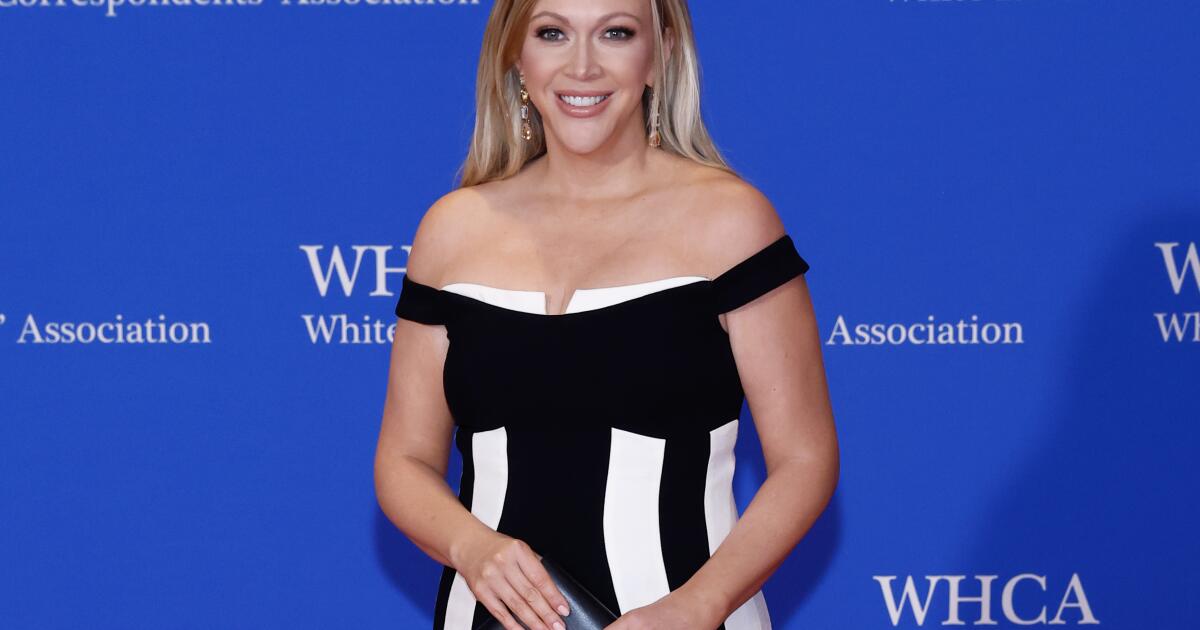
Legal correspondent Paula Reid expected to join MS NOW after CNN departure
-
 Sports17 minutes ago
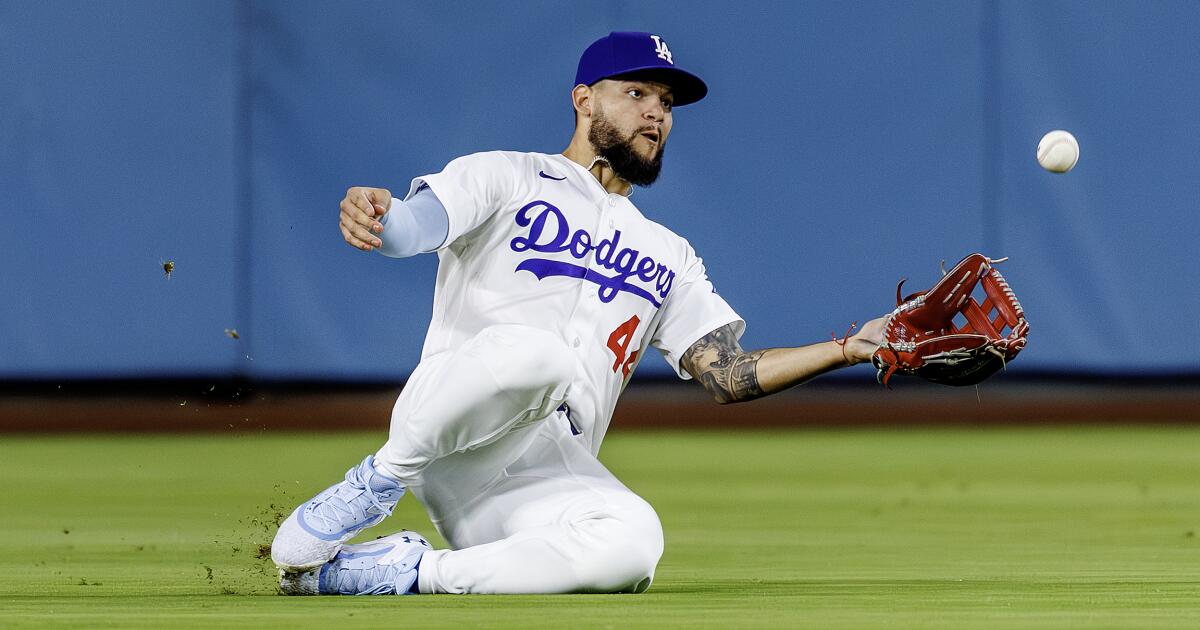
Four more Dodgers players selected as National League All-Stars
-

 World29 minutes ago
80 vials of fentanyl stolen from Rome hospital
-

 News59 minutes ago
Crowds ordered to evacuate National Mall area as stormy weather slams DC
-

 Los Angeles, Ca2 hours ago
Motorcyclist struck, killed by driver making U-turn in L.A. neighborhood
-

 Detroit, MI3 hours ago
GameThread: Detroit Tigers vs. Texas Rangers, 4:05 p.m.
-

 San Francisco, CA3 hours ago
Why Vogue World Should Definitely Head to San Francisco Next
-

 Dallas, TX3 hours ago
Mistake avoided? Cowboys FA signing could’ve been drafted… but fate

