Dallas, TX
Dallas’ digital creator economy is booming. Burnout is too.

The glitz. The glam. The parties. The trips. The allure of high fashion bedazzled with a life of luxury. As with much of the filter-polished nature of social media, all is not as it appears.
For Shaun Balkum, he was living a dream as a high-fashion model with ties to New York and as one of Dallas’ most recognizable faces. The statuesque king of pose was living the high life — or so it seemed. Gracing the runways and booked for Dallas’ marquee fashion shows like DIFFA, Balkum appeared to have it all. Behind closed doors, though, was a past riddled with pain, trauma, suicide ideation and repeated bouts with homelessness. With nowhere to turn and little help, he internalized in the dark, not knowing that many of his peers were also struggling in the same deafening silence.
“Being in the industry for about 15 years now, I’ve been through a lot,” the 34-year-old father of two tells the Observer. “Working in New York at a young age and seeing so many people going down different, dark paths, and the industry just eating them up, was eye-opening for me. A lot of people on the outside will wonder ‘why is this actor on drugs’ or ‘why is there so much suicide within these careers?’ What they don’t realize are the things that these individuals put themselves through. They don’t express or talk about it because they feel like they’re going to be judged at the end of the day by their peers and family.”
Going digital-second
With the dominance of a digital-first culture, creatives today face unprecedented pressure, from constant content demands, online comparison, scrutiny, burnout and isolation. According to a recent study conducted by Creators for Mental Health, an organization that aims to provide resources to digital creators, approximately 1 out of 10 creators say that they’ve experienced suicidal thoughts, with nearly 2 out of 3 creators admitting to mental health challenges such as anxiety and depression. Higher incidence rates rank even more among tenured creators.
According to the National Institute of Health (NIH), suicide continues to be one of the leading causes of death in the U.S. The rate observed among influencers is nearly double the NIH’s reported national average.
And, as online content creation has become an increasingly lucrative path, market oversaturation has fueled added stressors of competition and gig instability.
“There’s an influx of constant competition,” says Jessica Serna, a veteran influencer behind My Curly Adventures. “People don’t realize that it’s not enough just to take good pictures and videos. A lot of times there’s way more going on [behind the scenes] so that you can stand out amongst 100,000 other influencers and creators. I think that’s where the burnout comes – it’s the pressure to stay above in such a competitive field.”
In videos captured across the country, the Dallas-based Serna is all smiles and full of vibrancy as she and her husband traverse turquoise Caribbean waters and dive deep into the ocean blue. Posting daily, she has amassed an audience of over 300,000 Instagram followers sourcing tips on travel, lifestyle and food. Over on TikTok, her reach extends even further with 571,000 followers.
While Serna admits that all that glitters can be gold in the influencer lifestyle, there can also be a dullness when creators face the not-so-glamorous business side of being a creative in order to stand out among a sea of others.
“This has been the most stressful job I’ve ever [had],” Serna says. “I go to sleep thinking about things. I wake up and there’s the pressure of… so many businesses that don’t value your time, or wait two weeks to issue you a paycheck, and then want something the next day, only to ghost you again for another three weeks. Or, a paycheck that you were supposed to get three months ago is now taking its time because it got caught up in something corporate.”
Late paychecks and the pressure to be perfect are only the tip of the iceberg of what creatives experience.
In a recent Youtube confessional titled “being a full time influencer ruined my life,” Dallas creator Ashley Devonna candidly detailed what life was really like for her behind the filters, hashtags and sponsorships. After a 4-year hiatus to recover, the Texas Woman’s University graduate is back, but now on her own terms. Many others are still stuck in the cycle.
Finding community on and offline
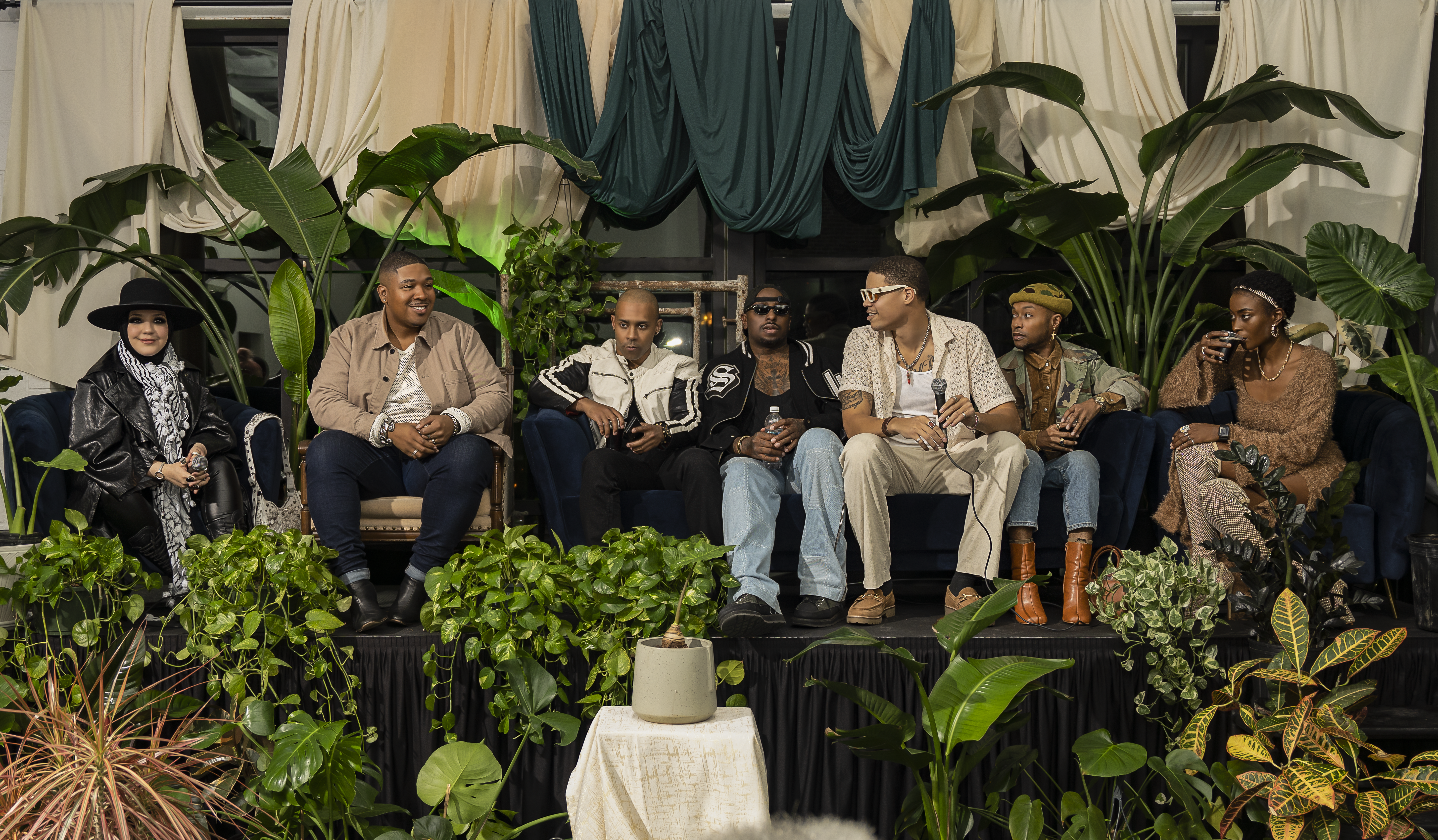
Balkum cites a lack of community and safe spaces for honest reflection, as well as a shortage of affordable mental health resources, as inspiring him to launch his House of Balkum Foundation, a 501(c)(3) initiative stemming from the inadequacies of the fashion industry, and now offering emergency relief assistance, emotional support, community gatherings and mental health and wellness resources. His upcoming event, Saving the Creatives —dubbed the “church for creatives” — will feature an all-star panel of Dallas’ top talent including Celebrity Stylist KJ Moody, Actor and Model Kamen Casey, Photographer Jamie House and others, to discuss the challenges suffocating the industry, but also to provide solutions and support.
“We’re all intertwined in a way, and we all need each other,” Balkum says. “You know, the models need the photographers, and the photographers need the makeup artists, and the makeup artists need the models. At the end of the day, I want creatives to understand that they finally have somebody here for them, and that’s looking after them. For all of the creatives that have felt alone, that have struggled in silence – we hear you. You can talk to us and we’ll provide whatever help that we can for you.”

Dallas startup RM11 is on a similar mission. The creator-first platform was founded by Natasha August and boasts numerous perks that allow creators to own their relationships with their followers, receive fair monetization and build a sustainable business – and, hopefully, a less stressful one.
“Creators are entrepreneurs in every sense of the word,” August says. “They’re building brands, communities, revenue streams and entire businesses around their voice and audience. The more I learned about the creator economy, the more I realized how underserved creators really are. They’re expected to be talent, a marketer, customer support, content strategist, community manager and business owner all at once. I saw an opportunity to build something that gave creators more control, better tools and a more supportive way to monetize directly from their audience.”
Recently, RM11 strategically partnered with both Revive Health Therapy and Creators 4 Mental Health – a major step in its mission to support creator well-being, reduce burnout and build a healthier creator ecosystem through its CreatorCare approach. RM11 creators have access to licensed mental health professionals who specialize in creator-specific stressors, as well as affordable, flexible therapy options, community support and wellness tools to help manage burnout and emotional fatigue.
“One of the biggest misconceptions that the general public has is that creating content is easy or not a ‘real job.’ In reality, creators are running small businesses, often by themselves, while also putting their personality, image and personal life in front of the public,” August says. “There’s also a misconception that if someone has followers or makes money online, they must be confident, happy or unaffected by negative comments and pressure. But creators can experience burnout, isolation, anxiety and emotional exhaustion just like anyone else, sometimes even more intensely because their work is so personal and public.”
According to a 2026 study with data from Social Blade, Texas ranks fourth among the nation’s largest hubs for online influencers, accounting for roughly 8% of the most-followed creators. The state is also home to 1 out of 10 creators ranked in the top 500 of the creator ecosystem. If you want to make it to the top of the creator economy, Dallas is where you come. Therefore, Dallas-based businesses like House of Balkum and RM11 are not only essential but necessary with growing demand.
“Being an influencer is easy, but when something’s easy, and you actually want to be successful in it, that’s when it gets harder than people even realize. I’m extremely grateful for it though,” Serna says. “It’s so funny how something can be so simultaneously amazing and so draining at the same time.”
Saving the Creatives will be hosted by The House of Balkum on Sunday, July 12, at 6:00 p.m. at Four Day Weekend, 5601 Sears Street. Tickets are available for $35.
If you or someone you know is struggling with suicidal thoughts, help is available. You can call or text 988 to reach the Suicide & Crisis Lifeline, or chat via 988lifeline.org for free, confidential support 24/7.