Austin, TX
Texas could spend $55 billion to prevent flooding


New proposed state flood plan
The State of Texas is looking at a new flood plan which could cost $55 billion.
GEORGETOWN, Texas – The State of Texas is looking to implement a new flood plan, one that could cost around $55 billion.
According to the Texas Water Development Board, one in six Texans live or work in areas at risk for flooding.
“We want to put out a state flood plan that does what it is tasked to do and that is again, save lives and save property,” said chairwoman Brooke Paup.
Under the state’s newest flood plan, more than 800,000 residents and 214,000 structures could be spared from serious flooding in the next century.
It’s an issue Georgetown residents like Elizabeth Copley know well.
“It got fairly high,” said Copley. “You could see a lot of water going out in that direction.”
In 2018, she watched the San Gabriel River rise several feet from her backyard.
“We live on the side of a cliff so it didn’t come to where we were scared we’d have to leave our house or evacuate but it did come significantly high and knock a lot of trees down,” said Copley.
1 in 6 Texans live or work in a flood zone
About one in six people in Texas live or work in a flood hazard area. That’s according to a draft of the state’s first-ever flood plan.
This spring, Williamson County notified residents about an additional 6,000 new sites at risk for flooding.
“We are doing new studies in those areas where there were never floodplains or FEMA floodplains previously, so that’s kind of in part some of that major increase.,” said Cindy Engelhardt, with Half Associates, which helped the county put together a new floodplain mapping study called Atlas 14.
“We want to continue raising the awareness and helping people better understand floods such that we save lives and property and all the other things and just be more resilient moving forward.”
According to the Texas Water Development Board, another 6 million residents and 1.6 million structures across the state are at risk for flood damage. However, that $55 billion could fund more than 4600 protective projects.
“One of the greatest successes of this first round of regional and state flood planning is that now we have some level of flood hazard information for the entire state,” said TWDB board member L’oreal Stepney.
Some of the solutions include more nature-based fixes like ditches, storm sewers and retention ponds. About half of the total costs, or around $24 billion, would go towards building a surge protection in Galveston.
The board said this plan would be funded on a federal, state, and local level.



The Austin-Travis County Wildfire Coalition is hosting a last round of public input meetings on the Community Wildfire Protection Plan, which is updated every 10 years.
The City of Austin released a press release about the final two meetings on Thursday. According to the release, the meetings are intended to provide an overview of the project, hear from subject matter experts, and capture public comments for incorporation into the plan.
Meeting Schedule
April 8, 6-8 p.m.; Del Valle Early College High School Cafeteria, 4715 Ross Rd.
April 9, 6-8 p.m.; St. Luke’s on the Lake Episcopal Church; 5600 RR 620 N.
The coalition asks that residents RSVP to the meetings online and take this public survey to provide information to the coalition as it updates the plan. Anyone may take the survey, but the coalition asks individuals who plan to attend one of the sessions to fill it out beforehand.
The Community Wildfire Protection Plan identifies areas of wildfire risk, prioritizes investments for mitigation funding, and provides recommendations for hazardous fuels reduction and homeowner risk reduction practices.
Additionally, the plan offers policymakers guidance on wildfire response capabilities and evacuation planning frameworks. The Austin-Travis County Wildfire Coalition updates the plan every decade to ensure it reflects current risk conditions, data, and community priorities.
Members of the coalition include the City of Austin, Austin 3-1-1, Austin Water, Austin Fire Department’s Wildfire Division, the Lower Colorado River Authority, Austin Energy, the city’s Homeland Security and Emergency Management division, and more.
Learn more about the coalition at its website here. And stay updated on the CWPP process as it unfolds here.

AUSTIN (KXAN) — You know the saying: ‘April showers bring May flowers’. A wetter-than-normal pattern is likely in Texas through early April, hopefully making a dent in our extreme drought, and lowering pollen totals!
It’s not just the Lone Star State; several storm systems will bring mountain snow, heavy rain, and the potential for severe weather across the country into the upcoming weekend, Saturday, April 4 through 5.
Severe Weather
The Storm Prediction Center has highlighted parts of the Southern Plains, Great Plains, and Midwest for potential severe weather on Friday. There is a level 3/5 (Enhanced) risk for cities such as St. Joseph, Ottumwa, Kirksville, Moberly, and Indianola.
There is a growing concern for large hail, damaging winds, and an isolated tornado in the highlighted area.
There is a level 2/5 (Slight) risk for cities such as Oklahoma City, Kansas City, Tulsa, Des Moines, and Overland Park on Friday.
Texas Travel
Traveling in Texas this weekend for Easter Sunday? Bring an umbrella and a rain jacket! Scattered thunderstorms, including a few strong-to-severe storms, are possible.
A strong cold front arrives on Saturday afternoon, bringing widespread rain chances. There is a level 1/5 (Marginal) risk for cities such as Houston, Shreveport, Jackson, Cleveland, and Buffalo.
High temperatures on Sunday will be cooler than normal. In Austin, we’ll likely remain in the 60s.
Wet Pattern
The Climate Prediction Center has high confidence in a wetter-than-normal pattern continuing through mid-April.

A few cold shots of late winter air will cool down parts of the Midwest and Northeast in the next week, with some late-season snow possible. Most of the country is trending warmer-than-normal.


Video: Skilled Foreign Workers Think About Leaving the U.S.
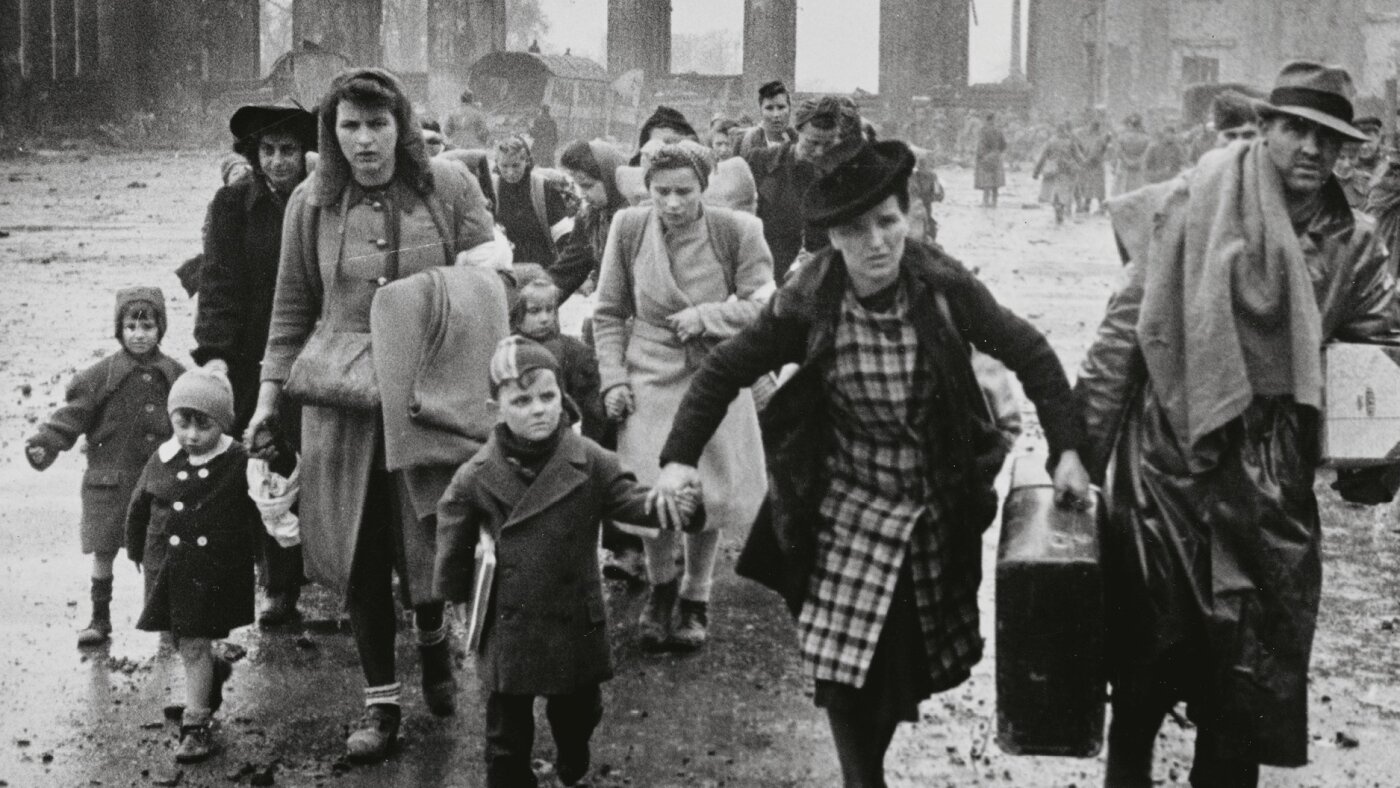
‘Stay Alive,’ about daily life in Nazi Berlin, shows how easy it is to just go along

AO3 is finally out of beta after 17 years

Iran’s tallest bridge collapses after reported US airstrikes; Iran threatens American allies in retaliation

What B-52 bombers bring to Iran fight — and what it means for the war now

Florida High School Football Rankings: Top 25 teams – Oct. 21

How old is Bo Nix? What to know about Oregon quarterback ahead of 2024 NFL Draft

Cleary's 21 help Le Moyne down Central Connecticut State 69-64 in OT

99th annual Pony Swim held in Virginia

Indiana Members Credit Union announced as new anchor tenant at Bottleworks District
What B-52 bombers bring to Iran fight — and what it means for the war now

Podcast: Hungary elects: what is at stake and who is likely to win?
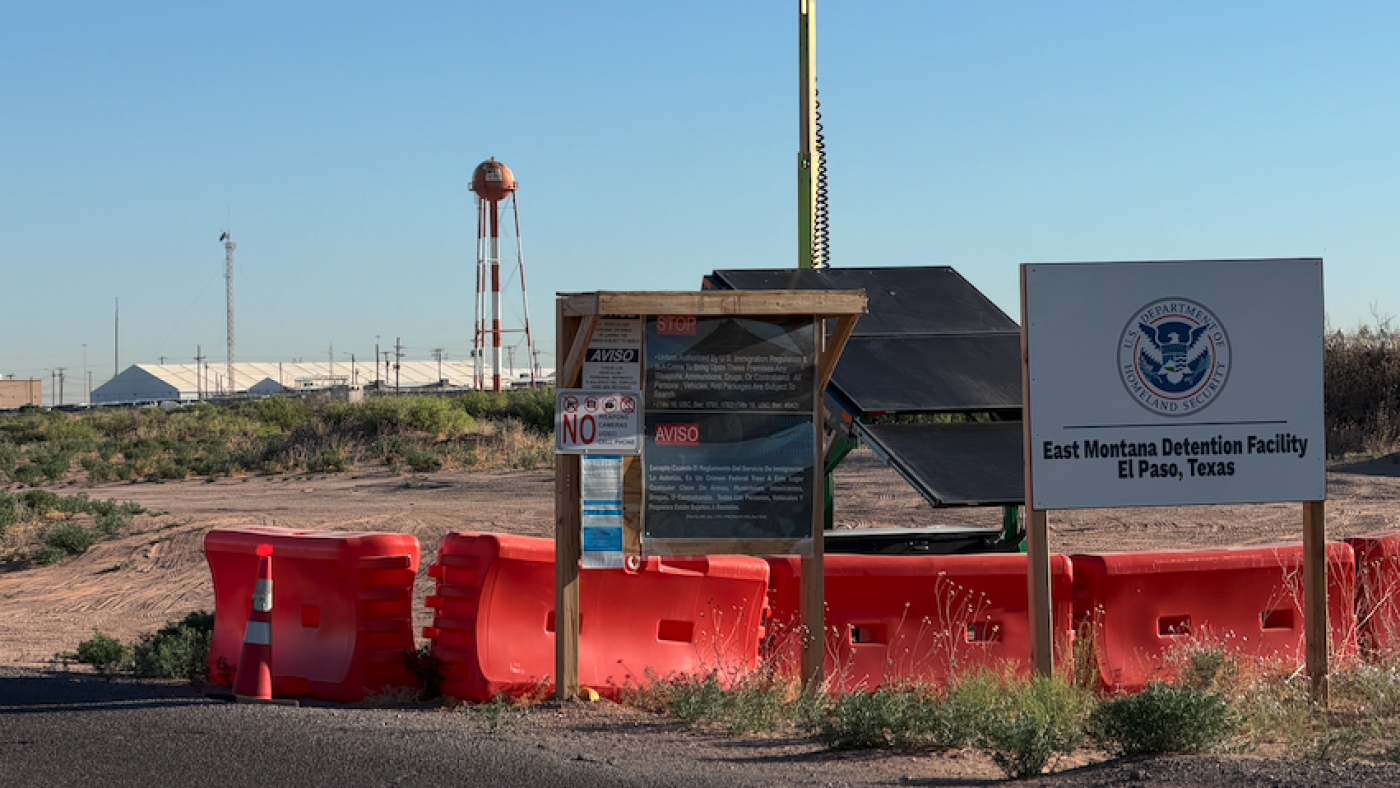
ICE detention deaths are on a record pace. One Texas facility bears the brunt

GOP rails against ‘s— sandwich’ deal as all eyes turn to House to end DHS shutdown

Planning commission approves Trump’s White House ballroom plans
-

 South-Carolina5 days ago
South Carolina vs TCU predictions for Elite Eight game in March Madness
-

 Culture1 week ago
Wil Wheaton Discusses ‘Stand By Me’ and Narrating ‘The Body’ Audiobook
-

 Miami, FL1 week ago
Jannik Sinner’s Girlfriend Laila Hasanovic Stuns in Ab-Revealing Post Amid Miami Open
-

 Culture1 week ago
What Happens When We Die? This Wallace Stevens Poem Has Thoughts.
-

 Minneapolis, MN1 week ago
Boy who shielded classmate during school shooting receives Medal of Honor
-

 Vermont5 days ago
Skier dies after fall at Sugarbush Resort
-

 Education1 week ago
Video: Transgender Athletes Barred From Women’s Olympic Events
-

 Politics5 days ago
Trump’s Ballroom Design Has Barely Been Scrutinized