Austin, TX
Austin’s housing market is in trouble


After having pulled through a dramatic home price correction over the past couple of years, the former pandemic boomtown of Austin, Texas, is now navigating even more troubled waters, as buyers scared off by brewing economic uncertainty are failing to show up for the city’s growing housing supply.
“Our market here was showing signs of price stabilization after unprecedented declines, as buyers re-entered the market after the 3 percent interest rate ‘hangover’ finally wore off at the beginning of the year,” Scott Turner, founder of Austin-based Riverside Homes, told Newsweek.
“But the economic uncertainty caused by tariffs and the risk of recession definitely affected their mentality, making them more cautious and leaving housing inventory levels at nearly an all-time high.”
Brandon Bell/Getty Images
Why It Matters
Between February 2020 and May 2022, the median sale price of a home in Austin jumped by more than 60 percent, according to Redfin data, reaching a peak of $659,500. The increase was mainly a result of the massive influx of out-of-state newcomers sparked by the rise of remote work, which allowed many Americans to relocate to more affordable, more livable cities and turn their back on expensive metropolises.
But the Austin housing market, which had become one of the most overheated in the country, experienced a significant slowdown after the pandemic, with return-to-office orders affecting the number of people relocating to the Texas capital. With a few notable exceptions, home prices have been consistently falling in the city, year-over-year, since late 2022.
The City’s Boom And Bust
“The story of the Austin housing market is basically the same as the national story, just a bit more dramatic,” Austin-based Joel Berner, senior economist at Realtor.com, told Newsweek.
“Following the peak of the pandemic, there was a major run-up in home prices amid record-low mortgage rates as buyers rushed to snatch up homes.”
Eldon Rude, a longtime housing market analyst based in Austin, told Newsweek: “Texas was one of several Sun Belt states that experienced significant in-migration between 2020 and 2022, which resulted in an imbalance in demand over supply for homes.
“Such strong demand, coupled with extremely low mortgage interest rates, resulted in significant increases in home prices in all of the major metropolitan areas in the state.”
The median listing price in the city jumped from $369,745 in April 2020 to $625,000 in April 2022, an uptick of 69 percent in just two years. At the same time, inventory plummeted, though it quickly recovered to pre-pandemic levels by 2023.
“Since then, inventory has continued to grow year-over-year, and March 2025 had more active for-sale listings in Austin than any March in our data history,” which dates to March 2017, Berner said.
But buyers are not exactly jumping on the chance of buying a home, even with more options available on the market.
“Just because home prices are coming down and there are more listings, doesn’t mean that prices are affordable. So there’s still a supply problem in cities like Austin,” Turner said. “I think only 25 percent of Austinites can afford to purchase a home at the median home price.”
Rude said: “With interest rates now higher than they were prior to COVID, coupled with a slower economy and less in-migration into the state, there are now fewer buyers in the market, and what buyers there are face affordability challenges given elevated home prices as well as higher mortgage payments.”
Berner said: “The supply growth has softened prices, and the median listing price in March 2025 was $510,000, down 7.2 percent from March 2024. It has been a slow year, with 12 consecutive months of prices falling year-over-year. The correction has come for Austin sooner and more significantly than the national housing market.”
According to Turner, home prices are now stabilizing after “an unprecedented drop.”
Despite a gloomy outlook for the city’s housing market’s short-term future, Turner said Austin’s economy remains robust.
“Our real estate market is returning to a ‘new normal’ in terms of supply and demand,” he said.
That is—as long as the Trump administration’s tariffs do not massively disrupt the city’s market even further.
“Austin’s economy outside of real estate is fairly diversified and still strong, but neither Austin nor Texas are immune to the impacts of a recession or tariffs, in the case of home building,” he said.
“It will take time for our market to work through this inventory, but despite Austin’s growth, much of this inventory remains unattainable for most Austinites, particularly with rates where they are, making matters worse.”
The Ripple Effect Of Trump’s Tariffs
Turner said that existing homes currently for sale on the Austin market are not going to be impacted much by the tariffs, but these are still influencing buyer behavior, making them “more cautious.”
For new home construction, on the other hand, “the impact of tariffs cannot be overstated,” Turner said. “Significant cost increases, particularly in Texas, where we are more reliant on imported building supplies, combined with falling prices would be devastating, not just to Austin’s market, but nationwide. If it gets worse, homebuilding could be the first major industry hit by ‘stagflation,’”
It is not only tariffs that are causing concerns among homebuilders in the U.S. and Austin—but uncertainty over whether the president would stick to these tariffs or change his mind.
“As homebuilders, we can’t easily adjust our business to such sudden changes,” Turner said. “We are getting notices from suppliers every week regarding price increases.”
Berner said that the direct effect of tariffs on the Austin housing market has not yet been felt, “but as an area with strong new construction activity, the tariffs on Canadian lumber especially will work to drive up the cost of newly built homes in the Austin metro.”
In recent years, the economist explained, builders in Austin have excelled at delivering affordable new inventory to the city’s market, and the median price of a new home in Austin is currently lower than the price of existing homes. That is due primarily to where the new inventory is being built, Berner specified, in outlying areas of the metropolitan area.
“This will be jeopardized by tariffs, as builders will be forced to pass on additional costs to new home buyers,” Berner said. “What we will see even sooner is the indirect effect of the tariffs on consumer confidence, dampening demand for home purchases and leading to another slow year of home sales in Austin.
“Unless mortgage rates drop significantly, we anticipate that depressed homebuyer sentiment will lead to continued price depreciation and low volume of home sales in Austin.”



AUSTIN, Texas — After Senator Charles Perry vowed to introduce another bill to ban THC in Texas next legislative session, an Austin cannabis shop owner is urging lawmakers to find a middle ground.
Estella Castro owns Austinite Cannabis Co., a family-owned shop that makes and sells cannabis and hemp products.
Austinite Cannabis Co. (Photo: CBS Austin/Audrey Wong)
Her business has faced a potential THC ban before. During the 2025 legislative session, Senate Bill 3 attempted to enact a broad ban on all cannabinoids except CBD and CBG.
Castro says she was most worried for her customers. “It was a big initial hit of like, what are we gonna do? How are we gonna pivot? How are we gonna keep the doors open for everybody to keep their jobs?” she said.
RELATED | Texas state senator plans to introduce new THC ban bill in upcoming session
That bill passed, but was later vetoed by Governor Greg Abbott. Similar legislation failed to pass during the subsequent special session.
However, the possibility of a total ban bill being introduced and passed next session could spell trouble for Austinite Cannabis.
During a hearing Tuesday, July 7, Senator Charles Perry vowed to present such a bill next session as public officials, medical experts, and others discussed THC’s medical uses, effects on minors, and regulation.
Castro says over half of the store’s revenue comes from products that contain THC.
“I would say it’s about a 60/40 split: 60% THC and 40 CBD… So feel like it is a huge number that affects my store in so many ways,” she said.
ALSO | Texas French Bread reopens dining room four years after fire
She feels that a total ban on THC would negatively affect multiple parties.
“Banning it is just hurting the consumer,” she said. “Making the consumer go and find a street dealer… killing any dispensaries… it’s gonna hurt your small business owner.”
If another THC ban bill is written, it will be introduced during the next legislative session, which begins in January 2027.
In the meantime, Castro’s two stores will continue to operate as normal. She hopes lawmakers will think twice about instituting a complete ban on THC.
“I feel like we’re better than that, you know, we’re Texas,” she said. “We need to find some middle ground where it’s not a complete ban, and we can still be able to come together.”

AUSTIN (KXAN) – Trevor Goosby is a projected first-round pick in the upcoming 2027 NFL Draft. The Texas offensive lineman anchors the group up front for one of the best teams in the country and was named a preseason All-American by Walter Camp.
But his football career felt in jeopardy when he was in high school.
“That was kind of my biggest question,” said Goosby. “I was really nervous because would I be the same football player coming back?”
Goosby was born with a congenital heart defect and had open-heart surgery when he was just 16 years old. He wasn’t sure how this would change his everyday life, including his football career.
“Definitely a lot of nerves just because you’re getting your ribs cracked open essentially and getting your heart worked on…It was a scary moment. I remember driving up to the hospital super nervous.”
Goosby was able to recover and become a great football player. He said not only has he become a person in learning to fight through adversity, but it helped him as a player as well with improved endurance.
Now, the star Longhorn is giving back as much as possible.
Goosby hosted a camp in Austin to benefit the Children’s Heart Foundation. The organization works to fund research on congenital heart defects.

The offensive tackle is matching all donations up to $20,000 made to the Children’s Heart Foundation through the event and campaign.
“It means a lot to me just because of the heart condition I did have back when I was 16. That just kind of changed my life. I just want to bring awareness to that.”
The camp was at Hyde Park High School in Northwest Austin. Goosby spoke about what he hopes the young campers took away from the event.
“I think it’s just more than football. Football is a big part of what I do but it’s not who I am…I just want to show all these kids that I’m just another great guy and just someone they can look up to.”

-
 Business6 minutes ago
California soccer fans sue StubHub after it fails to deliver expensive World Cup tickets
-
 Entertainment9 minutes ago
Lucas Museum to give free annual passes to South L.A. neighbors, host community preview day
-
 Lifestyle14 minutes ago
Meow Wolf taps famed L.A. animation house for its new Los Angeles venue
-
Politics21 minutes ago
Column: Trump decries ‘communism’ while his government takes ownership of companies
-
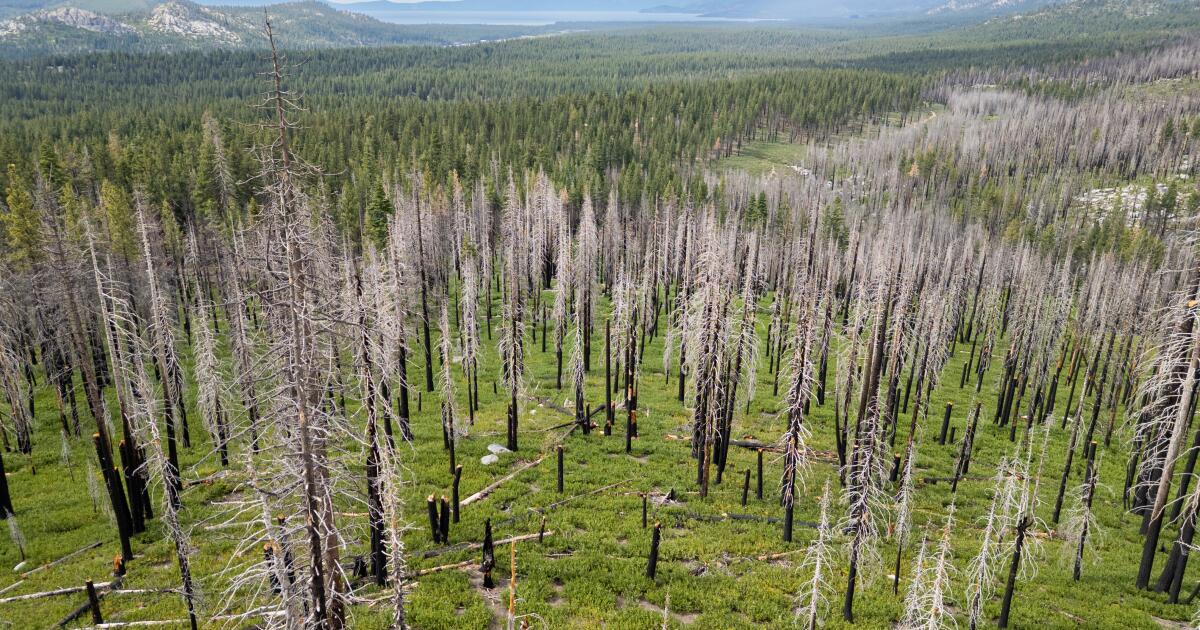 Science24 minutes ago
‘I’d rather my house burn down than get cancer’: Herbicide use upends California’s fight to save forests
-
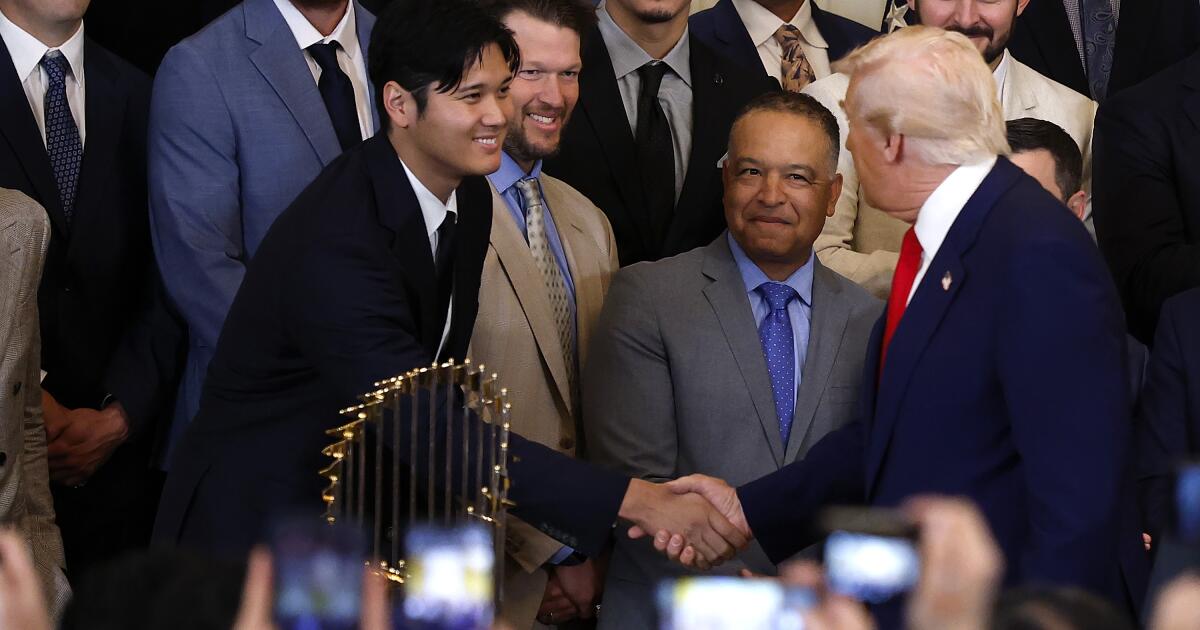 Sports29 minutes ago
Dodgers scheduled to visit White House in late July to celebrate 2025 World Series win
-

 World39 minutes ago
Former US Olympian pleads not guilty in DC reflecting pool vandalism case
-
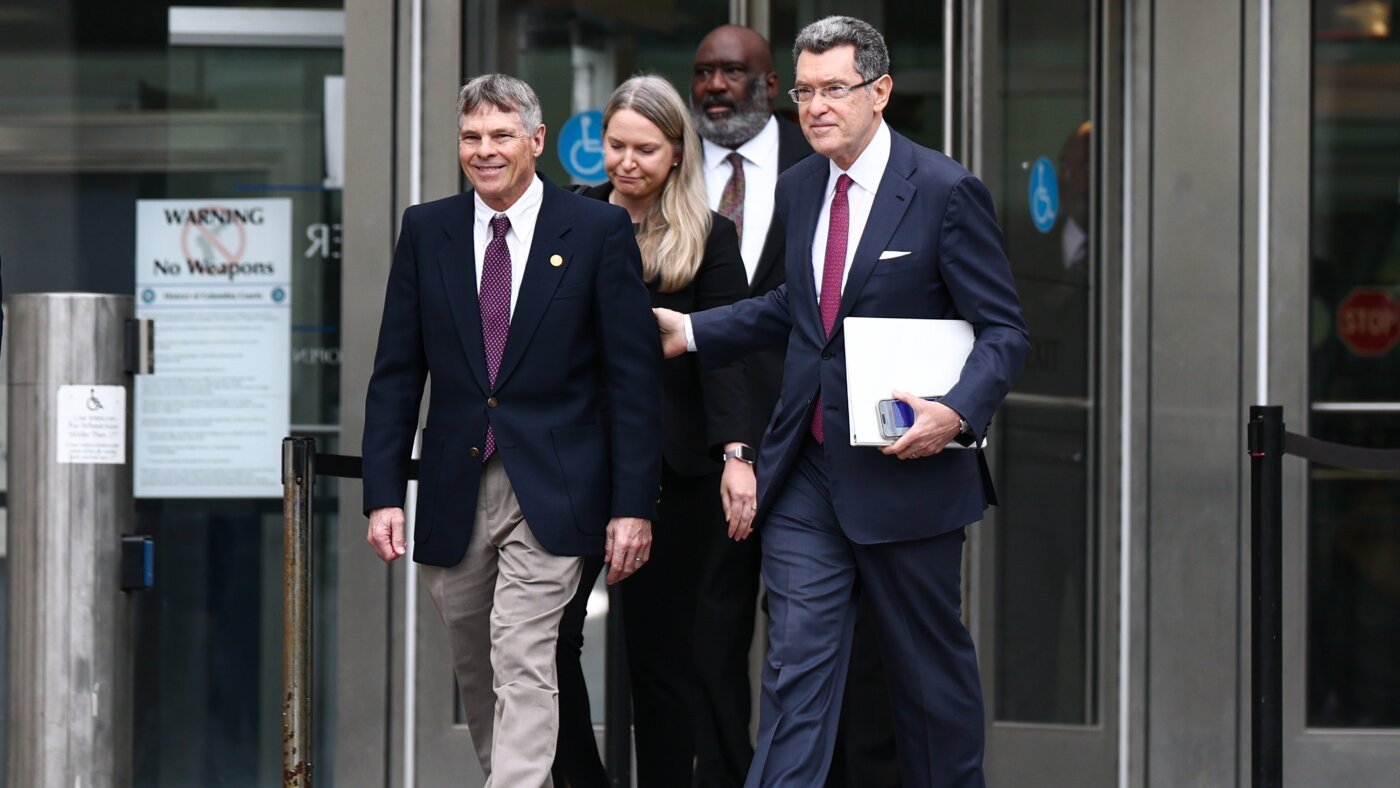 News1 hour ago
Former Olympian pleads not guilty in reflecting pool vandalism charges


