Pennsylvania
‘He preyed on us’: Pennsylvania woman scammed out of $45,000 in sophisticated ‘dealership cloning’ scheme


When Adrianna Parsons and her husband found a shiny Lexus SUV listed for sale on CARFAX, they thought they were in safe hands.
“It all looked very legitimate at first glance,” said Parsons, a resident of Doylestown, Pennsylvania.
The vehicle was listed for $46,000 and linked to a dealership called Specialty Auto in Lincoln, Nebraska. Concerned about buying a car from a dealership 1,400 miles away, Parsons called the number listed on the website and spoke with a man claiming to be the owner, Jim Woods.
“He played the role. He preyed on us. He knew that I was worried. My gut was telling me to stop. I didn’t listen to it well enough,” she shared with ABC 6 Action News.
The man offered to send a custom video of the SUV — what Parsons called a “cold video” — to confirm he had the car. Reassured, the couple agreed to wire $45,000. The SUV never arrived.
What Parsons didn’t know was that the man wasn’t the real Jim Woods — and the website wasn’t legitimate. Though Jim Woods does own a dealership by that name, he told ABC 6 he doesn’t sell cars online and has no internet presence. Multiple other victims have since contacted him with similar stories.
Don’t miss
What is dealership cloning?
The scam that ensnared Parsons is a sophisticated form of fraud called dealership cloning.
Scammers replicate the name, location, and even employee details of real dealerships to create convincing fake websites. They then upload fake listings to platforms like CARFAX, Facebook Marketplace, or Craigslist, often using stolen images and real VINs.
Despite being a trusted resource, CARFAX listings aren’t immune to scams. When reached for comment, the company declined to explain how it vets dealer listings.
In a statement, it said, “If CARFAX is made aware of a potentially fraudulent listing, the team acts swiftly to investigate and remove [it].”
Since Action News began investigating, the fake Specialty Auto website has been taken down. Local police and the Nebraska DMV are investigating. The FBI has also been alerted. Still, Parsons says the loss was “cataclysmic” for her family.
Read more: You’re probably already overpaying for this 1 ‘must-have’ expense — and thanks to Trump’s tariffs, your monthly bill could soar even higher. Here’s how 2 minutes can protect your wallet right now
How to protect yourself from dealership cloning scams
As more car sales move online, so do the risks. Here’s how to protect yourself:
-
Verify the seller: Confirm the dealership’s website URL and call the dealership. Be wary of inconsistent contact details, slight misspellings or prices that are too good to be true. You can also search the dealership’s name alongside terms like “scam” or “fraud” to find any complaints.
-
Avoid risky payments: Never wire money, pay with gift cards, or send cryptocurrency. Instead, use a credit card or a reputable escrow service that holds the funds until the vehicle is delivered and verified.
-
Get proof of the car: Ask for a custom video to prove the seller has the vehicle. Order a VIN report independently and cross-check it with photos and seller info. If buying remotely, hire an independent mechanic to inspect the vehicle in person.
-
Trust your instincts: If a deal feels too good to be true, it probably is. In Parsons’ case, her intuition told her to walk away but the scammer’s smooth demeanor made her second-guess herself.
With many legitimate dealerships and platforms moving their business online, the burden increasingly falls on consumers to vet who they’re buying from and whether the transaction is a possible scam.
What to read next
This article provides information only and should not be construed as advice. It is provided without warranty of any kind.



A toddler was lightly injured by a wolf at a Pennsylvania theme park zoo after he crawled under a fence and stuck his hand into the animal’s enclosure, officials at the zoo confirmed Sunday.The child was never inside the wolf habitat at the ZooAmerica North American Wildlife Park, which is part of the Hersheypark theme park, and the officials characterized the injuries as minor without elaborating.After the “unsupervised” child reached the metal enclosure around the wolf habitat on Saturday morning and put his hand through, a wolf approached “and made contact with the child’s hand,” according to a statement from the zoo.”This type of response is consistent with natural animal behavior, and was not a sign of aggression,” the zoo said in a statement. “Our habitats are designed with multiple layers of protection, and clear signage and barriers are in place to help ensure safe viewing. Guests are expected to remain within designated areas and closely supervise children at all times.”The zoo is part of the entertainment complex in Hershey, Pennsylvania, featuring a chocolate-themed amusement park. The zoo’s website says it has three gray wolves.Hersheypark made headlines last summer when a lost boy wandering a monorail line above a crowd was rescued by a park visitor who climbed onto a building and jumped onto the rails. The child was unharmed and reunited with his family.
A toddler was lightly injured by a wolf at a Pennsylvania theme park zoo after he crawled under a fence and stuck his hand into the animal’s enclosure, officials at the zoo confirmed Sunday.
The child was never inside the wolf habitat at the ZooAmerica North American Wildlife Park, which is part of the Hersheypark theme park, and the officials characterized the injuries as minor without elaborating.
After the “unsupervised” child reached the metal enclosure around the wolf habitat on Saturday morning and put his hand through, a wolf approached “and made contact with the child’s hand,” according to a statement from the zoo.
“This type of response is consistent with natural animal behavior, and was not a sign of aggression,” the zoo said in a statement. “Our habitats are designed with multiple layers of protection, and clear signage and barriers are in place to help ensure safe viewing. Guests are expected to remain within designated areas and closely supervise children at all times.”
The zoo is part of the entertainment complex in Hershey, Pennsylvania, featuring a chocolate-themed amusement park. The zoo’s website says it has three gray wolves.
Hersheypark made headlines last summer when a lost boy wandering a monorail line above a crowd was rescued by a park visitor who climbed onto a building and jumped onto the rails. The child was unharmed and reunited with his family.

Michigan State football has locked in an official visit with an intriguing defensive back prospect from Pennsylvania.
Trey Hopkins of Wyndmoor, Pa. announced on Saturday that he’s scheduled an official visit to Michigan State for late May. According to a social media post from Hopkins, he will visit Michigan State on May 29.
Hopkins is currently unranked and unrated on 247Sports. He is listed at 6-foot-2 and 195 pounds, and plays for La Salle College. His position is listed as cornerback.
Michigan State extended Hopkins an offer in late February, and is one of nearly 20 schools to offer him, according to 247Sports. Other than his offer from the Spartans, Hopkins has received offers from Penn State, Maryland, UCLA, Virginia Tech, Maryland, Wake Forest, USF, Temple, James Madison, Liberty, Miami (OH) and some other group of five or FCS programs.
Michigan State will be the first of three currently scheduled official visits for Hopkins. According to 247Sports, he will also take official visits to Virginia Tech (June 5) and Penn State (June 11).
Contact/Follow us @The SpartansWire on X (formerly Twitter) and like our page on Facebook to follow ongoing coverage of Michigan State news, notes and opinion. You can also follow Robert Bondy on X @RobertBondy5.

A small airplane made an emergency landing on Interstate 78 in Allentown, Pennsylvania on Saturday morning, according to the Federal Aviation Administration.
The Rockwell Commander landed at around 9:20 a.m. after reporting engine issues, the FAA said.
The two people onboard were not injured, according to Pennsylvania State Police.
Dashcam video of the incident circulating on social media shows the plane flying low overhead before landing on the interstate and slowing down.
Emily Rivera, who posted the video, was traveling from Harrisburg to Lehigh Valley when she saw the plane make the landing.
“Honestly I was in disbelief because I never expected a plane to land in front of me!” Rivera said, adding that she was impressed with how the pilot landed.
Police said to expect delays in the area and that all traffic eastbound is being detoured onto exit 40. More information will be released later, police said.
The FAA is investigating the incident.

Suno is a music copyright nightmare

Baby among 3 dead in holiday horror as Easter egg hunt turns deadly

GOP races to pass ICE, Border Patrol funding bill as priorities pile up, divisions emerge

5 key factors may predict stroke risk years after first event, study finds

Dawn Staley gives classy answer after Geno Auriemma question following national title loss: ‘It’s UCLA’s day’

Florida High School Football Rankings: Top 25 teams – Oct. 21

How old is Bo Nix? What to know about Oregon quarterback ahead of 2024 NFL Draft

Cleary's 21 help Le Moyne down Central Connecticut State 69-64 in OT

99th annual Pony Swim held in Virginia

Indiana Members Credit Union announced as new anchor tenant at Bottleworks District
GOP races to pass ICE, Border Patrol funding bill as priorities pile up, divisions emerge
Jet fuel crisis: Rationing triggered at four airports in Italy
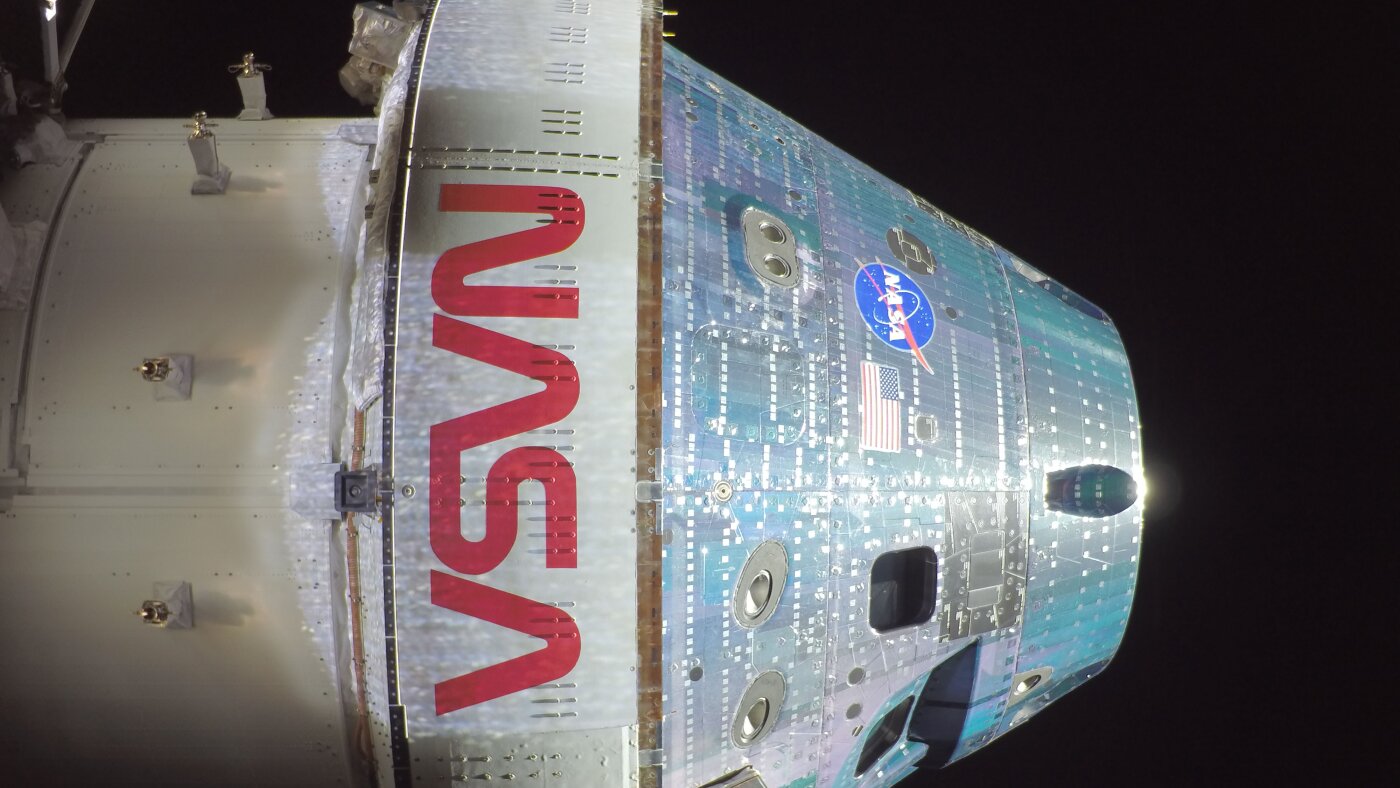
NASA’s Artemis II crew readies for Monday’s lunar flyby. Here’s what you need to know

Tax day is next week: Avoid these 5 common mistakes that can cost you money

Hamas armed wing says disarmament demands not acceptable
-

 South-Carolina1 week ago
South Carolina vs TCU predictions for Elite Eight game in March Madness
-

 Atlanta, GA1 day ago
1 teenage girl killed, another injured in shooting at Piedmont Park, police say
-

 Vermont1 week ago
Skier dies after fall at Sugarbush Resort
-

 Movie Reviews4 days ago
Vaazha 2 first half review: Hashir anchors a lively, chaos-filled teen tale
-

 Politics1 week ago
Trump’s Ballroom Design Has Barely Been Scrutinized
-

 Atlanta, GA1 week ago
Fetishist ‘No Kings’ protester in mask drags ‘Trump’ and ‘JD Vance’ behind her wheelchair
-
 Entertainment4 days ago
Inside Ye’s first comeback show at SoFi Stadium
-

 Politics1 week ago
JD Vance says he was ‘obsessed’ with UFOs, believes aliens are actually ‘demons’