Wisconsin
Exploring Milwaukee, One Of Wisconsin’s Top Drinking And Dining Destinations


Before the 1840s, Milwaukee was often spelled “Milwaukie.”
Wisconsin is renowned across the nation for its prowess at cheesemaking, but there’s a lot more to this scenic state than just its dairy products. During a visit to the lakeside city of Milwaukee, visitors can stumble upon a truly diverse drinking and dining scene, with high-end restaurants and acclaimed breweries scattered all across city limits. As you plan your next foray into the Badger State, don’t miss out on these beloved spots, each one shining a spotlight on the rich culinary heritage of Cream City.
Discover Milwaukee’s Top Spots for Fine Dining
Milwaukee was officially incorporated on January 31st, 1846.
While Milwaukee is known for classic Badger State dishes spanning from fried cheese curds to the butter burger, the city is also home to its fair share of sophisticated dining establishments. Case in point: Birch, a polished venue located on the banks of the Milwaukee River in the Lower East Side. Operated at the behest of James Beard Award-nominated Chef Kyle Knall, this prestigious spot has mastered the art of wood-fired cuisine, providing diners with a wealth of flavorful dishes cooked over an open hearth. Upon arrival, diners can look forward to dishes like the ember-roasted head-on shrimp and charred beef carpaccio, while the Contramar-inspired fish is a top-tier main dish thanks to its savory cumin aioli and poblano and fermented beet salsa.
Just south of the Menomonee River, Milwaukee’s Walker’s Point neighborhood is a treasure trove of fine dining destinations, with Morel drawing diners in droves thanks to its sophisticated New American fare that changes with each season. While menu items span from wood ear mushroom-loaded rabbit ragout to ricotta gnudi in a pea-mint broth, each dish stands as a testament to Chef Jonathan Manyo’s affinity for fresh, locally-sourced Wisconsin meat and produce. Meanwhile, those in search of inventive small plates can make their way ten minutes south to find Odd Duck, a sophisticated tapas spot that debuted in 2012. In addition to offering creative creations like wood-fired Tibetan bread, Vietnamese-inspired bánh xèo and galbi-jjim, this restaurant has also earned acclaim for its high-end cocktails, with the mezcal and hibiscus-forward #48 and citrus and jasmine-heavy #83 serving as two top choices for first-time visitors.
Immerse Yourself in Milwaukee’s International Cuisine
The state pastry of Wisconsin in the kringle, a pretzel-like dish that originated in Scandinavia.
Milwaukee has earned recognition for its strong German and Polish cultural ties, but the city’s dining scene spans far beyond the reaches of just Central Europe. During a visit to the city’s aforementioned Walker’s Point district, guests can discover a wealth of restaurants that highlight Milwaukee’s thriving Latin American food scene, with Zócalo Food Park serving as one of its most intriguing spots. Home to ten distinct drinking and dining venues operating across one space, diners are welcome to pay a visit to Anytime Arepa for a deep dive on one of Venezuela’s staple dishes, while Las Virellas has earned abundant acclaim for their hearty Puerto Rican classics, with pernil, tostones and tripletas all gracing the menu.
Further west, fans of Mexican cuisine can sample dishes like chiles rellenos and enchiladas poblanas at Guadalajara Restaurant, while Movida is a top spot for classic Spanish tapas, with sofrito-slathered meatballs, patatas bravas and garlic shrimp all up for grabs alongside a wealth of high-end wines—but of course, Walker’s Point isn’t the only neighborhood worth visiting in the heart of the city. In spite of its small size, the Historic Third Ward is packed full of can’t-miss venues like Saffron—a top spot for smoked tandoori lamb chops and dal makhani—and the Korean barbecue-focused Char’d, while those in search of traditional East African cuisine can make their way to East Town to find Alem Ethiopian Village, a cozy venue that’s home to classic dishes like quosta, doro wot, and asa tibs.
Sip Top-Tier Craft Beer Across Milwaukee
Milwaukee is also known as “Brew City” thanks to its high concentration of breweries.
First developed due to an influx of German immigrants during the mid-1800s, Milwaukee’s craft brewing scene stands as a major draw for tourism today—and for those in search of a truly iconic destination for beer lovers, there’s no beating Lakefront Brewery. Established in 1987, this storied enterprise has consistently broken barriers across the national brewing scene over the decades, serving as the first certified organic brewery in the U.S. as well as the first government-certified producer of gluten-free beer. Today, visitors can sample groundbreaking creations like the New Grist—a crisp gluten-free pilsner—or keep it classic with a pour of Eastside Dark, their award-winning Bohemian-style dark lager. Post-visit, tourists can keep the brews flowing with a stroll over to neighboring Eagle Park Brewing Company, a polished space that crafts an amazing DDH Bowie’s Space Suit New England hazy.
For those who prefer to stick closer to the Historic Third Ward, The Explorium Brewpub offers a wealth of refreshing brews served in a historic space. There are 24 taps to sample during a visit, with options ranging from the refreshing Cream City Crusher cream ale to Watermelon Peppercorn wild ale—and to sweeten the deal, the venue also crafts some truly stellar fried cheese curds alongside hearty main courses like Nashville hot wings and roasted mushroom calzones. Once you’ve made your way through Milwaukee’s top breweries, history buffs should be sure to book a tour of the Best Place, a storied facility that offers a deep dive into the history of Badger State beer. During a history tour, guests can gain insight into the past of Best Brewing Co, an iconic organization that served as the largest brewery in the nation in the late 1800s and even gave rise to the renowned Pabst Blue Ribbon lager—and of course, each tour comes with plenty of fresh PBR to enjoy along the way.



Wisconsin
South Milwaukee, Wisconsin, officials in standoff with homeowner over year-round skeleton display

The city of South Milwaukee, Wisconsin, has ordered a homeowner to take down his year-round giant skeleton display or face fines, but the homeowner is standing firm and refusing, even as the deadline to remove the display has passed.
Now there’s a skeleton standoff.
The city cited ordinance violations in their order for Sean Oster to dismantle the lawn decorations. The notice specifically references “large Halloween decorations being displayed not during the appropriate time of year.”
Oster was also ordered to make other improvements to his property.
But Oster has refused to take down the display, which is re-dressed as the year goes on and is currently sporting a Fourth of July theme. The Institute for Justice, a public interest law firm, has come to his aid, saying the city’s actions violate Oster’s First Amendment rights.
City administrators declined to comment, citing a pending investigation. Neighbors have been divided by the display; some say they’re fine with it, and think it brings fun and positivity to the neighborhood, but some others want to see it removed and say the lawn should be kept up better and more consistently.
Oster said he’s hoping to reach an agreement with the city, and said he’s corrected all other violations outside of the display.
Wisconsin
Former Wisconsin judge to be sentenced after conviction in obstructing arrest of Mexican immigrant

Former Wisconsin Judge Hannah Dugan, who was convicted of felony obstruction for helping an immigrant evade federal officers in a case that highlighted President Donald Trump’s sweeping immigration crackdown, is scheduled to be sentenced Wednesday in federal court.
Dugan, 67, faces up to five years in prison after a jury convicted her on Dec. 19. She resigned from her position as a Milwaukee County circuit judge two weeks later amid threats of impeachment from Republican state lawmakers. She had been a judge for nine years.
Trump administration tried to make an example out of Milwaukee judge
The Trump administration brought the case against Dugan as the president pressed ahead with his sweeping immigration crackdown. Trump’s administration and his allies branded Dugan as an activist judge, while Dugan’s attorneys said during the trial that the Trump administration was trying to make an example out of Dugan to “crush her.”
Immigrant rights advocates and other Dugan allies argued that the administration was trying to use her case to blunt judicial opposition to Trump’s immigration efforts. The case became a bellwether nationally in the conflict between the judiciary and Trump’s immigration crackdown.
Republican U.S. Rep. Tom Tiffany, a fierce Trump loyalist running for Wisconsin governor, urged authorities to “lock her up” in a social media post following her conviction.
Dugan’s attorneys declined to comment ahead of the sentencing. Dugan did not testify during her trial, but her attorneys said she would be making comments to the court on Wednesday. That would be her first public comments on the case in more than a year.
Prosecutors push for ‘serious sentence’
Dugan’s attorneys argued that as a judge she was immune from prosecution. U.S. District Judge Lynn Adelman, who will hand down the sentence, has rejected attempts by Dugan to vacate her obstruction conviction.
Prosecutors argued in a sentencing memo filed last week that Dugan violated her oath as a judge and put both law enforcement and the public at risk.
“Judges are entrusted with tremendous discretion, but there is a line they cannot cross,” Executive Assistant U.S. Attorney Richard Frohling wrote. “The defendant crossed that line.”
Dugan’s attorneys argued she has “punished enough,” including resigning as a judge and facing threats of violence. They argued in her sentencing memo that she should not be sentenced to any jail time besides the part of one day she already spent in federal custody.
Under federal sentencing guidelines, the presentence report calls for 15 to 21 months behind bars. The judge is not bound by those guidelines.
Prosecutors said the average sentence for obstruction cases is 16 months, but they did not recommend a sentence.
“This was a serious offense, and it warrants a correspondingly serious sentence,” Frohling wrote.
No matter what she is sentenced to, Dugan’s attorneys said they plan to file an appeal.
Dugan’s case was a first for Wisconsin
Dugan’s case marked the first time that a state judge in Wisconsin went to trial on charges of obstructing immigration agents. She was found not guilty of concealing an individual to prevent arrest, a misdemeanor.
On April 18, 2025, immigration officers went to the Milwaukee County courthouse after learning 31-year-old Eduardo Flores-Ruiz had reentered the country illegally and was scheduled to appear before Dugan for a hearing in a state battery case.
Dugan confronted agents outside her courtroom and directed them to the chief judge’s office because she told them their administrative warrant wasn’t sufficient grounds to arrest Flores-Ruiz.
After the agents left, she led Flores-Ruiz and his attorney out a private jury door. Agents spotted Flores-Ruiz in the corridor, followed him outside and arrested him after a foot chase. A week later, FBI agents arrested Dugan in the courthouse, leading her outside in handcuffs.
Flores-Ruiz was deported in November.

MENASHA, Wis. (WFRV) — History was made today, as Melodee Liegel successfully completed her nearly 17-hour swim just before 9:00 p.m. on July 7.
The swim, which started at the Fond du Lac Lighthouse and ended in Menasha, was just under 28 whole miles in length. Liegel began her swim at 4:00 in the morning, treading water only occasionally for snack and rest breaks.
Liegel, a resident of Delafield, Wisconsin, is the first person in history to complete the swim, which covered the entirety of Lake Winnebago.
Local fishing guide Troy Peterson was riding alongside Melodee as she completed her swim. His Facebook has more information, as does their website tracking her swim.
WFRV will update this story as necessary.
-
Business50 seconds ago
Commentary: Trump wants to let companies make fewer disclosures, thus keeping investors in the dark
-
 Entertainment8 minutes ago
Justin Baldoni and wife break silence after ‘It Ends With Us’ legal battle with Blake Lively
-
 Lifestyle11 minutes ago
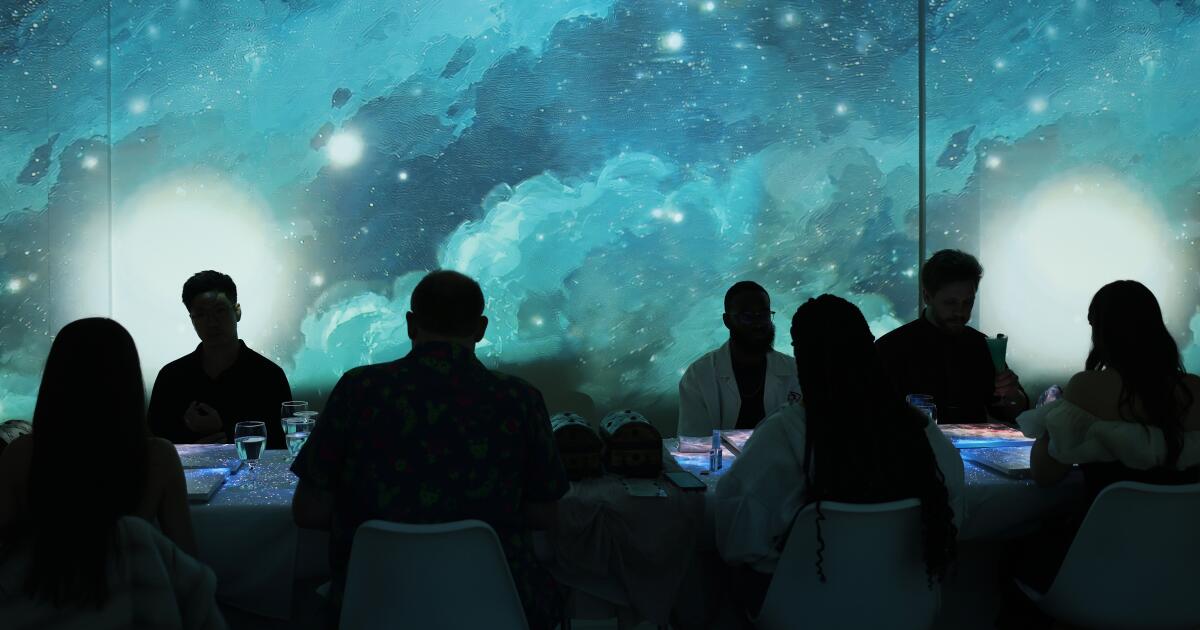
A meal with an animated Mona Lisa? Immersive dining goes high tech — but will L.A. eat it up?
-
 Politics16 minutes ago
Nexstar launches its first digital subscription service with The Hill Insider, aimed at political junkies
-
 Science23 minutes ago
Not everyone is leaving California. A new commercial battery maker just landed in Sacramento
-
 Sports26 minutes ago
Mookie Betts’ eighth-inning single gives Dodgers the win over the Rockies
-
World38 minutes ago
From sewers to swimming sites: how Europe's cities reclaim their rivers
-

 News1 hour ago
Three more people charged with damaging Reflecting Pool after Trump’s multimillion-dollar restoration | CNN Politics


