South Dakota
South Dakota brand, fake meat, property rights bill updates


Brand bills
District 28A representative introduced HB 1267, which would have expanded the brand inspection program to cover the entire state. Currently brand inspection is only required on the western half of the state, although registered brands are considered legal proof of ownership anywhere in the state.
1267 was deferred to the 41st day in a vote of 8-4 in the House Ag Committee, which effectively killed the bill. Yeas (in favor of killing the bill) were: Ladner, Wittman, Overweg, Drew Peterson, Shubeck, Nolz, Van Diepen and Gosch. Nays (opposed to killing the bill) were: Hunt, May, Rice and Ismay.
The Chairman of the House Agricultural committee, at the behest of the Department of Agriculture, brought HB , to increase the brand inspection fee cap to $1.65, up from the current maximum of $1. This give the South Dakota Brand Board the leeway to increase the inspection fee to any amount up to $1.65.
The bill passed the House of Representatives, the Senate Ag Committee, and will be discussed in the Senate probably Tuesday, Feb. 17, 2026.
The vote in the House was as follows:
Yeas: Arlint, Auch, Bahmuller, DeGroot, Derby, Duffy, Emery, Fitzgerald, Fosness, Goodwin, Greenfield, Halverson, Healy, Heermann, Heinemann, Hughes, Jamison, Jorgenson, Kassin,22 Kolbeck (Jack), Kull, Ladner, Lems, Massie, Mortenson, Muckey, Mulder, Nolz, Novstrup, Odenbach, Overweg, Peterson (Drew), Pourier, Rehfeldt, Reimer, Reisch, Rice, Roby, Roe, Shorma, Shubeck, Stevens, Uhre‑Balk, Van Diepen, Walburg, Weems, Weisgram, Wittman, and Speaker Hansen.
Nays: Andera, Aylward, Baxter, Garcia, Gosch, Hunt, Ismay, Jensen (Phil), Jordan, Kayser, Manhart, Moore, Mulally, Randolph, Schaefbauer, Schwans, Sjaarda, and Soye.
Lab-Grown Protein
Representative Julie Auch’s “fake meat” bill, HB 1077, passed the House and Senate but was promptly vetoed by Governor Rhoden. The bill would have changed the status of lab grown protein to “adulterated” which in part deems it “unfit for food” and would effectively ban the sale of lab-grown protein in the state of South Dakota.
The Governor introduced his own bill as a compromise, SB 124, which places a moratorium on the sale of lab grown meat for five years. The South Dakota Cattlemen’s Association, South Dakota Retailers Association, South Dakota Farm Bureau and South Dakota Stockgrowers all voiced support for the governor’s compromise, which is not scheduled for a committee discussion at this time.
Property Rights
The South Dakota Senate approved SB 88 sponsored by Senator Lapka, dubbed the “Bossly bill,” it would prevent private entities from conducting surveys without permission. However, “examinations” without permission would continue to be legal under certain circumstances, including when a citing permit has been granted. House Commerce and Energy will take up the bill soon.
The South Dakota House passed a bill to amend the South Dakota constitution to prevent the use of eminent domain for economic purposes. This bill came as the result of the many attempts of Summit Carbon Solutions to gain legal standing to take property for its pipeline. The constitutional amendment would protect landowners from other private entities using eminent domain to take property for private enterprises. Spencer Gosch, who sponsored HJR 5001, said this subject has been on his mind for a few years. “We’ve got to defend property rights and put a stop to private companies and government taking advantage of private property owners,” he told TSLN. HJR 5001, if approved by both houses, would not go to the governor for a signature, but would go a vote of South Dakota citizens.


SIOUX FALLS, S.D. (Dakota News Now) – The South Dakota Department of Public Safety said a nine-year-old girl from Waterloo, Iowa, is dead following a fatal Hughes County crash on Saturday.
This crash happened on Saturday, July 4, near the Spring Creek Recreation Area about 15 miles northwest of Pierre.
Preliminary crash information suggests a utility vehicle driven by a 37-year-old Iowa man was driving south on Spring Creek Drive. He attempted to turn around and rolled the vehicle.
A 16-year-old boy was also in the vehicle and was hurt, while the driver was not hurt.
The South Dakota Highway Patrol is investigating the crash.
Copyright 2026 Dakota News Now. All rights reserved.

RAPID CITY, S.D. (KOTA) – Beginning July 7, six Little League All-Star teams from across South Dakota will compete at Collins Field during the 2026 South Dakota Little League State Tournament.
For many players, it’s the biggest stage they’ve experienced. Every pitch, hit and catch could help extend their summer and earn a trip to regional competition.
Rapid City will be well represented with both Canyon Lake and Harney Little League taking the field, while teams from Pine Ridge, Pierre, Brandon Valley and Sioux Falls round out the tournament.
The weeklong event also brings families, coaches and fans from across South Dakota to the Black Hills, creating a busy week at the ballpark filled with community support and hometown pride.
When the final out is recorded on July 12, one team will leave Rapid City carrying a state championship trophy—and a chance to keep its postseason journey going.
See a spelling or grammatical error in our story? Please click here to report it.
Do you have a photo or video of a breaking news story? Send it to us here with a brief description.
Copyright 2026 KOTA. All rights reserved.
The South Dakota Lottery offers multiple draw games for those aiming to win big.
Here’s a look at July 4, 2026, results for each game:
Winning Powerball numbers from July 4 drawing
17-38-46-50-69, Powerball: 20, Power Play: 2
Check Powerball payouts and previous drawings here.
Winning Lotto America numbers from July 4 drawing
09-17-22-35-37, Star Ball: 05, ASB: 02
Check Lotto America payouts and previous drawings here.
Winning Dakota Cash numbers from July 4 drawing
08-09-18-25-30
Check Dakota Cash payouts and previous drawings here.
Winning Millionaire for Life numbers from July 4 drawing
17-20-37-40-43, Bonus: 04
Check Millionaire for Life payouts and previous drawings here.
Feeling lucky? Explore the latest lottery news & results
Are you a winner? Here’s how to claim your prize
- Prizes of $100 or less: Can be claimed at any South Dakota Lottery retailer.
- Prizes of $101 or more: Must be claimed from the Lottery. By mail, send a claim form and a signed winning ticket to the Lottery at 711 E. Wells Avenue, Pierre, SD 57501.
- Any jackpot-winning ticket for Dakota Cash or Lotto America, top prize-winning ticket for Lucky for Life, or for the second prizes for Powerball and Mega Millions must be presented in person at a Lottery office. A jackpot-winning Powerball or Mega Millions ticket must be presented in person at the Lottery office in Pierre.
When are the South Dakota Lottery drawings held?
- Powerball: 9:59 p.m. CT on Monday, Wednesday, and Saturday.
- Mega Millions: 10 p.m. CT on Tuesday and Friday.
- Lucky for Life: 9:38 p.m. CT daily.
- Lotto America: 9:15 p.m. CT on Monday, Wednesday and Saturday.
- Dakota Cash: 9 p.m. CT on Wednesday and Saturday.
- Millionaire for Life: 10:15 p.m. CT daily.
This results page was generated automatically using information from TinBu and a template written and reviewed by a South Dakota editor. You can send feedback using this form.
-

 Technology7 minutes ago
Some of the nation’s rich are letting AI teach their kids
-

 World12 minutes ago
Experts ‘deeply’ concerned over Iran’s work at underground nuclear site
-

 Politics19 minutes ago
Trump shares news of ‘crystal clear’ Reflecting Pool, calls for vandalism suspect’s arrest
-

 Health21 minutes ago
How a 93-year-old soccer referee credits wartime rations and discipline for his longevity
-

 Sports27 minutes ago
England stuns Mexico 3-2 in instant World Cup classic, hands team first World Cup loss at Estadio Azteca
-
 Business37 minutes ago
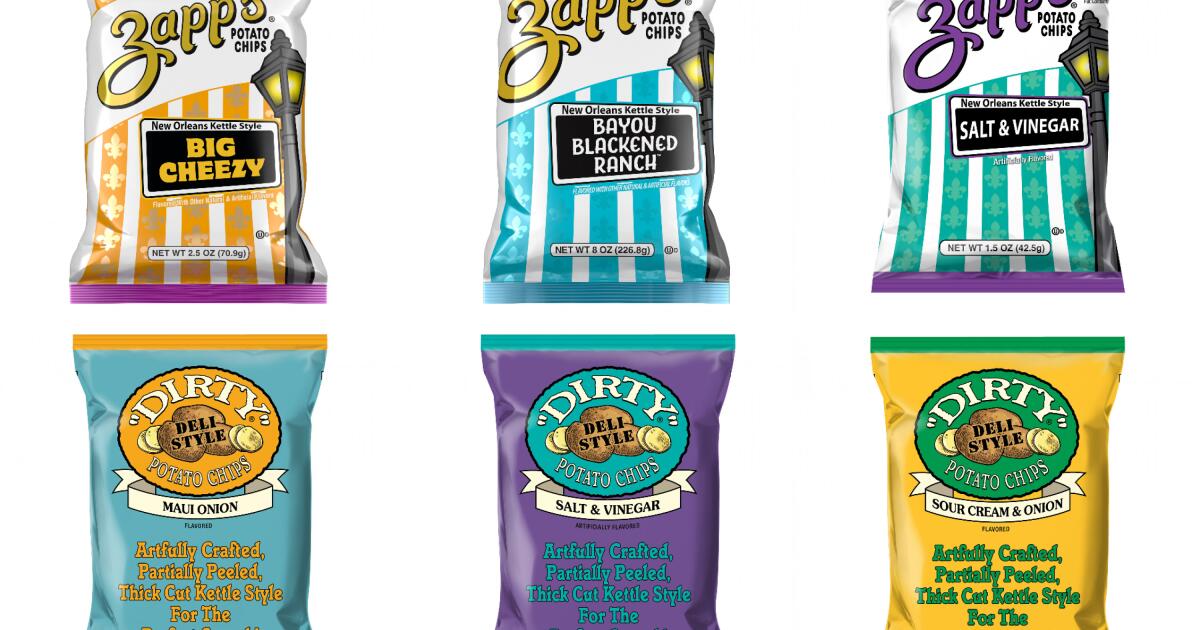
FDA escalates recall of Utz brand potato chips before July Fourth holiday
-
 Entertainment42 minutes ago
Inside the all-star America250 concert at the L.A. Coliseum
-

 Lifestyle49 minutes ago
Luxury Clients Want Meaning More Than Status

