Minnesota
Invasive ‘bloody red shrimp’ reach Lake Superior


What to know about PCBs and their impact on the Great Lakes, Wisconsin
PCBs are a class of more than 200 chemicals that are known to cause cancer.
An invasive shrimp is swimming in Lake Superior. This is the last Great Lake to be invaded — all five Great Lakes now are infested by the crustaceans..
Researchers for the first time have confirmed a breeding population of an invasive Black Sea-native shrimp in Lake Superior.
The number and extent of the shrimp’s spread in Lake Superior is not clear. However, there is a breeding population in the Duluth.
The findings by researchers at the University of Minnesota-Duluth, Lake Superior Research Institute at the University of Wisconsin Superior, and the Hobart and William Smith Colleges in New York, published in the Journal of Great Lakes Research in April, found that the shrimp are now reproducing and surviving year-round in the Duluth-Superior Harbor, the farthest west the European species has been confirmed.
“Samples we collected in 2025 from two locations in the Duluth-Superior Harbor, a major inland shipping port in the Great Lakes, contained juveniles, adult males, and (pregnant or with young) adult females, indicating a self-sustaining population. Additionally, we document earlier evidence from 2018 samples we collected in the harbor that contained two juvenile specimens,” the article in the Journal said.
In an interview on the CBC’s “Superior Morning” show with Mary-Jane Cormier on June 10, lead researcher Donn Branstrator, of the University of Minnesota, said studies in the Duluth-Superior Harbor this spring after ice was off the lake found adult males and females.
“It’s pretty clear evidence of overwintering,” Branstrator told Cormier. “It would be very unlikely for the population to extinguish (at this point).”
Branstrator told Cormier ongoing bi-weekly research in the harbor, and along the Lake Superior shoreline will exam those questions.
According to the research, the non-native shrimp, about a quarter to half inch long, were first detected in the lower Great Lakes in 2006 in lakes Michigan and Ontario. By 2008, they were found in lakes Huron and Erie as well.
“It has also spread to Oneida and Seneca Lakes in New York … as well as the St. Lawrence River and various canals in northern New York State,” the research said.
Branstrator said the Black and Caspian sea region natives, also have spread throughout Europe into areas they were not native. He said they likely hitchhiked with ballast or bilge water, but the exact mechanism will never be known.
What we know about bloody red shrimp.
What is a bloody red shrimp?
Bloody red shrimp are small crustaceans native to the Black Sea and Caspian Sea region of Europe. They are adapted for fresh and brackish water.
This freshwater shrimp can be ivory-yellow in color or translucent, but exhibits pigmented red pigment cells in the carapax and tail, according to the USGS.
The quarter to half inch long shrimp feed on both phytoplankton and zooplankton at various stages of life.
While relatively small, they are among the larger creatures in the Great Lakes feeding on those food sources.
“They are very large bodied, at the upper end of what we consider zooplankton,” Branstrator said.
Branstrator said the shrimp live in near-shore environments and like to hide in crevices during the day, making use of dock pilings, breakwaters and other human-made structures.
They come out at night and “swarm” together in groups of up to 135 per square foot, the University of Wisconsin Sea Grant said.
Bloody red shrimp have a lifespan of about nine months, grow to adults in just 45 days, and an produce up to four generations per year. Females have been documented to carry up to 66 eggs in a clutch. Broods carried by females in the Muskegon population ranged from two to seven.
Where have the shrimp been found?
The shrimp have spread throughout Europe and now have been found in all five Great Lakes, as well as some locations away from the lakes.
The recent study found a breeding population in the Duluth, Minnesota, harbor, the first in Lake Superior.
According to the research, the non-native shrimp, about a quarter to half inch long, were first detected in the lower Great Lakes in 2006 in lakes Michigan (near Muskegon) and Ontario. By 2008, they were found in lakes Huron and Erie as well.
A single specimen was found in Duluth in 2017, and two were found in 2018. It wasn’t until 2025 that the researchers found a sustaining population when they captured 81 individuals.
How did the shrimp arrive in the Great Lakes?
The shrimp likely hitched a ride in the ballast water of ocean-going vessels, although Branstrator noted during an interview on CBC’s “Superior Morning” that we will never know for certain.
He added that the shrimp have multiple opportunities to hitch rides with vessels during the shipping season.
What impact will the shrimp have on Lake Superior and the Great Lakes?
Branstrator said that question hasn’t been answered. They feed on the same sources as other water-dwelling creatures, but they are large enough that small fish may find them to be a new food source.
Are any shrimp native to the Great Lakes?
The opossom shrimp is a Great Lakes native and looks similar to the bloody red shrimp.



A St. Cloud Tech ninth-grader won the Minnesota State High School League Clay Shooting championship on Friday.
Allie Lauer won the title with a score of 99 and reverse run of 83, while second-place finisher Isabella Blaz (Rosemount) also scored a 99 but a reverse run of 54. LeRoy-Ostrander’s Kimberly Volkart finished in third place with a score of 98.
MSHSL:
“I was nervous coming in because the other girls are older,” Lauer said. “It was nice weather today and things worked out well. Your average (score) doesn’t really matter. Just keep a good mindset and don’t focus on the scores.”
BOYS CLAY SHOOTING CHAMPIONSHIP
Proctor sophomore Lane Graves took home the championship after a grueling three-way, two-round shoot-off against Rushford-Peterson’s Colton Ronnenberg (second place) and Prior Lake’s Jack Benedict.
After Benedict was eliminated in the first shoot-off, Graves outlasted Ronnenberg with a 9-7 win in round two.
TEAM CLAY SHOOTING CHAMPIONSHIP
The Bemidji Lumberjacks took the team title with a total score of 487, one ahead of Lakeville South and five better than both Stewartville and Spring Grove.
St. Cloud’s Stanley Cup Champion Nate Schmidt [GALLERY]
Former St. Cloud Cathedral and University of Minnesota standout Nate Schmidt will bring the Stanley Cup to St. Cloud on August 25th. Here’s a look at his career through photos.

REDWOOD FALLS
— The 64-year-old Redwood Falls man
killed in a rollover crash Saturday in Redwood County
was fleeing police in his vehicle at the time, according to information from the Redwood County Sheriff’s Office.
Francis Albert Rohlik was pronounced dead at the scene of the crash at approximately 7:22 p.m. on June 27. He was northbound on Redwood County Road 7 north of
Belview
when his vehicle left the roadway and rolled at the intersection with 400th Street in Kintire Township, according to
an accident report
by the
Minnesota State Patrol.
Rohlik was not wearing a seat belt, the State Patrol reported. According to the Redwood County Sheriff’s Office, he was ejected from the vehicle during the crash.
Shortly before the crash, at approximately 7:19 p.m. Saturday, law enforcement officers attempted to stop his vehicle for traffic violations on County Road 7 near Belview. The driver accelerated away from deputies and a brief pursuit ensued. After approximately three miles, the vehicle lost control and rolled over near the intersection with 400th Street, according to the Sheriff’s Office.
Deputies immediately administered medical aid to the driver. However, he was pronounced dead at the scene. Rohlik was the only occupant in the vehicle.
Assisting agencies included the Minnesota State Patrol, the Yellow Medicine County Sheriff’s Office, Belview Fire Department, Belview First Responders, Minnesota Department of Natural Resources, CentraCare Ambulance, and North Memorial AirCare. The Minnesota State Patrol is investigating the crash.
-

 Delaware5 minutes ago
Delaware has gotten these 15 verbal commitments from football recruits
-
 Florida12 minutes ago
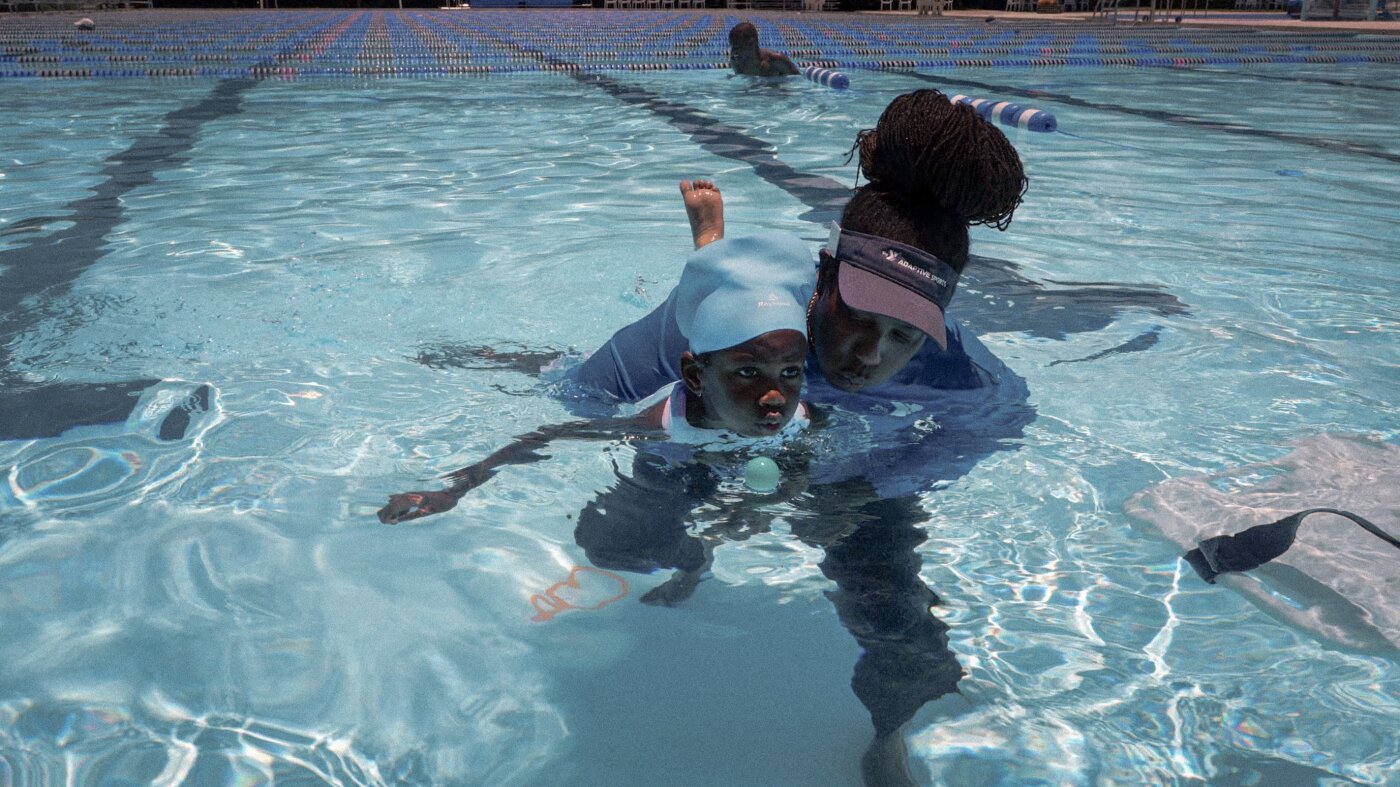
Kids with autism are prone to drowning. Florida is trying to prevent that
-

 Georgia15 minutes ago
Bradenton man wanted for murder is found hiding in Georgia
-

 Hawaii20 minutes ago
Few state bills this year face potential veto – West Hawaii Today
-

 Illinois30 minutes ago
West Suburban hospital sends permanent layoff notices to about 500 furloughed employees
-

 Indiana35 minutes ago
Extreme heat peaks before holiday weekend storms | July 1, 2026
-

 Iowa42 minutes ago
New York Times/Siena Polls in Alaska, Iowa, North Carolina, and Ohio – Siena Research Institute
-

 Kansas45 minutes ago
Kansas State Fair announces Rock Fest with three-band lineup

