Iowa
New college football rankings have been released. See if Iowa football made the cut.


Video: Kirk Ferentz discusses Iowa football’s loss to Iowa State
Iowa coach Kirk Ferentz discusses Hawkeyes’ heart-breaking loss to Iowa State.
IOWA CITY — The latest iteration of the USATODAY US LBM college football coaches poll has been released. Iowa football dropped out of the top 25 following Saturday’s loss to Iowa State.
Iowa State pulled off a win in stunning fashion over the Hawkeyes at Kinnick Stadium on Saturday.
Down by two points with less than 10 seconds remaining, Iowa State kicker Kyle Konrardy drilled a 54-yard field goal to give the Cyclones the lead. It was the first time Iowa State led all day, and the Cyclones won 20-19.
Leading by 13 at the break, the Hawkeyes had multiple blown opportunities, which allowed Iowa State to stay within shouting distance. Twice in the first half Iowa failed to score touchdowns after having first-and-goal. On each of those occasions, Iowa got three points on the board with Drew Stevens’ made field goals.
But the Hawkeyes left points on the field, which in an eventual one-point loss turned out to be critical.
Iowa rankings update
On Sunday, Iowa received votes but was not included in the top 25 in the newest version of the USATODAY US LBM coaches poll. The Hawkeyes were previously No. 21.
Iowa, now 1-1 on the season, hosts Troy on Sept. 14 before starting Big Ten play with a road matchup against Minnesota.
“It’s all about how we respond,” star linebacker Jay Higgins said following Saturday’s loss to Iowa State. “It kinda felt like this last year Week 4 at Penn State, where you lose a tough game early in the year. I mean, luckily for us, the year’s not over. It’s Week 2. If I was a betting man, the sun’s probably gonna be up tomorrow.”
More: Iowa football’s ambitions remain possible as long as Cy-Hawk blunder doesn’t define season
US LBM Coaches Poll
Here is a look at the new full US LBM college football coaches poll top 25.
- Georgia
- Ohio State
- Texas
- Alabama
- Ole Miss
- Oregon
- Missouri
- Penn State
- Tennessee
- Utah
- USC
- Miami (FL)
- Oklahoma
- Oklahoma State
- Kansas State
- Michigan
- LSU
- Arizona
- Notre Dame
- Clemson
- Louisville
- Washington
- Iowa State
- Nebraska
- Memphis
Schools Dropped Out
No. 20 Kansas; No. 21 Iowa; No. 23 North Carolina State;
Others Receiving Votes
Texas A&M 68; Boston College 36; Syracuse 33; Illinois 33; Northern Illinois 30; Wisconsin 28; South Carolina 25; UNLV 19; Boise State 18; Iowa 17; Kansas 10; North Carolina State 9; UCF 7; Texas State 7; TCU 6; North Carolina 5; California 5; Liberty 4; Pittsburgh 2; Michigan State 2; BYU 2; Tulane 1; James Madison 1; Indiana 1;
AP poll update
The new AP poll is set to be released later Sunday.
Follow Tyler Tachman on X @Tyler_T15, contact via email at ttachman@gannett.com



Iowa State Cyclones men’s basketball head coach T.J. Otzelberger knew that his program was in for a busy offseason.
Before any moves were made with the roster, whether it be players entering the transfer portal or declaring for the NBA draft, Otzelberger knew that he would have five seniors who would have to be replaced on the roster.
In addition to player needs, the head coach needs to replenish his coaching staff. Two of his assistants, JR Blount and Kyle Green, were hired as head coaches. Blount is heading to the San Diego Toreros, and Green was brought back for a fourth stint with the Northern Iowa Panthers.
Both were integral parts of the team’s success, with Blount being a leader on the recruiting front and Green being an architect behind the team’s defense. Who could Otzelberger turn to as a replacement?
Tim Buckley is great option for Iowa State coaching staff
One person who would make a lot of sense as a candidate is Tim Buckley. Most recently, he was on staff with the Cincinnati Bearcats, but with their head coaching change of Wes Miller to Jerrod Calhoun, Buckley is back on the market.
He is someone with whom Otzelberger has familiarity, which could play a big role in the evaluation process when candidates are interviewing. The two worked together with the UNLV Runnin’ Rebels from 2019-21, the position which Otzelberger held before Iowa State.
Buckley could help replace some of what Green’s departure is being lost with the defensive game plan.
“Buckley seems to have a defensive background, and he was described as being “old school” to Cyclone Alert by one source close to the Bearcat program,” wrote Alec Busse of Cyclone Report, part of the 247Sports Network (subscription required).
Familiarty, defense are biggest assets Buckley provides
He also has some experience working in the Midwest. Buckley spent one campaign in 2007-08 with the Marquette Golden Eagles and worked with the Wisconsin Badgers in the mid-1990s.
Since Otzelberger took over as head coach, the Cyclones have found a ton of success recruiting in Wisconsin. Buckley can help keep the pipeline active.
He would also bring an established relationship with Otzelberger and plenty of experience. Buckley has been on different sidelines as a coach for nearly 40 years and has been a head coach previously with Rockford and the Ball State Cardinals.
A bonus: Buckley knows the Big 12 landscape after working with Cincinnati the last two seasons. That is an underrated part of his resume, as he can help give some insight into how opponents game plan against Otzelberger and his team while bringing some new ideas to the table in how Iowa State can stop them.

Inside the 2026 NFL Draft wide receiver pool: playmakers and sleepers
USA TODAY Sports’ Christian D’Andrea breaks down the top wide receiver studs, sleepers, and deep sleepers in the 2026 NFL Draft.
The 2026 NFL Combine has passed, Pro Days have wrapped up, and scouts and front‑office personnel from across the league are finishing their draft boards in preparation for April’s NFL Draft.
Here’s what to know about the 2026 NFL draft.
When is the 2026 NFL draft?
The 2026 NFL draft will begin with the first round on Thursday, April 23. Rounds 2 and 3 occur the following day, and the draft will conclude on its third day with Rounds 4-7 on Saturday, April 25.
Where is the 2026 NFL draft?
Pittsburgh — home of the Steelers — will host the 2026 NFL draft.
How to watch the 2026 NFL draft
Live coverage of the NFL draft can be found on ESPN, ESPN2, ESPN Deportes and the NFL Network. Coverage is also available on NFL+, ESPN Select, ESPN Unlimited and Fubo TV.
- Thursday, April 23: Round 1 starts at 7 p.m. CT
- Friday, April 24: Round 2 and Round 3 start at 6 p.m. CT
- Saturday, April 25: Rounds 4-7 start at 11 a.m. CT
Watch the NFL Draft on ESPN+
How are NFL draft prospects graded?
Using NFL.com analyst Lance Zierlein’s grading scale, players are evaluated based on their physical traits, on-field performance and projected role. Here’s how that scale breaks down.
- 8: Perfect prospect
- 7.3-7.5: Perennial All-Pro
- 7.0-7.1: Pro Bowl talent
- 6.7-6.9: Year 1 starter
- 6.5-6.6: Boom-or-bust potential
- 6.40-6.49: Will become a good starter within two years
- 6.30-6.39: Will eventually be plus starter
- 6.20-6.29: Will eventually be an average starter
- 6.10-6.19: Good backup with the potential to develop into a starter
- 6.0-6.09: Traits or talent to be above-average backup
- 5.80-5.99: Average backup or special-teamer
- 5.60-5.69: Candidate for bottom of roster or practice squad
- 5.50-5.59: Priority undrafted free agent
For context, the highest-graded player in the year’s entire draft class was former Ohio State linebacker/defensive end Arvell Reese, who earned a rating of 7.04. Reese ran the fastest 40-yard dash at the defensive end position, clocking a 4.46, and is considered a top-five draft pick after earning All-American and Big Ten Linebacker of the Year honors in 2025.
Similar to high school recruiting rankings, these evaluations aren’t an exact science. They’re projections, and players can ultimately exceed or fall short of them.
For example, before becoming a multiple-time Pro Bowler, George Kittle received a 5.90 grade. Similarly, former Iowa State Cyclones football quarterback Brock Purdy was given a 5.57 rating before outperforming that projection at the NFL level.
What Iowa football players are graded ahead of the 2026 NFL draft?
Here is a breakdown of the prospect grades for Iowa football players according to NFL.com. Combine data, including 40‑yard dash and vertical jump results, is listed where available, though not all 2026 draft‑eligible players were invited to or participated in the Combine.
- Gennings Dunker, offensive line: 6.24 (Will eventually be an average starter) − Fifth out of 24 guards in highest prospect grade, according to NFL.com
- 40-yard dash: 5.18 seconds (20th out of 39 offensive linemen)
- Vertical jump: 32.5″ (tied 5th out of the 40 offensive linemen)
- 20-yard shuttle: 4.63 seconds (3rd out of 12 offensive linemen)
- Logan Jones, center: 6.2 (Will eventually be an average starter)− Tied fourth out of 15 centers in prospect grade.
- 40-yard dash: 4.90 seconds (1st out of 39 offensive linemen)
- 3-cone drill: 7.46 seconds (2nd out of 14 offensive linemen)
- 20-yard shuttle: 4.53 seconds (2nd out of 12 offensive linemen)
- TJ Hall, defensive back: 5.98 (Average backup or special-teamer) − 16th out of 33 defensive backs in prospect grade.
- 40-yard dash: 4.59 seconds (14th out of 20 cornerbacks)
- Vertical jump: 36″ (12th out of the 23 cornerbacks)
- 20-yard shuttle: 4.19 seconds (2nd out of 5 cornerbacks)
- Kaden Wetjen, wide receiver: 5.98 (Average backup or special-teamer) − 21st out of 55 wide receivers in prospect grade.
- 40-yard dash: 4.47 seconds (tied 15th out of 34 wide receivers)
- Vertical jump: 35.5″ (13th out of 30 wide receivers)
- 3 cone drill: 6.95 seconds (3rd out of 7 wide receivers)
- Beau Stephens, offensive line: 5.97 (Average backup or special-teamer) − 10th out of 24 guards in prospect grade.
- 40-yard dash: 5.35 seconds (27th out of 39 offensive linemen)
- Vertical jump: 28″ (tied 14th out of 40 offensive linemen)
- Broad jump: 8.6″ (15th out of 40 offensive linemen)
- Max Llewellyn, defensive end: 5.97 (Average backup or special-teamer) − Tied 28th out of 41 defensive ends in prospect grade.
- 40-yard dash: 4.81 seconds (15th out of 20 defensive ends)
- Vertical jump: 32.5″ (tied 12th out of 17 defensive ends)
- Broad jump: 9.7″ (tied 10th out of 16 defensive ends)
- Drew Stevens, kicker: 5.81 (Average backup or special-teamer) − Tied second out of three kickers in prospect grade.
- No specialists (kicker, punter) participated in any measurable athletic drills during the NFL Combine.
- Xavier Nwankpa, safety: 5.69 (Candidate for bottom of roster or practice squad) − Tied 22nd out of 28 safeties in prospect grade.
- 40-yard dash: 4.48 seconds (8th out of 14 safeties)
- 10-yard split: 1.62 seconds (tied 9th out of 14 safeties)
- Vertical jump: 37.5″ (6th out of 16 safeties)
- Karson Sharar, linebacker: 5.68 (Candidate for bottom of roster or practice squad)− Tied 24th out of 32 linebackers in prospect grade.
- Vertical jump: 40″ (tied 2nd out of 14 linebackers)
- 40-yard dash: 4.56 seconds (5th out of 12 linebackers)
- Broad jump: 10.3″ (5th out of 14 linebackers)
Which Iowa State football player is graded ahead of the 2026 NFL draft?
Out of the more than 350 players given a draft prospect grade by NFL.com, only one Cyclone was recognized among the prospects.
Iowa State defensive lineman Domonique Orange was rated the fifth highest out of 34 defensive tackles with a prospect grade of 6.24 (will eventually be an average starter). The 2025 All-Big 12 third-team member is the 78th highest-rated player according to NFL.com.
The Kansas City native was invited to the 2026 NFL Draft Combine and appeared in Indianapolis to interview with teams, but opted not to participate in the on‑field drills. Most mock drafts have Orange projected as a Day 2 NFL draft pick.
Last year’s starting offensive linemen, James Neal III and Jim Bonifas, were among about a dozen former Cyclones who participated in Iowa State’s Pro Day on March 24 to raise their draft profiles or improve their chances of signing as undrafted free agents.
Northern Iowa also held its pro day on March 23, while Iowa hosted its on March 26, which featured all of the aforementioned players along with former Hawkeyes such as quarterback Mark Gronowski and defensive lineman Aaron Graves, all of whom worked out in front of scouts from all 32 NFL teams.
Kadyn Proctor graded as a top NFL Draft prospect
NFL.com gave former Southeast Polk football star Kadyn Proctor a 6.45 prospect grade, claiming he “Will become a good starter within two years.” Proctor tied with former Arizona State wide receiver Jordyn Tyson as the 10th-highest rated prospect, according to NFL.com.
ESPN projects the former Alabama offensive lineman to be drafted with the 24th pick by the Cleveland Browns. Proctor, a native of Des Moines, is fourth among all offensive lineman prospects according to USA TODAY.
Cooper Worth is a service/trending reporter for the Des Moines Register. Reach him at cworth@gannett.com or follow him on X @CooperAWorth.

We are still weeks away from the state track and field meet in Iowa, but high school athletes around the state are starting to get outdoors to post times and leave marks.
High School on SI previously posted the leaders in Iowa high school track and field for the girls, so now, we head over to the boys. Just like with that one, the numbers below are from the Bound website and up-to-date as of April 3, 2026.
Iowa High School Boys Track And Field Event Leaders
100-Meter Dash
Follow
- Connor Kunze, Nevada, 10.48
- Kaiden Kunze, Norwalk, 10.52
- Noah Ross, Ankeny Centennial, 10.61
- Adam Kacmarynski, Pella Christian, 10.69
- Deztin McMurrin, Waterloo West, 10.70
200-Meter Dash
- Marcus Tomlyanovich, Cedar Falls, 21.73
- Zane Johnson, ADM, 21.90
- Cauy Konz, Treynor, 22.08
- Dawson Dougherty, Cedar Rapids Kennedy, 22.09
- Lincoln Bainbridge, Van Buren County, 22.10
400-Meter Dash
- Drew Bennis, Cedar Rapids Prairie, 48.52
- Harrison Mullens, Pella, 48.85
- Lincoln Bainbridge, Van Buren County, 49.10
- Will Bertrand, Sioux City Bishop Heelan, 49.43
- Gage Tucker, Bettendorf, 49.55
800-Meter Run
- Brennen Hoyer, Cedar Falls, 1:53.72
- AJ Willey, Bettendorf, 1:54.27
- Keegan Decker, Iowa City Liberty, 1:54.44
- Canaan Dunham, Pella, 1:54.73
- Ayden Gabrielson, Waukee Northwest, 1:54.79
1600-Meter Run
- Quentin Nauman, Western Dubuque, 4:03.65
- Keegan Decker, Iowa City Liberty, 4:04.33
- Kuma Gutema, Sioux City North, 4:12.40
- Logan Bleich, Gilbert, 4:14.67
- Canaan Dunham, Pella, 4:15.92
3200-Meter Run
- Keegan Decker, Iowa City Liberty, 8:59.49
- Quentin Nauman, Western Dubuque, 9:07.03
- AJ Willey, Bettendorf, 9:08.52
- Slader Buckheister, Cedar Rapids Kennedy, 9:08.54
- Canaan Dunham, Pella, 9:12.27
110-Meter Hurdles
- Tay Seals, Clear Creek-Amana, 13.92
- Hayden Carlson, Ankeny, 14.07
- Caiden Johnson, Pella, 14.16
- Blake Ludwig, Waukee Northwest, 14.25
- Miciah LeLaCheur, Valley, 14.30
400-Meter Hurdles
- J.J. McDermott, Bettendorf, 54.42
- Wil Pauli, Cedar Falls, 54.78
- Jayden Jeter, Waukee, 54.92
- Owen Von Ahsen, Benton, 54.92
- Tate Marco, Sibley-Ocheyedan, 55.14
Long Jump
- Rylan Peters, Waverly-Shell Rock, 23-8
- Kaiden Kunze, Norwalk, 23-3
- Jayden Stephens, Waverly-Shell Rock, 22-11
- Ezekiel Symonds, Independence, 22-10.5
- Jamaul Richardson Willamsburg, 22-8
High Jump
- Ajak Malual, Waukee, 6-9
- Logan Athlerton, Norwalk, 6-8
- Eli Patterson, Benton, 6-7
- Miciah LeLaCheur, Valley, 6-6
- Spencer Casey, Cascade, 6-5.5
Shot Put
- Greyson Hartman, Washington, 67-3.5
- Morgan Cooley, East Union, 59-11
- Max Nevitt, Algona, 59-5.5
- Carson Divis, Hinton, 57-6
- Shem Mally, Cedar Rapids Kennedy, 57-5.5
Discus
- Greyson Hartman, Washington, 179-9
- Aiden Curtis, Indianola, 179-2
- Daxon Kiesau, Urbandale, 176-8
- Colin Whitters, Iowa City West, 167-1
- Reece Winery, Southeast Polk, 166-5
100-Meter Wheel Chair
- Titus Steng, Shenandoah, 17.01
- Eli Johnson, Bedford, 18.58
- Josh Anderson, Washington, 20.45
- Logan Shwery, Ankeny Centennial, 23.50
- Ryan Stevenson, Pleasant Valley, 31.23
200-Meter Wheel Chair
- Titus Steng, Shenandoah, 31.66
- Eli Johnson, Bedford, 33.89
- Issac Anderson, Washington, 37.32
- Josh Anderson, Washington, 37.34
- Logan Shwery, Ankeny Centennial, 49.04
400-Meter Wheel Chair
- Titus Steng, Shenandoah, 1:06.30
- Eli Johnson, Bedford, 1:10.74
- Isaac Anderson, Washington, 1:13.78
- Logan Shwery, Ankeny Centennial, 1:28.32
800-Meter Wheel Chair
- Titus Steng, Shenandoah, 2:21.91
- Eli Johnson, Bedford, 2:41.25
- Josh Anderson, Washington, 3:01.66
Shot Put Wheel Chair
- Ryan Stevenson, Pleasant Valley, 16-11
100-Meter Ambulatory
- Carter Swanson, Hudson, 15.35
- Daniel Villa, Waterloo East, 15.49
- Leighton Pullin, Waterloo East, 19.72
- Daniel Carr, Waterloo East, 22.97
200-Meter Ambulatory
- Cameron McGraw, Alburnett, 30.86
- Carter Swanson, Hudson, 32.19
400-Meter Ambulatory
- Carter Swanson, Hudson, 1:14.41
4×100-Meter Relay
- Gilbert, 42.21
- Cedar Rapids Jefferson, 42.61
- Treynor, 42.70
- Western Dubuque, 42.79
- Waukee Northwest, 42.86
4×200-Meter Relay
- Valley, 1:26.29
- Clear Lake, 1:27.55
- Waukee Northwest, 1:28.54
- ADM, 1:28.60
- Cedar Rapids Prairie, 1:29.30
4×400-Meter Relay
- Clear Lake, 3:20.37
- Cedar Falls, 3:21.03
- Waukee Northwest, 3:23.95
- Sioux City Bishop Heelan, 3:24.10
- Cedar Rapids Prairie, 3:24.62
4×800-Meter Relay
- Waukee Northwest, 7:55.90
- Cedar Falls, 7:57.36
- Dallas Center-Grimes, 8:02.78
- Johnston, 8:03.88
- Unity Christian, 8:04.19
Sprint Medley Relay
- Clear Creek-Amana, 1:34.37
- Sibley-Ocheyedan, 1:35.17
- Muscatine, 1:35.57
- Cedar Rapids Prairie, 1:35.76
- Mount Vernon, 1:35.86
Distance Medley Relay
- Ankeny Centennial, 3:26.51
- Waukee Northwest, 3:30.23
- Gilbert, 3:32.46
- Dallas Center-Grimes, 3:33.16
- Ankeny, 3:34.82
Shuttle Hurdle Relay
- Pella, 58.29
- Iowa City West, 58.61
- Treynor, 58.87
- Waukee Northwest, 58.95
- Ankeny, 59.02

San Francisco man missing from Seaside motel under suspicious circumstances

Logan Farrington, Petar Musa stay hot in leading Dallas to 4-0 victory over D.C. United – WTOP News

Nu Stadium party! Inter Miami host epic home opener | MLSSoccer.com

Boston Celtics Upgrade Breakout Player To Remake Bench, Complete Tax-Saving Plan

Summit FC unable to rain on Seattle’s parade, battle to second straight scoreless draw

Florida High School Football Rankings: Top 25 teams – Oct. 21

How old is Bo Nix? What to know about Oregon quarterback ahead of 2024 NFL Draft

Cleary's 21 help Le Moyne down Central Connecticut State 69-64 in OT

99th annual Pony Swim held in Virginia

Indiana Members Credit Union announced as new anchor tenant at Bottleworks District

FBI’s Patel delivers blunt warning to law enforcement attackers: ‘We’re going to put you down’

Indonesia receives bodies of peacekeepers killed in southern Lebanon
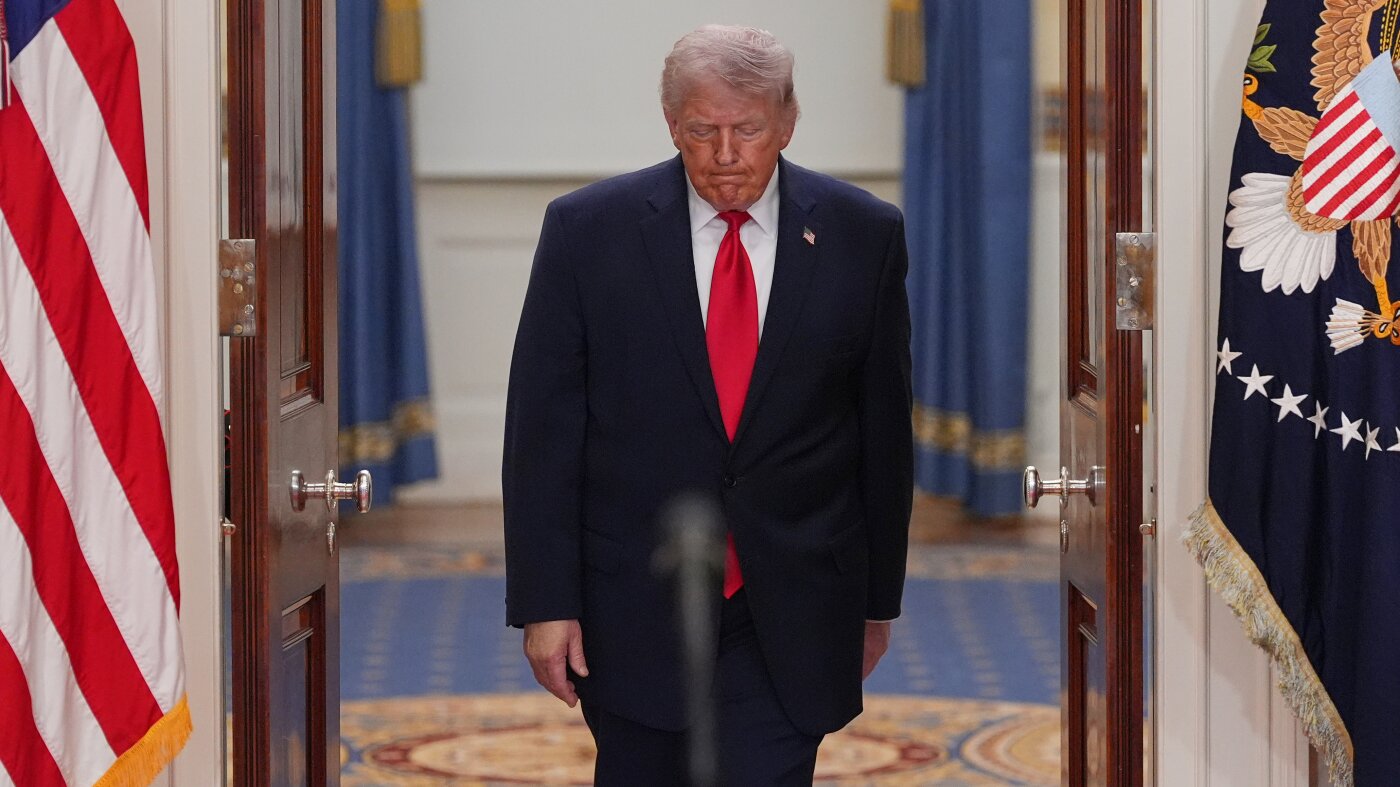
Judge halts Trump effort requiring colleges to show they don’t consider race in admissions

Trump says ‘America needs God’ in Good Friday message touting ‘resurgence of religion’
Fact check: How can a country actually withdraw from NATO?
-

 South-Carolina7 days ago
South Carolina vs TCU predictions for Elite Eight game in March Madness
-

 Education1 week ago
Video: Transgender Athletes Barred From Women’s Olympic Events
-

 Miami, FL1 week ago
Jannik Sinner’s Girlfriend Laila Hasanovic Stuns in Ab-Revealing Post Amid Miami Open
-

 Minneapolis, MN1 week ago
Boy who shielded classmate during school shooting receives Medal of Honor
-

 Vermont7 days ago
Skier dies after fall at Sugarbush Resort
-

 Politics7 days ago
Trump’s Ballroom Design Has Barely Been Scrutinized
-

 Atlanta, GA7 days ago
Fetishist ‘No Kings’ protester in mask drags ‘Trump’ and ‘JD Vance’ behind her wheelchair
-
 Entertainment3 days ago
Inside Ye’s first comeback show at SoFi Stadium