Lifestyle
Wild beavers release approved for England


BBC environment correspondent
Beavers will be released into the wild in England after the government approved their reintroduction.
The decision follows years of trials and will see beavers make an officially approved return to waterways.
Hunted to extinction in Britain four hundred years ago, beavers have in the last two decades been making a comeback.
But some farmers are concerned that without proper management the large rodents could have negative impacts on food production.
It’s thought that about five hundred beavers already live in England, some in the wild and others in enclosures. Many more are in Scotland, where wild releases are already permitted.
Conservationists call beavers “ecosystem engineers” because of how they redesign where they live. The dams they build slow the flow of rivers and streams and create habitats where other creatures can thrive. They’ve also been credited with reducing flooding further downstream.
“This is an incredibly exciting moment, a real landmark for nature recovery in England,” Tony Juniper, the head of Natural England, told me next to a beaver dam in Devon.
“We’re bringing back a missing animal that’s been absent for centuries, and an animal that we know will bring huge benefits for the rest of the wildlife that is already depleted across much of England,” he says.
The beavers will be released under a licensing system overseen by Natural England.
It says long term plans will need to be in place to avoid impacts on farming, food production and infrastructure.
That’s something the National Farmers Union say is vital. It wants culling beavers to be an option if they prove disruptive.
NFU Deputy President David Exwood said that while beavers could provide certain benefits, “we are concerned about the negative impacts beavers can have on productive farmland, as well as the management requirements, costs and risks involved”.
“Beavers can flood and waterlog fields, feed on agricultural crops like maize, as well as damage and fell trees such as cricket bat willow.”

We met up with Tony Juniper of Natural England at the site of the pilot project for wild beaver release in England, the River Otter catchment in Devon. Beavers first appeared here more than a decade ago – it’s not clear where they came from. They may have escaped from enclosures or have been illegally released, so called “beaver bombing”.
Since then the wild beavers have been allowed to stay, with their impact on the landscape and the way they interact with local farmland closely monitored.
“All of this open water is down to the beavers,” Peter Burgess of the Devon Wildlife Trust tells me as we splash our way through the boggy land.
“They want this water because it makes them feel safe and secure. It means that they can transport their food as well.”
Along the River Otter Mr Burgess tells me the beavers have created wetlands that now host species such as great white egrets and kingfishers. Dragonfly numbers have soared as have frogs and toads. Water voles now roam the network of channels, streams, and ponds the beavers use to navigate the flood plain.
 Beaver Trust
Not everyone in the area is delighted by the thought of beaver dams popping up everywhere.
Clinton Devon Estates manage several farms in the Devon catchment area where the trial wild beaver project has been running. Though broadly supportive of the beavers’ return there are concerns about whether enough thought has been given to managing their impacts.
“We’ve also seen farmland flooded, we’ve seen properties flooded. We’ve seen people’s trees in their gardens felled,” says John Varley, the chief executive of Clinton Devon Estates.
“There are positives with the beaver, huge positives, but there’s also some quite significant negatives, particularly for small farmers.”
 Beaver Trust
Scotland is several years ahead of England and has already approved the release of beavers and it’s thought there are now more than 1,500 living wild. In some areas the beavers have been so successful at breeding that they have had to be relocated or as a last resort culled.
The first wild release of beavers in England is now expected to take place in the next few days. Dr Roisin Campbell-Palmer from the Beaver Trust, which is managing the release, told the BBC the male and female had been taken from “conflict sites” in Scotland and were now undergoing medical checks ahead of being moved south.
Additional reporting by Kevin Church.



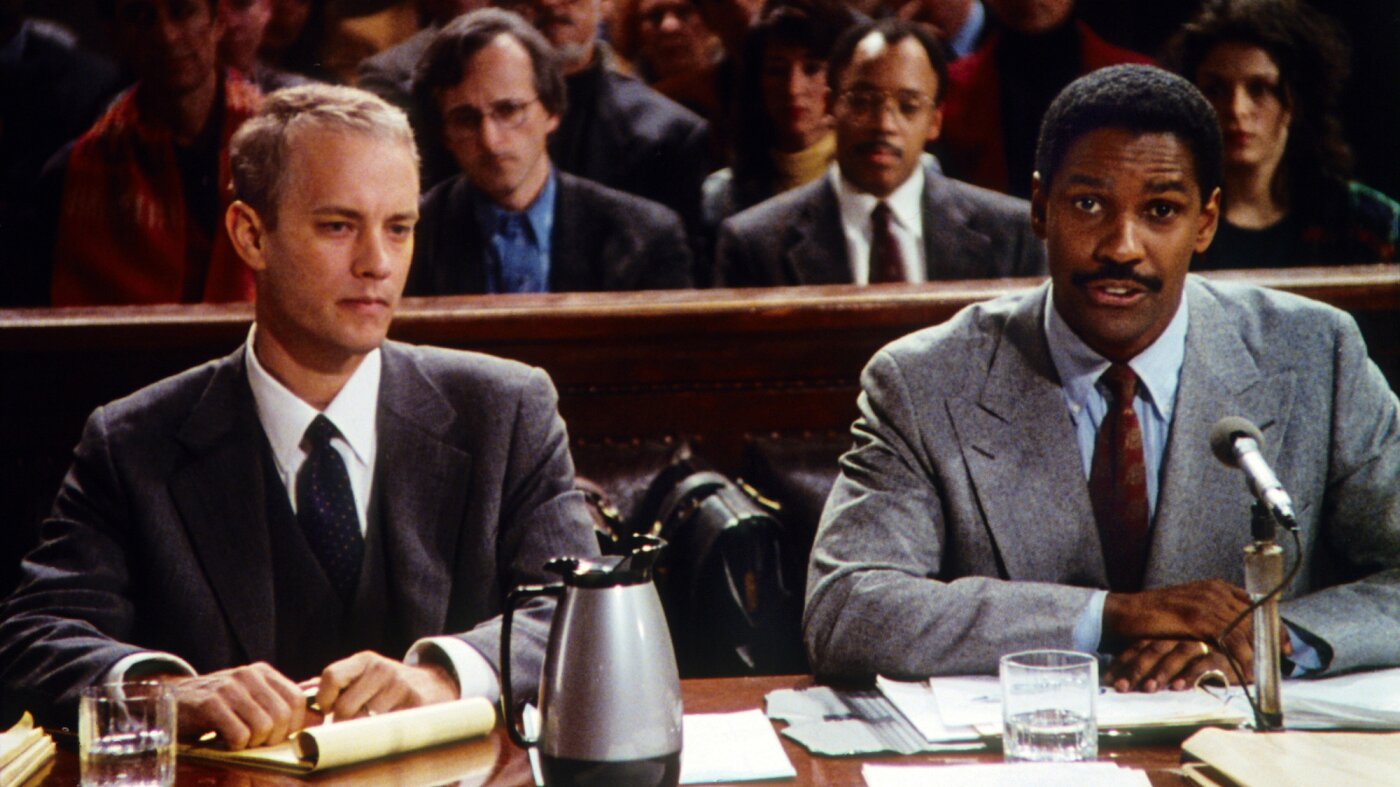
Philadelphia (1993)
Library of Congress
hide caption
toggle caption
Library of Congress
Two actors received double recognition when the Library of Congress announced its most recent additions to the National Film Registry, a collection of classic films intended to highlight film preservation efforts and the depth and breadth of American film.
Bing Crosby, the popular midcentury crooner, starred in White Christmas (1954) and High Society (1956). And Denzel Washington starred in Glory (1989) and Philadelphia (1993), all now part of the registry’s roundup of the country’s most culturally significant films.
Created in 1988, the National Film Registry adds 25 films every year. New additions are usually announced in December of each calendar year. The Library of Congress did not explain why its 2025 films were announced in 2026.
Half a dozen silent films were added to the registry, more than usual. Many of them were recently discovered or restored. The oldest, The Tramp and the Dog (1896), is an early example of “pants humor,” which comes from the fun of watching people lose theirs. It is likely the first commercial film made in Chicago. The Oath of the Sword (1914) is the earliest known Asian American film, about a Japanese student in California yearning for his beloved back home.
Other newly added silent films include the first student film on record, made in 1916 at Washington University in St Louis, Mo. and Ten Nights in a Barroom (1926), a melodrama with an all-Black cast, one of only two surviving films made by the Colored Player Film Corporation of Philadelphia.

Four documentaries were added to the collection, including Ken Burns’ first major documentary, The Brooklyn Bridge (1981).
Widely familiar additions include one Boomer classic – The Big Chill (1983) – and several Gen X ones: Before Sunrise (1995), Clueless (1995) and The Karate Kid (1984.)
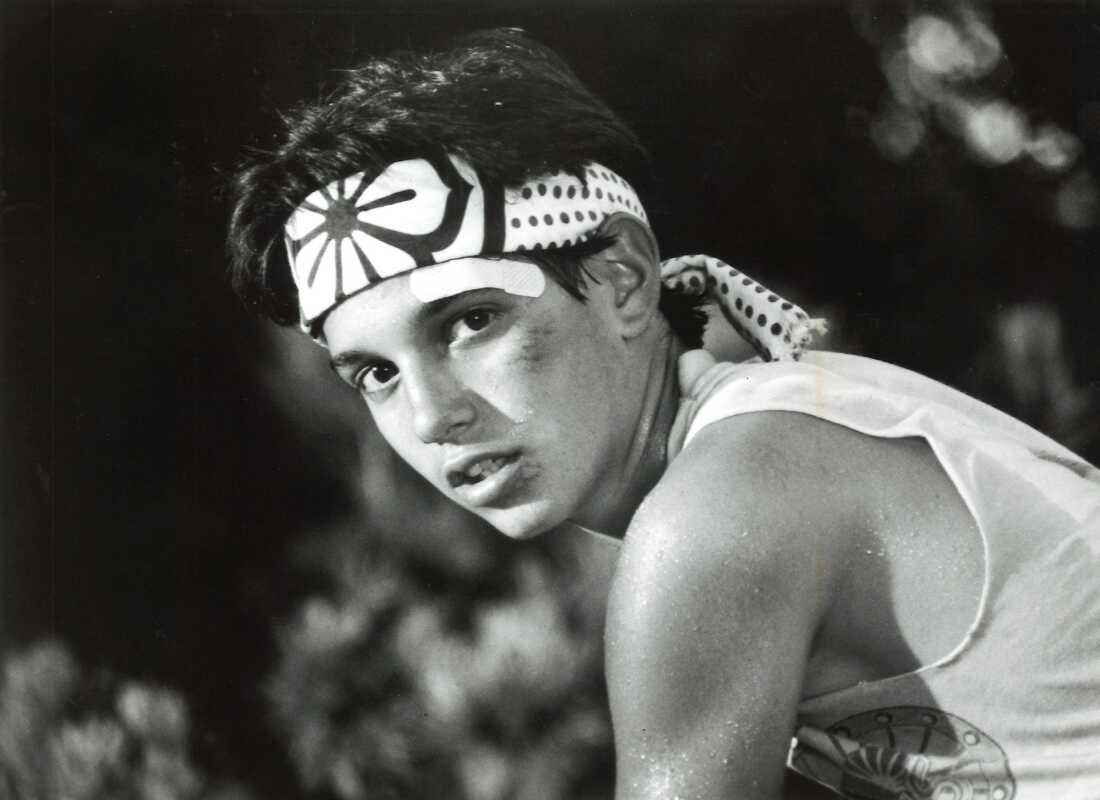
The Karate Kid (1984).
Library of Congress
hide caption
toggle caption
Library of Congress
“I’m amazingly proud,” star Ralph Macchio told the Library of Congress in an interview. “The National Film Registry and film preservation are so important because it keeps the integrity of cinema alive for multiple generations.”
Other contemporary movies added to the registry include The Truman Show (1998), Frida (2002), The Incredibles (2004) and The Grand Budapest Hotel (2014), set in an Alpine resort in the 1930s. Director Wes Anderson credited the Library of Congress for inspiring the movie’s distinct visual style.
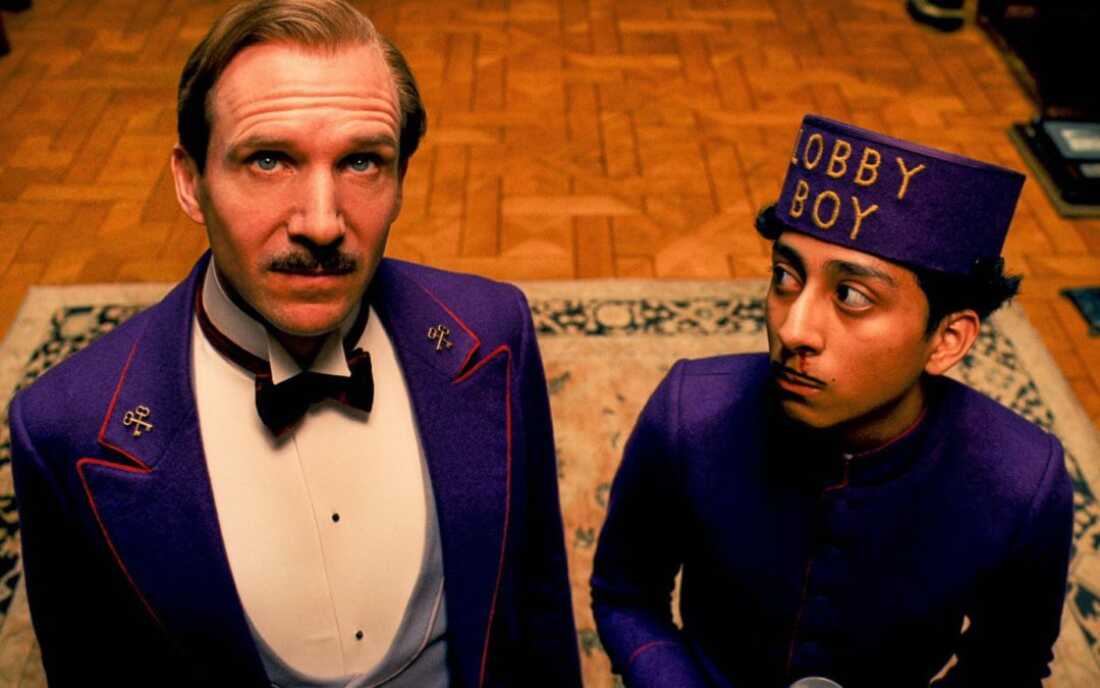
The Grand Budapest Hotel (2014)
Library of Congress
hide caption
toggle caption
Library of Congress
“When we were first starting to try to figure out, how do we tell this story… the architecture and the landscapes… they don’t exist anymore,” Andserson said in a statement, explaining that he started his research in the Library of Congress “We just went through the entire photocrom collection, which is a lot of images. And …we made our own versions of things, but much of what is in our film comes directly – with our little twist on it – from that collection, from the library, the Library of Congress.”
The entire list of movies added to the National Film Registry for 2025 follows in chronological order.
• The Tramp and the Dog (1896)
• The Oath of the Sword (1914)
• The Maid of McMillan (1916)
• The Lady (1925)
• Sparrows (1926)
• Ten Nights in a Barroom (1926)
• White Christmas (1954)
• High Society (1956)
• Brooklyn Bridge (1981)
• Say Amen, Somebody (1982)
• The Thing (1982)
• The Big Chill (1983)
• The Karate Kid (1984)
• Glory (1989)
• Philadelphia (1993)
• Before Sunrise (1995)
• Clueless (1995)
• The Truman Show (1998)
• Frida (2002)
• The Hours (2002)
• The Incredibles (2004)

Ray J
I’m On 8 Different Meds For Heart Issues
Published
Ray J says doctors are giving him every drug under the sun in an attempt to prolong his life … prescribing eight different kinds of medications despite their grim prognosis.
The rapper tells TMZ … he went to doctors who gave him the bad news, telling him they’re not sure how long he has to live … and they recommend he stay in bed and take his medication.

ICYMI … Ray J says doctors gave him just months to live — telling his followers he doesn’t think he’s going to make it to 2027. He says half of his heart has turned black and it’s only beating at 60 percent, which is not a good sign.
Ray J says doctors prescribed him several different meds, including the cholesterol medication Lipitor, Jardiance and Entresto — medications for people at high risk of heart failure — among others.
Ray J reveals his heart is only operating at 25%, with doctors giving him a short time to live. He says his heart is mostly black: ‘I f***ed my shit up.’ pic.twitter.com/frWDoDQEyu
— Rain Drops Media (@Raindropsmedia1) January 28, 2026
@Raindropsmedia1
Doctors told him to prepare for the possibility of getting a pacemaker or defibrillator … though he won’t get an update until he goes back to the doctor for a check-up in 14 days.
Ray J says doctors have warned him not to drink or smoke — which is hard for him — but he’s doing his best to stay on the straight and narrow. He says not being able to see his kids “took me down” — and “made me realize I need to change my ways of living.” Ray is currently under a criminal protective order preventing him from seeing his kids.
As for his proposed trip to Haiti to find a cure for his disease … Ray J says he does know the island nation is in complete chaos, but he says his research so far has led him to believe Haiti has cures for diseases, including heart diseases so he’s willing to risk it and go there for treatment.
Wrapping it up, Ray J adds, “If I come out of this, I’ll be stronger and a better person.”

Michael Mayo’s latest album, Fly, earned the singer-songwriter and composer his first Grammy nominations of his career.
Lauren Desberg
hide caption
toggle caption
Lauren Desberg
With the release of his sophomore album, Fly, in October 2024, singer-songwriter and composer Michael Mayo ascended to new artistic heights.
Much like his lauded 2021 debut album, Bones, the Los Angeles-born singer flexed his jazz-influenced musical prowess on Fly, enthusing critics with the album’s floating production, expressive songwriting and its highlighting of his expansive vocal range. The album ultimately landed Mayo his first Grammy nominations of his career, with Fly being nominated for best jazz vocal album and best jazz performance for the album’s track “Four.”

Micheal Mayo’s sophmore studio album, Fly, was the follow-up to his critically acclaimed debut album, Bones.
Lauren Desberg
hide caption
toggle caption
Lauren Desberg
In an interview with All Things Considered, Mayo said that his artistry is driven by his focus on remaining true to himself and what he wants to express as a singer.
The track “Four” is a reinterpretation of a Miles Davis tune from the 1950s, which became a jazz standard. In an interview with All Things Considered, Mayo said it’s important to respect and learn traditional jazz music, but merely copying it would go against the vision of the jazz greats, who tried to push the artform to new places. And though Mayo says he’s not consciously trying to modernize jazz, he says leading with authenticity helps him innovate in his music.
“I’m going to make the musical statements that feel the most natural,” Mayo said about his stylistic choices on Fly.
YouTube
While speaking to NPR’s Ailsa Chang, Mayo discussed the people who helped make Fly take flight and how he approaches taking artistic risks.
Listen to the full interview by clicking on the blue play button above.
This interview is part of an All Things Considered series featuring first-time Grammy nominees, ahead of the Grammy Awards on February 1.
Pennsylvania Lottery Powerball, Pick 2 Day results for Jan. 28, 2026

Should public board members be allowed to Zoom in to vote? East Providence lawmaker says yes.

South Carolina woman Dana Kinlaw fatally shot, set on fire after she was ambushed by trio during meeting to buy puppy

Fact brief: Can people hunt on South Dakota tribal lands?

What Georgia HC Mike White Said Following Loss Against Tennessee | Rocky Top Insider

Florida High School Football Rankings: Top 25 teams – Oct. 21

Cleary's 21 help Le Moyne down Central Connecticut State 69-64 in OT

How old is Bo Nix? What to know about Oregon quarterback ahead of 2024 NFL Draft

99th annual Pony Swim held in Virginia

Indiana Members Credit Union announced as new anchor tenant at Bottleworks District

Trump admin finds California ban on notifying parents of gender transitions violated federal law

Syria grants immediate citizenship to Kurds in wake of gains against SDF

US life expectancy reached a record high in 2024 as deaths from drug overdose and Covid-19 dropped | CNN

Video: Their Mother Was Detained. Now a Minneapolis Family Lives in Fear.

Trump return to Iowa likely ahead of high-stakes midterms, GOP gubernatorial candidate says
-

 Illinois7 days ago
Illinois school closings tomorrow: How to check if your school is closed due to extreme cold
-

 Pittsburg, PA1 week ago
Sean McDermott Should Be Steelers Next Head Coach
-

 Pennsylvania3 days ago
Rare ‘avalanche’ blocks Pennsylvania road during major snowstorm
-

 Sports1 week ago
Miami star throws punch at Indiana player after national championship loss
-

 Technology7 days ago
Ring claims it’s not giving ICE access to its cameras
-
 Science1 week ago
Contributor: New food pyramid is a recipe for health disasters
-
Movie Reviews1 week ago
Movie Review: In ‘Mercy,’ Chris Pratt is on trial with an artificial intelligence judge
-
 Politics4 days ago
Trump’s playbook falters in crisis response to Minneapolis shooting

