Lifestyle
'Quiet on Set' explores allegations of abuse, toxic behavior at Nickelodeon


Bryan Hearne, a former cast member of All That, speaks in the docuseries Quiet on Set.
ID/Warner Bros.
hide caption
toggle caption
ID/Warner Bros.

Bryan Hearne, a former cast member of All That, speaks in the docuseries Quiet on Set.
ID/Warner Bros.
For those with fond memories of watching kid-centered Nickelodeon television series like All That, The Amanda Show and Drake & Josh, the Investigation Discovery series Quiet on Set: The Dark Side of Kids TV may come as a jarring shock.
Already, the four-part docuseries has generated headlines by featuring former star Drake Bell recounting publicly for the first time his stories of being abused about two decades ago by Brian Peck, a dialogue coach and actor employed by Nickelodeon. Peck pleaded no contest to two charges and was sentenced to 16 months in jail back in 2004, but the identity of the performer he was convicted of abusing was not revealed in court.
But the program also spends lots of time digging into the work of show creator, showrunner, executive producer and performer Dan Schneider, who built a kids TV empire in the late 1990s and early 2000s at Nickelodeon. Schneider, who helped create, write or produce shows like All That, The Amanda Show, Kenan & Kel and iCarly, is credited with discovering young stars like Amanda Bynes, while defining the shape of kid-oriented television during that time.
The dark side of creating kids TV
Nickelodeon and Schneider’s success was rooted in creating shows which seemed like they were built just for kids, starring kids, presented at a time when young people had a lot fewer entertainment options. It was a golden age of children’s TV, featuring young performers who would go on to become stars as adults, including Kenan Thompson, Ariana Grande, Nick Cannon, Victoria Justice, Miranda Cosgrove and Jamie Lynn Spears.
Quiet on Set asserts the behind-the-scenes reality could be harrowing, presenting interviews with former staffers from the shows, plus parents, performers and journalists to detail assertions that Schneider became a more toxic boss as his influence grew. The docuseries presents allegations he devalued female staff writers, played favorites among the young actors while excluding performers of color, disrupted sets with bursts of anger and insisted female staffers give him back massages during production.
Former Nickelodeon star Alexa Nikola speaks during the docuseries Quiet on Set.
ID/Warner Bros.
hide caption
toggle caption
ID/Warner Bros.
Former Nickelodeon star Alexa Nikola speaks during the docuseries Quiet on Set.
ID/Warner Bros.
Schneider doesn’t offer a new interview on camera, but appears in archival footage and photos. The show also features text statements in which he denies some allegations, insisting what he did on shows was scrutinized by dozens of adults — including programming executives — and that he never considered gender in hiring decisions.
The program also shows a statement from Nickelodeon at the end of every episode which stated it “investigates all formal complaints as part of our commitment to fostering a safe and professional workplace. [We] have adopted numerous safeguards over the years to help ensure we are living up to our own high standards and the expectations of our audience.”
Kids TV with adult innuendoes
Among the most jarring sequences in Quiet on Set: scenes with young actors from Schneider’s shows which seemed silly on the surface, but also evoked troubling sexual innuendoes in programming aimed at children – including a young Ariana Grande squeezing a potato suggestively to try and produce juice from it, or a moment where a blob of goo spurts onto the face of Jamie Lynn Spears.
The documentary also recounts how some staffers who worked at Nickelodeon were later convicted of molestation, including one man who met child actors as a production assistant and Peck, who played characters and worked with kid performers on Schneider-led shows.
“The bad just doesn’t go away,” says the mother of one child performer targeted by a man later arrested on molestation charges involving a different youth. “The bad stays for a lifetime.”
YouTube
But the most emotional moments of the show comes as Bell relates his story. He says Peck convinced him to drop his father as manager and then involved himself deeply in the young performer’s life. Eventually, Bell said, Peck began abusing him sexually, creating a situation the young performer felt he couldn’t escape from.
“The abuse was extensive and it got pretty brutal,” Bell tells the camera at one point, shifting in his seat. “I really don’t know how to elaborate on that on camera….Why don’t you think of the worst stuff that someone could do to somebody as a sexual assault, and that’ll answer your question. I don’t know how else to put it.”
Bell, now 37, also speaks about problems with self-destructive behavior as he grew older. He pleaded guilty in 2021 to a felony charge of attempting to endanger children and a misdemeanor charge of disseminating material harmful to juveniles, connected to an incident in Ohio involving a teenage girl.
Fans who grew up with these shows and stars, enjoying their kids-running-the-asylum vibe, may be particularly troubled to hear that performers were exposed to these kinds of predators and toxic work environments. It’s tough to imagine what these stars’ bright smiles and sunny attitudes onscreen might have been hiding, though some have spoken out in the past, including former iCarly co-star Jennette McCurdy who wrote the searing memoir I’m Glad My Mom Died.
In many ways, a docuseries like this one is a natural progression from the revelations of toxic behind-the-scenes behavior in adult-focused TV shows, films and the music industry kicked off by the #MeToo movement. Similarly, there had been previous reporting about allegations against Schneider and issues at Nickelodeon shows, but the power of Quiet on Set lies in getting people to sit before a camera and speak on the record about their allegations in compelling ways.
One important question left is whether programs like Quiet on Set can change popular attitudes about how child actors are treated in the same way that other works have changed ideas about sexual assault, harassment and codes of conduct in the workplaces which fuel Hollywood’s dream factory.
YouTube



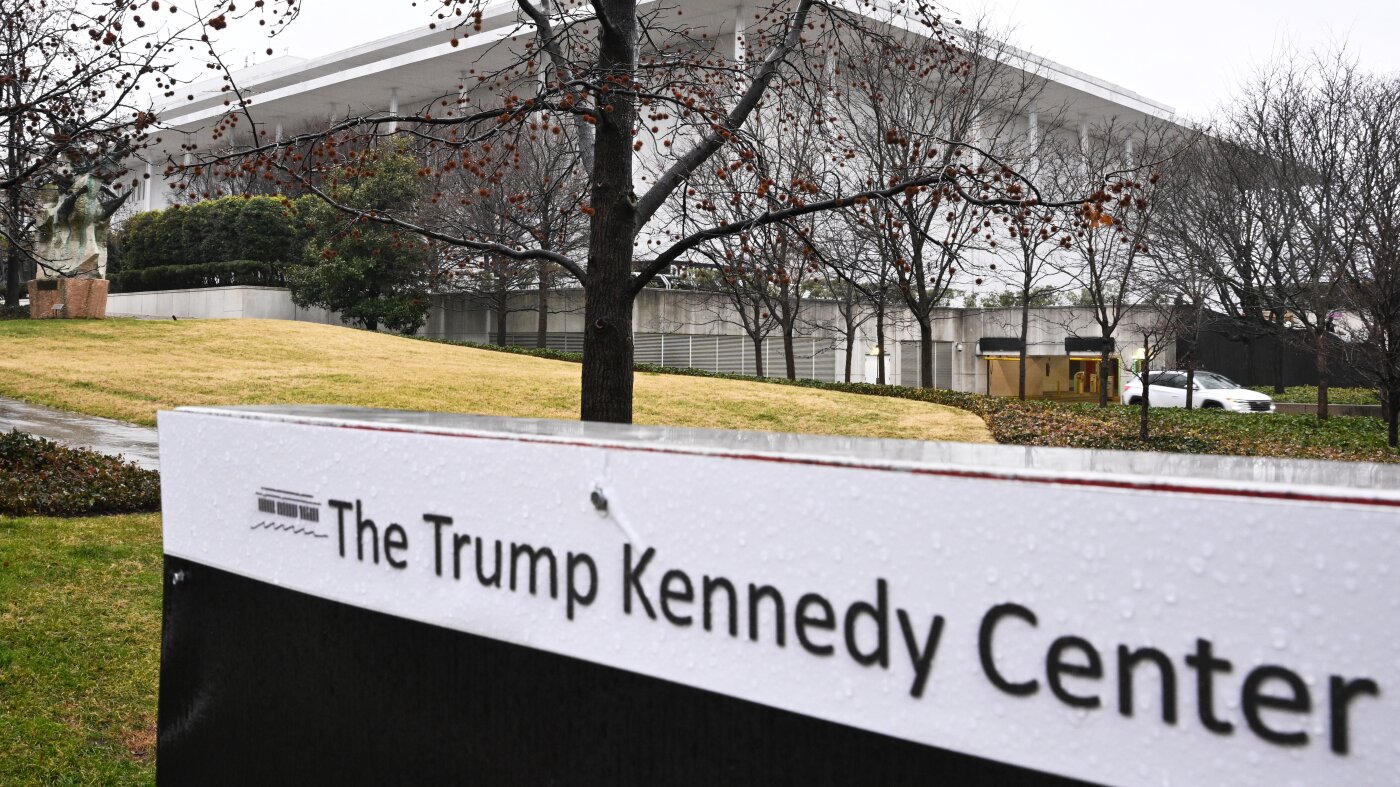
A recently installed sign at the Kennedy Center in Washington, D.C., as photographed on Jan. 10. The center’s name change has not been approved by Congress.
Mandel Ngan/AFP via Getty Images
hide caption
toggle caption
Mandel Ngan/AFP via Getty Images
Two senior staffers have departed the John F. Kennedy Center for the Performing Arts in Washington, D.C. — one of whom was officially on the job for less than two weeks.
Kevin Couch had been announced as the Kennedy Center’s new senior vice president of artistic planning on Jan. 16, at which point he was hailed as a “visionary entertainment leader” with “over two decades of experience in artist management, global booking and high-level brand partnerships,” including booking live events in San Antonio, Tulsa, Little Rock and Springfield, Mo.

Couch, who is a drummer, confirmed to NPR on Wednesday evening that he had resigned from the federally funded center, but declined to share any details.
Meanwhile, the Kennedy Center’s senior director of artistic operations, Sarah Kramer, confirmed to NPR on Wednesday evening that she had been fired after a decade working there.
The Kennedy Center did not respond to NPR’s multiple requests for comment.
Since President Trump became chair of the performing arts complex and later moved to change its name to the Trump Kennedy Center, several prominent artists have canceled their planned performances and presentations of their work. Cancellations announced this month include the composer Philip Glass, opera star Renée Fleming, the banjo player Bela Fleck and the Seattle Children’s Theatre. The Kennedy Center has told NPR in prior statements that the artists cancelling have been doing so under pressure from “leftist activists.”
The center’s name change did not receive the required approval from Congress. Last month, Rep. Joyce Beatty (D-Ohio), an ex-officio member of the Kennedy Center’s board, filed a lawsuit against President Trump, the center’s president Richard Grenell, and others over the name change.
Jennifer Vanasco edited this story.
Lifestyle
‘No lines and big, wide-open runs’: This woodsy ski town is like Mammoth without the crowds

You are a beginning or intermediate skier, allergic to long lift lines, more interested in peace and quiet than après-ski action. Or you have young kids, ripe for introduction to skiing or snowboarding. Or you simply want a rustic mountain getaway, one where you can amble through a woodsy little village with zero Starbucks.
These traits make you a good candidate for June Lake, the eastern Sierra town that lives most of its life in the shadow of bigger, busier Mammoth Lakes.
“It’s way family-friendlier than Mammoth,” said Daniel Jones after a day of June Lake snowboarding with Lorena Alvarado and children Gabriela Gonzales, 7, and Amirah Jones, 2. They had come from Riverside, a first-time visit for the kids.
After a day of snowboarding at June Mountain, Daniel Jones and Lorena Alvarado of Riverside head for the parking lot with children Gabriela Gonzalez, 7, and Amirah Jones, 2.
(Christopher Reynolds / Los Angeles Times)
Like me, they’d arrived in time to savor the sight of the Sierra under all the snow that fell in late December. That storm knocked out power for several days, but led to the opening of all the trails on June Mountain, the town’s ski resort.
The main road to June Lake is the 14-mile June Lake Loop, a.k.a. State Route 158, which branches off from U.S. 395 about 10 miles north of the exit for Mammoth, roughly 320 miles north of Los Angeles.
Once you leave 395, things get rustic quickly. The two-lane loop threads its way among forests and A-frames and cabins, skirting the waters of June Lake and the lake’s village, which is only a few blocks long. Check out the three-foot icicles dripping from the eaves and keep an eye out for the big boulder by the fire station on the right.
After the village, you pass Gull Lake (the tiniest of the four lakes along the loop) and the June Mountain ski area. Then, if you’re driving in summer, the road loops back to 395 by way of Silver Lake and Grant Lake.
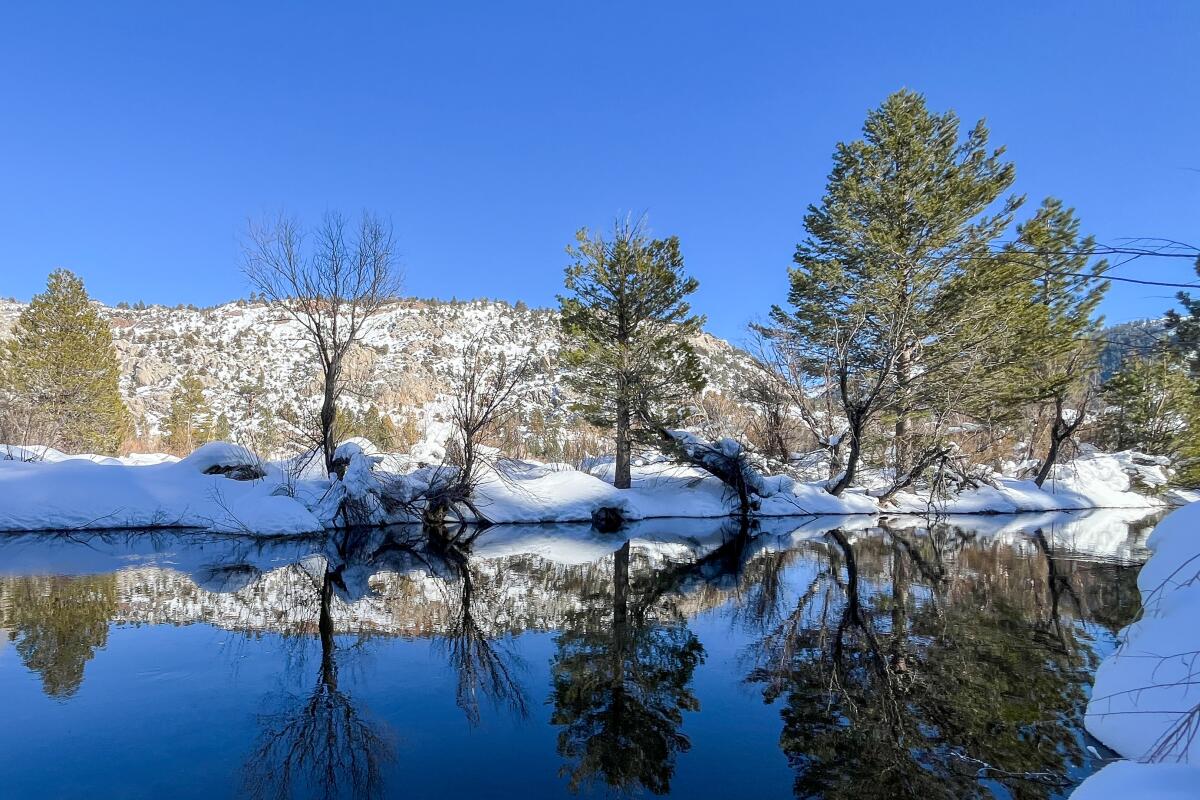
The June Lake area in the eastern Sierra includes several bodies of water. Rush Creek, seen here, feeds into Silver Lake a few miles from the village of June Lake.
(Christopher Reynolds / Los Angeles Times)
But in winter, the northern part of that loop is closed to cars, Maybe this is why the village, mountain and environs so often feel like a snowbound secret.
As for the June Mountain ski area, its 1,500 accessible acres make it much smaller than Mammoth Mountain (with whom it shares a corporate parent). And it has a larger share of beginner and intermediate runs — a drag for hotshots, maybe, but a boon for families.
By management’s estimate, June Mountain’s 41 named trails are 15% beginner level and 40% intermediate. (At Mammoth, 59% of 180 named trails are rated difficult, very difficult or extremely difficult.) Leaning into this difference, June Mountain offers free lift tickets to children 12 and under. (Adult lift tickets are typically $119-$179 per day.)

From the chairlifts at June Mountain ski resort, visitors get broad views.
(Christopher Reynolds / Los Angeles Times)
The ski area is served by six chairlifts, and just about everyone begins by riding chair J1 up to the June Meadows Chalet (8,695 feet above sea level). That’s where the cafeteria, rental equipment, lockers and shop are found and lessons begin.
That’s also where you begin to notice the view, especially the 10,908-foot Carson Peak.
“Usually, me and my family go to Big Bear every year, but we wanted to try something different. Less people. And a lot of snow,” said Valeriia Ivanchenko, a 20-year-old snowboarder who was taking a breather outside the chalet.
“No lines and lots of big, wide-open runs,” said Brian Roehl, who had come from Sacramento with his wife.
“The lake views are nice, too,” said Roxie Roehl.
June Lake is a 30-minute drive from Mammoth. Because both operations are owned by Denver-based Alterra Mountain Co., Mammoth lift tickets are generally applicable at June. So it’s easy to combine destinations.
Or you could just focus on June Lake, an unincorporated community with about 600 people, one K-8 public school and one gas station (the Shell station where 158 meets 395).
In summer, when it’s busiest, fishers and boaters head for the lakes and you can reach Yosemite National‘s eastern entrance with a 25-mile drive via the seasonal Tioga Road.

The Tiger Bar has anchored June Lake’s downtown since 1932.
(Christopher Reynolds / Los Angeles Times)
In winter and summer alike, the heart of June Lake‘s village is dominated by the 94-year-old Tiger Bar & Café (which was due to be taken over by new owners in January); Ernie’s Tackle & Ski Shop (which goes back to 1932 and has lower rental prices than those at June Mountain); the June Lake General Store and June Lake Brewing.
At the brewery — JLB to locals — I found Natalie and Chris Garcia of Santa Barbara and their daughter Winnie, 18 months old and eager to chase down a duck on the patio.
“This is her first snow,” Natalie Garcia said, adding that June Lake “just feels more down-home … less of a party scene.”
“We built a snowman,” said Chris Garcia.

Natalie and Chris Garcia of Santa Barbara play with their daughter, Winnie, and a duck at June Lake Brewing.
(Christopher Reynolds / Los Angeles Times)
It’s fun to imagine that rustic, semi-remote places like this never change, but of course they do, for better and worse. The Carson Peak Inn steakhouse, a longtime landmark, is closed indefinitely. Meanwhile, Pino Pies, which offers New Zealand-style meat pies, opened in the village last spring. (I recommend the $13 potato-top pie.)

Pino Pies, open since 2025 in June Lake, offers New Zealand-style meat pies.
(Christopher Reynolds / Los Angeles Times)
Next time I’m in town I hope to try the June Deli (which took over the former Epic Cafe space in the village last year) and the June Pie Pizza Co. (New York-style thin crusts) or the Balanced Rock Grill & Cantina. And I might make a day trip to Mono Lake (about 15 miles north).
I might also repeat the two hikes I did in the snow.
For one, I put crampons on my boots and headed about 3 miles south on U.S. 395 to the Obsidian Dome Trail, a mostly flat route of just under a mile — great for snowshoes or walking dogs.
For the other hike, I headed to the closed portion of June Lake Loop and parked just short of the barricade. Beyond it, a hiker or snowshoer finds several miles of carless, unplowed path, with mountains rising to your left and half-frozen Rush Creek and Silver Lake to the right.
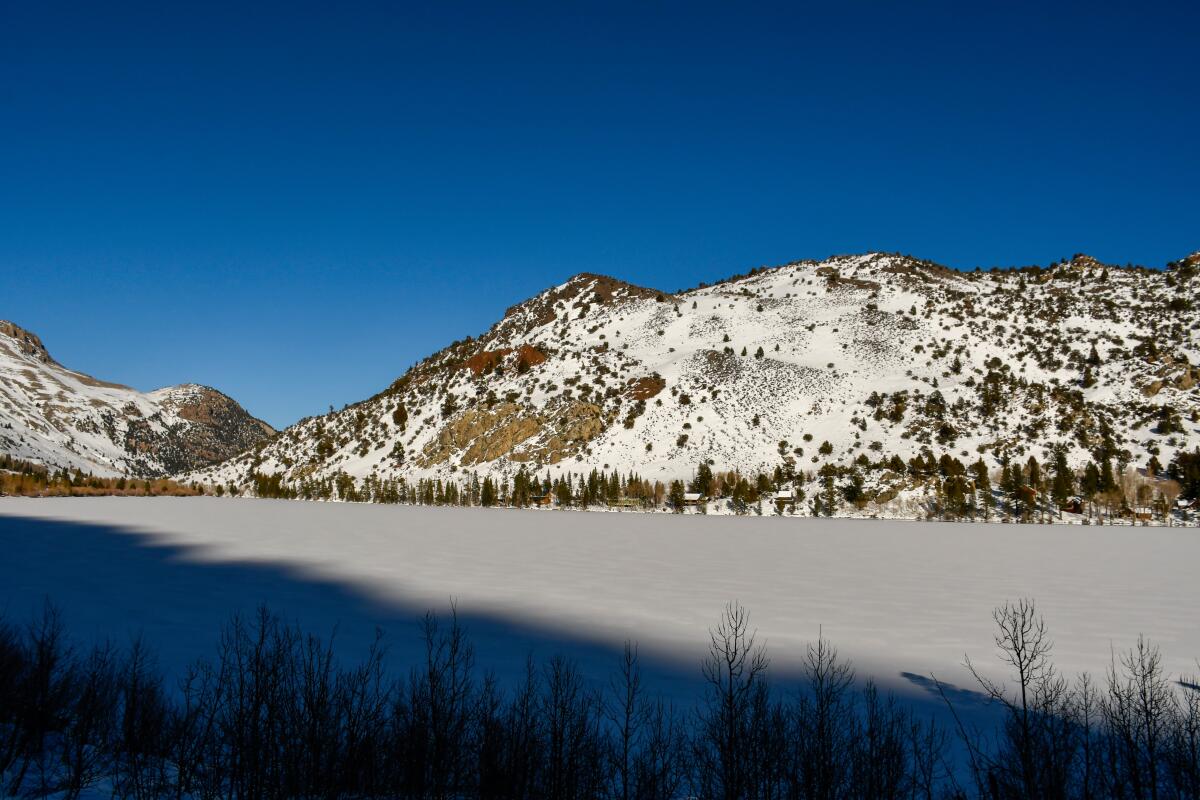
When part of Highway 158 closes to auto traffic in winter, hikers and snowshoers inherit a broad, mostly flat path with views of Silver Lake.
(Christopher Reynolds / Los Angeles Times)
“You get up to the lake and you hear the ice cracking. It’s wonderful,” said Mike Webb, 73, whom I met on the trail with his son, Randy, 46, and Randy’s 10-year-old and 12-year-old.
“This is serenity up here,” said Webb. “If you’re looking for a $102 pizza, go to Mammoth.”
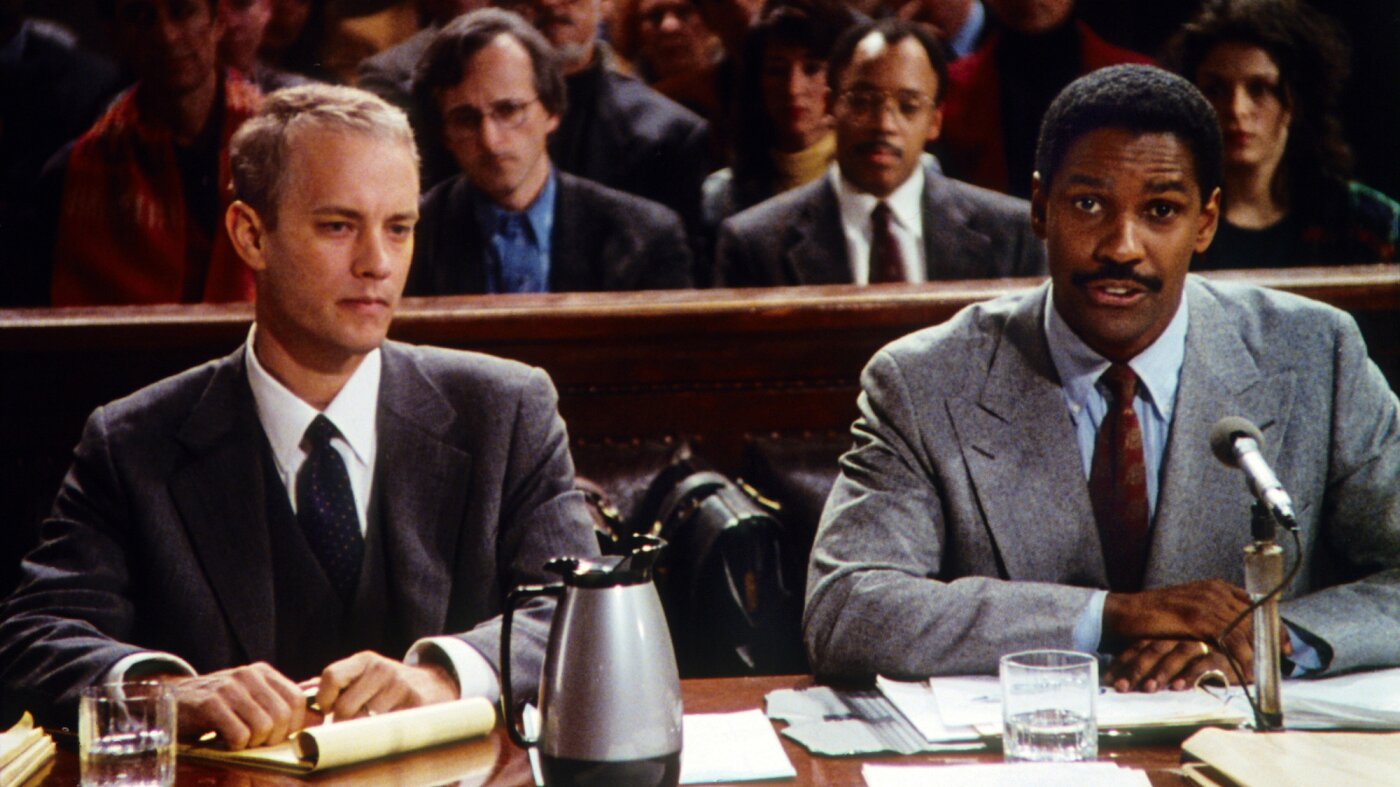
Philadelphia (1993)
Library of Congress
hide caption
toggle caption
Library of Congress
Two actors received double recognition when the Library of Congress announced its most recent additions to the National Film Registry, a collection of classic films intended to highlight film preservation efforts and the depth and breadth of American film.
Bing Crosby, the popular midcentury crooner, starred in White Christmas (1954) and High Society (1956). And Denzel Washington starred in Glory (1989) and Philadelphia (1993), all now part of the registry’s roundup of the country’s most culturally significant films.
Created in 1988, the National Film Registry adds 25 films every year. New additions are usually announced in December of each calendar year. The Library of Congress did not explain why its 2025 films were announced in 2026.
Half a dozen silent films were added to the registry, more than usual. Many of them were recently discovered or restored. The oldest, The Tramp and the Dog (1896), is an early example of “pants humor,” which comes from the fun of watching people lose theirs. It is likely the first commercial film made in Chicago. The Oath of the Sword (1914) is the earliest known Asian American film, about a Japanese student in California yearning for his beloved back home.
Other newly added silent films include the first student film on record, made in 1916 at Washington University in St Louis, Mo. and Ten Nights in a Barroom (1926), a melodrama with an all-Black cast, one of only two surviving films made by the Colored Player Film Corporation of Philadelphia.

Four documentaries were added to the collection, including Ken Burns’ first major documentary, The Brooklyn Bridge (1981).
Widely familiar additions include one Boomer classic – The Big Chill (1983) – and several Gen X ones: Before Sunrise (1995), Clueless (1995) and The Karate Kid (1984.)
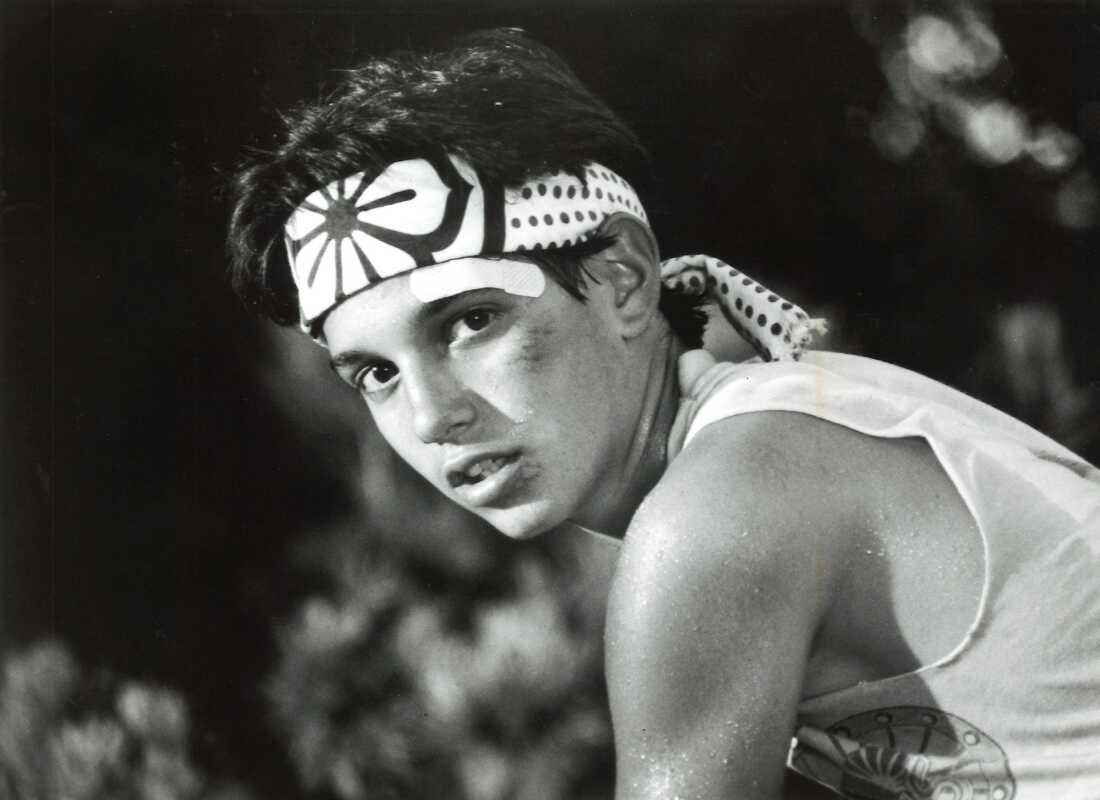
The Karate Kid (1984).
Library of Congress
hide caption
toggle caption
Library of Congress
“I’m amazingly proud,” star Ralph Macchio told the Library of Congress in an interview. “The National Film Registry and film preservation are so important because it keeps the integrity of cinema alive for multiple generations.”
Other contemporary movies added to the registry include The Truman Show (1998), Frida (2002), The Incredibles (2004) and The Grand Budapest Hotel (2014), set in an Alpine resort in the 1930s. Director Wes Anderson credited the Library of Congress for inspiring the movie’s distinct visual style.
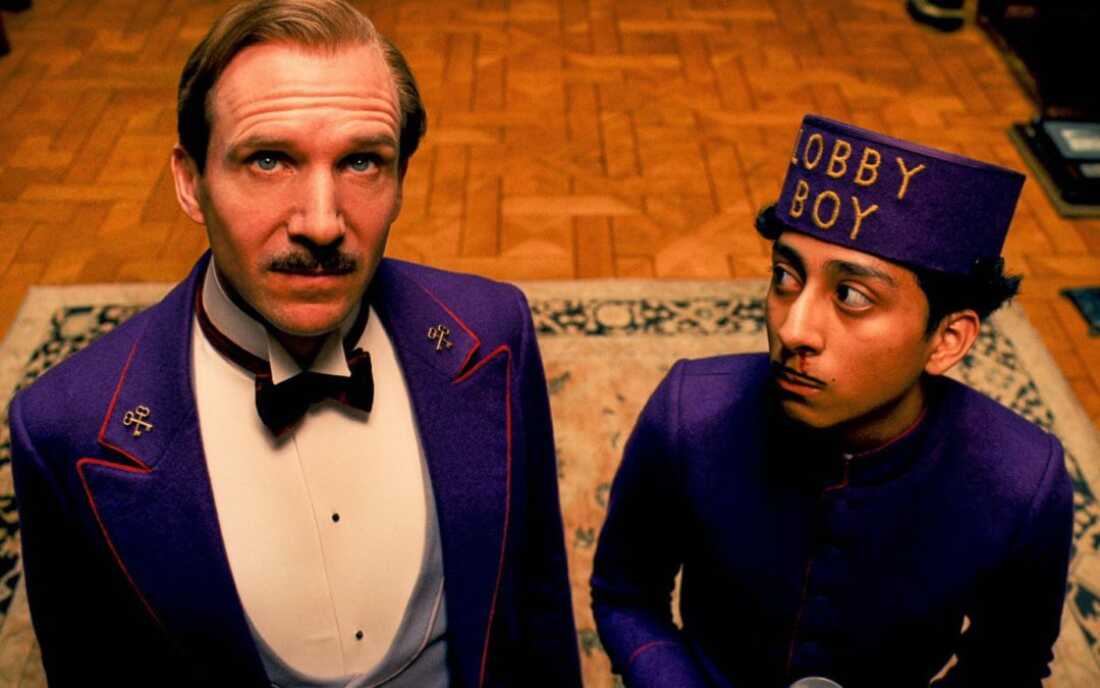
The Grand Budapest Hotel (2014)
Library of Congress
hide caption
toggle caption
Library of Congress
“When we were first starting to try to figure out, how do we tell this story… the architecture and the landscapes… they don’t exist anymore,” Andserson said in a statement, explaining that he started his research in the Library of Congress “We just went through the entire photocrom collection, which is a lot of images. And …we made our own versions of things, but much of what is in our film comes directly – with our little twist on it – from that collection, from the library, the Library of Congress.”
The entire list of movies added to the National Film Registry for 2025 follows in chronological order.
• The Tramp and the Dog (1896)
• The Oath of the Sword (1914)
• The Maid of McMillan (1916)
• The Lady (1925)
• Sparrows (1926)
• Ten Nights in a Barroom (1926)
• White Christmas (1954)
• High Society (1956)
• Brooklyn Bridge (1981)
• Say Amen, Somebody (1982)
• The Thing (1982)
• The Big Chill (1983)
• The Karate Kid (1984)
• Glory (1989)
• Philadelphia (1993)
• Before Sunrise (1995)
• Clueless (1995)
• The Truman Show (1998)
• Frida (2002)
• The Hours (2002)
• The Incredibles (2004)

Detroit Opera orchestra to set George Clinton, Parliament-Funkadelic hits to classical music

San Francisco prepares to celebrate Lunar New Year

Local church grapples with roof collapse after winter storm

Takeaways & Player Grades: Miami Heat 116, Chicago Bulls 113 – January 29, 2026

MBTA riders

Florida High School Football Rankings: Top 25 teams – Oct. 21

Cleary's 21 help Le Moyne down Central Connecticut State 69-64 in OT

How old is Bo Nix? What to know about Oregon quarterback ahead of 2024 NFL Draft

99th annual Pony Swim held in Virginia

Indiana Members Credit Union announced as new anchor tenant at Bottleworks District

Map: 4.2-Magnitude Earthquake Shakes Montana

Virginia Democrats seek dozens of new tax hikes, including on dog walking and dry cleaning

Putin should make concessions before direct talks with Europe: Kallas

Medicare Advantage insurers face new curbs on overcharges in Trump plan

Trump admin finds California ban on notifying parents of gender transitions violated federal law
-

 Illinois1 week ago
Illinois school closings tomorrow: How to check if your school is closed due to extreme cold
-

 Pennsylvania4 days ago
Rare ‘avalanche’ blocks Pennsylvania road during major snowstorm
-

 Sports1 week ago
Miami star throws punch at Indiana player after national championship loss
-
 Science1 week ago
Contributor: New food pyramid is a recipe for health disasters
-

 Technology1 week ago
Ring claims it’s not giving ICE access to its cameras
-
 Science1 week ago
Fed up with perimenopause or menopause? The We Do Not Care Club is here for you
-
Movie Reviews1 week ago
Movie Review: In ‘Mercy,’ Chris Pratt is on trial with an artificial intelligence judge
-

 Politics1 week ago
Supreme Court appears ready to keep Lisa Cook on Federal Reserve board despite Trump efforts to fire her

