Entertainment
UCLA diversity report finds women and minorities drove Hollywood’s biggest successes

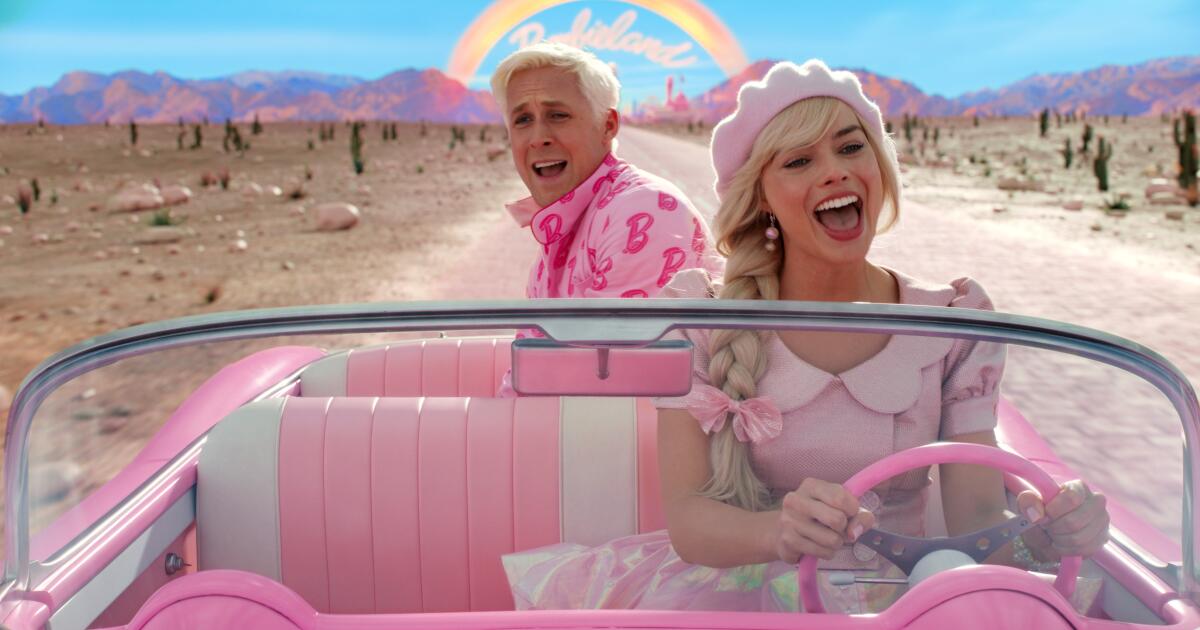
“Barbie” may have painted the box office pink last year, but the overall picture for women in Hollywood could leave you feeling blue.
Women and people of color drove the biggest box office winners of 2023 even as they continued to remain underrepresented in the film industry, according to the latest UCLA Hollywood Diversity Report released today.
Despite last summer’s “Barbie” juggernaut, women’s representation among screenwriters, lead actors and overall cast dropped in 2023, with the share of women in the directing chair showing virtually no progress from the previous year.
Now in its 11th edition, the UCLA report analyzed the top English-language theatrical releases of 2023 and found that people of color made up the majority of opening-weekend ticket sales for 14 of the top 20 films released last year, while women led ticket buyers for three films in the top 10.
While the box office continued to struggle to return to its pre-pandemic levels overall, audiences flocked to films with diverse casts, the report found.
Nine of the top 10 films globally featured casts that were more than 30% people of color, while five of the top 10 films included casts that were more than 40% women. Movies featuring casts that were 31% to 40% people of color, such as “Barbie” and “The Hunger Games: The Ballad of Songbirds & Snakes,” had the highest median global box office earnings among the top 200 films of the year, at $119.8 million.
Meanwhile, 2023’s franchise installments such as “Creed III,” “Scream VI” and “John Wick: Chapter 4” — all of which featured casts with 50% or more actors of color — posted the highest grosses in their respective series, with audiences of color making up at least 60% of each film’s opening-weekend audience.
“After examining global and domestic box office success and audience demographics for more than a decade, we have repeatedly found that people want to see films that reflect the diversity that exists in their communities and in the world,” said Ana-Christina Ramón, director of UCLA’s Entertainment and Media Research Initiative, in a release accompanying the report.
That trend continued to hold not only domestically but around the world, according to the report. “Diversity sells here and overseas,” said co-author and UCLA doctoral candidate Michael Tran. “It’s the opposite of the conventional myth. The least-diverse films performed the worst and even posted a negative return on the studio’s investment.”
Tom Blyth and Rachel Zegler in the movie “The Hunger Games: The Ballad of Songbirds & Snakes.”
(Murray Close / Lionsgate)
But while women and people of color flexed their muscle at the box office, when it came to representation within the industry itself, the picture was decidedly more mixed.
“Barbie,” directed and co-written by Greta Gerwig, proved a watershed cultural event and smashed box office records, earning $1.4 billion at the global box office, the most for any film ever helmed by a woman. But the film’s message of female empowerment belied a deeper lack of progress for women in the industry.
Only five of the top 200 films were directed by women of color, according to the report, and only three female-directed films had budgets of $100 million or more, compared to 25 male-directed films at that budget level.
The UCLA report’s findings echoed those of a report issued earlier this year by the University of Southern California’s Annenberg Inclusion Initiative that criticized studios’ efforts toward inclusion in hiring in recent years as “performative acts” and “not real steps” toward change.
While people of color remained underrepresented in every major arena of the industry, the report does point to some signs of progress. Representation for lead actors, directors and writers of color saw the largest shares in each of those categories in the study’s 11-year history. The share of theatrical films directed by people of color hit 22.8%, up 6% from the previous year and nearly double the level in 2011. The number of theatrical films with a budget of $100 million or more directed by people of color reached its highest level in the study’s 11-year history.
Still, the authors cautioned that it’s unclear the trajectory will continue. “These gains are most likely a result of the projects greenlit three years ago,” said Darnell Hunt, UCLA’s executive vice chancellor and provost, and co-founder of the report with Ramón. “We’re in a very different and politicized place, and as the efforts and executives who championed inclusivity and equity disappear from studios, will the next three to five years show a freefall in terms of diversity in Hollywood?”
With Hollywood still trying to regain its footing after last year’s devastating strikes among writers and actors, the study’s authors conclude that embracing diversity remains not only a moral imperative but a strategic one for the industry going forward. (The report was financed by UCLA, Netflix, the Golden Globe Foundation, the Latino Film Institute, the Walt Disney Company and Hulu.)
“If Hollywood sacrifices the progress it made on diversity, how will it sustain itself?” the report asks in its conclusion. “Any new version of Hollywood needs to prioritize investing in diversity in front of and behind the camera.”
You can read the entire report here.

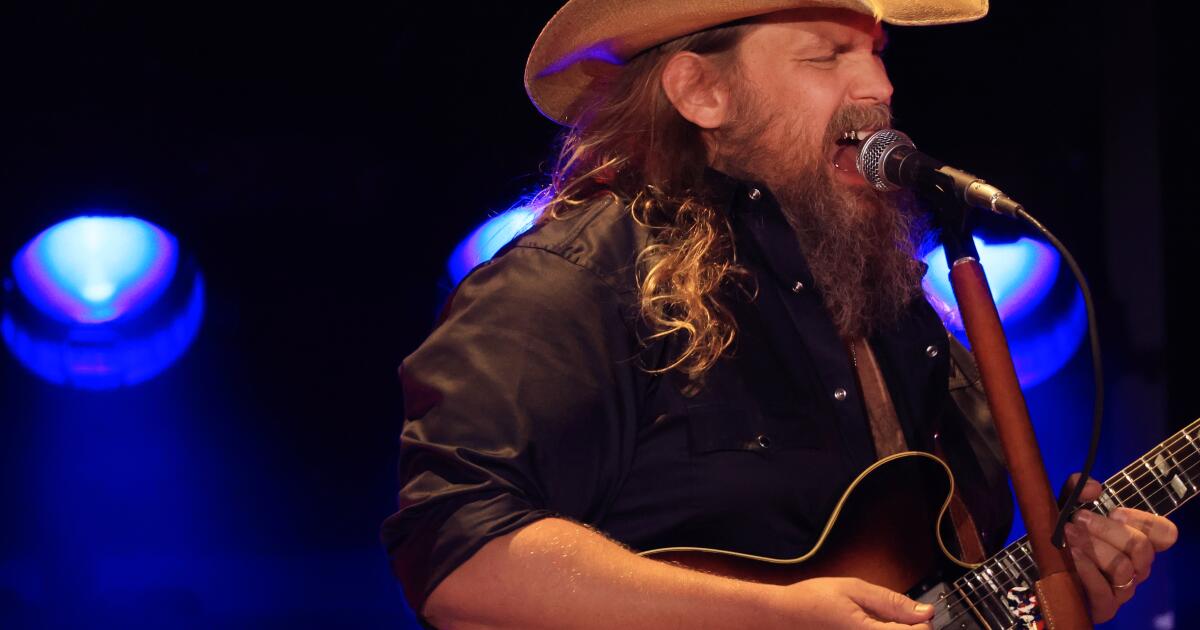
In New York, the Brooklyn Bridge went up in flames briefly during a fireworks display. In Washington D.C., stormy weather delayed a grievance-filled speech by President Trump.
And here in Los Angeles? On Saturday night, tens of thousands of Angelenos joined voices peacefully at the L.A. Memorial Coliseum to sing along with Chris Stapleton as the country star compared a lover to Tennessee whiskey.
A unifying cultural figure beloved by both liberals and conservatives, Stapleton was the headlining act at a Fourth of July benefit concert that also featured Smashing Pumpkins, Chaka Khan, Maren Morris and Queen Latifah. (I’d be surprised if those five names had previously appeared together in the same sentence.) The show, with tickets priced at $17.76, was presented by America250, a bipartisan commission that Congress created in 2016 to plan celebrations for the country’s 250th birthday; proceeds went to Feeding America, which calls itself the largest domestic hunger-relief organization in the United States.
-
Share via
“No politics — just purpose” is how America250 Chair Rosie Rios described the night in remarks from the stage, and it wasn’t hard to interpret the distinction she was seeking to draw between her group and Freedom 250, Trump’s rival semiquincentennial initiative that organized Saturday’s windblown event on the National Mall (not to mention an earlier concert by Vanilla Ice that was called off due to the threat of rain).
But here’s the thing: Compared with the president’s celebration, where he complained about his treatment by the justice system and suggested we should refer to his current term as his third, the show at the Coliseum really did feel like a politics-free zone — the somewhat rare occasion these days when folks from different walks of life come together just to listen to music and drink overpriced micheladas.
Said Stapleton not long into his set: “I won’t waste time talking.”
America250’s success was hardly a sure thing. Despite the relatively low price, tickets moved slowly in the weeks before the concert; one guy I talked to Saturday told me he’d paid six bucks for a discounted pass. Yet to my eyes the Coliseum was close to full by the time Stapleton came on.
The country singer was as solid and soulful as always, snarling gently through “Bad as I Used to Be,” then trading loving harmonies with his wife, Morgane, in “Millionaire.” He closed with “Tennessee Whiskey,” of course — a trusty yet somehow un-shopworn piece of Americana that’s earned a place on the shelf next to Ray Charles’ “Georgia on My Mind” and Willie Nelson’s “Angel Flying Too Close to the Ground.”
Smashing Pumpkins was perhaps a stranger fit for an explicitly patriotic event — “The world is a vampire,” frontman Billy Corgan sneered in “Bullet With Butterfly Wings” — yet the band sounded sharp and punchy in the ’90s alt-rock hits that have brought zoomers and even Gen Alpha kids into its audience.
Billed not inaccurately on the concert’s poster as “the legendary Chaka Khan,” the 73-year-old funk doyenne flexed her vocal chops in jammy renditions of “Ain’t Nobody” and “Tell Me Something Good” and got people hoisting their drinks for “I’m Every Woman.” Morris, who’d flown in from New York after attending her pal Taylor Swift’s wedding on Friday night, made an improbably smooth segue between her and Zedd’s synthed-up “The Middle” and the rustic “My Church.”
As the show’s host, Queen Latifah dispensed uplifting thoughts about American idealism throughout the evening but also got a slot of her own to do her classic “U.N.I.T.Y.” with help from a rambunctious drum line. It’s an unapologetic message song about demanding respect, and what was moving about hearing it here is that nobody seemed put off by that idea.
I’ll wave a flag for that.
Here are more photos from Saturday’s concert:
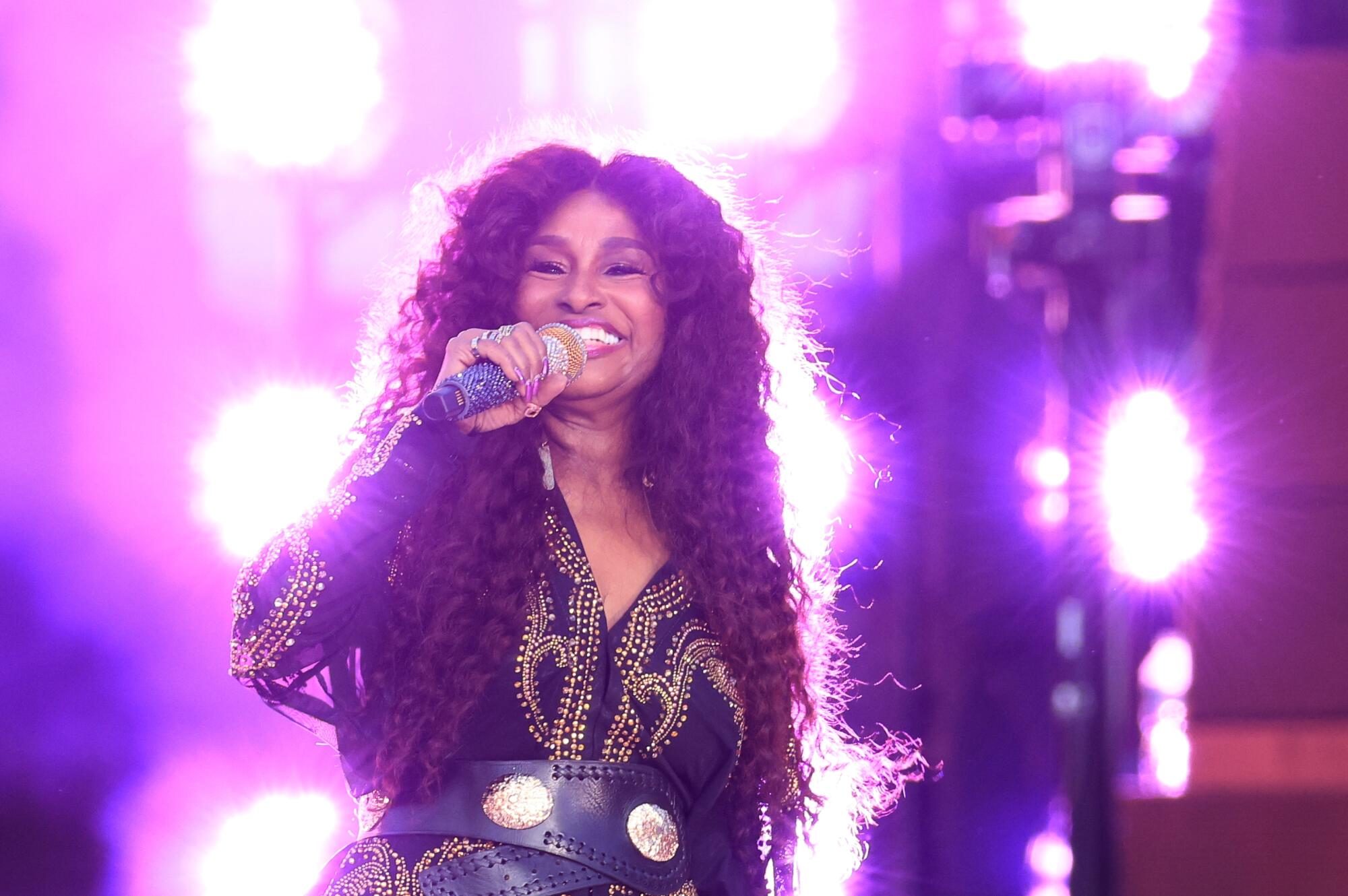
Chaka Khan performs.
(Myung J. Chun / Los Angeles Times)

Queen Latifah hosted the show.
(Myung J. Chun / Los Angeles Times)
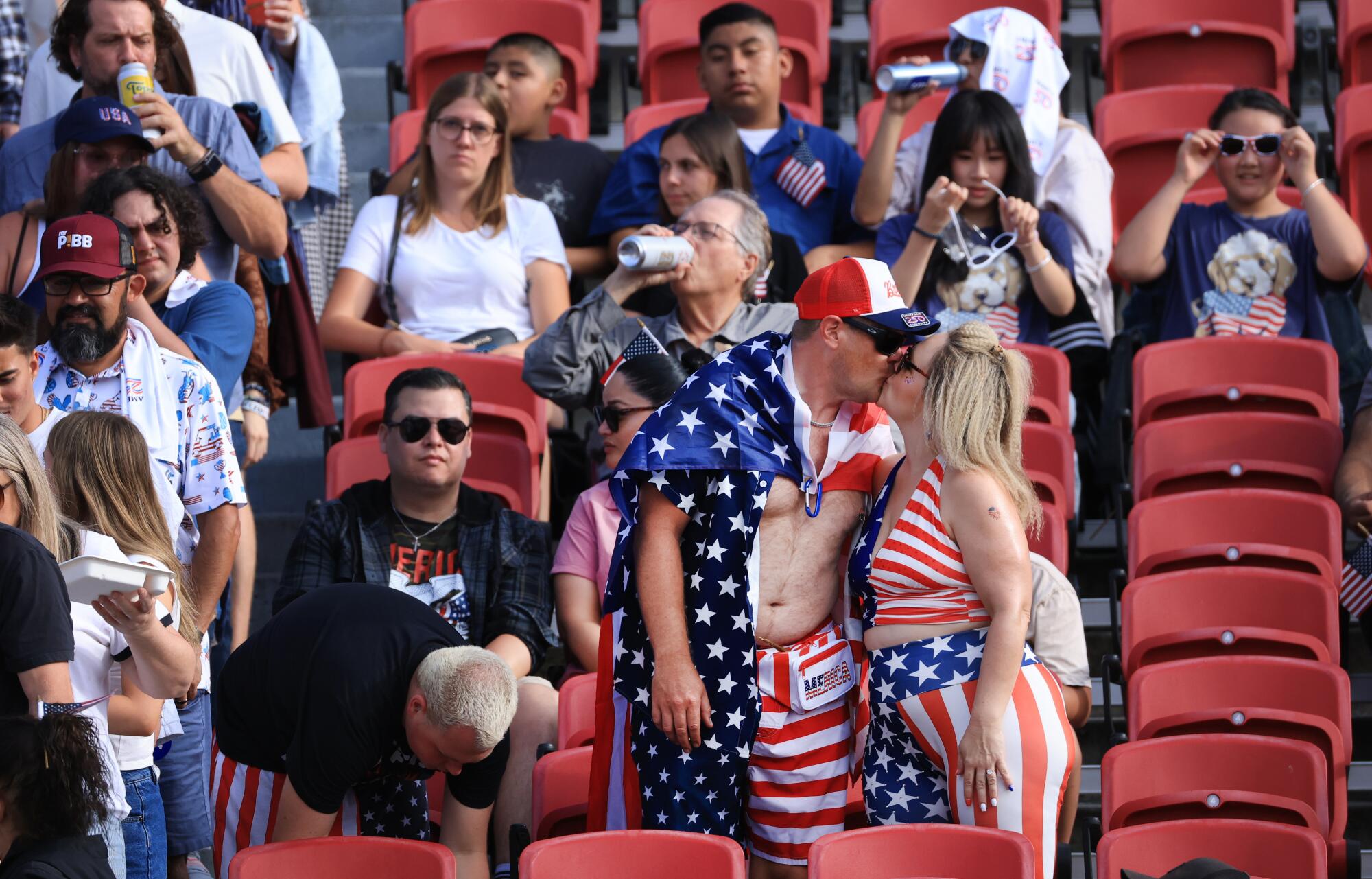
A couple in patriotic garb share a kiss.
(Myung J. Chun / Los Angeles Times)
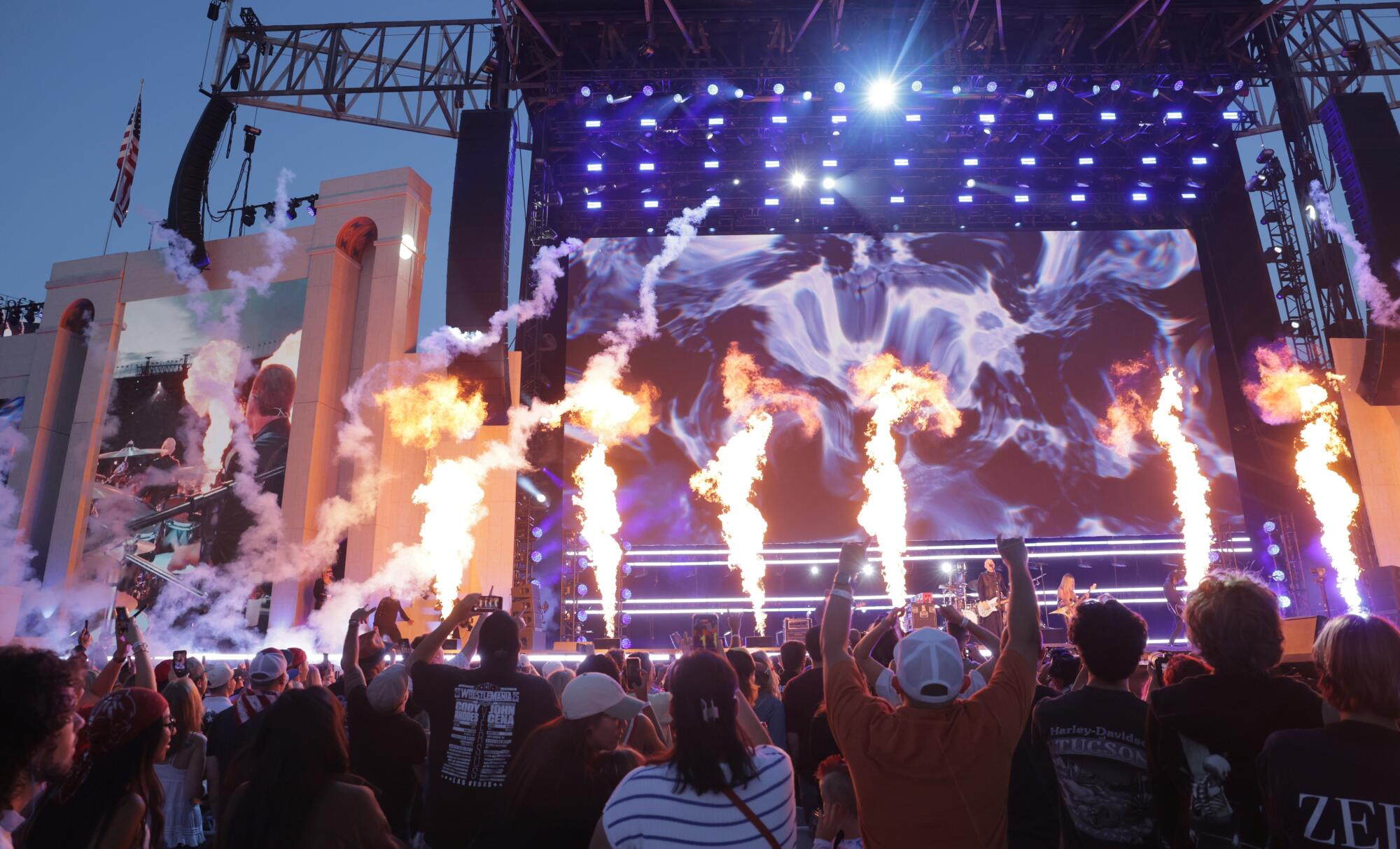
Smashing Pumpkins performs.
(Myung J. Chun / Los Angeles Times)
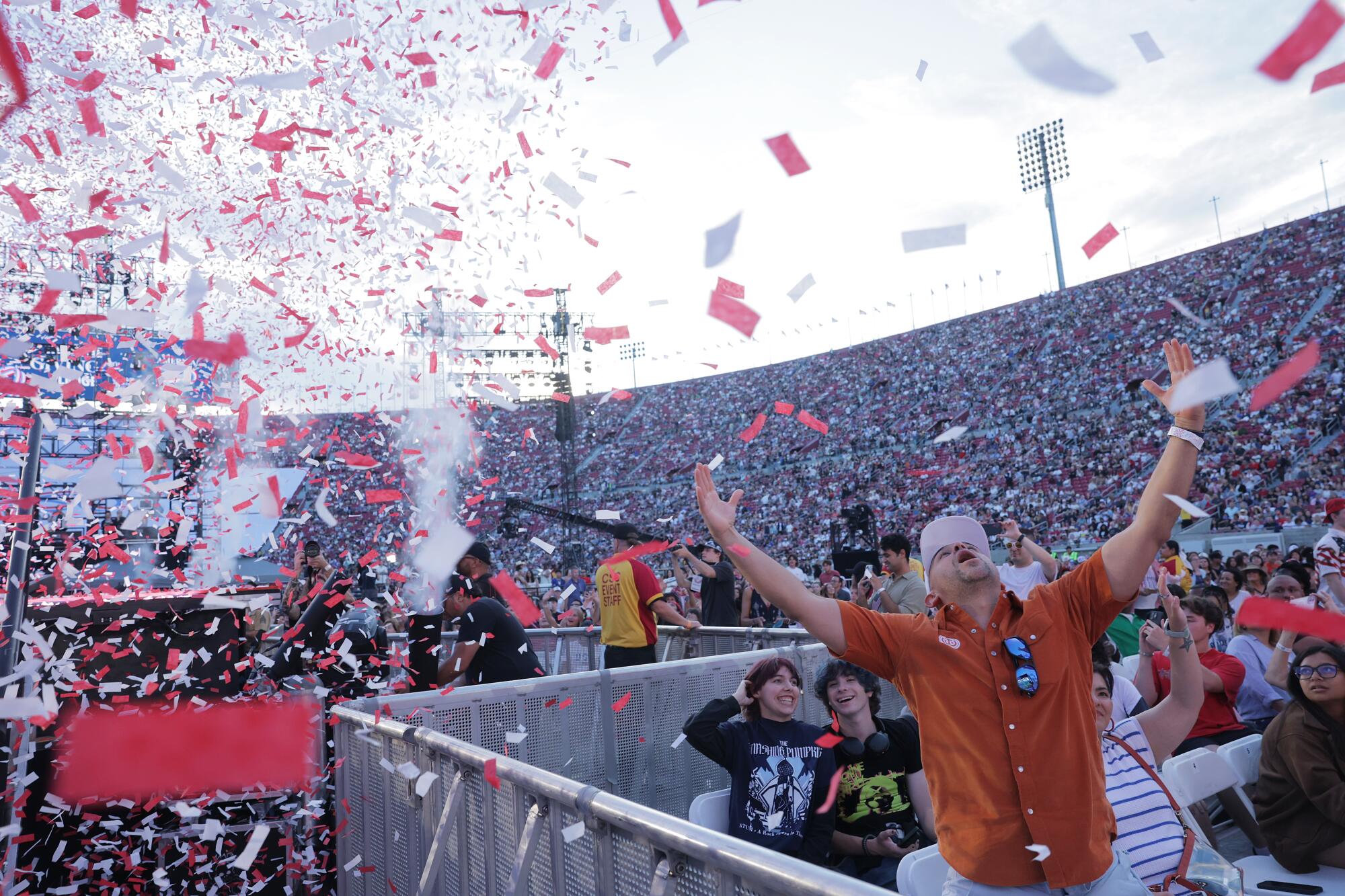
A concertgoer enjoys confetti.
(Myung J. Chun / Los Angeles Times)

Maren Morris performs.
(Myung J. Chun / Los Angeles Times)

It’s a good year when we get movies like Remarkably Bright Creatures and The Sheep Detectives at the same time. If there’s one type of emotional draw we’ll never say no to when it comes to the fiction we consume, it’s wholesome. The kind of movies and TV shows that leave you with a bit more hope than you expected. The kind of stories that make you believe that humanity isn’t as broken as it really is.
The Sheep Detectives is essentially tailor-made for anyone who loves a good whodunnit that’s rich with nuance and humor. The clever decision to shift the genre into something both kids and adults could appreciate together is no small feat, and that’s largely where its mass appeal lies. Murder is a heavy subject to deal with—as is grief—yet this story makes sitting with the weight of both a little easier. It could kickstart a number of thoughtful conversations while it simultaneously delivers plenty of laughs along the way.
For adults, there’s also a huge appeal in the casting—the voice actors especially. Anyone who knows me knows that Ted Lasso is the kind of show I’ll always put first, so hearing Brett Goldstein voice a sheep is the kind of A+ decision that’s effortless to appreciate. Hugh Jackman, Nicholas Galitzine, Molly Gordon, Nicholas Braun, Emma Thompson, Julia Louis-Dreyfus, Bryan Cranston, Bella Ramsey, Regina Hall, Rhys Darby, Patrick Stewart, Hong Chau, and the whole cast do an exceptional job as well, making every moment of The Sheep Detectives thoroughly entertaining.

It’s hard to imagine anyone coming out of the movie not thinking it’s one of the best things we’ll watch all year, and that’s a high compliment considering 2026 is full of gems like Project Hail Mary and the upcoming The Odyssey. It’s the exact kind of movie we could all use, but more than anything, the kind of story we could use more of. If there’s any sort of sequel, sign me up. Let’s make it a trilogy. Give us more of the sheep.
The cinematography is gorgeous, the writing is sharp, the performances are thrilling, and the message is a gem worth holding onto. The Sheep Detectives is the kind of feel-good treasure that does an excellent job of reminding us why movies like this will always matter. There’s a thoughtful message about how grief is meant to be shared and why it’s so important to carry those who’ve passed with us. Yes, it’d be convenient to forget our pain by sheer mental willpower, but we aren’t meant to do that. As humans and as animals, I imagine that the good, bad, and ugly are all part of what makes life beautiful, and that’s a comforting message to sit with.
The concept of a whodunnit featuring sheep solving a murder sounds so wild on paper, yet everything about it results in the kind of movie that should signal to Hollywood we want more creative approaches to what’s familiar. There’s a reason The Muppets are so popular, and we shouldn’t be afraid of making things that sound a bit too whimsical on paper. In other words, The Sheep Detectives embraces the whimsy, and it’s exactly what makes it so delightful.
The Sheep Detectives is now streaming on Prime Video.
First Featured Image Credit: ©Amazon MGM Studios
Related
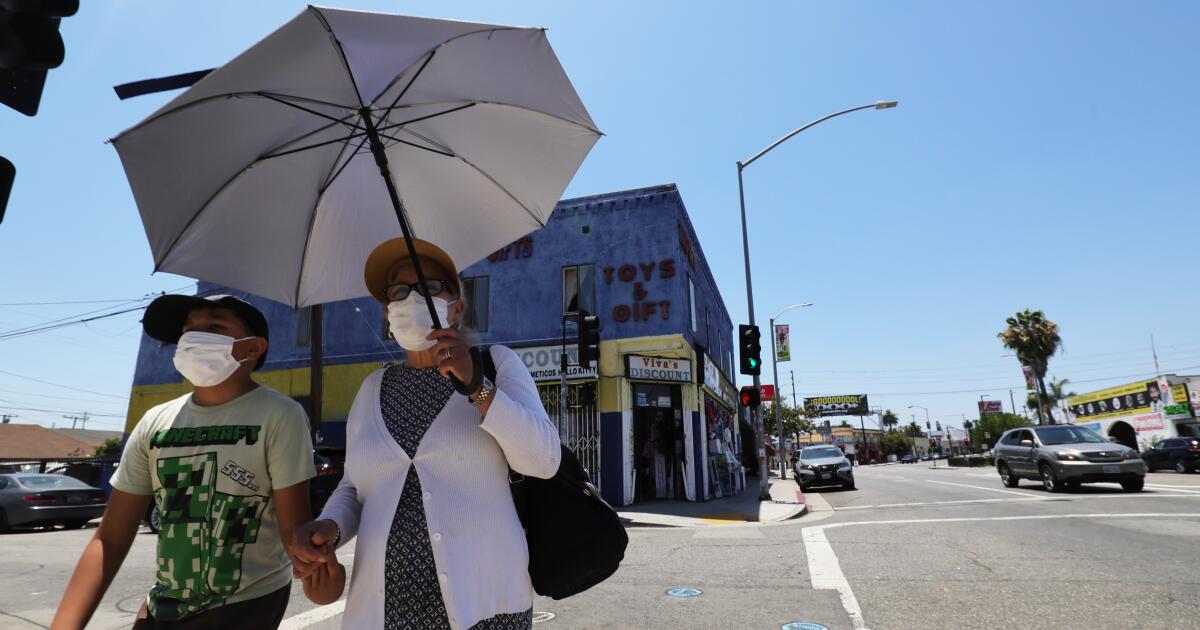
The National Weather Service has issued a heat advisory for this week that includes Los Angeles County and other parts of the Southland, especially in valleys and away from the coast.
Temperatures are expected to rise in the Santa Clarita Valley, the east and west San Fernando Valley, as well as parts of the San Gabriel Valley and northwest L.A. County mountains beginning Tuesday and lasting through Thursday, with warm, seasonably elevated fire weather conditions, according to the National Weather Service.
Forecasts indicate the mercury will reach 90 to 105 degrees in the interior, 80 to 90 degrees in the inland coastal plain — including downtown L.A. — with highs in the 80s and lower 90s in the foothills and canyons of southwest Santa Barbara County.
Rose Schoenfeld, meteorologist with the National Weather Service in Oxnard, said temperatures should be five to 10 degrees above normal for this time of year thanks to a high-pressure system building up over the region.
Though temperatures are expected to drop after Thursday, don’t expect that cooling to last.
“Looking ahead, you might be seeing some outlooks that look pretty favorable, but that heat will linger and redevelop with a pretty impressive heat wave for much of the west, that would be starting next weekend or so,” Schoenfeld said. “It doesn’t seem like we’re out of the woods, even if temperatures start to drop after Thursday.”
The rising mercury coincides a with major marine heat wave across the Pacific Ocean that has the potential to affect weather events around the world, bringing months of warmer oceans, which trigger thunderstorms and extreme heat thousands of miles away.
In recent weeks, record heat waves have baked parts of Europe, with temperatures hitting 104 degrees in some countries. France has reported more than 1,000 heat-related deaths.
In the U.S., record heat has gripped much of the Midwest and East Coast, with temperatures between 110 and 115 degrees in major metropolitan areas, with the National Weather Service issuing an extreme heat warning for much of the Midwest, Mid-Atlantic and Northeast.
The sweltering temperatures have disrupted travel and led to a number of cancellations planned for celebrations over the Fourth of July weekend, including Philadelphia’s Salute to Independence parade. The Great American State Fair, on the National Mall in Washington, was forced to shut down for a few hours.
Amtrak canceled some trains in the Northeast because of excessive heat that could affect the tracks.
-
 Lifestyle32 minutes ago
How to enter your Sporty Spice era : It’s Been a Minute
-

 Technology42 minutes ago
Some of the nation’s rich are letting AI teach their kids
-

 World47 minutes ago
Experts ‘deeply’ concerned over Iran’s work at underground nuclear site
-

 Politics54 minutes ago
Trump shares news of ‘crystal clear’ Reflecting Pool, calls for vandalism suspect’s arrest
-

 Health57 minutes ago
How a 93-year-old soccer referee credits wartime rations and discipline for his longevity
-

 Sports1 hour ago
England stuns Mexico 3-2 in instant World Cup classic, hands team first World Cup loss at Estadio Azteca
-
 Business1 hour ago
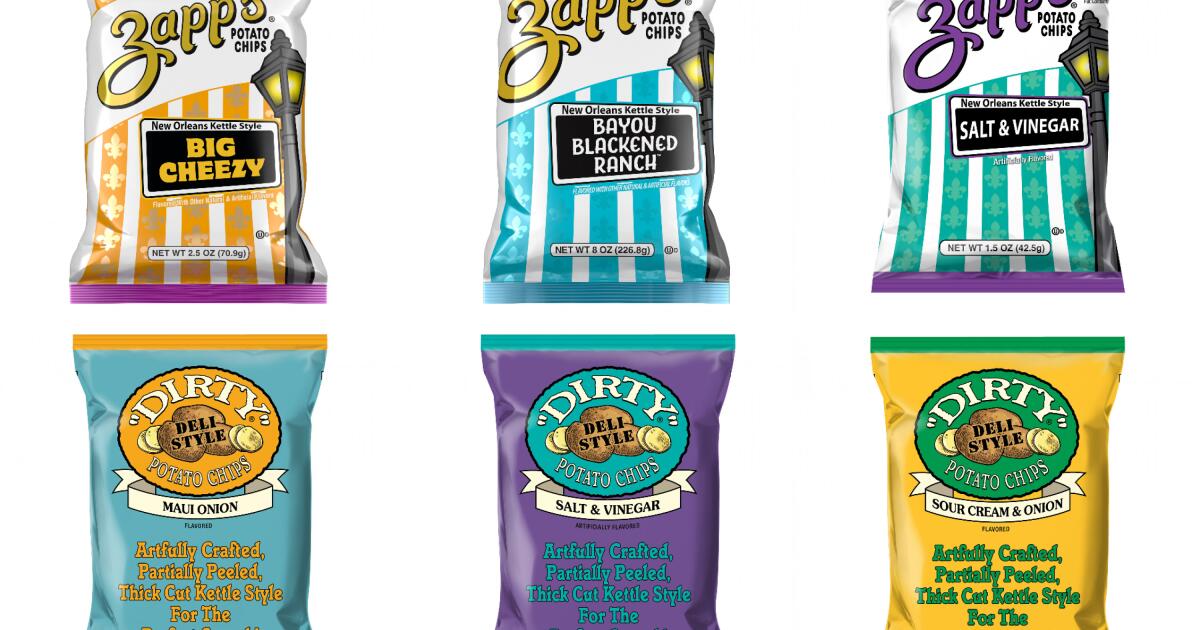
FDA escalates recall of Utz brand potato chips before July Fourth holiday
-
Entertainment1 hour ago
Inside the all-star America250 concert at the L.A. Coliseum

