Texas
Louisiana vs. Texas State Prediction, Odds and Key Players to Watch for College Football Week 10


In one of the most consequential games of the Sun Belt season, Louisiana travels to San Marcos to face Texas State.
The two division favorites to advance to the Sun Belt title game meet in a game that will go a long way to clearing out the logjam in the West division with four teams sitting with one loss chasing the undefeated Ragin’ Cajun. With Texas State set as a modest home favorite, can the Bobcats take control of the division?
Here’s our full betting preview.
Spread
Moneyline
Total: 57.5 (Over -110/Under -110)
Odds courtesy of FanDuel Sportsbook
Louisiana
Ben Wooldridge: The Louisiana offense has been on a tear this season, scoring 33 or more in all but one game this season. Woolridge being healthy is a big reason why. After injuries over the last two seasons, the signal caller has completed two-thirds of his passes for 1,750 yards with 14 touchdowns and four interceptions, engineering a top 15 passing game in terms of EPA/Pass.
Texas State
Jordan McCloud: The reigning Sun Belt player of the year has been stellar for the Bobcats, passing for 1,891 yards while adding another 217 yards on the ground with 25 total touchdowns. However, with seven interceptions, can McCloud avoid mistakes in a potential shootout to ensure a win?
This matchup should feature plenty of scoring from both teams, led by the Texas State offense against a vulnerable Louisiana defense.
The Ragin’ Cajun defense has been shaky all season, outside the top 120 in both tackles for loss and EPA/Play. The team’s inability to generate pressure has led to plenty of scoring chances for the opposition, outside the top 80 in points per drive allowed.
Louisiana’s offense has done its part to offset its shaky defense though, top 15 in EPA/Play and doing an incredible job on the offensive line, top five in tackles for loss allowed. With time to process the defense, Wooldridge has been able to put together a dominant offensive attack as the team is averaging nearly seven yards per play.
Texas State’s defense is incredibly aggressive, 20th in tackles for loss, but are susceptible to big plays from the opposition, ranking national average in explosive pass defense. If Louisiana’s offensive line holds up, the team should be able to find success.
I’ll back both offenses to show up in this one and for the game to get high scoring, so I’m on the over with a lean towards the Texas State side.
PICK: OVER 57.5
Game odds refresh periodically and are subject to change.
Follow Reed on Twitter @ReedWallach and get all his college football bets on betstamp @rw33
If you or someone you know has a gambling problem and wants help, call 1-800-GAMBLER.


hosting the Athletics in the club’s home opener on Thursday, April 1. The complete 2027 schedule was announced today
by Major League Baseball.
The Rangers’ season opener on March 25

In an incident that was horrific beyond words, late last month, a stunned family watched in horror as a car plowed into the Katy, Texas home of a 76-year-old mother and grandmother, killing her. The driver has been charged with manslaughter.
In the aftermath of the crash, it emerged that the car in question was a Tesla, and that the driver was making use of full self-driving mode (FSD) around the time the crash occurred. The victim’s family has named Tesla and the driver as defendants in a lawsuit. But per Electrek, Tesla was able to view crash data very quickly after the incident, and the head of AI at the company, Ashok Elluswamy, said the driver “manually overrode self-driving by pressing the accelerator all the way to 100% of the accel pedal in this residential area.”
In the days after the crash, Tesla fans took issue with coverage that characterized the car as in FSD when the crash occurred. CEO Elon Musk seemed to agree, replying to a post, “Yes, this makes no sense. FSD drives slowly through neighborhood streets and this was a high speed crash!”
But Musk seems to be assuming bad faith, as if coverage implied FSD had suddenly shifted into, perhaps, some kind of previously unannounced homicidal maniac mode and attacked a house. If anyone was saying this is what happened, they should apologize. It’s clearly not what happened.
And on Wednesday, the National Transportation Safety Board (NTSB) largely confirmed Tesla’s version of events. Their report reads, in part:
“Electronic data recovered from the vehicle indicated that before the crash, the driver manually overrode FSD (Supervised) by pressing the accelerator pedal to 100%, and the vehicle’s speed was greater than 70 mph when the crash occurred.”
But cooler heads had noted weeks earlier that, like with good old fashioned cruise control, accelerating doesn’t boot you from FSD. The car takes the input, and stays in FSD. The question isn’t one of mechanics and technology, but one of philosophy: if FSD is meant to be “driving” when someone jams on the accelerator in a residential area, FSD may not be the “driver” in one important sense, but the car was still in FSD mode.
Because as much as Tesla would probably like FSD to be a total non-factor in the incident, that may not be the case either.
ABC News noted that, according to court documents, the driver claimed he “passed out” with the car in FSD on the highway, and that’s the last thing he remembers before the crash. He says he wasn’t sick, and medical records show no seizures, cardiac episodes, drugs, or alcohol.
A local Fox affiliate says records show the car was making deliveries for DoorDash while in FSD in the “hours and minutes leading up to the crash.” While in a neighborhood, it apparently signaled it was going to turn left onto one street, but instead the pedal went to the metal. This took the Tesla onto the victim’s cul-de-sac instead, and put it on its fateful collision course with her house.
To make matters weirder, other court records now show, per Electrek, that the driver had Googled the terms, “Tesla fsd not aggressive enough 2026,” “FSD is not aggressive enough for city driving,” and “Tesla fsd too timid.” That’s the kind of thing you Google when you’re looking for a Reddit post from someone sharing your consumer gripe.
In any case, the odds aren’t good that the driver wanted this to happen, nor that Tesla programmed its cars with evil intent. But FSD was being used around the time of this unusual fatal incident, and the public deserves to know more. Fortunately, a lot more will come out as the lawsuit progresses.

AUSTIN – Texas Attorney General Ken Paxton said Wednesday he has secured a settlement of bankruptcy claims against genetic testing company 23andMe stemming from a 2023 data breach that exposed personal information, including some genetic ancestry data, of 6.9 million customers worldwide.
Paxton’s office said the settlement includes $150 million for a multistate coalition of 42 states. But because of limited funds in 23andMe’s bankruptcy estate and competing claims, the states’ recovery will be $18 million paid immediately, with Texas receiving $1,266,860.
23andMe disclosed in October 2023 that attackers had accessed accounts affecting 6.9 million consumers. Some of the information was later posted for sale on the dark web, according to Paxton’s office, which said the company learned of the breach months after the data became publicly available. The office said 23andMe initially denied a breach and later blamed consumers’ account settings and password practices.
Paxton joined a multistate investigation that concluded 23andMe used unreasonable security practices and failed to implement adequate safeguards against hacking, the office said.
23andMe filed for bankruptcy protection in March 2025. Paxton’s office said the settlement incorporates privacy and cybersecurity requirements, including enhanced security standards, comprehensive risk assessments and creation of an independent advisory board, along with enforcement of state privacy laws and continued consumer data deletion rights.
“Companies that collect and profit from Texans’ most personal information have a legal duty to protect it,” Paxton said in a statement.
The company also agreed to a $46.75 million class-action settlement in the bankruptcy case for affected U.S. consumers who submitted claims by Feb. 17, 2026, Paxton’s office said.
Copyright 2026 by KPRC Click2Houston – All rights reserved.
-

 Sports2 minutes ago
Olympic great Lindsey Vonn reveals her ankle is ‘still broken’ months after shocking crash
-

 Technology8 minutes ago
Apple AirDrop, Android Quick Share flaws put phones at risk
-
 Business14 minutes ago
Netflix reports higher profits as investors worry about growth
-
 Entertainment20 minutes ago
Kris Jenner’s mom, beloved matriarch Mary Jo ‘MJ’ Shannon, dies at 91
-
 Politics32 minutes ago
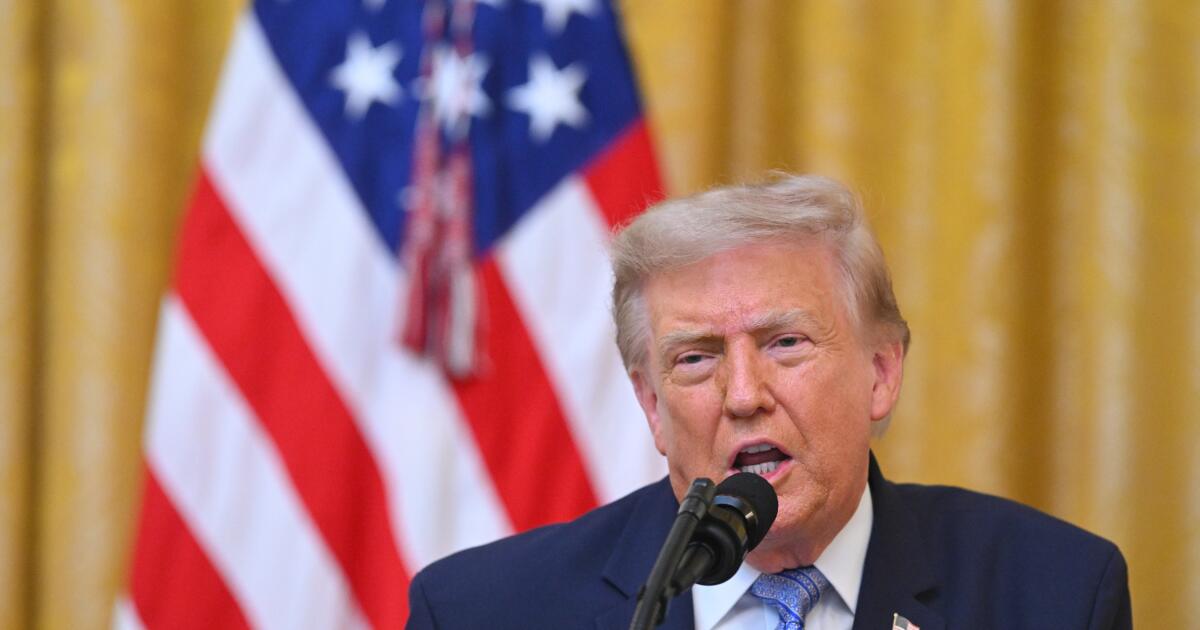
Trump repeats debunked claims about voting vulnerabilities in prime-time speech
-
 Science38 minutes ago
Bass administration quietly replaced chief heat officer a month ago
-
 Sports44 minutes ago
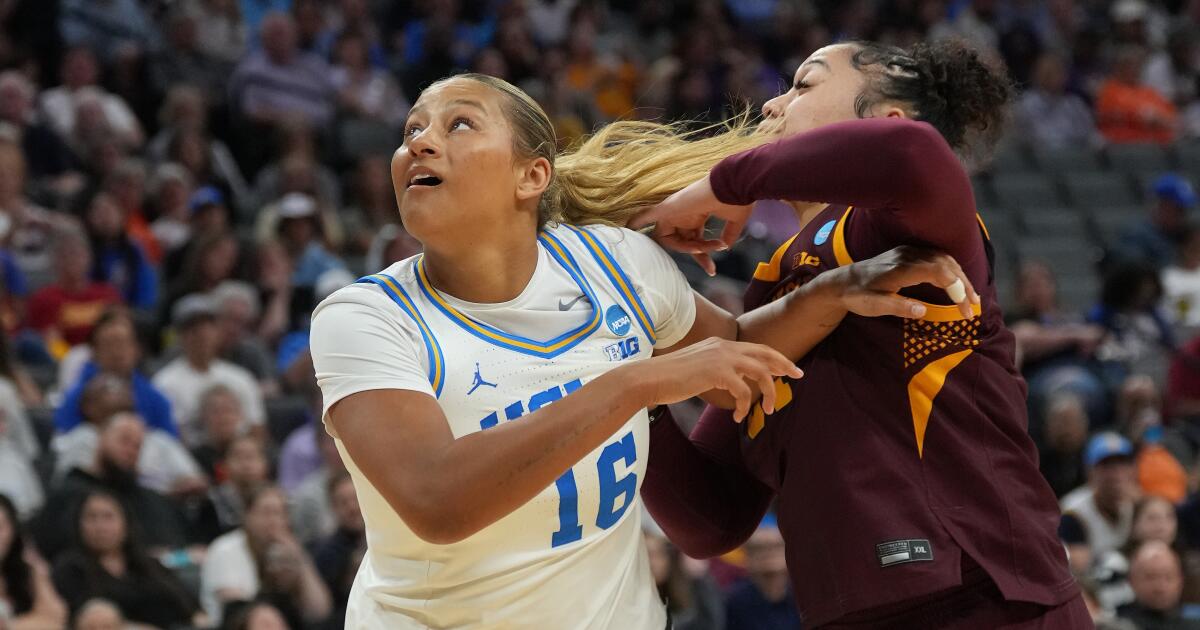
UCLA women embrace new players, tougher standards in bid to repeat as champs
-

 World56 minutes ago
China rebukes UK over nationalisation of British Steel

