Fitness
Move for a better life: The transformative power of physical activity for the 60+ – Times of India


The study revealed that staying physically active not only helps the 60+ maintain socio-physical independence and engage in social activities but also find purpose and satisfaction in their daily lives. It also plays a crucial role in maintaining muscle mass and bone density, essential for preventing falls and fractures. In a nutshell, physical activity helps the 60+ live not just longer lives, but better ones, filled with vitality and joy.
The Mental and Emotional Benefits of Physical Activity
If you identify with the concept of active aging, you need to start exercising and work those muscles. Sciences reveal that the release of endorphins and increased blood flow to the brain during physical activity uplift mood and enhance mental clarity. Endorphins, known as “feel-good” hormones, alleviate pain, reduce stress, and create an overall sense of well-being. Improved blood flow ensures the brain receives adequate oxygen and nutrients, critical for optimal function.
Regular exercise also promotes neurogenesis(formation of new neurons), enhancing memory, learning capabilities, and protecting against cognitive decline. Additionally, the release of endorphins and a sense of accomplishment from regular physical activity boosts self-esteem and combats depression and anxiety, further contributing to mental and emotional well-being.
The Accessibility and Versatility of Physical Activity
One of the most beautiful aspects of physical activity is its versatility. It doesn’t require expensive equipment or gym memberships to be effective. Even modest efforts, such as incorporating 10 minutes of intentional movement into daily routines, can yield substantial benefits. People above the age of 60 can easily find ways to be active that suit their circumstances. Research found that increasing moderate-to-vigorous physical activity by just 10 minutes per day can lead to a 6.9% decrease in mortality rates among adults aged 40 to 85. This statistic underscores the significant impact that small changes in physical activity can have on longevity and health.
Personalized and Enjoyable Forms of Movement
Embracing an active lifestyle is a journey, and every individual’s path is unique. It is crucial to find enjoyable and well-balanced forms of movement that resonate with personal preferences and abilities, whether it’s a brisk walk, gentle yoga, or a lively dance class. Personalizing physical activity ensures it becomes a sustainable and enjoyable part of daily life. By experimenting with different activities, 60+ individuals can discover what they enjoy most and are more likely to stick with it long-term. This personalized approach creates a positive association with physical activity, making it a regular and pleasurable part of one’s routine.
The Broader Impacts of Physical Activity on Aging
In a world where mental and physical health challenges often accompany aging, physical activity stands as a beacon of hope and resilience. By embracing movement, active agers can fortify cognitive abilities, elevate mood, and cultivate well-being. Regular physical activity helps manage and prevent chronic diseases like diabetes, heart disease, and arthritis, while supporting mental health by reducing the risk of depression, anxiety and putting one in a better mood.
The evidence is clear: an active lifestyle is a transformative force, capable of unlocking a fountain of youth and empowering older adults to experience a vibrant, fulfilling, and healthy later chapter of life. By staying active, the 60+ can engage with their communities, pursue their interests, and maintain a sense of autonomy and purpose, making the golden years – ‘truly golden’.
(By Rohini Rajeev, Founder, Clinical Head & Chief Practice Officer, also partnering with GenS, a soon to be launched platform for the 60+)
International Yoga Day: How yoga impacts reproductive health in women?



GLP-1 medications have reshaped the conversation around weight loss, but fitness experts are quick to point out that the blueprint for a strong, healthy body hasn’t budged. In fact, it’s never mattered more. The fundamentals of healthy living, from strength training and prioritizing protein to staying active, remain essential for preserving muscle, supporting metabolism and creating results that last. Here’s what top trainers want everyone taking a GLP-1 to know.
“Weight changes quickly, but structure doesn’t,” says Tracy Anderson (@tracyandersonmethod), founder of her namesake movement catalog. For anyone relying on GLP-1s without prioritizing movement, she has a clear warning: The body you’re uncovering still needs tending. “The health of your metabolism relies a lot on how you interact with your muscles.” And for Anderson, that means keeping movement varied and consistent. “You want to recruit as much activity as you possibly can in your body. It’s not enough to just say, ‘I’m going to lift; I’m going to build muscle.’ Things atrophy, and you want to keep as much awake and as much alert as you possibly can.”

“When you’re on a GLP-1, as much as 40 percent of the weight you lose may be lean muscle mass,” explains Kira Jones (@kirajones), founder of Cacti Wellness, who adds that the fix for this is non-negotiable. “It’s essential that GLP-1 users actively work to gain and maintain strength and build muscle. Muscle protects your metabolism long-term and provides that toned appearance.” Her advice: Strength train two to three times a week with weight that genuinely challenges you, prioritize protein at every meal and protect your recovery. “Eating well and exercising means nothing if you don’t give your body time to properly digest food, rebuild muscle and release stress.”
Nicole Winhoffer (@nicolewinhoffer), founder of the NW Method, has watched GLP-1s change not only her clients’ bodies, but also their relationship with movement. The risks she highlights are both physical and behavioral, particularly when medication replaces lifestyle habits. “For some individuals, GLP-1s can work best when paired with natural long-term habits around nutrition, movement and overall wellness.” But, she’s also seen something more encouraging: clients who feel better in their bodies showing up differently in the studio. “I would encourage anyone on a GLP-1 to incorporate dance into their routine. Dancing is a great way to improve self-esteem and build confidence in both social settings and personal style.”

It never feels like there’s enough time in the day – after prioritising your kids, work and other commitments, simply finding an opportunity to get in the gym can prove tricky. But instead of obsessing over gym sessions, Lawrence Price – former professional rugby player, coach and recent guest on MH’s Built for Life podcast – says busy dads should instead prioritise three weekly pillars.
These pillars are less about creating a perfect environment and more about building consistency that works with your life. The idea is that if life gets hectic and one pillar drops off temporarily, the other two pillars keep progress moving.
‘If pillar one is out the window because we can’t train for a couple of weeks, we can still manipulate things by making sure we’re hit hitting pillar one and three by getting those things on point,’ Price tells MH.
The 3 Pillars Every Busy Dad Should Follow
1. Increase Your Daily Movement
Price is a big proponent of increasing your NEAT – non-exercise activity thermogenesis – which is the energy your body uses for daily, non-structured exercises. These include things like walking more, taking the stairs instead of the lift or escalators, and moving during phone calls.
‘If your training window for the day has gone, then the reality is you can still take phone calls on your feet, you can take the stairs. It’s just boring to talk about – it’s unsexy, it’s uncool. But if you get people into that mindset where, whatever your life looks like, you’re prioritising that need. It’s 15% of your total daily expenditure or more,’ Price says.
‘Even even when your training window is put on the back burner, because the hierarchy of needs outside of your own health needs is obviously undulating and sometimes it pulls us away, whatever circumstance you have during the week, just moving more is something you can go towards.’
2. Strength Training
There’s no such thing as training too little – if you’ve only got time for one gym session a week, then make the most of that time and incorporate some strength training. Compound movements help to stimulate muscle growth efficiently.
‘Resistance training is the second pillar. Even if you only get one or two sessions in a week and it’s a really targeted, simple, basic functional hypertrophy routine, you know that when you’re sitting at your desk or when you’re doing the school run, your body is trying to adapt to that stimulus.’
‘If pillars one and two are the energy output pillars, pillar three is the energy input pillar,’ Price concludes.
‘If we have a rough idea of eating in alignment with our energetic needs and body composition goals, even if the environment changes we can still embody the habits and actions that align with our goals and and our visions.’
This is crucial for when you might not have time to train as much as you’d like – adapting your nutrition will still keep you on track with your goals, even if you’re expending less daily energy.
If there’s one thing Kori Sampson knows, it’s how to optimise your body composition for performance. To tap into his knowledge as an elite athlete and coach, we asked him to create a 4-week plan to help you move faster, recover quicker and keep pushing when the fatigue sets in – all while improving your muscle-to-fat ratio.
Ready to build muscle, burn fat and come out the other side looking, feeling and performing better? Click here to get 14 days of free access to the plan via the Men’s Health app.
Ryan is a Senior Writer at Men’s Health UK with a passion for storytelling, health and fitness. Having graduated from Cardiff University in 2020, and later obtaining his NCTJ qualification, Ryan started his career as a Trainee News Writer for sports titles Golf Monthly, Cycling Weekly and Rugby World before progressing to Staff Writer and subsequently Senior Writer with football magazine FourFourTwo.
During his two-and-a-half years there he wrote news stories for the website and features for the magazine, while he also interviewed names such as Les Ferdinand, Ally McCoist, Jamie Redknapp and Antonio Rudiger, among many others. His standout memory, though, came when getting the opportunity to speak to then-Plymouth Argyle manager Steven Schumacher as the club won League One in 2023.
Having grown up a keen footballer and playing for his boyhood side until the age of 16, Ryan got the opportunity to represent Northern Ireland national futsal team eight times, scoring three goals against England, Scotland and Gibraltar. Now past his peak, Ryan prefers to mix weightlifting with running – he achieved a marathon PB of 3:31:49 at Manchester in April 2025, but credits the heat for failing to get below the coveted 3:30 mark…
You can follow Ryan on Instagram or on X
Fitness
Lawlor: It’s a fitness exercise, but there were lots of positives – Fleetwood Town Football Club

Skip to content
-

 World1 minute ago
Four Americans caught in horrific Mexico highway pileup that killed at least 10
-

 Politics7 minutes ago
Medical examiner releases preliminary findings in Lindsey Graham’s death as death certificate remains pending
-

 Health13 minutes ago
Terminally ill man marries longtime love in hospital as final wish comes true
-

 Sports19 minutes ago
Stefon Diggs, still seeking new NFL home, insists no team has a better No 2 receiver ‘than me’
-

 Technology25 minutes ago
Google may use your photos and voice to train AI
-
 Business31 minutes ago
‘Moana’ loses its way at the box office with a $43-million domestic opening
-
 Entertainment37 minutes ago
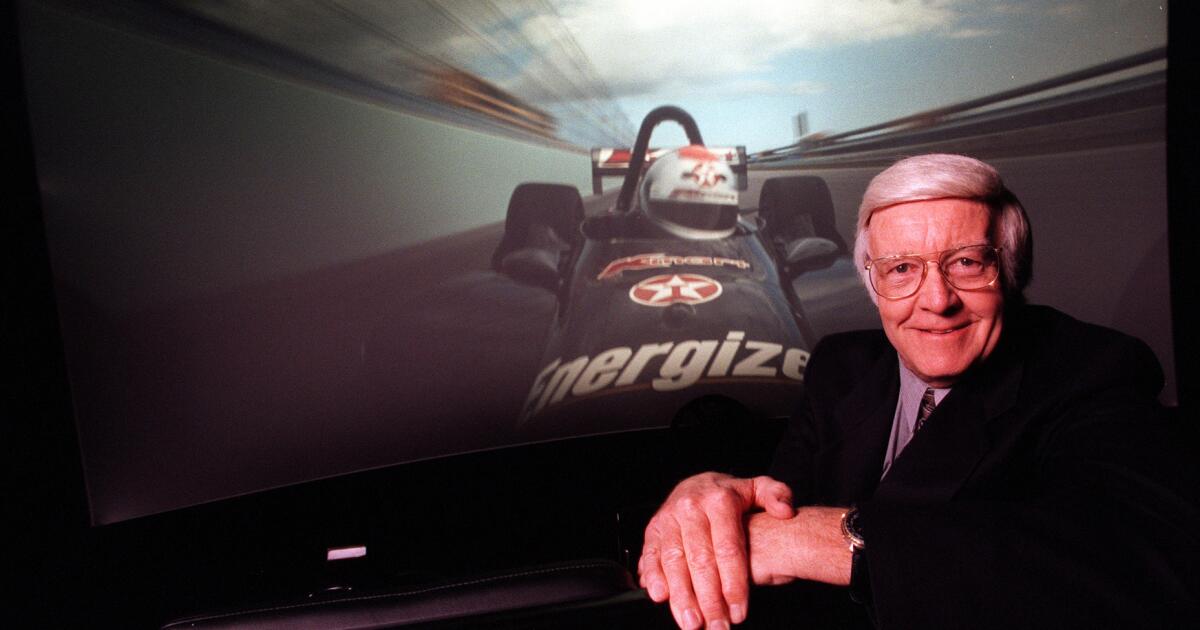
Academy Award-winning special effects pioneer Don Iwerks dies at 96
-
 Lifestyle43 minutes ago
Burbank’s airport to get new $1.3-billion terminal soon (but you’ll still walk on tarmac)

