Wyoming
Critics oppose Wyoming hydroelectric project, pointing to climate-driven drought crisis – WyoFile
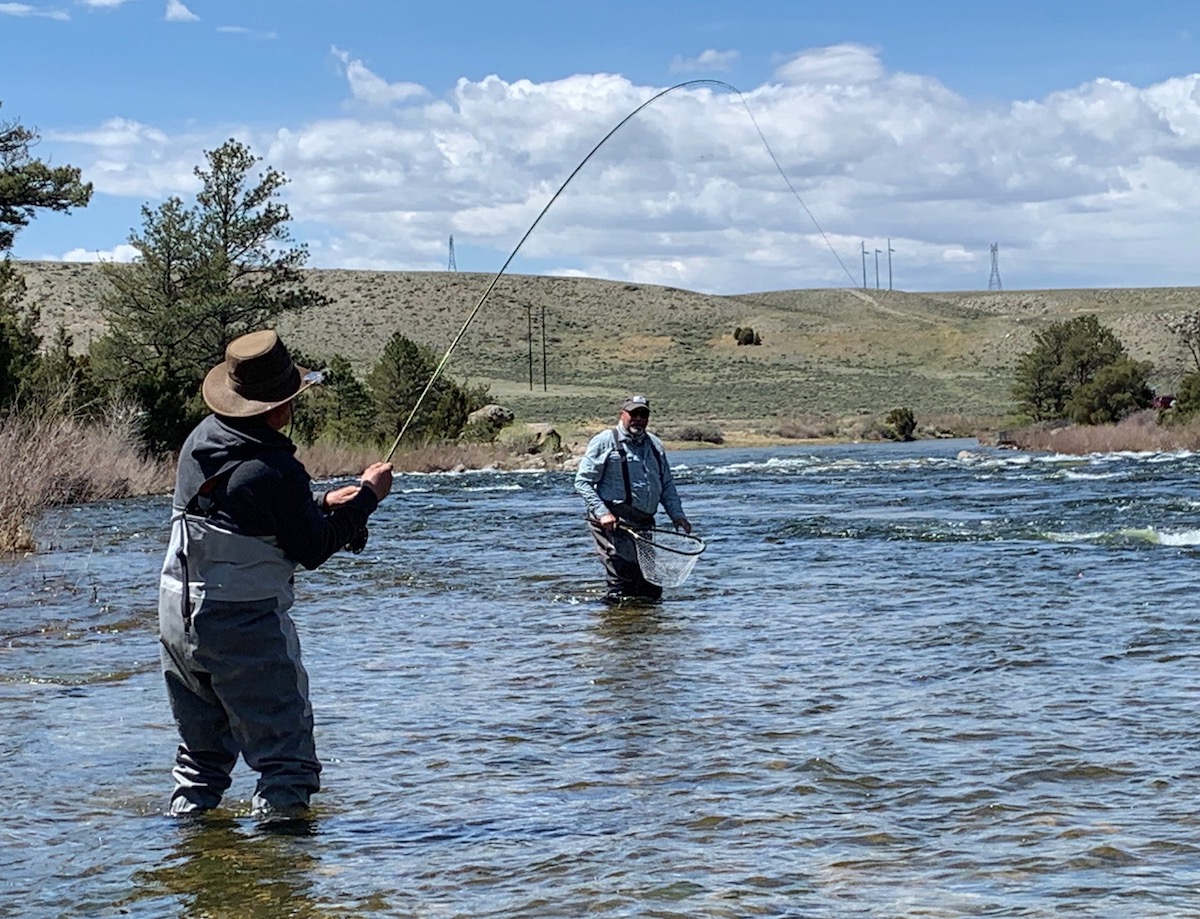
A proposed pumped-water electricity storage facility at Seminoe Reservoir could decimate the prized Miracle Mile trout fishery on the North Platte River and jeopardize a bighorn sheep herd that wildlife officials rely on to support the species’ populations in other areas, critics of the $4 billion project say.
Anglers, business owners and wildlife biologists joined state and federal regulatory officials Thursday to testify before the Legislature’s Travel, Recreation, Wildlife and Cultural Resources Committee. They cautioned that a primary federal permitting review — by the Federal Energy Regulatory Commission — is too lax on “acceptable” impacts and riddled with inaccurate assumptions fed to it by project developer rPlus Hydro.
“These concerns are not theoretical for us,” Casper Mayor Ray Pacheco told the legislative panel. “Casper relies directly on the North Platte River for drinking water, wastewater treatment, recreation, tourism and the quality of life.”
The Wyoming Game and Fish Department’s concerns regarding impacts to the Ferris-Seminoe bighorn sheep herd, mostly due to blasting and industrial traffic during the project’s five-year construction period, “may be unresolvable,” one department official said, adding that the agency still has an opportunity to object to the project.
The company’s touted enhancement to the electrical grid is actually a net energy loss, others claimed. Several commenters were concerned about the effect of warmer water temperatures on trout. They cautioned that rPlus Hydro’s assurance that its project will only minimally raise temperatures is based on an analysis of five years of data from the 2010s that is outdated and doesn’t account for climate change-driven drought that has resulted in higher stream water temperatures and has helped sap Seminoe Reservoir to just 32% of its storage capacity today.
“I think we’re all acutely aware of what’s going on on the Colorado River system and with Flaming Gorge,” Baggs Republican Sen. Larry Hicks said, referring to the drought and water crisis wreaking havoc in the West. “The way I understand the analysis is that there’s going to be many more low water years.”
Seminoe pumped water storage project
“Pumped water storage” involves pumping water uphill during daytime “off-peak demand” hours for electricity when wind and solar power are plentiful and wholesale electricity is cheapest, according to rPlus Hydro. The pumped water would be temporarily stored in a to-be-constructed reservoir above the current reservoir and released to generate hydroelectricity during higher-demand evening hours.
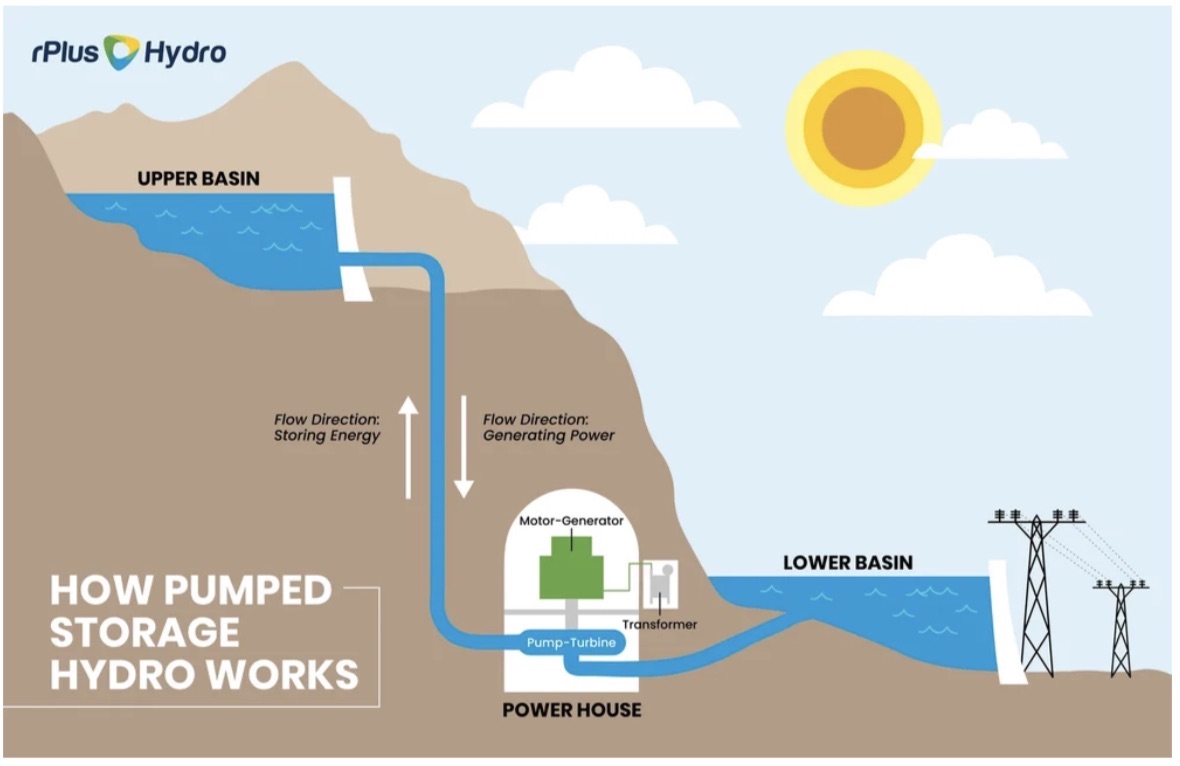

The company proposes building a 13,400-acre-foot reservoir in the Bennett Mountains overlooking Seminoe Reservoir near the dam — one of several reservoirs on the North Platte River. The facility provides “energy‑storage.” “Think of it as a ‘water battery’ that stores energy generated when demand is low,” the company told WyoFile. “When demand increases, water is released from the upper reservoir back into Seminoe, driving hydroelectric turbines to produce electricity.”
“It’s an enormously large project to meet Wyoming’s future energy needs,” rPlus Hydro Deputy General Counsel Kevin Baker told the legislative committee, adding that it would help lower the cost of electricity. “Pumped [water] storage is actually one of the longest duration, most effective and most cost-efficient types of energy storage that’s on the market today.”
Baker said that FERC’s analysis of the project suggests the Seminoe project represents a $200 million annual savings to ratepayers. Further, according to Baker, FERC has suggested, the “absence of this project carries with it its own set of impacts: reduced resource adequacy, higher cost to ratepayers, and the likely need to pursue other projects that may impose greater environmental impacts or plans to the state.”
Hicks objected to the notion that the project will enhance electrical availability or affordability in Wyoming, noting that the state is a net-electrical exporting state, and that rPlus Hydro is relying on federal tax credits to help finance the project.

Despite those facts, Baker responded, the energy storage function does improve reliability and affordability throughout the western grid, including Wyoming. The project, he said, “does not consume serious amounts of water.
“The water,” he added, “will be protected. The fish habitat will be protected. Casper will still have the opportunity to use it as drinking water. Irrigation will still occur. The project will not affect Wyoming’s waters.”
Several people, including local elected officials, Trout Unlimited and local businesses, took issue with Baker’s claims, citing what they say is a flawed federal review process that hasn’t dutifully tested the company’s claims or considered locals’ concerns.
“I think what concerns me the most about this project is the precedent that it sets,” said CiCi Oliver of the Ugly Bug Fly Shop in Casper, which employs 45 people and is dependent on the North Platte River fishery. “This proposal requires exemptions from existing land use and wildlife protections in order to move forward. It is my belief that if a project only works by loosening protections that were specifically created to safeguard habitat and sensitive resources, then perhaps it is not suited for the location in the first place.”
What now?
The FERC is the primary permitting agency for the project because of its reliance on federally managed water storage reservoirs and hydroelectric systems on the North Platte River. That’s a source of heartburn for many stakeholders, including state regulatory agencies, according to Thursday’s testimony.
Members of the Travel Committee lamented that the Legislature doesn’t have a direct role in setting terms for the project. But it concluded that rPlus Hydro and FERC did not meet expectations to engage with locals during the permitting review process, which was initiated some five years ago.
So what can state lawmakers do?
There are still permitting steps where the Legislature can exert its influence, committee leadership noted.
The federal Bureau of Land Management is a cooperating agency for the project, and agency officials noted that when the FERC issues its final environmental impact statement — expected in June — they may request an amendment process if the BLM is not satisfied with natural resource protections. Wyoming Game and Fish also has an influential say in whether it is satisfied with the FERC’s final review.
Plus, others noted, the project still must go before Wyoming’s Industrial Siting Council for approval.
The committee’s cochairs suggested drafting a letter to Wyoming’s congressional delegation, as well as FERC and other permitting agencies, imploring them to address concerns expressed by Wyoming stakeholders. The committee approved that idea in a unanimous vote.