San Francisco, CA
Mayor's Zoning Plan to Finally Allow Density Around Transit in San Francisco – Streetsblog San Francisco


A new zoning memo from Mayor Lurie’s office aims to raise height and density limits throughout the city, with six-to-eight stories getting permitted on transit corridors. This is intended to make up for a shortfall of 36,200 housing units under the City’s Regional Housing Needs Allocation (RHNA), as required by state law. From the mayor’s memo to the planning department on how it will achieve these state-mandated housing construction requirements:
One way San Francisco will advance this goal is by focusing the rezoning in areas that have been historically exclusionary. These include neighborhoods that benefitted from redlining, had racially restrictive covenants and rules, and primarily single-family zoning, which are less affordable to non-white households.
This includes the westside of San Francisco and other neighborhoods that are notorious for resisting multi-family housing.
From Senator Scott Wiener, as posted on Reddit:
We just got the first look at the new vision for housing in San Francisco under Mayor Lurie’s leadership—and it’s great news. This plan stems from our state housing work over the past decade requiring cities to zone for more homes (under I law authored, SB 828), and to streamline approvals for those homes under SB 423. By allowing the homes we need to finally be built, this rezoning plan paves the way for a more affordable and vibrant future for San Francisco.
This plan is projected to accommodate 36,000 new homes in neighborhoods across the City, focusing on high resource areas. Combined with SF’s ongoing efforts, this plan puts the City on track to meet its state housing goal of building 82,000 new units. If passed, this would be the biggest change to San Francisco’s zoning since 1978, and it sets our city on a path to thrive for decades to come.
More from J.K. Dineen’s coverage for the San Francisco Chronicle:
Fisherman’s Wharf could go from a place locals only visit with out-of-town visitors to a mixed-use neighborhood with hundreds of families living in new six- and eight-story buildings along portions of North Point, Bay and Beach streets. The commercial zones around downtown West Portal could see apartment complexes rise eight stories, while two lots next to the Glen Park BART Station could be rezoned for 140 foot towers, radically reshaping that sleepy retail district.
“Our administration wants to build enough housing for the next generation of San Franciscans, so that kids who grow up here have the same opportunity to raise their own children here. This family zoning plan will help us do that,” wrote the Mayor in a prepared statement. “For too long, San Francisco has made it easier to block new homes than to build them. And while our needs have changed since the 1970s, much of our zoning hasn’t. Now, the state has given us a clear mandate to build more housing with real consequences if we don’t.”
And from Mission Local‘s coverage:
“It is courageous, right?” said District 7 supervisor Myrna Melgar, who was quick to point out that many voters in Lurie’s base (and her own district) have expressed hostility toward the city’s upzoning goals. The neighborhoods bothered by the zoning changes overlap almost entirely with Lurie’s base.
“For decades, our city shirked its responsibility when it came to building enough housing. YIMBYs have pushed back, and we couldn’t be more thrilled that Mayor Lurie is answering the YIMBY call and putting out a strong rezoning plan,” said Jane Natoli, San Francisco Organizing Director of YIMBY Action, in a statement about the memo. “This is an important step to building more homes so that more people can afford to live here.”
Be sure to check out the full coverage in the Chronicle and Mission Local or the Examiner. Or check out the mayor’s memo.

San Francisco, CA
San Francisco Pride kicks off with rainbow lasers, ValQueeries celebrate at Valkyries Pride Night

San Francisco kicked off Pride weekend with the return of the Market Street Pride lasers, while the Golden State Valkyries celebrated Pride Night alongside the ValQueeries, an LGBTQ fan group building community through basketball.
San Francisco, CA
Newlyweds celebrate Pride-themed weddings inside SF City Hall as parade preparations underway

SAN FRANCISCO (KGO) — On Friday in San Francisco, hundreds of newlyweds began the next chapter of their love story at City Hall.
As they got married inside, Pride preparations were also underway outside of City Hall.
These Pride-themed City Hall weddings were all happening as the setup for the Pride celebration at Civic Center were wrapping up in preparation for Pride Saturday and Sunday.
More than 250 couples arrived for Pride Friday, some of them getting commemorative Pride marriage licenses.
2026 SAN FRANCISCO PRIDE PARADE: How to watch exclusively on ABC7, what to know
Couples like Chris Parker and Jared Duensing got a very special officiant: San Francisco Mayor Daniel Lurie.
“This is such a wonderful day, and so happy to finally be married after four years of knowing each other in such a wonderful location. Being married by the mayor was so special,” said newlywed Chris Parker.
“Just happy and excited for those couples, and I’m happy and excited for our city to show off what makes San Francisco so great — and our LGBTQ+ community is a huge part of why San Francisco is so special,” Lurie said.
All of this leads to a huge weekend in San Francisco.
The stage being set up just outside of City Hall will mark the end of the parade route — but there’s a lot happening before that.
MORE: San Francisco Pride insiders reveal their must-know tips for the weekend
On Friday afternoon, the annual Trans March takes place at Dolores Park.
On Saturday, both the Trans Ally March and Rally and the Dyke March will take place.
On Saturday, performers will start taking the stage at Civic Center Plaza starting at noon.
All of this, of course, is leading up to Sunday’s big parade when thousands will line Market Street.
Zach Fuentes will be hosting SF Pride Parade coverage only on ABC7 Eyewitness News this Sunday with Drew Tuma, Cameron Bopp and Tara Campbell — as well as with our community guest hosts.
Copyright © 2026 KGO-TV. All Rights Reserved.
San Francisco, CA
I own a Turkish Restaurant in San Francisco. Turkey’s World Cup match here has changed my business.

This as-told-to essay is based on an interview with Aziz Aslan, 45, the owner of Turquaz, a Turkish restaurant on Mission Street in San Francisco. It has been edited for length and clarity.
I opened my Turkish restaurant, Turquaz, in San Francisco in February 2025. Typically, most of our customers are locals, and Turkish diners make up a small minority.
But Turkey’s World Cup appearance in San Francisco has brought a different type of customer through our doors.
Over the past week, we’ve had far more Turkish customers dine with us. Reservations are up, walk-in traffic has increased, and we’ve hired additional staff to keep up with demand.

Gabriela Hasbun for BI
Turkey qualifying for the World Cup changed my business
As soon as we heard that San Francisco would be one of the World Cup host cities, we were thrilled. We knew it would bring visitors to the city, and potentially new customers to our restaurant.
At that point, we didn’t yet know whether Turkey would qualify.
Gabriela Hasbun for BI
In March, Turkey secured its place in the tournament, and we later learned the team would be playing at the San Francisco Bay Area Stadium on June 20. That’s when I knew we needed to start preparing for the tournament.
Over the last few weeks, we launched targeted advertising campaigns on social media. One Instagram post was written in Turkish. In another, we told visitors that wherever they were traveling from, if they were looking for good food, they should come to us. It helped spread the word about our restaurant.
Gabriela Hasbun for BI
Most of my customers aren’t usually Turkish
I’m originally from Istanbul, although I’ve been in the Bay Area for about 10 years. Compared with places like New York and New Jersey, there aren’t as many Turkish people in this part of California.
Usually, our customers come from a wide range of backgrounds, with Turkish people making up only 5% to 10% of those who dine with us.
With our usual customers, our most popular dishes are chicken kebabs and lahmacun, a flatbread topped with minced meat, vegetables, and herbs. We’re a traditional Turkish kitchen, and our pastry section is popular as well, especially our fresh baklava.
Gabriela Hasbun for BI
In recent weeks, however, we’ve had a lot of Turkish customers, which is unusual for us. Some have come from places like New Jersey and Texas, while others have flown in from Istanbul, all to watch Turkey play.
Turkey’s World Cup match in San Francisco has changed who our customers are and what they’re ordering. Dishes like beans and braised meats aren’t as popular with our usual clientele, but we’re selling a lot more of them now because of our Turkish customers.
Gabriela Hasbun for BI
They’ve been ordering foods like white beans with pilaf, braised meat with pilaf, and salads, all of which are really traditional dishes. Turkish customers can be tough critics because they’re comparing our food to what they have back home, but I feel confident in our food, and we’ve received compliments so far.
It hasn’t really affected our stock, thankfully. We have good inventory management, and my warehouse for the wholesale food business is only a short drive away, so we can pick up products whenever we need.
We’ve hired extra staff to meet demand
To prepare for the World Cup, we’ve had to hire additional employees. On top of the 24 staff members we already had, we added three more because of increasing demand. The staff is also working longer hours than usual.
Gabriela Hasbun for BI
For Turkey’s first match, against Australia, we didn’t do anything special, other than create a football-shaped cake. We decided to host watch parties for Turkey’s second and third matches because customers kept asking for them. We set up a big screen for fans to watch together.
I think the World Cup is giving Turkish people a reason to gather, reconnect, and talk about soccer.
I hope the World Cup leaves a lasting impact
The first few months of opening a restaurant are never easy. We spent them getting things set up, perfecting our recipes, and building awareness. We’re still a relatively new restaurant, so it’s been encouraging to see this positive momentum from the World Cup.
Gabriela Hasbun for BI
The city feels busy. You can see it on the streets. There’s an energy in San Francisco right now that’s having a positive effect on businesses like ours, and I hope we can keep that going.
Of course, the World Cup is a one-time event, but we’ll do our best to serve these customers well. If we can meet their expectations, I hope they’ll come back.
And who knows? Maybe the Turkish national team will stop by for a meal before the tournament is over. I’m still holding out hope.
-

 Sports7 minutes ago
2026 World Cup Group Scenarios: What Remaining Teams Need To Advance To Round of 32
-

 Technology14 minutes ago
Ohio robot cop retires after zero arrests
-
 Business17 minutes ago
Commentary: Puncturing the myth of Alan Greenspan, whose policies gave us the Great Recession
-
 Entertainment22 minutes ago
On 10th anniversary, Boleros de Noche’s legacy is celebrated by L.A. City Hall
-
 Lifestyle29 minutes ago
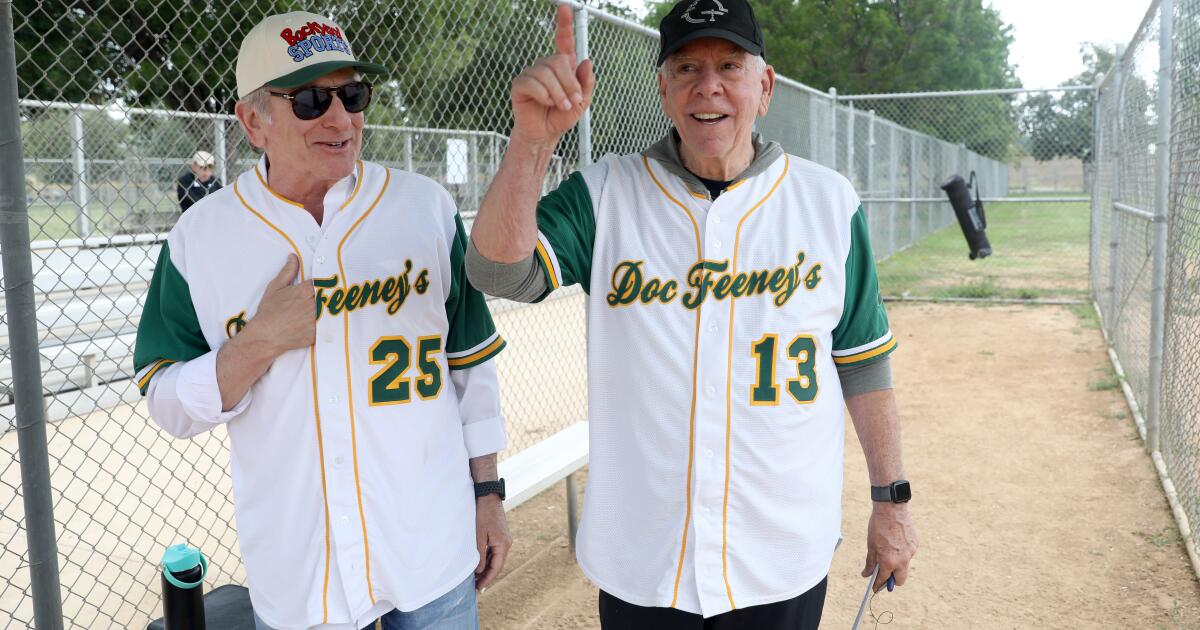
They started playing L.A. Municipal softball 50 years ago. They’re still at it
-
 Politics32 minutes ago
Newsom, California Legislature reach $351.7-billion budget deal
-
 Sports44 minutes ago
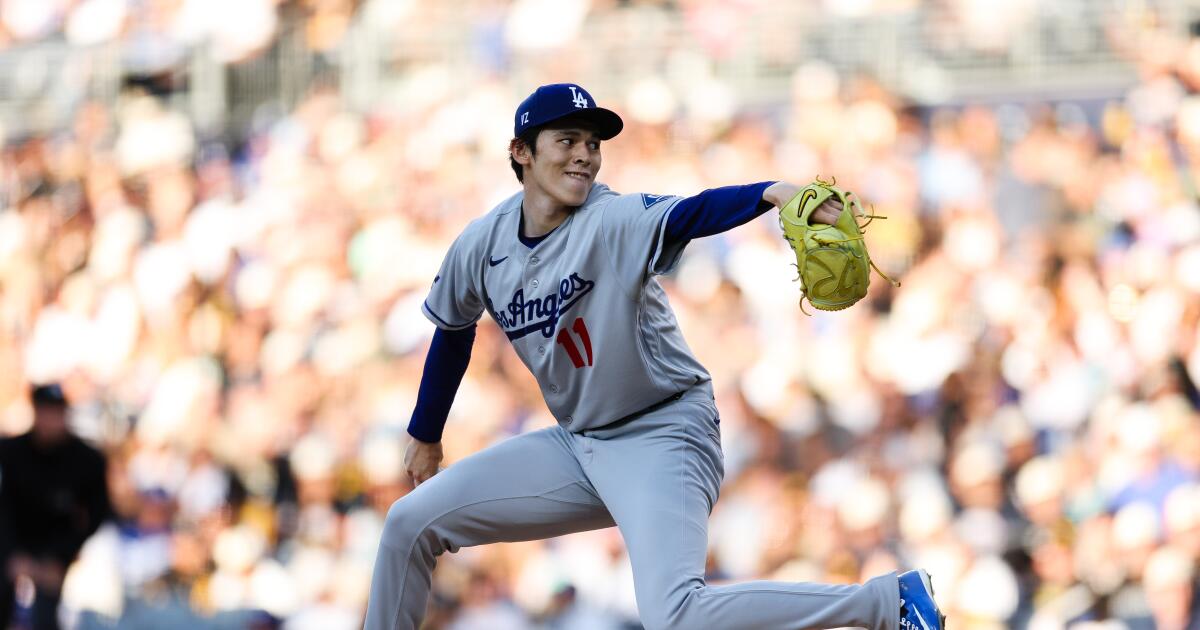
Roki Sasaki struggles with command early, Dodgers fall to Padres
-

 World52 minutes ago
Trump threatens 100% tariffs over EU digital tax

