San Diego, CA
San Diego lifeguard hit by boat while surfing in “freak accident”


Cute lil joint across the road from Sunset Beach and with tentacles across Oahu valued at an astonishing $22.5 mill.
Eight years back Koa Smith, his bros Alex and Travis, and Koa Rothman, opened up a cute lil coffee and bowls joint called Sunrise Shack amid a plumeria farm and just across the road from world famous Sunset Beach.
The initial offering was pretty basic, coffees, tea, papaya bowls, but the place soon blossomed into the most popular eatery on the North Shore with its zeitgeist-y feel-good menu of wellness shots, smoothie bowls, banana bread and avocado toast.
Now, there’s Sunrise Shacks all over Oahu, Waikiki, Ala Moana Center, Kailua, Shark’s Cove as well as Sunset with predicated revenues set to hit five mill this year.
The four wildly handsome Hawaiian-born surfers and models are ambitious as hell.
And y’ain’t gonna become a billionaire by shucking coconuts across the road from Sunset the rest of your life. And, so, after valuing ‘emselves at $22..5 mill, the gang used the crowdfund portal start engine to offer shares in their biz.
One share was set at $7.50 with a minimum buy-in of $240.
A raft of bonuses were set to lure investors with anyone dropping one hundred gees on their Ohana package getting “one of the founders’ signed surfboards, a flight to Hawaii from the US to surf and have a surf lesson with one of the founders, a custom Ohana shirt, an invitation to an investor’s party on Oahu, and 12% bonus shares.”
At the close of the offering on April 16, $786,620 had been raised.
The surfers plan to use the money to expand onto the US mainland.
Koa Smith, meanwhile, a man who is widely regarded “the world’s sexiest surfer” and who ain’t afraid to bareback the biggest waves in the world, is offering seven-day online courses for anyone who might feel a little off kilter.
Smith became qualified to deliver the course after earning a certificate of completion from the charismatic faith healer Joe Dispenza.
The sell is almost as compelling as the Sunrise Shack’s share offer
“Koa Smith is a professional surfer, thirty-second famed barrel rider, entrepreneur and true showman. While his life looks idyllic from the outside; sunshine, nature, travel & nonstop adventure, he struggles to balance it all just like the rest of us.
“Through a severe head injury that left him with crippling depression, the pressure of competition and the bombardment of business demands, he realized that something needed to change. He wanted to take charge of his mental game. In turn, through extensive research and support, he developed a mental exercise routine, something that he commits to every morning.
“A routine that puts him in the driver seat before the chaos of the world even has a chance to make an impression. His mental game changed everything and now he wants to share his morning routine with you. Are you ready to transform your mental game? $37.”
BeachGrit writer Steve Rees paid his thirty-seven dollars and completed the course a few months back.
“Koa Smith is a genuinely likeable character who is passionate about helping people get right in the head,” reported Rees. “Maybe a grain of salt is needed to digest Koa’s program, all in good fun, etc.”


The U.S. military identified a Minnesota Marine stationed in Southern California who went missing off San Diego last week, and confirmed his death.
Lance Cpl. Armando Ortiz Canseco was declared deceased Saturday. It is believed he was lost at sea after a training exercise.
“On behalf of the Marines and sailors of the 13th Marine Expeditionary Unit, I extend our deepest condolences to the family and loved ones of Lance Cpl. Ortiz Canseco,” Col. Richard Alvarez, the commanding officer of the 13th Marine Expeditionary Unit, said in a statement.
Ortiz Canseco was reported missing from the amphibious transport dock ship USS Anchorage early Thursday morning. His disappearance resulted in an extensive search and rescue operation, with efforts beginning around 1:20 a.m. Thursday.
The search spanned roughly 2,400 square miles and involved officials from the Navy, Marine Corps, Coast Guard and Air Force who used three surface ships and 12 aircraft, according to the military.
The Marine went missing during a training operation involving the 13th Marine Expeditionary Unit and the Makin Island Amphibious Ready Group.
After nearly two full days of searching, the Navy transitioned to recovery operations.
“He earned the title of United States Marine and served his country with honor and commitment,” Alvarez said. “We mourn alongside his family, and we remain committed to bringing him home.”
This incident marks the second time in recent weeks that the U.S. military has searched for missing service members.
The remains of two Army soldiers who went missing while off duty from military exercises in Morocco were recovered in May, according to the Army.
Officials did not initially identify Ortiz Canseco on Thursday or disclose the circumstances surrounding his disappearance, saying his family needed to be notified first.
His death continues to be under investigation.
Ortiz Canseco enlisted in the Marine Corps in April 2023 and reported for training at Marine Corps Recruit Depot San Diego.
His individual awards include the Marine Corps Good Conduct Medal and Sea Service Deployment Ribbon.
Times staff writer Alene Tchekmedyian contributed to this report.

Blink, and you might miss it.
Adobe Falls isn’t Niagara Falls — or anything close — but after winter rains, a seasonal waterfall briefly appears in a narrow Del Cerro canyon, hidden beneath streets, homes, and San Diego State University property.
The waterfall forms along Alvarado Creek, which drains parts of eastern San Diego, including the SDSU area and surrounding neighborhoods. In wet months, runoff moves through a steep canyon and drops over a short rock ledge known locally as Adobe Falls. In dry periods, the flow often fades to a trickle or disappears entirely, leaving exposed sandstone and a shaded canyon bed.
What makes the site stand out is its setting. Above the canyon are Del Cerro residential streets and university property tied to San Diego State. Below it, Alvarado Creek continues west as part of the Mission Valley watershed, eventually feeding into the San Diego River system. Like many urban drainages in San Diego, its flow is shaped by stormwater runoff, paved surfaces, and altered drainage patterns tied to development.

Access is restricted. The canyon sits on a mix of SDSU and city-managed land and has long been closed to the public due to safety concerns, including steep terrain, erosion, and unstable footing after rain. Although widely referenced in maps and online posts, it is not an official trail or recreation site.
The canyon itself pre-dates modern development in Del Cerro. It is part of a broader network of inland waterways and canyon corridors used for thousands of years by the Kumeyaay, whose presence shaped movement and settlement patterns across the region.
In the mid-20th century, as Del Cerro developed, homes and roads were built along canyon rims rather than through them, leaving Alvarado Creek intact as a drainage system. Adobe Falls remained within that corridor even as surrounding hillsides filled with residential and institutional development.
Today, Adobe Falls remains a small but persistent reminder that San Diego’s natural drainage systems still function within a heavily built environment — appearing briefly after storms, then receding back into the canyon until the next rain.
Read more history stories here, and do you have a story to tell? Send an email to DebbieSklar@cox.net.
Sources:
City of San Diego – Stormwater & Watershed Division (Alvarado Creek / Mission Valley watershed)
San Diego State University – planning and environmental impact documentation for adjacent canyon areas
U.S. Geological Survey (USGS) – San Diego County watershed and hydrology mapping (Alvarado Creek / San Diego River system context)
San Diego History Center – Kumeyaay regional land use and inland canyon corridor history
City of San Diego Planning Department – land use records and access restrictions for Adobe Falls area
California State Historic Landmark files – Adobe Falls (Landmark No. 80)

Skip to content
-

 Alaska1 minute ago
OPINION: Alaska’s LNG future requires creative thinking – Homer News
-

 Arizona8 minutes ago
Proposed data centers, ICE facility create mixed emotions in rural Arizona town
-

 Arkansas11 minutes ago
Central Arkansas bike trail breaks ground in Cabot – The Arkansas Leader
-

 California16 minutes ago
California bill to block registered sex offenders from local office rejected by Senate committee
-

 Colorado23 minutes ago
Where to watch Miami Marlins vs Colorado Rockies: TV channel, start time, streaming for July 1
-

 Connecticut26 minutes ago
Lamont signs law in Norwich to stop pay to contractors violating wages
-

 Delaware31 minutes ago
Delaware has gotten these 15 verbal commitments from football recruits
-
 Florida38 minutes ago
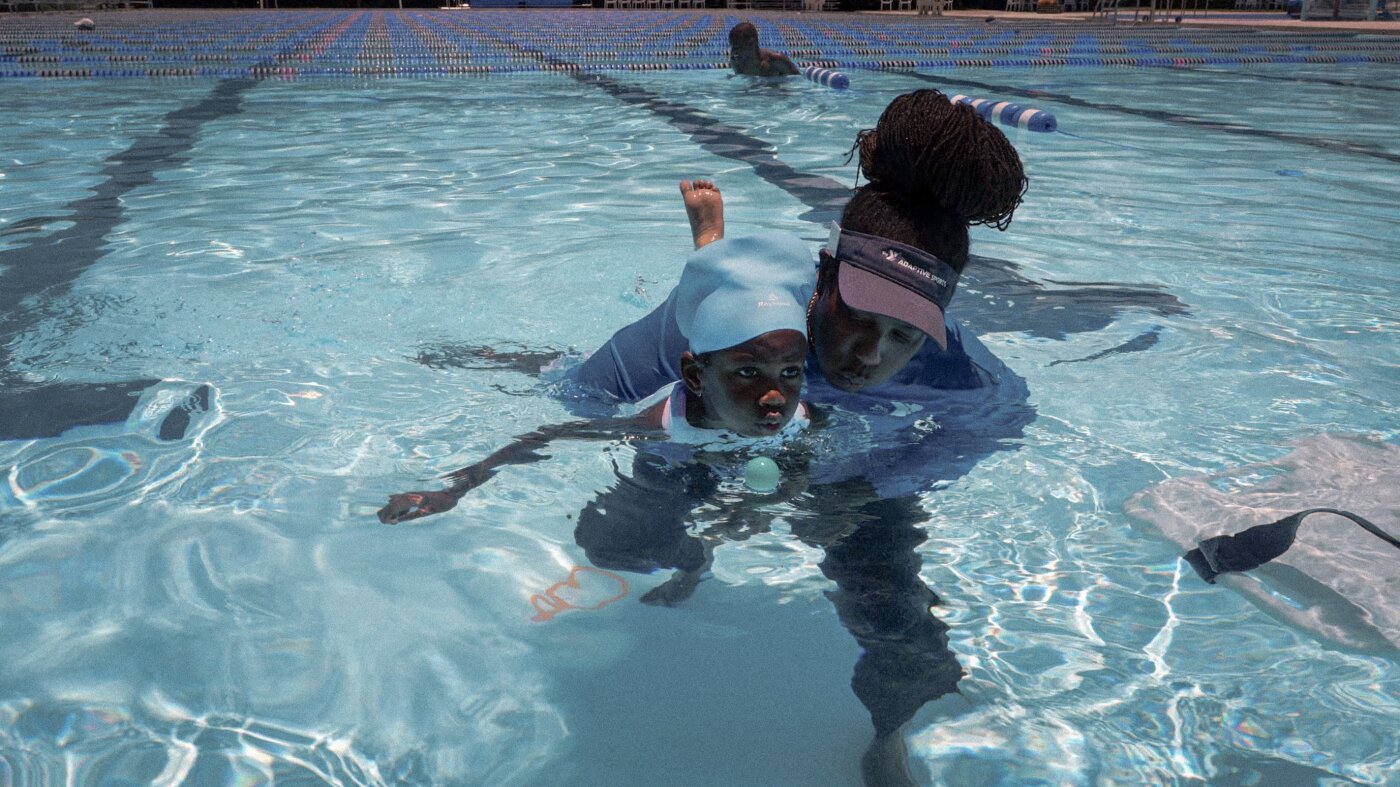
Kids with autism are prone to drowning. Florida is trying to prevent that

