West
Plane crash near California’s South Lake Tahoe kills 2 after flight was reported ‘overdue’

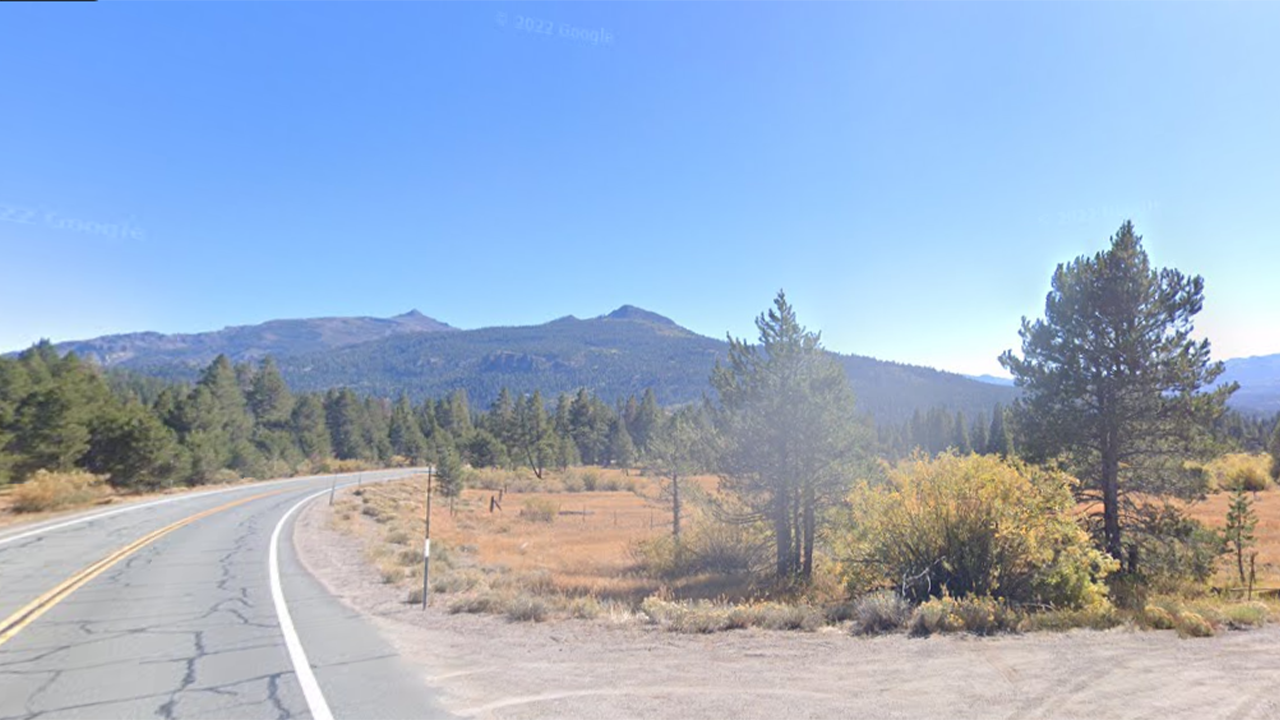
A plane crashed near California’s South Lake Tahoe Thursday afternoon, killing two people on board after it was reported “overdue.”
Alpine County Sheriff’s deputies were notified of the overdue aircraft around 1 a.m. local time.
The aircraft’s GPS transponder was plotting in the Willow Creek area near Luther Pass, the sheriff’s office said in a social media post.
Deputies responded to the area and located a crashed single-engine aircraft adjacent to Willow Creek Road. Two people were found on board and pronounced dead.
TRUCK DRIVER KILLED IN FIERY PHILADELPHIA I-95 CRASH MADE CRITICAL MISTAKE, FED SAYS
Authorities say the missing plane was tracked near Luther Pass, just south of South Lake Tahoe in Northern California. (Google Maps)
The Federal Aviation Administration (FAA) said search crews found the wreckage of a single-engine Luscombe 8A around 5:30 a.m.
The plane departed from Lodi Airport Wednesday afternoon, the FAA said.
The identities of the deceased are being withheld until their families are notified, police said.
Alpine County Sheriff’s deputies are overseeing the coroner’s investigation. The National Transportation Safety Board, the U.S. Department of Agriculture Forest Service and the FAA are investigating.
Read the full article from Here


Former BYU basketball star AJ Dybantsa fulfilled his dream of going No. 1 overall in the 2026 NBA draft.
The Washington Wizards selected Dybantsa with the first pick.
Immediately after the pick, reactions poured in on social media about the Wizards drafting Dybantsa.
Social media reactions to the Washington Wizards selecting BYU star AJ Dybantsa
The Washington Wizards make it official, selecting BYU wing AJ Dybantsa with the No. 1️⃣ pick in the 2026 @NBA Draft. 🥳🎉
How does Dybantsa fit with the Wizards?#NBA #NBADraft #GoCougs pic.twitter.com/IqgikGpxbJ
— KSL Sports (@kslsports) June 24, 2026
WELCOME TO THE DYSTRICT🧙♂️ #ForTheDistrict | @AJ_Dybantsa pic.twitter.com/ACZhphmTnq
— Washington Wizards (@WashWizards) June 24, 2026
NO. 1 OVERALL 🔒
AJ Dybantsa 🤝 @WashWizards
📺 2026 #NBADraft on ESPN/ABC pic.twitter.com/WO7RxMqQyK
— Big 12 Conference (@Big12Conference) June 24, 2026
BYU star AJ Dybantsa goes No. 1 to the Washington Wizards.
First former BYU basketball player to be selected No. 1 overall.
He was the best player in his class since he was 14. This was a moment he had been chasing for years, and he got better along the way. pic.twitter.com/ugT9ITd2NP
— Mitch Harper (@Mitch_Harper) June 24, 2026
OFFICIALLY OFFICIAL 😈 #ForTheDistrict | @AJ_Dybantsa pic.twitter.com/YaOyAI48Ji
— Washington Wizards (@WashWizards) June 24, 2026
WITH THE FIRST PICK IN THE 2026 NBA DRAFT
THE WASHINGTON WIZARDS SELECT
ANICET DYBANTSA JR. ‼️ pic.twitter.com/po8oTm6B9T
— NBA (@NBA) June 24, 2026
With the 1st pick of the NBA Draft the @WashWizards select AJ Dybantsa!
The 2026 NBA Draft is LIVE on ABC & ESPN. pic.twitter.com/ONGDMv9WZ7
— NBA (@NBA) June 24, 2026
Yer a Wizard, AJ 🌟
AJ Dybantsa is heading to the District at No. 1 🔥 pic.twitter.com/42atCNr441
— ESPN (@espn) June 24, 2026
AJ Dybantsa is headed to Washington with the #1 overall pick in the NBA Draft 🚨 @AJ_Dybantsa pic.twitter.com/HnFsgcqMgX
— SLAM HS Hoops (@SLAM_HS) June 24, 2026
NUMBER ONE. pic.twitter.com/XJDFzK8dpK
— BYU Men’s Basketball (@BYUMBB) June 24, 2026
AJ Dybantsa is headed to @WashWizards with the first pick in the @NBA Draft 🚨 pic.twitter.com/IhNM2AjxLy
— Sports (@Sports) June 24, 2026
Picture perfect moment for AJ Dybantsa 📷 pic.twitter.com/rN8zbJr3cB
— NBA on ESPN (@ESPNNBA) June 24, 2026
AJ DYBANTSA GOES NO. 1 🧙♂️🔥
AD. Trae. AJ.
It’s up in Washington. pic.twitter.com/F1rAmF1Qb4
— Bleacher Report (@BleacherReport) June 24, 2026
FIRST LOOK AJ Dybantsa as a wizard pic.twitter.com/3kwGDX31cl
— PFT Commenter (@PFTCommenter) June 24, 2026
“Dybantsa, high volume player, high usage player.” 💪@KevinOConnor reacts to AJ Dybantsa being drafted No. 1 overall to D.C. 🔥 pic.twitter.com/OZWDO0DKBJ
— Yahoo Sports (@YahooSports) June 24, 2026
With the 1st pick of the NBA Draft the @WashWizards select AJ Dybantsa (@AJ_Dybantsa)!
The 2026 NBA Draft is LIVE on ABC & ESPN.
— NBA Draft (@NBADraft) June 24, 2026
The #WashingtonWizards selected AJ Dybantsa at No. 1 this year, continuing to stack up their roster with talent. He will play alongside Trae Young and Anthony Davis, and form a three-headed monster.
Will he take home the 2027 Rookie of the Year award? Or will Darryn Peterson,… pic.twitter.com/EP1eJJJxPw
— The Big Lead (@TheBigLead) June 24, 2026
Washington D.C.’s reaction to AJ Dybantsa being taken first overall by the @WashWizards. #dcsports #ajdybantsa #wizards #nba pic.twitter.com/Dst5qW8tHr
— 106.7 The Fan (@1067theFan) June 24, 2026
AJ Dybantsa led ALL of college basketball in scoring last season 🔥
Wizards got a bucket. pic.twitter.com/XYSWaBtLfj
— B/R Hoops (@brhoops) June 24, 2026
🚨 THE NO. 1 PICK IS IN 🚨
AJ Dybantsa joins NBA royalty at the top of the draft 🤩#NBAonPrimeVideoPH pic.twitter.com/R3oRZ9DEgr
— NBA on Prime Video Philippines (@NBAPrimeVideoPH) June 24, 2026
WIZARDS TAKE AJ DYBANTSA #1 OVERALL 🚨 pic.twitter.com/NceGfeVcq6
— Chalkboard (@ChalkboardHQ) June 24, 2026
AJ Dybantsa goes No. 1 overall to the Wizards👀
During his freshman season at BYU:
25.5 PPG
6.8 RPGpic.twitter.com/N6UHFgnXOK— RotoWire (@RotoWire) June 24, 2026
AJ IS A WIZARD 🪄
Dybantsa is the 1st player to lead the NCAA in scoring and go 1st in the NBA Draft since 1994. pic.twitter.com/SEpYf7Ausp
— ESPN Insights (@ESPNInsights) June 24, 2026
With the 1st Pick of the 2026 NBA Draft…. AJ DYBANTSA is heading to Washington 👏👏#Big12MBB | @BYUMBB pic.twitter.com/zNjaL98hoS
— Big 12 Studios (@big12studios) June 24, 2026
AJ DYBANTSA IS A WIZARD AND THEY’RE GOING WILD IN WASHINGTON D.C. 🎉🎉 pic.twitter.com/rmVqL0rWuy
— SleeperWizards (@SleeperWizards) June 24, 2026
A walk to remember for AJ Dybantsa.
He’s a Wizard. pic.twitter.com/if8cCn8GIp
— Jackson Payne (@jackson5payne) June 24, 2026
#HOFSeries Alum AJ Dybantsa. 🤝 #NBADraft | #HoophallU pic.twitter.com/C19N6j4vCR
— Hall of Fame Series (@hofseries) June 24, 2026
AJ Dybantsa at BYU:
25.5 PPG
6.8 RPG
1.1 SPG
51.0 FG%What will he average as a rookie? pic.twitter.com/jv5ujz6AHz
— StatMuse (@statmuse) June 24, 2026
John Wall 🤝 AJ Dybantsa
Dybantsa is the latest No. 1 pick to head to the Wizards 👏 pic.twitter.com/cFCLPn4cmN
— Yahoo Sports (@YahooSports) June 24, 2026
AJ Dybantsa (BYU) A 2026 Wooden Award All American and Top 5 Finalist from BYU, AJ Dybantsa’s talent and dedication have made him one of the game’s brightest stars. Congratulations on being selected No. 1 overall by the Washington Wizards and taking the next step in your… pic.twitter.com/1ZlAaGJdxU
— John R. Wooden Award (@WoodenAward) June 24, 2026
Congratulations to AJ Dybantsa on being selected No. 1 overall by the @WashWizards in the @NBADraft 🏀
Dybantsa was a finalist for our 2026 Jersey Mike’s Naismith Men’s College POY. @jerseymikes | @BYUMBB | @AJ_Dybantsa pic.twitter.com/hzAQSOiHzc
— Naismith Awards (@NaismithTrophy) June 24, 2026
Oakland Soldiers alum AJ Dybantsa has been selected with the No. 1 overall pick in the 2026 NBA Draft 🏀@Soldiers_Salute ➡️ @NBADraft #NBADraft #EYBL @AJ_Dybantsa pic.twitter.com/lJWT0D4Fps
— The Circuit (@TheCircuit) June 24, 2026
AJ DYBANTSA TO THE WASHINGTON WIZARDS AHHHHHHHH 🚨🚨🚨🚨🚨 pic.twitter.com/Z8pinO7KGQ
— Overtime (@overtime) June 24, 2026
Congrats to AJ Dybantsa who was just selected #1 overall by the Washington Wizards! pic.twitter.com/fCMAu3uhwN
— Grind Session (@thegrindsession) June 24, 2026
1. Washington Wizards: AJ Dybantsa, BYU#2026NBADraft pic.twitter.com/62Y1tcdu9T
— RealGM (@RealGM) June 24, 2026
THE WASHINGTON WIZARDS SELECT AJ DYBANTSA WITH THE NO. 1 PICK IN THE 2026 NBA DRAFT 🪄🔥
The BYU star is heading to the District 👏 pic.twitter.com/cvcIHS0W34
— Yahoo Sports (@YahooSports) June 24, 2026
AJ Dybantsa is headed to DC 🤩
BYU’s superstar freshman goes first overall in the 2026 #NBADraft 🔥 pic.twitter.com/OGgFv0Lm1K
— NCAA March Madness (@MarchMadnessMBB) June 24, 2026
Mitch Harper is a BYU Insider for KSL and hosts the Cougar Tracks Podcast daily on KSL Sports YouTube and KSL NewsRadio (SUBSCRIBE). Harper also co-hosts Cougar Sports Saturday (12–3 p.m.) on KSL NewsRadio.
Follow Mitch’s coverage of BYU athletics in the Big 12 Conference on X (formerly Twitter) and Instagram: @Mitch_Harper.
Want more coverage of BYU sports? Take us with you wherever you go.
Download the new and improved KSL Sports app from Utah’s sports leader. Allows you to stream live radio and video, keeping you up to date on all your favorite teams.
Wyoming
American Rare Earths strengthens board with veteran Wyoming mine builder ahead of planned Nasdaq listing

Veteran mine builder Matthew Gili will join American Rare Earths Ltd (ASX:ARR, OTCQX:ARRNF)’s board as a non-executive director as the company advances the Halleck Creek Rare Earths Project in Wyoming and prepares for a planned Nasdaq compliance listing in H2 2026.
Gili is currently president and CEO of Ur-Energy Inc, a NYSE American and TSX-listed Wyoming uranium producer, and brings more than 25 years of mine development and operational experience across major global mining groups including Rio Tinto and Barrick.
His appointment remains subject to completion of Australian regulatory formalities, which American Rare Earths expects to be completed shortly.
Once formally appointed, Gili will join the company’s Technical Committee and contribute to the Definitive Feasibility Study workstream at Halleck Creek, which American Rare Earths describes as the largest known rare earth deposit in the United States on a total rare earth oxide basis.
Board renewal ahead of US listing plans
The appointment forms part of a broader board renewal process as ARR works toward a Nasdaq compliance dual-listing in H2 2026, while retaining the ASX as its primary listing.
The company is also considering a full US domicile in 2027, subject to a prospective shareholder vote.
CEO Mark Wall said Gili’s operational experience and Wyoming background would strengthen the board as Halleck Creek moves toward construction and production.
“The intended addition of Matt to our Board of Directors further demonstrates our commitment to advancing the largest rare earth element deposit on a total contained rare earths basis in the United States toward construction and operations. Matt brings a tremendous blend of mining technical expertise and Wyoming-specific experience to both the Board and the Technical Committee. His depth of operational knowledge, his relationships in Wyoming, and his proven track record of delivering world-class mining projects, including building the first new copper mine in the United States in a decade, make him exactly the right person to help us get Halleck Creek built.
“As we progress toward our NASDAQ listing later this year, appointments of this calibre send a clear message to U.S. investors about the quality of the team and the seriousness of our intent. Matt’s experience managing ISR uranium operations in Wyoming gives him first-hand knowledge of the hydrometallurgical processing chemistry that will be central to bringing Halleck Creek into production. The parallels between uranium and rare earth processing are substantial and practically meaningful. This is not simply a credential; it is operational expertise that will directly benefit our Technical Committee and Feasibility Study.”

San Francisco Supervisor Jackie Fielder will resume her duties next week after taking a three-month leave of absence due to mental health.
“I’m coming clear-eyed and grounded and eager to serve in this role again,” Fielder said in a video posted to social media Tuesday.
Fielder was first elected in 2024 to serve District 9, which includes the Mission District and Bernal Heights and Portola neighborhoods. In late March of this year, her staffers announced she was taking a leave of absence to address an “acute personal health crisis” after missing a few weeks of Board of Supervisors meetings.
“I left the work that I love so much, not because I wanted to, but because my mental health demanded it, and I say that with no shame,” she said.
In the video statement, Fielder mentioned that the pressure of serving as a supervisor took a toll on her mental health.
“I’ve often felt like the weight of this district and city is on my shoulders, and I, through this leave, have had the silver lining of understanding that it never has,” she said. “I was going 100 miles an hour since early 2023 when I started the campaign for supervisor, and being a grassroots candidate is a lot of elbow grease.”
Fielder’s staff continued some of the work in her district while she was gone. She thanked her colleagues and Mayor Daniel Lurie for their support and allowing her to be excused from meetings.
Fielder will return to work Monday and appear at the June 30 board meeting. She is also expected to host listening sessions in her district through July.
“I am an example that it is possible to come back and heal,” she said. “I could not be more honored to serve and more ready to serve.”
-

 Vermont4 minutes ago
Vermont trooper found justified in fatal Putney shooting
-

 Virginia6 minutes ago
Virginia House honors ABC13’s Noreen Turyn as she retires after 36 years
-

 Washington12 minutes ago
Social media reacts to former BYU star AJ Dybantsa going No. 1 in 2026 NBA draft
-

 Wisconsin19 minutes ago
Cult-classic filmed in central Wisconsin returns to big screen, with enhancements, this weekend
-

 West Virginia22 minutes ago
WVDNR accepting applications for waterfowl hunt at McClintic WMA
-

 Wyoming27 minutes ago
American Rare Earths strengthens board with veteran Wyoming mine builder ahead of planned Nasdaq listing
-

 Crypto34 minutes ago
Crypto’s Liquidity Outlook Darkens as Fed Hawkish Pivot Pushes Hike Odds to 77%
-

 Finance37 minutes ago
Building a scalable finance function at Coca-Cola Europacific Partners

