Hawaii
Tropical storm forecast to bring strong winds and heavy rain to Hawaii this weekend


HONOLULU (AP) — A tropical storm is expected to deliver strong winds and heavy rain to Hawaii this weekend, particularly to the Big Island and Maui, as it passes south of the island chain.
The August storm has evoked memories of the powerful hurricane south of Hawaii that helped fuel a deadly wildfire that destroyed Maui’s Lahaina town last summer, but the National Weather Service said Thursday that Tropical Storm Hone was not creating the same conditions.
Separately, to Hone’s east, Hurricane Gilma was moving west across the Pacific, but it was too early to tell whether it would affect the islands.
Hone, which means “sweet and soft” in Hawaiian and is pronounced hoe-NEH, was expected to bring sustained winds of 20 to 30 mph (32-48 kph) and gusts of 50 mph (80 mph) to Maui and the Big Island. Oahu and Kauai were forecast to get slightly weaker winds.
The Big Island’s east coast and southeastern corner were expected to get 4 to 8 inches (10 to 20 centimeters) of rain Saturday night through Sunday night. Maui could get 2 to 4 inches (5 to 10 centimeters) of rain.
These predictions could change depending on the storm’s course. Late Thursday, the storm was about 815 miles (1,310 kilometers) east-southeast of Hilo. It was moving west at 16 mph (26 kph.)
The Aug. 8, 2023, Lahaina fire was fueled by powerful winds whipped up by a combination of a hurricane passing some 500 miles (800 kilometers) to the south and a very strong high pressure system to the north of the islands. The National Weather Service issued a red flag warning at the time, something it does when warm temperatures, very low humidity and strong winds combine to raise fire danger.
Laura Farris, a National Weather Service meteorologist in Honolulu, said some drier air was expected to move in to the western end of the state this weekend, which presents some concerns about fire risk.
“But it’s not even close to what we saw last year,” Farris said.
The pressure system to the north is not as strong now as last year and the tropical system to the south is a storm not a hurricane, said Pao-Shin Chu, a University of Hawaii professor and the state’s climatologist.
“We do see something similar but not as dramatic as the Lahaina case we saw last year,” Chu said.
Hurricane Gilma was packing maximum sustained winds near 120 mph (193 kph), making it a Category 3 hurricane. It was slowly moving west. The National Weather Service said Gilma was expected to slowly weaken this weekend.
The cause of Lahaina blaze, the deadliest in the United States in over a century, hasn’t been determined, but it’s possible it was ignited by bare electrical wire and leaning power poles toppled by the strong winds.
To reduce the risk of wildfires, the state’s electric utilities, Hawaiian Electric and the Kauai Island Utility Cooperative, have since started shutting off power during high winds and dry conditions.
Last year, Maui County officials failed to activate outdoor sirens that would have warned Lahaina’s people of the approaching flames. They instead relied on a series of sometimes confusing social media posts that reached a much smaller audience.
Amos Lonokailua-Hewett, who took over as the new administrator of the Maui Emergency Management Agency on Jan. 1, said in the event of a wildfire threat, his agency would send alerts over radio and television broadcasts, via cellphones and with the sirens.
The sirens sound a steady tone and no message.
“The outdoor warning siren is typically used when there is an imminent threat to public safety and the situation requires the public to seek more information,” Lonokailua-Hewett said in an emailed statement.



Hawaii
Chinese communist party member arrested in Hawaii on visa fraud charge | Honolulu Star-Advertiser


HONOLULU (HawaiiNewsNow) – Newly redesigned Hawaii driver’s licenses and state IDs are beginning to arrive in mailboxes statewide.
The Department of Customer Services said more than 50,000 residents who renewed or obtained a license or state ID starting in mid-May began receiving the new cards last Friday.
Officials said the updated cards are made of 100% polycarbonate, with laser-engraved photos and added security features intended to deter tampering, fraud and identity theft.
The department said existing driver’s licenses and state IDs remain valid until their expiration dates and do not need to be replaced.
“There’s no reason for them to request a duplicate unless they would like the new card design,” said Kim Hashiro, director of the Department of Customer Services.
Residents were also reminded that temporary paper licenses are not accepted by the Transportation Security Administration for air travel. Travelers using a temporary credential should bring another acceptable form of identification, such as a passport.
Permanent plastic cards are typically mailed within six to eight weeks after an application is submitted, officials said.
Copyright 2026 Hawaii News Now. All rights reserved.

HONOLULU (HawaiiNewsNow) – A Maui dive shop will welcome customers back this weekend after its Lahaina storefront was destroyed in the 2023 wildfires.
Maui Diving & Sporting Goods will hold a grand opening on Ulupono Street on Saturday, beginning at 9:30 a.m.
“Losing the shop in the fire broke my heart, but reopening in Lahaina was never in question,” said store owner Jessica Pickering. “This town gave me everything I have right now. Rebuilding right here in Lahaina is my way of saying we’re still standing, we’re still here for our community, and we’re ready to enjoy this life with you.”
The business will offer the same services it’s known for at the new locations, including scuba instruction, guided dives, snorkel tours, freediving, as well as gear rentals and sales.
The grand opening will include a blessing followed by giveaways, games, and other activities.
Copyright 2026 Hawaii News Now. All rights reserved.
-

 Arkansas5 minutes ago
Army names intelligence facility for Arkansas Tech graduate
-

 California12 minutes ago
How California Effectively Legalized an Open-Air Sex Market
-

 Colorado14 minutes ago
Julian Lewis Says Deion Sanders’ Colorado ‘Wasn’t Really Looking at Defenses Much’ Last Season
-
 Idaho20 minutes ago
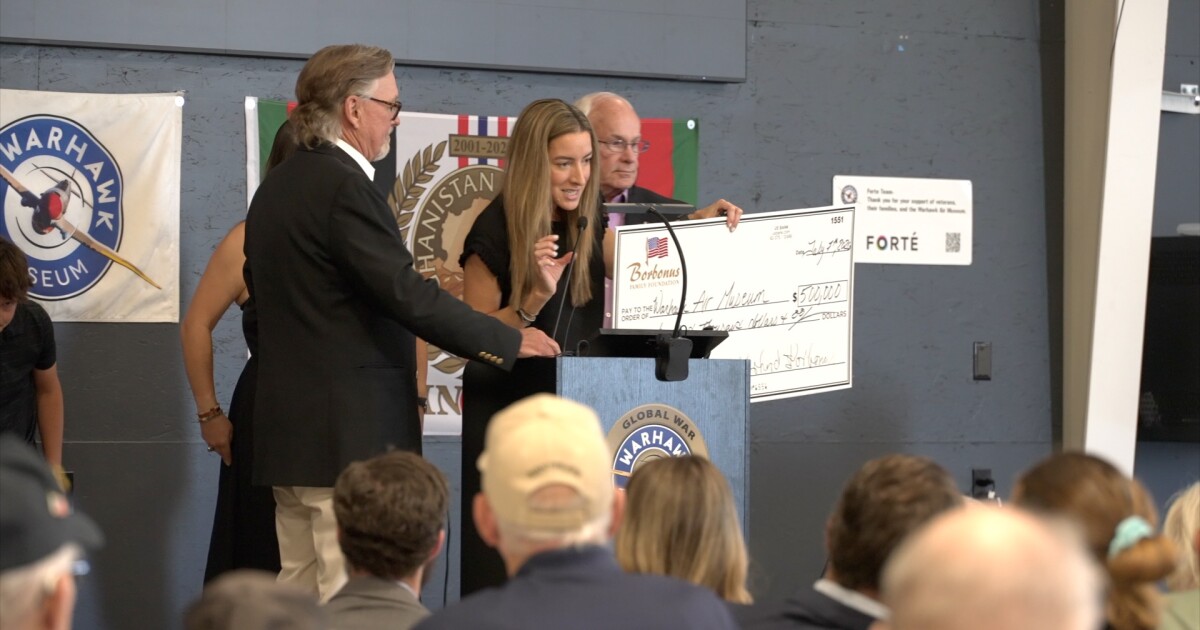
Warhawk Air Museum receives $500K grant honoring fallen Idaho soldier
-

 Connecticut20 minutes ago
Several beaches closed to swimming due to potential bacteria in the water
-

 Delaware27 minutes ago
Delaware Libraries Introduce Digital Literacy Specialists Program – State of Delaware News
-

 Florida30 minutes ago
Video shows man attack Florida deputies in snake-and-gator-infested canal, sheriff says
-

 Georgia35 minutes ago
Georgia Supreme Court upholds convictions of men in deadly shooting during gas station carjacking

