Colorado
Colorado Parks and Wildlife advances controversial fur ban petition during packed meeting

A contentious fight over fur stole the show at day one of the Colorado Parks and Wildlife Commission March meeting. The drama centered around a citizen petition to prohibit the sale of some wild animals furs.
The public meeting was packed with hunting advocates and animal rights groups. A total of 120 people signed up to speak during public comment at the hours-long meeting, not including those who submitted written or virtual comments.
The turnout was so big that Colorado Parks and Wildlife increased security. The meeting was held at the DoubleTree Denver-Westminster. CPW said they conducted security checks at the entrance at the hotel’s request to enforce the venue’s ban on weapons.
Ultimately, the commission voted 6-4 to move a proposed fur ban into the rulemaking phase.
It’s a win for the animal rights groups that submitted the petition.
While the commission did not all-out adopt the petition as it was submitted. They chose to initiate a rulemaking process for a potential ban to be approved down the line.
When the motion was advanced, it was met by jeers and some cheers from an audience full of hunters, trappers and advocates.
“We were hoping that there would be an opposition to moving the petition forward for the variety of reasons,” said Dan Gates, executive director of Coloradans for Responsible Wildlife Management. “It’s kind of frustrating that you sit there that long and you go through that much back and forth. On so many different levels. So it’s kind of disappointing.”
“This is a win. So it’s a good day,” said Samantha Miller, the senior carnivore campaigner for the Center for Biological Diversity.
Miller submitted the petition, which sought to ban the for-profit sale of fur from Colorado wildlife known as furbearers.
Those are 17 species including fox, bobcat, beaver, raccoon and coyote.
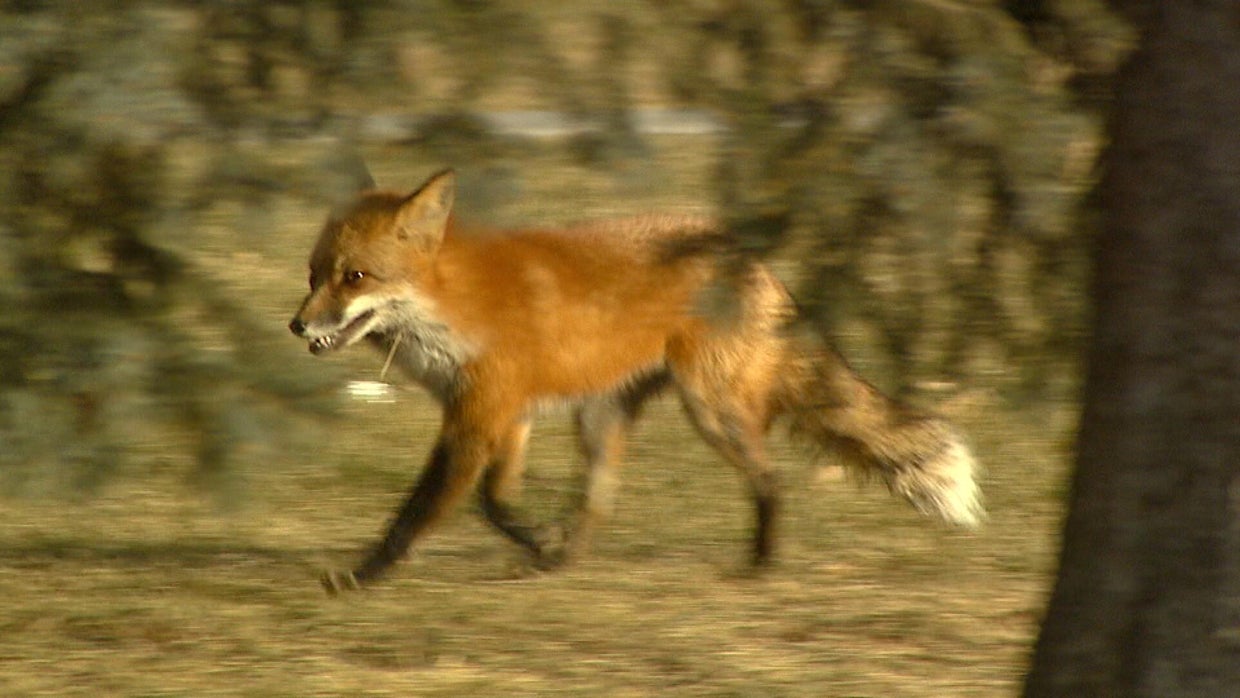

“Right now, furbearers are hunted and trapped in unlimited numbers in the state of Colorado, they also don’t enjoy the same protections against commercial markets that other big game species do enjoy, and in a time of biodiversity crisis and climate change, it’s critical that we up our management levels, modernize them, to reflect the crises we’re facing at the time, and ally for align for rare management with other species,” Miller said.
Colorado law already bans the commercial sale of big game.
As submitted, the petition would not limit the trapping or hunting of furbearers, just the sale of their furs and other parts, including hides, pelts, skins, claws and similar items. The sale of furs from farmed animals or wild animals killed outside Colorado would not be impacted.
The petition proposes exceptions, including fishing flies, western hats and scientific or educational materials.
The petition argues that commercial wildlife markets historically contributed to severe wildlife declines in North America and that modern conservation under the North American Model of Wildlife Conservation calls for eliminating markets for wildlife products.
“So what we’re saying is, let’s at least take this commercial piece off the table. We don’t allow this for any other wild animals, and let’s move forward with this petition,” Miller said.
Public comment speakers who supported the petition urged CPW to put compassion for animals ahead of commercial profits.
While the majority of speakers spoke against the proposed ban, saying the existing science-based wildlife management is working, and pointing out the Coloradans who rely on this industry for their livelihood.
Many pointed out that Denver voters rejected a similar fur ban in 2024.
“As a personal furbearer harvester over the course of the last 50 years, and a wildlife control operator and the president for the Colorado Trappers and Predator Hunters Association as well. We can adamantly say that we are for science-based wildlife management, and there’s been no indication whatsoever from the science-based wildlife managers that there’s a problem with any one of the 17 furbearers in the state of Colorado,” Gates said.
CPW staff recommended denial of the petition, saying the division does not have solid evidence that commercial fur sales are leading to unsustainable harvest levels of these animals.
Staff also worried about potential enforcement issues with proposed exemptions, and that the petition contradicts a state law allowing landowners to hunt, trap, and sell furs from furbearers causing damage to property.
“Colorado Parks and Wildlife laid a very good synopsis down when they were putting that recommendation for denial together, and some of these things will play out, and we’ll just have to see how it does,” Gates said.
The commission’s vote to initiate rulemaking leaves the door open for those concerns to be addressed.
“Rulemaking will clear up all of those misalignments that they have found or identified and make sure that it goes forward to the letter of the law and honoring the intent of the visit of the petition,” Miller said. “It’s a good day, I think, for wildlife to bring our regulations consistent and to start modernizing our furbearer management.”
“It seemed today that the vote was more social minded, more personal preference or ideological minded, as opposed to looking at the science and the data that was given by the agency,” Gates said.
See the petition below: