California
Sauvignon Blanc Day: California Edition


For International Sauvignon Blanc Day, look to the Golden State for bottles that are both splurges and bargains, but all very tasty.
Sauvignon Blanc has firm footing in California
Everyone knows California for its Cabernet Sauvignons, but did you know about its other Sauvignon?
The grape’s spiritual home may be in France (Bordeaux, Loire Valley), but it’s fasting finding footing in the Golden State. Sauvignon Blanc was first planted in California in the Livermore Valley in the 19th century and today is the fourth leading white grape variety in the state, according to the Wine Institute, an advocacy group for the Californian wine industry. After being at a plateau for several years, California producers crushed 160,834 tons of the grape in 2023, a 22.7% increase from 2022, and representing an all-time high since 1990, when the data were first reported.
The 2023 edition of the Silicon Valley Bank’s State of the U.S. Wine Industry Report reported Sauvignon Blanc was the only variety that did not experience a downward trend, instead, increasing in growth by 1.5%. Shanken’s IMPACT Databank, a wine and spirits industry monitor, reported sales of wine made from the zesty grape rose 1.2 percent to 16.6 million cases in 2022.
Having some FOMO because you’re still drinking from elsewhere? Fear not! Here are a few bottles to get you started on International Sauvignon Day.
Arkenstone Estate Reserve 2017, Howell Mountain, Napa Valley. This estate reserve was well worth the trouble I had opening it, chipping away at its wax seal with tools usually used for household repairs. But, once accomplished, it was a deep, rich, opulent wine of honied yellow fruits, savory and uplifted by an herbal undertone. Wild and exotic and very intriguing.
Arkenstone Estate 2020, Howell Mountain, Napa Valley. Considerably easier to open than its wax-topped older sister, but also not as savvy. But this wine will grow into itself. Right now, it’s open and pleasant (like most little sisters), with 6% Sémillon playing nice with the Sauvignon. Straight forward, well balanced, technically well made. Farmed organically.
Brandlin, Mount Veeder 2021, Napa Valley. Ages 11 months in French oak, but doesn’t taste it! A lean version that paired will with smoked shrimp. A generous fruit profile—tropical and pleasing; sophisticated and nuanced. New World vibe, and a danceable beat.
Chalk Hill 2022, Chalk Hill AVA, Russian River Valley (Sonoma). This is a plush, creamy, tropical-inflected New World style with ripe and lush fruit—guava, melon. A winning bottle for those don’t care for the greener styles. Estate bottled.
Cliff Lede 2022, Napa Valley. Lively and carrying the typical zesty SauvyB markers, but this has the roundness from a bit of Sémillon blended in, giving it more of an Old World vine than new. The grapes were sourced from their estate vineyards in Calistoga, Stags Leap District, and Carneros—all known for their elegance and quality—plus grapes sourced from an old-vine vineyard in East Rutherford and another in Calistoga that provided old vine Sémillon. All that is to say, it’s really a perfect blending of Old and New World: nuanced, fresh, a bit deeper and some of that floral, tropical fruit component.
Cormorant 2021, Dry Creek Valley, Sonoma. A pretty, creamy, yellow-fruited wine that will please people who do not care for the greener versions, though this does have a lime edge to keep things interesting. Ripe, medium bodied, enjoy this on its own or with roasted branzino or sauced fish.
“Sauvy B” is on the A-List of whites from California
Fiddlehead Cellars La Presa Vineyard 2022, Los Olivos District (Santa Barbara). Warm, creaming and nutty, tropical inflected with sweeter rips, lush juicy fruits, particularly melon. Tangy, zesty and snappy!
Groth Vineyards & Winery 2022, Oakville, Napa Valley. This estate-bottled wine is another successful Sauvignon-driven (89%) blend with Sémillon, this one delivering a freshly picked citrus fruit bowl: pink grapefruit, Clementines and Meyer lemon, along with a basket of stone fruit—nectarine and peaches. Throw in some white florals and a hint of earthy Celtic salt and you’ve got a wine that will satisfy everyone at the table. Despite everything going on in this wine, it is balanced and direct.
Quintessa, “Illumination” 2016. A blend of Napa (64%) and Sonoma county vineyards, this is a bottle from an esteemed producer better known for its Cabs, but that has delivered an exceptional and complex Sauvy B. There’s that New World style tropical fruit vibe of melon and guava, but also ripe peach and, beeswax and a mineral streak that drives it forward and keeps the fruit from getting too blousy. Intriguing and full of layers that keep evolving.
Silver Puffs 2020, California (Napa). Great affordable Tuesday-night wine, on the round and ripe tropical-fruit spectrum with peaches and melons, no aggressive greenness. This is a zesty, pleasant sip names for a California wildflower; grapes sourced from the Miller Ranch vineyard.
Stag’s Leap Wine Cellars “Aveta” 2021, Napa Valley. Named for the Gaelic water goddess, this gives plenty of grapefruit, roasted pineapple and other tropical fruits. A bit lactic—you can taste and feel the roundness of the lees—it is pleasing in every way. Round, juicy and full.
The Paring 2021, California. Another smooth, round bottle in with plenty of pineapple, mango. Not sweet-fruited, but ripe and full without losing its balance of fruit, acid and alcohol. Delicious.



A California bill would let insurers monitor customers’ driving data in exchange for discounted premiums.
Assemblymember Tina McKinnor, the author of AB 311, said the digital monitoring, known as telematics, rewards good driving and would improve safety. In real time, telematics technology would track data such as speed, location and how a vehicle is being driven.
“We have to slow people down,” McKinnor said. “That is the whole purpose for this bill, is driver safety.”
A voter-approved law from 1988, Prop 103, required insurance rates to be based mainly on driving record, miles driven and experience. It made California the only state in the country to prohibit telematics.
McKinnor believes the law is outdated. She argued that her bill would also help good drivers who pay higher rates because of where they live.
“Where I live definitely brings my insurance up,” McKinnor said. “If we both drive the same way, we’ll get charged the same way, instead of by our ZIP code.”
California’s Department of Insurance and consumer groups oppose the bill, citing privacy concerns.
“We can’t look behind the algorithm and see what weight it’s giving to different criteria, which is a big problem,” said Jamie Court, president of Consumer Watchdog. “Auto insurance, otherwise, is transparent. This is why the Department of Insurance is opposed, because of the lack of transparency in the algorithm.”
The proposed savings in exchange for good driving might not be guaranteed. Telematics data from the Maryland Insurance Administration showed that 31% of drivers who opted into the program saw a drop in rates, 24% saw an increase and 45% saw no change to their premiums.
“This collects an awful lot of data about people, more than they know, and it’s like having Big Brother in your back seat,” Court said.
McKinnor insisted that drivers will not be forced to enroll in the program.
“It’s still opt-in in the other 49 states,” she said. “We’re not going to make this mandatory. It’ll be a per-volunteer situation.”
McKinnor’s bill passed through the legislature’s insurance committee. It’s expected to be presented to the full Senate in August.

Huntington Beach police are vowing to prevent a potential “takeover” event being promoted across social media that they believe could get out of control.
Police said they became aware of the event from a flyer online advertising an “end of summer beach bash” in the city.
“Dear ‘Beach Bash’ organizers…” police said in an Instagram post Thursday. “Thanks for the flyer. We’ve seen it too.”
They continued, “We have no intention of allowing that to happen here.”
No further details were provided about when the event was planned to take place or the exact location.
Police and the city of Huntington Beach said they’re working to prevent the event following similar events in Southern California that resulted in violence, vandalism and other criminal activity.
One chaotic event that was held in Newport Beach on the Fourth of July ended with more than 400 people being arrested, according to police. Some partygoers were seen fist fighting, while others allegedly vandalized property and local businesses, including a Pavilions grocery store.
Newport Beach police said social media posts drew a large influx of people to Newport Pier in a short amount of time, and the event got out of control.
Huntington Beach PD warned that anyone who organizes, promotes or participates in criminal activity associated with a takeover event may be arrested or prosecuted. Charges may include incitement to riot, vandalism, theft, assault, reckless driving, unlawful assembly, conspiracy or other applicable offenses.
They also warned that juveniles would not be exempt from punishment, and parents or guardians may also be liable for damages caused by their child’s actions.
The HBPD Special Investigations Bureau has already identified individuals believed to be involved in organizing and promoting the event, according to police.
If you have information regarding this event, you are urged to contact Huntington PD’s Special Investigations Bureau at 714-536-5991.
California
Popular California Fast-Casual Chain Mendocino Farms Opens 100th Location in Santa Barbara – edhat

Santa Barbara has become home to a milestone location for a popular sandwich and salad chain.
Mendocino Farms has officially opened its doors at La Cumbre Plaza, marking the company’s 100th location.
Located at 3851 State Street, the restaurant is Mendocino Farms’ first location in Santa Barbara.
Announcing its new store in a social media post, Mendocino Farms said the restaurant offers chef-curated sandwiches and fresh salads using seasonal ingredients.
“Whether you’re fueling your next adventure or settling in for a sunny lunch with friends, we can’t wait to be part of your community. Here’s to our next chapter, together!” the business wrote on Instagram.
View this post on Instagram
The restaurant features a custom mural by local artist DJ Javier, as shared by Mendocino Farms in an Instagram post.
The store opened on June 30 and marked its first day with a host of activities to celebrate its launch.
The opening day featured a live DJ, activities such as ‘Rodeo Riviera’, a hat bar, live sandwich-making sessions with the chefs, and a postcard station.
The location is open daily between 10:30 a.m. and 9 p.m., according to its website.
Diners can enjoy a special summer menu along with the regular options of sandwiches and salads that Mendocino Farms is known for.
View this post on Instagram
In addition to its menu options, the restaurant also offers catering services with deliveries available from 10 a.m. onwards.
The space occupied by Mendocino Farms earlier housed Panera Bread, which closed in 2025, per the Restaurant Guy.
About Mendocino Farms
The Los Angeles-based fast-casual chain is known for its selection of freshly made sandwiches, salads, wraps, and soups.
Founded in 2005, Mendocino Farms offers classic as well as limited signature items.
The company opened its first location below the Museum of Contemporary Art in Los Angeles and has since expanded into a regional brand, according to the Restaurant Guy.
In addition to California, Mendocino Farms has locations in Arizona, Colorado, Illinois, Texas, and Washington, the company’s website shows.
The restaurants feature a rotating menu of items, along with a range of kids’ menu items that are served with a beverage and a choice of side.
Additionally, the chain offers a variety of dessert options, packaged chips, and packaged beverages.
The company is known for sourcing all its ingredients from ethical local farms and small producers.
All meat and poultry items served are antibiotic-free and humanely raised, while eggs are sourced from cage-free farms, according to its website. Fruits and vegetables are hand-picked, and bread is locally and freshly sourced.
The menu includes a range of items to accommodate all types of diets, such as flexitarian, vegan, and gluten-free.
-
World2 seconds ago
Does more World Cup history beckon for Norway? England stand in their way
-
 News27 minutes ago
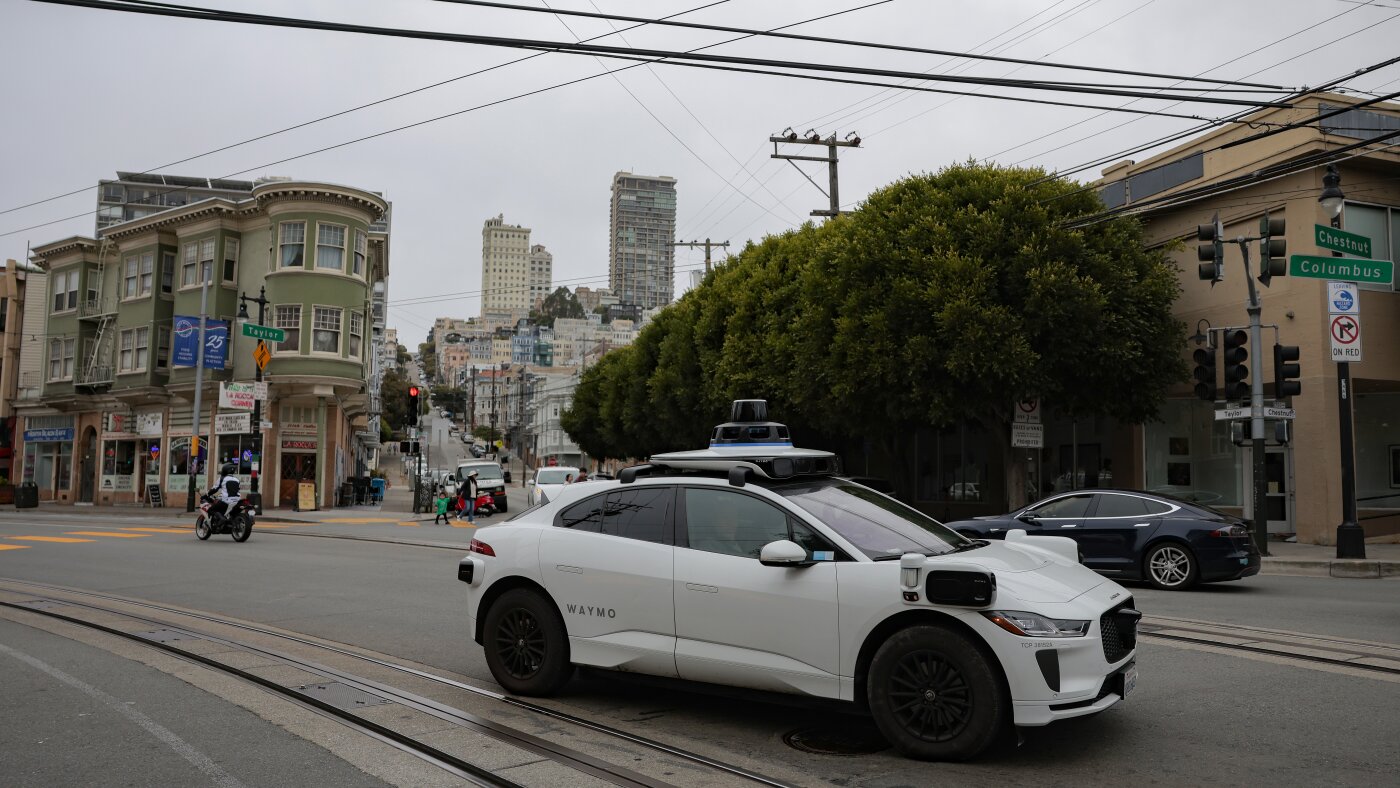
Waymo called the cops on teen riders, raising privacy concerns
-

 Los Angeles, Ca2 hours ago
O.C. police prep for beach, theme park ‘takeovers’ promoted on social media
-

 Detroit, MI2 hours ago
Detroit city leaders to DHS: Stop ICE pursuits which endanger the community
-

 San Francisco, CA2 hours ago
SF Supervisor Jackie Fielder hosts listening session after medical leave
-

 Dallas, TX2 hours ago
The Stewpot artists find healing, purpose and income through art in Dallas
-

 Miami, FL3 hours ago
Can Jason Marshall push for a starting spot – The Splash Zone 7/10/26
-

 Boston, MA3 hours ago
Police investigating shooting in Downtown Crossing – Boston News, Weather, Sports | WHDH 7News

