
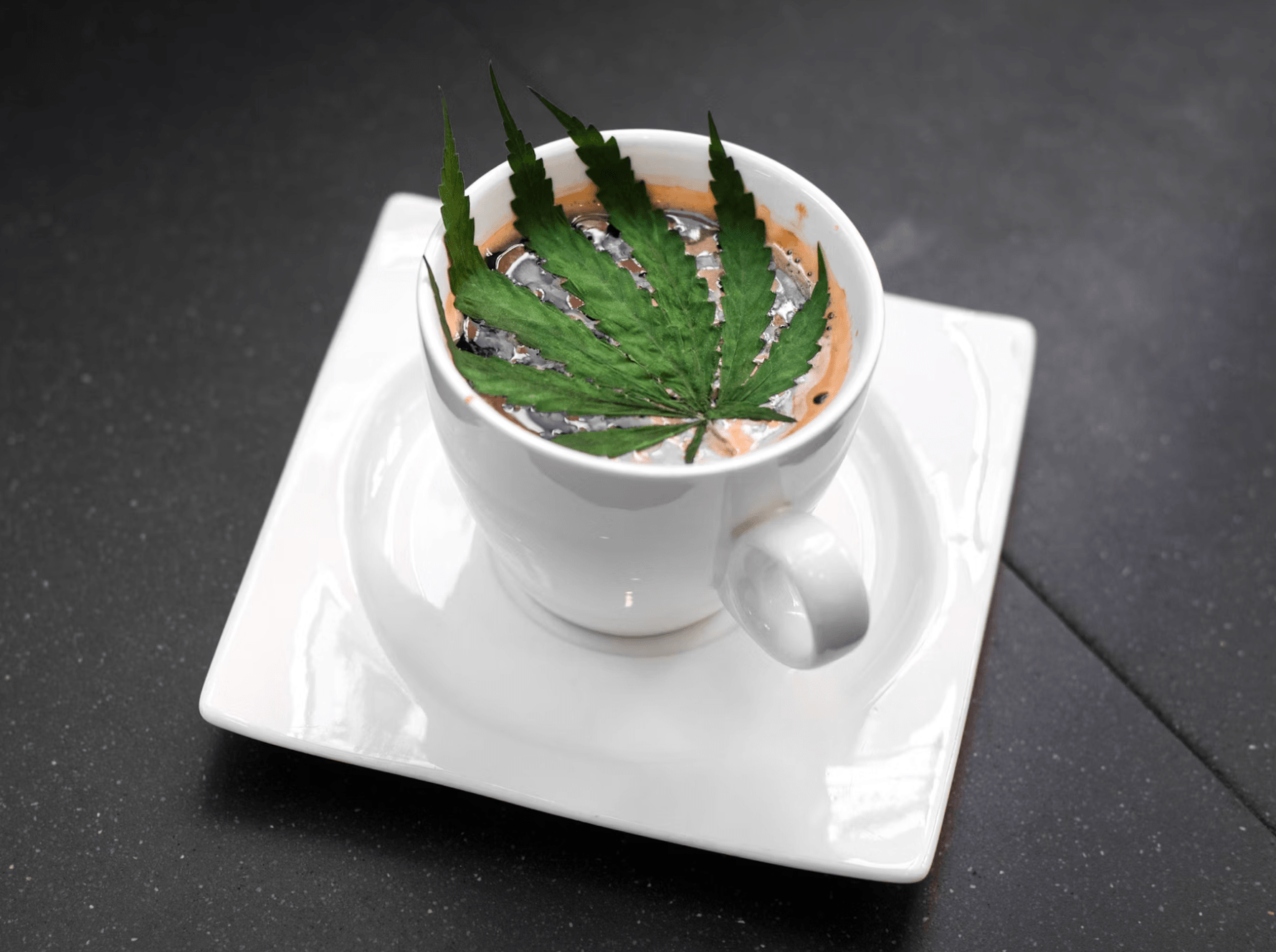
Photo by pariwat pannium
In the wake of the passage of the 2018 farm bill legalizing hemp, the Volunteer State saw an explosion in sales of intoxicating hemp-derived cannabinoid products. Tennessee has not legalized marijuana or medical marijuana, leaving the field wide-open for psychoactive edibles, gummies, and beverages derived from hemp.
That state of affairs sparked blowback from lawmakers, who began attempting to ban hemp-derived intoxicating substances back in 2022, amidst complaints about a “Wild West” hemp scene in the state. Last year, legislators finally managed to pass a measure to rein in the sector, House Bill 1376, which goes into effect on July 1.
That bill transfers the regulation of hemp cannabinoid products from the Department of Agriculture to the Alcoholic Beverage Commission and allows sales at businesses with liquor licenses for either on- or off-site consumption, as well as by hemp cannabinoid manufacturers with a retail outlet on the same premises.
But those products will contain less than 0.3 percent total THC because the new law includes THCA, which transforms into THC when burned, and synthetic cannabinoids in calculating permissible THC levels.
As the bill’s summary puts it, “This bill instead specifies that THCa is not a HDCP [hemp-derived cannabinoid product] and defines THCa as the precursor of delta-9 THC. This bill also specifies that a synthetic cannabinoid is not a HDCP and defines ‘synthetic cannabinoid’ to mean a substance with a similar chemical structure and pharmacological activity to a cannabinoid, but that is not extracted or derived from hemp plants, or hemp plant parts, and is instead created or produced by chemical or biochemical synthesis.”
Industry experts estimated that the new law will wipe out 75 percent of hemp sales, calling it a “death blow” for the state’s hemp industry.
One lawmaker, Rep. John Crawford (R), said there is a hemp cannabinoid wholesaler in his district who will likely be forced out of business.
“I have a really hard time with that we gave them permission over the last year, and now we’re taking that back,” Crawford said.
The ban will not only hurt the hemp sector but also impact the state’s budget. Revenue officials have already slashed this year’s expected hemp wholesale tax revenues from $55 million to $10 million.
In 2022, when lawmakers were first considering a ban on hemp cannabinoids, the legislative fiscal review committee estimated that the state’s industry was worth about $180 million. It will be a tiny fraction of that in the future.
This first appeared in the American Hemp Monitor.