North Carolina
Southeast Region Trailblazers Shine on Business North Carolina's 2023 Power List –


A staff report
ELIZABETHTOWN, NC – North Carolina’s Southeast is basking in the limelight as several esteemed leaders, board members, and local developers receive well-deserved recognition on Business North Carolina’s 2023 Power List for their unwavering commitment to fostering economic development in the region.
Among those highlighted in the prestigious accolade is Steve Yost, the president of North Carolina’s Southeast (NCSE). With a tenure dating back to 2009, Yost’s leadership has been instrumental in championing the cause of economic progress across the sprawling 20-county region, stretching from the majestic Uwharrie Mountains to the serene Atlantic Coast.
In a statement by NCSE, the regional public-private partnership explained Yost’s pivotal role in steering the organization toward its mission. “Yost has led NCSE since 2009, working to promote our 20-country region stretching from the Uwharrie Mountains to the Atlantic Coast,” the press release proclaimed. Prior to his tenure at NCSE, Yost served in various capacities, including as a senior developer and regional manager for the esteemed N.C. Department of Commerce‘s southeast region.
Reflecting on his journey and offering sage advice to aspiring professionals, Yost emphasized the importance of strategic thinking and meticulous attention to detail. “Think and act strategically and pay attention to detail,” Yost advised, encapsulating the essence of his decades-long experience in economic development.
A seasoned veteran in the economic development industry, Yost’s illustrious career spans over two decades, during which he has spearheaded transformative initiatives at the local, state, and regional levels. From his tenure as the Executive Director of the Columbus County Economic Development Commission to his role as the Marketing Manager for North Carolina’s Southeast, Yost’s imprint on the economic landscape of the region is indelible.
With a Bachelor of Arts in Political Science from Appalachian State University and a Master of Public Administration from the University of North Carolina, Yost brings a wealth of academic prowess to his endeavors. His credentials include certification as an Economic and Community Developer, further solidifying his standing as a distinguished leader in the field.
In addition to his professional achievements, Yost’s commitment to community service is exemplified by his tenure as President of the North Carolina Economic Development Association in 2017 and his lifelong dedication to the Boy Scouts of America, where he attained the prestigious rank of Eagle Scout.
In response to his inclusion on the esteemed Power List, Yost humbly acknowledged the collective effort of the region’s dynamic professionals. “This list is only a fraction of the inspiring people that make southeastern North Carolina an incredible place to live and work,” Yost remarked, paying homage to the collaborative spirit that defines the region’s success.
As North Carolina’s Southeast continues its trajectory of growth and prosperity, leaders like Steve Yost serve as the region’s trailblazers. They are poised to write the next chapter in the story of economic development and progress in the Southeast.
Reference links:
chrome-extension://efaidnbmnnnibpcajpcglclefindmkaj/https://www.ncse.org/uploads/_regional-news-list_93_2887927568.pdf
https://www.ncse.org/
About Author
Related


RALEIGH, N.C. (WTVD) — North Carolina lawmakers have released a long-delayed state budget proposal that includes higher pay for educators and state employees, along with new funding for community colleges.
The plan, still awaiting legislative approval, outlines several provisions that would directly affect Durham.
The proposal calls for an average 8% raise for teachers and a 3% raise for most state employees, plus one-time bonuses. It also fully funds “Propel NC,” a new community college funding model that rewards schools for training students in high-demand careers rather than focusing solely on enrollment.
Durham Technical Community College President JB Buxton said the model would strengthen programs tied to the region’s growing industries.
“It’s a very good budget for the community colleges,” Buxton said.
Full proposed budget
Durham Tech expects increased support for programs in life sciences, healthcare, and skilled trades — fields that continue to drive the Triangle’s economy. Buxton said those programs reflect the needs of employers across the region.
“If you think about things like electrical systems and technicians, in addition to HVAC, and plumbing and welding, if you think about biomedical engineering, those are areas that are in demand here,” he said.
Buxton said building a strong talent pipeline is essential as the region expands.
“We want to be the workforce development engine in this area, but we also want to be an economic development engine and kind of power our companies,” he said. “Not only bring people to opportunity, but give companies what they need to grow.”
The House and Senate are scheduled to vote on the budget on Wednesday and Thursday. If it passes both chambers, it will go to Gov. Josh Stein, who said he plans to review it closely before deciding whether to sign it.
“What we want is for the state to pass a budget that invests in our people,” Stein said, adding he wants to see more focus on education, public safety and mental health. “There are many things that the state needs to invest in, and we will be scrutinizing it, just as everyone else is, to see if it meets that test.”
Download the ABC11 News app
Copyright © 2026 WTVD-TV. All Rights Reserved.

RALEIGH, N.C. (WTVD) — North Carolina lawmakers are nearing agreement on a new state budget that Rep. Zack Hawkins says could bring long-awaited stability to agencies and employees who have been operating under 2023 spending levels.
Hawkins, a Democrat representing Durham, said Monday that legislators are close to finalizing the budget after waiting 1,000 days since the last budget passed
“We’re going to potentially meet the June 30, July 1 deadline, so that there’s stability for all the agencies and all the entities that depend on the state budget,” Hawkins said.
Hawkins said the prospect of a finalized budget offers needed certainty.
“The opportunity for them to have a budget means stability,” he said.
The expected spending plan centers on pay increases for educators and state employees. State workers could receive an average 3% raise and a $1,700 bonus for those earning under $75,000. Hawkins said the goal is to ensure workers have a “strong and respectable pay scale.”
“State employees know that they’re not going to get rich, but we need to make sure that they have a strong and respectable pay scale, bonuses that keep up with inflation, and the benefits, of course, that the state of North Carolina brings, and so we’re hoping that we value them in this budget,” he said.
Teachers could see an average 8% raise. Hawkins, a former educator, said he hopes North Carolina can lead the South in teacher pay.
“And eventually beating the national average. But alongside that, we really want to make sure that there’s an opportunity to keep and retain teachers who’ve been teaching for 10, 15 and 25 years,” he said.
The budget is also expected to include a 13% pay raise for law enforcement, according to a post from Rep. Brenden Jones, who celebrated the finalization of the budget.
The budget could come with a plan to reduce the personal income tax rate and a higher tax rate for sports gambling operators. The rate would increase from 18% to as high as 23%, a change Hawkins supports.
“We can bring in even more revenue, because it’s going to some really good places, it’s going to universities, athletic departments, it’s going to support youth sports, it’s going to support outdoor opportunities and grants,” he said.
One proposal not included in the budget is funding for a Major League Baseball stadium in Raleigh. Hawkins said the Senate-led idea was not the right fit this year.
“Because we have to make sure that we’re taking care of our basic obligations, our people,” he said.
Hawkins said agencies have been operating under the 2023 budget, affecting hiring and pay raises. Many are waiting for Tuesday’s release of the new spending plan.
Download the ABC11 News app
Copyright © 2026 WTVD-TV. All Rights Reserved.
North Carolina
North Carolina is hot, dry, and about have fireworks everywhere. Why isn’t there a burn ban?

Right now, it’s unmissable. North Carolina, and especially the Triangle, is both very hot, and very dry. Fireworks stands are popping up, just in time for the Fourth of July. So why isn’t the state under a burn ban?
It’s a straightforward question, with a complex answer.
Both the state, through the North Carolina Forest Service, and individual counties can declare burn bans. The vast majority of the time, county fire marshals listen to the Forest Service. And right now, the Forest Service says the danger isn’t great enough – yet.
“We’re still dry, fire danger is still high, but we haven’t reached that hazardous category yet,” said Phil Jackson, a Forest Service spokesperson.
Jackson points out that the state has two fire seasons, spring and fall, and conditions right now are very different.
For one, humidity is much higher right now, and humidity “tends to bring relief to fire risk and any ongoing wildfire activity that might be happening at that moment,” said Jackson.
Leaves are also key. In spring, plants are trying to wake up from their long winter sleep. Doing that requires a lot of water, drying out the soil.
“Think of each individual root system as being a straw that is just pulling water out of the ground,” said Jackson.
In the fall, the ground is covered in lots of new dry leaves, increasing the danger again.
“When they’re in full green, like they are now, they tend to be more fire resistant,” said Jackson.
Jackson points out it’s not impossible to have a summer-time burn ban. The Forest Service is constantly monitoring conditions, and it’s possible those conditions could get worse in the coming weeks. For now, though, the fire danger, Jackson says, is “manageable.”
But while the fire risk might be manageable, that doesn’t mean people should be careless.
“We always encourage residents to avoid outdoor burning, unless it’s absolutely necessary,” said Johnston County Fire Marshal Travis Johnson.
Johnson says, especially with the Fourth of July right around the corner, anyone burning or lighting fireworks should always have a source of water nearby to douse any runaway flames. “We never want anything to happen, but want to make sure that you’re safe while using those,” said Johnson.
If a burn ban were to be implemented, it would impact Fourth of July fireworks shows. For now, though, those shows are allowed to go ahead, and remain the best option, Johnson says, for anyone who wants to see fireworks this year.
Johnson, and other fire marshals WRAL spoke with, also stressed official fireworks shows are put on by professionals, are strictly permitted and regulated, and there are always firefighters there, on standby, just in case.
“Just be safe, and enjoy the holidays,” said Johnson.
-
 Business4 minutes ago
Disneyland to offer $59 evening tickets next month
-
 Entertainment7 minutes ago
After Amazon drops OpenAI movie ‘Artificial,’ film finds new home at Neon
-

 Lifestyle12 minutes ago
ICICLE: Capturing Interest in Chinese Brands
-
 Politics19 minutes ago
Newsom signs off on 100% California tax for money from Trump’s $1.8-billion ‘slush fund’
-
 Science22 minutes ago
After bold pledge, EPA shelves microplastics testing in U.S. drinking water
-
 Sports27 minutes ago
Walter Alston, Dave Roberts and everyone in between: The 10 managers in L.A. Dodgers history
-

 World37 minutes ago
World’s oceans experience hottest June ever, scientists say more heat ahead
-
 News1 hour ago
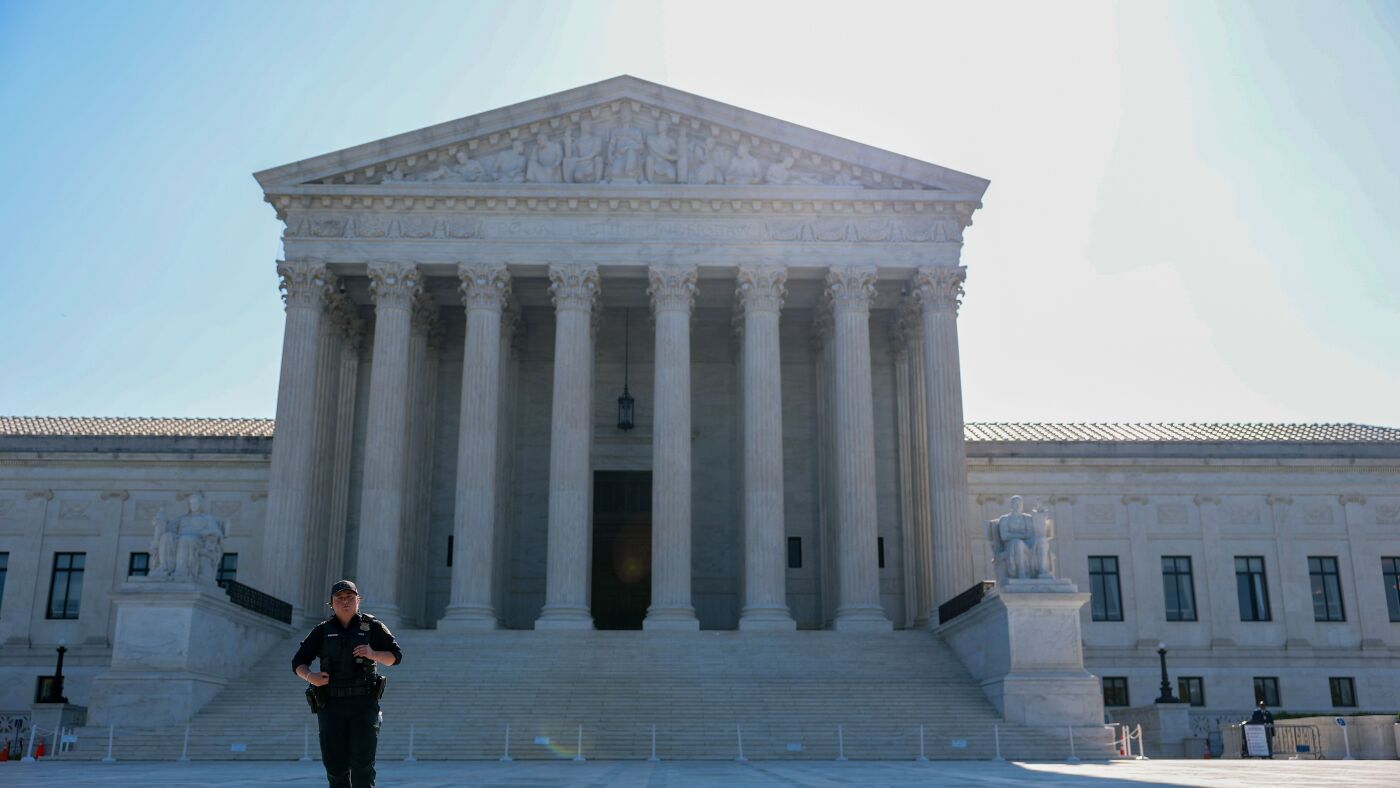
What the Supreme Court did on the final day of its term

