Dallas, TX
The art of showing up: how two Dallas women paint a new vision for relief

Compassion does not wait for perfect conditions. It does not pause for bureaucratic gridlock, nor does it ask for permission to act. It simply looks at the human condition and decides to intervene. In Dallas, this relentless brand of empathy has a name, a pulse and a vibrant color palette, largely thanks to the Rio Valley Relief Project and the two dynamic women steering its course: Jackie Claudet Mitterer and Cassie Stewart.
Together, they operate at the delicate intersection of human suffering and creative resilience. Their work is a testament to the idea that helping others is not just a logistical challenge, but an art form. By bridging the gap between those who need shelter, food or a welcoming hand, and a city eager to give, Mitterer and Stewart are proving that unity is built one quiet act of kindness at a time.
A mission rooted in nimble compassion
The Rio Valley Relief Project began as a response to acute human crises, providing support to refugees, asylum seekers and other displaced families arriving in the area. Over time, it has evolved into a sustainable force for community care. The organization thrives on its ability to adapt. Whether they are stocking food pantries or setting up apartments for new arrivals, the goal remains fiercely simple.
“It’s helping people feel connected enough to care and then giving them a way to help,” Mitterer tells the Observer. “We’re good about looking at the human needs in front of us and shifting and pivoting where we need to.”
Stewart, whose background in the school system deeply informs her approach to the project, echoes this sentiment. The focus is always on the families and the tangible realities they face daily.
“A lot of it comes from staying close to the families that we serve,” Stewart says. “I can lean into that community and the partnerships and the creative thinkers around me, and that’s usually where the most resourceful solutions come from for me, for us.”
Weathering the political storm
Providing relief in Texas is rarely just about logistics. It’s inherently tied to the shifting sands of border policies and political climates. Both women acknowledge the hurdles that come with their chosen path, yet they refuse to let changing laws paralyze their mission.
“Some of the policies over the past several years have made the work harder,” Stewart admits. She notes that the shifting landscape “has increased suffering for families that we care about, but the need doesn’t go away.”
Even as migration patterns fluctuate, the requirement for human dignity remains constant.
“Policies change,” Stewart says. “And now we’re finding ourselves in a different situation where people are coming. It’s slowed dramatically.”
To combat this, the duo focuses on building long-term infrastructure rather than just applying temporary bandages.
“We’re beginning to be more intentional about creating consistent support systems, especially in schools and with families, so that what we’re doing isn’t just reactive but lasting,” Stewart shares. “We’ve both worked in the school system, so we feel a draw to that as well and have connections there.”
The canvas of service
For Mitterer, the drive to serve is woven into her DNA, inextricably linked to her own family history and her life as a creator. She views her artistic endeavors and her humanitarian work as two sides of the same coin.
“My way to connect is through service,” she says. “I am a daughter of immigrants. I am the granddaughter of immigrants to so many places. There is migration in my story forever.”
Service, she admits with a refreshing dose of honesty, is mutually beneficial.

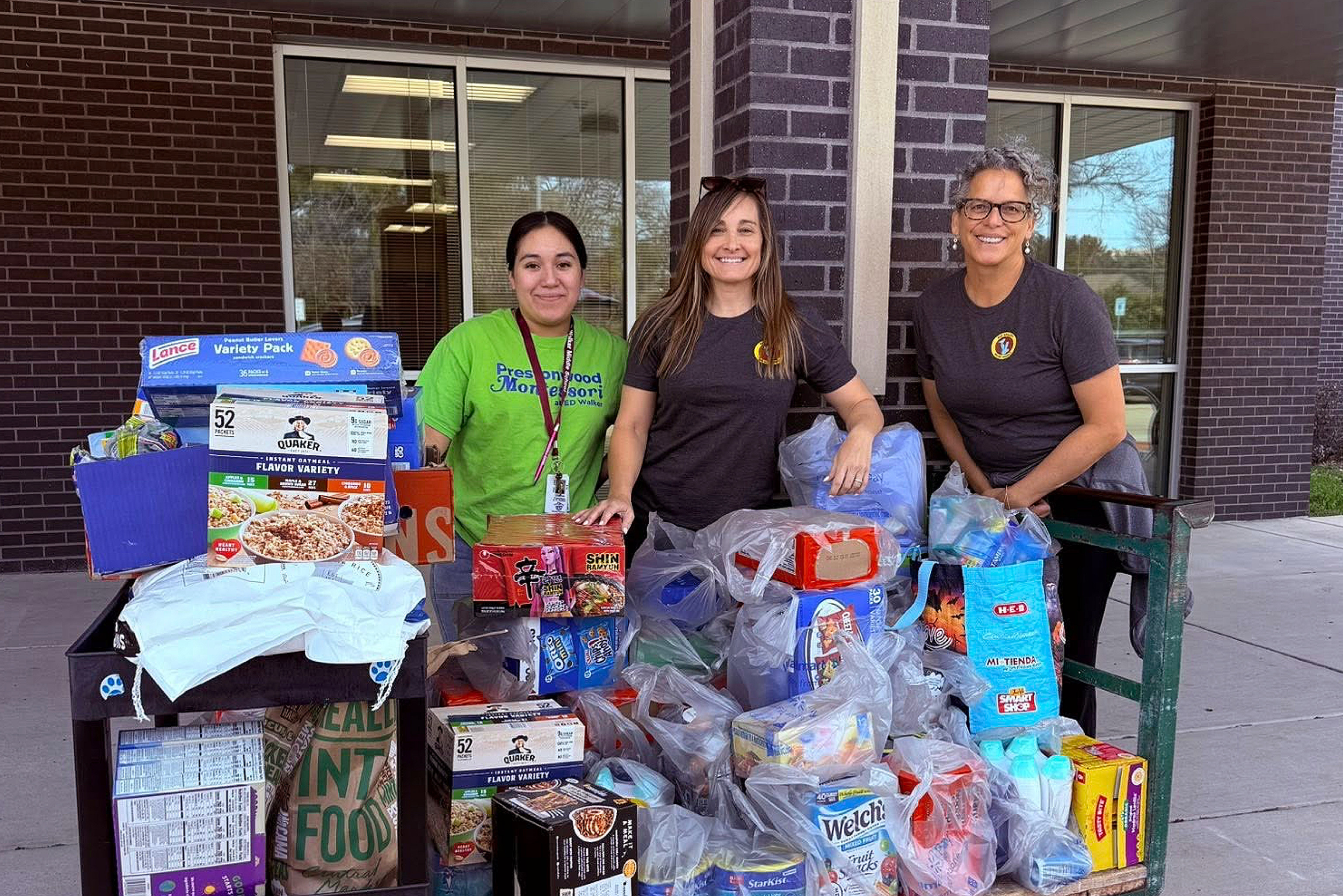
Courtesy of the Rio Valley Relief Project
“In my case, it keeps me centered,” Mitterer says.”My head is a trip. My soul is happy. Art and service center me. My mother, she and I will say it is self-serving. Give the good, the good part of myself.”
This profound connection to the human experience spills over into their view of everyday interactions: You do not need a grand platform to make a difference. Mitterer believes deeply in the micro-moments of empathy.
“You don’t need to have an organization and do a 501(c)(3),” she says. “It doesn’t need to be a perfect setting to be a helper. You just do something, invite a cup of tea, make a phone call, ask about how their day is going.”
Dallas: A unifying backdrop
The Rio Valley Relief Project does not exist in a vacuum. It draws its lifeblood from the generous, creative spirit of Dallas. Both women see the city not just as a location, but as an active participant in their work.
“Dallas is aware and values the creativity in people,” Mitterer says. “Dallas is perfect for that. There is so much to do and there is interest and it is a unifier.”
The duo has found that when they call on the community, it always answers.
“When we were setting up apartments, it’s amazing what people will gather for us. We get to be in the space where we see people show up, and it’s really great,” Mitterer says. “You see the loop full of artists, mural artists… it is becoming a scene. We can just be whoever we want and the way we want and be genuine… Dallas is fantastic in that way.”
It’s a city where, as she puts it, they can be “the quiet person who keeps showing up and doing the work. We hug and we hold space… We hold space for everybody.”
Through the Rio Valley Relief Project, Stewart and Mitterer remind us that service is not a rigid obligation. It’s a fluid, evolving practice of human connection. Whether they are coordinating resources for a disadvantaged school, setting up a living room for a displaced family or pressing vibrant mosaic tiles onto a canvas, they are building a masterpiece of community care.
“Come learn what we do. Laugh with us,” Mitterer invites. “And if you want to be part of it, come learn and do your thing. But do something if you can, when you can, how you can, however big or small.”
To learn more about the impactful work of the Rio Valley Relief Project and discover ways to contribute, visit their website.