Vermont
Increasing pharmacy closures mean long drives for Vermont residents, mirroring a national trend – VTDigger


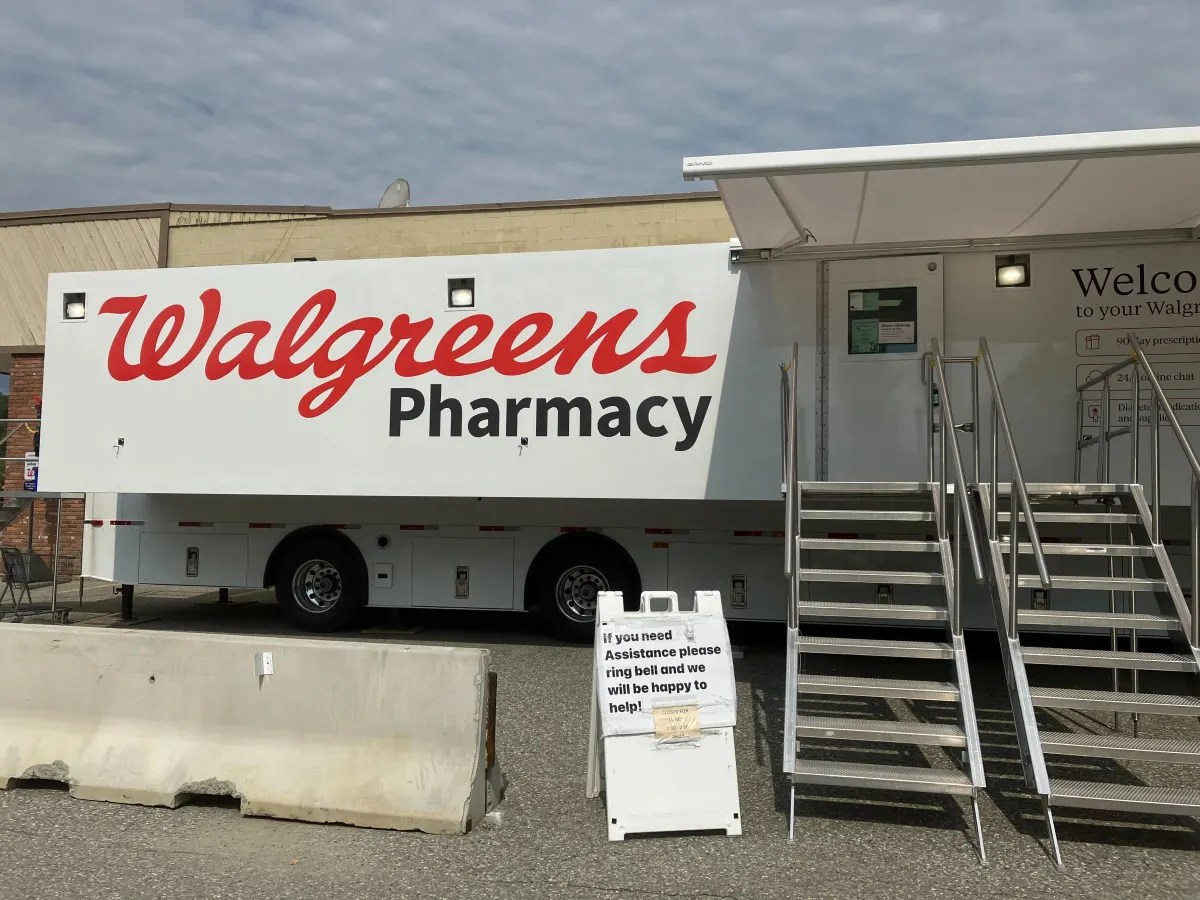
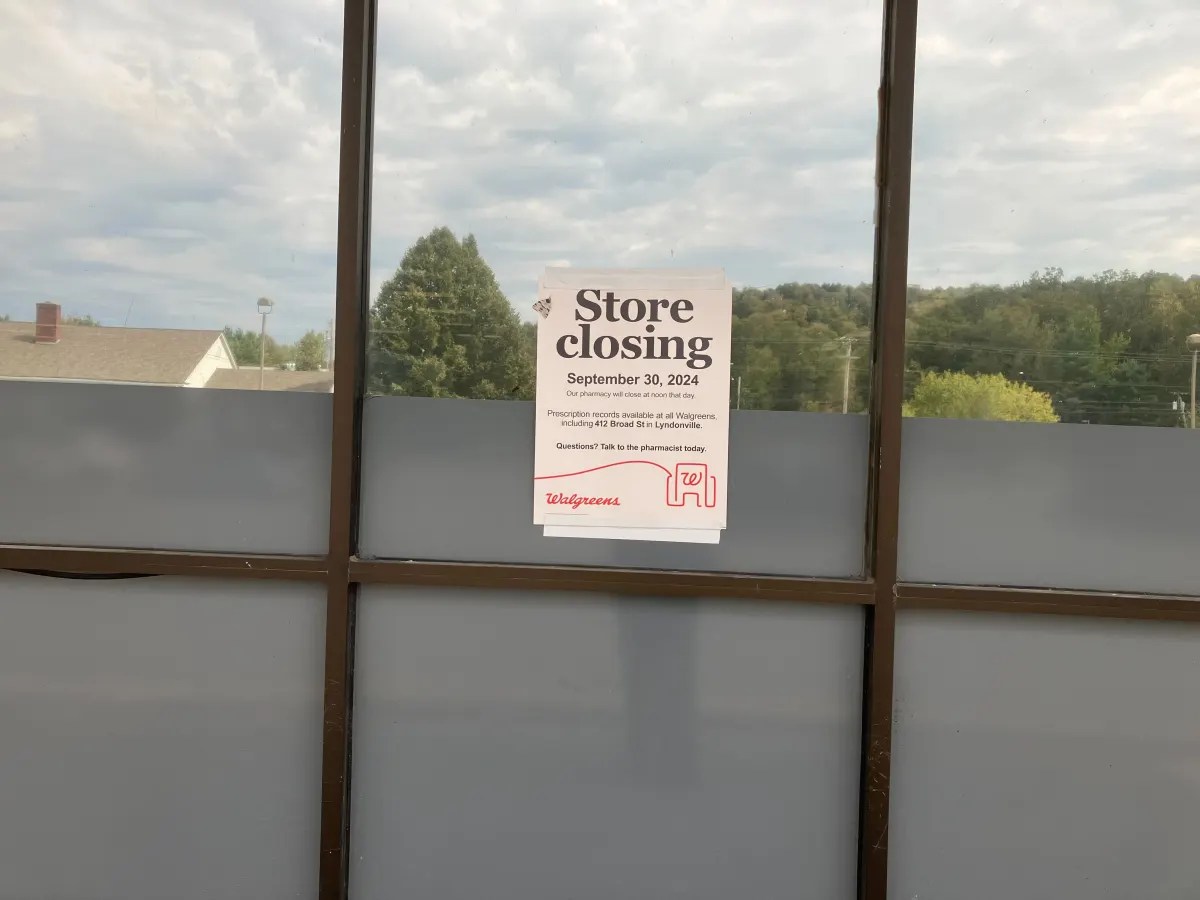
Hardwick’s sole pharmacy — a Walgreens that had twice been hit by Vermont’s recent summer floods — closed for good at the end of September. Since then, residents have had to drive 25 minutes to access a pharmacy in Morrisville or 40 minutes to the closest Walgreens in Lyndon, leaving Hardwick squarely in a “pharmacy desert.”
Pharmacy deserts are generally defined as places where there is no or limited access to a pharmacy. In rural areas, this means the closest is over 10 miles away, while in urban areas, the closest is over one mile away.
Hardwick is hardly the only pharmacy desert in the state. According to a recent analysis of pharmacy locations across the country, 41 of Vermont’s 193 census tracts (21%) had low access to a pharmacy in 2022. The analysis, published by the academic journal Health Affairs Scholar, defined low access as at least one-third of the tract’s population living within a pharmacy desert. Between closures of independent pharmacies and national chains continuing to scale back back “less profitable” operations, the number of pharmacy deserts is only increasing.
Mike Fisher, Vermont’s chief health care advocate, said that pharmacy closures across the state are an ongoing and “very serious” trend.
“I live in Addison County,” he said. “When the local Marble Works Pharmacy closed, I remember just how upsetting and difficult that was for so many people.”
According to the state’s Board of Pharmacy, 28 Vermont pharmacies have closed permanently over the past five years, leaving 126 currently operating in the state. A nationwide study has linked such closures to a decline in older Americans taking their prescription cardiovascular medications.
Often, Fisher said, there’s another pharmacy in town, as in Middlebury. But in a growing number of towns, there isn’t.

According to a study published this month in the journal Health Affairs, more pharmacies closed than opened between 2018 and 2021 both nationally and in Vermont, with independent pharmacies and those located in Black and Latinx communities a higher risk for closure.
Options for those living in a pharmacy desert do exist. In Hardwick, area residents can utilize mail-order pharmacies for their prescriptions and Kinney Drugs offers weekly deliveries. However, Fisher notes, pharmacies don’t solely dispense medications, but also vaccines and advice.
“The pharmacist at the local pharmacy counter is an accessible, front-line healthcare professional that many people depend on,” he said. “You lose something really important when you lose your community pharmacist.”
Marty Irons, a full-time Vermont pharmacist for almost two decades and a member of the Vermont Pharmacists Association’s board, said in an email that the organization is very aware of pharmacy closures and expects them to continue to impact Vermont.
Pharmacists largely attribute closures to pharmacy benefit managers: companies that act as intermediaries between drug manufacturers and insurance companies. In Vermont, two pharmacy benefit managers — CVS Caremark and Express Scripts — account for 95% of Vermont’s drug market for commercial health insurance plans, according to the state Attorney General’s Office.
Pharmacy benefit managers, often abbreviated as PBMs, are known to under-reimburse pharmacies for the costs of filling prescriptions. According to Irons, this loss of income often requires pharmacies to pull back on services — such as the number of hours they’re open — and, in some cases, close.
“Negative, or below cost, reimbursement is no longer the exception,” Mike Duteau, president of the Vermont Association of Chain Drug Stores, said in an email. “The growing impact is so substantial that pharmacies are closing in larger numbers and more quickly.”
READ MORE

In addition, Irons and Duteau point to staffing challenges only exacerbated by the closure of Vermont’s only pharmacy school three years ago.
The Legislature passed a bill this year to regulate PBMs, the system for which is currently being set up at the Department of Financial Regulation, Fisher said. The bill requires PBMs to obtain a license from the department, strengthens its oversight and bans some of the companies’ practices.
In addition, Vermont Attorney General Charity Clark announced a lawsuit against PBMs earlier this year, alleging that the state’s two major PBMs skim money from drug transactions. However, it is unclear how — and how soon — these two state efforts might improve the situation for pharmacies and their customers.
“Our Vermont pharmacy infrastructure is so fragile,” said Irons. “Most people assume it will always be there; I hope so!”



Vermont
Poll: Most young Vermonters say they’re likely to leave state amid affordability concerns – VTDigger

Theo Wells-Spackman is a Report for America corps member who reports for VTDigger.
Nearly two-thirds of Vermonters ages 18 to 34 say they’re likely to leave the state within five years in search of adventure or a cheaper place to live, according to a poll from the University of New Hampshire.
Overall, the poll estimated that 86% of Vermonters find the state at least somewhat unaffordable.
“The issue of affordability has been a very important thing across New England,” said UNH political science professor Andrew Smith, who runs the institution’s survey center. The poll, released Tuesday, includes response data for five New England states, excluding Maine.
In general, the survey found, most residents say Vermont is a good place to live — or even a great one.
Nevertheless, about 40% of Vermonters of all ages want to leave the state, according to the report from Smith’s team. Housing prices and other cost-of-living concerns are the foremost drivers of the trend, researchers found, followed by tax rates. Connecticut and Rhode Island showed similar overall rates of desired departure.
Among young people, though, Vermont’s numbers stand out.
Smith’s research found that 63% percent of Vermonters between 18 and 34 say they’re somewhat or very likely to move out of the state in the next five years. That’s a much higher rate of planned departure than in any other state surveyed. Responses varied from 28% in New Hampshire to 44% in Connecticut.
But according to Smith, New England often sees a beneficial “boomerang effect”: former residents eventually returning to their home states, often as higher earners.
In a Wednesday press conference, Gov. Phil Scott said that although he hadn’t seen the poll, he wasn’t surprised by reports that many Vermonters are considering a move.
“I think there’s a lot of frustration out there,” he said. “We have a lot of work to do to make Vermont the affordable state that these folks need.”
About half of young Vermonters who said they want to move away cited the cost of living as a primary reason, while roughly as many said they were looking for a “new adventure or more excitement.” By contrast, less than a quarter of those older than 64 foresee leaving, according to the poll.
Outmigration of young people could worsen the state’s existing workforce shortage, according to Kevin Chu, who leads the research nonprofit the Vermont Futures Project. Scott’s administration has made workforce development a priority in light of what his office called a “growing demographic crisis.”
Chu added that by design, services such as public education and healthcare are supported disproportionately by working households that tend to pay higher taxes and insurance premiums. When the base of income earners shrinks, the problem can then intensify for those bearing the brunt of rising costs, he added.
“There’s a demographic reality in which the economic burden is being shouldered by a small and shrinking pool of young working-age people,” Chu said.
Tuesday’s poll also indicated that Vermonters who have completed more education say they’re less likely to leave the state. For Chu, that’s likely because such households tend to earn more — and also because they tend to be older.
Julie Lowell, deputy director of the Montpelier research nonprofit Public Assets Institute, offered a grain of salt in relation to Tuesday’s report. While migration is crucial to keep track of, Vermont’s overall population turnover tends to be about 5% or less each year, she said. And although the state does have an unusual number of young people intending to leave, that age group is always the most mobile in any study, she said.
In recent years, more of Vermont’s older population has possessed more wealth to contribute to public services, Lowell added. For example, she said, her organization has found that more Vermonters aging out of the workforce has not appeared to decrease state tax revenues in recent years.
But it’s true that many Vermonters are struggling to make ends meet, she said. The state’s lowest earners have seen low wage growth in relation to other New England states, she said, and basic needs are getting harder to cover.
“We’re seeing prices, in large part driven by housing and healthcare, really outpacing our increases in household incomes,” Lowell said. “Many people are feeling insecure.”

Vermont officials are offering $5.9 million in funding to help replace older diesel-powered vehicles and equipment with electric alternatives across the state.
The Vermont Department of Environmental Conservation is accepting applications for the funding through the Volkswagen Environmental Mitigation Trust, according to a community announcement. The program aims to reduce emissions by supporting conversions to all-electric equipment used in transportation and industry.
The new funding is open to a wide range of vehicle and equipment types, including class 4–8 trucks, school buses, transit buses, forklifts weighing more than 8,000 pounds, airport ground support equipment, freight switchers and certain marine engines.
Eligible applicants include federal, state, regional and municipal agencies, along with public institutions and private businesses whose vehicles operate in Vermont at least 80% of the time.
Public entities can receive up to 85% of project costs, while private businesses may qualify for up to 75%, according to the announcement.
The opportunity may be particularly relevant for farms, food producers, food hubs and distributors that rely on diesel-powered trucks or heavy equipment.
Applications are accepted on a rolling basis, with submissions due by the last day of each month until December 2026 or until funding runs out.
Applicants can review full details at https://dec.vermont.gov/air-quality/vw-environmental-mitigation-funds/vw-request-applications.
This story was created with the assistance of Artificial Intelligence (AI). Journalists were involved in every step of the information gathering, review, editing and publishing process. Learn more at cm.usatoday.com/ethical-conduct.

THETFORD — Vermont Superior Court Judge Dickson Corbett died unexpectedly last week.
Former colleagues said Corbett was found unresponsive Thursday morning and was taken to Dartmouth Hitchcock Medical Center, where he was pronounced deceased. Colleagues and friends said he died of natural causes.
Corbett was in his mid-40s. His death cuts short a career characterized by an intelligent, kind and community-oriented approach to the law, his colleagues said.
“His passing is a devastating loss to our communities,” Kiara Senecal, co-executive director of Orange County Restorative Justice, said in an interview. “He was doing what he was doing for the right reasons, and that truly showed up in his work.”
Efforts to reach Corbett’s family were unsuccessful. His wife, Megan Campbell, is also a lawyer and works in the Vermont Attorney General’s Office. They have two children, ages 16 and 13. After years living in Chelsea, a short walk from the Orange County Courthouse, they moved to Thetford around the time Corbett became a judge.
Corbett’s mild-mannered and soft-spoken demeanor was backed by a deep knowledge and understanding of the law and a commitment to public service, colleagues said.
“He was a dedicated public servant,” Will Porter, the former Orange County state’s attorney who hired Corbett as a deputy in 2013, said in an interview. Corbett “never saw the law as a means to make money,” Porter said.
A native of Pennsylvania, Corbett earned a bachelor’s degree in English at the University of North Carolina, and graduated from Vermont Law School in 2007 with juris doctor and master’s of environmental law degrees.
“I just recall that he was very active,” said Shirley Jefferson, who was then the law school’s associate dean of student affairs and diversity. He was community-oriented, and also took an interest in the school and its well-being, she said.
He clerked in Orange and Windsor county courts while working out his career plans, and when Porter hired him in 2013, judges had assured him that Corbett was a bright light.
He quickly proved himself to be a strong researcher, an excellent writer, a patient listener with victims and witnesses who also could build good relationships with judges, Porter said.
“He made light-strides the first year he was here,” he said.
Corbett was so capable that Porter assumed he’d quickly move on to bigger things, but instead the young deputy immersed himself in the job and stayed for a decade, taking over for Porter after he retired in 2021.
In addition to his work, Corbett served as the town moderator in Chelsea and served on the town Planning Commission before moving to Thetford.
Corbett’s approach to the law put politics to the side. He remained an independent, but both major parties recommended his appointments as state’s attorney and as judge.
He was eager to be a judge, mainly because he felt he could help more people in that role.
“He was a true scholar of the law, so it was natural for him to be a judge,” Orange County State’s Attorney Colin Seaman, whom Corbett hired as a deputy, said in an interview.
“He was just the most wonderful,” Michelle Donnelly, Washington County state’s attorney and a close friend of Corbett and his family, said in a phone interview. “He was so smart and had such a capacity to research and study the law, but he was also incredibly kind and compassionate. … He wanted to understand people’s stories.”
Corbett had all the makings of a jurist who would fit well on either the state Supreme Court or the federal bench, Porter said. But at the same time, he was not one to chase a title or acclaim, but wanted to find ways to be of help, Donnelly said.
“It was about what he could do through the work,” she said.
‘A profound loss’
Official statements about Corbett’s death stress how great a loss this is for the judiciary. He was assigned to hear cases in Windsor County and was overseeing several with a high public profile.
“I am saddened to learn of the passing of Judge Dickson Corbett,” Gov. Phil Scott, who appointed Corbett to serve as Orange County state’s attorney in 2021 and as a superior court judge in 2023, said in a statement. “I always appreciated his dedication to improving the lives of Vermonters through public service. This is an unfortunate loss for Vermont and the Judiciary, and my heart goes out to Dickson’s family, friends, and colleagues during this difficult time.”
“This is a profound loss for the judiciary and for the many people whose lives were touched by his dedicated public service,” Court Administrator Therese Corsones and Chief Judge Thomas Zonay said in a statement last Thursday.
A conversation with Corbett helped turn Seaman into a public servant after 20 years in private law practice. In court in Chelsea one day in early 2023, Corbett talked to him about an opening in the Orange County state’s attorney’s office. He took the job and replaced Corbett soon after, when Corbett became a judge.
“All I can say about him,” Seaman said, “he is the one who always strived to do what was right.”
-

 Los Angeles, Ca2 minutes ago
Loved ones search for missing 34-year-old Southern California woman
-

 Detroit, MI22 minutes ago
Chickens, geese found at vacant home after nonprofit reports them stolen
-

 San Francisco, CA31 minutes ago
What’s next for San Francisco Giants as MLB trade deadline approaches?
-
 Dallas, TX37 minutes ago
Dallas millionaire files lawsuit against groundwater district
-

 Miami, FL44 minutes ago
7 more women arrested at southwest Miami-Dade massage parlors, accused of prostitution in undercover sting
-

 Boston, MA47 minutes ago
‘They’re my buddies’: 96-year-old Back Bay woman befriends French soccer team
-

 Denver, CO52 minutes ago
Denver officers cited for separate incidents, 1 fired
-

 Seattle, WA59 minutes ago
Study finds dangerous chemicals in the breast milk of Seattle moms

