Detroit, MI
Archdiocese of Detroit’s list of parishes chosen for halted Masses grows


St. Hubert pastor discusses the Archdiocese of Detroit’s restructuring
The Rev. Douglas Bignall of St. Hubert Catholic Church in Harrison Township discusses the ongoing restructuring effort by the Archdiocese of Detroit on Tuesday, May 19, 2026.
The list of churches targeted for the possible stoppage of weekend Masses has grown to at least 58 parishes across southeast Michigan, according to the latest proposed models the Archdiocese of Detroit had released as part of its major restructuring process through Friday.
At least 22 parishes under the first round of proposed models wouldn’t hold weekend Mass. The archdiocese has been divided into 15 planning areas, or geographic areas, and three or four models are being proposed for each planning area, said the Rev. Mario Amore, executive director of parish renewal for the Archdiocese of Detroit.
The archdiocese has been holding listening sessions with parishioners this spring as part of its restructuring plan to get reactions.
The models have different proposed groupings of parishes, in which a grouping would share a pastor and potentially other priests. In some cases, selected churches in the grouping would no longer hold Sunday Mass.
The Archdiocese of Detroit released on May 22 and this past week the model proposals for another five planning areas, including areas of Macomb County, Oakland County and Detroit. Around 36 more parishes would no longer hold Mass in the future under the latest proposals.
Bunches of churches in Detroit would be affected, while four parishes in Troy and three parishes in Clinton Township wouldn’t have Saturday Vigil Mass or Sunday Mass under each of the proposed models presented for their planning areas.
Archdiocese of Detroit spokesperson Holly Fournier said the archdiocese has heard a wide range of reactions about the proposed models, which is “understandable given how personal parish life is for people.”
“Some pastors and parishioners are hopeful about opportunities for stronger collaboration and renewed ministry, while others are experiencing more uncertainty and concern, especially in places where one or more models suggest a parish might no longer host weekend Masses in the future,” she said.
Fournier emphasized that the models are “draft models” and aren’t final decisions.
The models for the final six planning areas will be released in June, according to the restructuring website.
The models are part of the archdiocese’s biggest restructuring plan in years. Announced last fall, Archbishop Edward Weisenburger said the archdiocese can’t maintain the roughly 200 existing parish buildings it has and is working to “right-size” the archdiocese, along with its personnel and financial resources.
These are the latest affected parishes in Detroit, Oakland and Macomb counties
Fournier said the draft models were developed by priests earlier this year and are being presented in listening sessions as proposals “meant to spark broader consultation with the faithful.” Each parish in the archdiocese is holding listening sessions this spring or early summer.
In other dioceses that have undergone restructuring processes like the Archdiocese of Detroit’s, as many as 20-40% of the initial models were changed as a result of parishioner feedback, Fournier said.
“That is why it is so important for Catholics to attend their parish listening sessions to view these models and provide their honest feedback, so informed adjustments can be made where necessary,” she said in an email.
One of the most heavily affected groupings is Planning Area 1, which includes west Detroit. Ten of its 13 parishes would not have Saturday Vigil Mass or Sunday Mass in at least one of the model plans. They include Christ the King, Presentation/Our Lady of Victory, SS. Peter and Paul (Jesuit), SS. Peter and Paul (Westside), St. Charles Lwanga Church, St. Mary of Redford, St. Moses the Black Parish, St. Peter Claver Parish, St. Scholastica and St. Suzanne-Our Lady Gate of Heaven, all of which are in Detroit.
Planning Area 9, which includes southeastern Oakland County, has between 15 and 19 parishes, depending on the model. Ten of the parishes wouldn’t hold weekend Mass in at least one of the models. Four of them are in Troy.
They include St. Lucy in Troy, St. Elizabeth Ann Seton in Troy, Christ Our Light in Troy, St. Thomas More in Troy, St. Owen in Bloomfield Township, Our Lady of La Salette in Berkley, Our Mother of Perpetual Help in Oak Park, St. Justin-St. Mary Magdalen in Hazel Park, St. Vincent Ferrer in Madison Heights and Divine Providence in Southfield.
Planning Area 10, which includes all of northern Oakland County and parts of western Oakland County, has 19 to 22 parishes, depending on the model. Seven would stop holding weekend Mass in at least one of the models, including St. Benedict in Waterford Township, St. Thomas More in Troy, Sacred Heart in Auburn Hills, St. John Fisher Chapel University Parish in Auburn Hills, St. Perpetua in Waterford Township, St. Rita in Holly and Prince of Peace in West Bloomfield Township.
Planning Area 12, which includes parts of southern and eastern Macomb County, has 16 parishes. Four Warren parishes and three Clinton Township parishes would stop holding Mass under the draft models.
St. Louise de Marillac in Warren wouldn’t hold Saturday Vigil or Sunday Mass in two of the three draft models presented by the archdiocese. Six other parishes would not hold weekend Mass in only one of the models, including St. Louis in Clinton Township, San Francesco in Clinton Township, St. Ronald in Clinton Township, St. Martin de Porres in Warren, St. Faustina in Warren and St. Mark in Warren.
Planning Area 13, which includes areas of central and northern Macomb County and a parish in Troy, has 14 or 16 parishes, depending on the draft model. Three parishes in the planning area wouldn’t have weekend Mass under at least one of the models: St. Jane Frances de Chantal in Sterling Heights, St. Matthias in Sterling Heights and SS. John and Paul in Washington Township.
Amore said that if a church stops holding Sunday Mass, parishioners are encouraged to worship at other churches in their “pastorate,” which is a grouping of parishes overseen by a pastor. In the long term, the church building might close, or other sacramental celebrations might take place there, such as weddings and baptisms, he said.
The parish’s buildings could also be repurposed for other uses, such as religious education classes.
Fournier said the proposed models are meant to “foster discussion and discernment.”
“We encourage Catholics to stay engaged in the process, share their feedback honestly, and remember that the goal is not simply organizational change, but ensuring vibrant Catholic communities for future generations,” she said.
asnabes@detroitnews.com



Photos by FOX 2 Photog Scott Federspiel
DETROIT (FOX 2) – A 16-year-old moped driver was hospitalized after a crash on Detroit’s west side on Wednesday night.
The backstory:
Detroit police say the teen disregarded a stop sign while going east on Vassar when he collided with a vehicle turning south on Outer Drive at about 9:30 p.m.
Photos by FOX 2 Photog Scott Federspiel
The boy was taken to a nearby hospital where he is listed in critical condition. The driver of the car, a woman in her 30s, was not injured.
The Source: Information for this report is from Detroit police.
Watch FOX 2 Detroit Live:

Chickens and geese that went missing from a local nonprofit’s Detroit site were found in the backyard of a nearby home, the director of operations said Wednesday.
The Full Circle Foundation, a Grosse Point Park-based nonprofit, said more than a dozen chickens and geese were believed stolen from a chicken coop on Detroit’s east side that also features the Full Circle Edible Garden.
The nonprofit provides training and job opportunities for young people with special needs.
Neighbors who learned from news reports about the missing flock found the “chickens were being held in the backyard of a vacant home not far from the Full Circle Edible Garden,” said Stephanie DiVirgil, director of operations. She said Ribbon Farm 4-H owns the flock.
“The homeowner was contacted, and she reached out to Full Circle to confirm,” said DiVirgil. “We were able to retrieve all of the chickens and geese that were found on the property, 19 in total.”
The foundation and Ribbon Farms 4-H are working to secure the site, including cameras, fencing and lights.
“We will likely start a fundraising campaign to have these items installed,” DiVirgil said. “We’ve gotten amazing support from the community, including offers to help pay for these additional security measures.”

DETROIT (WXYZ) — Human remains were found in a furnace of an home on Detroit’s west side, the Detroit Police Department tells us.
The remains was found by an individual working on the home in the 5200 block of S Clarendon just after 11 a.m.
Anyone with information can call 313-596-2260 or CrimeStoppers at 1-800-SpeakUp.
Stay with WXYZ.com for updates on this developing story.
-

 Pennsylvania6 minutes ago
PA state rep. wants to force the York State Fair to change its name
-

 Rhode Island9 minutes ago
R.I. leading multi-state lawsuit against Trump administration housing policy – The Boston Globe
-

 South-Carolina14 minutes ago
SC is at the top for food waste in the nation. How you can make changes
-

 South Dakota21 minutes ago
Petition to clarify South Dakota proof of citizenship law shot down over technicality
-

 Tennessee24 minutes ago
Tennessee State men’s hockey cancels 2026-27 inaugural season for second straight year
-

 Texas29 minutes ago
Ted Cruz warns Talarico has ‘real chance’ to flip Texas’ U.S. Senate seat
-

 Utah36 minutes ago
Man suspected in 2006 Utah murder left suicide note in Las Vegas jail cell: police
-
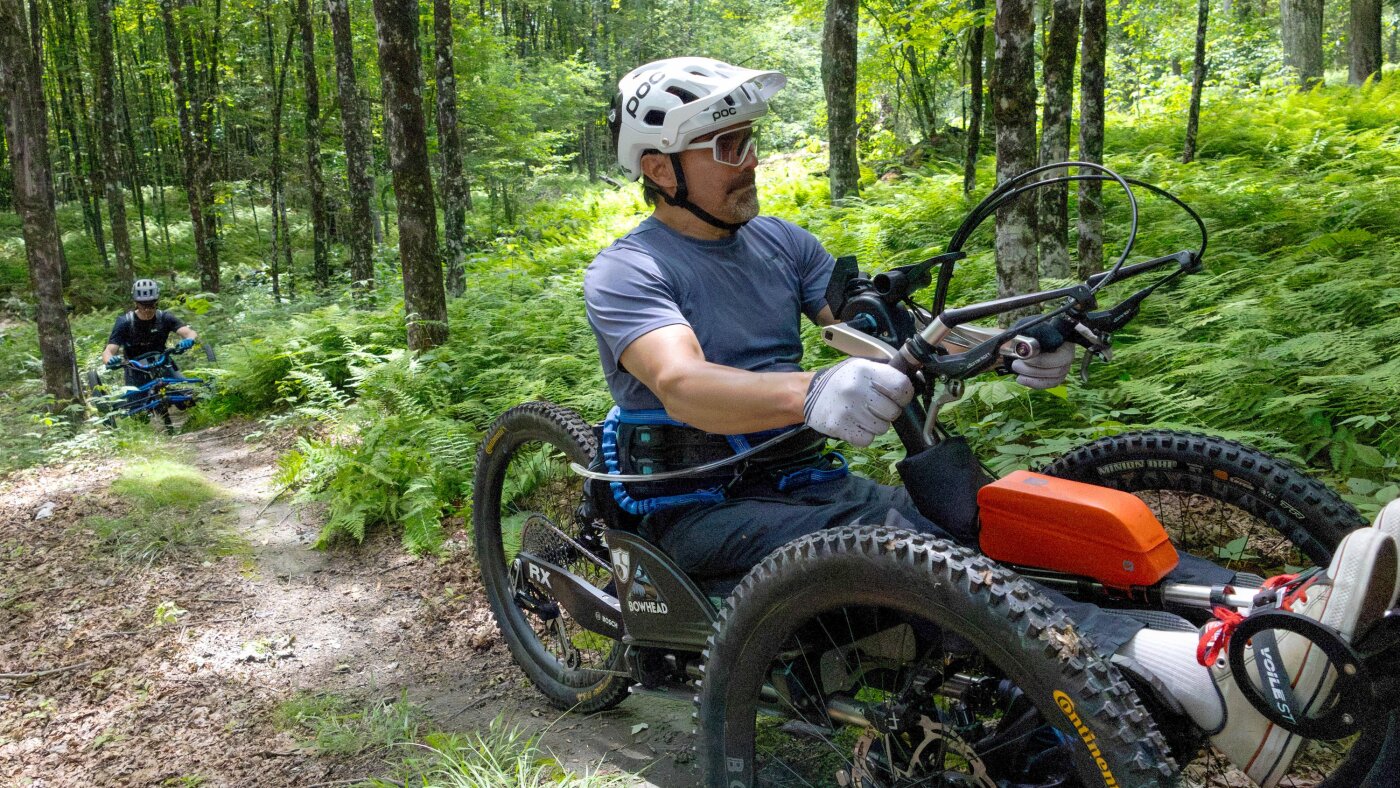 Vermont39 minutes ago
OUTDOOR ACCESS FOR DISABLED IN VERMONT

