Lifestyle
NPR’s new chief content officer: ‘I’ve been training for this job my whole life’

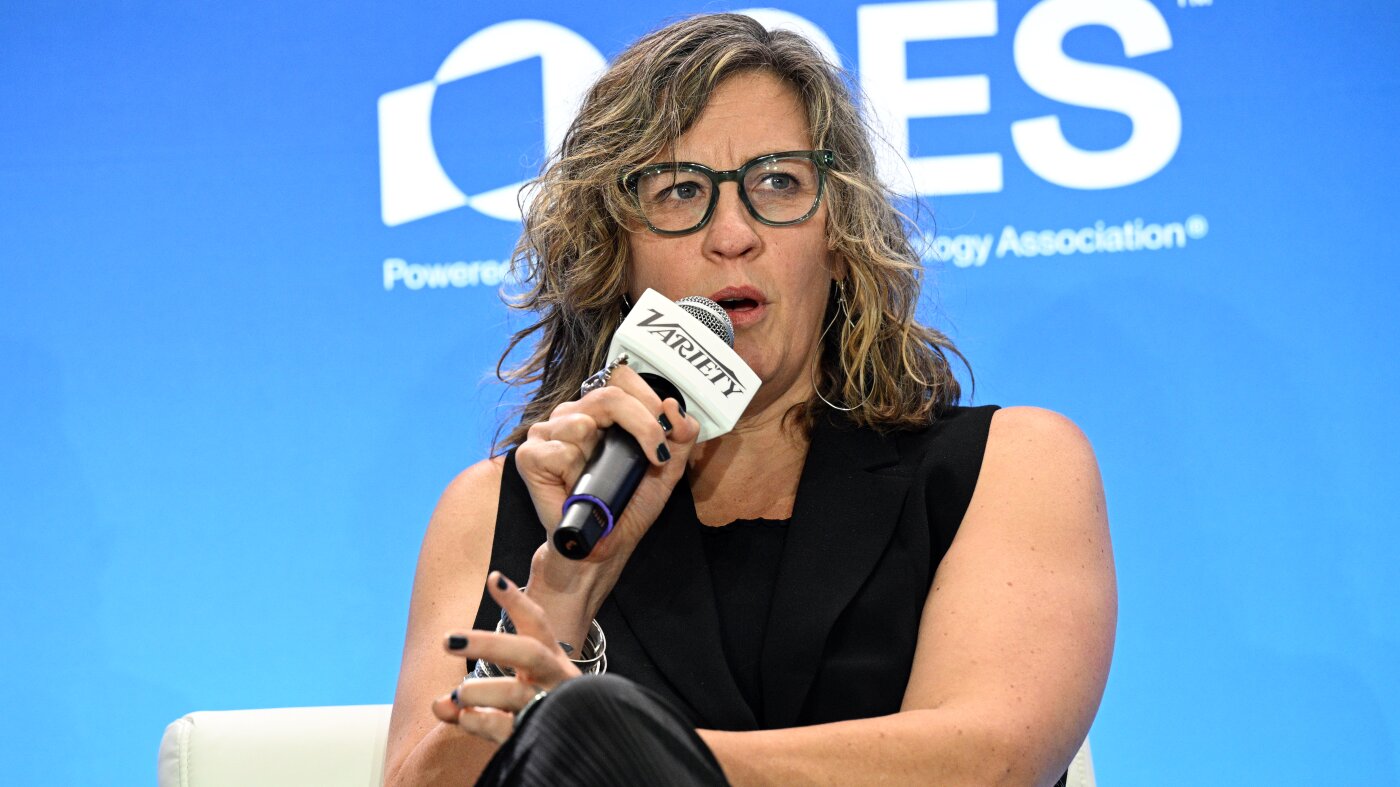
NPR has hired Nadine Zylstra to be its chief content officer. She is a veteran of Pinterest, YouTube and Sesame Workshop.
Variety via Getty Images/Variety
hide caption
toggle caption
Variety via Getty Images/Variety
NPR has hired a new chief content officer less than two weeks after overhauling its newsroom. Nadine Zylstra is tasked with expanding audiences for the public radio network’s news, entertainment and music in an increasingly digital world.
Zylstra comes to NPR from Pinterest, where she was the global programming chief. She previously was the global head of YouTube Originals and a top programming executive for Sesame Workshop, the nonprofit parent and producer of Sesame Street. She currently sits on the board of directors of PBS SoCal.
A native of South Africa, Zylstra says her first job in the U.S. was as a producer for the cable music channel VH-1 on celebrity news and wanted something different. She has since been hailed for her work promoting understanding across racial and ethnic divides for Sesame Street and programs for women at YouTube.
“I really feel like I’ve been training for this job my whole life,” Zylstra says in an interview. “I really do care about making the world a better place. When I am at my best, it’s when that connection between what I do and what I care about really comes together.”
NPR President and CEO Katherine Maher praised Zylstra, noting her work at Sesame and Pinterest’s reputation as a rare corner of relative kindness in the often harsh world of social media.
“In Nadine, we found somebody who comes out of public media… who understands the importance of media with a mission and a purpose, and as a tool for civic engagement,” says Maher in an interview. She says Zylstra will evaluate NPR’s portfolio of broadcast shows and podcasts in terms of whether they are fully reaching and serving audiences, and what might be missing from NPR’s offerings.
Additionally, Maher says, Zylstra understands the role of “joy and humor” in NPR’s programming, and how to create fresh content for new audiences as habits shift rapidly.
Zylstra will start in July and be based at NPR’s Culver City, Calif., office but come to NPR’s headquarters in Washington, D.C. at least once a month.
Gary Knell, a former chief executive of Sesame Workshop and NPR, calls Zylstra a dynamic figure who attracts brilliant colleagues.
“She’s a creative magnet for talent,” Knell says. “She has positive vibes.”
Knell says Zylstra came to work at Sesame in New York City after she collaborated with the company to develop a multiracial children’s show in her native South Africa. She later helped to create shows in tough spots, such as Kosovo, for the production company.
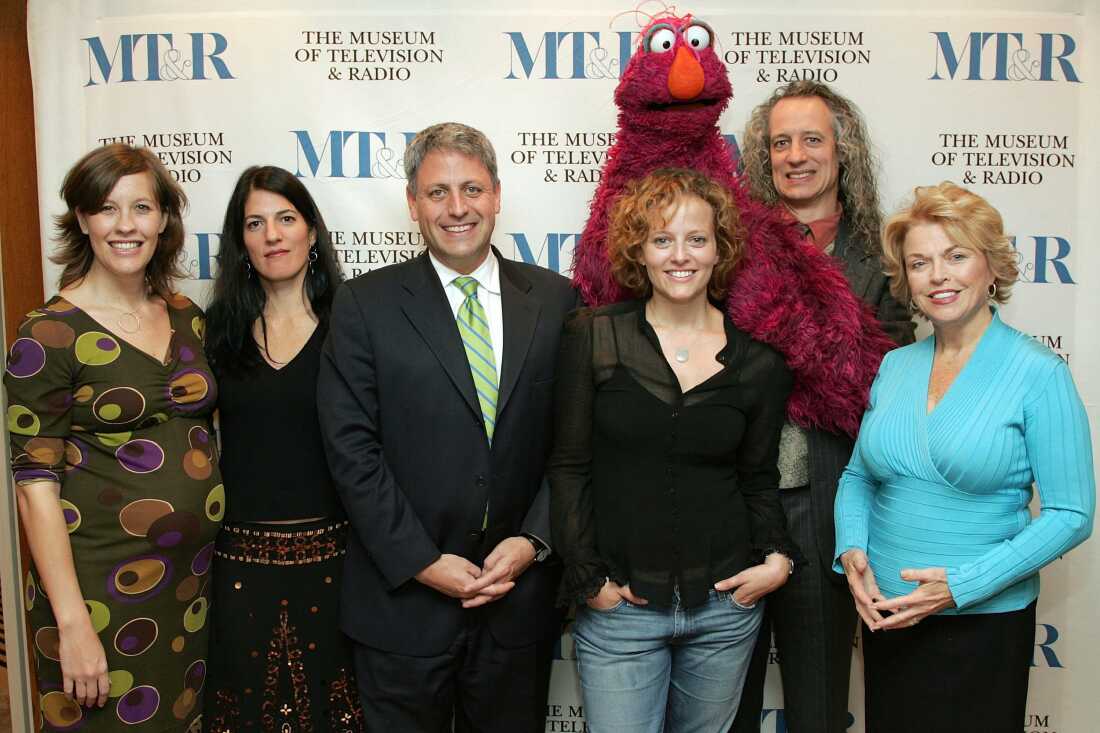
In this 2006 photo, Nadine Zylstra stands on the left, with filmmaker Linda Goldstein Knowlton, President and CEO of the Sesame Workshop Gary Knell, filmmaker Linda Hawkins Costigan, puppeteer Marty Robinson and President and CEO of the Museum of Television & Radio Pat Mitchell at the premiere of “The World According To Sesame Street.”
Bryan Bedder/Getty Images/Getty Images North America
hide caption
toggle caption
Bryan Bedder/Getty Images/Getty Images North America
“I would imagine this is an NPR move to bring in someone who is very familiar with social media platforms and YouTube content and is very able to drive content,” Knell says.
Pivotal moment for public media
Zylstra will oversee the leaders of NPR’s newsroom, music department, podcasts and related departments. But Maher stresses that Zylstra will not be involved in news decisions. While NPR Editor-in-Chief Tommy Evans will report to Zylstra on strategic matters, he will remain in charge of the journalism, Maher says. He will also remain part of Maher’s executive cabinet.
“I felt as though NPR’s journalism is rock solid and we’ve got great editorial leadership, and it was not probably the place where we needed additional layers,” Maher says. “I wanted someone who was really thinking about the expansiveness of public media’s mission and how we serve our audiences, how we encourage the innovations.”
NPR remains one of the most prestigious and wide-reaching outlets in broadcast news. More than 42 million people rely on it each week, on all its platforms, though that figure represents a drop from previous levels.

It continues to win awards for its news coverage, often conducted in concert with member stations around the country. NPR’s Planet Money has just spun off a best-selling book. NPR’s video series Tiny Desk Concert has 12 million subscribers on YouTube alone. The network created a weekly radio show around it and sold the rights to the format in Japan and South Korea.
Maher recently landed a pair of gifts totalling more than $113 million to improve NPR’s tech and distribution channels, strengthen its ties with member stations and market itself more effectively.
And yet, this is a daunting moment for NPR. Broadcast audiences are down throughout commercial and public media. News fatigue has set in. While NPR remains a top podcast producer, it lost its preeminent slot as iHeartRadio created hundreds of podcasts simply by repackaging all its radio shows. And then there’s the political backdrop.
President Trump and his allies have rallied supporters by accusing NPR and PBS of bias, a charge the networks deny. Last summer, the Republican-led Congress pulled funding from public media at Trump’s urging.
Before that happened, NPR received between 1 to 2% of its annual budget directly from the federal government. Its member stations had relied far more heavily on federal funds; They were, on average, roughly 10% of the stations’ revenues.
After losing the funds, layoffs rippled through public media. And because local public radio stations pay NPR to broadcast its shows, such as Morning Edition and All Things Considered, NPR recently determined it must cut about 30 newsroom positions through buyouts and layoffs. Greater cuts were forestalled in part by an anonymous $33 million gift — one of the two announced earlier this year.
The ferocity of changes buffeting the media industry is an opportunity Zylstra says she intends to embrace.
“Part of what’s exciting about the moment is putting the user at the center of the experience,” Zylstra says.
NPR’s track record with chief content officers
The position of chief content officer has a choppy record at NPR. Kinsey Wilson, an innovator in online news, was the first to hold the role nearly two decades ago. Wilson urged NPR to invest in digital content, acknowledging consumption of broadcast news was sliding.
Shortly after becoming NPR’s CEO in 2014, Jarl Mohn eliminated the job. He said at the time that he wanted to quell tensions between the radio and digital sides of the public media network. He also thought it important to strengthen relationships more directly with listeners. Mohn made clear he would be his own chief strategist.

His successor, the late John Lansing, sought to revive the chief content officer position but NPR struggled to fill the role. In 2023, Lansing named Edith Chapin, then NPR’s editor in chief, to become acting chief content officer, as well.
Chapin stepped down last summer just days after the Congressional vote to undo more than a half-century of supporting public media. She said the burden of simultaneously performing two grueling top-level jobs for two years had ground her down.
The way Zylstra sees it, content creation and distribution must go hand in glove.
“If somebody is searching for you, you’ve got to be there. And all the same, you’ve got to understand why are you there. How does that fulfill your mission? Who are you making this for and how are they experiencing it?” she says. “I think that’s how I can help our teams connect the dots across their individual workstreams that move us forward.”
Disclosure: This story was written and reported by NPR Media Correspondent David Folkenflik and edited by NPR Deputy Business Editor Emily Kopp and Managing Editors Vickie Walton-James and Gerry Holmes. Under NPR’s protocol for reporting on itself, no corporate official or news executive reviewed this story before it was posted publicly.


I regret to inform you I’ll need to keep this introduction brief. Not because there’s any lack of things to say about July’s crop of notable new releases; it features award-winning journalists and several different flavors of anxiety about our bleak ecological future and data-dominated present, as well as the welcome returns of several beloved novelists.
No, these books certainly deserve some love, dear readers. It’s just that I’m finding it a bit tough to type while bearhugging a box fan. And since it seems that may be my last best chance to get through this latest U.S. heat wave here on the east coast without sweating through my shirt, I feel some urgency to get back at it.
So enough with the ado. With any luck, you’ll soon be cracking open one of these great reads on the beach — or in front of a decent air-conditioning unit, at any rate.
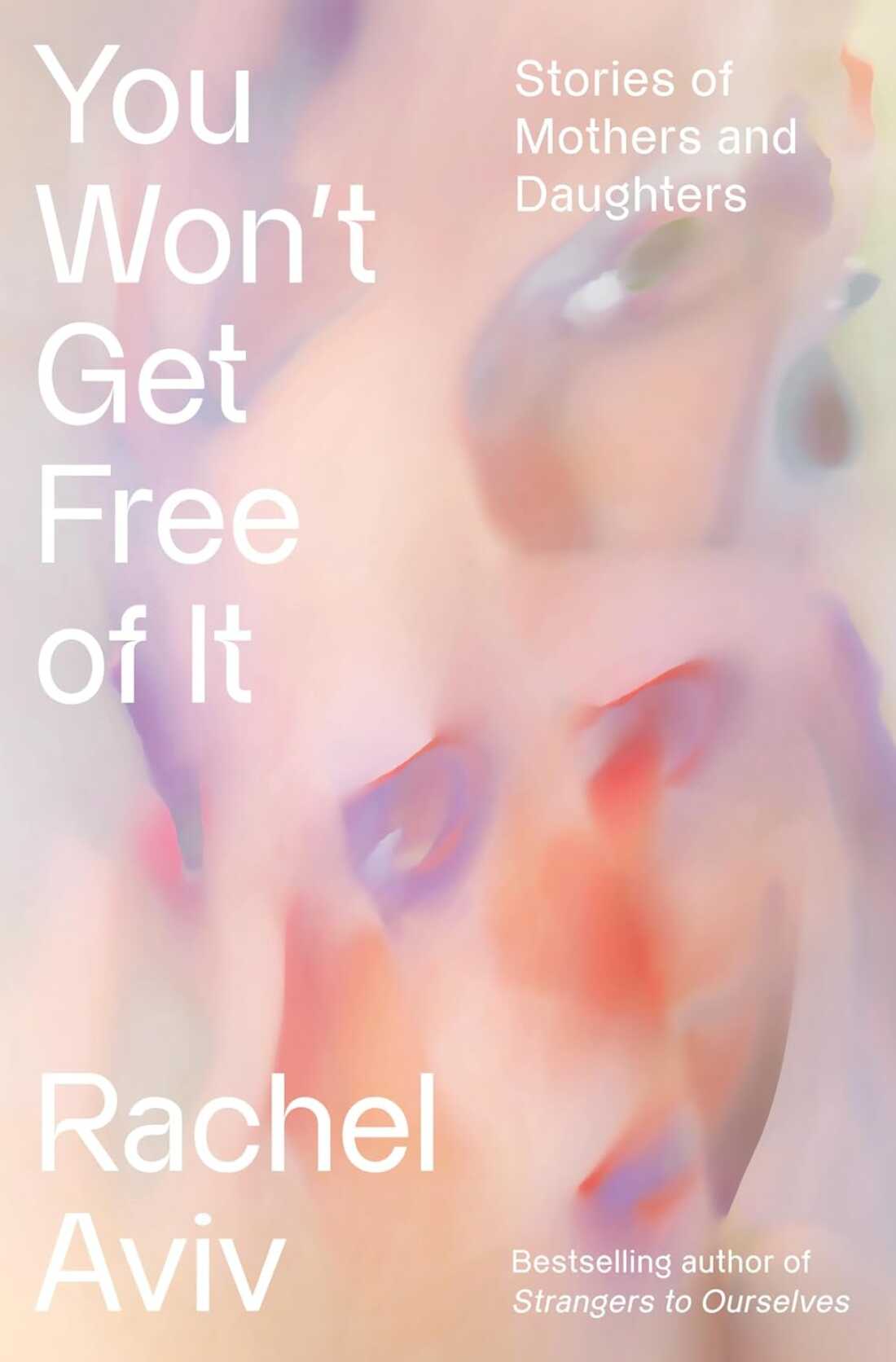
You Won’t Get Free of It: Stories of Mothers and Daughters, by Rachel Aviv (July 7)
Aviv, New Yorker staff writer and finalist for this year’s Pulitzer Prize, has a fairly extensive purview in her role as reporter at large. Still, when reviewing her latest work, Aviv noticed a crucial throughline: “I realized that, to some degree, I’d been writing about mother-daughter pairs for the last decade,” she explained to the Paris Review. Seeing this, she decided to collect and revise half a dozen of those stories, which cover ground from a daughter’s troubling fugue states to the immigrant nannies who must leave their own children behind, to Alice Munro’s daughter, whose claims of sexual abuse went unheeded yet regularly resurfaced in her mother’s fiction.
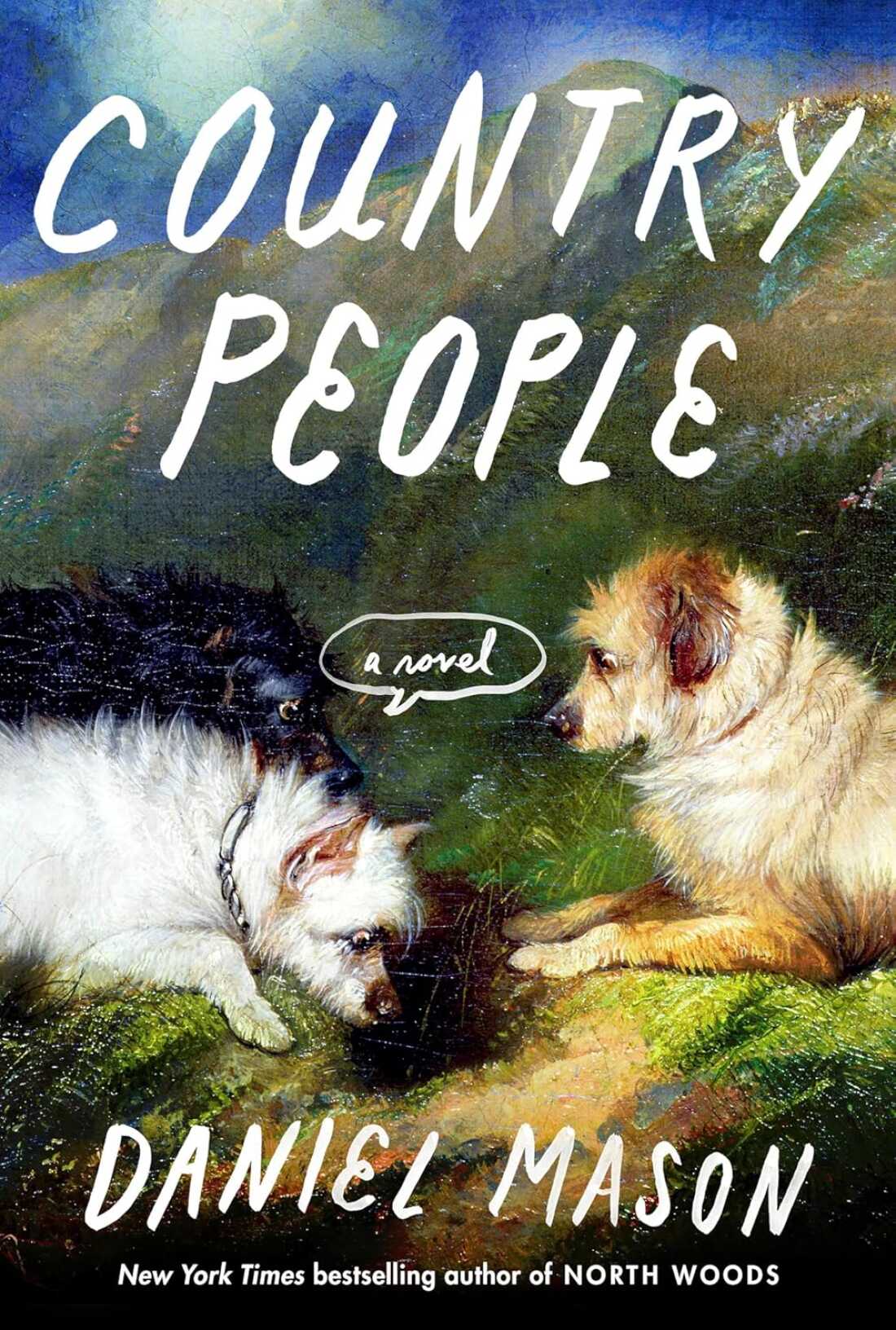
Country People, by Daniel Mason (July 7)
In Mason’s first novel since North Woods, 2023’s critical darling and book club stalwart, readers are plopped right back in the New England woods but the time scale has shrunk considerably. Whereas North Woods spanned centuries, his new novel confines itself to a single year, during which Miles, loving family man and lackadaisical Ph.D. candidate, plans to finally buckle down on that derelict degree of his and reassert his worth to one and all! At least, that’s the idea. But plans don’t stand much of a chance when there are eccentric neighbors to befriend and mysterious local legends to investigate.

Catch the Devil: A True Story of Murder, Deception, and Injustice on the Gulf Coast, by Pamela Colloff (July 14)
This is the first book from Colloff, a veteran investigative journalist for ProPublica and The New York Times Magazine. She has won multiple National Magazine Awards for stories focused on miscarriages of justice – such as her 2019 piece about Paul Skalnik, a grifter, fabulist, sexual predator and snitch, whose fabrications can be linked to dozens of wrongful convictions in Florida, including some sending the innocent to death row. Here Colloff expands upon that investigation, which gets a lot more room to breathe in the transition from magazine article to full-length book. What emerges in this disturbing account is a portrait of one man’s callous cruelty, and the law enforcers who had no problem tolerating a deal with the devil, provided it kept juicing the conviction rate.

Cloudthief, by Nathaniel Rich (July 14)
Though it’s his fiction we’re discussing here, it’s important to note Rich’s reporting has earned plaudits, too, as well as a few film adaptations. No matter the medium, climate change is usually on his mind, as well as the blunt, rather bleak, prognosis he offered on Fresh Air in 2019: “There’s a huge range of outcomes … ranging from the not very good to the apocalyptic.” Which is to say I’m surprised to find myself describing his newest response to global catastrophe as a rollicking good time – and not just because I’ve never said those words, in that order, in my life. This spry, funny caper features a freelance environmental reporter who inadvertently breaks bad, careening under the influence of lust and a light wallet toward the novel’s big centerpiece: the planned heist of a massive data center.

Data Empire: The Power of Information to Organize, Control, and Dominate, by Roopika Risam (July 14)
And now, for another book centered on data – albeit from a rather different angle. This illuminating history from Risam, a Dartmouth professor, traces the practice of collecting information – and the power conferred by possessing it – from the bones that were humans’ first archives, to the omnipresent systems that shape (or outright determine) life today. As Risam asks, “What has it meant – and what will it mean – when records that once served only to help us remember, come to rule?” A pressing question (see: those data centers), which you’re probably better served trying to answer with the help of Risam than, say, Alexa or Claude.

It Will Come Back to You: Stories, by Sigrid Nuñez (July 14)
For someone with nine novels to her name, Nuñez got a later start than you might expect, having published her first book when she was already in her mid-40s. More than three decades later, now a spry 75 years old, the National Book Award winner has gotten around to publishing her first collection of short stories. The 13 stories here have been culled from across her career, but each one resonates clearly with the warm timbre of her voice: simple, unadorned prose and mundane setups, from which she consistently manages to tease out glimpses of truth, elusive and profound.

They Stole a City: Wilmington’s White Supremacist Coup and the Families Who Live with Its Legacy, by Lauren Collins (July 14)
The only coup d’etat to succeed on U.S. soil is, at most, a distant historical afterthought these days. To be honest, I can’t recall reading a single textbook entry that even remarked on the 1898 race massacre in Wilmington, N.C., an action led by white supremacists that left many (historian estimates say up to 300) Black Wilmingtonians dead and permanently scarred a community newly aware of its simmering animus and vulnerability to violent overthrow. So I’m grateful for Collins’ new chronicle of the infamous event, which fills in some serious gaps in the American collective memory and explains how its perpetrators cultivated the disorienting silence that persists in the historical record today.

Yellow Pine, by Claire Vaye Watkins (July 21)
I don’t think I’ve ever actually laid eyes on the Mojave Desert but after reading Watkins’ latest novel, it feels like I can picture it more vividly than some streets I’ve actually lived on. No, it’s “not a beginner’s wilderness,” as Watkins concedes in Yellow Pine, but this landscape so redolent of death is also deceptively robust with life, if only you’re patient enough to find it. Too bad, then, that it’s also on fire. And choked by drought, irradiated by military test sites and soon to be sacrificed to a massive new solar array named, inexplicably, Yellow Pine. But those aren’t the only complications confronting the book’s main character, Rose, whose aspirations of becoming a kind of climate hermit warp a bit under the pressure of a rekindled love and the pendulum swing of rage and despair at the state of the world.

Cool Machine, by Colson Whitehead (July 21)
Ray Carney is back, for what regrettably appears to be the last time. The lifelong Harlemite, hard-luck furniture dealer and ambivalent crook starred previously in Harlem Shuffle and its sequel, Crook Manifesto. His perspective is our window on the changing eras of the historically Black neighborhood, from the mid-1950s on. In this, the final installment in Whitehead’s brisk, exceedingly entertaining Harlem Trilogy, readers catch up with Carney around the start of the 1980s, following him deeply into Reagan’s decade. The novel also represents the end of an era for Whitehead, whose attention has been exclusively occupied with these characters since he won Pulitzer Prizes for consecutive novels, The Underground Railroad and Nickel Boys.

Beginning Middle End, by Valeria Luiselli (July 28)
The gifted young Mexican writer returns this month with her fourth novel, the second she has written in English and her first since Lost Children Archive launched to widespread plaudits more than seven years ago. Her new book, like her previous one, also concerns the travels of a small family – only this time, the road leads not through the American Southwest but Sicily. And the history sought by its mother-daughter main characters is not a record of bureaucratic cruelty but something much more intimately personal: the links shaped and tested by generations of shared heritage and experience.



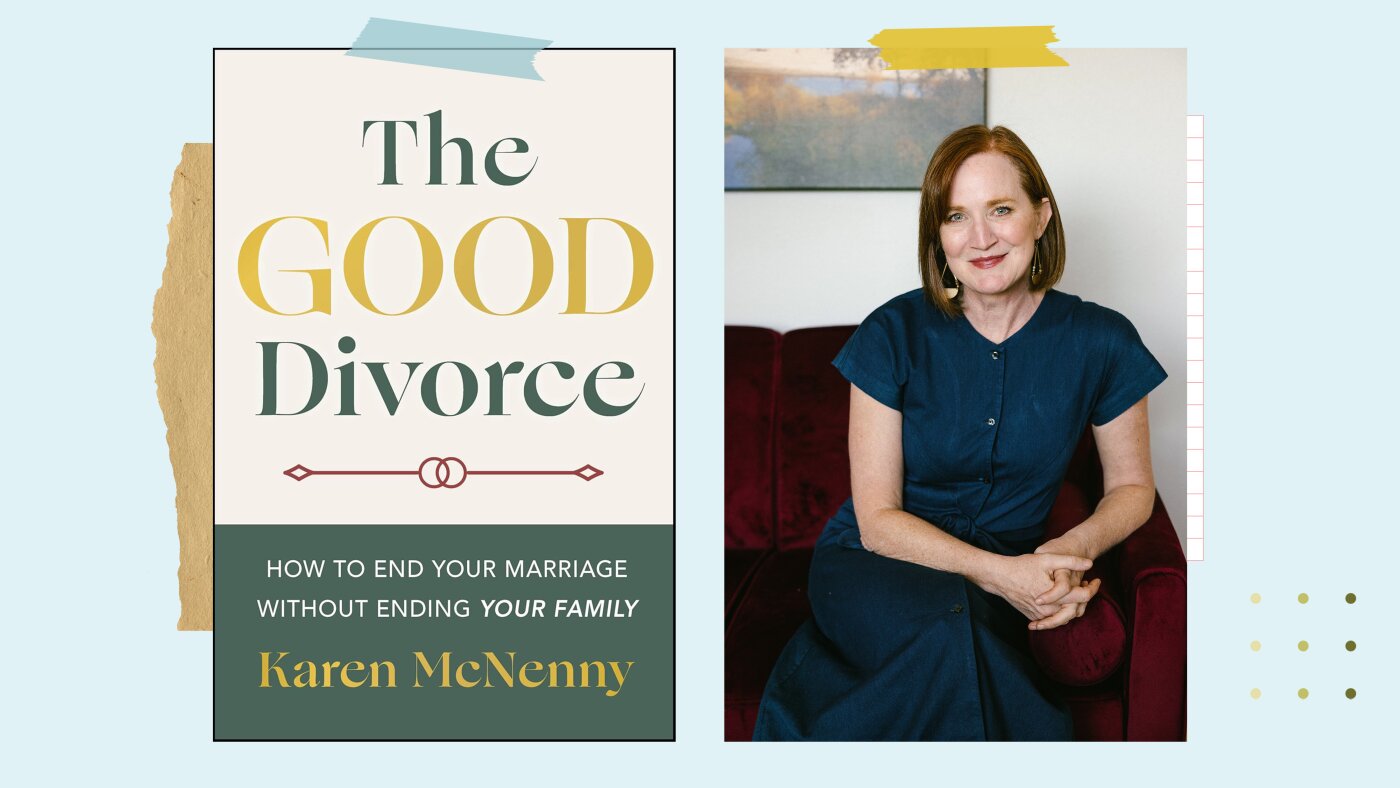
Karen McNenny is a certified divorce coach, certified co-parenting specialist and author of the book The Good Divorce: How to End Your Marriage Without Ending Your Family.
Wiley/Jossey-Bass/NPR, Nicole Wickens/NPR
hide caption
toggle caption
Wiley/Jossey-Bass/NPR, Nicole Wickens/NPR
When Karen McNenny was facing divorce about 15 years ago, she was afraid of what it would mean for her future: despair, debt and a lifetime of resentment, she says.
At the same time, she was thinking of her two children, she says. She didn’t want their father to become her enemy.
So she and her former husband chose to approach divorce differently as a couple. “We’re going to renovate and transform this family. We’re not going to destroy it,” she says. “The marriage is ending, not your relationship.”
For McNenny, a mediator, certified divorce coach and certified co-parenting specialist, divorce is a tool, not a weapon. She expands on this concept in The Good Divorce: How to End Your Marriage Without Ending Your Family, which came out this spring. The book offers guidance on how to maintain compassionate and respectful ties with a former spouse while also healing and moving forward.
According to Pew Research Center, a third of Americans who have ever been married had a first marriage that ended in divorce. For that reason, McNenny hopes her book becomes a must-read for couples before they get married. “The best time to talk about divorce is before you need to talk about it,” she says.
She shared insights from her book in a conversation with Life Kit. This interview has been edited for length and clarity.
The book is called The Good Divorce. What does that mean?
[For those with kids,] the good divorce is about protecting the future of the family while we dissolve the marriage.
After the paperwork is done and the assets have been divided, can you and your co-parent sit on the same side of the bleachers during the basketball game? Can you still see yourselves as a partnership, with the ability to have thoughtful conversations about your kids?
For those who don’t have kids, [the good divorce is] about protecting your health — your mental health and your physical health. If we are doubling down with resentment and bitterness, all of that gets stored in the body and shows up in different ways. You deserve a pathway that’s less destructive.
Let me also be clear: There are times when an amicable, collaborative process is not possible and maybe even inappropriate. For instance, where there’s active addiction, abuse, domestic violence, coercion or unmanaged mental health issues.
How do you get to a place where you don’t feel triggered by your partner, so you both can work together toward a good divorce?
That, my dear, does not happen overnight. That is more like a dimmer switch going up and down and up and down, and the gift of time helps to get there.
It’s a complex emotional journey because we do feel relief in walking away from our spouse and the challenges. But with it, there is extraordinary grief that comes with divorce that I think is often underestimated and undersupported.

If my spouse had died, people would’ve been checking in with me regularly. I never would’ve spent a holiday alone in that first year. There probably would’ve been a meal train.
But he didn’t die. My marriage died, my family structure died, my identity as a wife and a partner died. There’s so much grief through these transformations that come with divorce that we don’t see.
So supporting friends in all those ways that you would as if there had been an actual death is doing a lot for your friends who are going through divorce.
How do you let your friends, family and community know that you’re getting a divorce and that you might need support?
Put a communication strategy together. It’s not just for how we tell the kids. It’s also a communication strategy for the grandparents; to the circle of support around the kids, like teachers, coaches and mentors; and our shared community.
It’s extraordinary when a couple can write that message together, not unlike a marriage announcement. [You might say:] We’ve made a really difficult decision. We wanted to let you know. We’re not going to court. Don’t expect a battle. Please don’t ask us why. Just ask us how we’re doing. We’re on the same side as the kids. You don’t need to pick sides.
In doing so, we’ve given everyone the same information at once. It’s a unified message that comes from the parent team, and it allows your community to know how best to support you. And it takes out all the gossip and wonder about what is going on.
If you have kids and they’re splitting time between two homes, what are some ways to make that change easier for them?
Our kids were 5 and 7 when we divorced, so it was three or four nights at a time in each home. By the time they got to be about 8 or 10, it made sense to go a week in each residence. After COVID, the kids came to us and said, “Can we just have two weeks in a house? We wanna be able to settle in more.” [So we said] OK.
A lot of parents are so rigid about the schedule. There’s no flexibility. That doesn’t serve anyone. So I recommend liberating yourselves from the calendar and letting it grow and bend with your kids appropriately.
Knowing what you know now about divorce, what questions do you think couples should ask themselves before they get married?
So often when people arrive at the threshold of divorce, couples are like, “We don’t know what we’re doing.” Get educated about the business part of it.
There is no harm in having a prenuptial agreement. Even if you decided not to file it, have the conversation about the implications. What does it mean if we buy this house together? What does it mean if one of us works more and one of us works less?
We also underestimate what it means to be roommates. What are your value systems around cooking and cleaning? How much alone time do you need? It’s easy to fall in love and not know if you’re compatible.
Do you think you’d get married again?
I absolutely hope that I get to say yes to a lifelong commitment with a partner, as I believe we often are given the opportunity to become a better version of ourself through partnership.
The story was edited by Meghan Keane. The visual editor is CJ Riculan. We’d love to hear from you. Leave us a voicemail at 202-216-9823, or email us at LifeKit@npr.org.
Listen to Life Kit on Apple Podcasts and Spotify, and sign up for our newsletter. Follow us on Instagram: @nprlifekit.
-
Lifestyle35 minutes ago
10 new books you won’t want to miss in July
-

 Technology45 minutes ago
Discord accidentally banned over 8,000 people for posting grids and other ‘benign’ images
-

 World51 minutes ago
Video shows bomb rock Damascus hotel where French President Macron is staying during Syrian state visit
-

 Politics58 minutes ago
Trump could hand prized stealth jets to NATO ally once seen as alliance headache
-

 Health1 hour ago
Common gym supplement could help fight depression, new research suggests
-

 Sports1 hour ago
SJSU was told of decades-old allegations against volleyball coach during controversial 2024 season
-
 Business1 hour ago
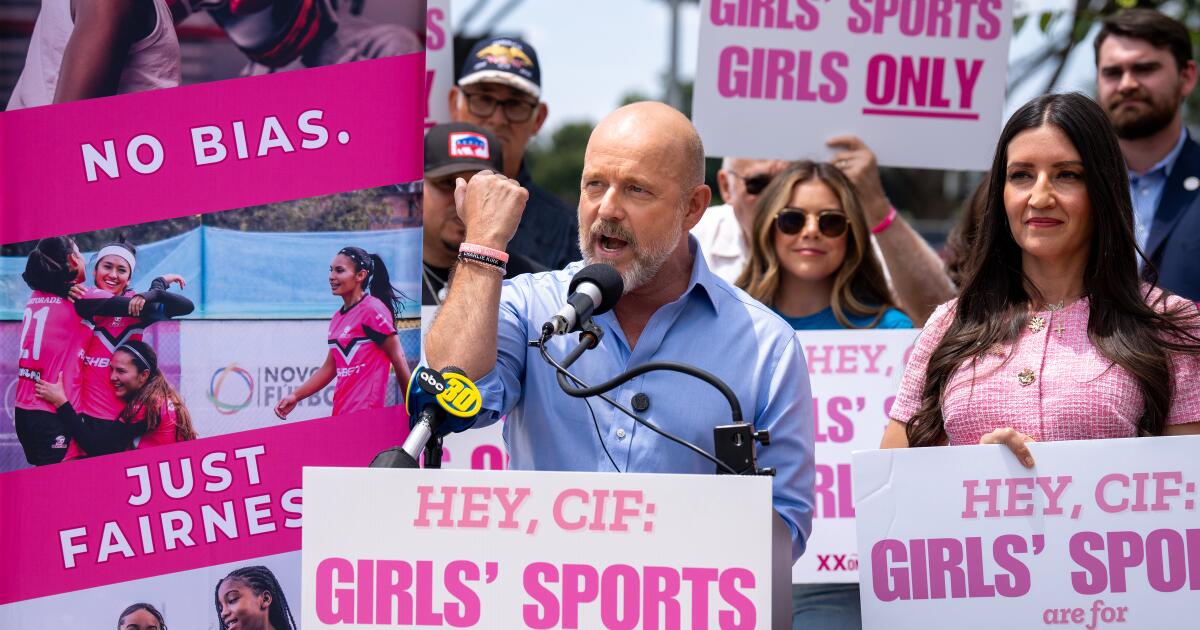
Commentary: How right-wing anti-transgender attacks led to a Supreme Court ruling upholding sex discrimination
-
 Entertainment1 hour ago
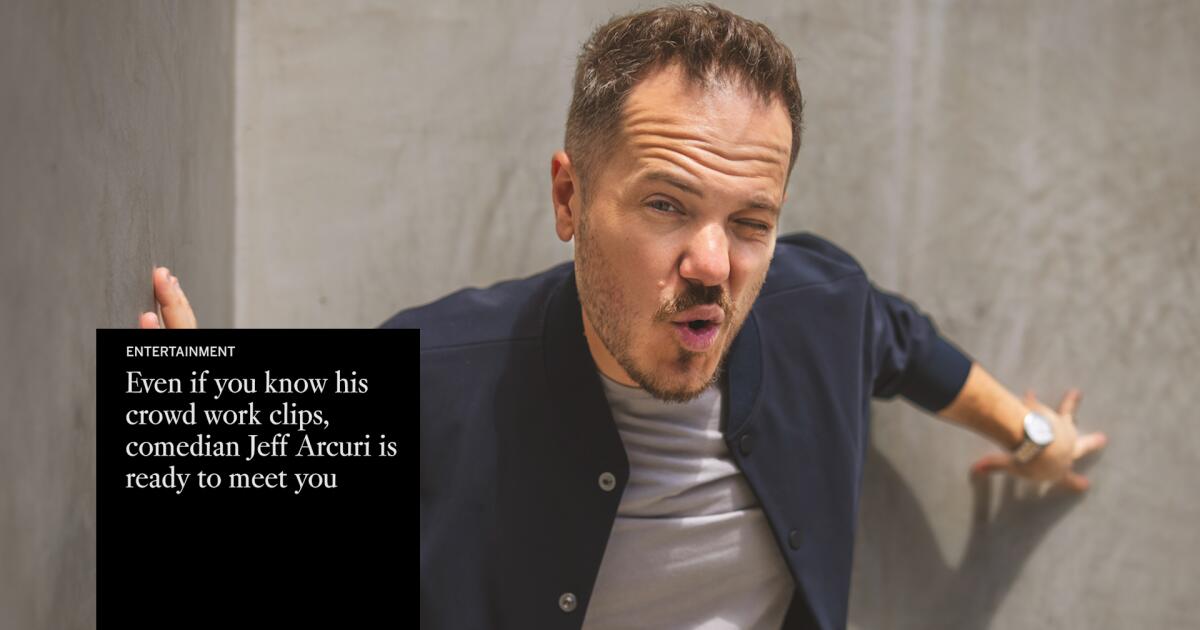
Even if you know his crowd work clips and not his name, comedian Jeff Arcuri is ready to meet you

