Lifestyle
Column: After years of running, I quit and took up Pilates. Here's how that turned out

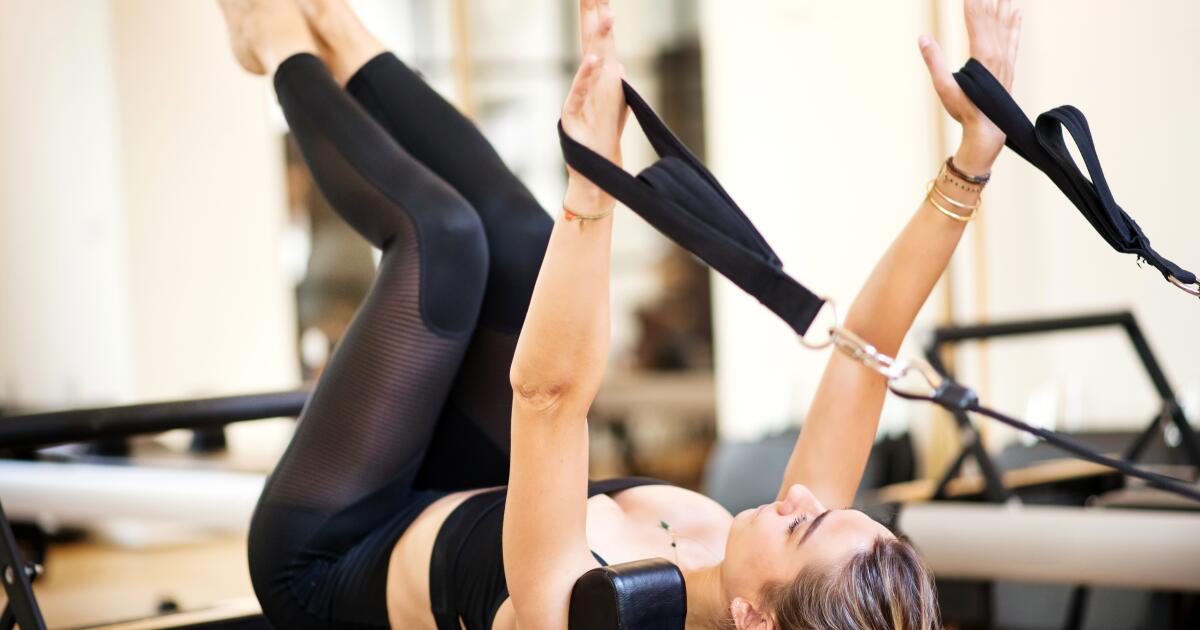
About a year and a half ago, it occurred to me that if I didn’t start working out again, I’d be sliding into a sloppy, flabby late middle age.
I had always been a runner. For more than 30 years, my workout partner and I ran regularly along the oceanfront, from Venice to Santa Monica. Rain or shine, through pregnancies, child-rearing, PTAs, marital conflict and all the things that Zorba the Greek once described as “the full catastrophe,” we talked as we ran, becoming each other’s best therapist.
And then, sometime before the COVID-19 pandemic, my partner discovered a hot new form of exercise. Our running life as we knew it was basically over as I effectively became a pickleball widow.
In 2020, when the pandemic forced us inside, I pretty much stopped running.
Around the same time, my left knee began to ache and swell. I was certain it was a result of my rambunctious golden retriever smashing into my legs. But no, said the doctor, it was arthritis. (Me? So young?)
She referred me to physical therapy. The physical therapy office never returned my calls.
Desperate (and chubby), I decided to try Pilates. Why? Because all the women streaming in and out of the nearby Pilates studio had the kind of bodies I dreamed of having. And my knee was killing me.
My first, 45-minute Pilates class was a disaster. I was lost when the instructor called out the various positions — dancing bear, French twist, reverse kneeling crunch. I sat on the Megaformer machine, panting and feeling defeated.
“Why don’t you try a few private classes until you get the hang of it?” the studio owner suggested after I complained that she didn’t offer classes for rank beginners like me.
Over the course of the next year, I spent enough money on private lessons to buy a used car. In fact, I was spending so much that I was actually relieved when my cherished instructor told me she was moving to Amsterdam.
With trepidation, I began taking group classes again. This time, it was different. I knew what to do (mostly) and could keep up (mostly).
“Booty, booty, booty,” my class instructor, DeNae D’Auria, calls out as we, on all fours, donkey kick with a bungee cord over one foot to increase resistance.
“We don’t talk about pelvic floor stability enough,” says D’Auria, who is trained in Lagree, which expands on the core concepts of Pilates but is more intense.
“Love to see those shaky shakes,” she says, our muscles trembling as we do squats, lunges and planks enough to fill a lumber yard. “Remember to slow down and breathe. The secret is time under tension.”
I first encountered a Pilates machine almost 25 years ago at the home of the iconic hairdresser Vidal Sassoon, whom I was profiling for The Times. It seemed eccentric, but he looked fantastic for a man of 71.
Pilates classes are dominated by women, but the exercise was used to treat wounded and disabled soldiers soon after it was developed by Joseph Pilates, a German bodybuilder and gymnast who was interned by the British on the Isle of Man during World War I. He improvised the first versions of his famous machines by attaching bed springs to headboards and footboards to create resistance.
He called his system of exercise “Contrology,” focusing on breathing, the postural muscles of the back and the abdominal muscles we think of as the “core.”
After decades as a “little-known form of exercise with a devout but small following that included dancers, singers, circus performers and actors,” Pilates exploded in the mid- to late 1990s, according to the authors of the 2011 book “Pilates Anatomy.” Celebrities such as Madonna and Uma Thurman touted its benefits.
“It suddenly started appearing in Hollywood movies and television commercials, in cartoons and comedy shows, and on late-night television,” wrote Rael Isacowitz and Karen Clippinger. “It became synonymous with going to Starbucks and indulging in a low-fat triple-shot soy latte (no whipped cream, please!).”
The Pilates Foundation estimates that some 12 million people worldwide practice the exercise regimen. That’s a tiny fraction of the estimated 300 million or so who practice yoga.
“Scientific research does support an array of impressive health benefits for Pilates,” the New York Times reported in 2022. “Studies suggest it may help to improve muscle endurance and flexibility, reduce chronic pain and lessen anxiety and depression.”
Pilates’ place in popular culture was solidified in April, when “Saturday Night Live” took it on in a sketch that mocked the love-hate relationship it inspires in practitioners.
“Pilates,” says a deep-voiced narrator. “From the creator of ‘Saw X’ and the marketing director for Alo comes a chilling new look at girl horror.”
For people like me who came of age during the insane era of high-impact aerobics — thanks for the sciatica, Jane Fonda! — the low-impact nature of Pilates is appealing.
I usually do four 45-minute classes a week. I wouldn’t say I look like those lithe young women who surround me there — most are so young that I could be their mother — but a taut core has developed beneath my midriff bulge.
Oh, and that awful knee pain? It’s been gone for months.



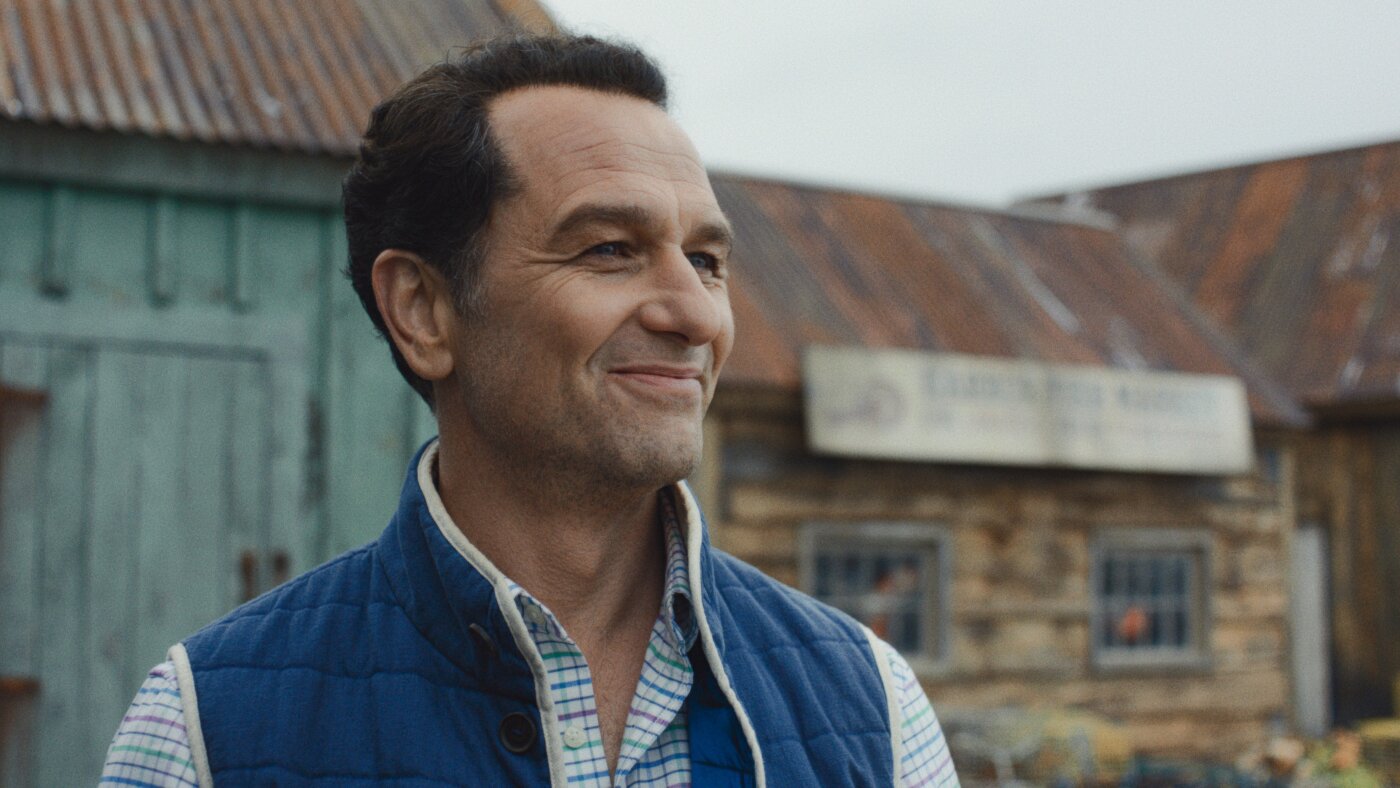
Matthew Rhys was nominated for his role in Widow’s Bay.
Apple TV
hide caption
toggle caption
Apple TV
The 2026 Emmy nominations are here. We’re unpacking the record-breaking nominations for Hacks, plus a big day for Widow’s Bay, The Pitt, and The Bear. We’ll also talk about the snubs and make some early predictions of who will win.
Connect with Pop Culture Happy Hour:
Letterboxd / Facebook
Our weekly newsletter
Support Pop Culture Happy Hour+


Can you say no to a friend’s wedding?
Getty Images/Getty images
hide caption
toggle caption
Getty Images/Getty images
Are we spending too much on other people’s weddings?
Going to a friend’s weddings can be so fun and meaningful… but it can also really hurt your wallet. A survey by LendingTree found that 31% of people who had been to a wedding in the past five years had accrued debt to attend. So what’s driving up the cost of weddings for guests? And what makes it so hard to say no to these expenses?
Brittany breaks it down with Allyson Rees, senior analyst at trend forecasting firm WGSN, and Annie Joy Williams, assistant editor at The Atlantic.
This episode was produced by Liam McBain, with additional support from Corey Antonio Rose. It was edited by Neena Pathak. Our Supervising Producer is Cher Vincent. Our Executive Producer is Barton Girdwood. Our VP of Programming is Yolanda Sangweni.
-

 Ohio5 minutes ago
Woman missing for more than 2 weeks found dead in Ohio
-
 Oklahoma7 minutes ago
LANZAMIENTO: Local organizations aiming to continue Tulsa’s food industry growth
-
Oregon13 minutes ago
Oregon Country Fair set to open Friday as crews finish preparations in Veneta
-

 Pennsylvania20 minutes ago
60th annual Central Pennsylvania Festival of the Arts now underway in State College
-

 Rhode Island23 minutes ago
Handshake Initiative instills confidence, motivation in students
-

 South-Carolina28 minutes ago
ESPN recruiting writers break down five-star Josh Dobson’s fit with South Carolina
-

 South Dakota35 minutes ago
South Dakota man faces abuse charges after authorities called to NW Iowa casino
-

 Tennessee37 minutes ago
Data centers driving up Tennessee power bills, report finds

