Lifestyle
15 books our critics can’t wait for this summer


After a long winter, readers look to summer for a respite — an opportunity to sink into stories that are magical, mysterious and memorable. If some downtime is in your plans, we have some reading to suggest.
Our book critics have previewed what’s coming to the library and bookstores this summer. Here’s what they are most looking forward to reading — and seeing you read too.

Water in the Desert: A Pilgrimage by Gary Paul Nabhan
I love books that explore nature through a sociocultural lens. Lebanese American Gary Paul Nabhan’s new book traces the story of his unusual life. Nabhan grew up along Lake Michigan’s southern dunes and was negatively singled out as a student with “disabilities.” He found his path through ecology, poetry, travel, studying Indigenous Mexican communities, becoming an Ecumenical Franciscan brother and exploring his own ancestry — all of which shape his view that Earth is “the original scripture.” An ethnobotanist, Nabhan was awarded a MacArthur “genius grant” for “insights into the relationship between culture and land.” I can’t wait to read this book. (June 2) — Martha Anne Toll

Muñeca by Cynthia Gómez
Natalia Fuentes has a plan. Violeta, the only child of the Miramontes family and the last in a long line descended from Spanish settlers and Mexican rancho owners, is magically trapped in her own body, and Nati is going to break her out. For a fee, of course. With the help of a doll, she finds a way to communicate with her client, and an unexpected romance sparks between them. But she also attracts the attention of the person who cursed Violeta, and they would do anything to stop Nati from interfering. This gothic horror tale touches on colonialism and colorism, queerness and feminism, generational trauma and familial curses. It’s at once romantic and frightening. We may be only just heading into summer, but this one is already in my top 10 for the year. (June 2) — Alex Brown
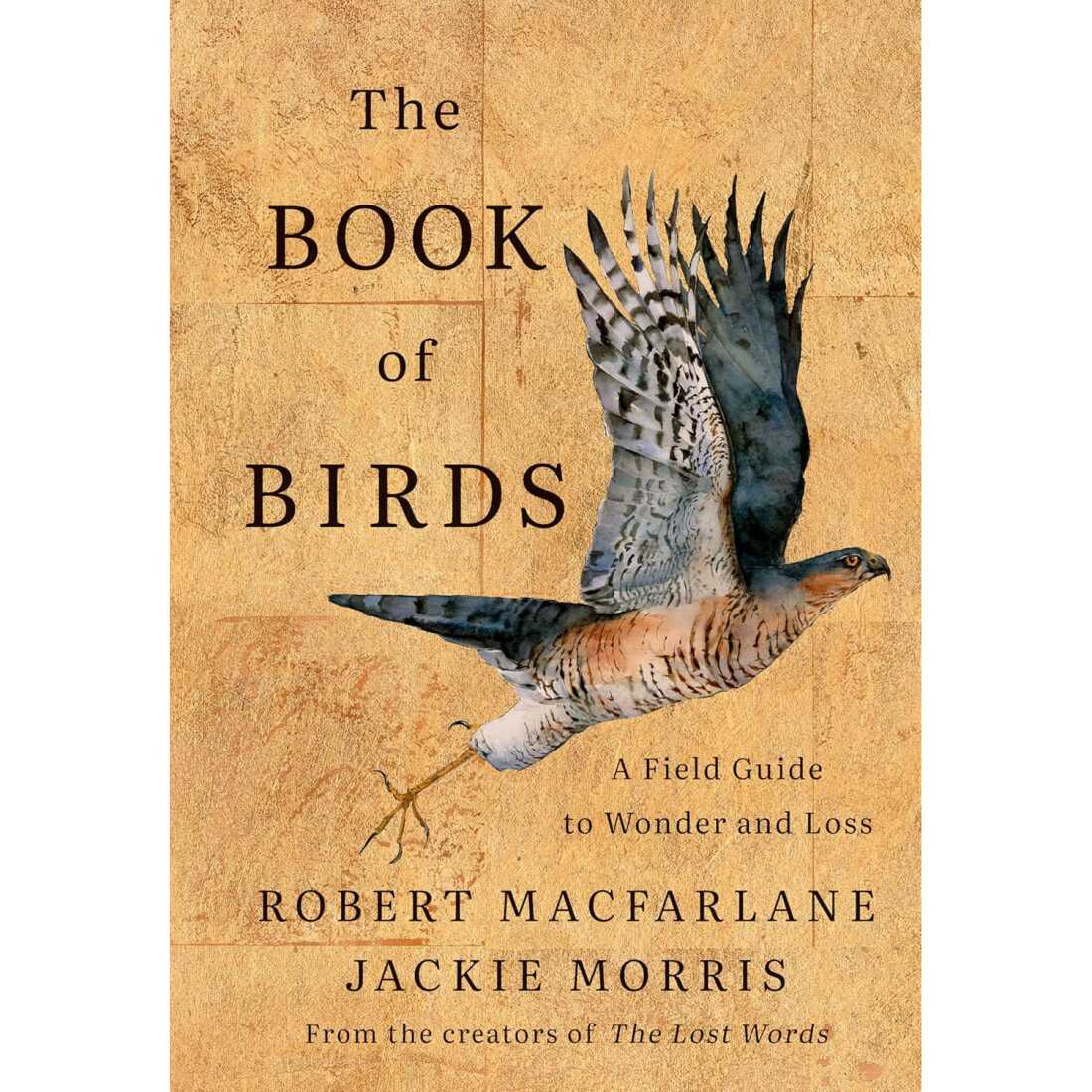
The Book of Birds: A Field Guide to Wonder and Loss by Robert Macfarlane and Jackie Morris
Whenever I encounter a belted kingfisher here in coastal Virginia, my spirits rise as I gaze at a bird with a spiky mohawk and an attitude to match. My summer nonfiction reading will kick off with The Book of Birds: A Field Guide to Wonder and Loss by nature writer Robert Macfarlane and illustrator Jackie Morris, which celebrates the lives of declining or endangered birds from kingfishers to avocets, nightingales and yellowhammers. Though British species remain the book’s focus, the joys of bird-watching span the globe, as does this pair’s invitation to revel in and protect the multispecies worlds of which we humans are one part. (June 9) — Barbara J. King

Earth 7 by Deb Olin Unferth
I discovered Deb Olin Unferth’s work years ago via her flash-fiction piece “Likable,” which became a staple on my syllabi. Years later, and now firmly a fan, I was thrilled to learn about her forthcoming novel, Earth 7. A story about a decimated future Earth and those working to collect DNA samples from its past in order to rebuild it, the novel is also about love — between two people, yes, but also the broader, more universal love their work entails. After all, preservation of what was and hope for what will be are both acts of immense care for the world. (June 9) — Ilana Masad

Twenty Minutes of Silence by Hélène Bessette, translated by Kate Briggs
This riveting translation at once slays and reinvents the mystery genre. Set in an affluent villa in Manche, France, this 1955 “poetic novel” reconstructs the clashing narratives around the 20-minute interval between a patricide and the arrival of the police. The titular concept of silence, purportedly about the accomplices’ erasure of evidence, in fact represents a linguistic and structural red herring. The articulate, seemingly uncounseled testimonies of the deceased’s adulterous wife and abused son, along with biased speculations by the chief inspector, his deputy, the journalists and the bookseller, are replete with operatic revelations. (July 14) — Thúy Đinh

Charity and Sylvia by Tillie Walden
Tillie Walden’s long-anticipated Charity & Sylvia is a graphic biography in five parts, tracking the love story of two women who openly lived together for 44 years in Weybridge, Vt., in the 1800s. Walden builds on an archive of letters, journal entries and various biographical material to offer this moving portrait told in vignettes, most captured as delicately drawn, copper-tinted, nine-panel comics. Family affairs, religious musings and intimate scenes between the two women are set against the backdrop of a young country, and state, moving through constant, and colossal, transformation. The effect is a slow, dense, contemplative read — a rare gem of a book. (June 16) — Tahneer Oksman
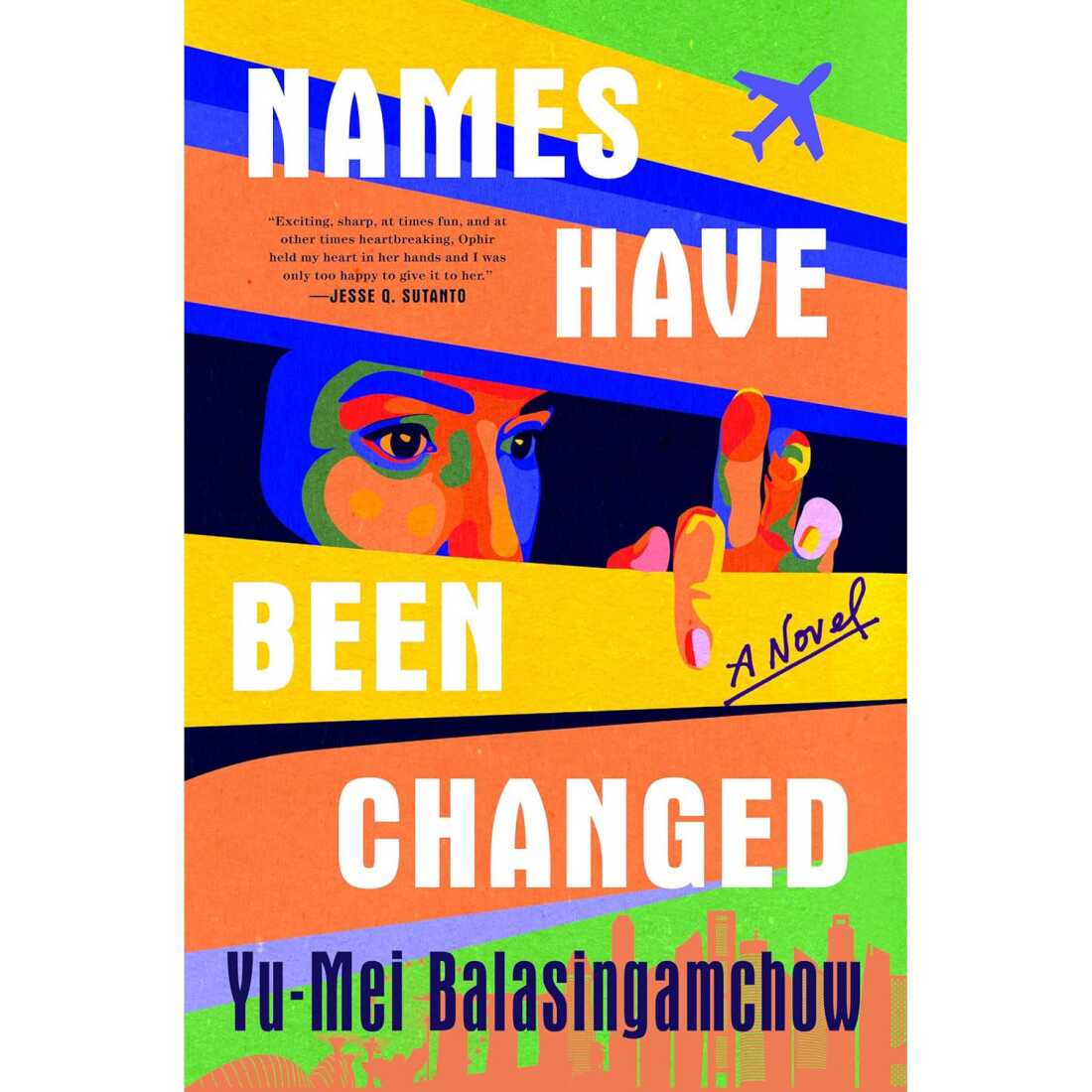
Names Have Been Changed by Yu-Mei Balasingamchow
There have been a slew of entertaining novels in the past few years about average people stumbling into criminality — think Kirstin Chen’s Counterfeit and Nina McConigley’s How to Commit a Postcolonial Murder, to name just two. But I’m especially looking forward to Names Have Been Changed. Ophir, the Singaporean protagonist, is on the run from the law for her involvement in a money-laundering scheme, and she podcasts about it from an undisclosed location. This picaresque is off to a rocking start, the first-person narration is charmingly self-effacing, and the story promises depth as well, exploring the emotional toll of being a fugitive. (June 23) — Leland Cheuk

Dead But Dreaming of Electric Sheep by Paul Tremblay
Paul Tremblay has made a career out of reinventing himself as an author with every novel, and in his upcoming Dead but Dreaming of Electric Sheep, he does it yet again. The book is a creepy and unexpectedly humorous science-fiction romp about a young woman who takes a job using a cellphone/remote control to pilot a man in a vegetative state from California to the East Coast while the man goes through a surreal nightmare. A master storyteller, Tremblay’s b(l)ending of genres here truly is a perfect beach read. (June 30) — Gabino Iglesias

Country People by Daniel Mason
I so loved Daniel Mason’s North Woods, which spans four centuries in the life of a Massachusetts house, that I’m eager to read whatever he writes. Country People is quite different. His first contemporary novel spans just one year — the length of a visiting professorship that brings Kate and her family from California to Vermont. The hope is that her husband will finally finish his long-overdue dissertation on Russian folktales, but instead he gets pulled in by some colorful locals and a bizarre, fantastical legend. It’s apparent from a quick peek that Mason has fun exploring marriage, friendship, parenthood and the beguiling allure of storytelling and fantasy in this upbeat romp. (July 7) — Heller McAlpin

An Infinite Love Story by Chanel Cleeton
An Infinite Love Story is a sweeping romantic drama with a touch of magical realism from the bestselling author of The Lost Story of Eva Fuentes. Chanel Cleeton is one of my auto-buy authors — and I was hooked on this new book immediately. Cleeton’s ability to pull readers in quickly and deeply through her storytelling makes her a go-to author for an immersive reading experience. Set during the Space Race of the 1960s, this story follows the wife of an astronaut who is lost in space, who refuses to believe her husband is gone forever. Vivian and Joe’s love is unforgettable, and so is Cleeton’s writing. She had me from the dedication. (July 7) — Denny S. Bryce

The Great Wherever by Shannon Sanders
After winning the LA Times Book Prize for her story collection Company, expectations were running high for Shannon Sanders’ first novel. A playful and poignant intergenerational saga about a haunted farm in which ancestors watch over and critique the living for posterity and entertainment, The Great Wherever leaps over that bar. The story pays tribute to the lasting legacy of Sanders’ ancestors (land that’s been in the family for a century), while creating something inventive and new. From an undead perspective, haunting is believably bittersweet; it’s “better than the best reality TV,” but “lesser, of course, than the thrill of both seeing and being seen.” I was hooked from the first sentence. (July 7) — Carole V. Bell

Data Empire: The Power of Information to Organize, Control, and Dominate by Roopika Risam
Data centers have been making me anxious for a while, largely because of the environmental impacts — the massive draw on the electrical grid, the millions of gallons of clean water they require for cooling, the massive carbon footprint. The harm caused by data center infrastructure is only part of the problem, though. Roopika Risam’s newest book, Data Empire: The Power of Information to Organize, Control, and Dominate, explores “how data has always been the seed of power,” tracing its centrality from Mesopotamia to today. A book that promises not to just show how empires have collected and weaponized data over the ages, but also how we can resist, is an easy must-read for me. (July 14) — Ericka Taylor
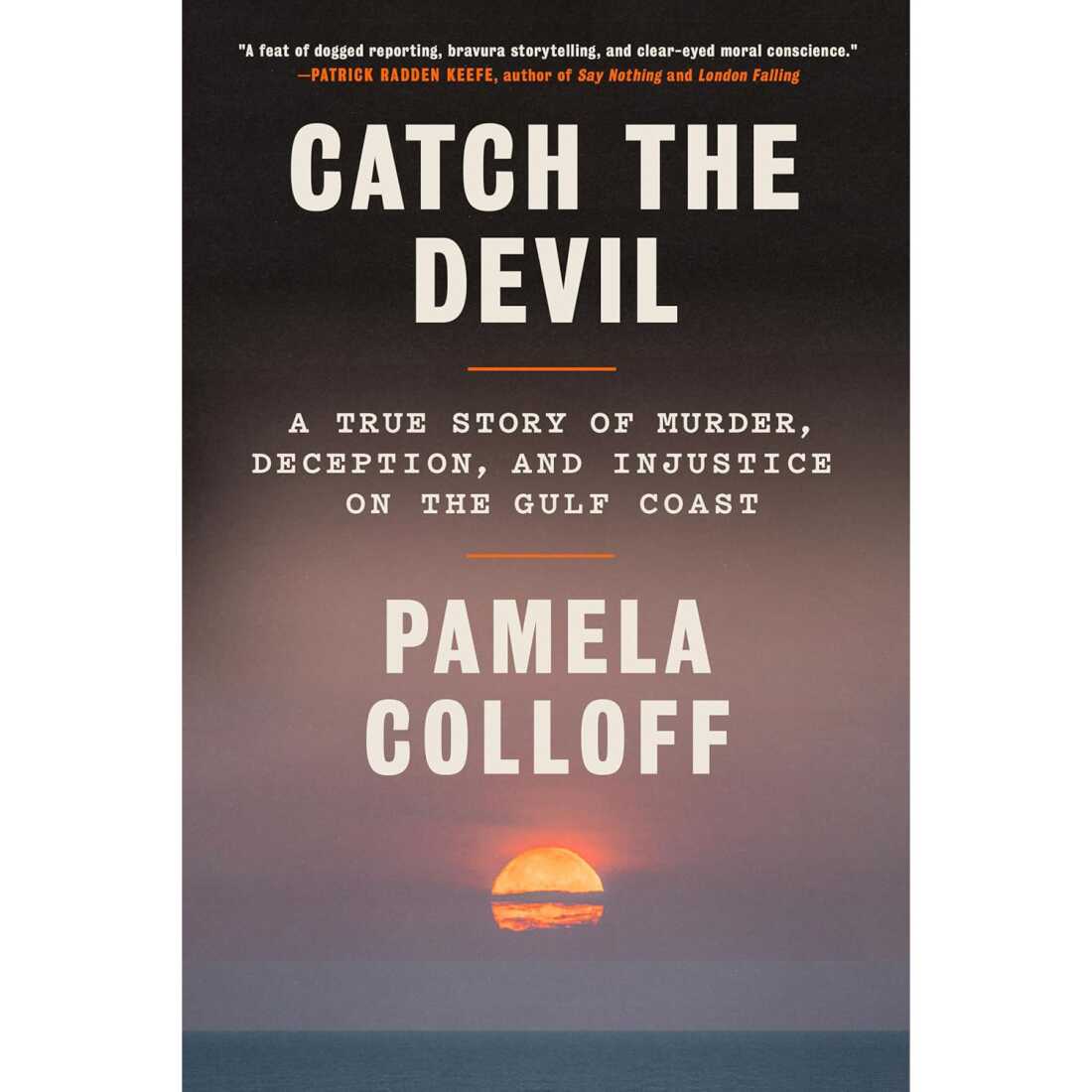
Catch the Devil: A True Story of Murder, Deception, and Injustice on the Gulf Coast by Pamela Colloff
I have been a fan of Pamela Colloff’s investigative journalism since 2018, when ProPublica and The New York Times Magazine published a narrative feature on junk forensic science. Her first book builds on her 2019 feature about a con artist who became one of America’s most prolific jailhouse informants. Despite his reputation as a liar and grifter, prosecutors were all too willing to believe the “useful” stories he spun — including about defendants who were ultimately sentenced to death. Unfolding in cinematic detail, Catch the Devil offers a riveting and disturbing account of the potentially fatal consequences of a criminal legal system that is more concerned with securing convictions than determining the truth and delivering justice. (July 14) — Kristen Martin

Yellow Pine by Claire Vaye Watkins
I’ve been an admirer of Claire Vaye Watkins since her debut book, the story collection Battleborn, was published in 2012. As good as that book was, I was blown away by her novels, Gold Fame Citrus and I Love You but I’ve Chosen Darkness, both of which brought the American West to life with Watkins’ formidable wit and audacity. I can’t wait for her new novel, which follows a single mother living in an intentional community in the Mojave Desert. Watkins is known for taking risks, and she never repeats herself — I’m betting that her latest book will showcase her genius at storytelling and her love for the rugged landscape of the West. (July 21) — Michael Schaub
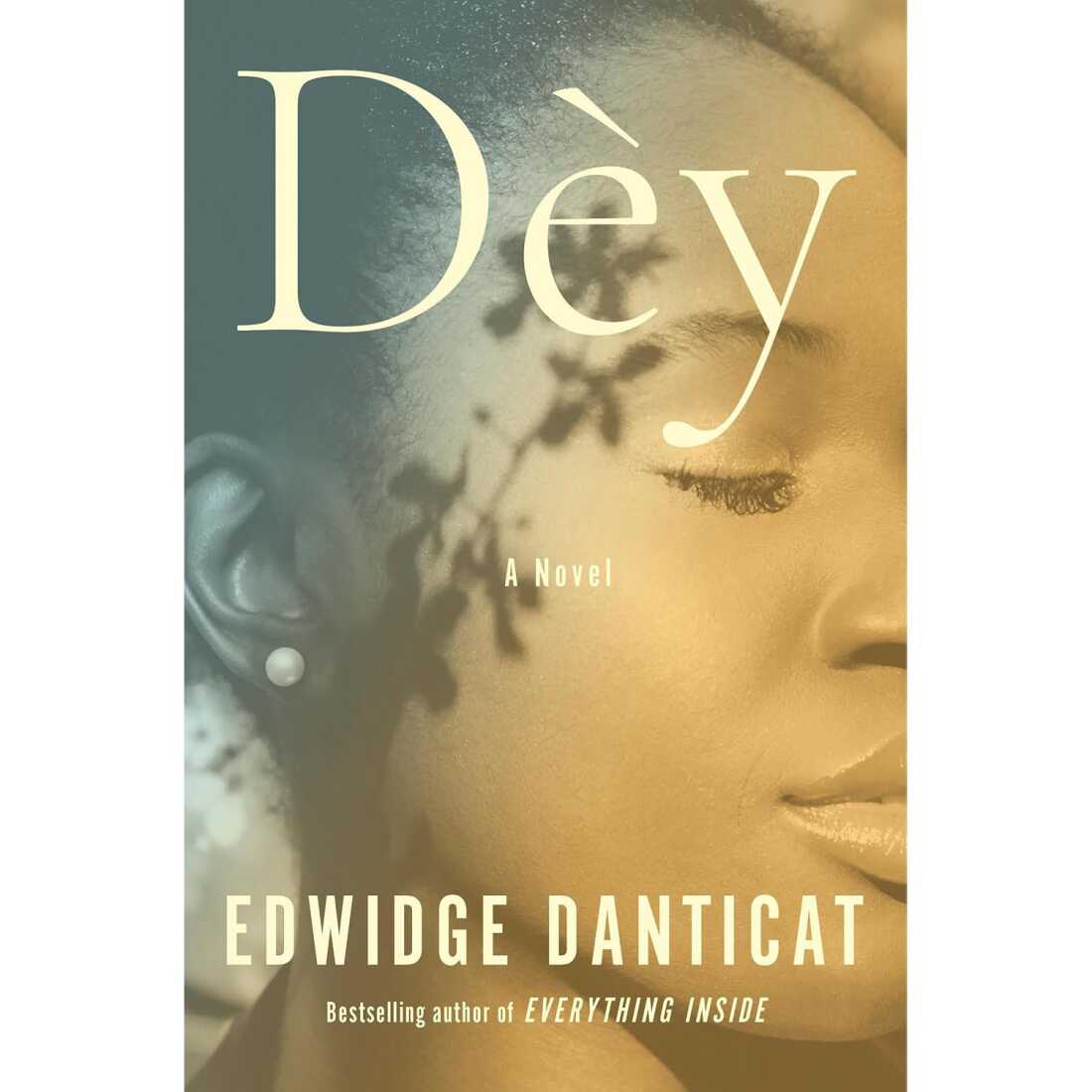
Dèy by Edwidge Danticat
Edwidge Danticat is an author whose work truly captures the Haitian American immigrant experience with prose that is so languid and all-consuming that one never wants to be released from its grasp. In her first novel in over a decade, she offers a beautiful exploration of migration, gentrification and political instability. The title — Dèy, the Haitian Creole word for “mourning” — immediately caught my attention, as many Americans are in this state today, for their own country. The novel introduces us to Magnolia, a successful real estate agent in Miami whose outlook on life changes after she is caught in a mall shooting. A story that allows us to reassess love and grief, Dèy is a novel of now. (Aug. 25) — Keishel Williams

Lifestyle
Spain could make World Cup history: The first to win men’s and women’s trophies back-to-back

Pedro Porro #12 of Spain celebrates after the 2-0 victory during the FIFA World Cup 2026 Semi Final match between France and Spain at Dallas Stadium on July 14, 2026 in Arlington, Texas.
Florencia Tan Jun/Getty Images
hide caption
toggle caption
Florencia Tan Jun/Getty Images
If the Spanish Men’s National Team pulls off a World Cup victory on Sunday, the Spanish football federation would make history as the first to bring home successive World Cup championships on the men’s and women’s side in the history of the tournament.
The women’s team won the 2023 World Cup and will enter next year’s tournament in Brazil as defending champions. While the men’s team has been a perennial contender, appearing in 17 out of 23 World Cup tournaments, they last won the Trophy back in 2010.
The FIFA Women’s World Cup has had a much shorter history than its male counterpart; having started in 1991 compared to 1930 for the men. During that time, it has only had five different champions: the United States, Germany, Norway, Japan and Spain.
Only two of those teams, Germany and Spain, have also won the men’s World Cup.
The Spanish System
Spain has a robust men’s soccer league system, led by the Campeonato Nacional de Liga de Primera División, more commonly known as La Liga. Its teams are consistently among the top-ranked in Europe.
Real Madrid, based in the capitol, is one of the world’s most successful soccer clubs. FC Barcelona is the third-most valuable soccer club in the world, and Argentina’s Lionel Messi broke Brazilian legend Pelé’s record for most goals scored for a single club for the Catalonian team. Trips to Barcelona’s stadium, Camp Nou, have reached near-pilgrimage status for diehard soccer fans.

Spain’s players and officials celebrate with the trophy after winning the Australia and New Zealand 2023 Women’s World Cup final football match between Spain and England at Stadium Australia in Sydney on August 20, 2023.
Franck Fife/AFP via Getty Images
hide caption
toggle caption
Franck Fife/AFP via Getty Images
Spanish women’s soccer has lagged far behind, with both a league and a national team system plagued by poor coaching, underinvestment and abuse.
In 2015, the entire Women’s World Cup squad successfully called for the removal of coach Ignacio Quereda, whose leadership of the team since 1988 led many female players to accuse the Royal Spanish Football Federation of indifference to the women’s team. Even before the 2015 tournament, some longtime national team players said they refused to return to international duty as long as Quereda kept coaching.
In a 2021 documentary, “Romper el silencio,” players alleged Quereda sexually harassed and verbally abused them.
In the run-up to Spain’s 2023 Women’s World Cup victory, players again called for improvements to the women’s national team training and resources, with 15 players asking not to receive a national team call-up until the federation made changes.
Then, after Spain won, federation president Luis Rubiales forcibly kissed forward Jenni Hermoso, alongside other alleged indecent behavior. The entire Women’s World Cup squad stood behind Hermoso, calling for the removal of Rubiales and national team coach Jorge Vilda, who supported Rubiales. The players turned the international spotlight and goodwill of their 2023 victory into an international rallying cry that highlighted the poor treatment of female players.
Rubiales was suspended for three years, then tried and found guilty of sexual assault.
Members of the current Spanish men’s World Cup squad supported Hermoso and the other Spanish players in the wake of the Rubiales incident. Borja Iglesias, a striker, refused to play for the Spanish federation after Hermoso’s assault until Rubiales was removed.
In a viral moment on Tuesday, he found Hermoso on the sidelines after Spain defeated France in the World Cup semifinal and they hugged.
Spain will face Argentina at 3pm ET Sunday in New Jersey.

Madeline Fox is News Director at KCUR. For more World Cup coverage from KCUR, check out Soccer City 2026.

Universal Studios Hollywood has long been slated to have the biggest theme park opening of 2026 with its new high-speed coaster, Fast & Furious: Hollywood Drift. But with no officially announced opening date, questions have started to intensify and rumors have begun to swirl as to what may be causing the park to go radio silent on what is expected to be its centerpiece attraction.
According to Universal, there is no need for concern.
Yet speculation has zeroed in on the potential noise of the coaster as being a problem for residents of the nearby of Toluca Lake. Rumors were fueled Friday by Fox 11 Los Angeles reporting, via a since-deleted post on social media network X that Hollywood Drift’s opening had been delayed at least until the end of year due to neighborhood complaints. Videos of audible screams of riders on the coaster have gone viral in recent weeks.
A spokesperson for Universal said reports that the coaster’s opening is postponed until the end of 2026 are “not accurate” and disputed the notion that the coaster has been delayed. Fast & Furious: Hollywood Drift, the spokesperson said, is still on target to open before the end of summer.
“We expect to announce an opening date soon,” read an official statement from the company. “The information online is incorrect.”
The summer season lasts through the end of September. The park begins its popular fall Halloween Horror Nights on Sept. 3. Tickets for the latter are currently on sale, and Universal is promising access to Hollywood Drift for those who purchase its line-skipping express pass, which starts at $259.
Sources familiar with the coaster’s operations have also disputed the notion that noise is a cause for the coaster having not yet opened, instead pointing to more routine mechanical issues that have arisen during its test and adjustment phase. One theme park insider, however, stressed that when Hollywood Drift does open, it will likely be considered a “top-5, or top-10 coaster, in the world.”
The view of Fast & Furious: Hollywood Drift from Universal Studios Hollywood’s Wizarding World of Harry Potter.
(Todd Martens / Los Angeles Times)
Fast & Furious: Hollywood Drift is unique in that it is a 72 mph ride with vehicles created to rotate 360 degrees through multiple inversions. Designed to mimic the feel of stunt cars, its four-seated vehicles will twist and turn through banks in the track in an effort to create a drifting sensation.
Universal’s own website earlier this summer posted June 26 as an opening date, and while that was once the targeted launch, the date was quickly removed from the site. Universal began hosting media for walkthroughs of the coaster in May.
Fast & Furious: Hollywood Drift has been in the works for than a decade. Built essentially on a cliff between the park’s upper and lower lots, the ride’s existence is a feat of engineering, and Universal has described it as among the most intense attractions in its global park portfolio.
Before land was moved, Universal began a series of tests to track how noise would travel through the surrounding neighborhood. Universal placed speakers on the old special effects and stunt buildings to see how ride screams traveled down the hill.
Ultimately, the tracks would be complemented with multiple sound walls and shields, the latter clear structures designed to block coaster rumbles and audience screams. And because the cars can rotate 360 degrees, Universal can in theory direct rider yells away from the studio below and the neighborhood nearby. The actual track has been filled with pea gravel, designed to minimize noise from any reverberations.
“It’s incredibly quiet,” said Jon Corfino, the lead creative at Universal Studios Hollywood. “We were able to do that by putting materials inside portions of the track to deaden the sound. I’m not sure we would have needed it, but it was important to do the right thing. It’s pea gravel and rocks. It’s quieter than I ever thought it was going to be.”
Fast & Furious: Hollywood Drift isn’t the only notable coaster slated to open in Southern California this year. Buena Park’s Knott’s Berry Farm initially intended to launch its reimagined Montezooma’s Revenge, now known as Montezooma: The Forbidden Fortress, on Monday. Late last night, the park indefinitely delayed its public unveiling, with a spokesperson citing additional fine-tuning that surfaced during its final days of testing.
The delay is not expected to be a prolonged one.
“We appreciate everyone’s understanding and look forward to welcoming media and guests in the coming days when we can showcase the attraction exactly as intended,” read a statement from the park. Montezooma: The Forbidden Fortress has been in development for the past four years.
Farrar, Straus and Giroux
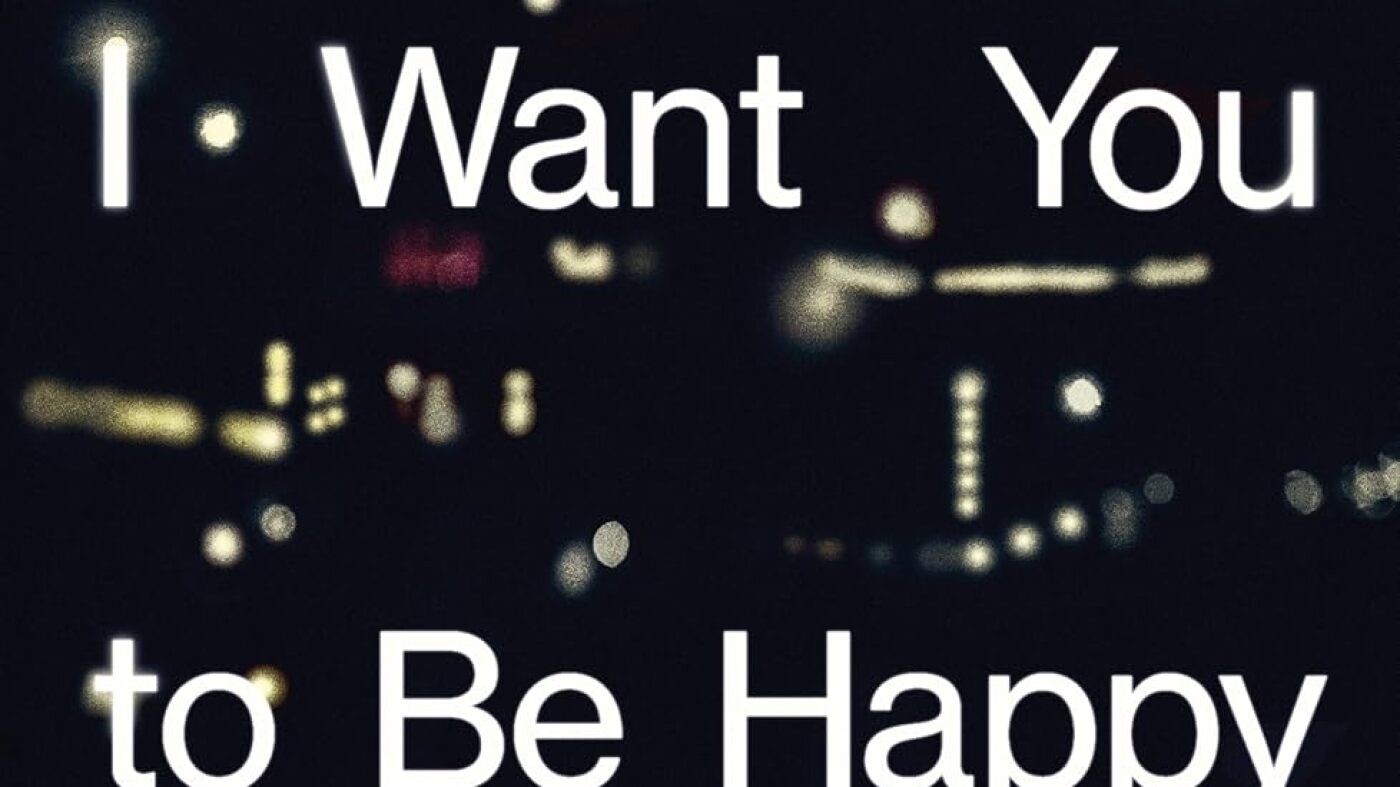
English writer Jem Calder’s debut novel, I Want You To Be Happy, reports from the frontlines of modern-day dating. His book is good – but the news is not.
A man in his mid-30s who recently broke off his engagement with his longtime girlfriend meets a young woman at a crowded London bar. He’s a copywriter, she’s a 23-year-old barista. Despite his intention not to talk about his breakup, he finds himself “shouting specific details directly in her ear.” “Pretty intense,” she yells back. He apologizes. “No-no, I like it,” she yells. “It’s like boarding a plane. You go baggage first.”
Neither can think what to say next. After an “interpersonal silence containing all the bar-noise,” they share a few drinks, their first names (Chuck and Joey), some quips about their 12 year age gap and her lack of what he calls “a real job.” They end up at his luxury apartment, which is far nicer than her crowded shared flat.
In other words, Calder’s characters have boarded a plane, baggage first — with no idea where it will land. Will it lead to an actual relationship, nevermind happiness?

Calder made a splash with his first book, Reward System, a collection of six interconnected short stories about young adults linked by social media yet adrift and alienated in today’s fragmented digital world. The title of one story, “Distraction from Sadness is Not the Same Thing as Happiness,” could also work for this closely observed, sad-but-sympathetic novel about the cagey, jittery dance that characterizes the modern-day mating game.
Chuck and Joey are guarded and uncertain. We get to know them better than they get to know each other — their insecurities and disappointments with themselves as well as others. Their fundamental imbalances — age, financial, commitment levels — lead to a wobbly connection. The discovery that they share literary aspirations (poetry for her, prose for him) and write around their day jobs opens up the potential for some sort of bond. Their nascent relationship stirs “a dormant feeling of possibility” in both of them. But a talent gap opens up an abyss. (I won’t say who has more.)
Joey is hopeful, always on stand-by for texts: “A new person finding you interesting makes you feel new,” she ruminates in this tight, third person narrative that alternates between the male and female perspective. Interestingly, although the author is male, the female character comes across as far more sympathetic.
Joey understands that she needs to wait before replying to texts, because responding too quickly betrays “an underlying neediness and desperation.” Chuck is generally avoidant in all aspects of his life — with alcohol as his chosen support system. It’s important to both of them to convey nonchalance. Neither wants to come across as a “tryhard.”
There’s nothing new about this, of course: Self doubts, waiting by the phone, playing hard to get, “acting noncommittal in the hopes of gaming his desire.” It’s a tale as old as time, with updated electronic devices.
Both characters are addicted to instant gratification: brand name status items, cyclist-delivered meals, push notifications, Instagram scrolling, podcasts, alcohol, smoking, vaping, sex, screens. They are constantly plugged in and online, compulsively checking their media feeds. One night, trying to distract herself from “recursive worries” about her finances and future, Joey spends “twenty of her non-refundable life minutes researching the relationship timeline of an actor she liked and a musician she didn’t like as much.”
Calder writes with precision, channeling his generation’s activities with a mix of interiority and verbs fabricated to convey the mechanical rote of their daily activities. These are people who routinely “gaze-unlocked” their phones, “V-60-ed” some coffee, and “escalatored” up to open plan spaces at work, where, lacking assigned cubicles, they “hot-desked” and then “sense-checked the work.” And at the end of the day, they “cheersed” drinks.
I Want You to Be Happy would have packed more punch at novella-length. Yet readers of all generations should be able to relate to these characters’ waves of disconsolate loneliness, if not how they deal with it. Older readers might recall their own anxieties about the future — but mostly feel relief that they’re no longer out there.
-
Lifestyle31 minutes ago
Spain could make World Cup history: The first to win men’s and women’s trophies back-to-back
-

 Technology43 minutes ago
Taylor Farms pulls iceberg lettuce from the US market after cyclosporiasis outbreak
-

 World49 minutes ago
Who is Andy Burnham? The Trump critic set to become the UK’s next prime minister
-

 Politics55 minutes ago
Major appeals court declares New Jersey AR-15 ban unconstitutional in landmark Second Amendment ruling
-

 Health1 hour ago
First death reported in Upper East Side Legionnaires’ disease outbreak as cases rise to 67
-

 Sports1 hour ago
Raising Cane’s owner Todd Graves on how viral Tom Brady-Rob Gronkowski dunk tank came to be at Fanatics Fest
-

 Technology1 hour ago
Fox News AI Newsletter: IBM’s AI warning sends ‘shockwave’
-
 Business1 hour ago
Netflix is the king of streaming. So why is its stock down this year?

