Fitness
Fitness expert shares 5 exercises your parents need to do in their 60s for strong knees. All you need is a chair


As your parents grow old, their joints start aching, and bones become weak. While walking and simple daily activities are great for keeping them active, it is also important for them to strengthen their bones. Fitness expert and nutritionist Rishabh, who often shared workout videos to help his followers become active, recently shared a clip in which he shared five exercises he designed for his mother to help her strengthen her knees at 62.
5 exercises to strengthen your parents’ knees
Rishabh shared the clip with the caption, “5 exercises I get my mother to do to have her build strong knees. Share this with your parents, friends and anyone else who can make use of this routine. I hope this helps.” He even shared the steps to the workouts. All you will need is a chair. Here are the five exercises he suggested:
1. Calf raises
To do the calf raises, the fitness expert made his mother move the entire weight onto the toes while going up. While coming down back to her heels, he made her slow down the descent. He suggested doing the exercise for 18 to 20 repetitions.
2. Hip flexor lift
Take a chair and sit down. Now, lift one leg at a time using only the hip. Keep alternating for 20 repetitions.
3. Seated toe raises
Make your parents sit closer to the edge of the chair and ask them to plant their feet on the ground. Now, they will have to raise their toes completely off the ground, as much as they can manage. Slowly bring the toes back down and do the exercise for 20 repetitions.
4. Knee extensions
Place your feet firmly on the ground while sitting on a chair. Then, extend your kneed parallel to the ground, one at a time. Pause your leg for a fraction of a second in the air, and then apply some resistance on your parent’s leg from the top. Ask them to push it back. Then, slowly bring the leg down to the ground and repeat the exercise.
5. Hamstring curls
For this exercise, stand while holding the back of the chair for support and bend the knee to a 90-degree angle [parallel to the ground]. Then, do the same drill. Apply some pressure on the leg and ask them to push back and slowly bring their leg down. Repeat.
Things to keep in mind
In the end, the coach added that he finishes off the routine by asking his mom to do a 5-minute backward walk. Additionally, he suggested that if you are assisting your parents, make sure the surroundings are safe and clean to avoid any injuries.
Disclaimer: This article is for informational purposes only and not a substitute for professional medical advice. Always seek the advice of your doctor with any questions about a medical condition.



Fitness
Caroline Idiens and Jenni Falconer’s time-efficient 9-exercise workout builds full-body strength in 30 minutes

Think you need to spend hours in the gym for a workout to be effective? Think again! There are an infinite number of bodyweight and minimal-equipment workouts that are just as efficient as working out in a gym, including this 30-minute, 9-move workout from former Women’s Health cover star and founder of virtual fitness platform Caroline’s Circuits, Caroline Idiens.
Idiens recently performed the workout – which only uses two dumbbells – with radio and TV presenter and keen runner Jenni Falconer, who recently told WH she has been upping her strength sessions.
Sarcopenia – age-related muscle loss – can start to take effect as early as 30. After that, research suggests muscle mass decreases by approximately 3-8% per decade, with the rate of decline speeding up after 60. But the good news is that there is a lot that we can do to significantly slow, manage and in some cases even reverse sarcopenia – starting with short, full-body workouts such as this one.
‘It’s such a great circuit using all muscle groups in 30 mins, some of my favourite functional full body exercises,’ writes Idiens.
The 30-minute full-body circuit
Warm up, then perform each exercise for 40 secs followed by 20 secs rest. Complete 3 rounds of the circuit.
For reference, Idiens and Jenni are using 4kg + 3kg dumbbells, but choose your weight based on what you feel comfortable with.
- Squat alternate press
- RDL with row
- Reverse lunge knee drive (repeat other side)
- Sumo squat front raise
- Curtsy lunge lateral raise (repeat other side)
- Shoulder press
- Glute bridge with skull crusher
- Crunch with extension
- Weighted dead bugs
How to do the exercises
1. Squat alternate press
- Hold a dumbbell in each hand, keeping your feet a bit wider than shoulder-width apart.
- As you stand up from the squat, press one dumbbell overhead.
- Lower it back to shoulder height as you return to the squat, then repeat on the opposite side.
2. RDL + row

- Stand with your feet hip-width apart and knees slightly bent. Hold one dumbbell in each hand, and place them in front of hips with palms facing thighs.
- Keeping your spine neutral and your shoulder blades squeezed together, hinge at your hips and send them back.
- Keeping the dumbbells close to your body, lower them down so they are in front of your shins.
- With your back flat and torso at a 45-degree angle, keep your core engaged.
- Row the dumbbells towards your hips, squeezing your shoulder blades together at the top, then lower them back down with control.
- Drive through your heels to fully extend your hips and knees to drive back to the starting position, squeezing your glutes at the top, but not thrusting so far that your back overextends.
3. Reverse lunge knee drive
- Stand with feet shoulder-width apart, holding your dumbbells on your shoulders.
- With your right foot, step back about one and a half times your normal stride length, landing with the ball of that foot on the ground and your heel up
- Lower your back knee until it gently grazes the floor, creating a 90-degree angle in your front leg.
- Push through the heel and mid-foot of the front leg to return to standing and drive your knee up.
4. Sumo squat front raise
- Hold both dumbbells in front of you with your palms facing down. Stand with your feet slightly wider than shoulder-width apart, your weight evenly distributed and your toes turned out.
- Keep your core tight and chest tall as you inhale, bend your knees, and sink your hips down until your thighs are parallel to the floor. At the same time, bring your arms down so they are parallel with your torso.
- As you stand up, raise the dumbbells back to eye level without using momentum.
5. Curtsy lunge lateral raise
- Stand with your feet hip-width apart, with a dumbbell in each hand, arms by your sides, palms facing inwards.
- Take a big step back with your right leg, crossing it behind your left. Bend your knees and lower your hips until your left thigh is nearly parallel to the floor.
- As you take that big step, lift the dumbbells out to the sides with straight arms, going no higher than shoulder height.
- Lower the dumbbells back to the starting position with control as you return to standing from the curtsy lunge.
6. Shoulder press
- Kneel with a dumbbell in each hand. Bend your elbows at 90 degrees with the dumbbells at ear level and your palms facing forward.
- Now straighten your arms and press the dumbbells towards the ceiling, then slowly return to the start and stop once your elbows and arms are at 90 degrees.
7. Glute bridge with skull crusher
- Lie flat on your back, with your knees bent, and feet flat on the floor. Your feet should be hip-width apart. Hold your dumbbells directly above you with palms facing inwards.
- On an exhale, squeeze your glutes and push your heels into the floor to lift your hips up towards the ceiling. As you pause for a moment at the top, bring your arms down so that your dumbbells come down just behind your shoulders.
- Bend your elbows to lower the dumbbells towards either side of your head.
- Slowly lower back down (first shoulders, then lower back, then bum) to the mat.
8. Crunch with extension
- Lie flat on your back holding one dumbbell with both hands above your chest. Brace your core and raise your legs off the floor.
- As you lower your legs towards the floor, simultaneously take the dumbbell back behind your head.
- Bring the dumbbell back over your chest towards your shins as you lift your legs and crunch upwards.
9. Weighted dead bugs
- Lie flat on your back on the floor or a mat and try to get as much of your spine in contact with the ground surface as you can. Think about making a double chin, and lifting up your belt buckle.
- Holding both your dumbbells, raise your arms straight up towards the ceiling, and bend your hips and knees to 90 degrees to create a ‘table top’ with your shins.
- Without any part of your spine losing contact with the floor, reach your left arm up above your head and extend your right leg.
- Push through your heel and pull your toes back towards you as you extend, imagining you’re standing on that leg.
- Exhale fully as you reach the end of the movement.
- Without allowing your heel to touch the floor, slowly return to the setup position.

One of our most frequently asked questions here at Women’s Health? How to build muscle and burn fat at the same time. So, we asked superstar trainer Oyinda Okunowo exactly how to do it. In this 4-week plan – created exclusively for Women’s Health COLLECTIVE members – you’ll get the workouts and nutrition guidance needed to help you on your way to better body composition. Tap the link below to unlock 14 days of free access to Oyinda’s plan and start training today.
Get the plan
Hannah Bradfield is a Senior Health and Fitness Writer for Women’s Health UK. An NCTJ-accredited journalist, Hannah graduated from Loughborough University with a BA in English and Sport Science and an MA in Media and Cultural Analysis. She has been covering sports, health and fitness for the last five years and has created content for outlets including BBC Sport, BBC Sounds, Runner’s World and Stylist. She especially enjoys interviewing those working within the community to improve access to sport, exercise and wellness. Hannah is a 2024 John Schofield Trust Fellow and was also named a 2022 Rising Star in Journalism by The Printing Charity. A keen runner, Hannah was firmly a sprinter growing up (also dabbling in long jump) but has since transitioned to longer-distance running. While 10K is her favoured race distance, she loves running or volunteering at parkrun every Saturday, followed, of course, by pastries. She’s always looking for fun new runs and races to do and brunch spots to try.

How many times have you snoozed the alarm lately or skipped out completely on exercise because of the cold?
It’s not fun dragging yourself out of a warm bed or finishing the day working out in the dark, but experts say the benefits of staying active in winter outweigh the discomforts.
Here are their tips to help you stay on track and which exercise is right for you if you are just starting out.
Reframing our thinking around exercise
Reframing why we exercise can be a helpful first step, according to Associate Professor Shelley Keating, from the University of Queensland’s School of Human Movement and Nutrition Sciences.
“People often say, ‘I just don’t really do much exercise during winter, but I pick it up again’,” says the clinical exercise physiologist based in Brisbane/Meanjin.
“[But] if you’re taking a medicine for something, you wouldn’t take a break, it’s important for your health and wellbeing.
“The benefits of exercise are so profound, [so] try and really think of it in that way.“
Experts recommend being organised the night before to remove opportunities for excuses. (Supplied: Pexels)
She says exercise should be about “health gain”, not weight loss.
“Even just the impact on mood during winter, it can make you feel so invigorated and great.”
Why it’s important to ‘double down’ in winter
Brisbane-based exercise physiologist and dietician Cam McDonald says there are several changes that can happen in our body during winter, which makes it important to keep moving.
These can include:
- Weight gain
- Insulin resistance
- Higher cholesterol
- Higher blood pressure
“Doing exercise that suits your body improves glucose regulation; it improves the type of cholesterol that’s being produced, or at least how it’s being used,” he says.
“It improves your blood pressure [and] your immune system.
“So even just going for a walk will improve your immune function.”
Dr McDonald says avoiding exercise during the colder months may actually “unwind” your fitness faster than other times.
“The physiological changes that you’re going through might accelerate a decline in health a little bit faster at this time, than you might see other times of year,” he says.
For these reasons, he says “winter is a really good time to double down rather than to take the foot off the gas”.
‘Exercise snacking’ and trying different times
With shorter daylight hours, time is one of the biggest challenges to continuing and sustaining exercise, says Dr Keating.
If you’re struggling during winter, she recommends assessing where you can fit the exercise in and prioritising it as a key part of your daily routine.
“Whether you can just switch the hours up, maybe do it in your lunch break if you’ve got the capacity,” she says.
Dr McDonald says while some people “thrive” with early morning training research shows many “perform at their strongest from around about 11am onwards”.
“If you’ve got this natural tendency to not want to get out of bed first thing in the morning and you actually feel better in the afternoon, you should definitely follow your body with that.”
Cam McDonald says even low-impact exercise such as walking can improve your immune function. (ABC News: Luke Bowden)
Another strategy Dr Keating recommends is “exercise snacking“, where you break up exercise into smaller pieces throughout the day.
“You don’t need to be running a marathon every day,” she says.
“You can think about it like ‘every hour I’m going to get up and do, maybe 10 to 15 minutes of squats, some calf raises, some push-ups.
“I work in a building where I’ve got five flights of stairs, so I might go up and down the stairs and that gets my heart rate up.”
Make exercise social and inviting
To make exercise feel more inviting, Dr Keating recommends changing some of your exercise to home workouts.
“Bring exercise equipment in from the cold garage, get it in front of the TV, somewhere where it’s welcoming to actually do that sort of exercise.”
Dr McDonald also recommends opting for indoor workouts, for example, at a gym.
“[A gym] gives you a whole lot of variety to, if you don’t feel really [motivated], you can go for a walk or a cross train.”
“If you are starting out exercise, you’re going to get some sort of help there that’s going to make it safer for you to engage.”
Erin Wait runs outdoor group fitness classes on the Sunshine Coast. (Supplied: Erin Wait)
Making exercise a social activity is another great way to help with consistency and accountability.
Personal trainer Erin Wait runs outdoor group training classes on the Sunshine Coast on Kabi Kabi lands.
Ms Wait says exercising with others can help keep you on track.
“The number one thing is community … you’re essentially showing up for others.”
Reducing barriers and removing pressure
Ms Wait recommends “reducing barriers’ to morning sessions by getting organised in advance.
“A lot of our clients, they’ll get all their clothes out the night before, some actually even sleep in their clothes,” she says.
“They pre-book their sessions in, so when you wake up in the morning and it is dark and cold, you’ve already removed all those little opportunities of excuses and all you have to do now is go.”
Dr Keating agrees. She recommends having your clothes and bag ready the night before, dressing in layers and warming up at home before you head out the door.
Ms Wait uses the concept of “high and low seasons” to help remove the pressure around exercise in winter.
“Your high seasons are spring and summer, those barriers are kind of gone, we’re training a bit more and it’s a lot easier,” she says.
“Then maybe in winter, rather than chasing [personal bests] or training four times a week, we kind of lower the expectations a little bit.
“Maybe you’re going to train twice a week over the next two months and you’re just there to move your body.”
Choosing exercise you enjoy makes it easier to do
The best type of exercise is one that you’ll do long term because you enjoy it, says Dr Keating.
“For some people that might be Bollywood dancing, for others that might be hiking, some people love going to the gym, others don’t,” she says.
“Don’t try something you know you’re not going to like because it’s not going to be sustainable.“
This article contains general information only. You should consider obtaining independent professional advice in relation to your particular circumstances.
Fitness
How Jackass Star Chris Pontius’ Simple ‘1-Rep’ Rule Keeps Him Jacked at 51 – and Why it’s so Effective

You might know Chris Pontius as ‘Party Boy’ from the Jackass films and TV series that defined the early 2000s. Now 51, he’s back on our screens for Jackass: Best and Last, the fifth and final instalment in the franchise. Away from the stunts, though, Pontius has also become an unlikely source of practical fitness advice, regularly sharing workouts from his home gym.
In a recent Instagram Reel, he shared: ‘I have a very simple exercise tip for people who are having trouble getting motivated to exercise. Just lift the weight one time, do one rep, one push-up, whatever it is, and once you’ve started you kind of go, “Well, I might as well just keep going”.’
‘So try it, it’s worked for me every time and it’ll probably work for you,’ he says.
The advice is grounded in behavioural science. By taking one small step towards your workout, you’re more likely to overcome the initial mental resistance because the task feels more achievable. Once you’ve started, it’s far easier to build momentum and complete the rest of your session.
Our Fitness Director Explains Why This Method Works
‘There’s a bit of science behind this, too,’ says Andrew Tracey. ‘Behaviour-change researchers have looked at “all-or-nothing thinking” around exercise – basically, the idea that if you can’t do the full session, exactly as planned, you may as well sack it off completely. Giving yourself permission to do the smallest possible version of the workout is a way around that.
‘Tell yourself you’re only doing the warm-up. Or one round. Or five minutes. You’re allowed to stop there. But often, once you’ve started, you realise the hard part wasn’t the workout itself. It was getting going. Research also shows that the way a workout feels can affect whether you come back for more. So a small win that feels doable is almost always better than the perfect session you never start. So while the “minimum dose” might feel like a cop-out, it could actually be a way in.’
If there’s one thing Kori Sampson knows, it’s how to optimise your body composition for performance. To tap into his knowledge as an elite athlete and coach, we asked him to create a 4-week plan to help you move faster, recover quicker and keep pushing when the fatigue sets in – all while improving your muscle-to-fat ratio.
Ready to build muscle, burn fat and come out the other side looking, feeling and performing better? Click here to get 14 days of free access to the plan via the Men’s Health app.
-

 Fitness56 seconds ago
Caroline Idiens and Jenni Falconer’s time-efficient 9-exercise workout builds full-body strength in 30 minutes
-

 Movie Reviews9 minutes ago
Film reviews: ‘The Invite’ and ‘Minions & Monsters’
-

 World19 minutes ago
Feds Detail Hoopster Kerr Kriisa’s Alleged $2.2M Criminal Side Hustle
-
Politics31 minutes ago
Preliminary Hearing for Man Accused of Killing Charlie Kirk Starts in Utah
-
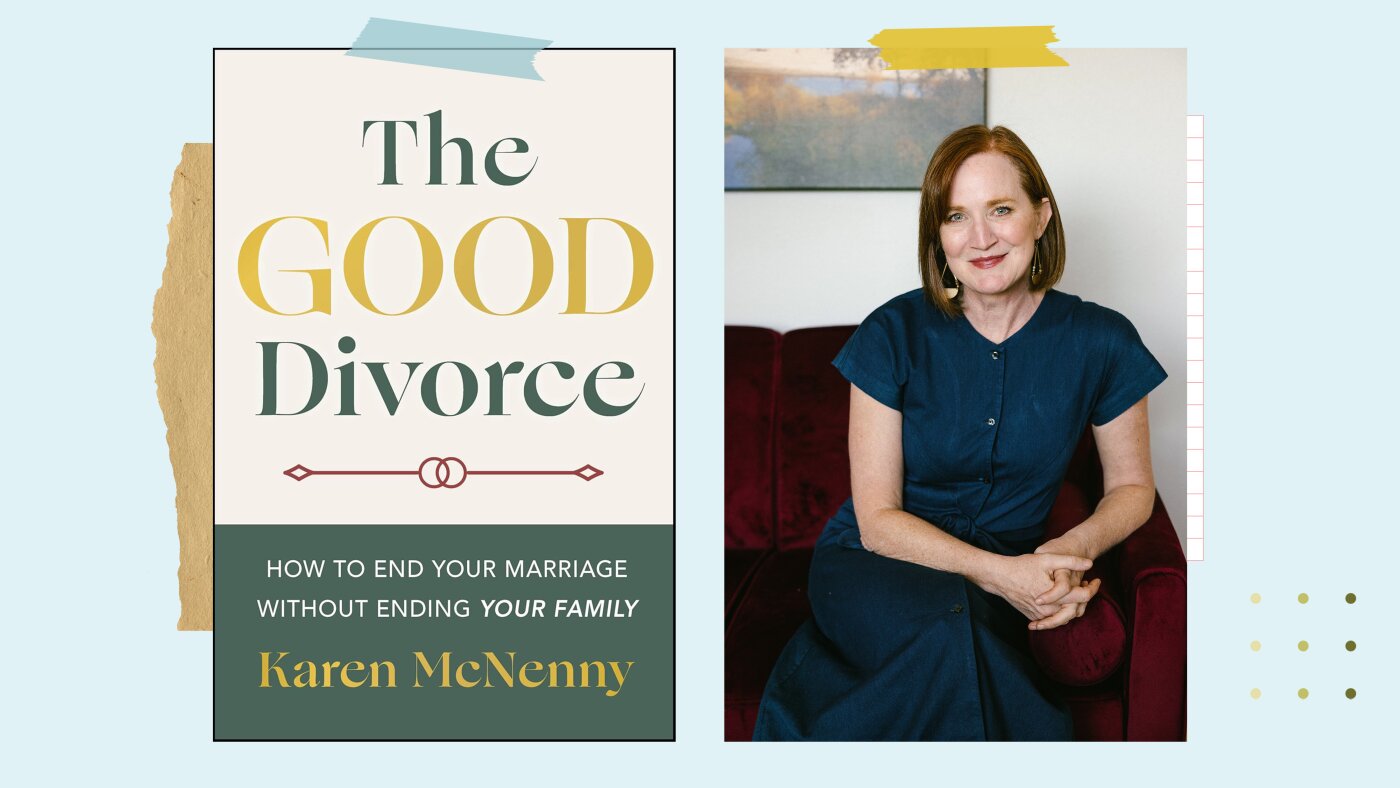 Lifestyle1 hour ago
What a divorce coach wishes couples knew before ending a marriage
-

 Technology1 hour ago
Hoto’s PixelDrive screwdriver is down to $60, matching its best price
-

 World1 hour ago
Cuba plunges into third major blackout this year as power crisis worsens
-

 Politics1 hour ago
Top Platner ally turns on him after bombshell rape allegation rocks campaign: ‘Red line’

