Lifestyle
A wintry mix: 12 reading recommendations to get you through the storm

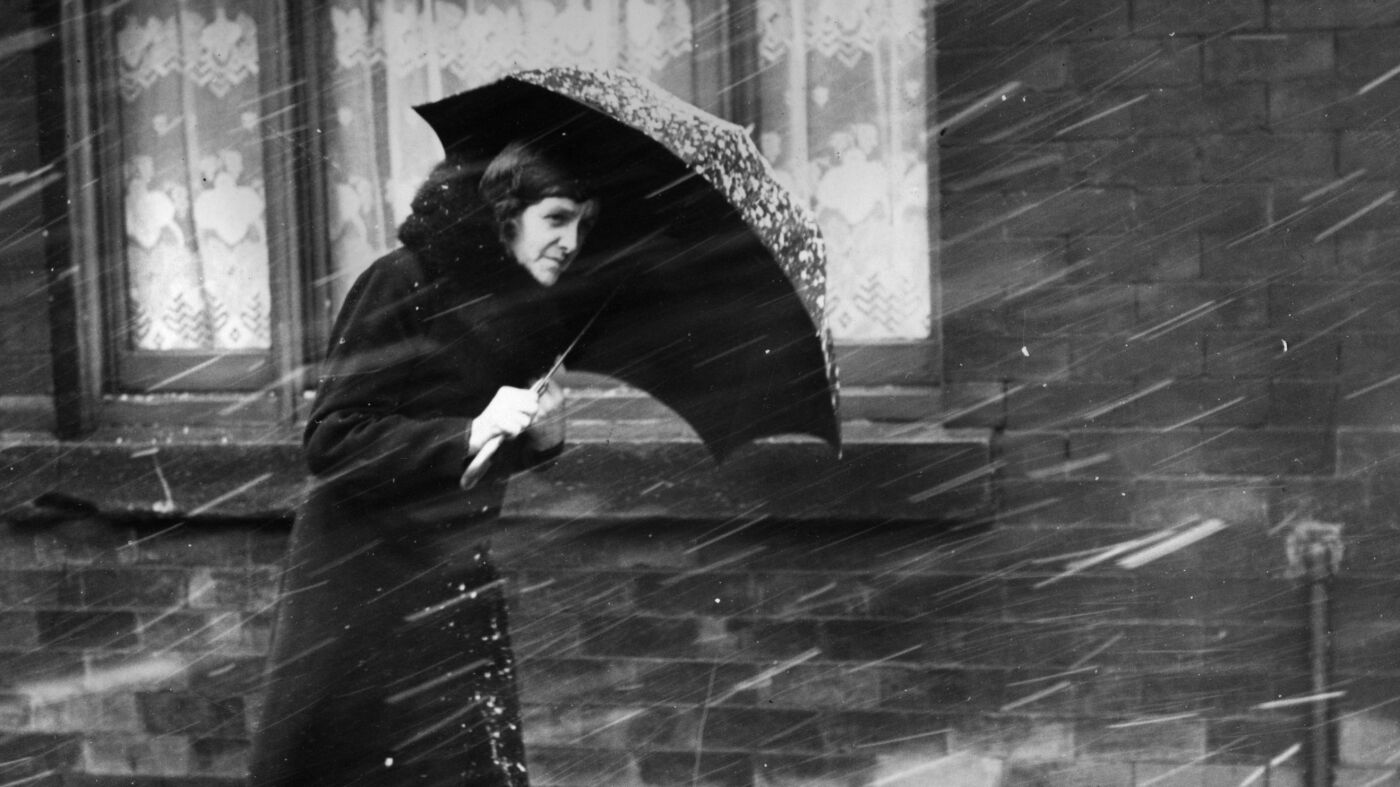
A woman walks through a snowy street in Manchester in 1939.
Fox Photos/Hulton Archive/Getty Images
hide caption
toggle caption
Fox Photos/Hulton Archive/Getty Images
If you’re hunkering down ahead of the big winter storm this weekend, we want to make sure you’re well prepared. Yes, with batteries, flashlights, toilet paper, and food but — perhaps most importantly — with good reading material.
We looked back through some recent interviews and Books We Love, our annual year-end reading guide, to find snowy suggestions to get you through the storm.
For the nonfiction lovers

Winter: The Story of a Season by Val McDermid, 2026
Scottish author Val McDermid is best known for her crime writing, a world of brutal murders and dark alleyways. But her new book, a work of creative nonfiction, is an ode to memories of winters past and a heartfelt appreciation of all the season has to offer. “I’m kind of hoping it charms you into winter as well,” McDermid told NPR’s Daniel Estrin. Her book meditates on warm soup, and winter festivals, and the comfort of coming indoors on a frigid day. “I like the contrast with being out in the outside, where it’s crisp and cold and when you come indoors and it’s all warm and lovely, and you can sit down with a good book and a good fire or a wee glass of whiskey,” she says. “What’s not to like about that?” — Samantha Balaban, senior producer, Weekend Edition

Ice: From Mixed Drinks to Skating Rinks – a Cool History of a Hot Commodity by Amy Brady, 2023
Amy Brady’s cultural history of ice in America is the unexpected nonfiction pleasure read I turned to in lieu of air conditioning one summer. Brady fascinates and educates, covering the immense impact and complex social histories of this now-ubiquitous and indispensable part of American life. There’s a lot to learn! Helpfully, Ice is divided into four parts: The Birth of an Obsession, Food and Drink, Ice Sports, and The Future of Ice. With clear prose and a lot of passion, Brady touches on many manifestations of ice; however, it feels like just the tip of the iceberg. Do you like surprisingly expansive niche subjects? I can’t recommend this one enough. — Jessica P. Wick, book critic and writer

Wintering: The Power of Rest and Retreat in Difficult Times by Katherine May, 2020
English writer Katherine May’s beautiful and unintentionally but uncannily timely 2020 book is about what she calls “wintering,” a way to weather tough periods when you feel cut off, sidelined or overwhelmed. Brought low by a perfect storm of personal challenges, May learns to slow down, hibernate and regroup. She becomes convinced that the cold has healing powers and explores how other creatures and cultures cope with the dark, frigid season. She takes up ice swimming, cradles an amazingly soft hibernating dormouse and considers the profusion of wolves and snow in fairy tales. May finds solace in her explorations, and readers, especially in these trying times of social distancing, will too. — Heller McAlpin, book critic
For the fiction lovers

The Land in Winter by Andrew Miller, 2025
There’s a storm beneath the somber surface of The Land in Winter, Andrew Miller’s 10th novel. The land is the rural West Country of England during the legendary Big Freeze of the early 1960s, when blizzards engulfed trains on their tracks and froze over rivers. The two young couples who anchor the book are, unsurprisingly, frozen too: a gentleman farmer uneasily married to a former nightclub hostess, and a posh doctor’s wife whose husband is conducting an affair with a patient. The action unfolds like a thaw, and by the end of this Booker-shortlisted novel, it feels as though the drama has soaked itself into your soul. — Neda Ulaby, correspondent, Culture Desk

The Trouble Up North by Travis Mulhauser, 2025
Travis Mulhauser perfectly evoked northern Michigan, in all its beauty and icy menace, in his previous novel, Sweetgirl. He returns to the region in this book, which is just as accomplished as his last. The novel follows a family of bootleggers and smugglers whose criminal enterprise has fallen on tough times, leading one member of the clan to take matters into her own hands. This is a top-notch literary thriller that’s extremely difficult to put down. — Michael Schaub, book critic
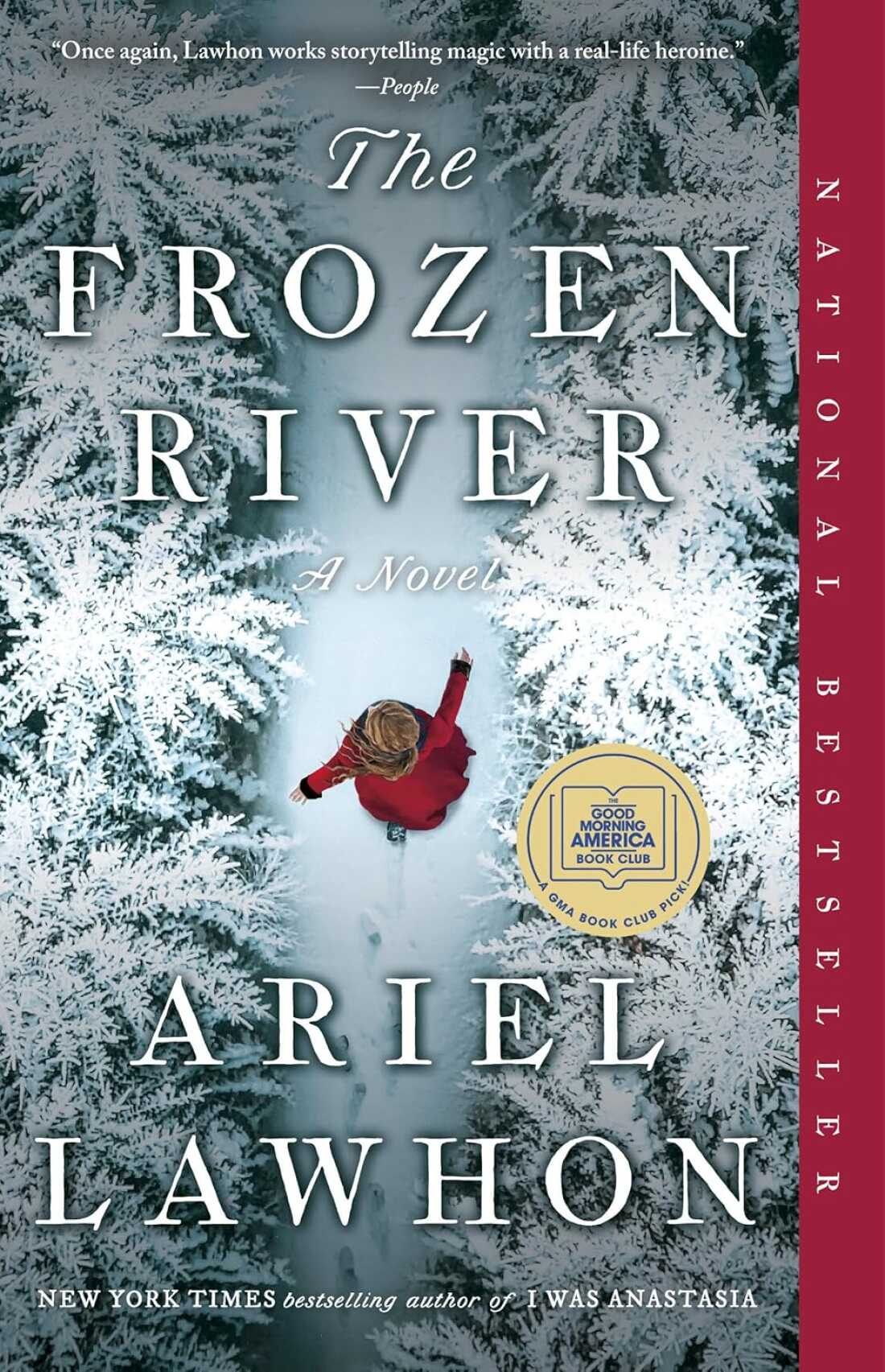
The Frozen River by Ariel Lawhon, 2023
Dig your crime novels blanketed with a late 18th-century, New England snow? How about with a capable, middle-aged midwife in the role of detective, telling the men in power things they absolutely do not want to hear? This compelling story begins in a river community in Maine with a body frozen in the ice; it unspools with the alleged assault of a minister’s wife. This is a most uncozy mystery that addresses the unbalanced power dynamics of men and women, rich and poor. Bonus: The character of the midwife and some plot points are based on a real person, Martha Ballard. Not quite true crime but true enough! — Melissa Gray, senior producer, Weekend Edition
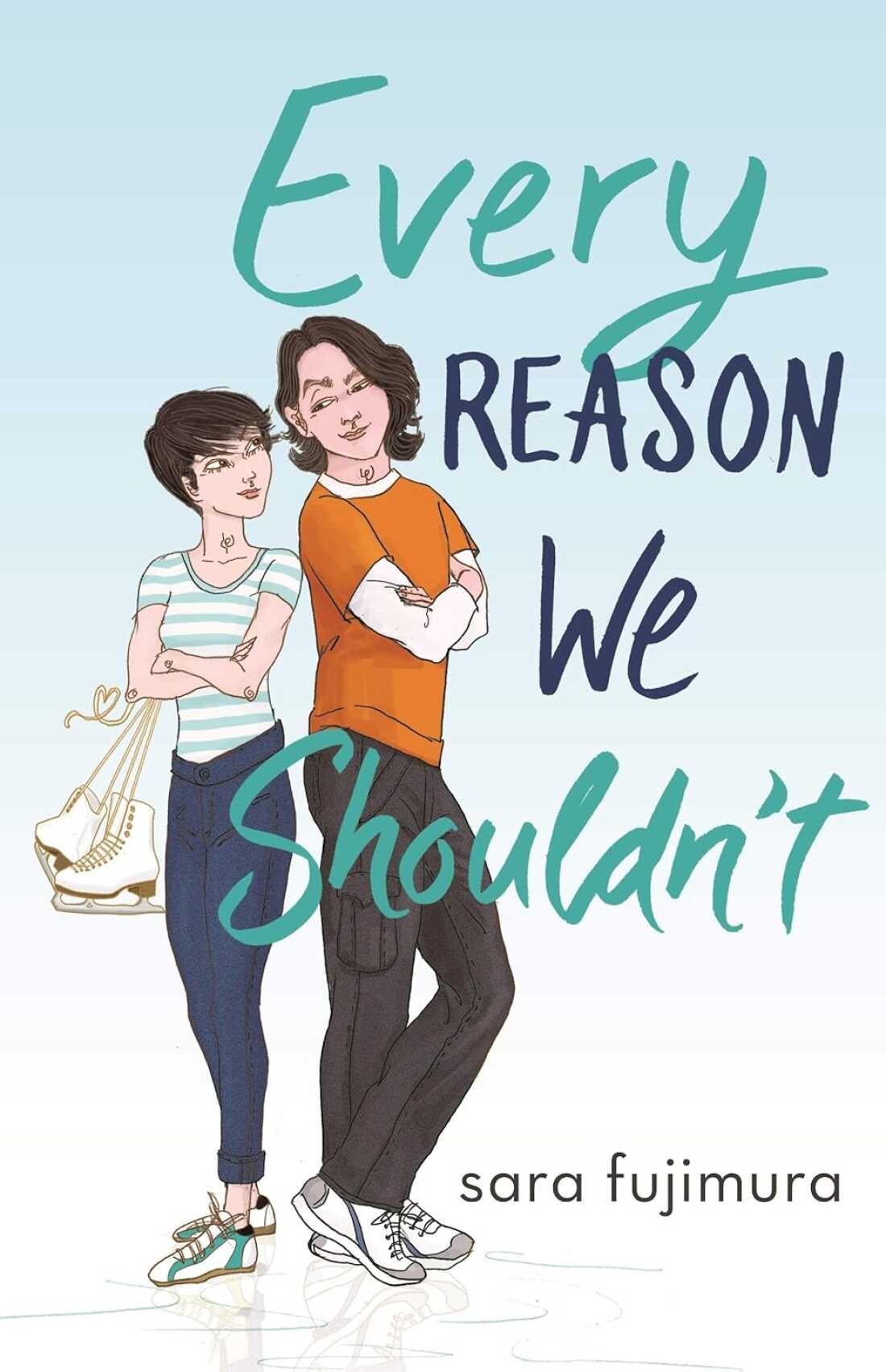
Every Reason We Shouldn’t by Sara Fujimura, 2020
Olivia Kennedy is 15 going on 16 and the prodigal daughter of two Olympic figure skating darlings. A gold medal pairs skater at the junior level, Olivia no longer competes due to lack of funds and a crash-and-burn performance when she was 13. But things start looking up when short track speed skater Jonah Choi comes to town. The two bond immediately over mild teenage rebellions, workouts and the concept of being “normal.” They challenge each other because they know no other way – second best is not an option in the life of champions. — Alethea Kontis, author and book critic

Drive Your Plow Over the Bones of the Dead: A Novel by Olga Tokarczuk, translated by Antonia Lloyd-Jones, 2019
I originally picked up this book just because of the title. Later, I heard that Olga Tokarczuk had won the (delayed) 2018 Nobel Prize for Literature, and it made total sense because this book (originally published in 2009, released in English translation in 2019) is both deeply strange and deeply personal – a kind of noir murder mystery with feminist, leftist, vegetarian and academic undertones. Gorgeously written and immediately engaging, it is a complicated story about deer, hunters, age, infirmity, chaos and William Blake, driven by the rigorously no-BS practicality of its elderly narrator, Janina Duszejko, who is trying to figure out who is murdering all the hunters in her small, snowbound Polish village, all while contemplating the greater mysteries of life, Poland and the universe in general. — Jason Sheehan, author and book critic
And for the kids …
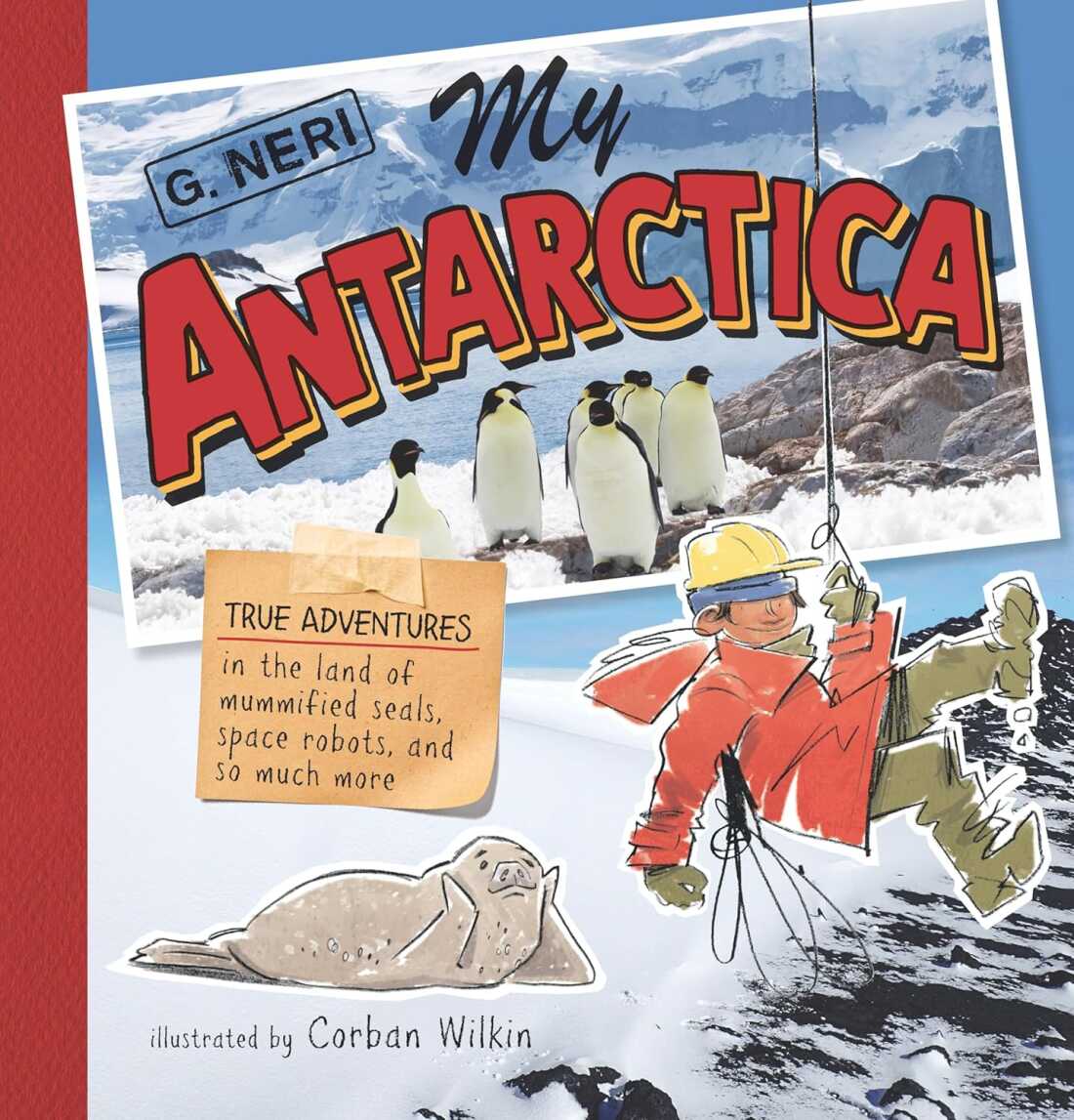
My Antarctica: True Adventures in the Land of Mummified Seals, Space Robots, and So Much More by G. Neri, illustrated by Corban Wilkin, 2024
Take a trip to the coldest, windiest, highest and driest continent in the world. Here, young readers will find answers to every question they’ve ever had about Antarctica – not to mention ones they hadn’t even thought to ask. Who is there now? Why? What do you eat when you’re there? G. Neri’s easygoing narrative reads like a journal, full of cartoons, photos and the occasional mummified seal. Plus, he profiles the many different scientists at work at McMurdo Station with humor, candor and wonder. Just be ready for one inevitable question after reading this book: “Can we go?” (For ages 7 to 10) — Betsy Bird, librarian and author of POP! Goes the Nursery Rhyme
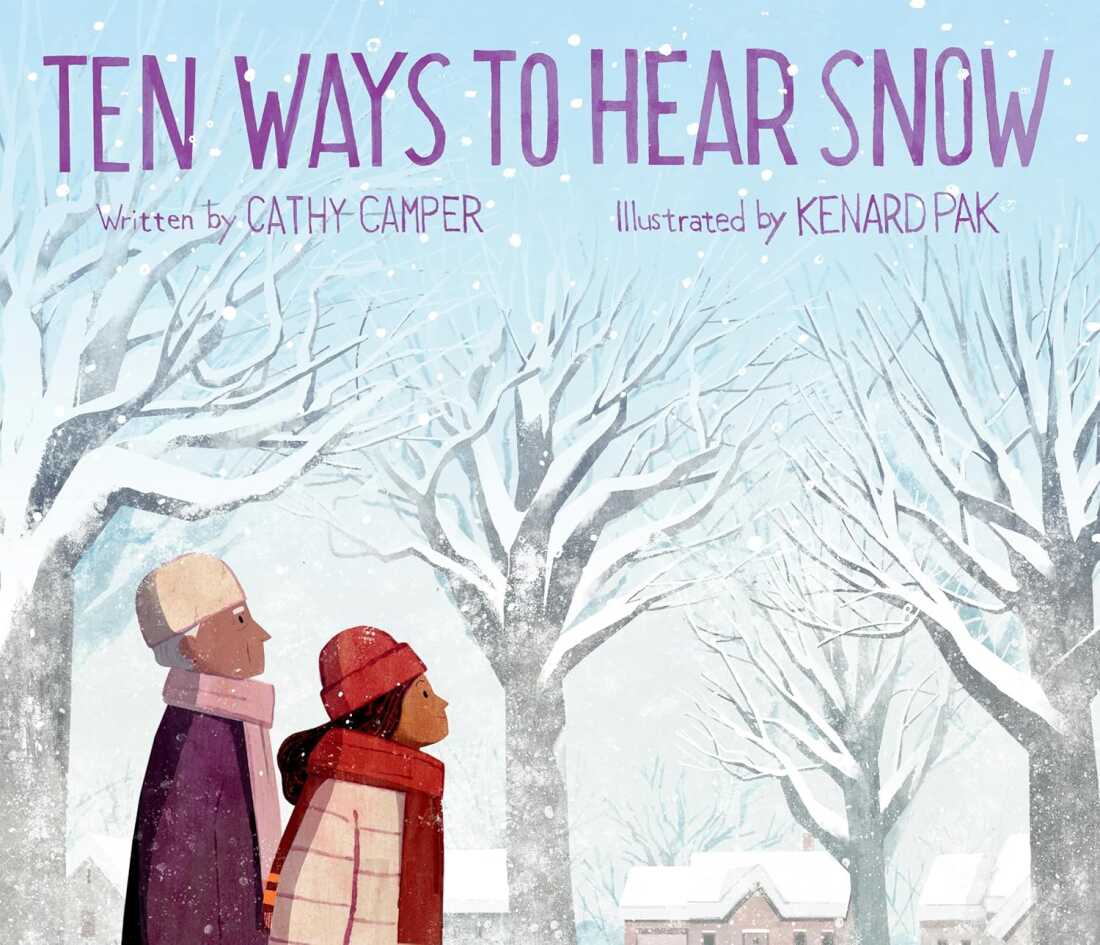
Ten Ways to Hear Snow by Cathy Camper, illustrated by Kenard Pak, 2020
A gentle, affirmative story of a little girl’s winter walk through her neighborhood to visit a beloved grandmother. Lina is Lebanese American, she addresses her grandmother as “Sitti” and the two joyously cook stuffed grape leaves together. But the story’s focus is on Lina’s independence and connection to the sensory magic of a snowy day. Author Cathy Camper humorously evokes the “snyak, snyek, snyuk” of a child’s boots “crunching snow into tiny waffles” and the “scraaape, scrip, scrape” of shovels against the sidewalk. Kenard Pak’s softly saturated watercolors evoke winter’s diffused light and vivid pop of children’s mittens and hats, making cold days something to savor. (For ages 4 to 8) — Neda Ulaby, correspondent, Culture Desk
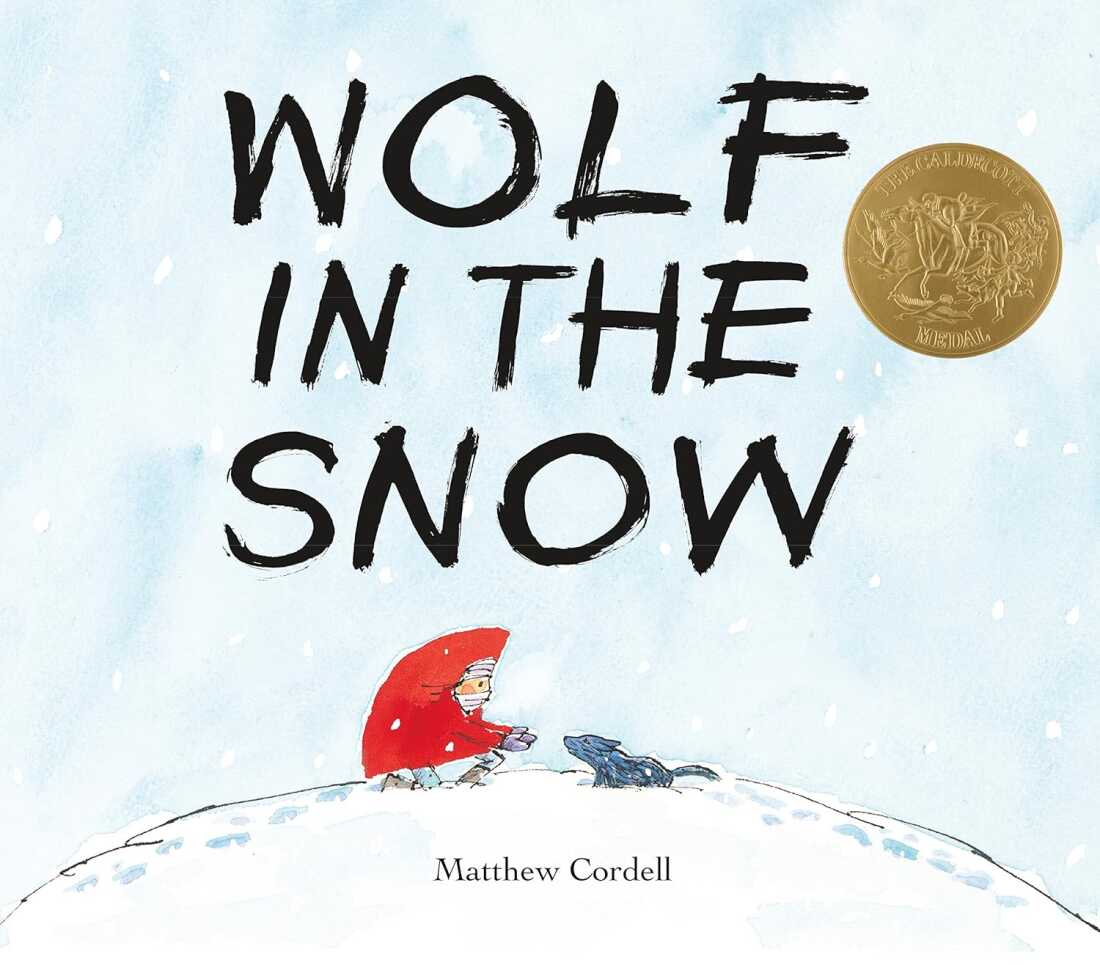
Wolf in the Snow by Matthew Cordell, 2017
As every schoolchild knows, little girls in red-hooded outerwear rarely fare well when encountering wolves in the wild. Yet in this nearly wordless tale, a girl’s meeting with a wayward wolf cub fuels a wary friendship that transcends their very different worlds. From the hyperrealism of the wolves, frightening in their detail, to the sketched-out, almost cartoonish, rendering of the girl, Matthew Cordell offers young readers a dreamy fable with a lot to say about making connections outside your comfort zone. (For ages 4 to 8) — Betsy Bird, librarian and author of POP! Goes the Nursery Rhyme
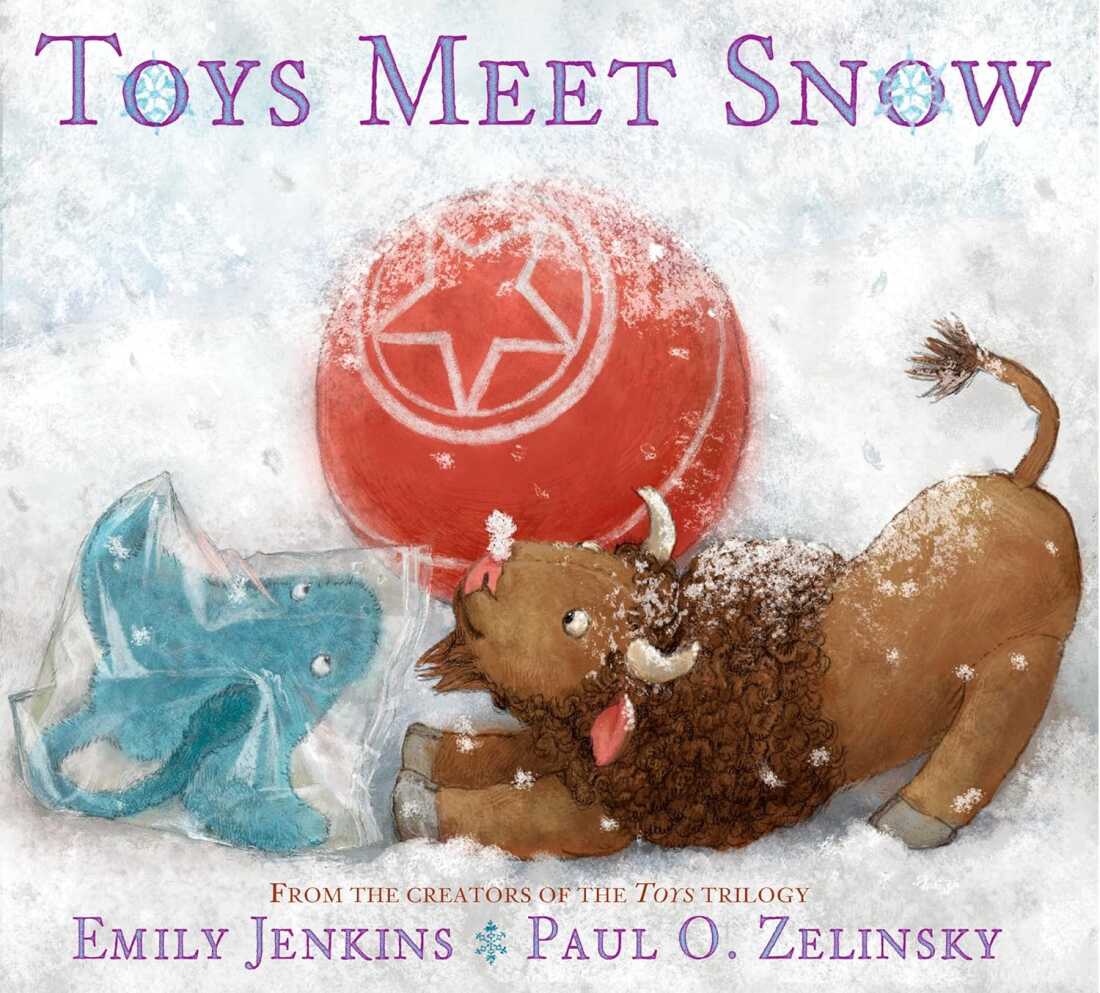
Toys Meet Snow by Emily Jenkins, illustrated by Paul O. Zelinsky, 2015
Whether you’re already acquainted with Lumphy, StingRay and Plastic from their chapter books, or are just meeting them now, you’re sure to love Toys Meet Snow. As the three venture out into the snow for the first time, their unique personalities shine through. Each toy’s impressions and observations are full of imagination and charm. Emily Jenkins’ masterful text is deceptively simple, and Paul O. Zelinsky’s warm and wonderful illustrations make this book an enchanting read for all seasons. (For ages 3 to 7) — Lisa Yee, author of “The Misfits” series



Can you say no to a friend’s wedding?
Getty Images/Getty images
hide caption
toggle caption
Getty Images/Getty images
Are we spending too much on other people’s weddings?
Going to a friend’s weddings can be so fun and meaningful… but it can also really hurt your wallet. A survey by LendingTree found that 31% of people who had been to a wedding in the past five years had accrued debt to attend. So what’s driving up the cost of weddings for guests? And what makes it so hard to say no to these expenses?
Brittany breaks it down with Allyson Rees, senior analyst at trend forecasting firm WGSN, and Annie Joy Williams, assistant editor at The Atlantic.
This episode was produced by Liam McBain, with additional support from Corey Antonio Rose. It was edited by Neena Pathak. Our Supervising Producer is Cher Vincent. Our Executive Producer is Barton Girdwood. Our VP of Programming is Yolanda Sangweni.
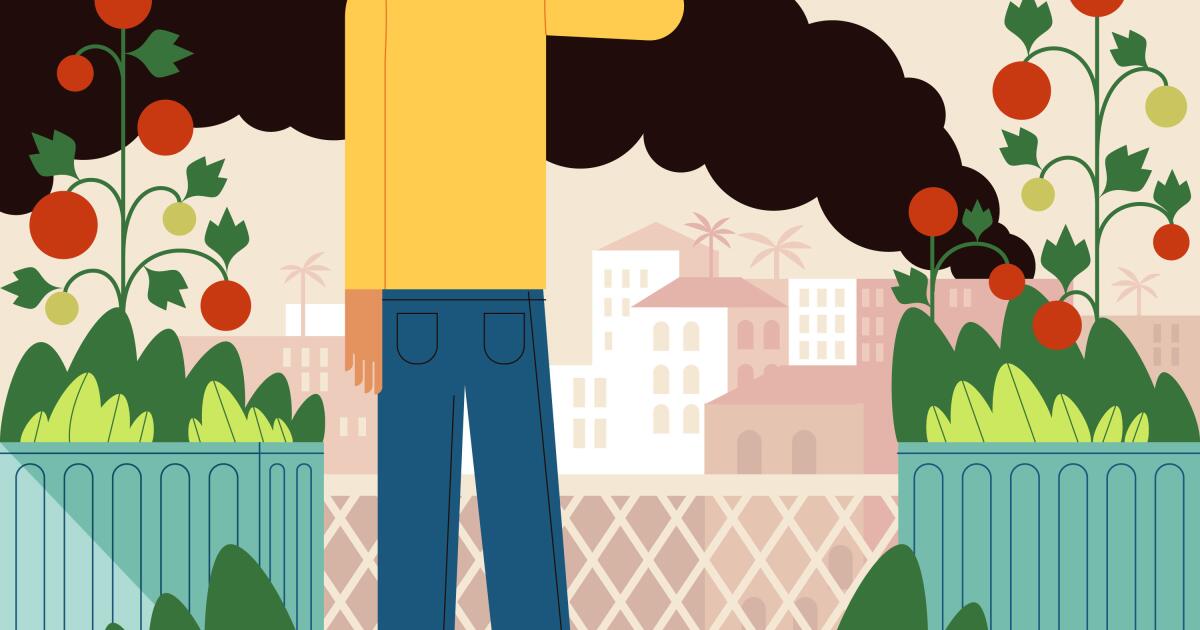
After the eight-day-long fire in a 500,000-square-foot Boyle Heights warehouse, eastern Los Angeles residents are contending with putrid smells, soot and potentially hazardous airborne chemicals after heavy plumes of smoke spread throughout the city. But those who grow food in nearby neighborhoods may also be wondering: How will the fires affect the plants and produce in my garden?
The Boyle Heights warehouse, owned by Lineage — a global temperature-controlled storage facility operator — housed 85 million pounds of frozen food and other products. In the days since the fire, local emergency visits for smoke inhalation and throat pain spiked while agencies still scramble to measure the amount of PM 2.5 — harmful fine particles — and heavy metals, like lead and arsenic, in the air.
According to researchers, any toxic airborne chemicals would likely stem from the charred foam insulation, metal exterior, burned solar panels and any lithium batteries that might have been present inside the warehouse.
After a fire, heavy metal particles can spread through ash and smoke over gardens and inhibit growth, said Olukayode Jegede, an agricultural toxicologist and assistant professor at UC Davis. Since the warehouse fire is so recent and cleanup has just begun, Jegede said the precise impact on gardens can’t be measured until comprehensive soil tests are conducted in the area.
While the L.A. city government hasn’t announced plans for soil testing, the Contaminant Level Evaluation and Analysis for Neighborhoods project at USC is offering free contaminant testing for Boyle Heights and East L.A. residents. Residents can collect soil samples and deliver them to Boyle Heights City Hall and other locations for an evaluation of lead, arsenic, chromium and mercury levels.
The good news is produce, plants and roots can still be preserved. According to Jegede, many of the soil tests conducted last year in the Altadena area after the Eaton fire showed that gardens and poultry were not as contaminated as one might expect.
“Quite a number of the soils we tested [in Altadena] were not really contaminated,” Jegede said. “We weren’t seeing many soils with concerning elevated levels of metal, so gardeners should not be too alarmed when these things happen.”
Nevertheless, there are several measures that gardeners can take to keep themselves, their children, plants and produce safe from potentially harmful contaminants stemming from the fire. Researchers, gardening experts and horticulturists offered some guidance on the handling, recultivation and cleanup that can keep you and your garden in good health.
How do I remove ash and contaminants from my garden?
Altadena horticulturist Leigh Adams said Boyle Heights plants and produce already live in a difficult environment, surrounded by industrial warehouses that spread contaminants daily.
“That area has been used industrially for 100 years, and the soil is impacted by many, many, many things,” Adams said. “Low-income neighborhoods and gardens usually don’t have a lot of resistance against dominant manufacturing.”
This means that the contamination of gardens in eastern L.A. won’t be as catastrophic as compared with those in Altadena, a more suburban environment, Adams said. But fallen ash still poses major health risks if ingested or inhaled.
An advisory from University of California Agricultural and Natural Resources last year recommended suiting up in an N95/KN95 mask, long sleeves, pants, close-toed shoes and gloves before attempting to deal with ash in the garden to limit exposure to potentially toxic contaminants. The advisory added that individuals should make sure all of this gear is cleaned thoroughly before bringing it back inside.
Once in the proper gear, Adams recommends removing the top two inches of topsoil from gardens, where the highest concentration of contaminants will settle after a fire. Using a plastic bag to collect the soil and disposing of it in the garbage — not green yard waste bins — will help to reduce the spread of airborne chemicals.
Gardeners with raised beds are advised to remove approximately six inches of soil, because excess ash can raise the pH level and prevent nutrients from soaking into the soil bed.
After this, watering the garden gently but plentifully will help to promote soil health and get rid of most of the ash present on plant leaves and stems. Adams said replacing the top two inches of soil with store-bought mulch or straw will help to contain any remaining ash and prevent it from spreading any further.
Experts say to avoid using leaf blowers if ash is present in the garden because they can send particles airborne. Doing so will increase the likelihood of heavy metal particles, which can carry lung irritants and carcinogens, being spread and inhaled.
A Boyle Heights resident keep a watchful eye on the fire at the 5,000-square-foot commercial building, which stores 85 million pounds of frozen food.
(Genaro Molina / Los Angeles Times)
Is it safe for me to eat produce from my garden?
Several studies, including one from the UC Cooperative Extension of Sonoma County, have shown that consuming produce in a fire-affected area poses minimal health risks.
Jegede said most root vegetables like potatoes and carrots, along with any fruit that has an outer layer, can be washed to remove potential contaminants, even if they were covered in ash. Peeling the outer layer of your produce can also help to reduce potential risks, he said.
Lettuce and other leafy foods with multiple layers pose a higher risk of contamination, but with a vigorous wash and peeling the outer layers, even the greens can be saved. The County of Los Angeles Department of Public Health recommends soaking leafy produce and fuzzy fruits like peaches in a 10% white vinegar and 90% water mixture.
Jegede said if the leaves or fruit are too delicate to wash or ash is still visible, it would be best to dispose of the produce.
How can I tell if my soil is contaminated?
After ridding your garden of visible ash, you might wonder how to tell if your plants will still thrive in the soil.
At-home soil tests that measure for alkaline, fertility and pH levels are widely available and can be purchased for $15 to $100 (for more detailed results) online. But Jegede said these tests can’t tell the full story of soil health.
Comprehensive soil testing is “something you can’t do properly at home,” Jegede said. “In labs, we are testing for metals like lithium and zinc, stuff that an at-home test will not show … If it comes to the point that you’re worried about your soil, I would just send it out to a lab.”
Wallace Laboratories in El Segundo, Babcock Laboratories in Riverside, Waypoint Analytical in Anaheim and other labs offer more detailed soil tests that measure heavy metal particles in addition to other fertility factors. Prices at Wallace Laboratories can range from $115 to $295 for a complete compost test.
The soil below two inches should be unharmed, Adams said, so long as new compost is set and plants are watered plentifully, which will promote natural biological cycles.
“What you’re doing is capping the soil, so that moisture stays in there, and instead of being dirt, it’s a living system called soil,” Adams said. “The more carbon we can get into our soil, the better.”
What can I do to help my soil recover?
For the last 12 years, Adams has been working with Metabolic Studio, a Los Angeles-based art and research hub focused on environmentalism, on methods for bioremediation, the practice of using additional fungi, plants and compost to decontaminate ash and break down contaminants.
Adams said straw, mushrooms, corn, rye and sunflowers are great bioremediators that can help to repair damage to soils. She said certain samples she’s worked on with Metabolic Studio have gone from testing at high heavy metal levels to nearly contaminant-free.
But for a more immediate fix, wash your produce, water your plants and have a little patience during ash cleanups. Your garden should look better in no time, Adams and Jegede said.

Inde Navarrette and Michael Johnston in Obsession.
Focus Features
hide caption
toggle caption
Focus Features
Two big horror films, Obsession and Backrooms, just smashed all box office expectations. So much of their success has been driven by Gen Z, which is now the biggest moviegoing demographic. But what makes a movie a Gen Z movie? Today we’re bringing you an episode of NPR’s It’s Been a Minute. Host Brittany Luse talks about this trend with Sam Adams and Reanna Cruz.
If you want to hear more about these movies, check out these episodes:
In ‘Obsession,’ love hurts. It really, really, really hurts.
‘Backrooms’ brings YouTube horror to the big screen
Zendaya brings ‘The Drama,’ we bring the spoilers
Connect with Pop Culture Happy Hour:
Letterboxd / Facebook
Our weekly newsletter
Support Pop Culture Happy Hour+
-
Detroit, MI17 minutes ago
DPD investigating after human remains found in home on Detroit’s west side
-

 San Francisco, CA32 minutes ago
Bay Area Teen Waymo Riders Nabbed For Allegedly Shooting Projectiles From Robotaxi
-
Dallas, TX37 minutes ago
Role Call: Tyrus Wheat looking to make most of second stint with Cowboys
-

 Miami, FL45 minutes ago
2026 Miami Football Early Opponent Preview, Game 8: North Carolina
-

 Boston, MA47 minutes ago
Boston sues social media companies over ‘addictive’ features, joining nationwide litigation
-

 Denver, CO52 minutes ago
Peyton Watson landing spots: Could Nuggets star actually leave Denver?
-

 Seattle, WA59 minutes ago
14-year-old dies in Seattle e-bike crash at Colonnade Park after losing control on steep stairs – MyNorthwest.com
-
 San Diego, CA1 hour ago
San Diego Humane Society Releases 4 rare western spotted skunks into the wild

