Mississippi
Mississippi Medicaid Expansion: Don’t Lose a Friend Over This


- Pepper Crutcher discusses the complexities of Medicaid expansion.
“From thirty feet away she looked like a lot of class. From ten feet away she looked like something made up to be seen from thirty feet away.” – Raymond Chandler, The High Window
That’s typically true of legislation that seeks to solve complex problems. How you see the House-passed Medicaid Expansion bill probably depends on your pre-existing point of view. The Mississippi House passed HB 1725 with a vote of 98-20 on February 28, advancing it to the Mississippi Senate.
Everyone would like to see reliable, relevant data about a truly comparable, prior State expansion, but no such data is available. Since we have little more than confirmation bias to inform us, none should question the character or motives of those who see this differently. Here’s a short, over-simplified explanation of why this topic confounds so many who sincerely want to get it right.
Who would be eligible for expanded Mississippi Medicaid coverage?
There are 15 coverage categories; low Modified Adjusted Gross Income (MAGI) alone won’t suffice. To qualify under the most restrictive category, non-disabled adults with dependents, your MAGI must be very low indeed. Typically, these are households with reported income from part-time or sporadic employment at or just above the minimum wage. Mississippi has the option to raise this limit to 138% of the Federal Poverty Limit (FPL), thereby drawing a more generous federal Medicaid match – currently up to 95% of qualifying expenditures.
HB 1725 goes all-in. Even if CMS (the federal Centers for Medicare and Medicaid Services) disapproves the bill’s work requirement, full expansion will happen; so says section 1(f) of HB 1725. Mississippi Medicaid would no longer cover only the abjectly impoverished; it would cover many people with full-time jobs that pay more than the minimum wage.
When would Mississippi Medicaid expansion become effective?
Even if CMS denies Mississippi’s work requirement request, the enrolled expansion population would be covered beginning January 1, 2025, based on HB 1725 as passed by the House.
What is the difference between Medicaid and “Obamacare”?
Medicaid is a federal/state health insurance program administered mostly by states but funded, in the poorest states, almost entirely with federal dollars. Payments to providers are, in most situations, lower than private insurance or Medicare payments.
Currently, there is a gap between the upper MAGI limit for adult Mississippi Medicaid and the lower limit of “Obamacare” subsidy eligibility. Mississippi households with income 100% to 400% of the Federal Poverty Level are eligible to buy federally subsidized, privately issued health insurance plans through Healthcare.gov – the “Obamacare” web site. See for yourself. Go there, enter single member household, minimum wage, full-time job numbers (amounting to $14,720 annually) and the site’s calculator will tell you that your income is too high for Mississippi Medicaid but that you are eligible for Obamacare subsidies.
Through “Advance Premium Tax Credits,” the Feds pay all Obamacare premiums for households with incomes between 100% and 150% of the FPL. There also are “Cost Sharing Reduction” subsidies, but, even with them, beneficiaries may have to bear several thousand dollars annually of “out-of-pocket” (OOP) costs that they would not bear if Medicaid had covered the same medical expenses.
What’s the problem?
Lest this article become a book, let’s just scratch the surface. Should HB 1725 become law as passed by the House, the upper Medicaid adult MAGI limit will substantially overlap the lower limit of Obamacare subsidies. Healthcare.gov will redirect Mississippi applicants to Medicaid if they enter Medicaid-qualifying MAGI numbers, reducing federal expense for that household’s coverage (100% of premiums plus cost sharing reduction subsidies), while increasing State expense (5% of covered costs of care for the expansion population). The added Mississippi Medicaid burden of the newly enrolled would be known in percentage terms but unknown in absolute dollar – i.e., budgetary – terms. The State’s cost could be raised further by small employer decisions to drop their plans. Some people now working full time for their employer-sponsored insurance might quit or go part time, and Mississippi already has the nation’s lowest workforce participation rate. HB 1725 anticipates this and directs the Division of Medicaid to make coverage hoppers wait a year to enroll in Medicaid. Just like the work requirement, this would require CMS approval.
Plus, enforcement mechanisms and capacities are unclear. If the people dropping from employer insurance plans tend to be younger and healthier than average, those plan terms and premiums may get worse as claim experience trends badly. Some small employers might become uninsurable, effectively. In the worst-case scenario, expansion might solve much of the Obamacare OOP problem for current uninsureds while creating a new group of uninsureds who would be less likely to qualify for full Obamacare subsidies. A similar expansion consequence could wreck Mississippi Obamacare. About 286,000 Mississippians are enrolled in a 2024 Healthcare.gov plan.
If insurers expect most of them to shift to 2025 Medicaid, will those insurers compete for the shrunken 2025 Healthcare.gov business? How much would the remaining insurer(s) raise premiums in response to what they may see as increased risk? If rates spike or if insurers bail out, many new uninsureds could fall in a new gap between expanded Medicaid and employer-provided coverage.
What could go right?
“Only two people know the future: God and a fool,” says the Lebanese proverb. Medicaid expansion worries may turn out to have been excessive. Expansion might cost the State little, solve the Obamacare OOP problem, throw a lifeline to struggling providers, increase workforce participation, and not wreck the Obamacare exchange program. An old joke, told by Milton Berle, is an apt one: “Two Irishmen are leaving a bar …. What? It could happen!” This, too, could happen. In hindsight, expansion proponents might seem to have been prescient.
But everyone is guessing. If your friend’s guess doesn’t match yours, he or she should remain your friend. Let it be so, please.



Mississippi
Governor: At least 47 homes, 50 roads damaged by Mississippi storms, flooding – SuperTalk Mississippi

Gov. Tate Reeves has released updated damage assessments following the severe weather and flooding that inundated parts of southern Mississippi last week.
According to Reeves, assessments through the Mississippi Emergency Management Agency are ongoing, and disaster aid is still being distributed through a mix of federal, state, and local agencies, along with nonprofits. But numbers as of Monday morning showed dozens of homes and businesses damaged and even more public roads affected.

Among the counties with significant impacts are Covington, Forrest, George, Greene, Hancock, Jackson, Pearl River, Perry and Stone. Across those counties and others, at least 47 homes were affected, seven of which were completely destroyed. Nine businesses sustained damaged, six of which are considered major. One farm sustained major damage.
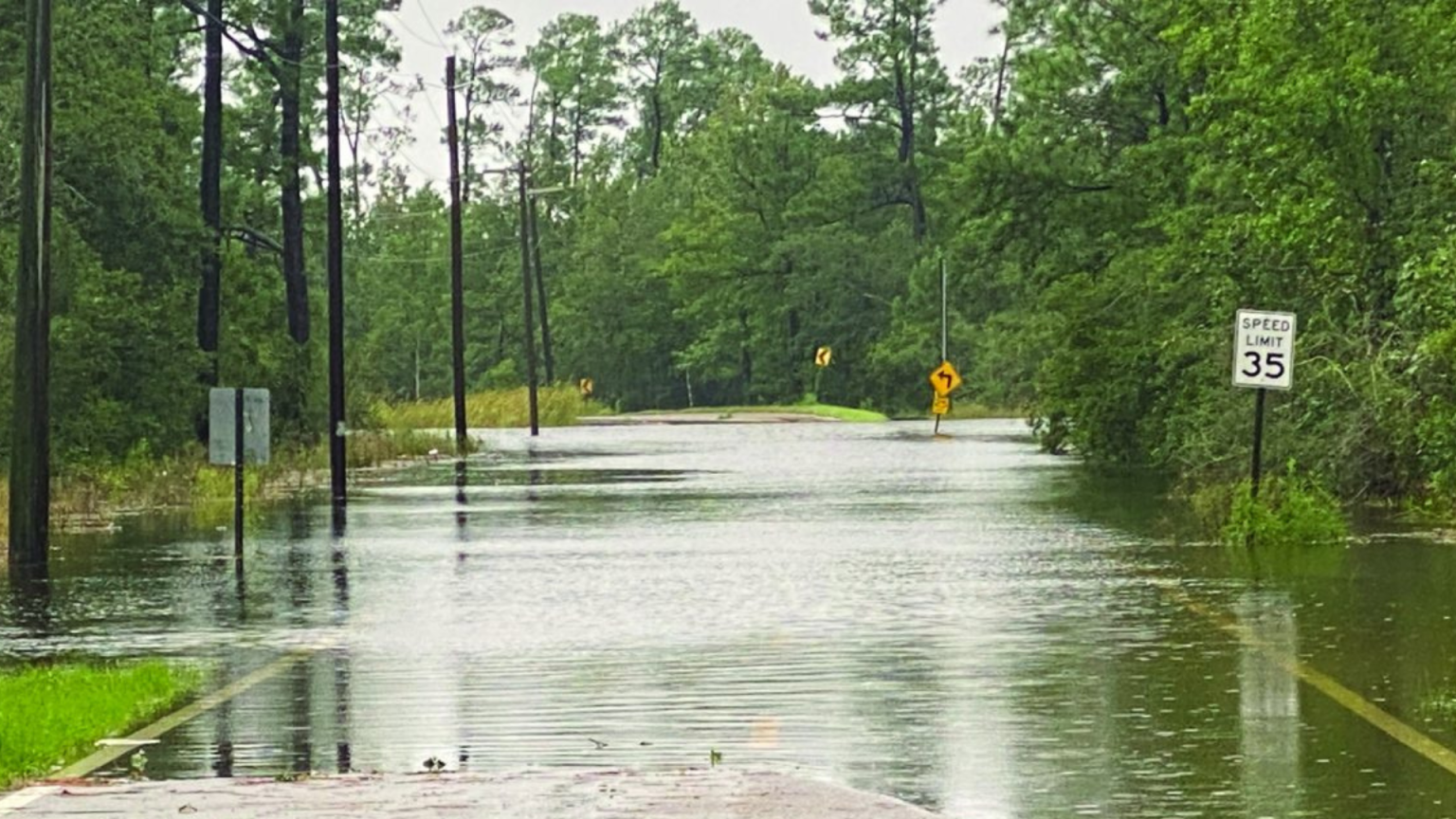
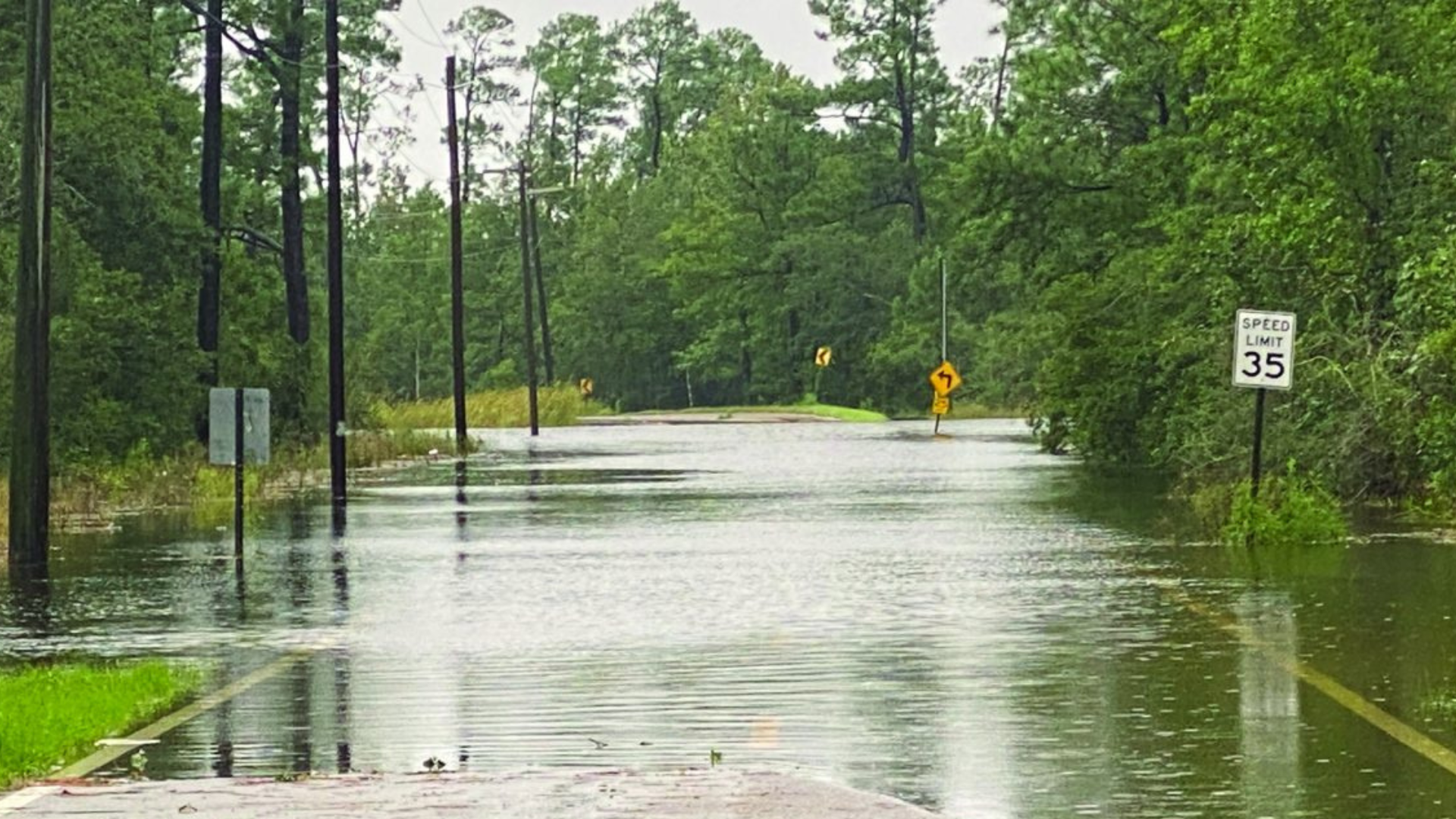
50 public roadways were affected, including four that are considered major and four that were completely destroyed. Two bridges sustained major damage, while two public buildings sustained minor damage.
Reeves said two rivers are in the moderate flood stage – Leaf River near McClain and the Pascagoula River at Graham Ferry.
15 other waterways are in the minor flood stage: Big Black River near Bentonia, Biloxi River near Lyman, Chickasawhay River at Enterprise, Chickasawhay River at Leakesville, East Hobolochitto Creek near Caesar, Pascagoula River at Merrill, Pearl River at Jackson, Pearl River near Pearl River, Pearl River near Philadelphia, Pearl River at Rockport, Strong River at D’Lo, Tallahala Creek at Laurel, Tuscolameta Creek at Laurel, West Hobolochitto Creek near McNeill, and Wolf River around Gulfport.


Damage reports could have worsened on Monday with additional rounds of severe weather in some parts of the state. The worst of the storms and floods came with the remnants of what was Tropical Storm Arthur late last week and into the weekend.

(AP) – A Mississippi family whose 1-year-old child was killed when police fired into a moving vehicle said Monday they want authorities to release video showing whether officers were in danger of being struck when one of them opened fire.
The shooting has sparked outrage in the small city of Senatobia, where some say it’s the latest in a series of troubling encounters between police and Black residents.
Kohen Wiley was riding with his mother and another woman in a Walmart parking lot on June 14 when police responded to a shoplifting call. The family says they were driving away, while the officers say the car was heading toward them.
“I watched my baby take his first breath, and I watched my baby take his last breath,” Vellesiya Wiley said at a news conference Monday.
The other woman in the car, whose name has not been released, suffered “critical injuries,” according to the Mississippi Bureau of Investigation, which is handling the inquiry.
Standing alongside Kohen’s parents and grandparents at a local church, civil rights attorney Ben Crump told reporters Monday that the best way to determine whether the officers were at risk is to publicly release any body camera, dash camera or Walmart security camera video.
“If that is the truth, then show us that,” Crump said. “The longer you delay releasing the video, the more distrustful we become.”
The Mississippi Bureau of Investigation declined to comment on what videos investigators have or whether they would be released, agency spokesperson Bailey Martin said Monday.
“This case has been made a top priority,” Martin said in an emailed statement, “and we currently have multiple agents working tirelessly to ensure every aspect of the investigation is thoroughly examined.”
The agency says the officers weren’t hurt. Senatobia Police Chief Harold Vanderford did not return a phone message seeking comment Monday.
State investigators gave an initial account of the shooting last week, saying that when Senatobia police arrived at the Walmart, they found two women and a child getting into a car and driving away.
“Officers attempted to stop the vehicle, but the driver drove in the direction of the officers, almost striking one. An officer then discharged their weapon and the vehicle fled the scene,” the agency statement said.
Kohen’s mother has said the shoplifting call was over a box of diapers that her friend was carrying — and that she believes her friend had paid for the diapers. State investigators declined to comment on those details.
Crump questioned why police didn’t let the car go and take down the license plate number.
“They were called over a box of diapers and a family now has to bury their baby,” Crump said Monday. “You cannot put those two things next to each other and call it reasonable policing.”
Crump also said an independent autopsy would be performed.
While there’s no question the child was shot by police, he said, details about the angles at which any bullets struck the child could yield clues as to whether the officer fired from in front of the car or off to the side — and therefore whether that officer was in any danger.
Policing expert Ian Adams, who teaches criminal justice at the University of South Carolina, told The Associated Press last week that police should know that “shooting into a moving vehicle is a very bad idea and one to be avoided at almost all costs,” noting the danger to passengers and other bystanders.
Copyright 2026 The Associated Press. All rights reserved.

Six new members were inducted into the Mississippi Association Coaches Hall of Fame on Friday.
Five electees and one surprise honorary inductee announced at the evening’s end.
Each says the MAC HOF is a special one and this is the ultimate honor for a coach in Mississippi.
-

 Wyoming11 seconds ago
Feds advance permit for controversial Seminoe pumped-water project in Wyoming
-

 Finance5 minutes ago
Bangladesh Says $300 Billion Climate Finance Goal Falls Short, Calls for More Support
-
Crypto7 minutes ago
Man arrested for allegedly stealing $50,000 during meeting to purchase cryptocurrency
-

 Fitness15 minutes ago
Angela Rippon, 81, reveals the one exercise she never skips for strong legs: ‘I do it every morning without fail’
-

 Movie Reviews30 minutes ago
‘Mr. Reset And The Society Of Turnbuckle And Bone’ – Movie Review – PopHorror
-

 World40 minutes ago
Paramount+ Sets Tulisa Docuseries About Shamed ‘X Factor’ Judge From Dorothy Street Pictures
-
 Lifestyle1 hour ago
NPR staffers share their favorite fiction reads of 2026 so far
-

 Education2 hours ago
The Itinerant Preacher Who Helped Secure the Separation of Church and State


