Wisconsin
Seniors in these Wisconsin counties have the highest Alzheimer’s rates


(Stacker) – An estimated 110,900 people in Wisconsin over age 65 have Alzheimer’s, according to estimates released by the Alzheimer’s Association in 2023.
Alzheimer’s disease afflicts an estimated 6.7 million Americans, and that number is only growing. Medical professionals believe the volume of diagnoses could double by 2060 if there isn’t a breakthrough in prevention—or a cure.
For the first time, the Alzheimer’s Association released estimates on Alzheimer’s prevalence in each state and county. Researchers hope these figures will help regional public health officials better treat Alzheimer’s patients, develop localized care plans, and budget for care—particularly as new treatments come at a cost.
Alzheimer’s is the most common form of dementia and is among the top 10 causes of death in the U.S. These deaths are increasing as fatality rates from other health-related causes, including heart disease and stroke, are on the decline. With Alzheimer’s, the brain shrinks, brain cells die, and peoples’ memory and language centers fail. As the disease advances, the loss of brain function leads to dehydration, malnutrition, infection, and ultimately death.
Developing a cure or effective treatment has been slow, as medical professionals still don’t know what causes Alzheimer’s. But earlier this year, the Food and Drug Administration fully greenlit the first drug proven to effectively treat the disease: lecanemab (sold under the brand name Leqembi), created by Eisai Inc. and Biogen. Earlier treatments only addressed symptoms of Alzheimer’s, while lecanemab treats the early stages of the disease itself and slows its progression.
The drug costs $26,500 annually and is partially covered by Medicare if a patient’s medical team participates in a registry to track the drug’s outcomes. Those high costs could keep the treatment out of reach for low-income Americans, who already have higher odds of developing Alzheimer’s, studies have shown.
Nearly all Alzheimer’s patients are on government insurance, and estimates show that Medicare could spend $2 billion to $5 billion annually on lecanemab and related care. That pales in comparison to the $345 billion that Alzheimer’s and other dementias cost in 2023, including nursing home stays, symptom management medications, and other care for those with the disease. Without medical advancements, the Alzheimer’s Association expects those costs could rise to nearly $1 trillion by 2050.
If lecanemab and similar drugs can slow progression in even half of mild Alzheimer’s patients, one study from the University of Chicago estimates Americans would save $212 billion to over $1 trillion in care-related costs over the next decade.
Having a treatment to slow the progression of Alzheimer’s also creates more urgency to diagnose the disease sooner to retain more brain function. Warning signs for the disease include disruptive memory loss, difficulty with familiar tasks, worsening judgment, and changes in mood and personality.
The U.S. has a shortage of specialists in elder and memory-related medicine and nurses providing care at nursing homes and assisted-living facilities. In regions with high rates of Alzheimer’s, these shortages could be catastrophic within the current models of care.
Stacker mapped states by the share of the population over age 65 that is estimated to have Alzheimer’s disease, using data released by the Alzheimer’s Association in July 2023. As a part of the national analysis, Stacker also took a closer look at Wisconsin and ranked the counties within it by their estimated Alzheimer’s prevalence.
Alzheimer’s rates by state
Stacker
State and detailed county-level estimates show vast disparities in the prevalence of Alzheimer’s disease based on racial and socioeconomic factors. Older Americans, women, Black and Hispanic Americans, and those with lower education levels are at higher risk for developing Alzheimer’s dementia, according to data from the Chicago Health and Aging Project, on which these estimates were based.
The East and Southeast regions of the U.S. were estimated to have the highest prevalence of Alzheimer’s, particularly Maryland, New York, Florida, Mississippi, and Louisiana. In Maryland, nearly 30% of residents are Black, and a slightly higher share of the population is 85 and older compared to national numbers—substantial risk factors that earn it the #1 spot.
In addition to a high prevalence of the disease, Mississippi has the highest Alzheimer’s mortality rate, largely due to having the worst-quality health care system in the country, Time reported.
Some of the most afflicted counties are home to Black and Hispanic populations in the South, low-income populations in Appalachia, and older adults in Florida, according to Time. Other studies have found that people in rural areas tend to be underdiagnosed or diagnosed in later stages of dementia, delaying or preventing potential treatments.
Read on to see where in Wisconsin has the highest prevalence of Alzheimer’s, ranked by the share of the 65 and over population estimated to have the disease. Initial ties were broken by the number of people estimated to have Alzheimer’s, but some ties may remain.
#50. Oneida County
– Share of 65+ population with Alzheimer’s: 9.9%
– Number of 65+ population with Alzheimer’s: 1,000 people
*These are estimates; actual values have a 95% likelihood of being within 0.5 percentage points—or 50 people—of the estimate.
#49. Juneau County
– Share of 65+ population with Alzheimer’s: 10.0%
– Number of 65+ population with Alzheimer’s: 600 people
*These are estimates; actual values have a 95% likelihood of being within 0.6 percentage points—or 50 people—of the estimate.
#48. Portage County
– Share of 65+ population with Alzheimer’s: 10.0%
– Number of 65+ population with Alzheimer’s: 1,300 people
*These are estimates; actual values have a 95% likelihood of being within 0.5 percentage points—or 50 people—of the estimate.
#47. Walworth County
– Share of 65+ population with Alzheimer’s: 10.0%
– Number of 65+ population with Alzheimer’s: 2,000 people
*These are estimates; actual values have a 95% likelihood of being within 0.6 percentage points—or 100 people—of the estimate.
#44. Crawford County (tie)
– Share of 65+ population with Alzheimer’s: 10.1%
– Number of 65+ population with Alzheimer’s: 400 people
*These are estimates; actual values have a 95% likelihood of being within 0.5 percentage points of the estimate.
#44. Jackson County (tie)
– Share of 65+ population with Alzheimer’s: 10.1%
– Number of 65+ population with Alzheimer’s: 400 people
*These are estimates; actual values have a 95% likelihood of being within 0.5 percentage points of the estimate.
#44. Price County (tie)
– Share of 65+ population with Alzheimer’s: 10.1%
– Number of 65+ population with Alzheimer’s: 400 people
*These are estimates; actual values have a 95% likelihood of being within 0.5 percentage points of the estimate.
#43. Chippewa County
– Share of 65+ population with Alzheimer’s: 10.1%
– Number of 65+ population with Alzheimer’s: 1,200 people
*These are estimates; actual values have a 95% likelihood of being within 0.6 percentage points—or 50 people—of the estimate.
#42. Eau Claire County
– Share of 65+ population with Alzheimer’s: 10.1%
– Number of 65+ population with Alzheimer’s: 1,700 people
*These are estimates; actual values have a 95% likelihood of being within 0.5 percentage points—or 50 people—of the estimate.
#41. Outagamie County
– Share of 65+ population with Alzheimer’s: 10.1%
– Number of 65+ population with Alzheimer’s: 3,000 people
*These are estimates; actual values have a 95% likelihood of being within 0.6 percentage points—or 150 people—of the estimate.
#40. Brown County
– Share of 65+ population with Alzheimer’s: 10.1%
– Number of 65+ population with Alzheimer’s: 4,200 people
*These are estimates; actual values have a 95% likelihood of being within 0.6 percentage points—or 250 people—of the estimate.
#39. Dane County
– Share of 65+ population with Alzheimer’s: 10.1%
– Number of 65+ population with Alzheimer’s: 8,200 people
*These are estimates; actual values have a 95% likelihood of being within 0.5 percentage points—or 450 people—of the estimate.
#38. Rusk County
– Share of 65+ population with Alzheimer’s: 10.2%
– Number of 65+ population with Alzheimer’s: 400 people
*These are estimates; actual values have a 95% likelihood of being within 0.6 percentage points—or 50 people—of the estimate.
#37. Trempealeau County
– Share of 65+ population with Alzheimer’s: 10.2%
– Number of 65+ population with Alzheimer’s: 600 people
*These are estimates; actual values have a 95% likelihood of being within 0.5 percentage points—or 50 people—of the estimate.
#36. Monroe County
– Share of 65+ population with Alzheimer’s: 10.2%
– Number of 65+ population with Alzheimer’s: 800 people
*These are estimates; actual values have a 95% likelihood of being within 0.6 percentage points—or 50 people—of the estimate.
#35. Pepin County
– Share of 65+ population with Alzheimer’s: 10.3%
– Number of 65+ population with Alzheimer’s: 200 people
*These are estimates; actual values have a 95% likelihood of being within 0.5 percentage points of the estimate.
#34. Green Lake County
– Share of 65+ population with Alzheimer’s: 10.3%
– Number of 65+ population with Alzheimer’s: 500 people
*These are estimates; actual values have a 95% likelihood of being within 0.6 percentage points—or 50 people—of the estimate.
#33. Vernon County
– Share of 65+ population with Alzheimer’s: 10.3%
– Number of 65+ population with Alzheimer’s: 700 people
*These are estimates; actual values have a 95% likelihood of being within 0.5 percentage points—or 50 people—of the estimate.
#32. Marinette County
– Share of 65+ population with Alzheimer’s: 10.3%
– Number of 65+ population with Alzheimer’s: 1,000 people
*These are estimates; actual values have a 95% likelihood of being within 0.5 percentage points—or 50 people—of the estimate.
#31. Barron County
– Share of 65+ population with Alzheimer’s: 10.3%
– Number of 65+ population with Alzheimer’s: 1,100 people
*These are estimates; actual values have a 95% likelihood of being within 0.5 percentage points—or 50 people—of the estimate.
#30. Sauk County
– Share of 65+ population with Alzheimer’s: 10.3%
– Number of 65+ population with Alzheimer’s: 1,300 people
*These are estimates; actual values have a 95% likelihood of being within 0.5 percentage points—or 100 people—of the estimate.
#29. Washington County
– Share of 65+ population with Alzheimer’s: 10.3%
– Number of 65+ population with Alzheimer’s: 2,700 people
*These are estimates; actual values have a 95% likelihood of being within 0.5 percentage points—or 100 people—of the estimate.
#28. Buffalo County
– Share of 65+ population with Alzheimer’s: 10.4%
– Number of 65+ population with Alzheimer’s: 300 people
*These are estimates; actual values have a 95% likelihood of being within 0.5 percentage points of the estimate.
#27. Lincoln County
– Share of 65+ population with Alzheimer’s: 10.4%
– Number of 65+ population with Alzheimer’s: 700 people
*These are estimates; actual values have a 95% likelihood of being within 0.5 percentage points—or 50 people—of the estimate.
#25. Dunn County (tie)
– Share of 65+ population with Alzheimer’s: 10.4%
– Number of 65+ population with Alzheimer’s: 800 people
*These are estimates; actual values have a 95% likelihood of being within 0.6 percentage points—or 50 people—of the estimate.
#25. Green County (tie)
– Share of 65+ population with Alzheimer’s: 10.4%
– Number of 65+ population with Alzheimer’s: 800 people
*These are estimates; actual values have a 95% likelihood of being within 0.6 percentage points—or 50 people—of the estimate.
#24. Shawano County
– Share of 65+ population with Alzheimer’s: 10.4%
– Number of 65+ population with Alzheimer’s: 900 people
*These are estimates; actual values have a 95% likelihood of being within 0.5 percentage points—or 50 people—of the estimate.
#23. Manitowoc County
– Share of 65+ population with Alzheimer’s: 10.4%
– Number of 65+ population with Alzheimer’s: 1,800 people
*These are estimates; actual values have a 95% likelihood of being within 0.6 percentage points—or 100 people—of the estimate.
#22. Sheboygan County
– Share of 65+ population with Alzheimer’s: 10.4%
– Number of 65+ population with Alzheimer’s: 2,300 people
*These are estimates; actual values have a 95% likelihood of being within 0.5 percentage points—or 100 people—of the estimate.
#21. Kenosha County
– Share of 65+ population with Alzheimer’s: 10.4%
– Number of 65+ population with Alzheimer’s: 2,700 people
*These are estimates; actual values have a 95% likelihood of being within 0.6 percentage points—or 150 people—of the estimate.
#20. Langlade County
– Share of 65+ population with Alzheimer’s: 10.5%
– Number of 65+ population with Alzheimer’s: 500 people
*These are estimates; actual values have a 95% likelihood of being within 0.6 percentage points of the estimate.
#19. Marathon County
– Share of 65+ population with Alzheimer’s: 10.5%
– Number of 65+ population with Alzheimer’s: 2,600 people
*These are estimates; actual values have a 95% likelihood of being within 0.5 percentage points—or 150 people—of the estimate.
#18. Fond du Lac County
– Share of 65+ population with Alzheimer’s: 10.6%
– Number of 65+ population with Alzheimer’s: 2,100 people
*These are estimates; actual values have a 95% likelihood of being within 0.5 percentage points—or 100 people—of the estimate.
#17. La Crosse County
– Share of 65+ population with Alzheimer’s: 10.6%
– Number of 65+ population with Alzheimer’s: 2,200 people
*These are estimates; actual values have a 95% likelihood of being within 0.6 percentage points—or 100 people—of the estimate.
#16. Rock County
– Share of 65+ population with Alzheimer’s: 10.6%
– Number of 65+ population with Alzheimer’s: 3,000 people
*These are estimates; actual values have a 95% likelihood of being within 0.6 percentage points—or 150 people—of the estimate.
#15. Dodge County
– Share of 65+ population with Alzheimer’s: 10.7%
– Number of 65+ population with Alzheimer’s: 1,700 people
*These are estimates; actual values have a 95% likelihood of being within 0.6 percentage points—or 100 people—of the estimate.
#14. Ozaukee County
– Share of 65+ population with Alzheimer’s: 10.7%
– Number of 65+ population with Alzheimer’s: 2,000 people
*These are estimates; actual values have a 95% likelihood of being within 0.6 percentage points—or 100 people—of the estimate.
#13. Winnebago County
– Share of 65+ population with Alzheimer’s: 10.7%
– Number of 65+ population with Alzheimer’s: 3,200 people
*These are estimates; actual values have a 95% likelihood of being within 0.6 percentage points—or 150 people—of the estimate.
#12. Waukesha County
– Share of 65+ population with Alzheimer’s: 10.7%
– Number of 65+ population with Alzheimer’s: 8,600 people
*These are estimates; actual values have a 95% likelihood of being within 0.6 percentage points—or 450 people—of the estimate.
#11. Lafayette County
– Share of 65+ population with Alzheimer’s: 10.8%
– Number of 65+ population with Alzheimer’s: 400 people
*These are estimates; actual values have a 95% likelihood of being within 0.6 percentage points—or 50 people—of the estimate.
#9. Kewaunee County (tie)
– Share of 65+ population with Alzheimer’s: 10.8%
– Number of 65+ population with Alzheimer’s: 500 people
*These are estimates; actual values have a 95% likelihood of being within 0.6 percentage points of the estimate.
#9. Richland County (tie)
– Share of 65+ population with Alzheimer’s: 10.8%
– Number of 65+ population with Alzheimer’s: 500 people
*These are estimates; actual values have a 95% likelihood of being within 0.6 percentage points—or 50 people—of the estimate.
#8. Clark County
– Share of 65+ population with Alzheimer’s: 10.9%
– Number of 65+ population with Alzheimer’s: 700 people
*These are estimates; actual values have a 95% likelihood of being within 0.6 percentage points—or 50 people—of the estimate.
#7. Grant County
– Share of 65+ population with Alzheimer’s: 10.9%
– Number of 65+ population with Alzheimer’s: 1,000 people
*These are estimates; actual values have a 95% likelihood of being within 0.6 percentage points—or 50 people—of the estimate.
#6. Waupaca County
– Share of 65+ population with Alzheimer’s: 10.9%
– Number of 65+ population with Alzheimer’s: 1,200 people
*These are estimates; actual values have a 95% likelihood of being within 0.6 percentage points—or 50 people—of the estimate.
#5. Racine County
– Share of 65+ population with Alzheimer’s: 10.9%
– Number of 65+ population with Alzheimer’s: 3,700 people
*These are estimates; actual values have a 95% likelihood of being within 0.6 percentage points—or 200 people—of the estimate.
#4. Taylor County
– Share of 65+ population with Alzheimer’s: 11.0%
– Number of 65+ population with Alzheimer’s: 500 people
*These are estimates; actual values have a 95% likelihood of being within 0.6 percentage points—or 50 people—of the estimate.
#3. Wood County
– Share of 65+ population with Alzheimer’s: 11.0%
– Number of 65+ population with Alzheimer’s: 1,700 people
*These are estimates; actual values have a 95% likelihood of being within 0.6 percentage points—or 100 people—of the estimate.
#2. Iron County
– Share of 65+ population with Alzheimer’s: 11.1%
– Number of 65+ population with Alzheimer’s: 200 people
*These are estimates; actual values have a 95% likelihood of being within 0.6 percentage points of the estimate.
#1. Milwaukee County
– Share of 65+ population with Alzheimer’s: 12.5%
– Number of 65+ population with Alzheimer’s: 16,900 people
*These are estimates; actual values have a 95% likelihood of being within 0.7 percentage points—or 900 people—of the estimate.
This story features data reporting by and writing by Paxtyn Merten and is part of a series utilizing data automation across 50 states.
Copyright 2024 Stacker via Gray Media Group, Inc. All rights reserved.



There’s no good way to move on from a loss like the Wisconsin Badgers had in Round 1 against High Point, but in today’s college basketball landscape, you don’t really get the luxury of sitting idle for very long.
The offseason starts the moment the clock hits zero — and if we’re being honest, it typically begins well before that. And for Wisconsin’s front office, that means balancing two things at once — acknowledging the frustration of another early NCAA Tournament exit while also recognizing that this program is still operating from a position of strength.
Because both can be true.
Greg Gard and his staff built a team this year that could score with anyone in the country. That wasn’t accidental. It was a conscious shift made over the last few years as they leaned into spacing, tempo, and offensive efficiency.
The result? A group that averaged 83.0 points per game, the program’s highest scoring output in more than five decades, and one of the most efficient offenses Wisconsin has had in the modern era.
They knew what they were building. And they’re owning it.
But the trade-off was real, too. Defensively, this wasn’t up to the standard Wisconsin has historically set. The balance wasn’t quite there. And in March, when possessions tighten and margins shrink, that showed up.
So now the question becomes simple. How do you maintain what made you dangerous as a team — while fixing what held you back?
That’s the puzzle this offseason.
And it starts, as it always does now, with retention.
There’s a strong belief internally that if Wisconsin can keep the right core pieces in place, they’ll once again be in position to go out and add impact talent through the portal. This staff has earned that benefit of the doubt.
They’ve adapted to this era as well as anyone — identifying fits, developing them, and, more often than not, hitting on key additions. You don’t have to look far for proof. AJ Storr. John Tonje. Nick Boyd. It’s not hard to sell that track record to players on the open market when you can point to what those guys were able to do in this system.
And it’s why there’s confidence they can do it again. With the transfer portal officially opening on April 7, what this staff targets this time around matters — because the needs are pretty clearly defined.

We are managing the land to preserve native vegetation and reduce invasive species. Perhaps the greatest invasive will now be the MariBell project’s huge metal stanchions.

How reliable is the US power grid right now?
The U.S. power grid is under strain. Aging infrastructure, rising demand and extreme weather are testing reliability.
How much power do we really need and where should it come from?
Across the state people are being asked to sacrifice precious land for the construction of massive 765kV transmission lines that are mounted on erector set-like structures that soar 200 feet into the air and cut a swath 250 feet wide across the landscape of both western and eastern Wisconsin. Land and resources that cannot be replaced.
One of these lines is the MariBell transmission line that will cut through the heart of the Driftless region. This line, if it were to go through the Driftless area as proposed, will cross miles of land that avoided the assault of glaciers eons ago to now be destroyed by bulldozers to erect gigantic metal towers for the worship of greed.
This line would replace existing 161 kV lines with 765 kV lines that are more than double the width of existing lines. This means taking out trees, prairies, farms and homes for not only people but endangered wildlife.
Wisconsin wants more power, but at what cost?
The metal towers that soar 200 feet up in the air will be seen for miles away, some on ridgetops may need lights at night. Lights that could harm nocturnal animals and bring diffuse light for all of us who would prefer to see stars at night and occasionally the Northern Lights.
There has not been an established need for this massive line nor is the Driftless region a location worth destroying. This project will place an ever increasing financial burden on utility users who do not even benefit from the line and adversely affect property values in Crawford and Vernon counties. It will cause irreparable damage to the land, air and water as well as the beauty of the Wisconsin landscape that we all love.
It is past time for all Wisconsinites and all those we elect to take a step back and really identify what it is we value and what we want our future to look like. Then act to protect those values! Do electric power utilities, and the regulatory Public Service Commission, only have a responsibility to provide power and not the responsibility to do no harm to the people and native landscape?
Stewardship of Driftless landscape becoming more difficult
We are landowners in Crawford County, Wis., that currently has a 161kV power line going over it and will most likely be right on the route of this new 765kV powerline. We have a cabin that is not connected to electricity, as we are trying to have as small of a footprint on the land as possible.
We are managing the land to preserve native vegetation and reduce invasive species. Perhaps the greatest invasive will now be the huge metal stanchions. The challenge of being responsible, sustainable stewards of the land has just become harder.
Tim Eisele and Linda Eisele have a cabin on 100 acres of land in the Town of Seneca.
Wisconsin
No Kings protests draw crowds in Oshkosh, Appleton and across Northeast Wisconsin Saturday

OSHKOSH (WLUK) — ‘No Kings’ protests took place across Northeast Wisconsin Saturday in opposition to President Donald Trump.
These protests align with the national ‘No Kings’ protests occurring across the country Saturday.
People showed up with signs and flags at Rainbow Park in Oshkosh Saturday beginning at 10 a.m., protesting against the president to voice their concerns.
Protesters expressed their concerns over Trump’s decisions surrounding the war in Iran, as well as his immigration policies– which the protesters believe reflect an expansion of presidential power they oppose.
“This is also an open invitation to anyone who feels disappointed or even betrayed– those who promised greater affordability, fewer global conflicts/wars and transparency on issues such as the Epstein files, and are still waiting,” protester Deb Martin said.
Similar ‘No Kings’ protests and marches took place in Appleton, Green Bay, De Pere and Sturgeon Bay.
Beginning at 3 p.m. in Appleton, protesters marched from Houdini plaza down College Ave. for two blocks in a loop. Several organizations collaborated for the march including Appleton Area NOW, Wisconsin Resist, Hate Free Outagamie, ESTHER, Forward Fox Valley, Democratic Socialists of America and Citizen Action of Wisconsin.
Protesters say the Trump Administration’s actions are an attack on democracy.
Organizers planned more than 3,000 events nationwide, with turnout expected to reach into upwards of nine million people.
A flagship rally in St. Paul, Minnesota, drew thousands and featured high-profile speakers and performers, underscoring the scale and national reach of the movement.
Headlining the observance will be Bruce Springsteen, performing “Streets of Minneapolis,” which he wrote in response to the deaths of Renee Good and Alex Pretti, and in tribute to the thousands of Minnesotans who took to the streets over the winter.
The White House dismissed the planned protests as the product of “leftist funding networks” with little real public support.
“The only people who care about these Trump Derangement Therapy Sessions are the reporters who are paid to cover them,” White House spokesperson Abigail Jackson said in a statement.
Trump reacted to previous “No Kings” rallies by insisting “I’m not a king” and saying attendees were “not representative of the people of our country.”

All the latest in AI ‘music’

US allows Russian oil tanker to reach Cuba amid blockade as Trump says island ‘has to survive’

Dem senator warns deportation could let Virginia woman’s illegal immigrant killer ‘escape accountability’

Sleeping 11 minutes longer each night shows surprising health benefit, study finds

UConn’s Braylon Mullins hits game-winning 3-pointer to shock Duke, advance to men’s Final Four

Florida High School Football Rankings: Top 25 teams – Oct. 21

How old is Bo Nix? What to know about Oregon quarterback ahead of 2024 NFL Draft

Cleary's 21 help Le Moyne down Central Connecticut State 69-64 in OT

99th annual Pony Swim held in Virginia

Indiana Members Credit Union announced as new anchor tenant at Bottleworks District
Dem senator warns deportation could let Virginia woman’s illegal immigrant killer ‘escape accountability’

Newsletter: G7 ministers to hold talks on war’s economic fallout
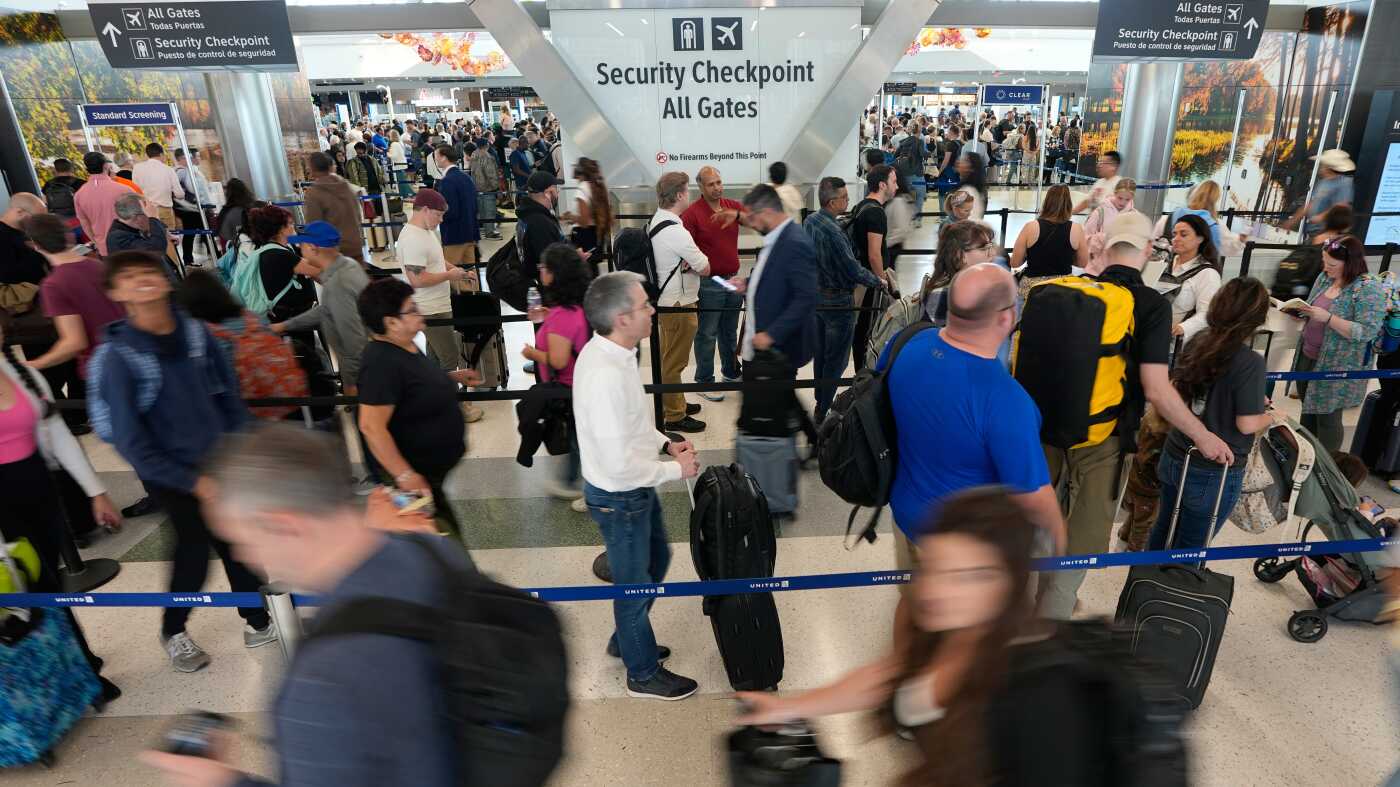
ICE officers could remain at airports after TSA workers are paid

Scathing report claims nation’s oldest labor union ‘betrayed’ MAGA members through ‘shocking’ spending

Republican US lawmaker demands Congress vote on any Iran troop deployment
-

 Sports1 week ago
IOC addresses execution of 19-year-old Iranian wrestler Saleh Mohammadi
-

 New Mexico1 week ago
Clovis shooting leaves one dead, four injured
-

 Miami, FL4 days ago
Jannik Sinner’s Girlfriend Laila Hasanovic Stuns in Ab-Revealing Post Amid Miami Open
-

 Tennessee6 days ago
Tennessee Police Investigating Alleged Assault Involving ‘Reacher’ Star Alan Ritchson
-

 Minneapolis, MN4 days ago
Boy who shielded classmate during school shooting receives Medal of Honor
-

 Politics1 week ago
Schumer gambit fails as DHS shutdown hits 36 days and airport lines grow
-

 Science1 week ago
Record Heat Meets a Major Snow Drought Across the West
-

 Technology1 week ago
YouTube job scam text: How to spot it fast